

Menu
Menu
Your Cart

Giant Danio

Giant Danio
Giant Danio
Giant Danio
Giant Danio
Giant Danio
From €5.99
Ex Tax: €4.87
  • Stock: Call In-Store For Availability
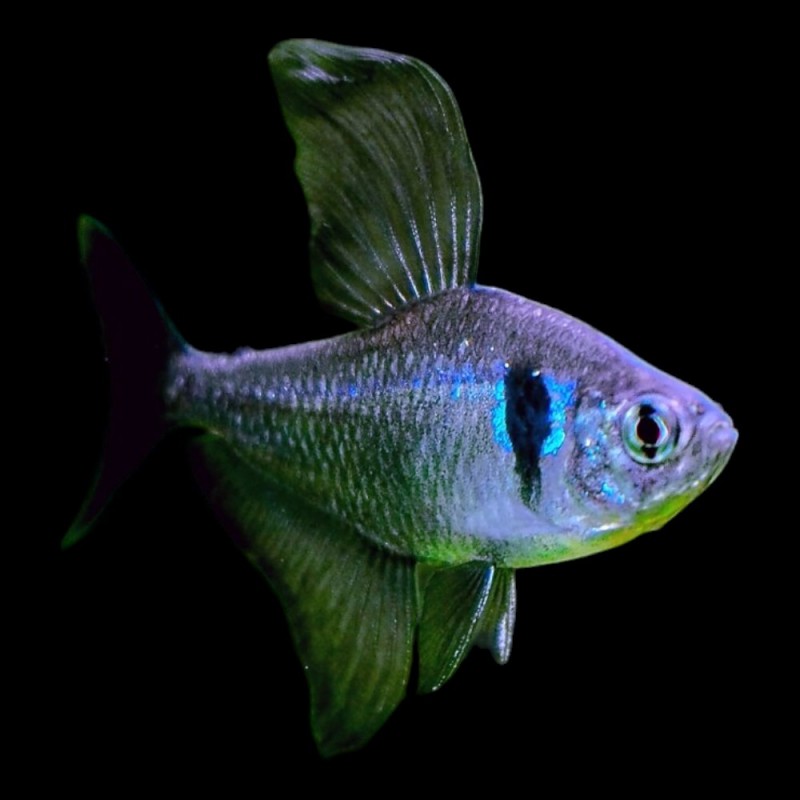
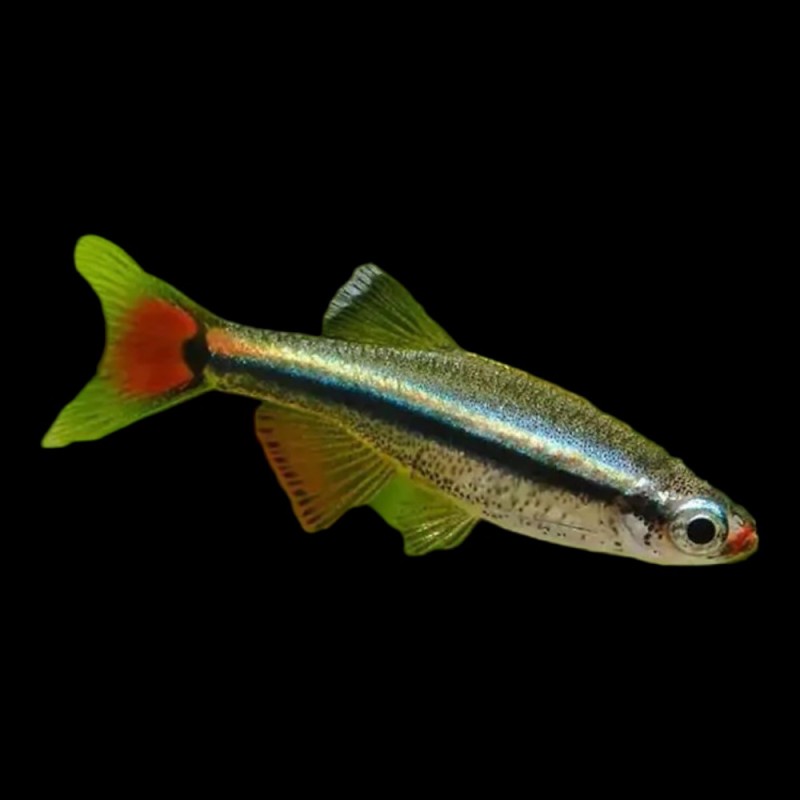
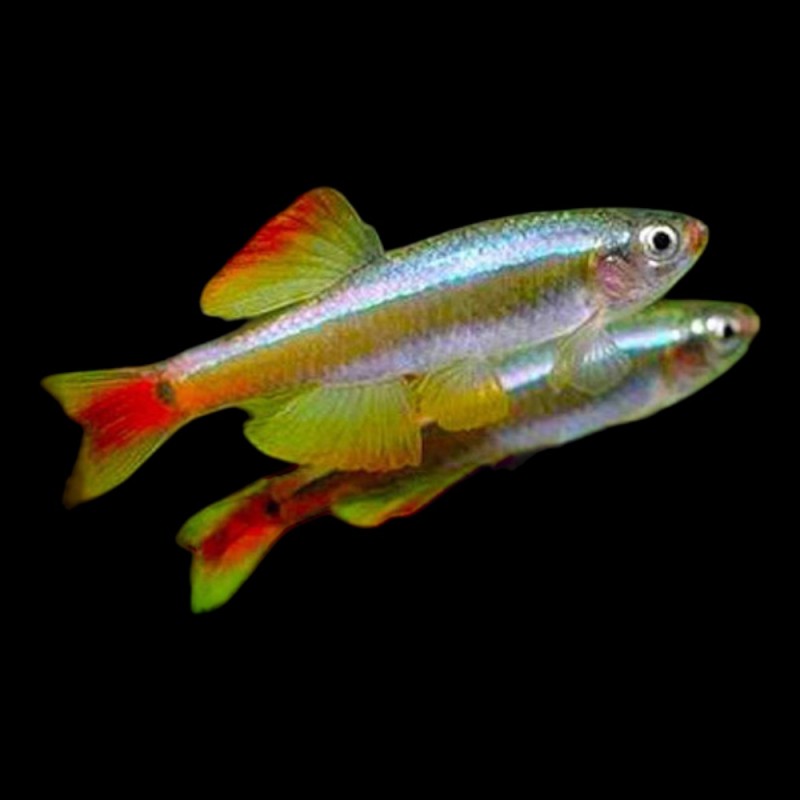
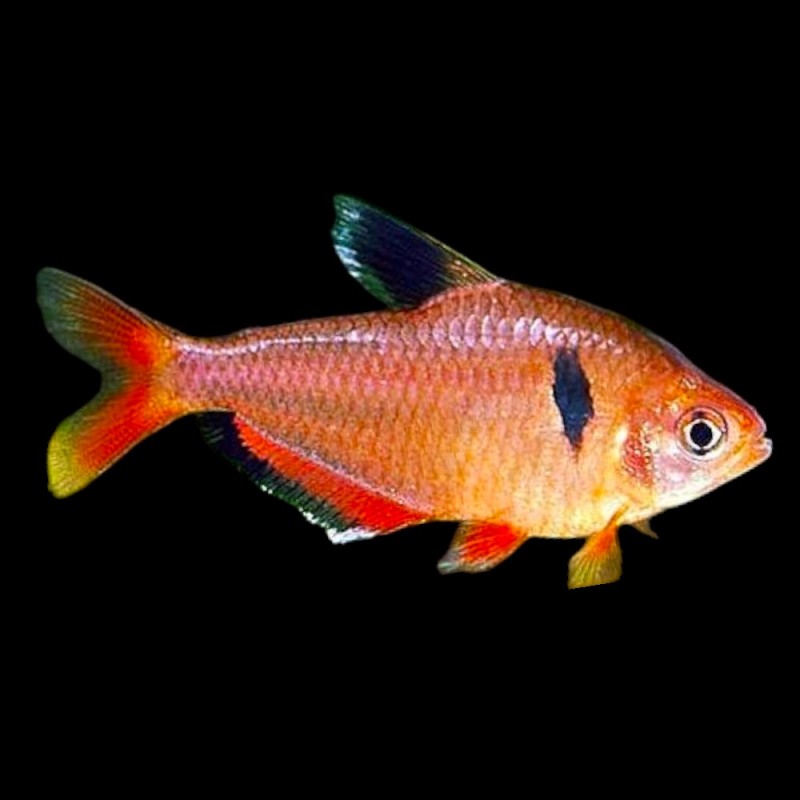
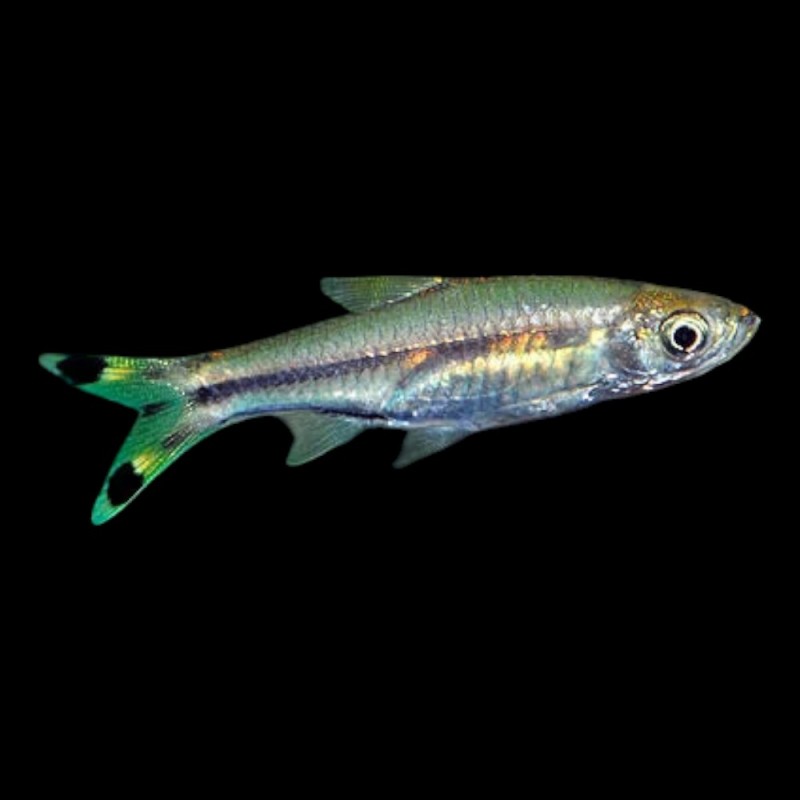
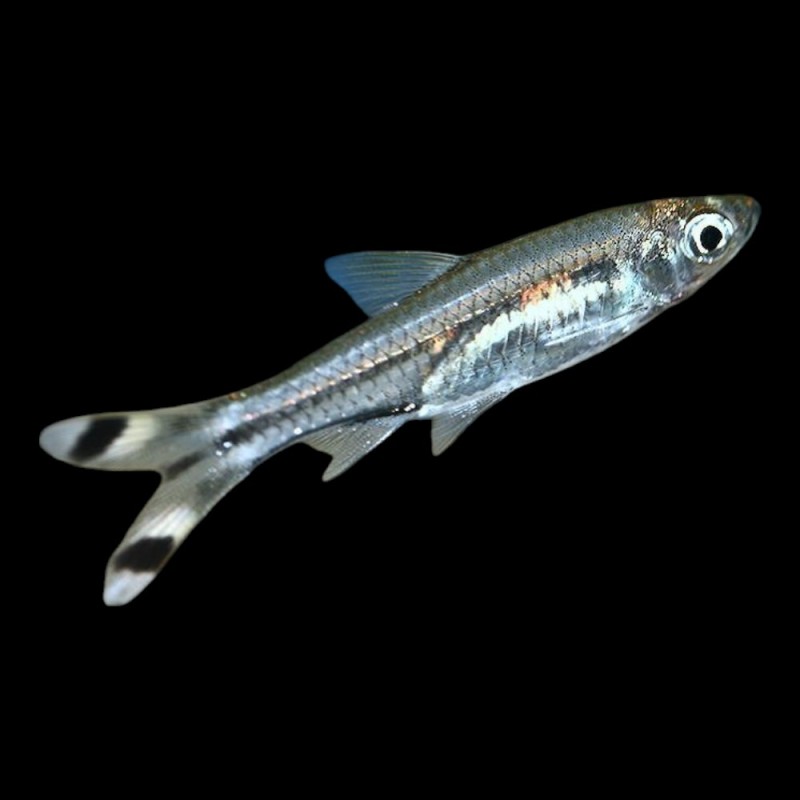
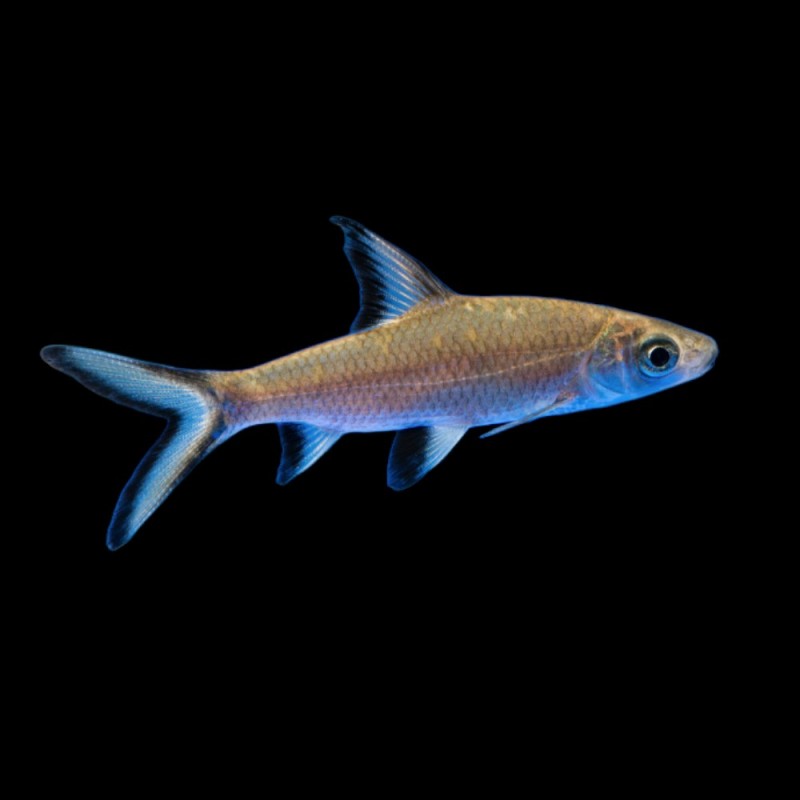
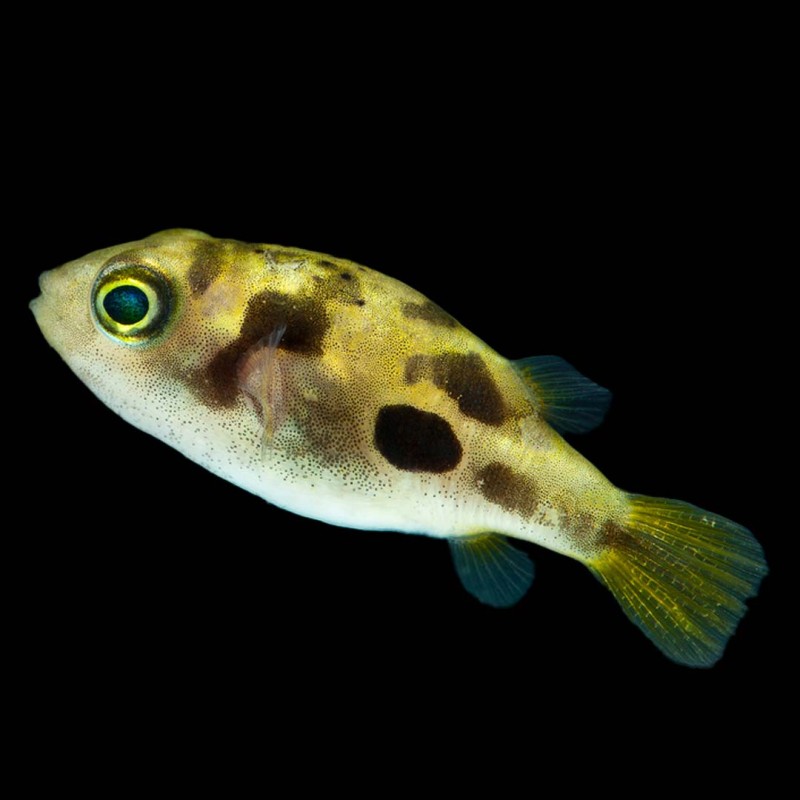
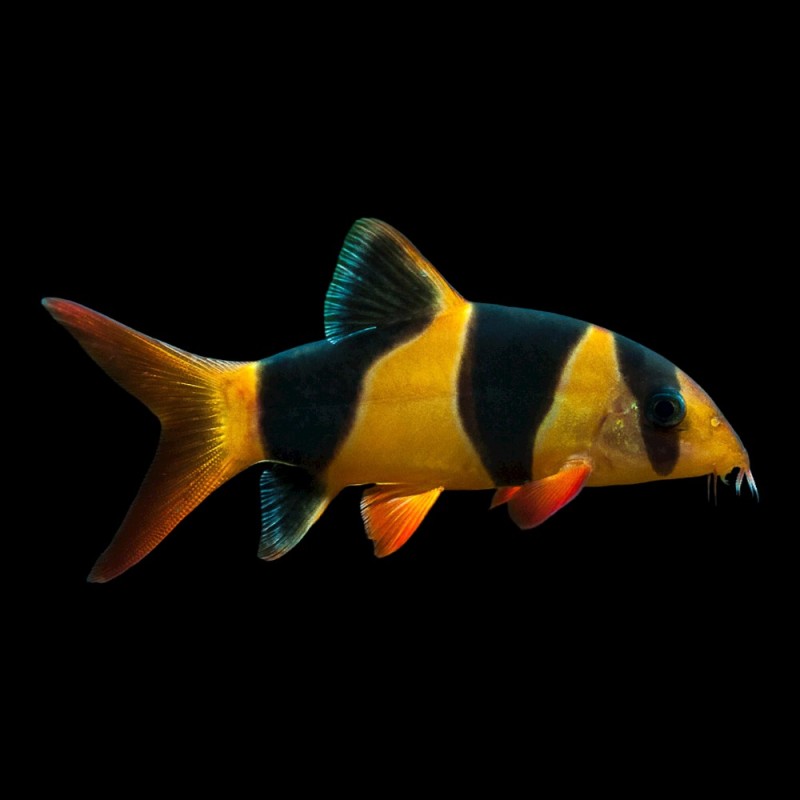
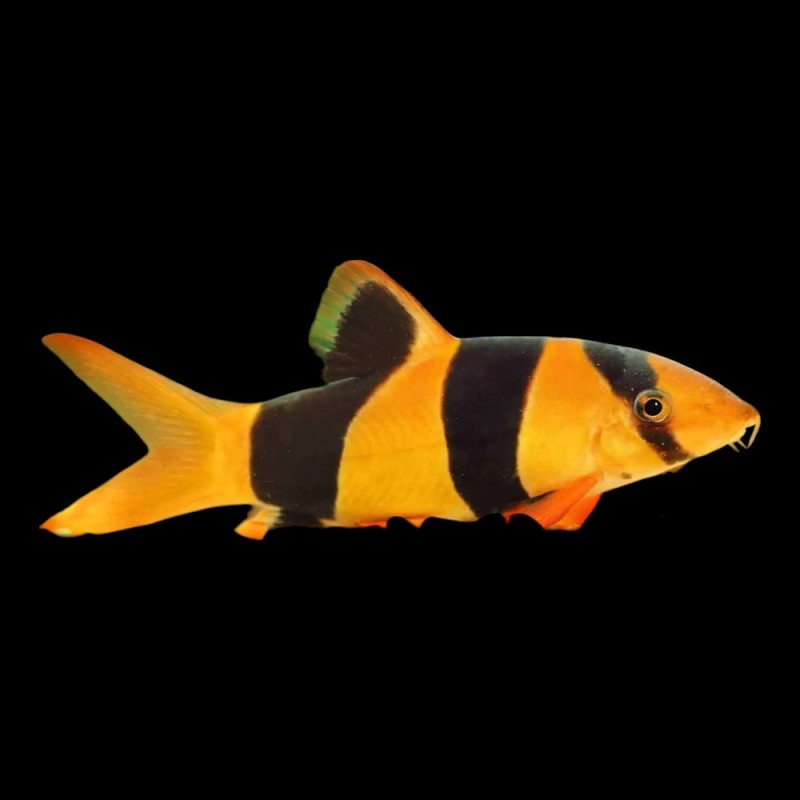
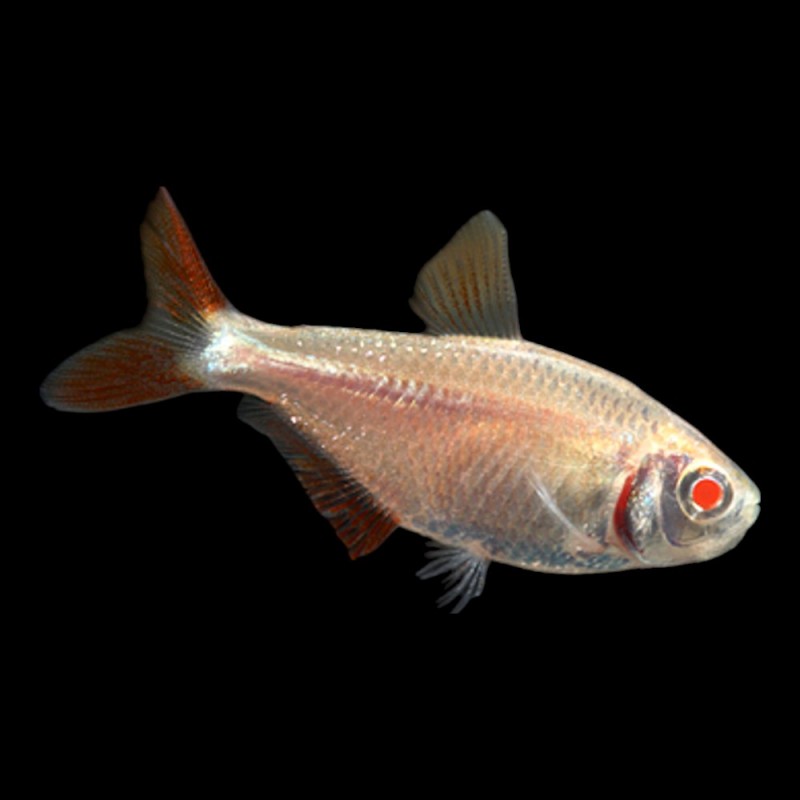
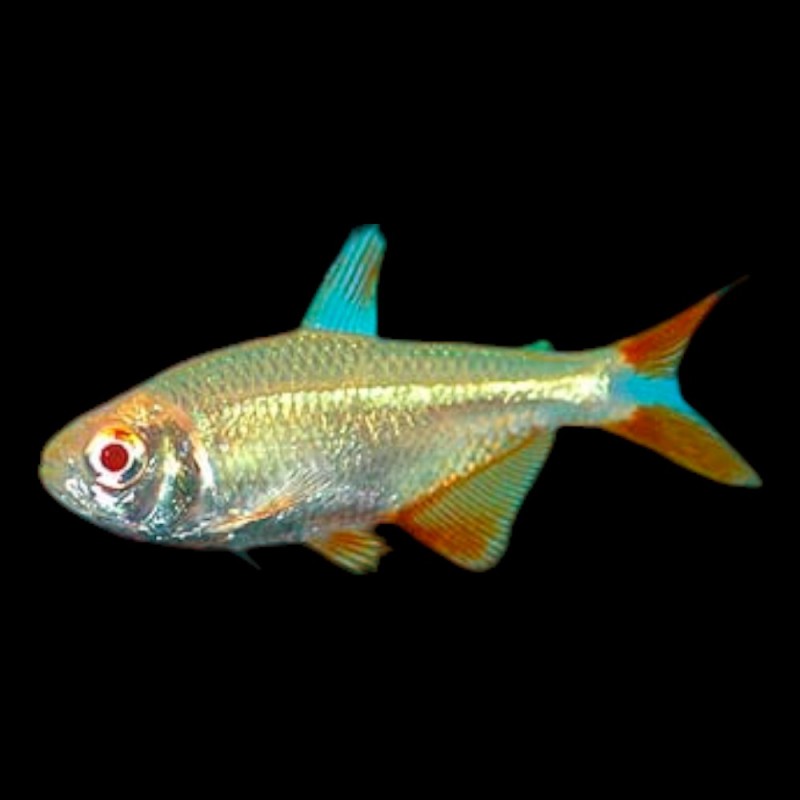
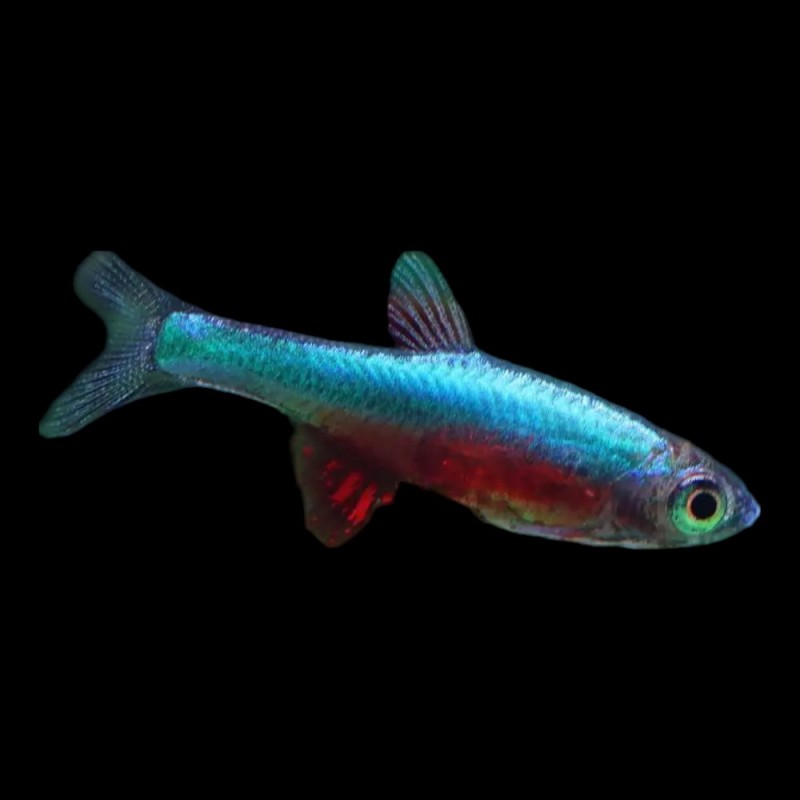
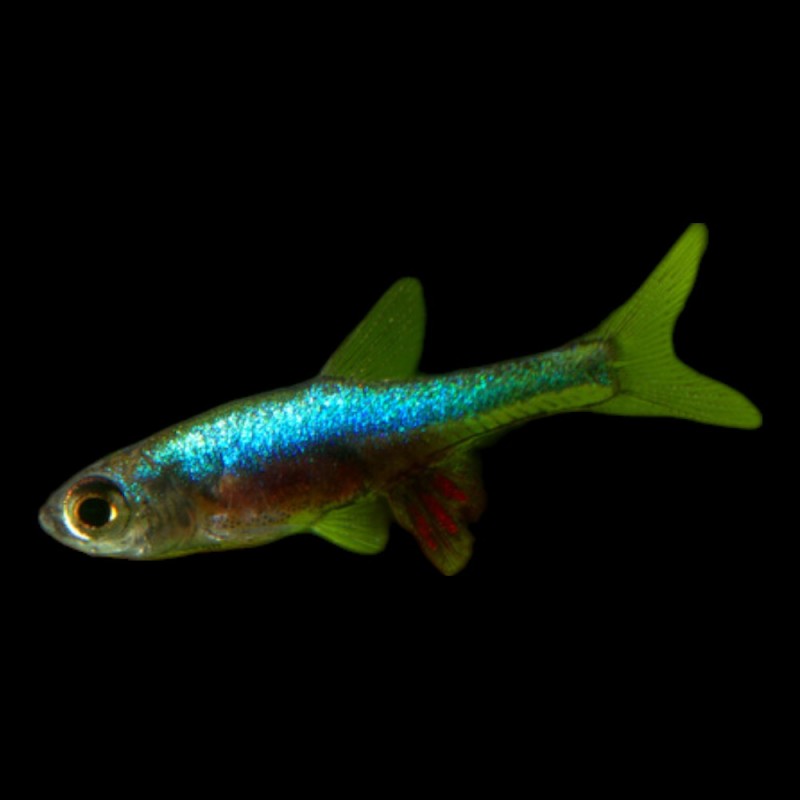
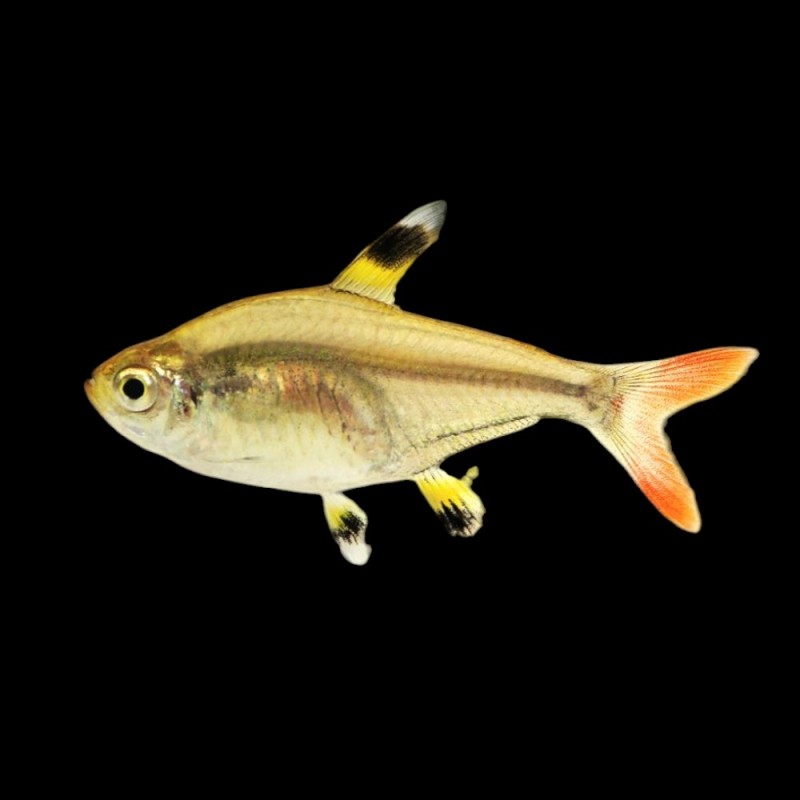
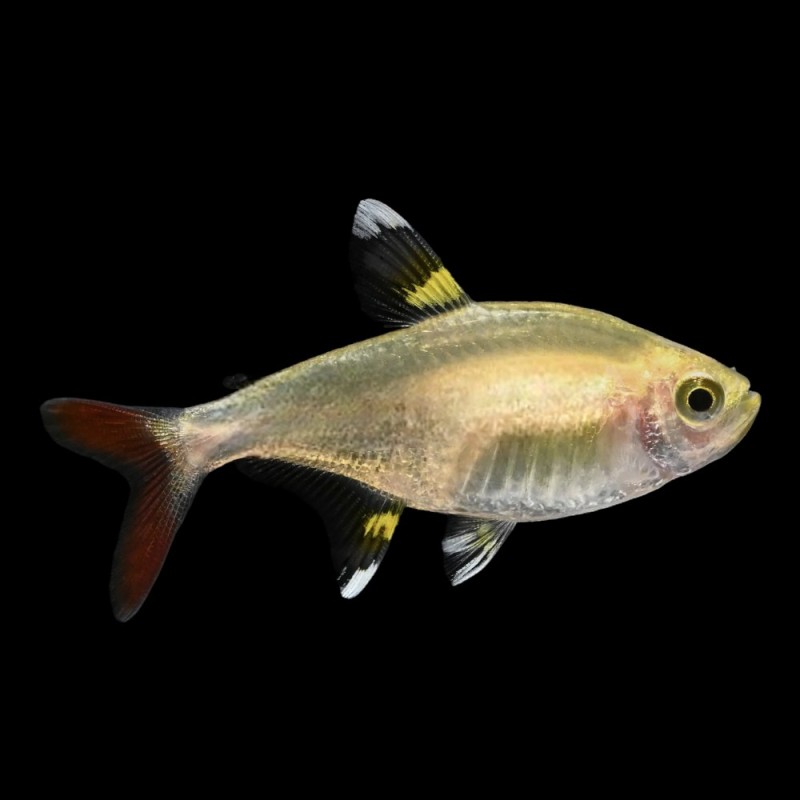
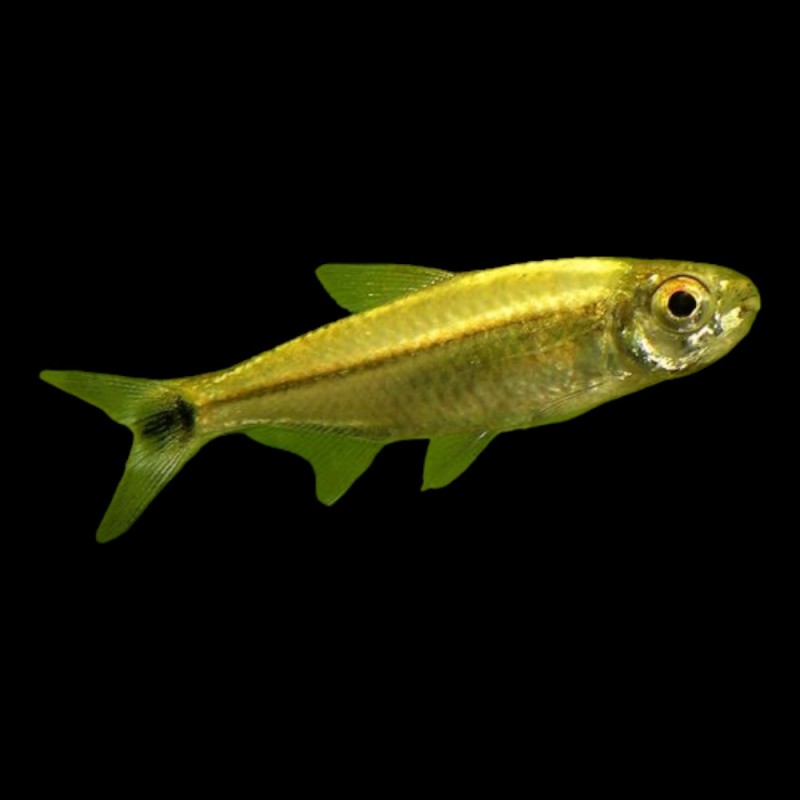
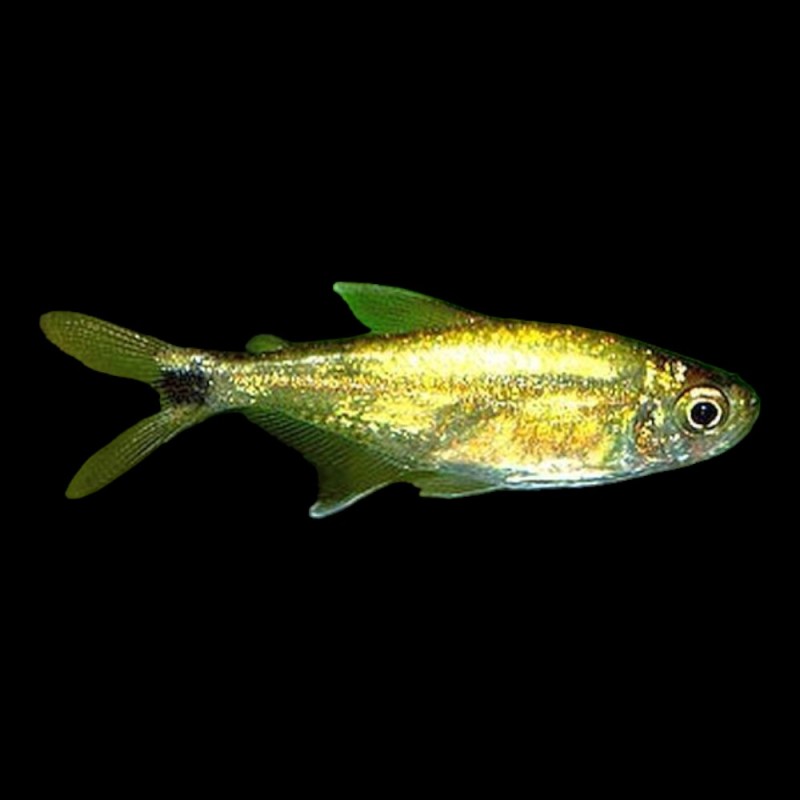
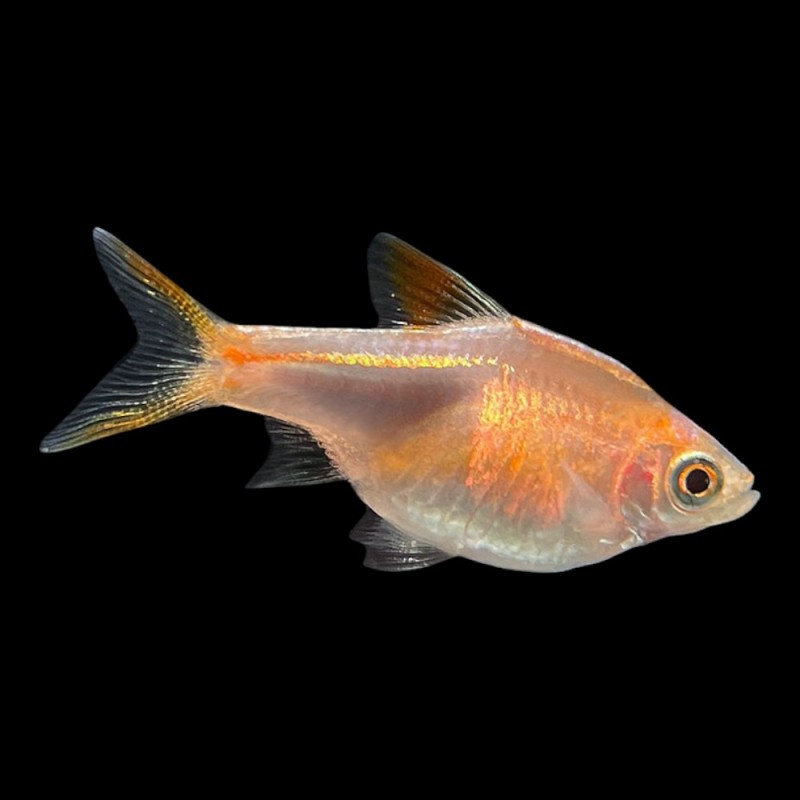
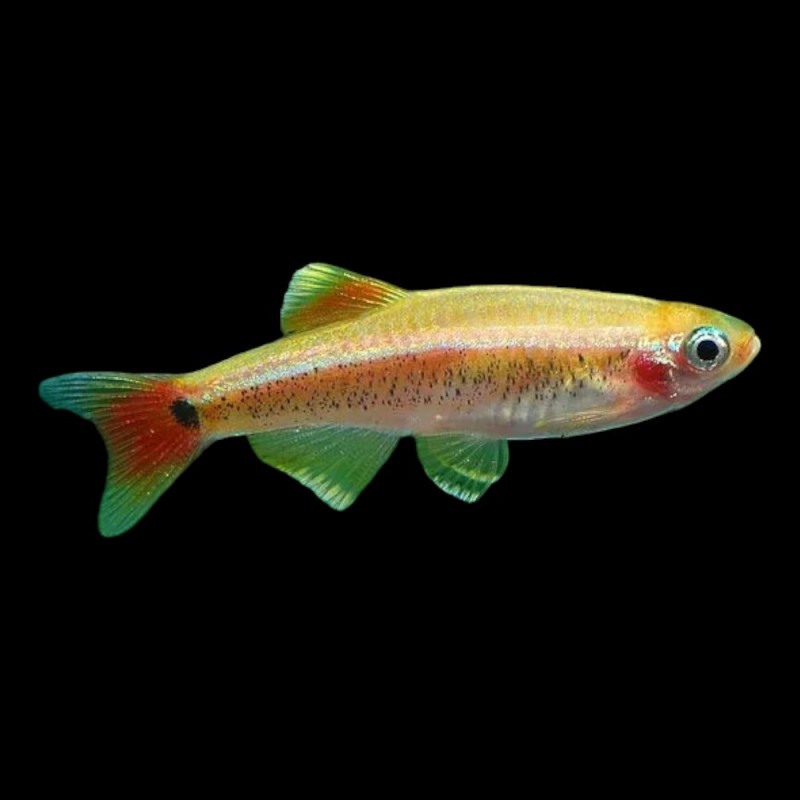
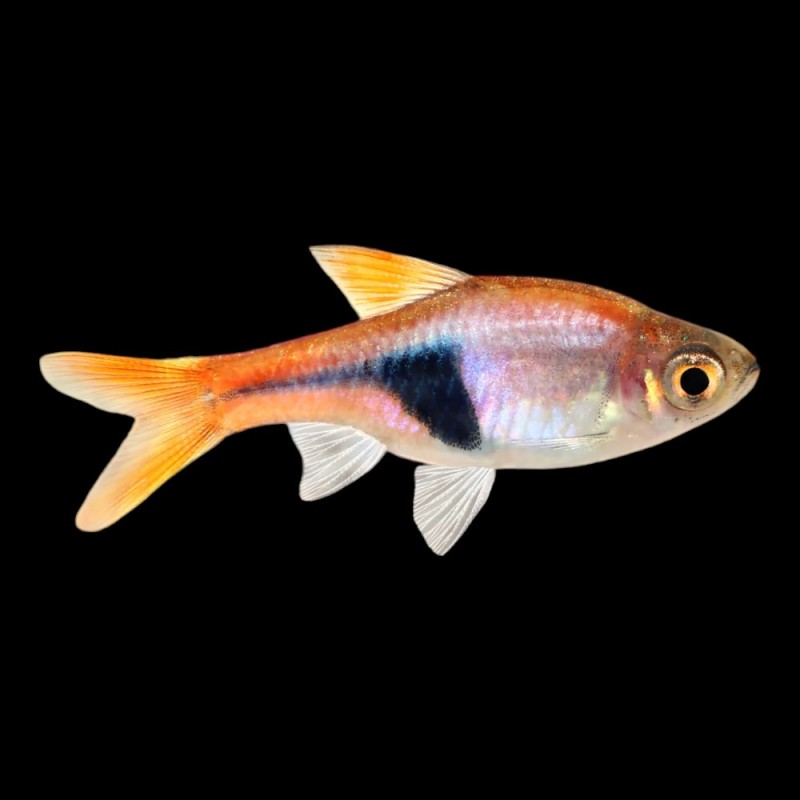
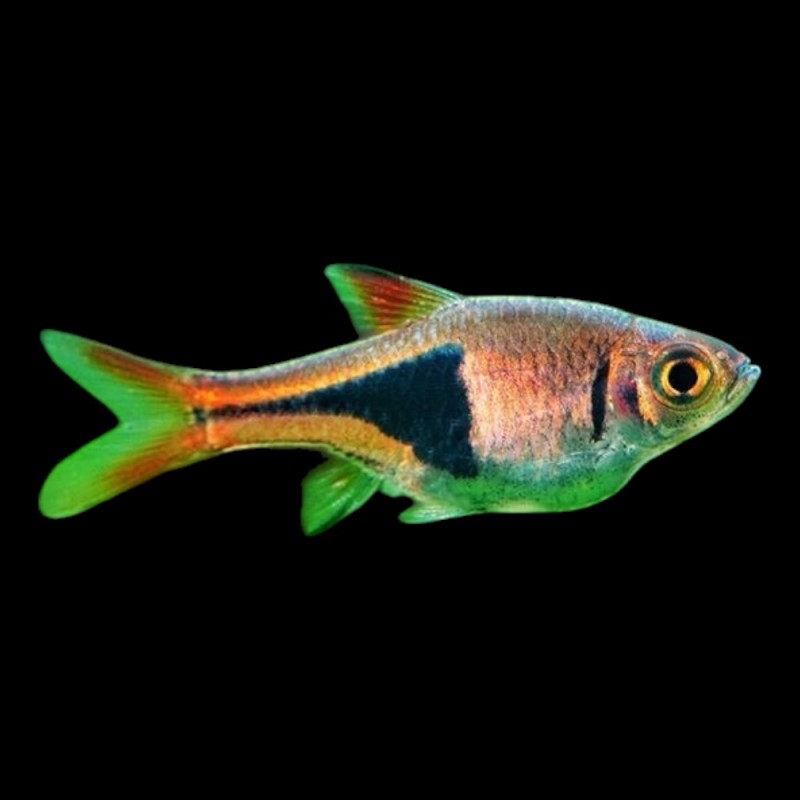
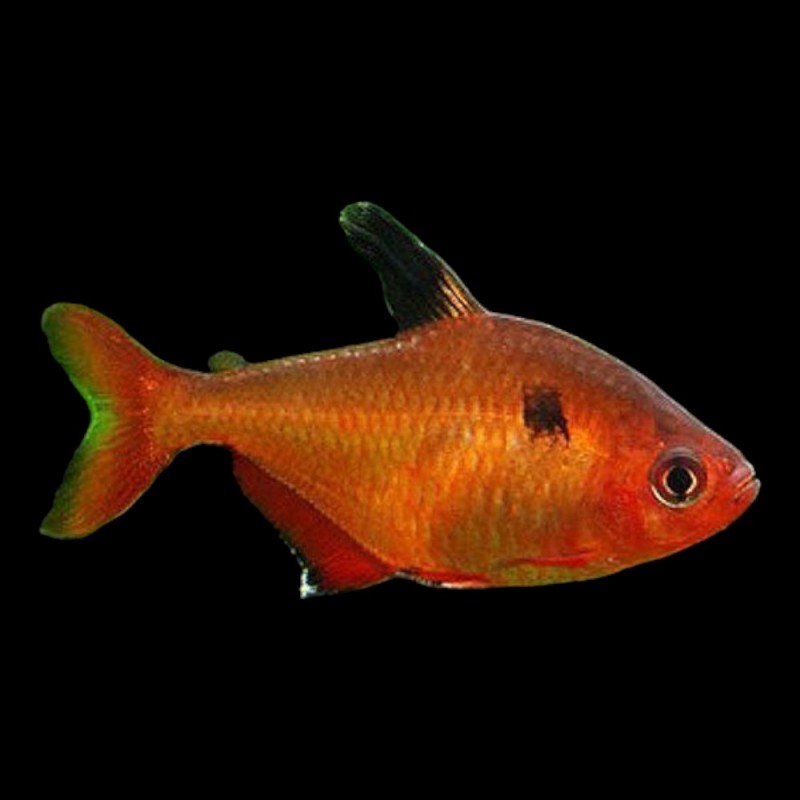
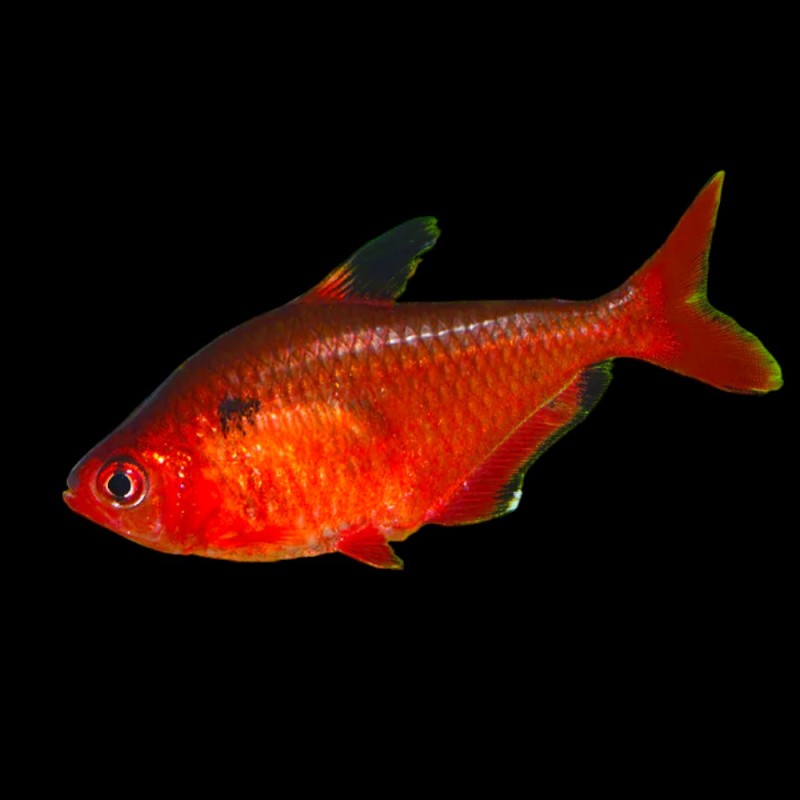
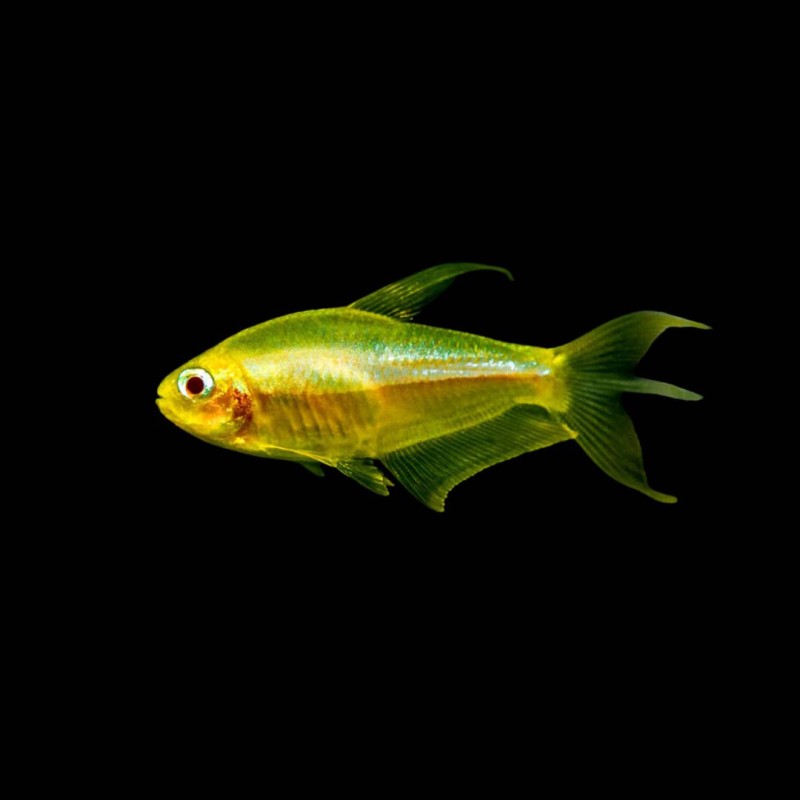
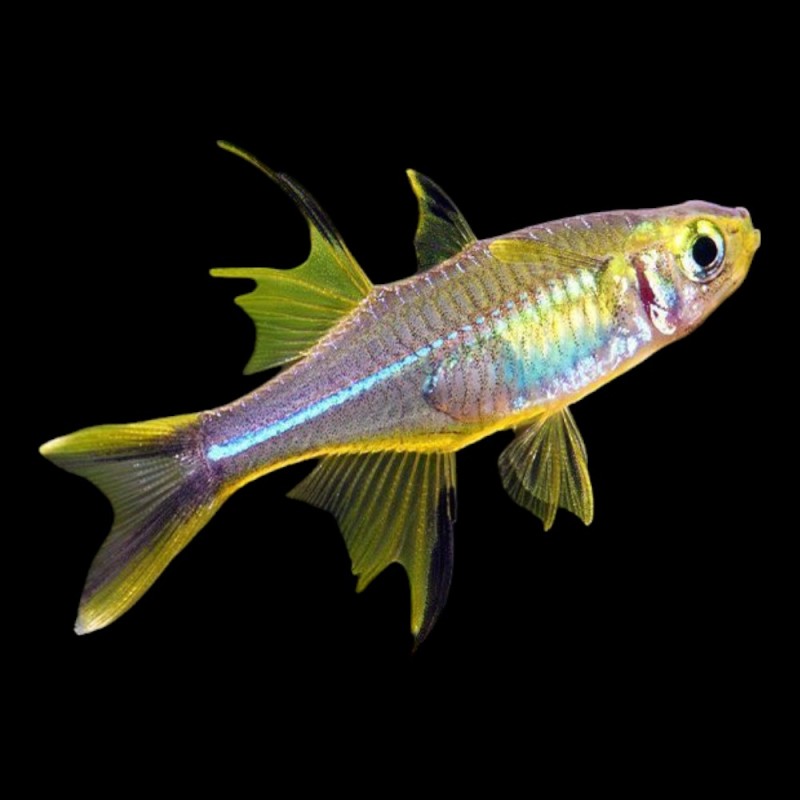
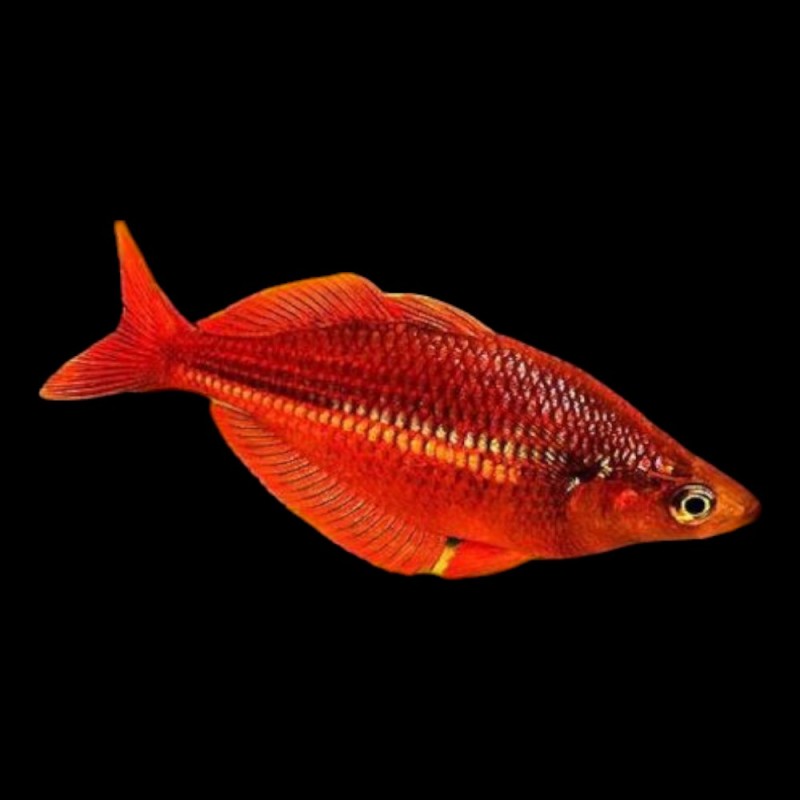
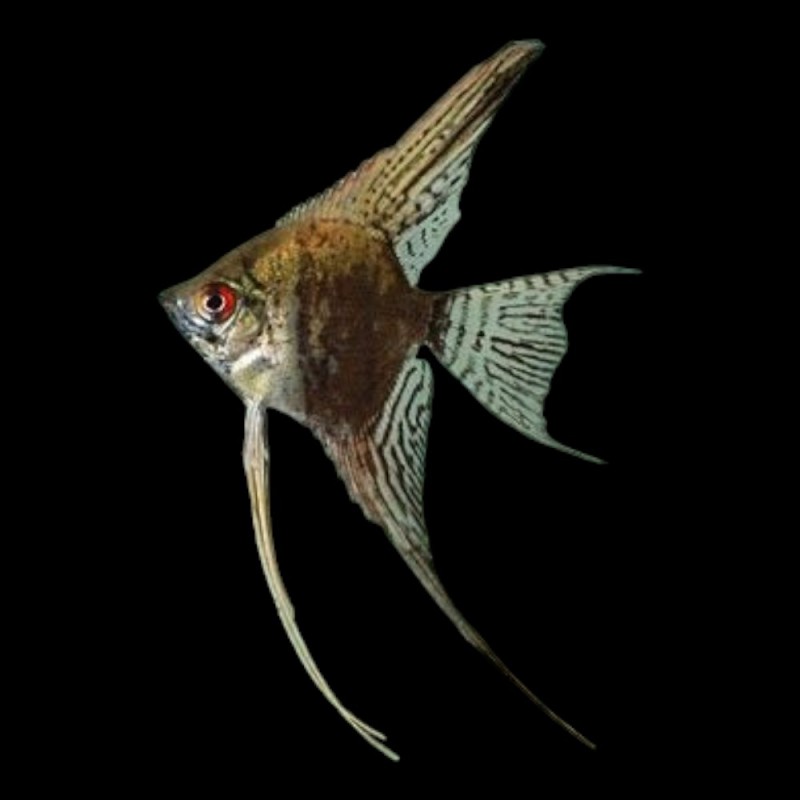
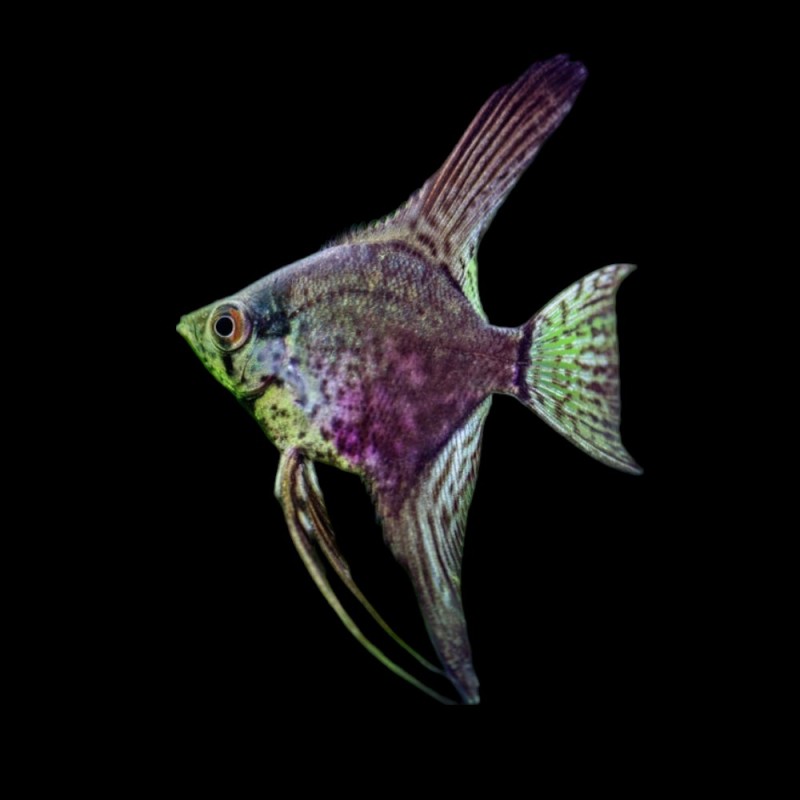
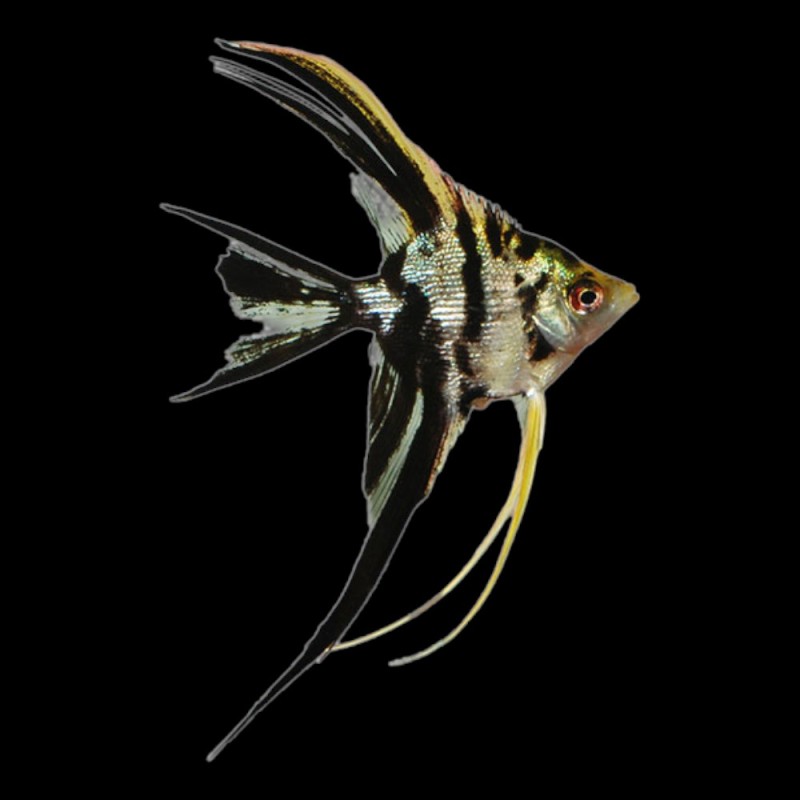
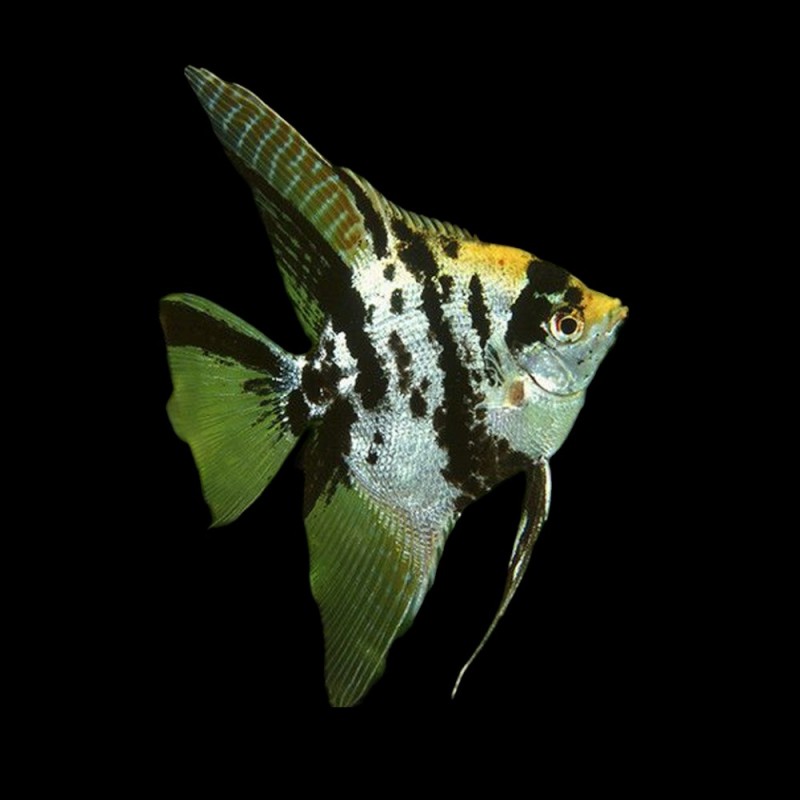
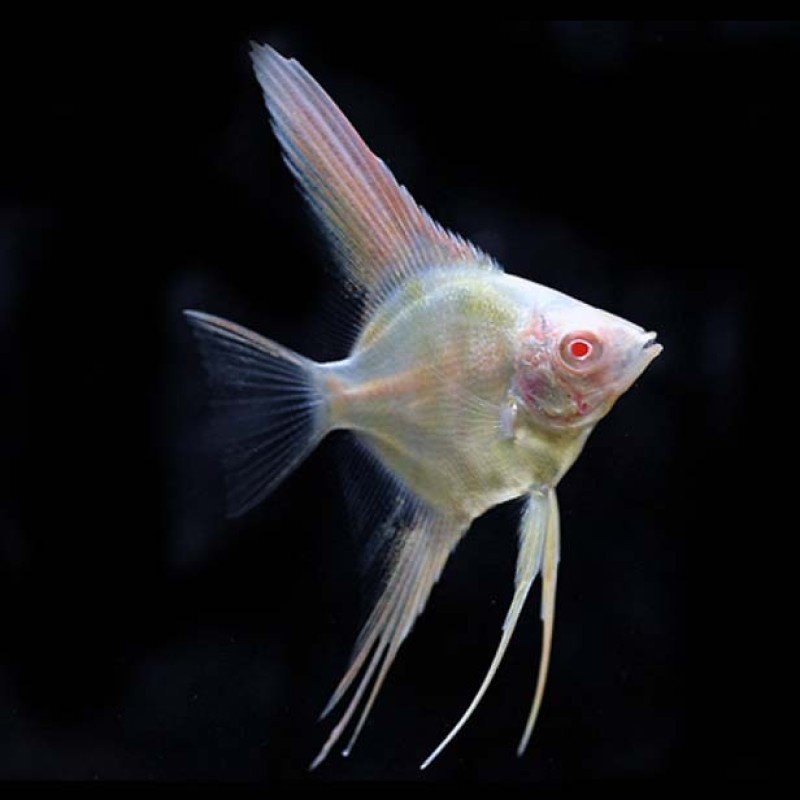
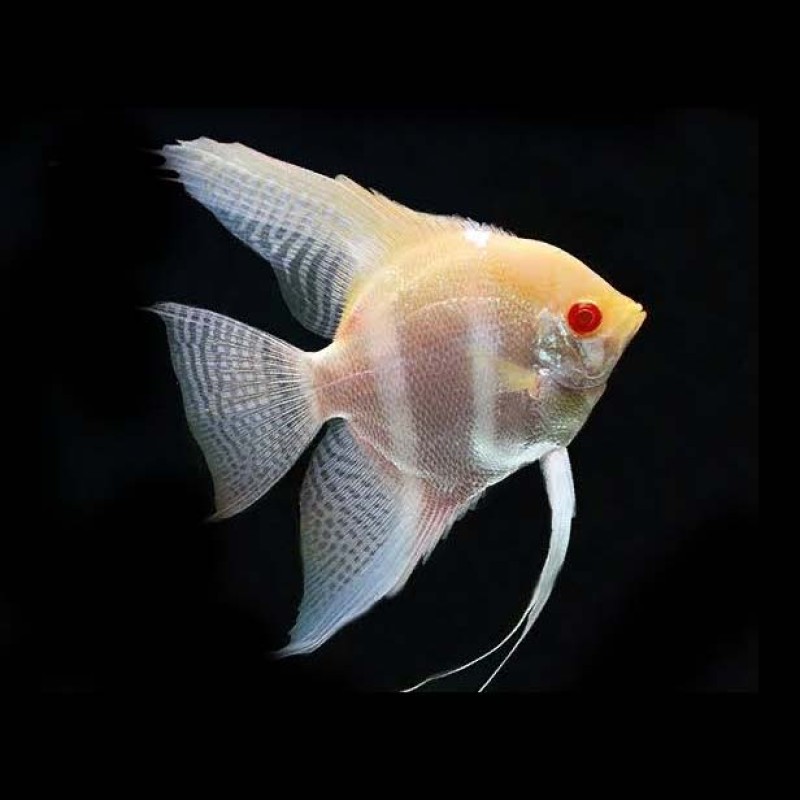
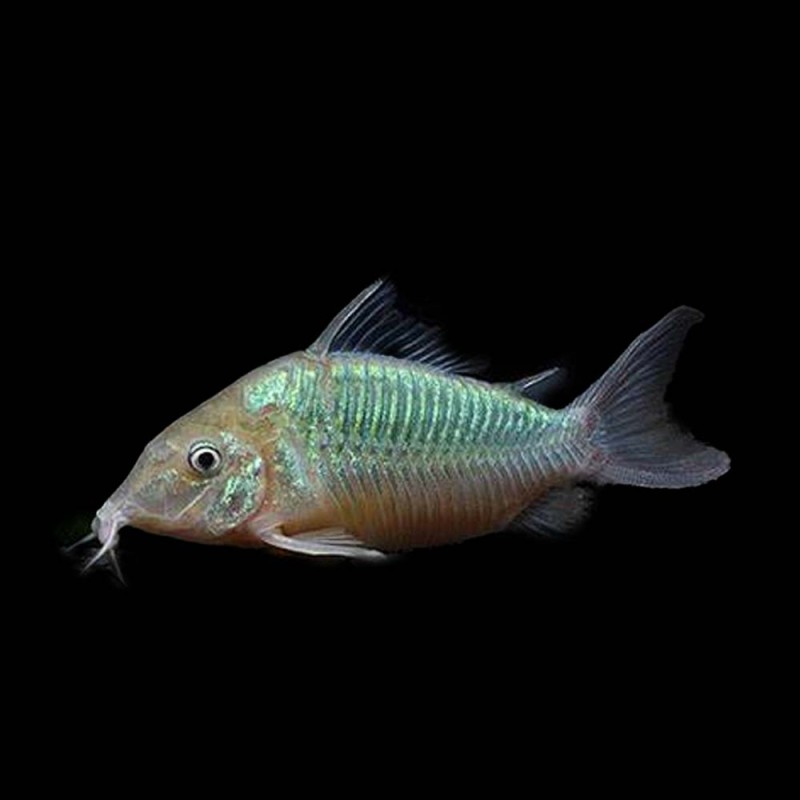
  • Please Note: Due to variations within species, your fish may not look identical to the image provided. Also note not all sizes or species may be available due to seasonality, Please call beforehand for up-to-date stock availability.

  • Model: GIANT DANIO MATRIX
Available Options

Reset options

Giant Danio

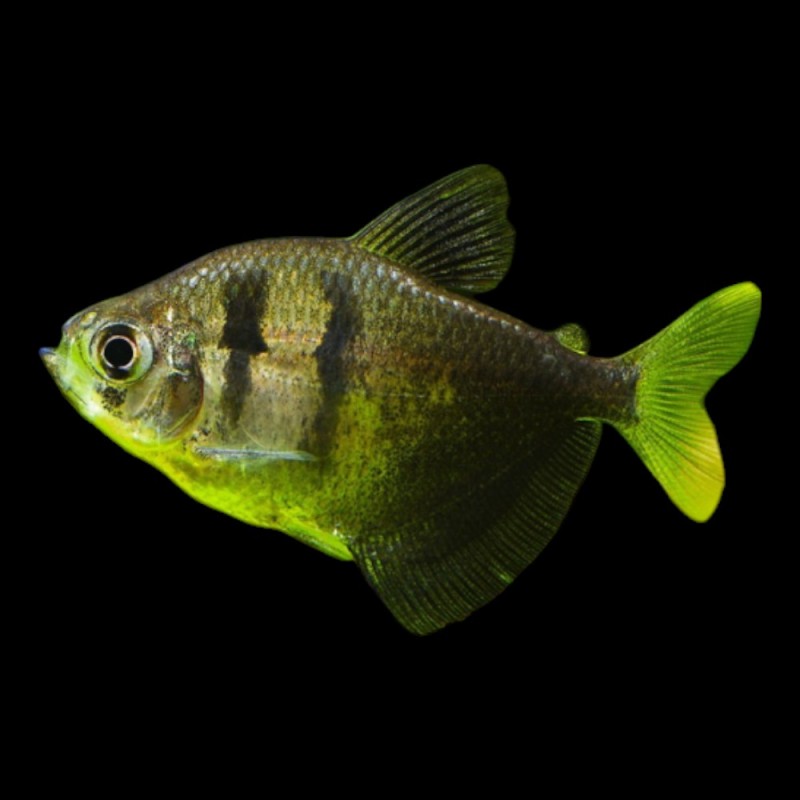
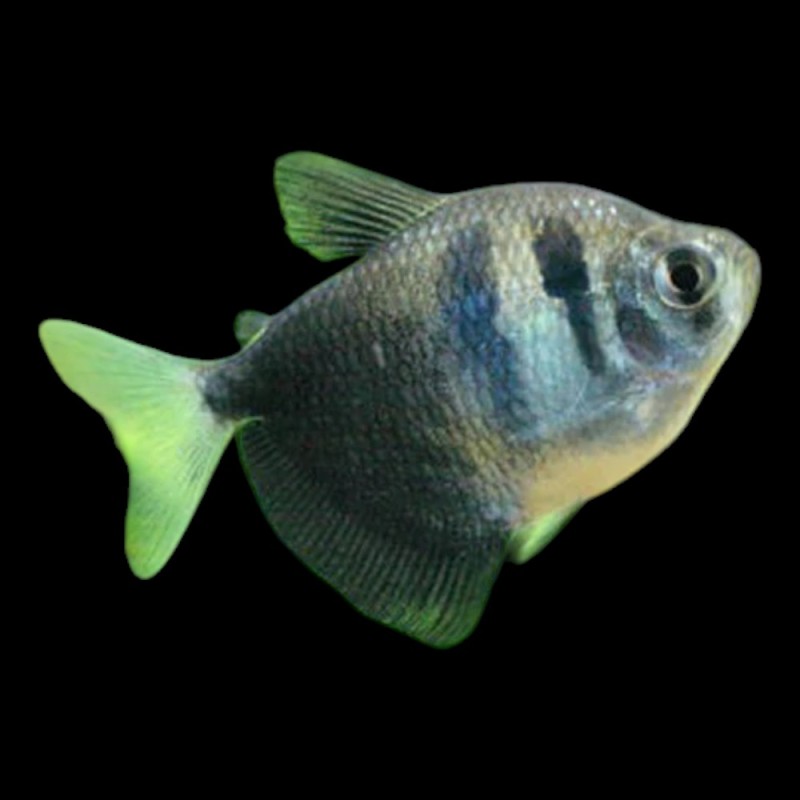
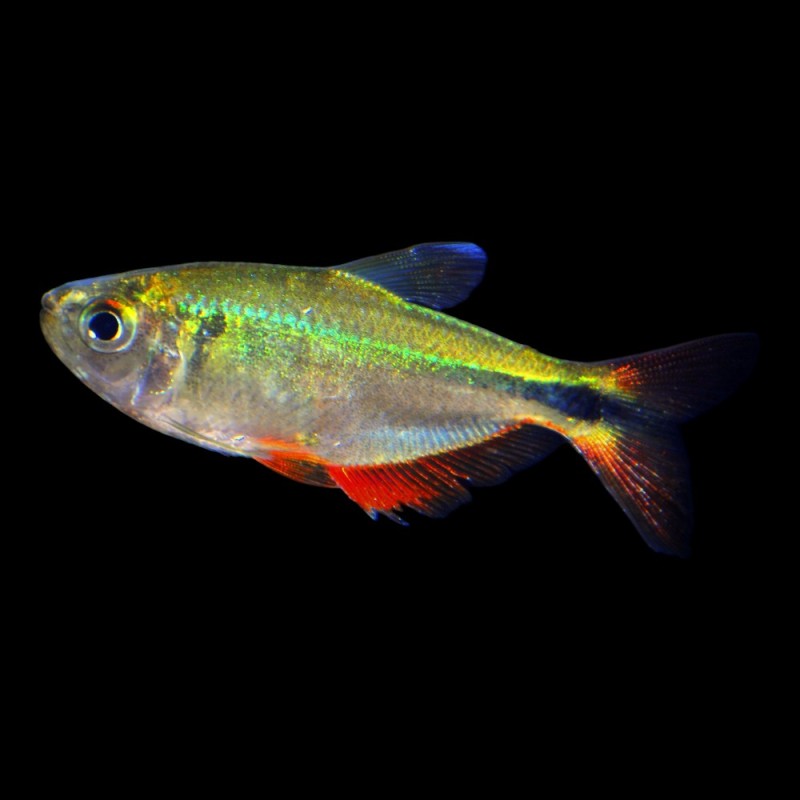
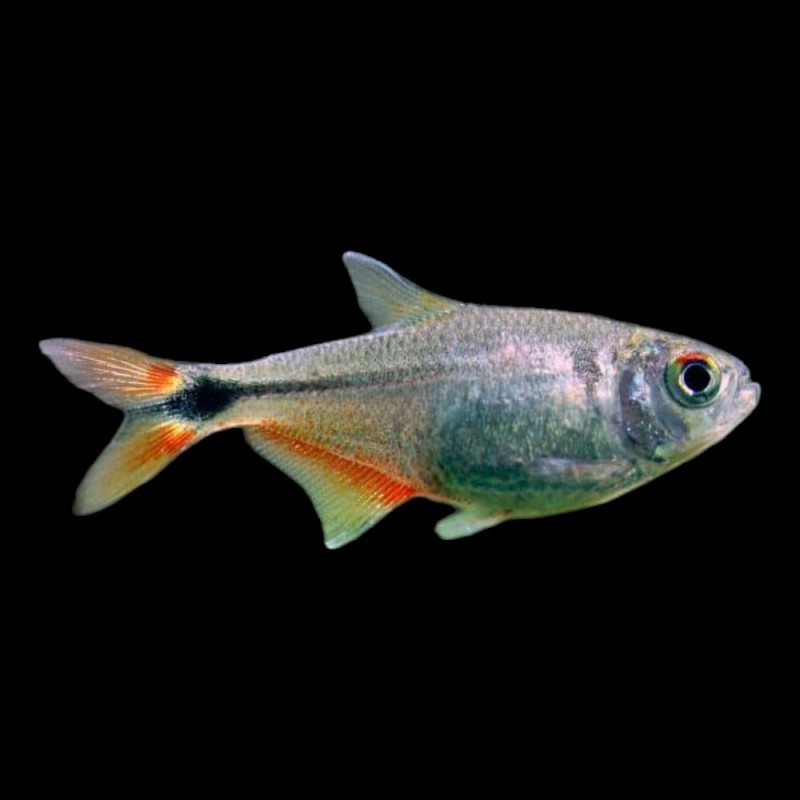
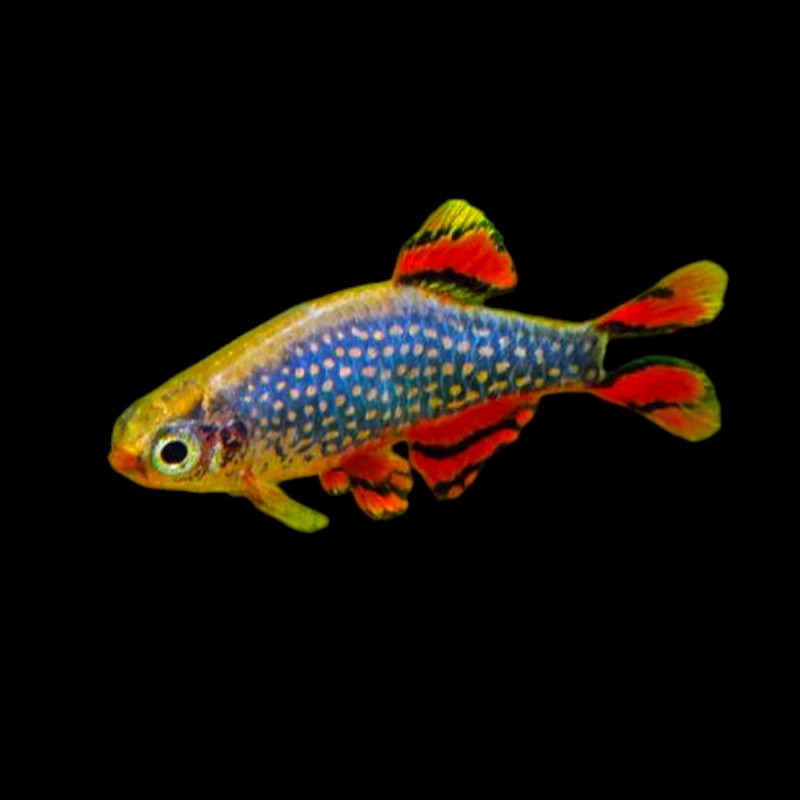
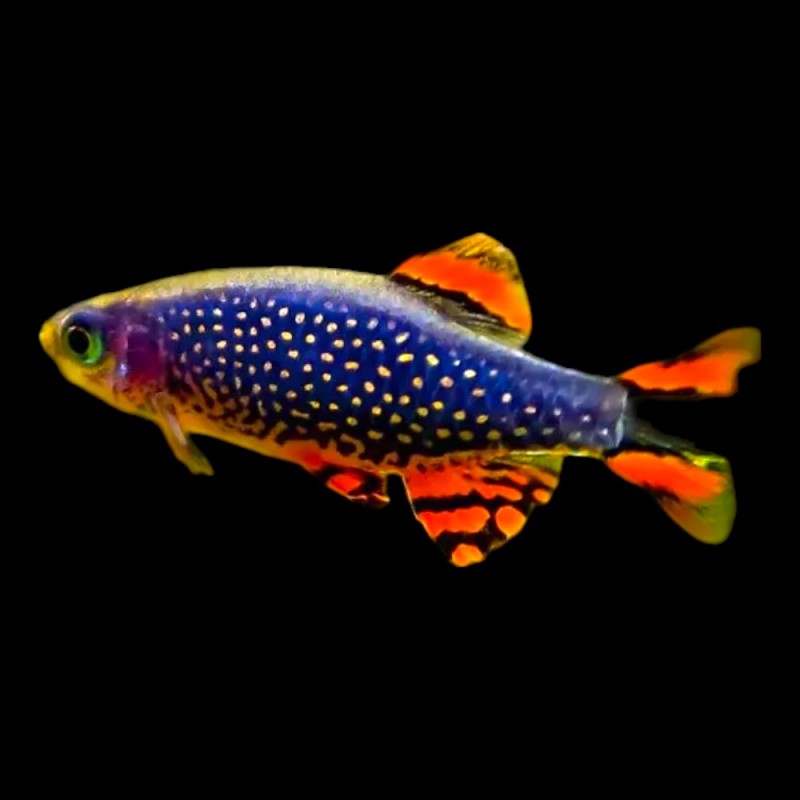
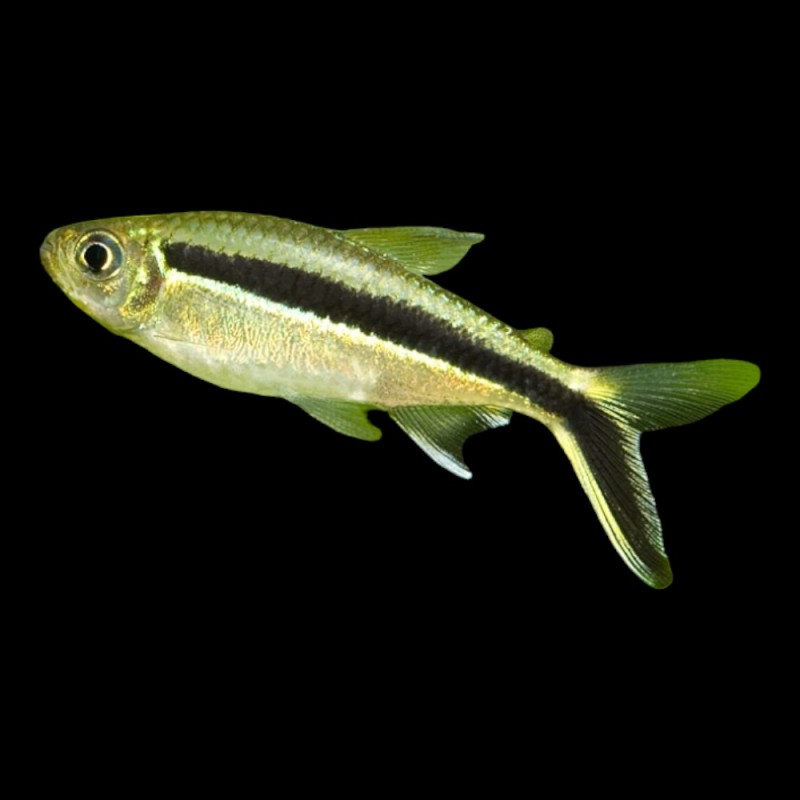
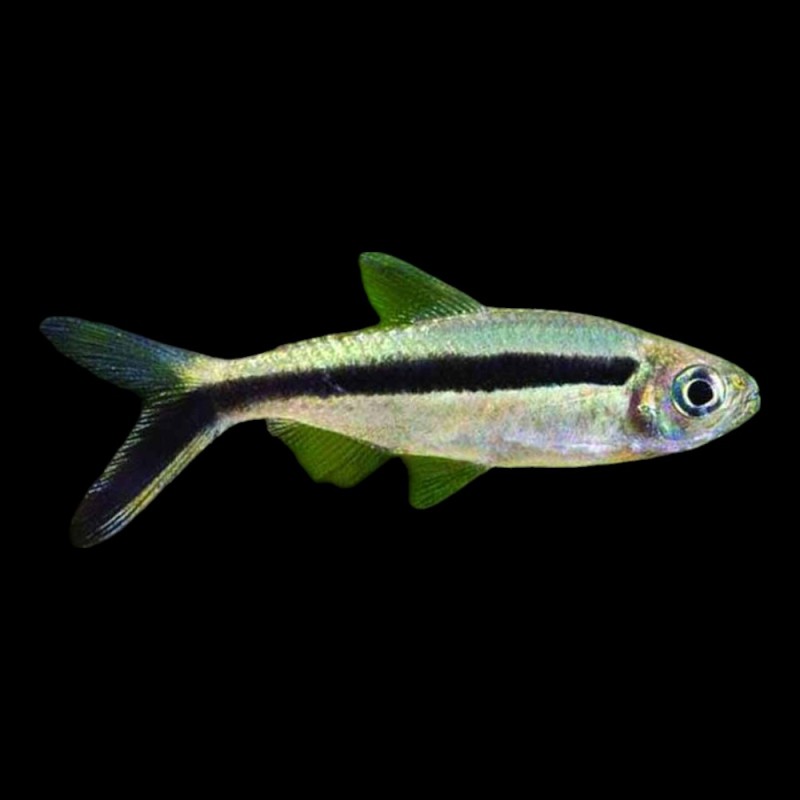
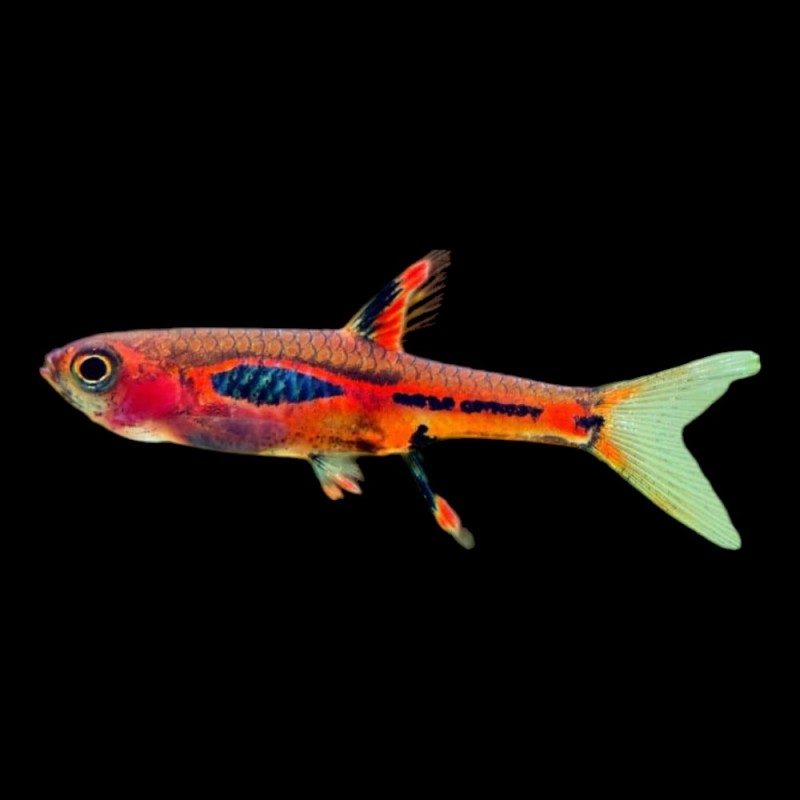
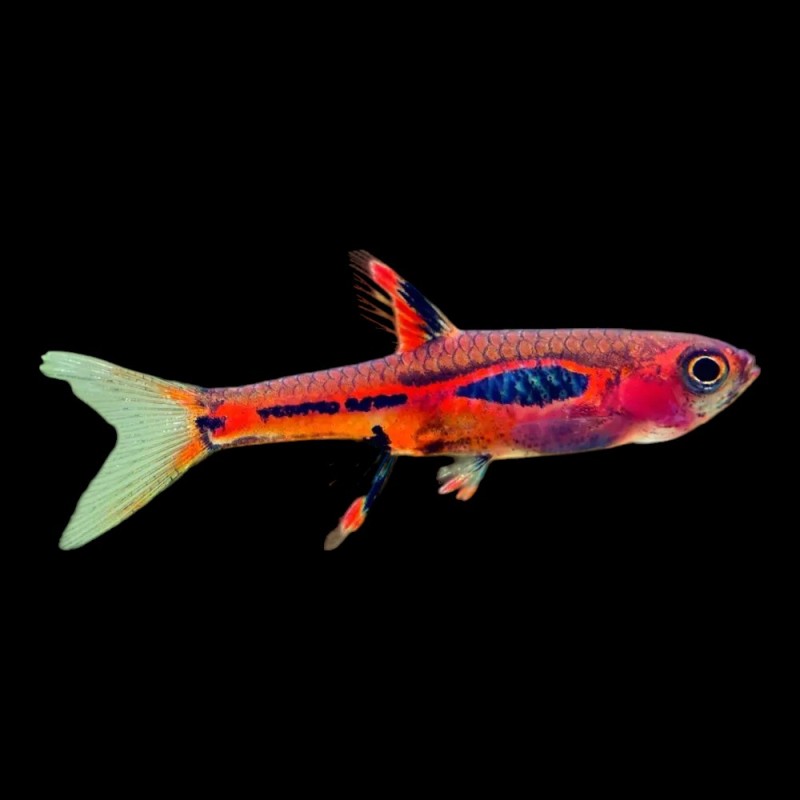
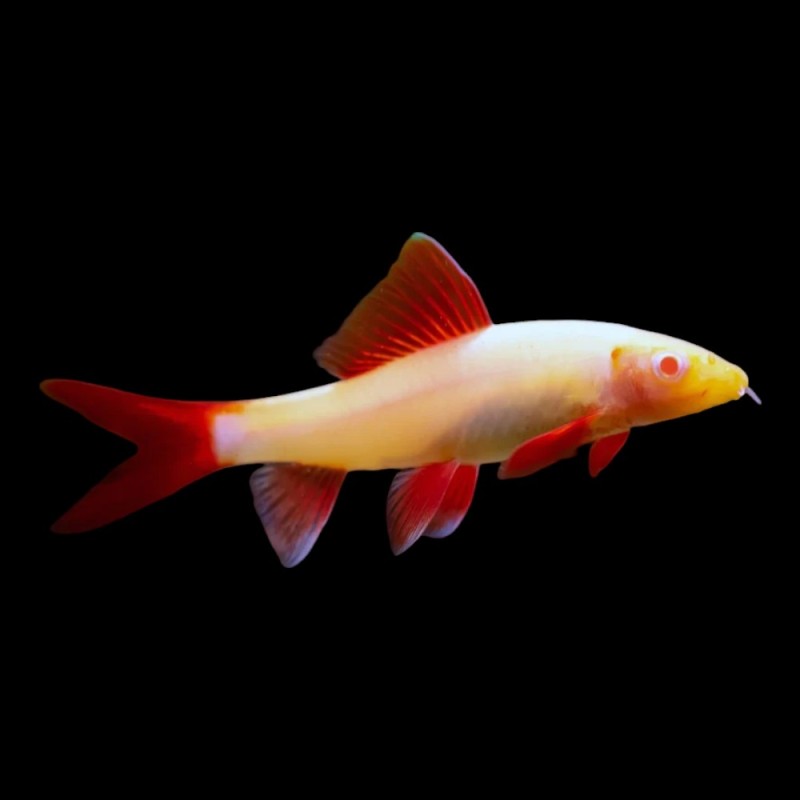
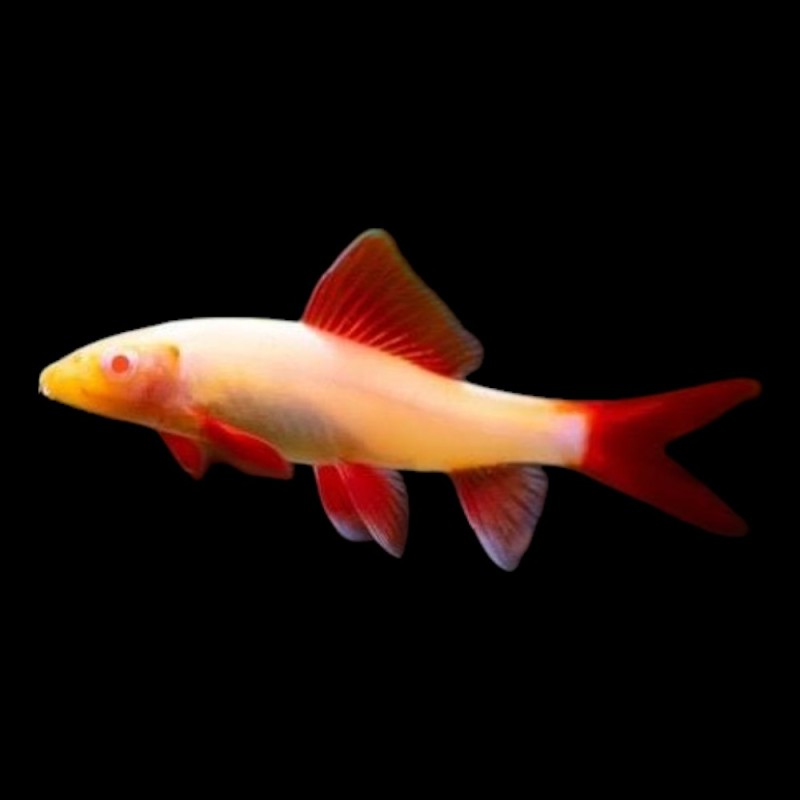
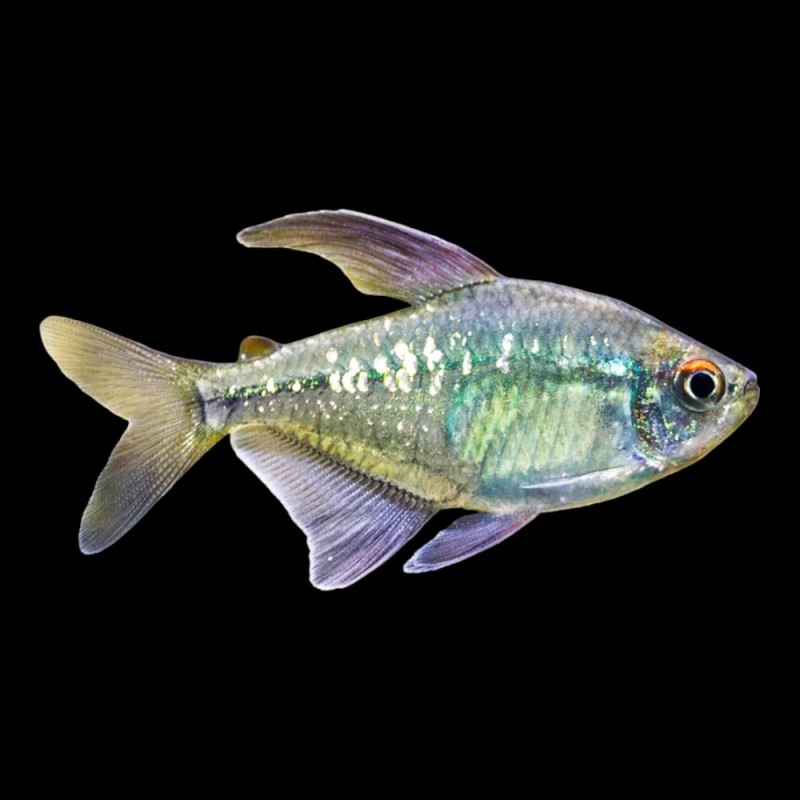
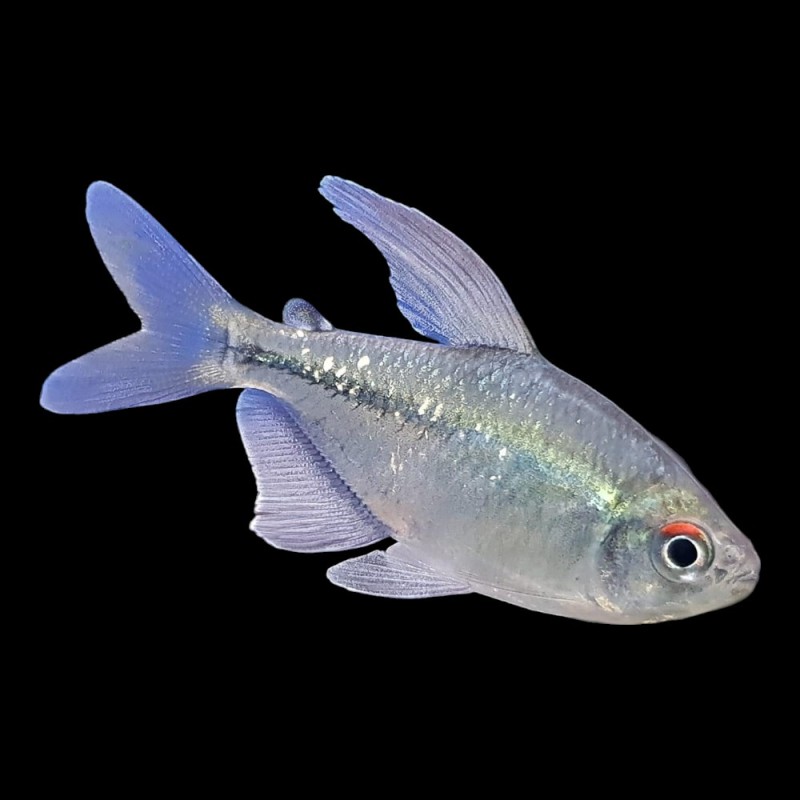
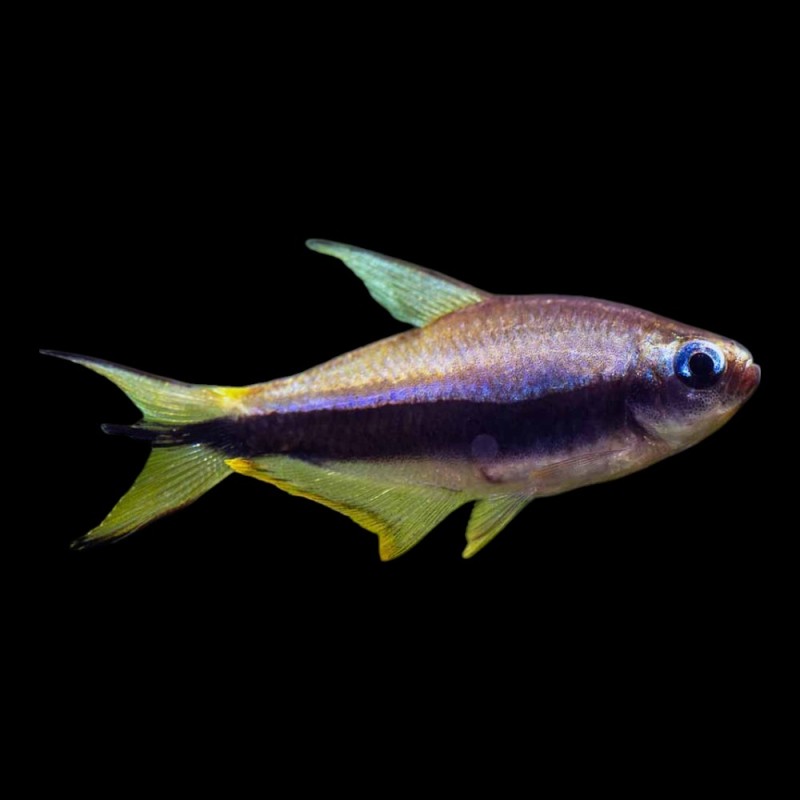
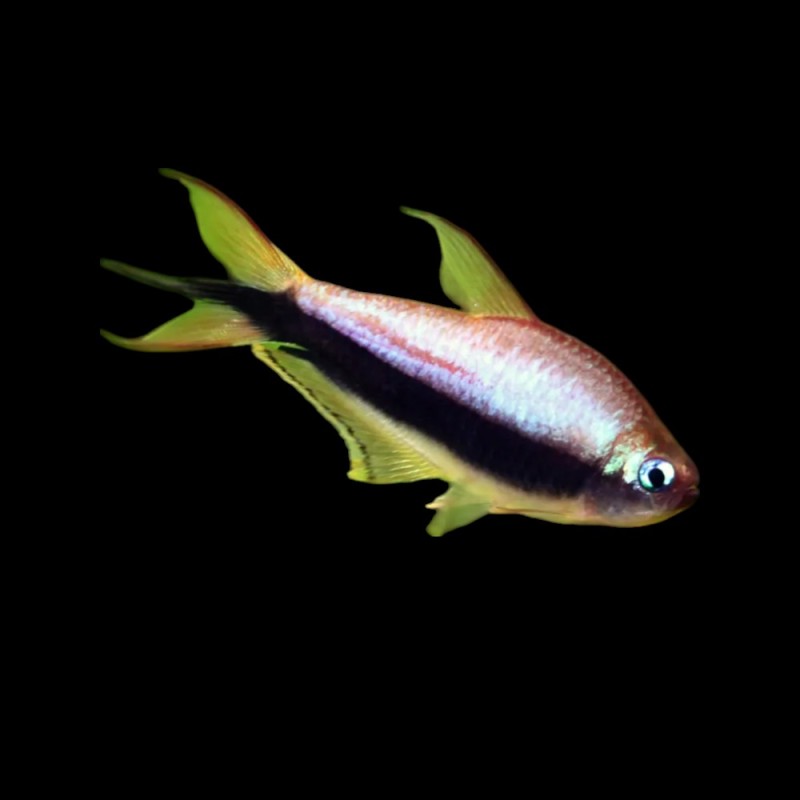
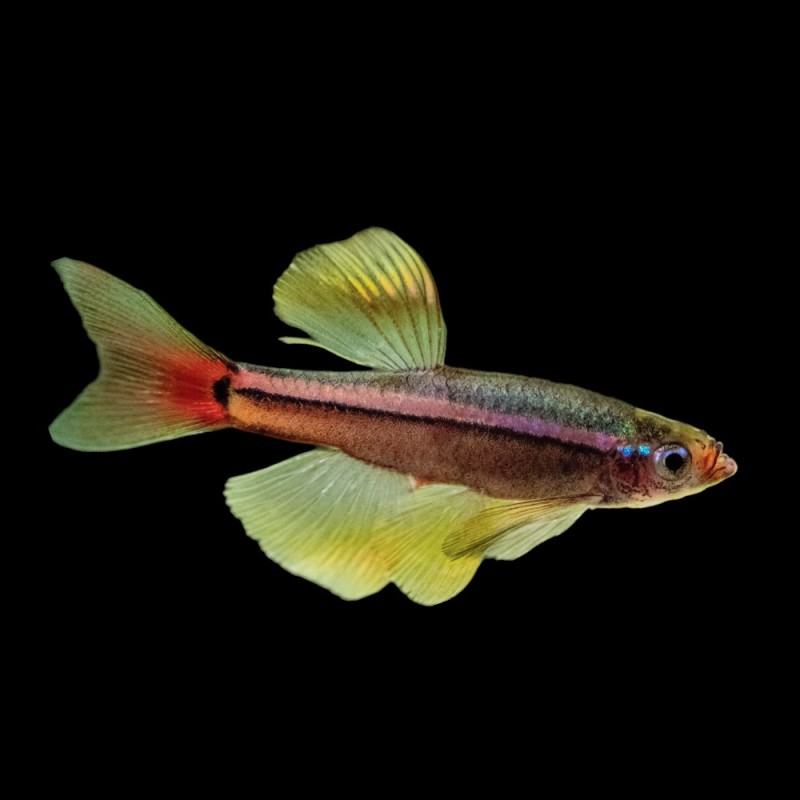
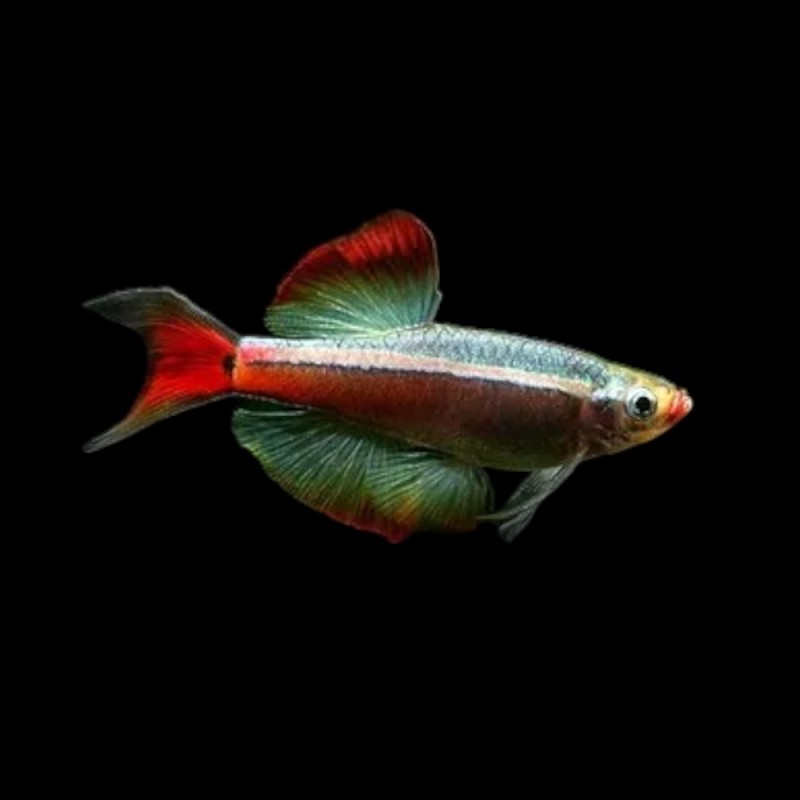
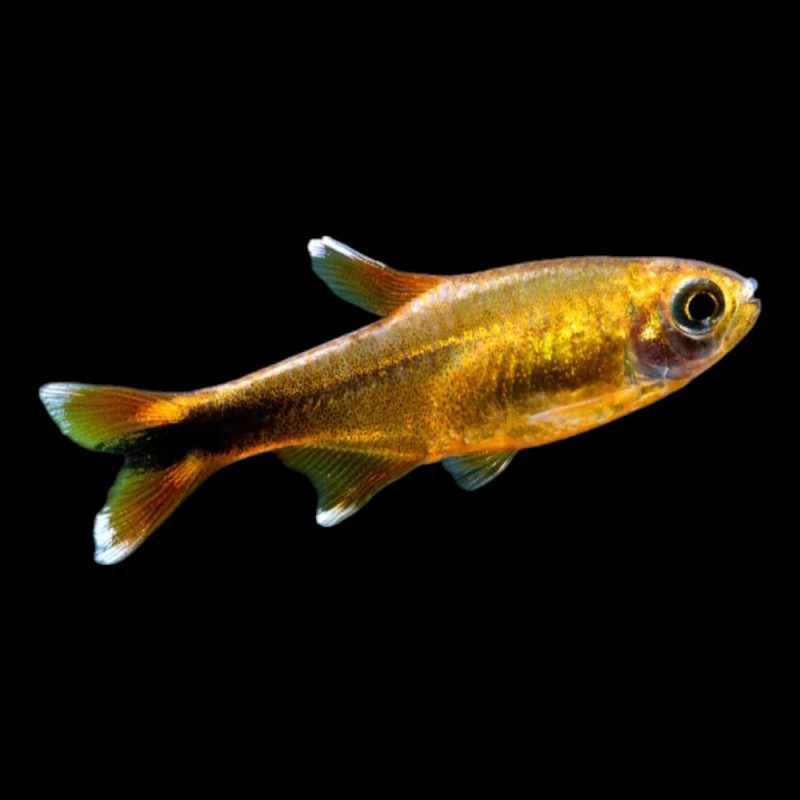
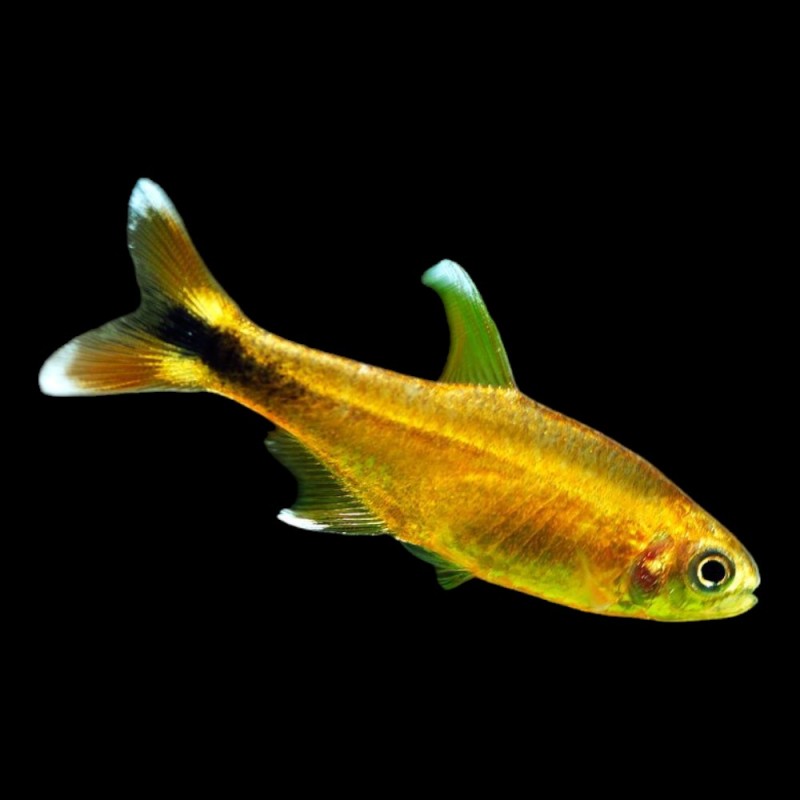
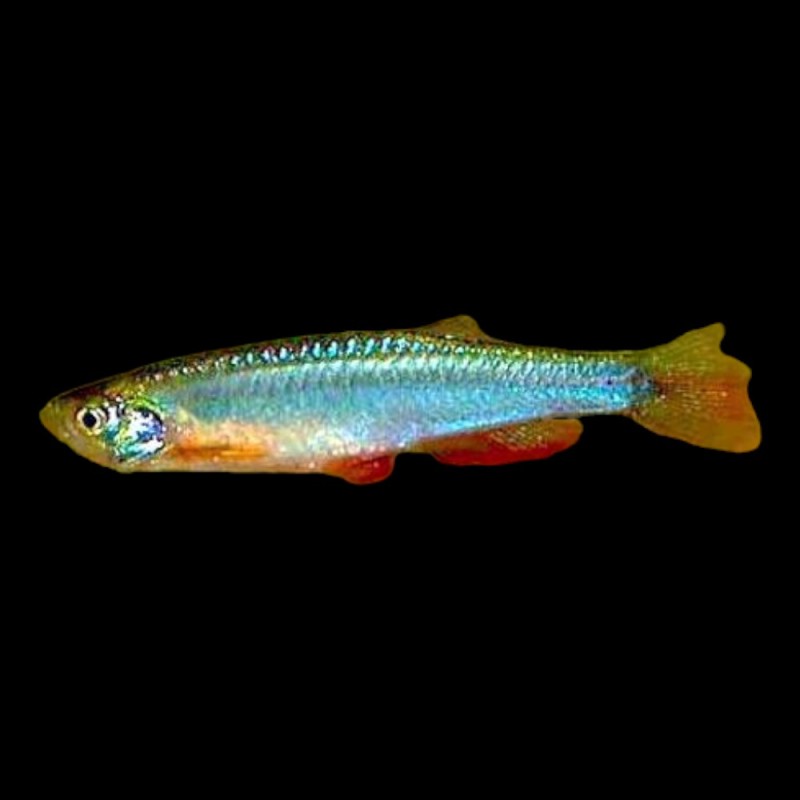
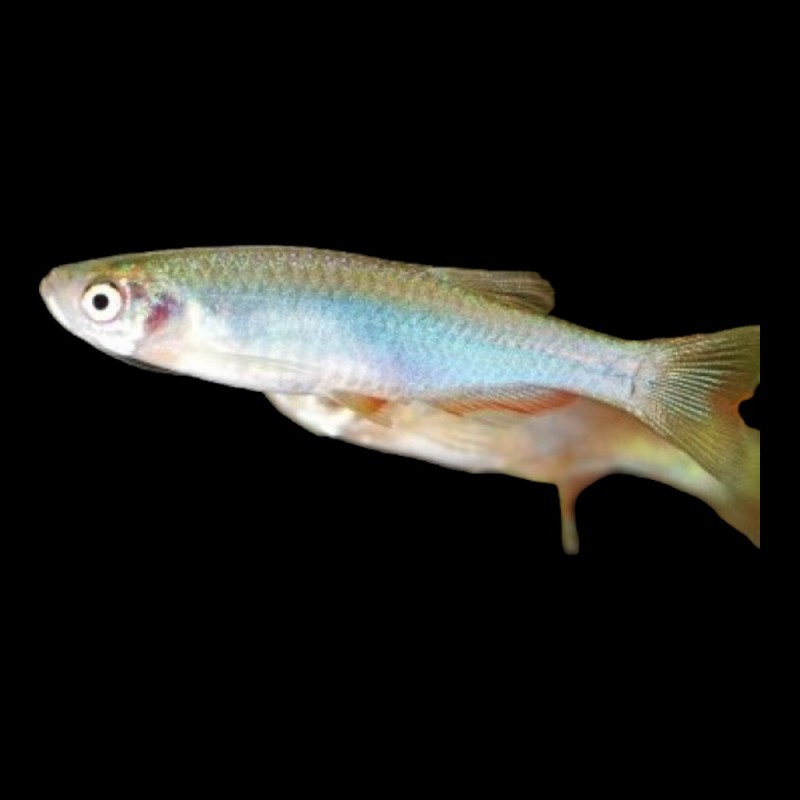
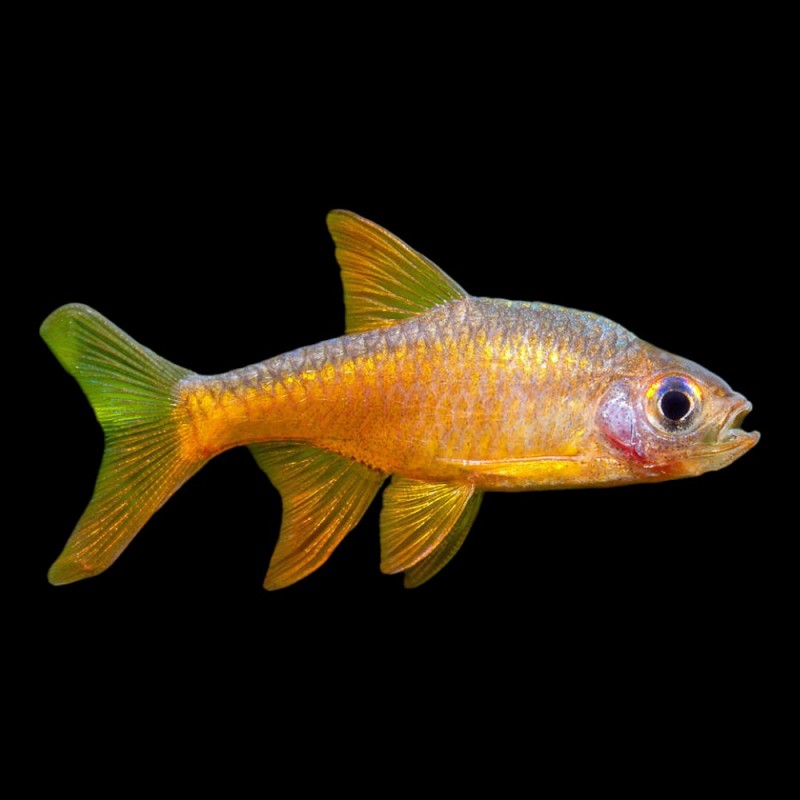
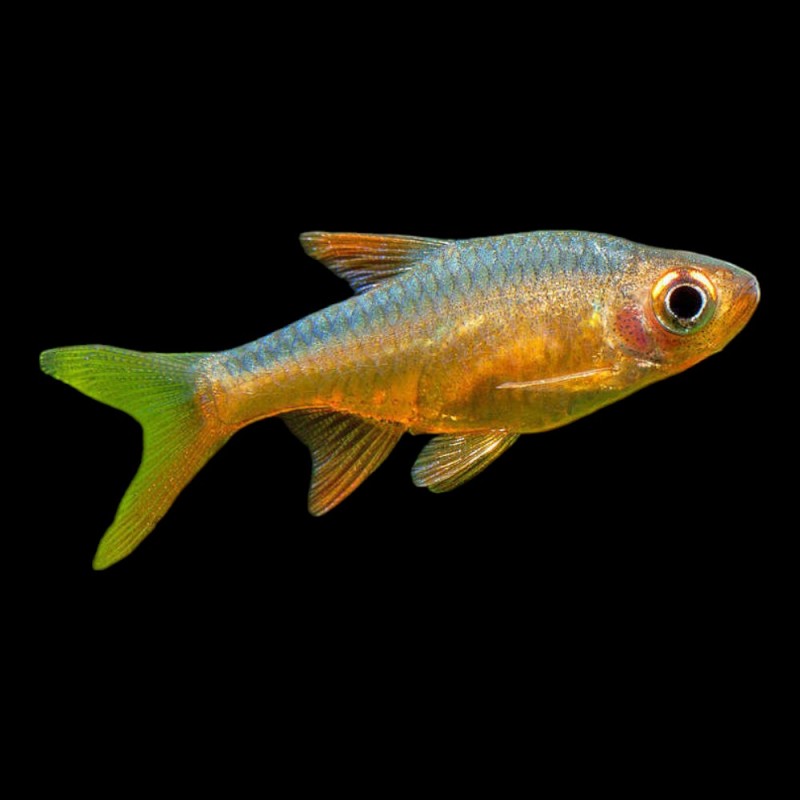
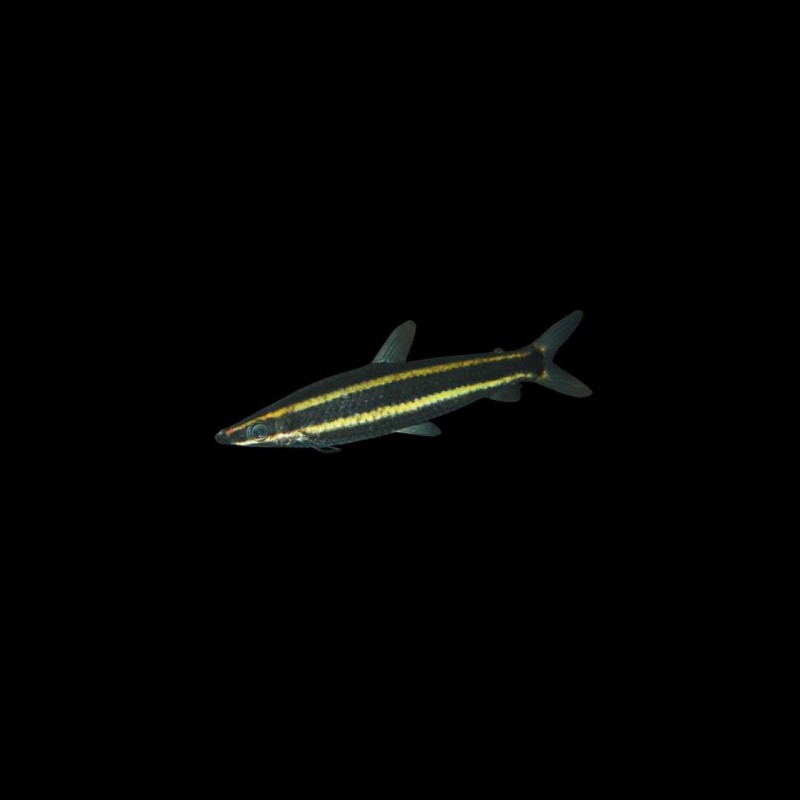
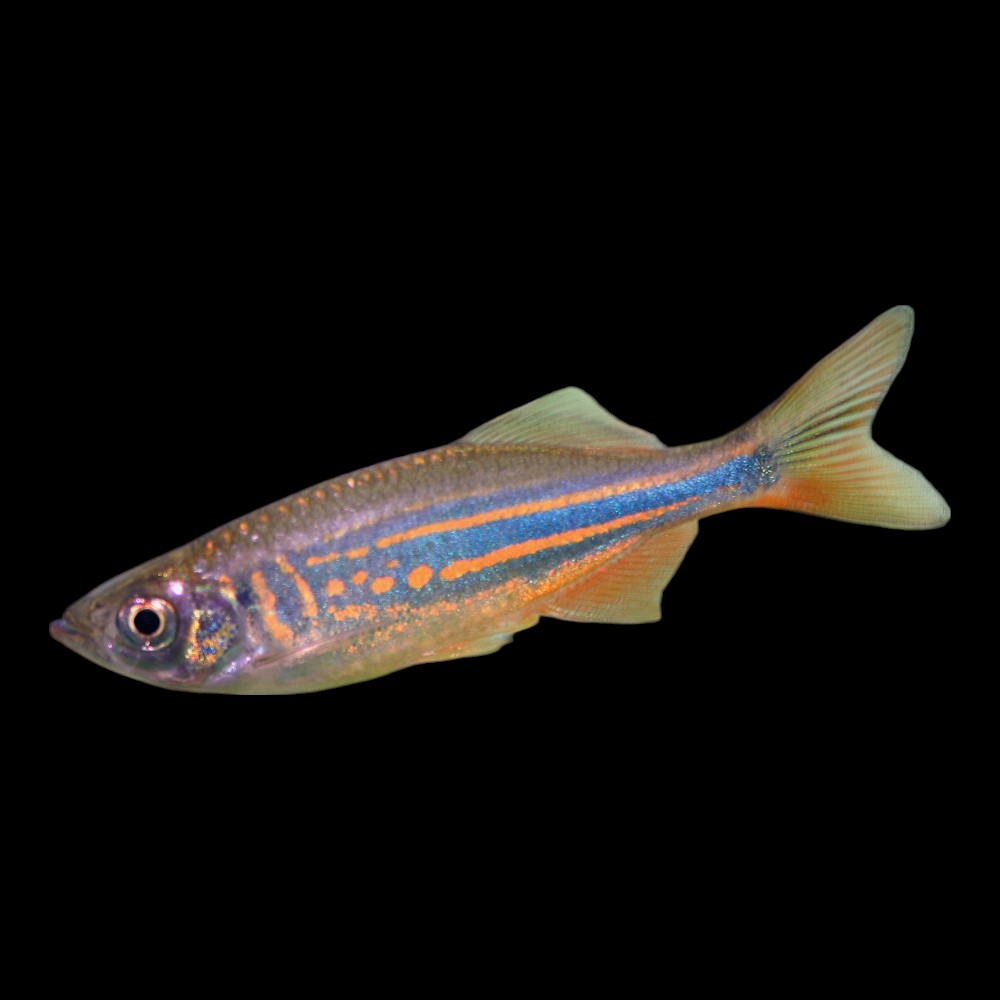
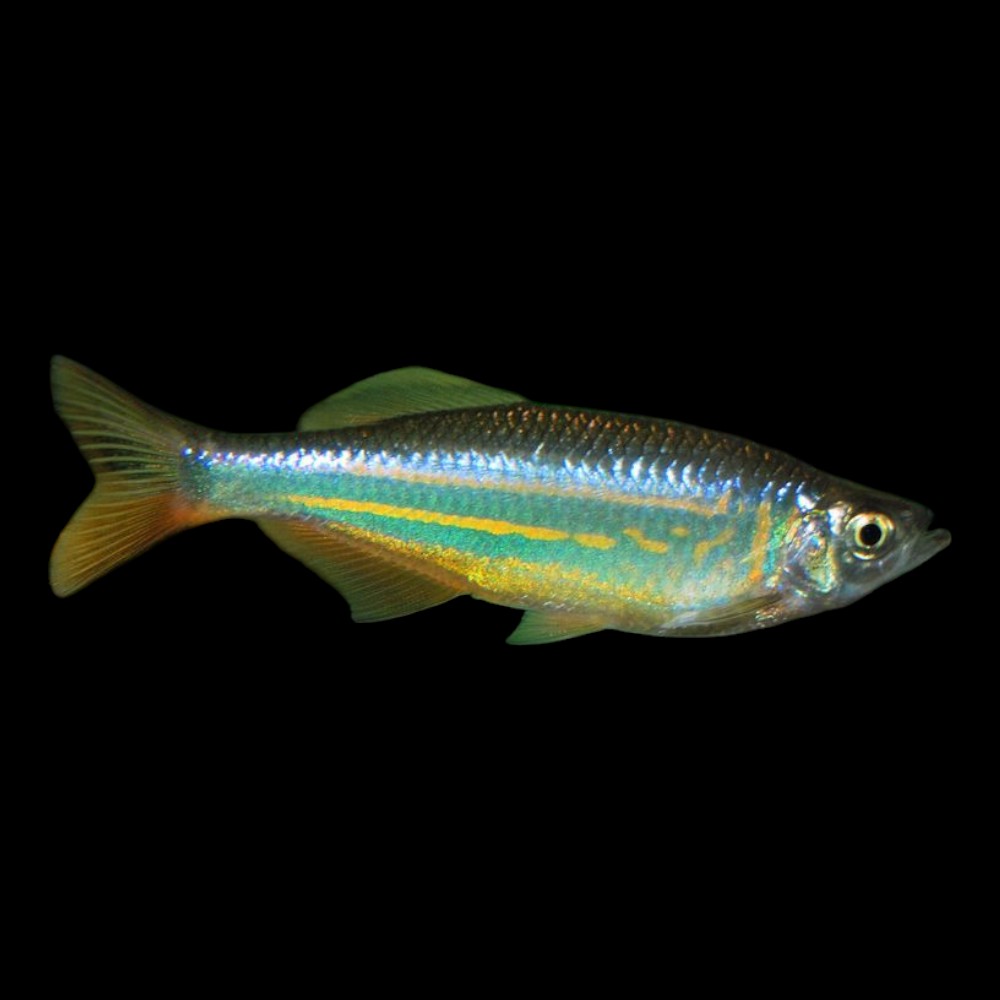
The Giant Danio (*Devario aequipinnatus*) is an impressive freshwater fish known for its striking appearance and active behaviour. Native to the rivers of Southeast Asia, particularly in India, Bangladesh, and Myanmar, the Giant Danio is a popular choice among aquarists due to its hardiness and vibrant colours.

Physical Characteristics:

  • Size: Giant Danios typically grow to about 10-15 cm (4-6 inches) in length, making them one of the larger members of the Danio family.
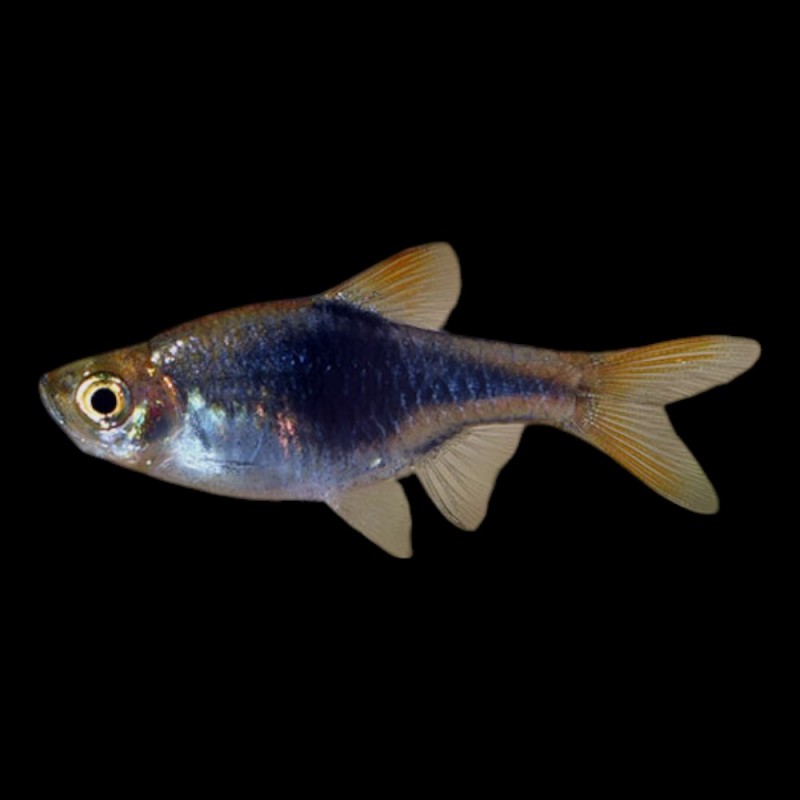
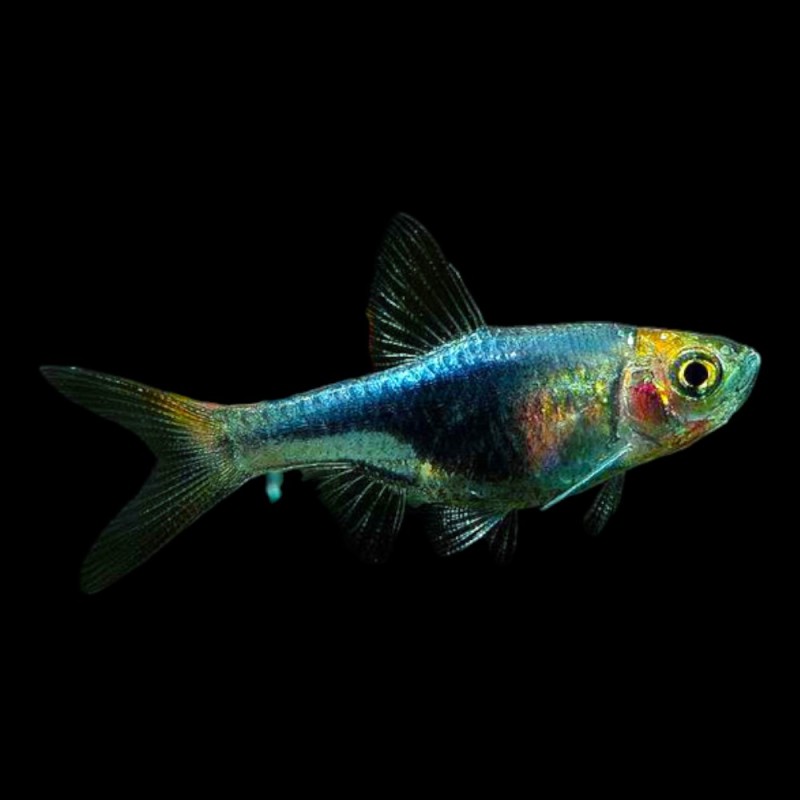
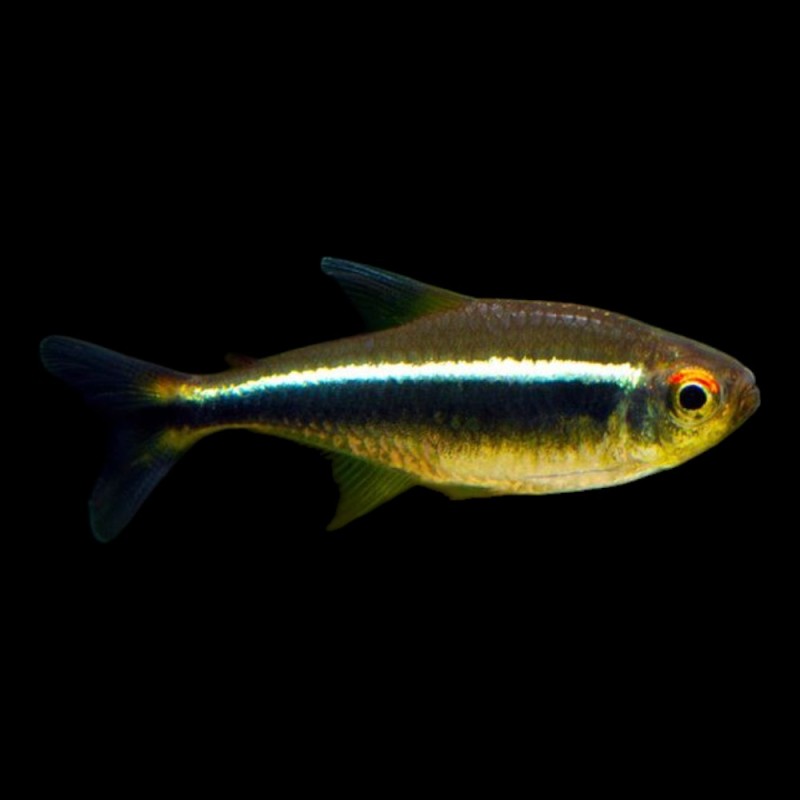
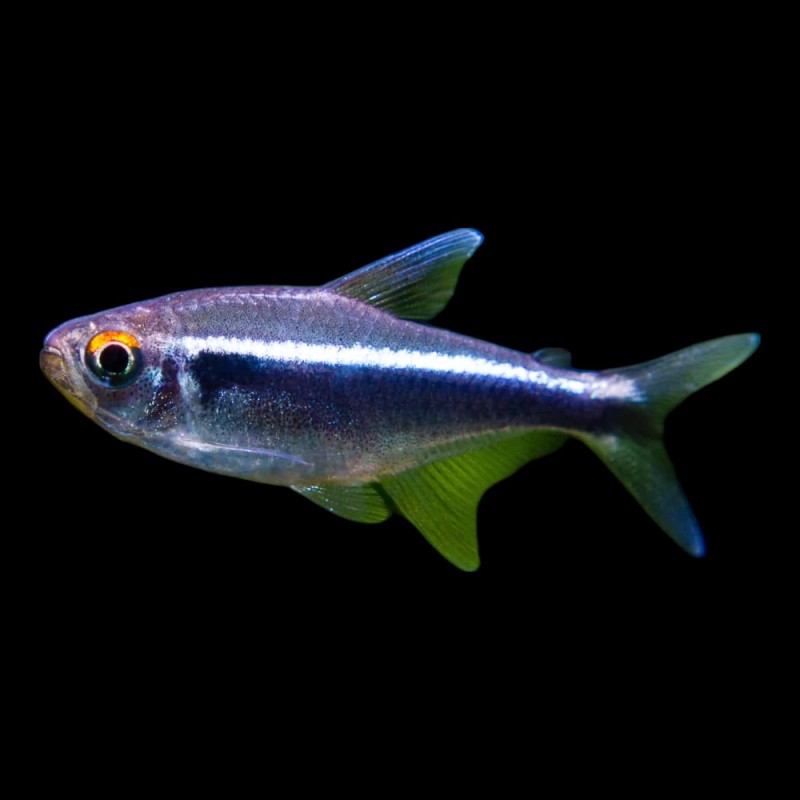
  • Coloration: They are characterised by their silvery-blue bodies with dark vertical stripes running down their sides. Their fins may display hues of yellow or orange, especially in males during breeding.
  • Fins: The fins are moderately long and flowing, contributing to their graceful swimming style.
  • Shape: The body is elongated and streamlined, ideal for swift swimming in their natural habitat.

Behavior:

  • Temperament: Giant Danios are known for their peaceful and social nature, making them excellent community fish. They are best kept in groups, as they thrive in schools of six or more.
  • Activity Level: These fish are highly active swimmers, often seen darting around the tank and exploring their surroundings.
  • Community Behavior: They are compatible with a variety of tankmates, provided those tankmates are of similar size and temperament.

Aquarium Care:

  • Tank Size: A minimum tank size of 100 liters (26 gallons) is recommended for a school of Giant Danios to provide ample swimming space.
  • Water Parameters:
    • Temperature: Giant Danios thrive in a temperature range of 22°C to 28°C (72°F to 82°F).
    • pH: They prefer slightly acidic to neutral water, with a pH range of 6.5 to 7.5.
    • Hardness: Soft to moderately hard water, with a general hardness (GH) of 5-15 dGH, is ideal.
  • Tank Setup:
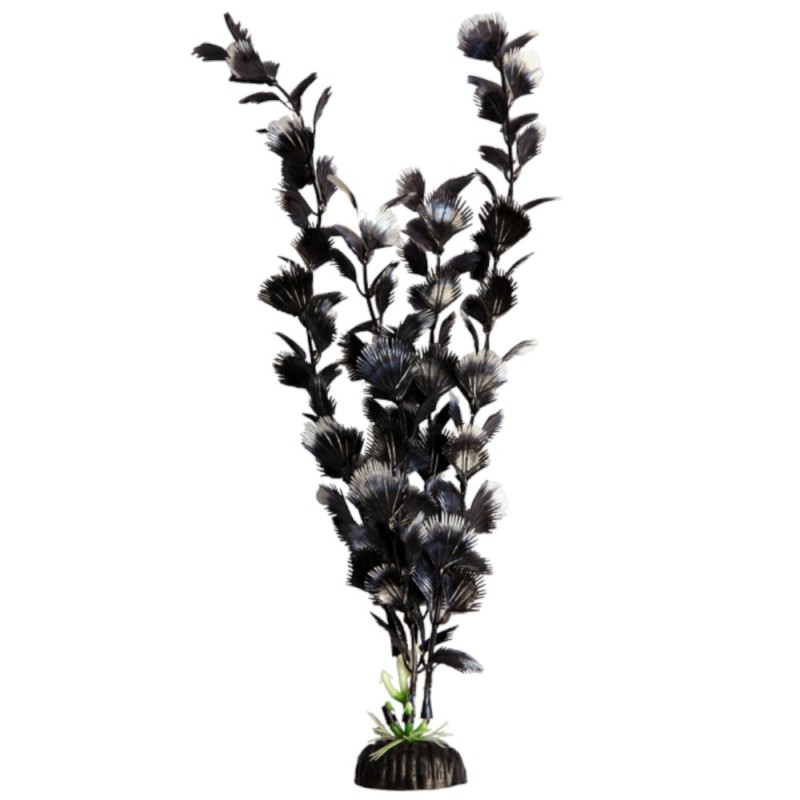
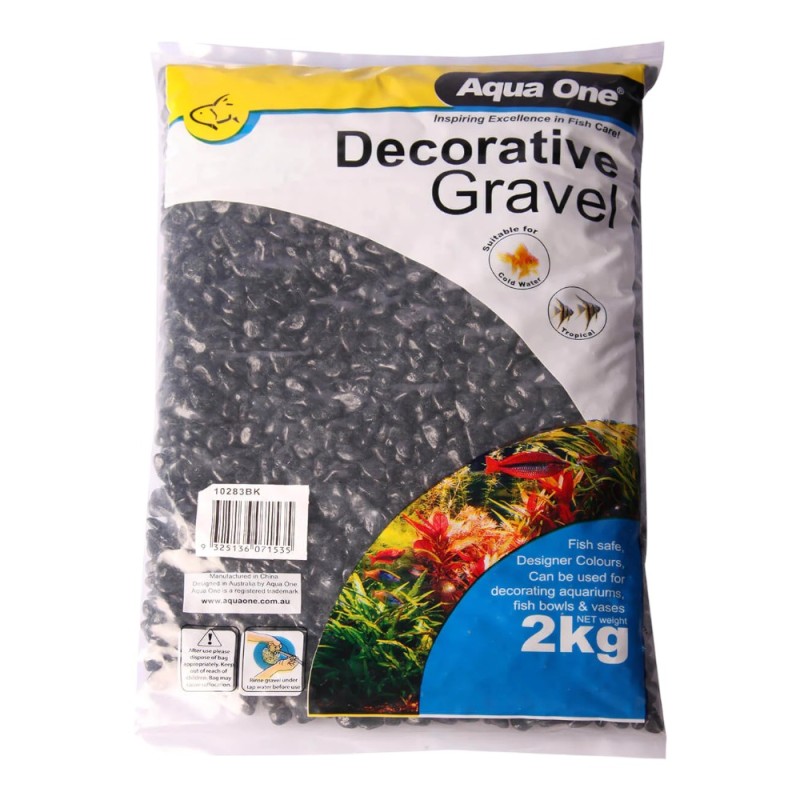
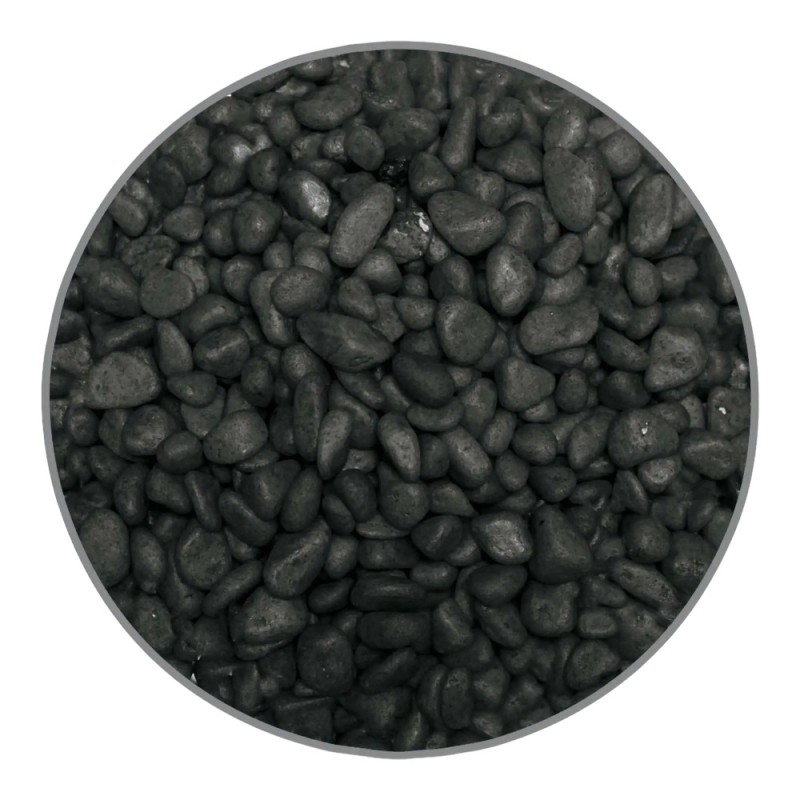
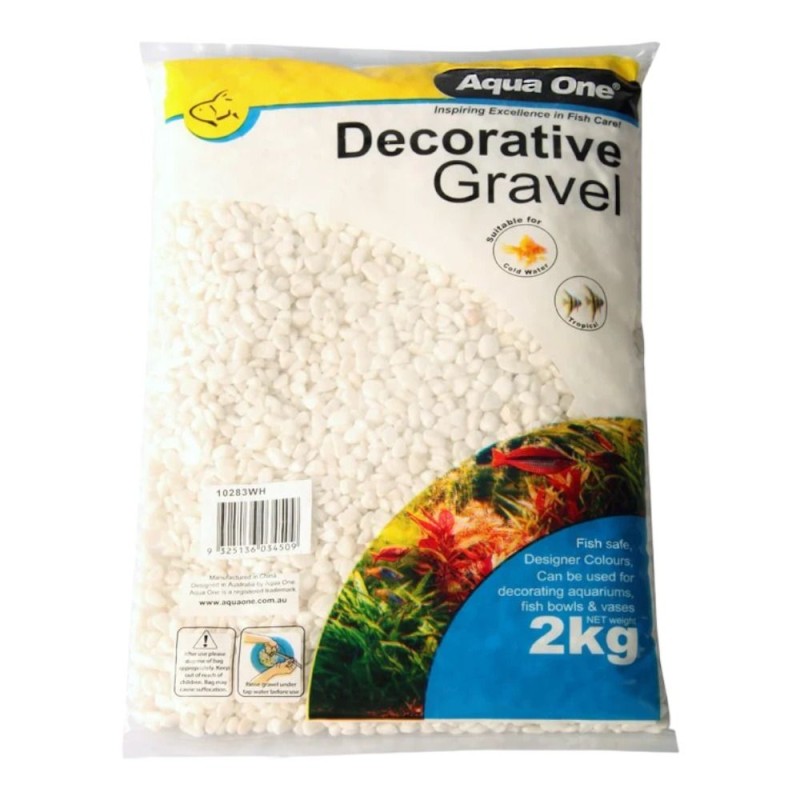
    • Substrate and Decorations: A soft, sandy substrate is recommended. Giant Danios appreciate a well-planted tank with plenty of open swimming space. Adding rocks, driftwood, and hiding spots can create a more natural environment.
    • Lighting: Moderate lighting is ideal for highlighting their colours and providing a natural environment.
    • Filtration: A good filtration system is essential to maintain water quality. Regular water changes (about 20-30% weekly) are also important.

Diet:

Giant Danios are omnivorous and require a varied diet to thrive. Their diet should include:

  • Pellets: High-quality flake or pellet food formulated for tropical fish should form the staple of their diet.
  • Live or Frozen Foods: Offer live or frozen foods such as brine shrimp, bloodworms, and daphnia to provide essential protein and variety.
  • Vegetable Matter: Including blanched vegetables, such as spinach or zucchini, can help ensure a balanced diet.

Tankmates:

Giant Danios can be housed with a variety of peaceful tankmates, including:

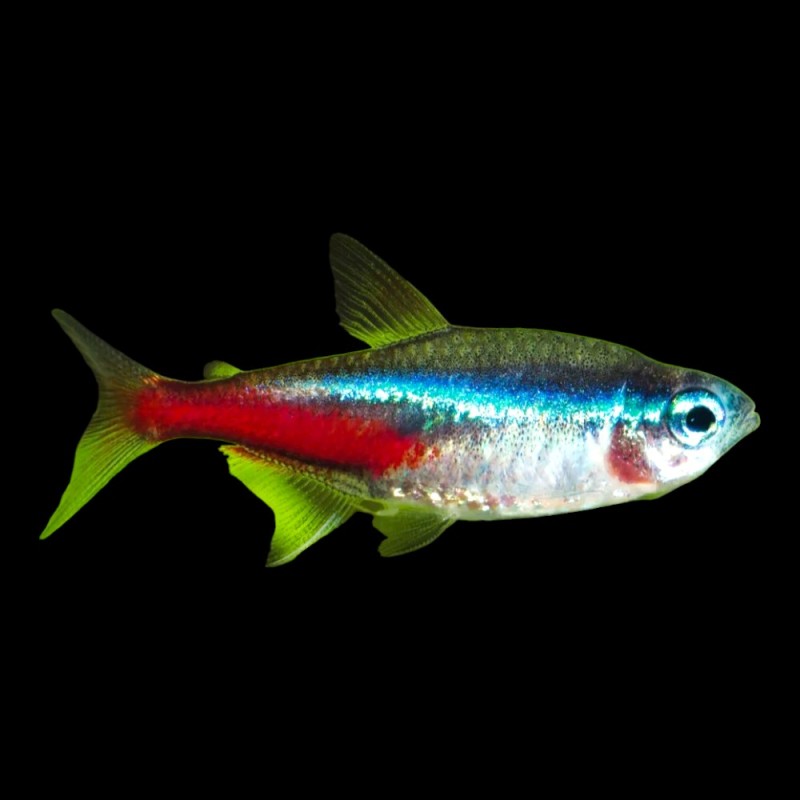
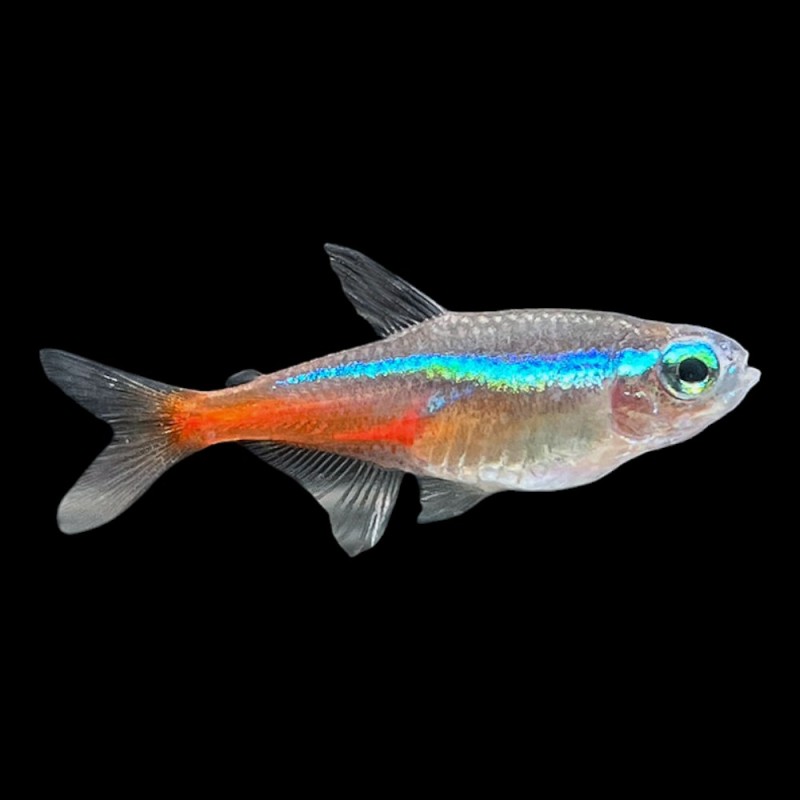
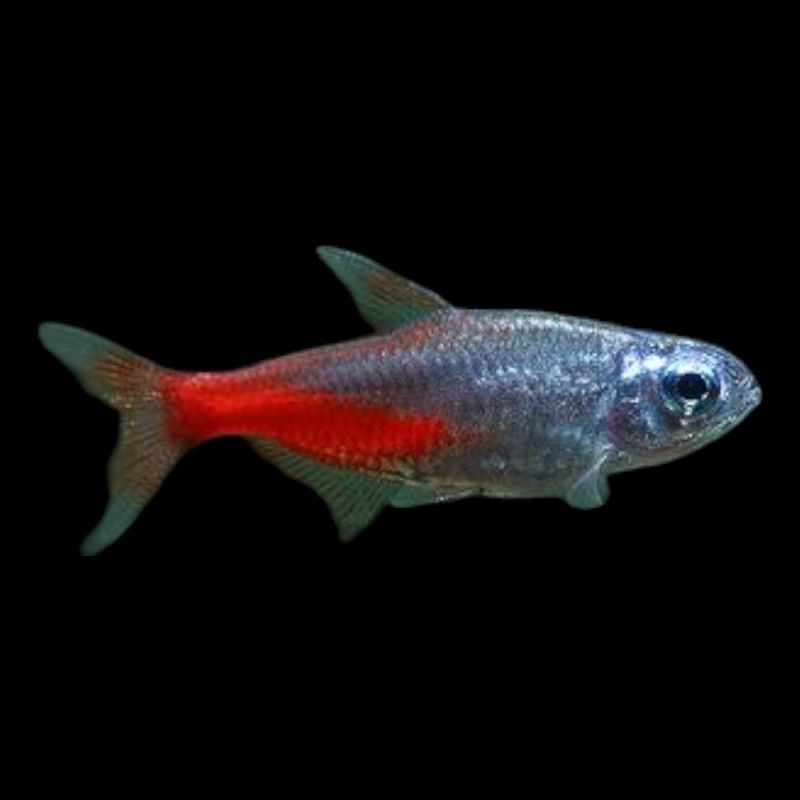
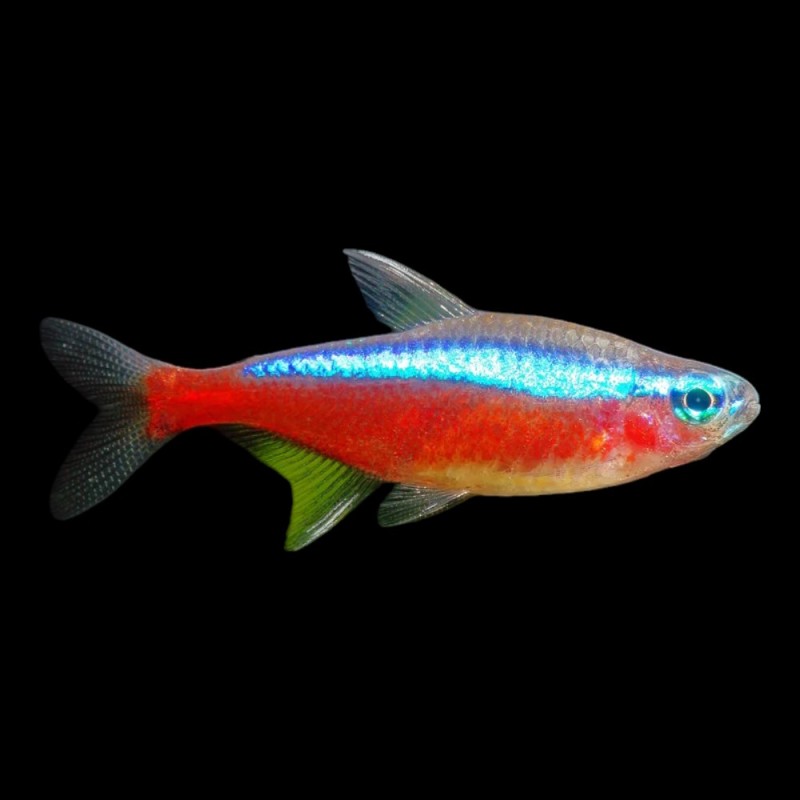
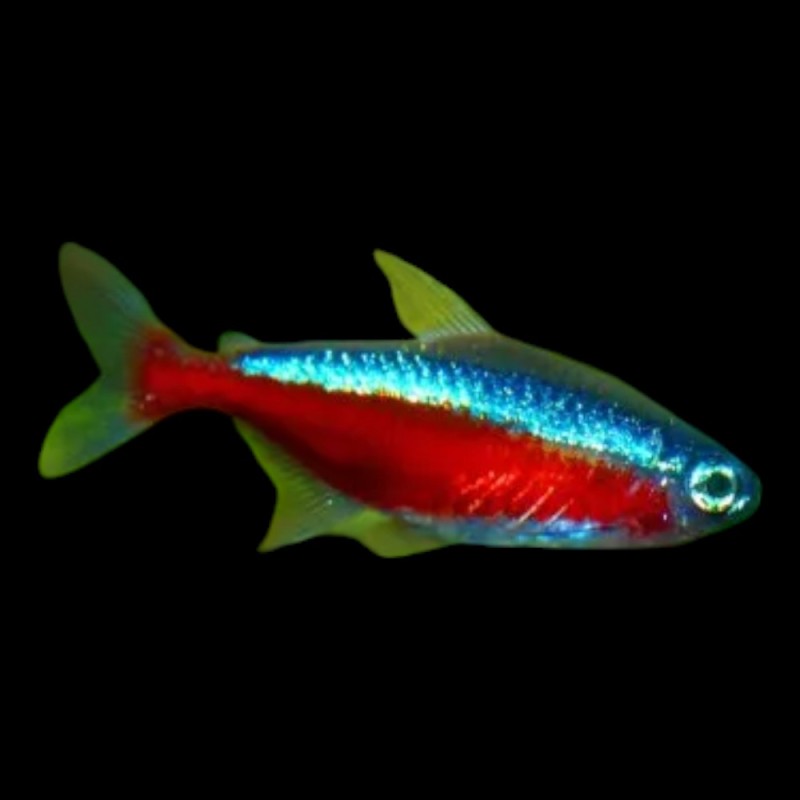
  • Small Tetras: Such as Neon Tetras or Rummy Nose Tetras.
  • Peaceful Rasboras: Like Harlequin Rasboras.
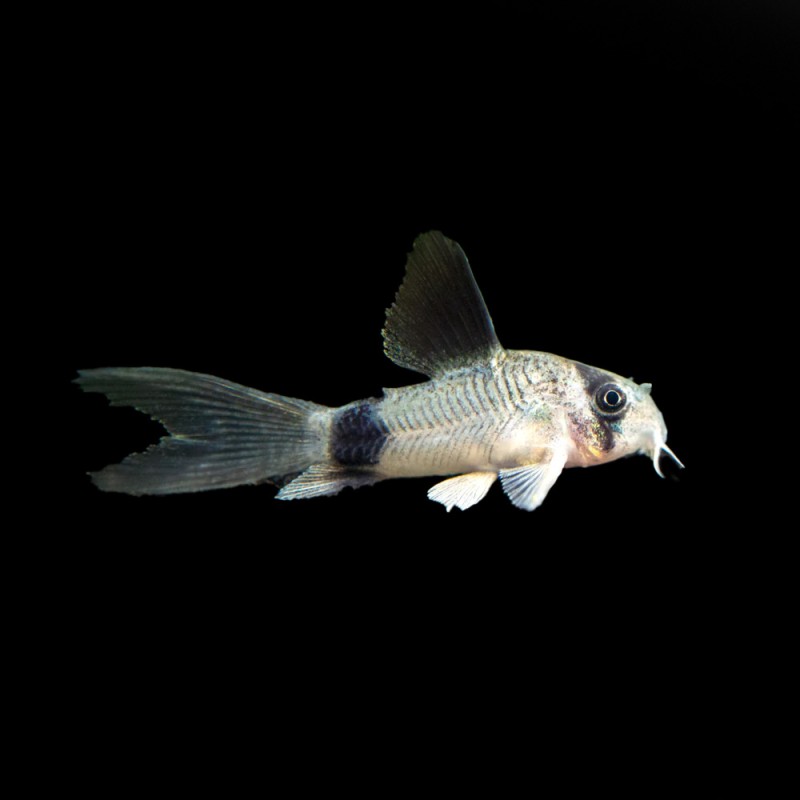
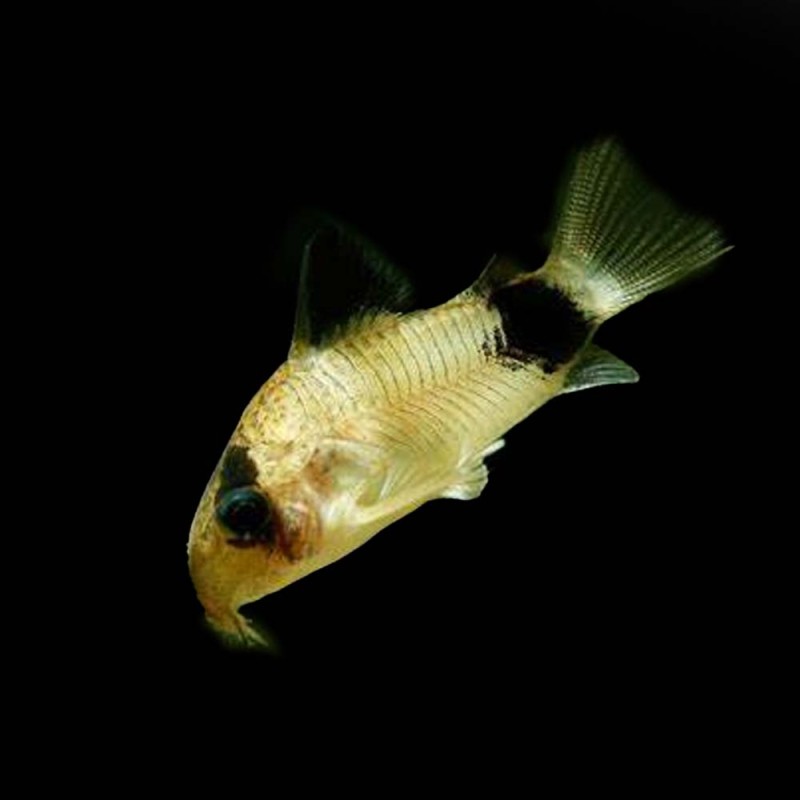
  • Bottom-Dwellers: Corydoras catfish or other peaceful bottom-dwellers.

Avoid housing them with aggressive species or fin-nippers, as this can lead to stress or injury.

Breeding:

Breeding Giant Danios can be straightforward under the right conditions:

  • Breeding Setup: A separate breeding tank with shallow water (about 15-20 cm or 6-8 inches) is recommended. The water should be warm (around 24°C to 26°C or 75°F to 78°F) and slightly acidic (pH 6.5-7.5).
  • Spawning Behaviour: The male will court the female by chasing her around the tank. After spawning, the eggs will fall to the substrate, and the adults should be removed to prevent them from eating the eggs.
  • Fry Care: Once the fry are free-swimming, they can be fed infusoria or newly hatched brine shrimp.

Special Considerations:

  • Water Quality: Regular monitoring and maintenance of water quality are crucial for the health of Giant Danios.
  • Shy Nature: While generally active, these fish can be shy, particularly in smaller tanks. Providing plenty of hiding spots can help them feel more secure.

Write a review

Please login or register to review
Tags: Giant Danio