

- Stock: Generally In Stock
Please Note: Due to variations within species, your fish may not look identical to the image provided. Also note not all sizes or species may be available due to seasonality, Please call beforehand for up-to-date stock availability.
- Model: -
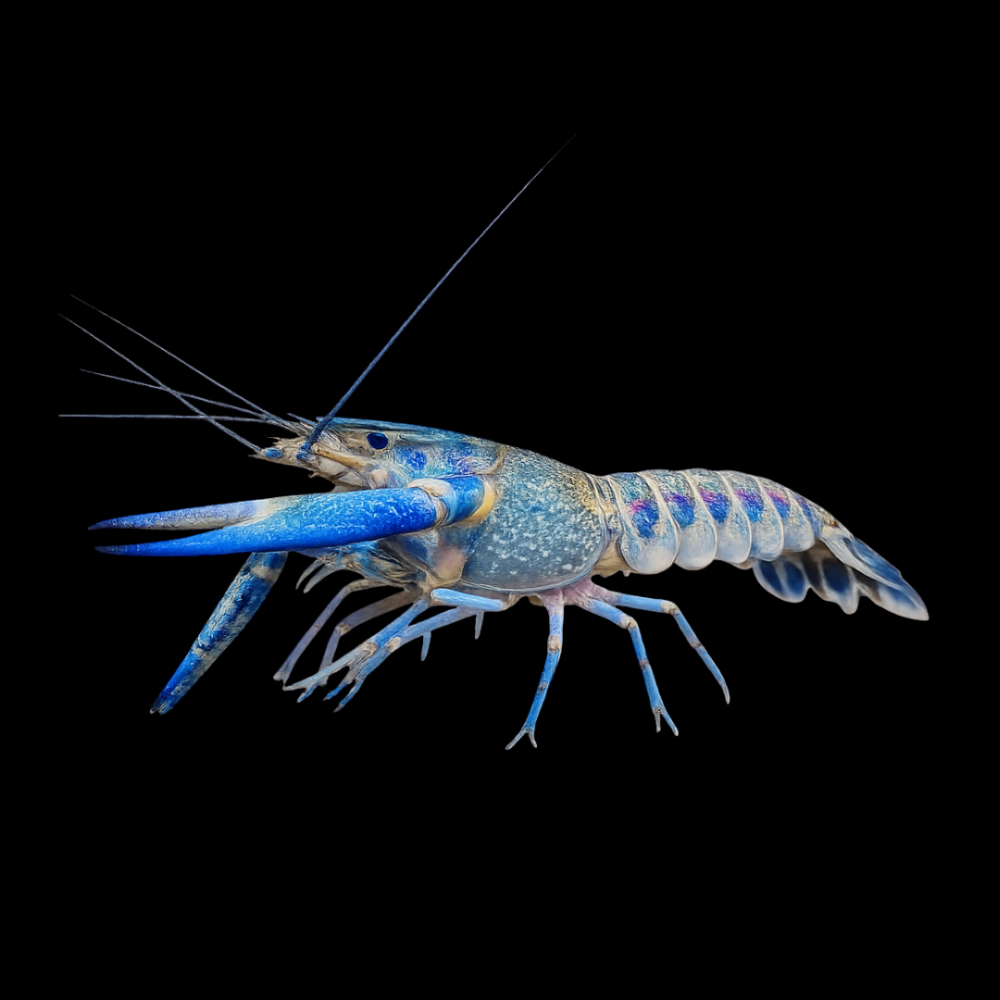
Blue Lobster
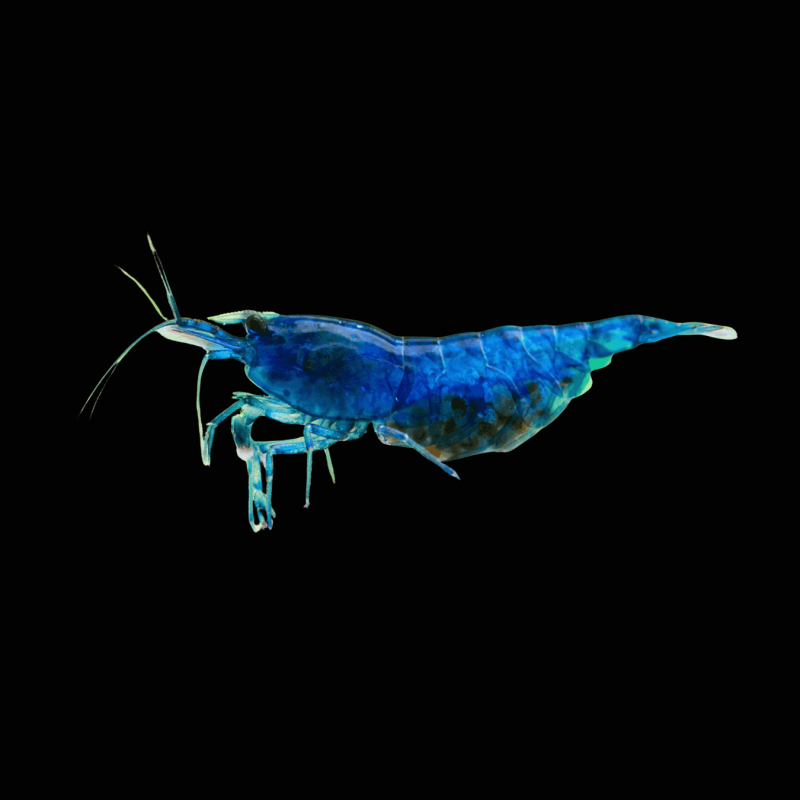
The Blue Lobster (Procambarus alleni), also known as the Electric Blue Crayfish or Florida Crayfish, is a vibrant freshwater invertebrate renowned for its intense cobalt blue coloration. Native to Florida in the United States, this species has been selectively bred in the aquarium trade to enhance its striking colour, making it a standout feature in any aquarium setup.
Physical Characteristics:
Size: Blue Lobsters typically grow to around 10–15 cm (4–6 inches) in length.
Coloration:
Body: Bright electric blue in aquarium-bred specimens, though wild individuals may display brown or tan shades.
Claws: Prominent claws used for defence and feeding.
Shape: Armoured body with a segmented tail and strong pincers typical of crayfish.
Behaviour:
Temperament: Territorial and opportunistic, with a tendency to prey on smaller tankmates.
Activity Level: Active, particularly during low-light conditions, often exploring and rearranging its environment.
Community Behaviour: Best kept alone due to its aggressive and predatory nature.
Aquarium Care:
Tank Size: A minimum of 75–100 litres is recommended for a single specimen.
Water Parameters:
Temperature: 20°C to 26°C
pH: 6.5 to 8.0
Hardness: Moderate water hardness preferred
Tank Setup:
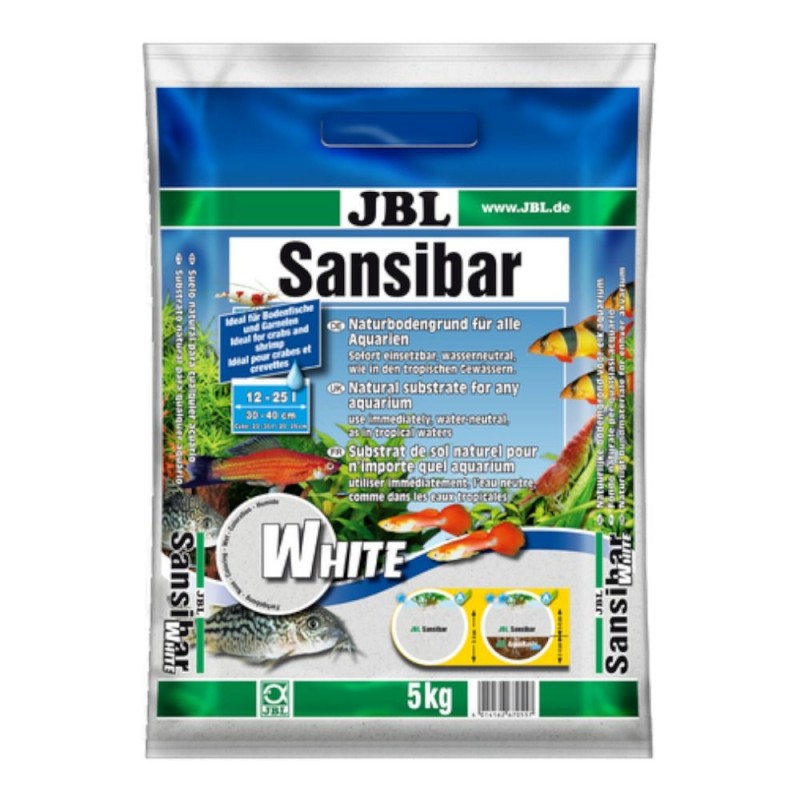
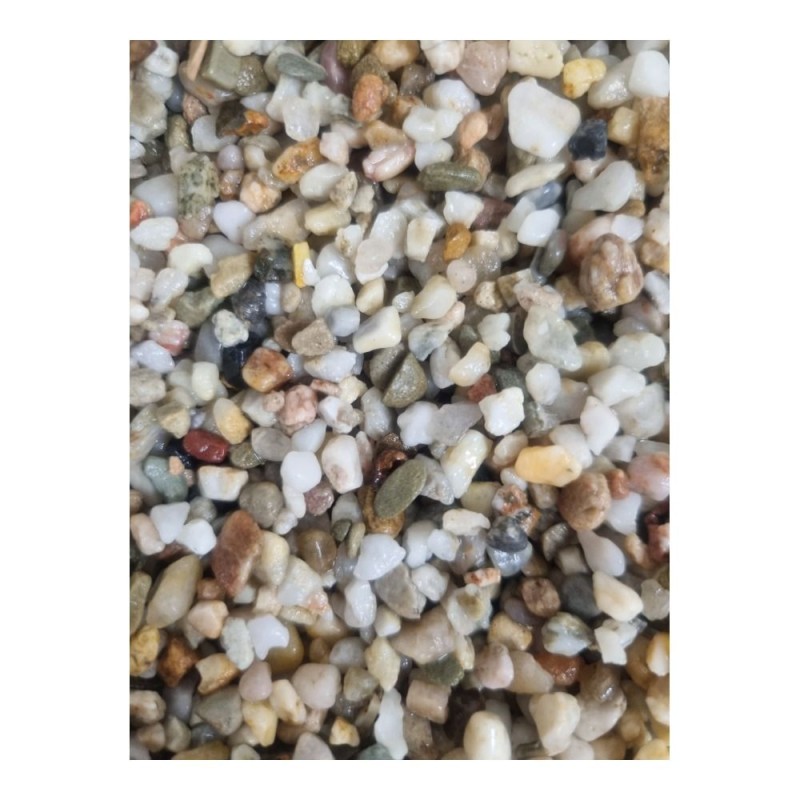
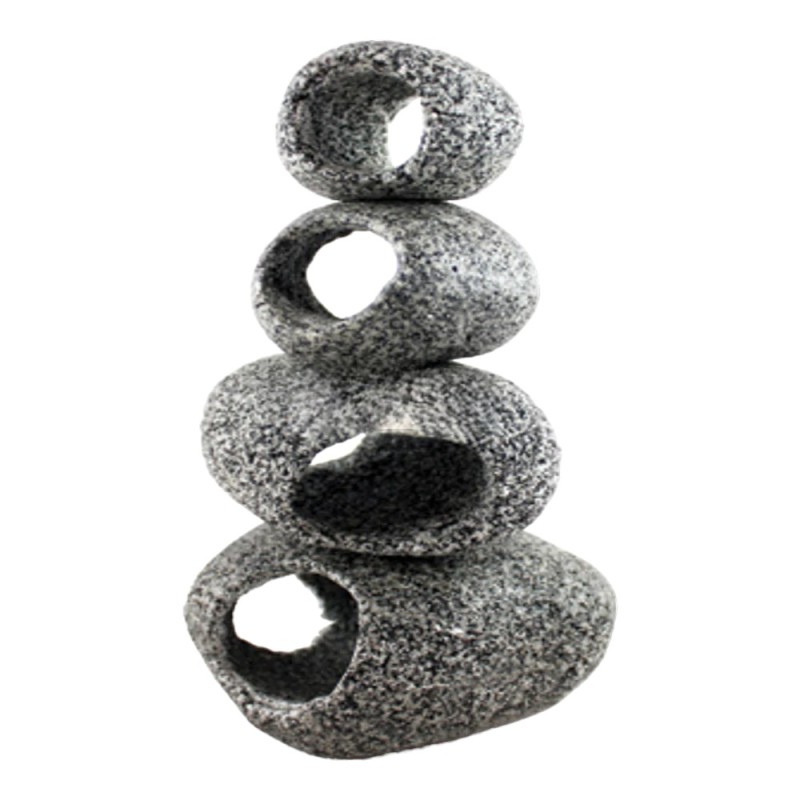
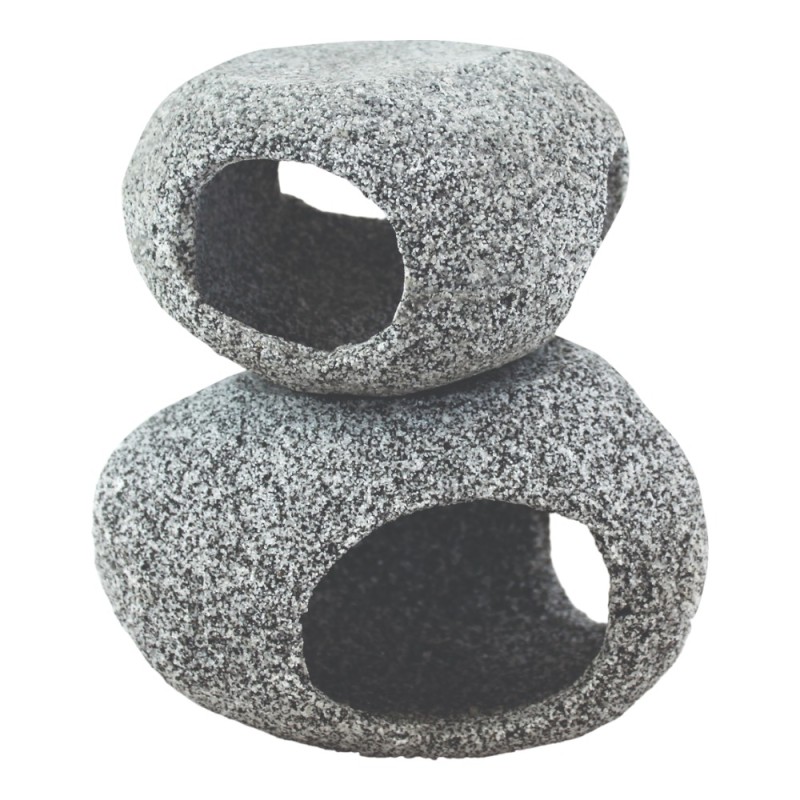
Substrate and Decorations: Sand or fine gravel substrate with caves, rocks, and driftwood to provide shelter.
Lighting: No specific requirements, though subdued lighting can reduce stress.
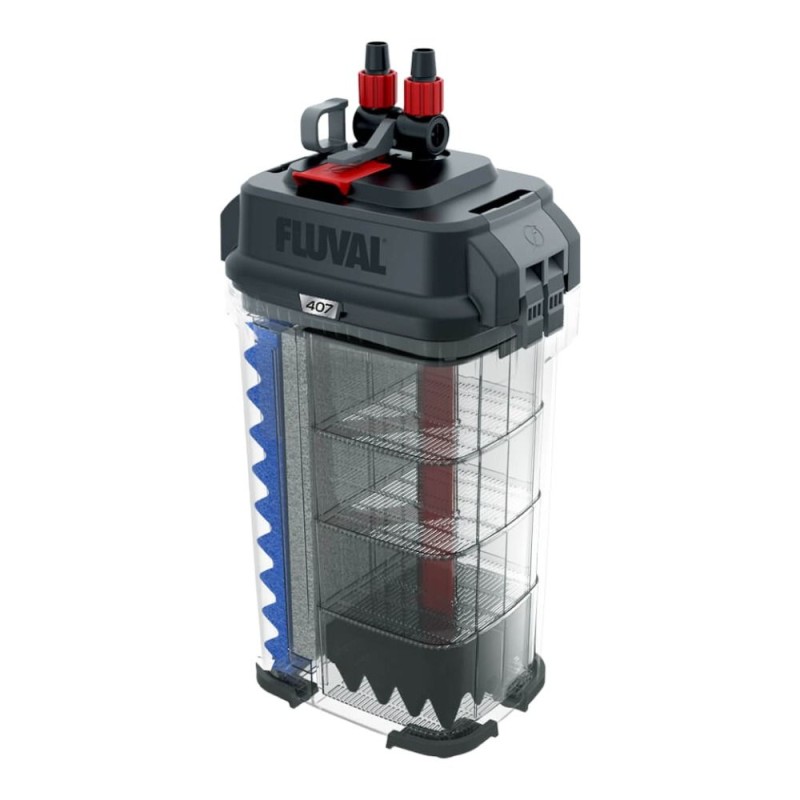
Filtration: Efficient filtration with regular water changes to maintain water quality.
Diet:
Blue Lobsters are omnivorous and will accept a wide range of foods:
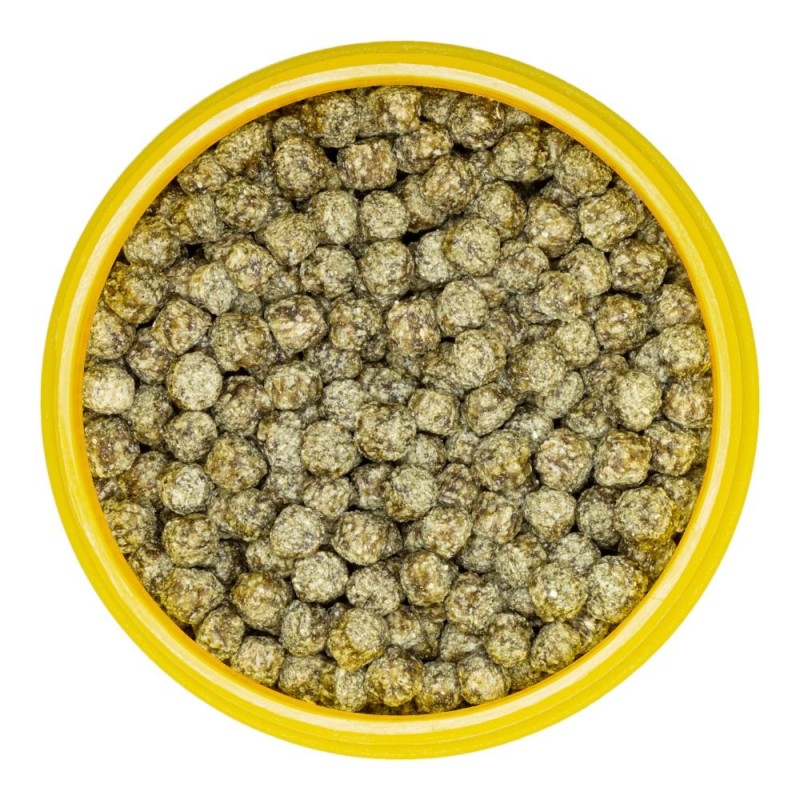
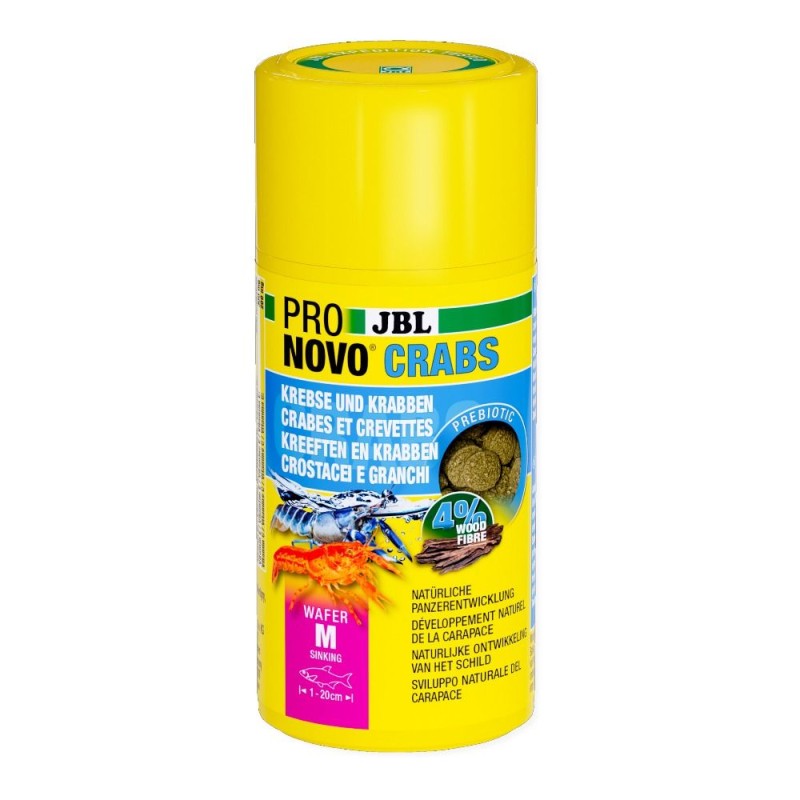
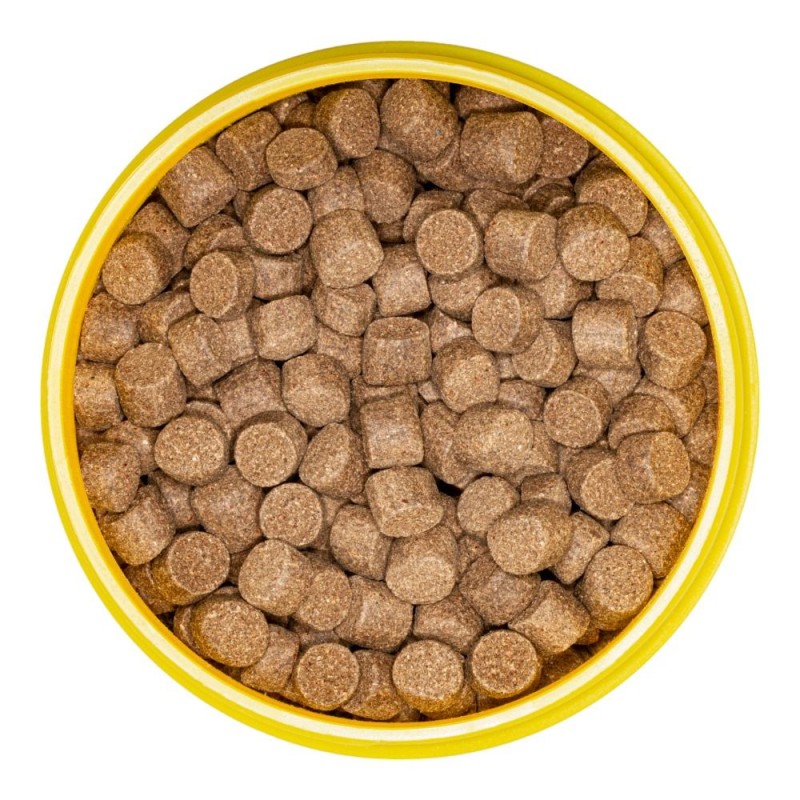
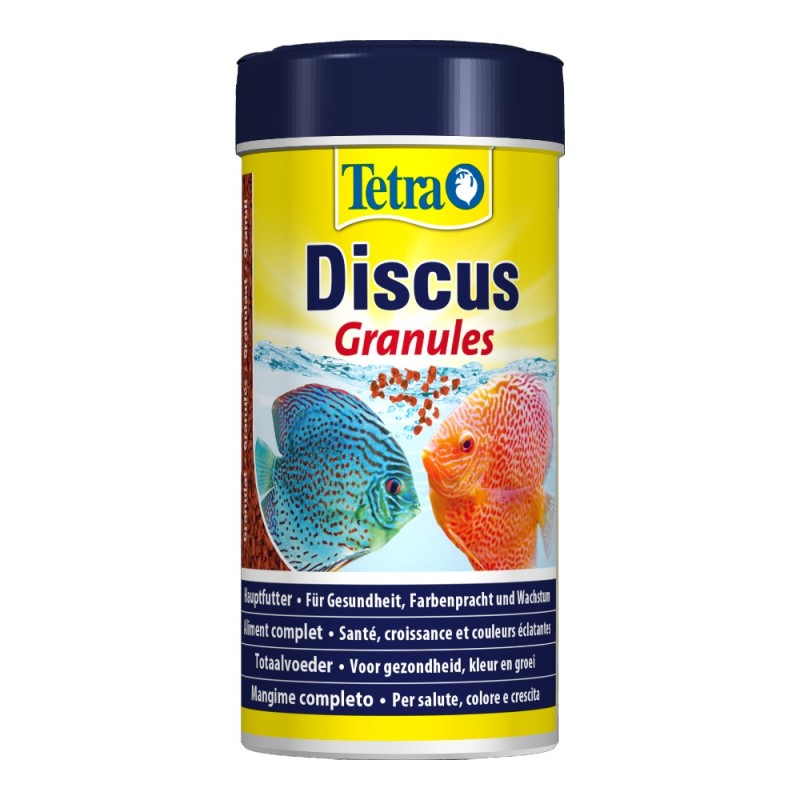
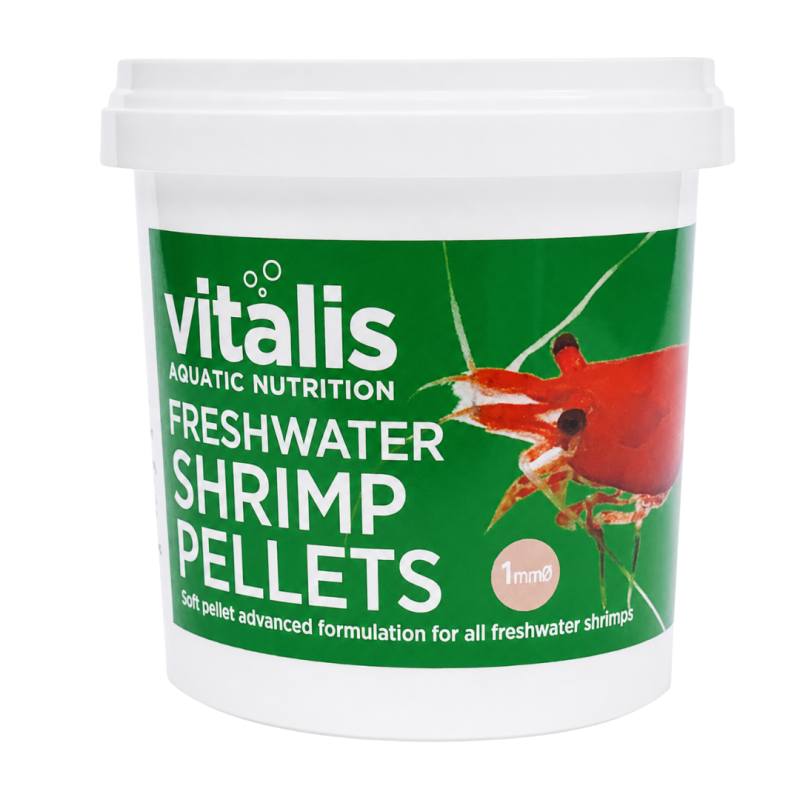
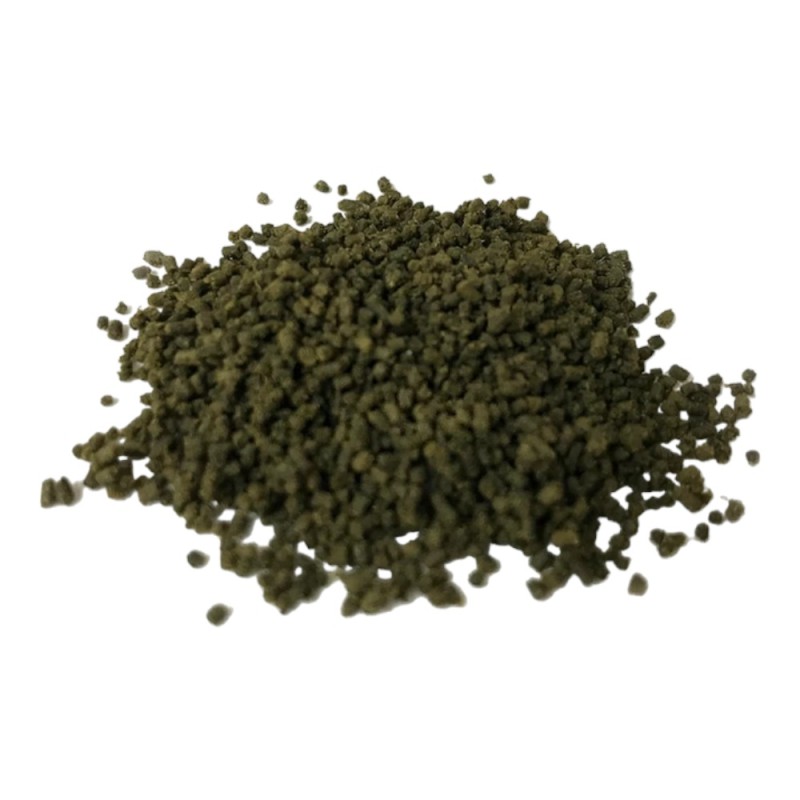
Prepared Foods: Pellets, algae wafers, and granules.
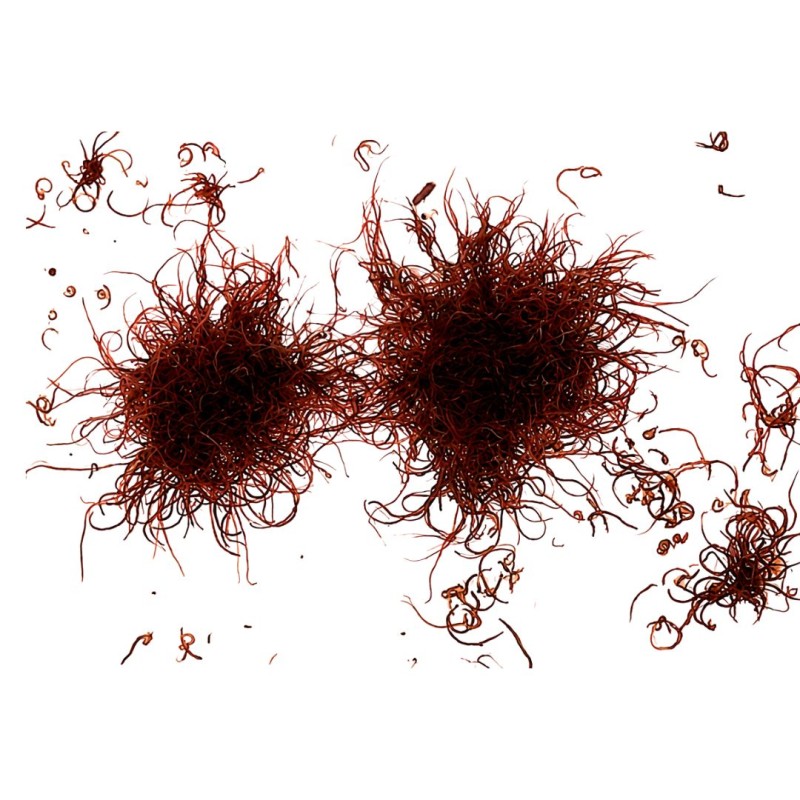
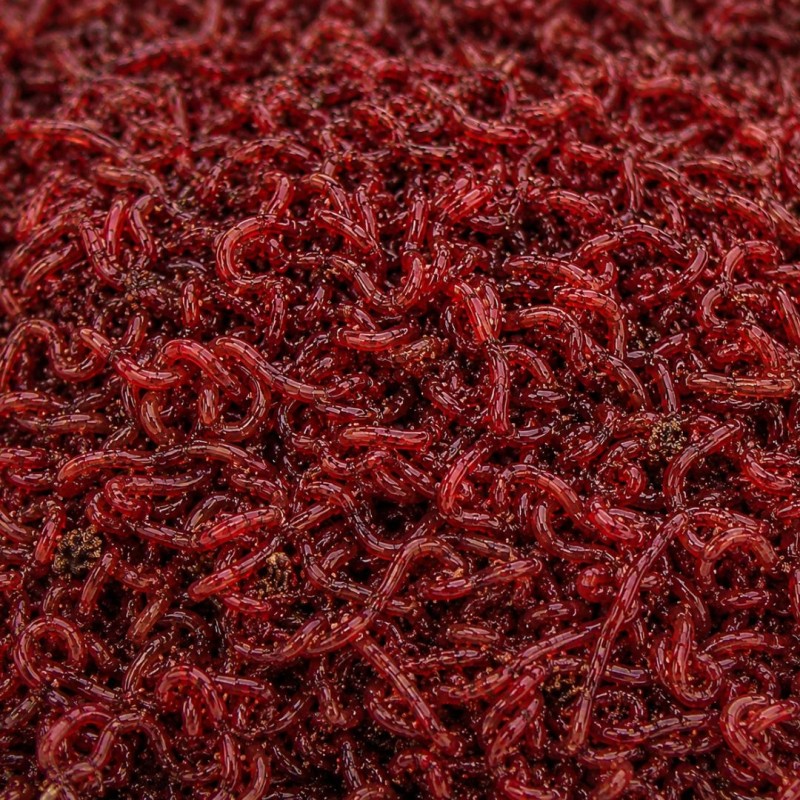
Meaty Foods: Bloodworms, shrimp, and other protein-rich foods.
Vegetation: Blanched vegetables such as spinach or courgette.
Feed regularly while avoiding overfeeding to maintain water quality.
Tankmates:
Not suitable for community aquariums:
Will prey on fish, shrimp, and other invertebrates.
Best kept as a single specimen in a dedicated tank.
Breeding:
Breeding Setup: Requires stable water conditions and sufficient space.
Spawning Behaviour: Females carry fertilised eggs beneath their abdomen.
Fry Care: Young hatch as miniature crayfish and should be separated to prevent predation.
Special Considerations:
Escape Risk: Requires a secure lid as crayfish are known to climb and escape.
Moulting: Regular moulting occurs; the shed exoskeleton should be left in the tank for calcium.
Plant Safety: May uproot or consume plants.
Environment: Provide multiple hiding places to reduce stress and support natural behaviour.