

Menu
Menu
Your Cart

Venustus Cichlid

Venustus Cichlid
Venustus Cichlid
From €9.99
Ex Tax: €8.12
  • Stock: Generally In Stock
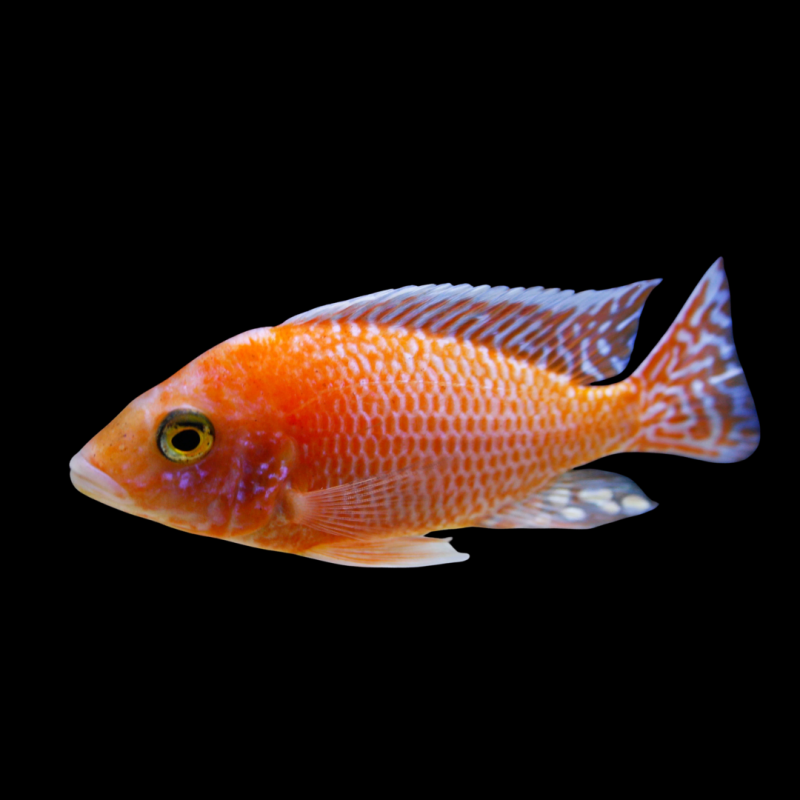
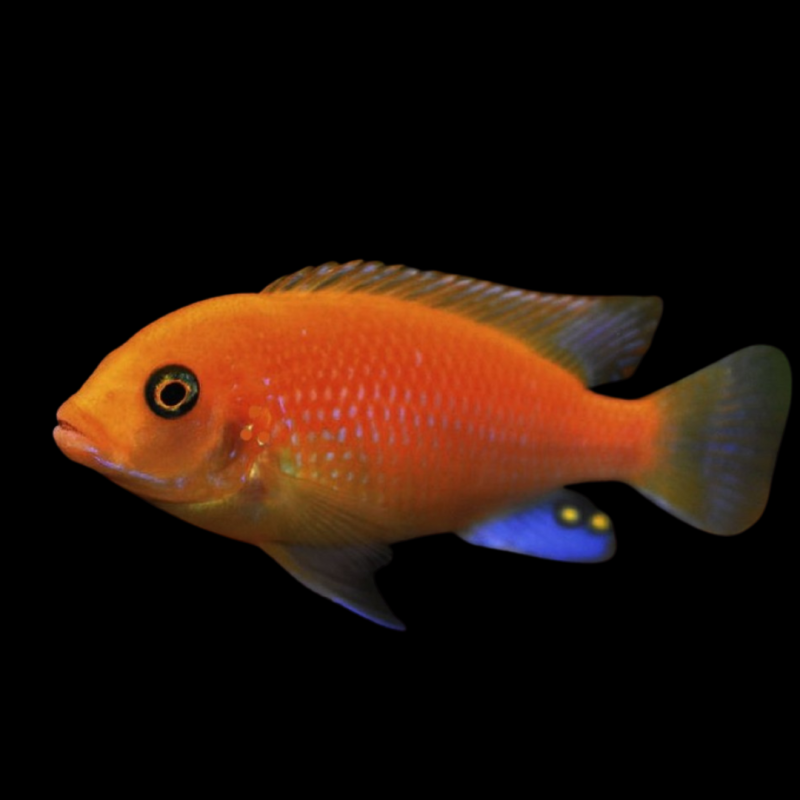
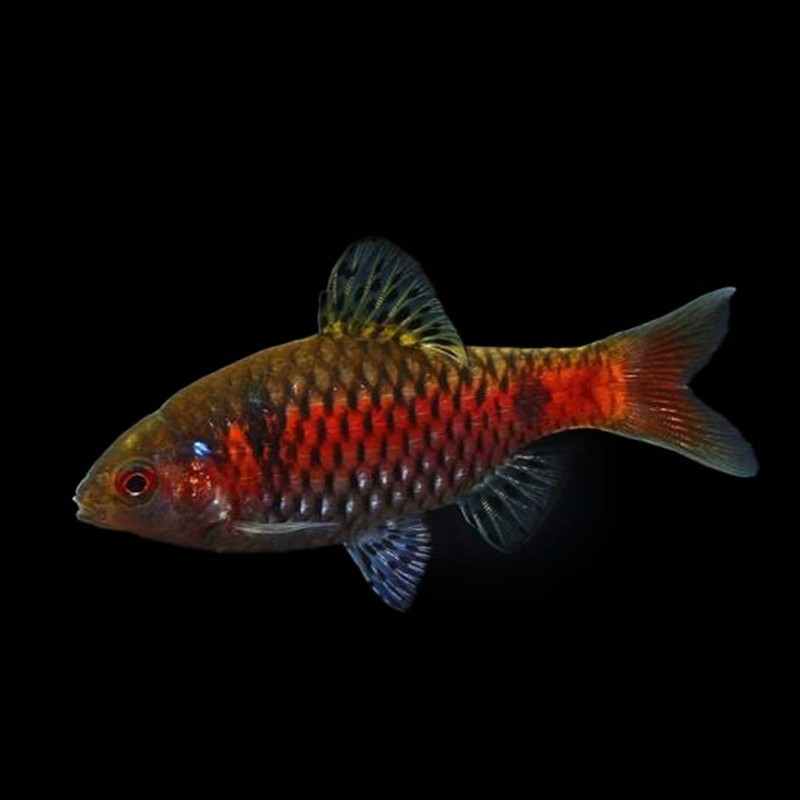
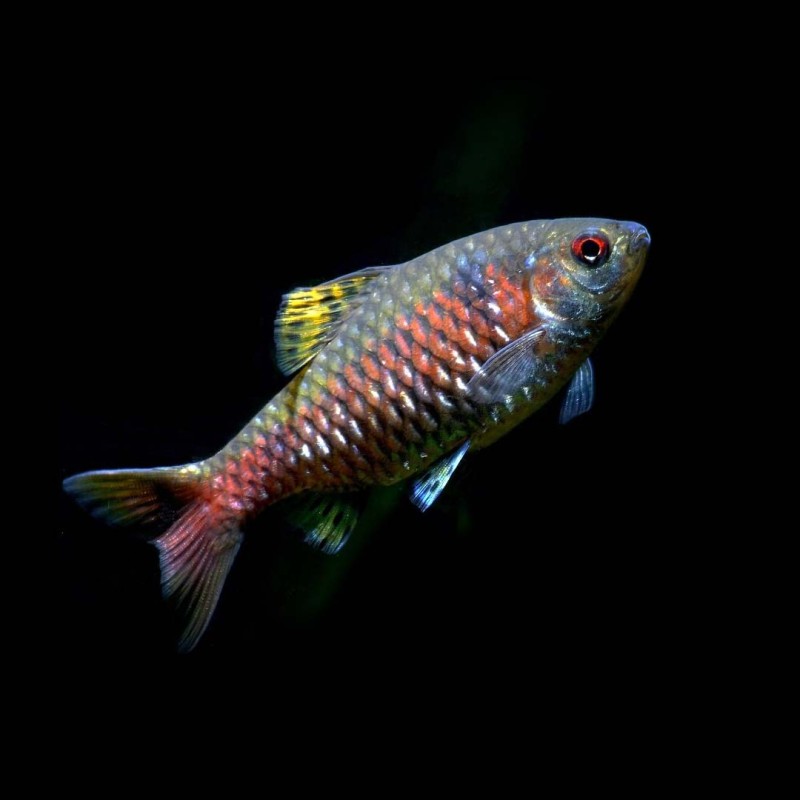
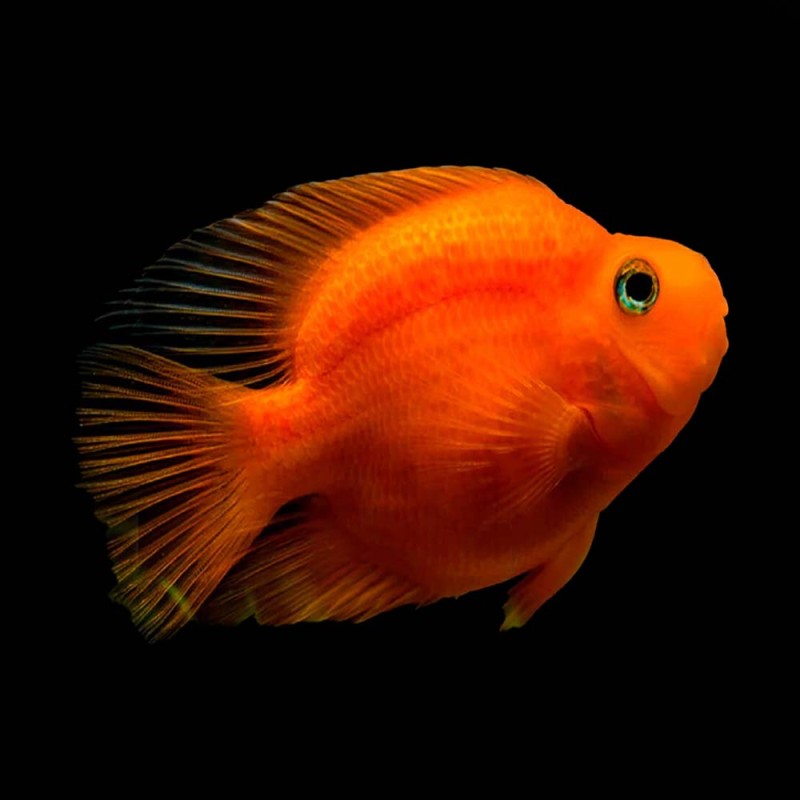
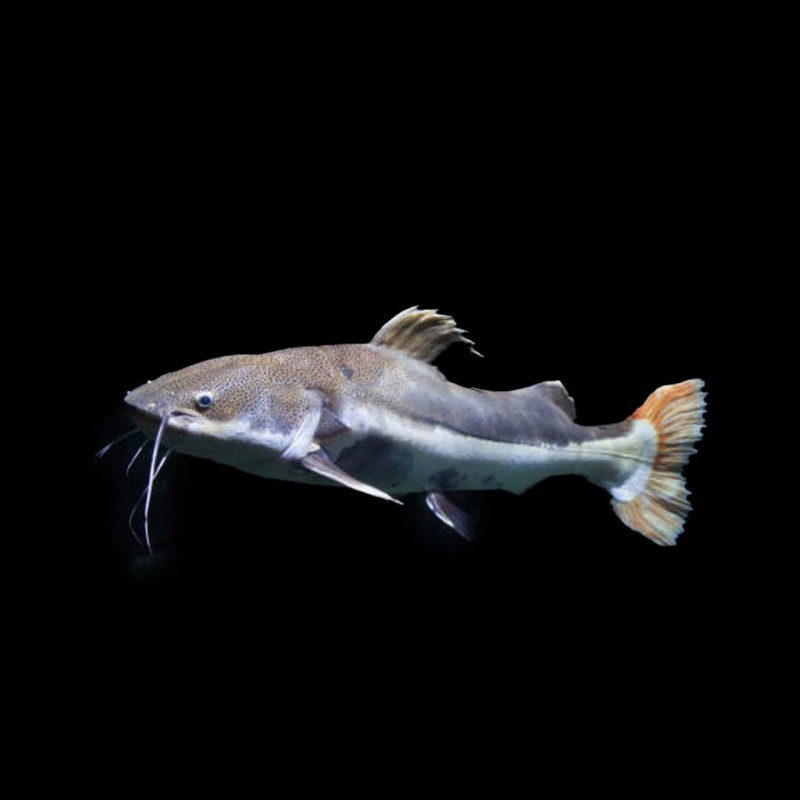
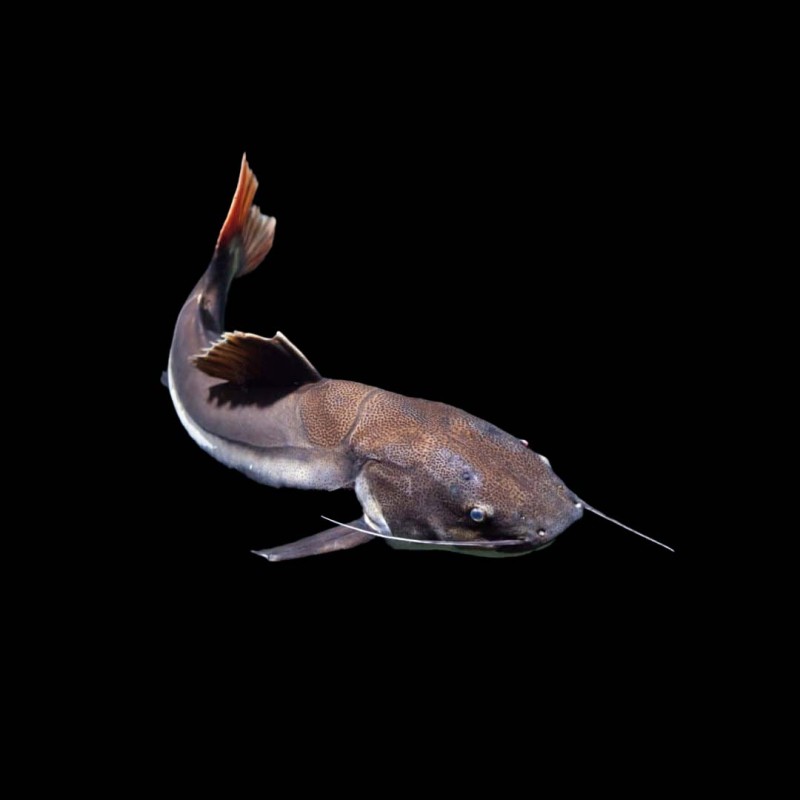
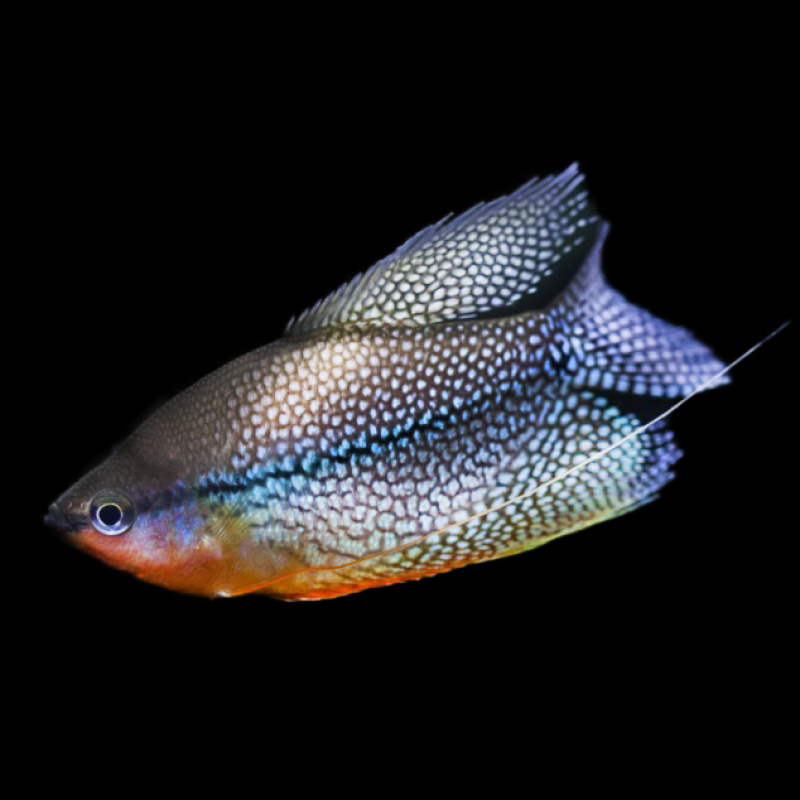
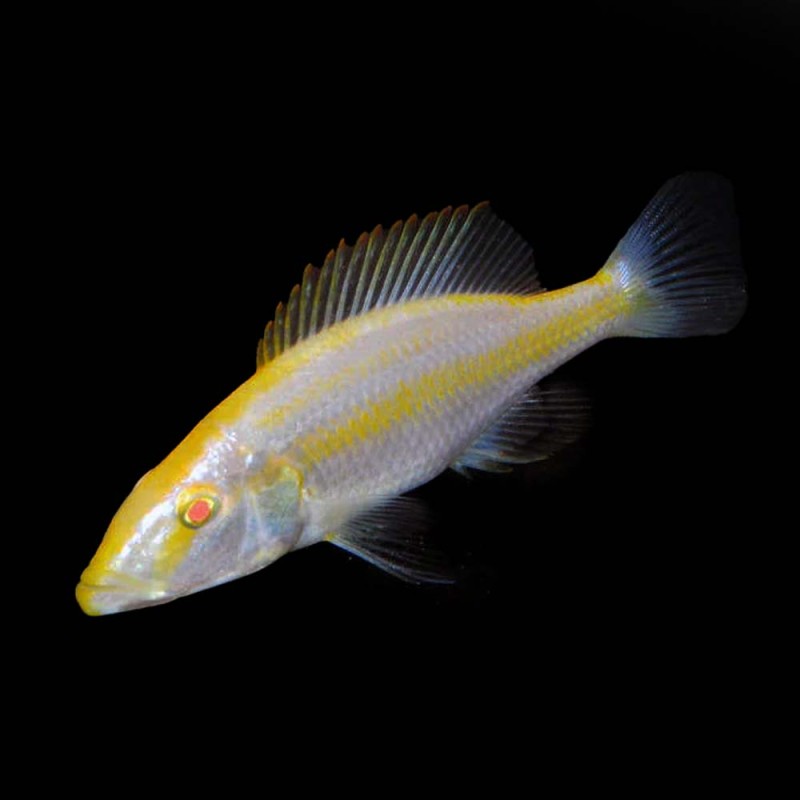
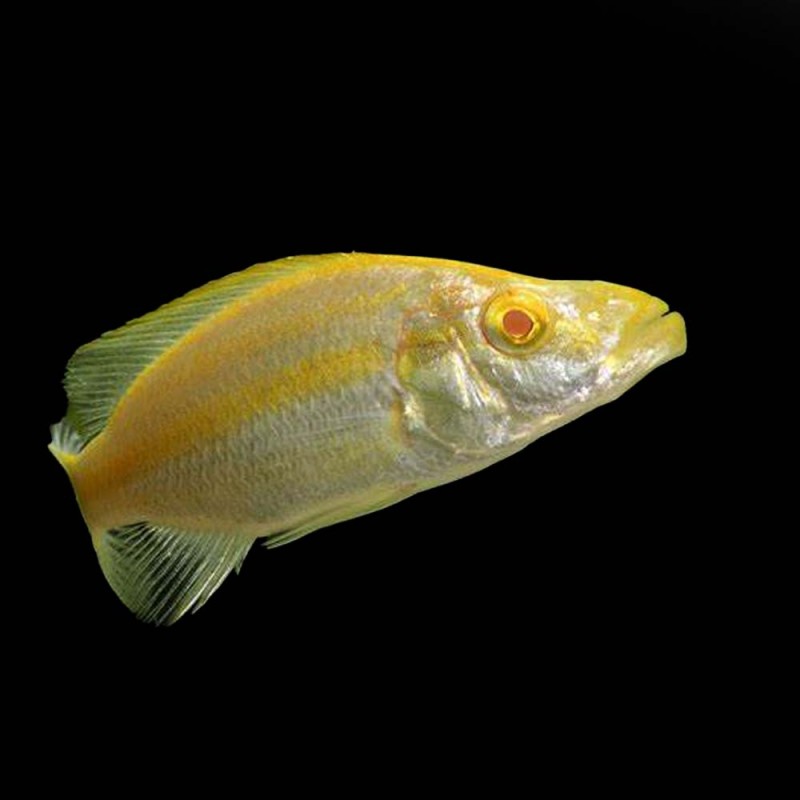
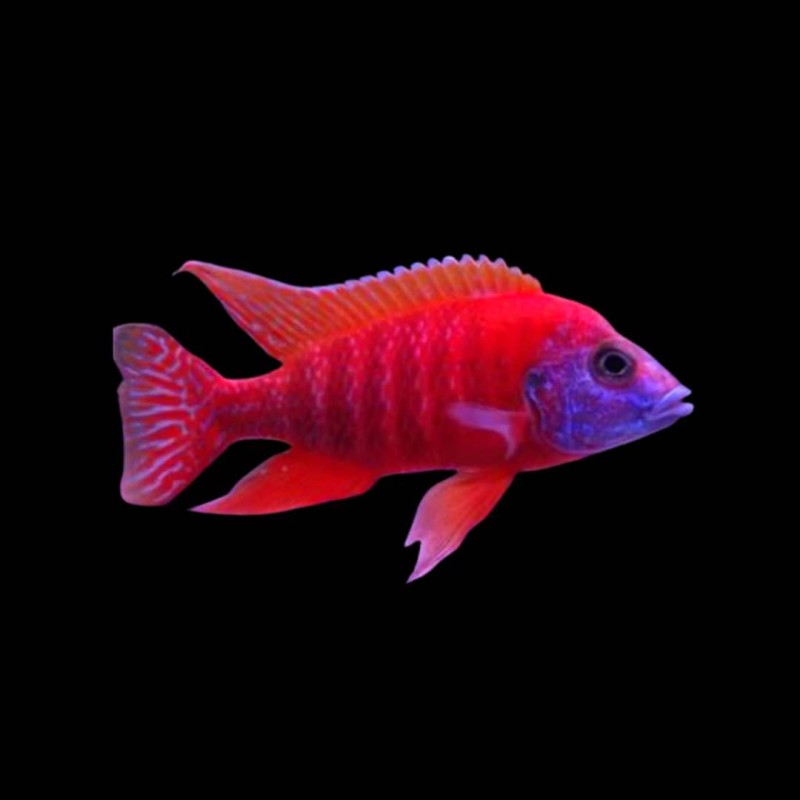
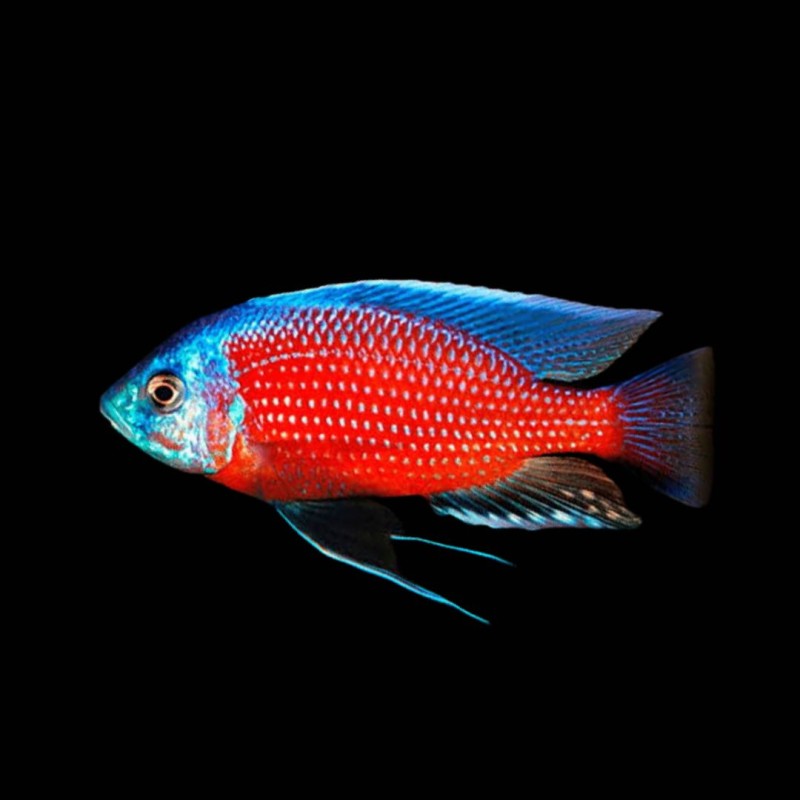
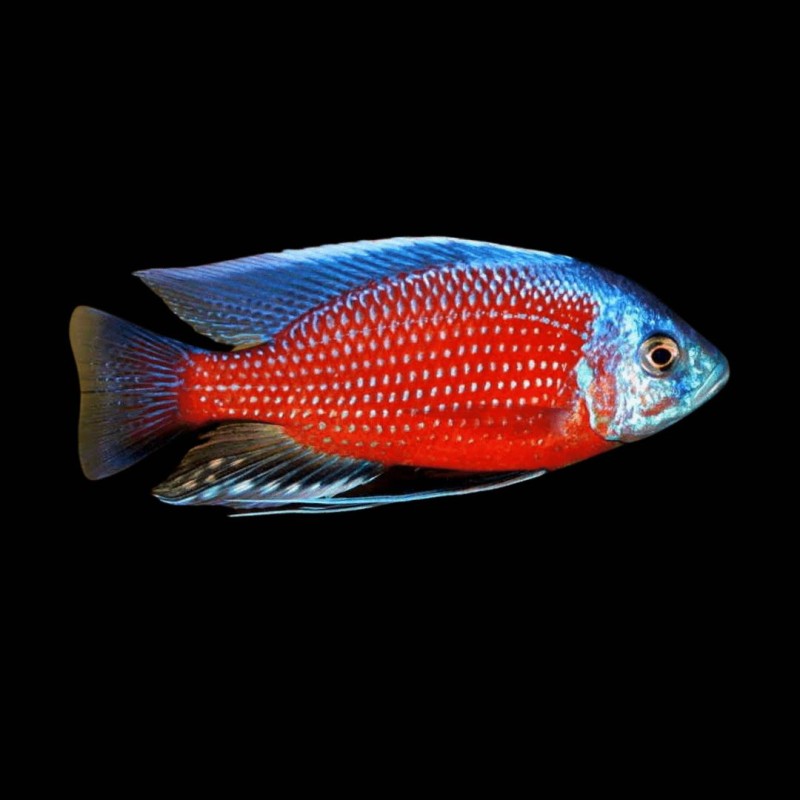
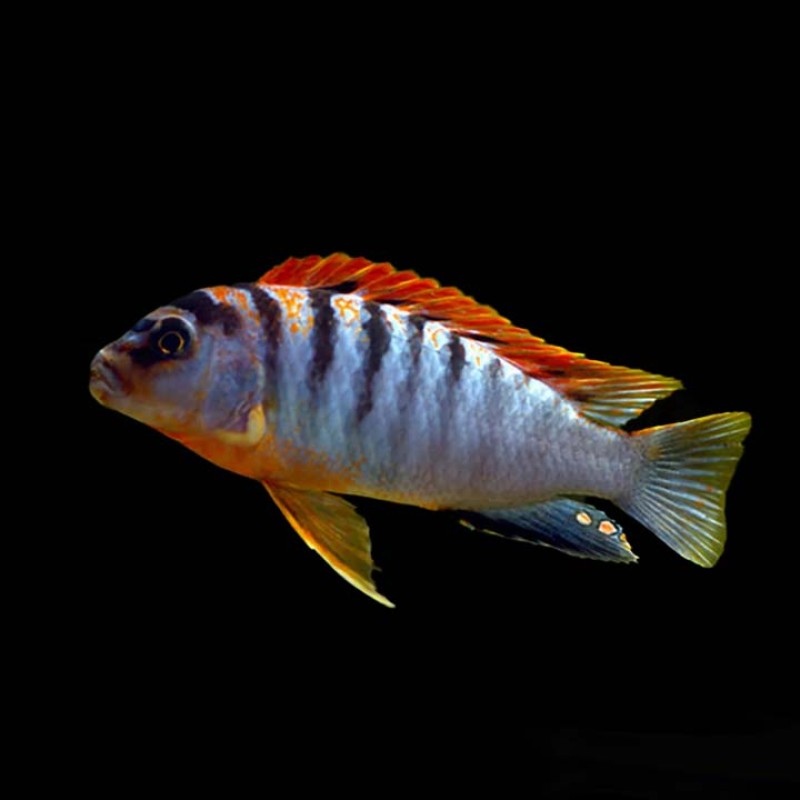
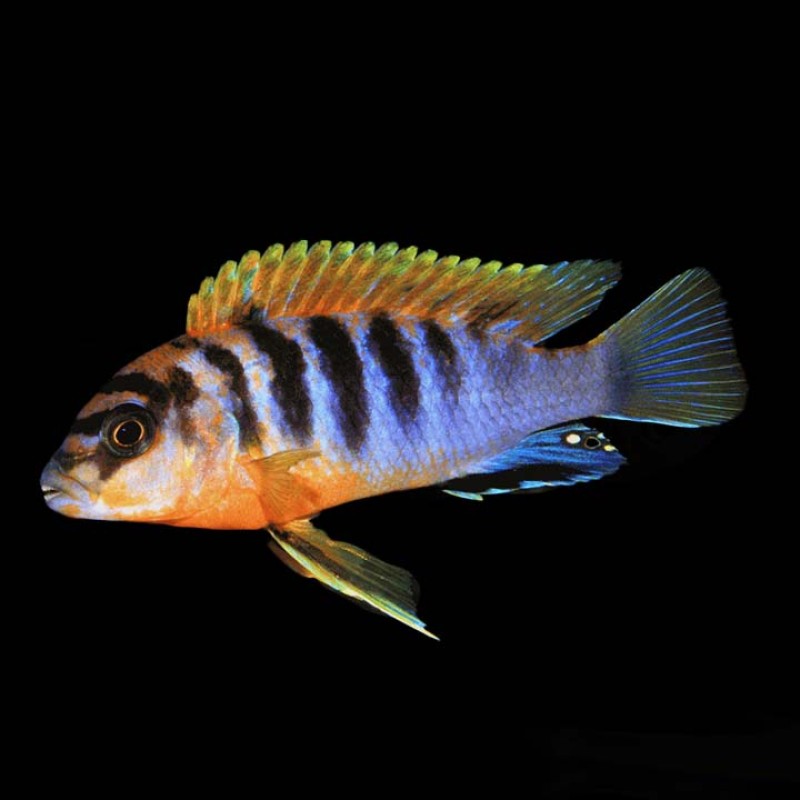
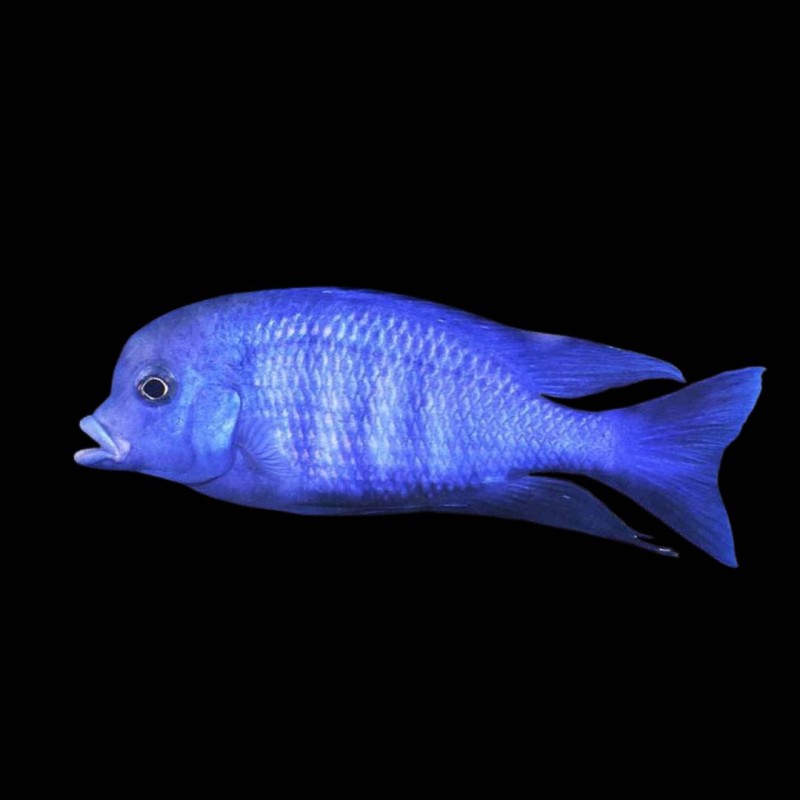
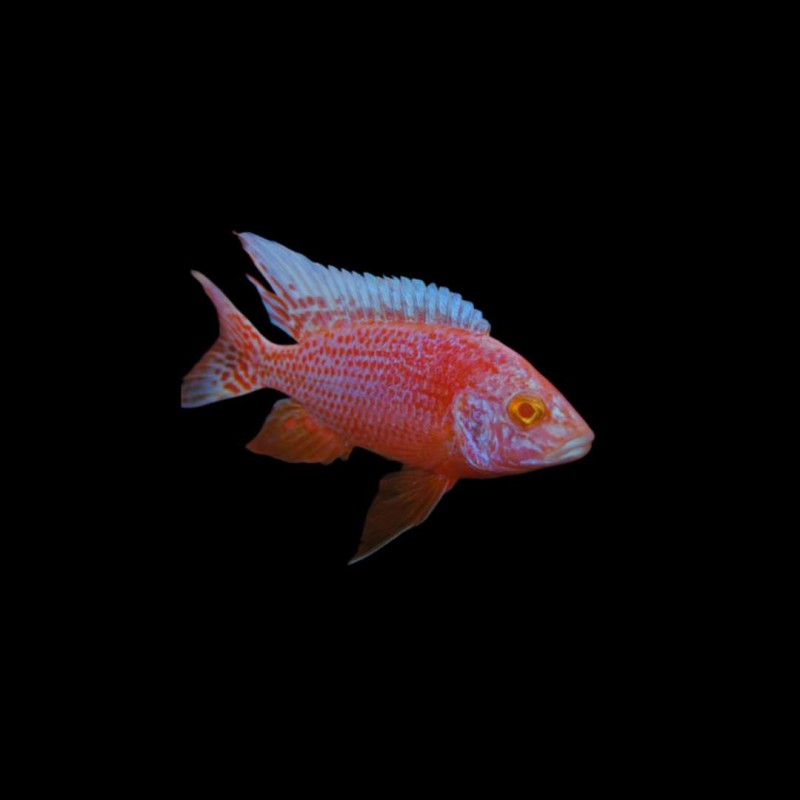
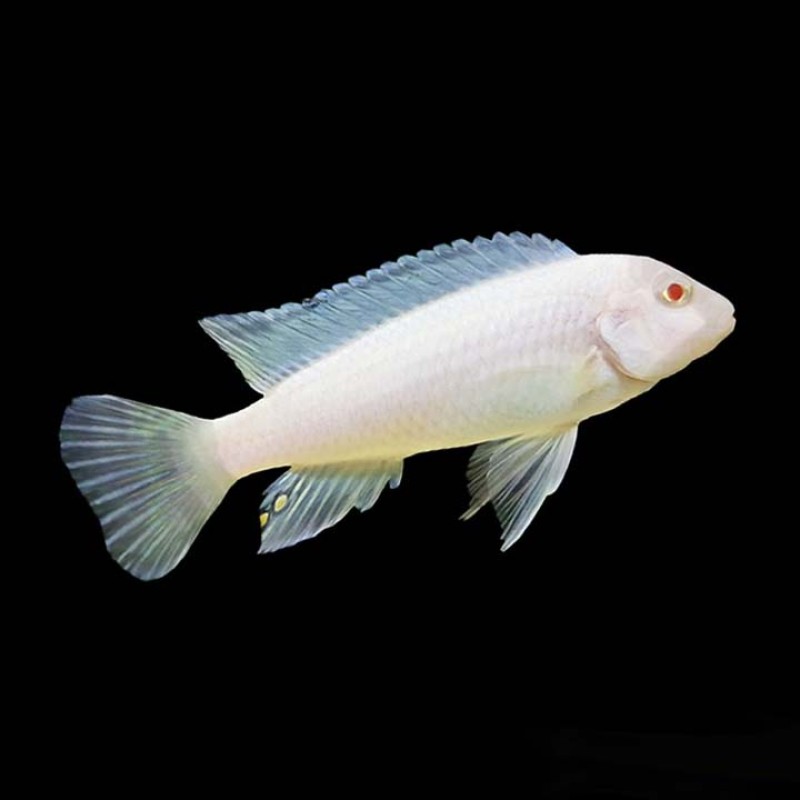
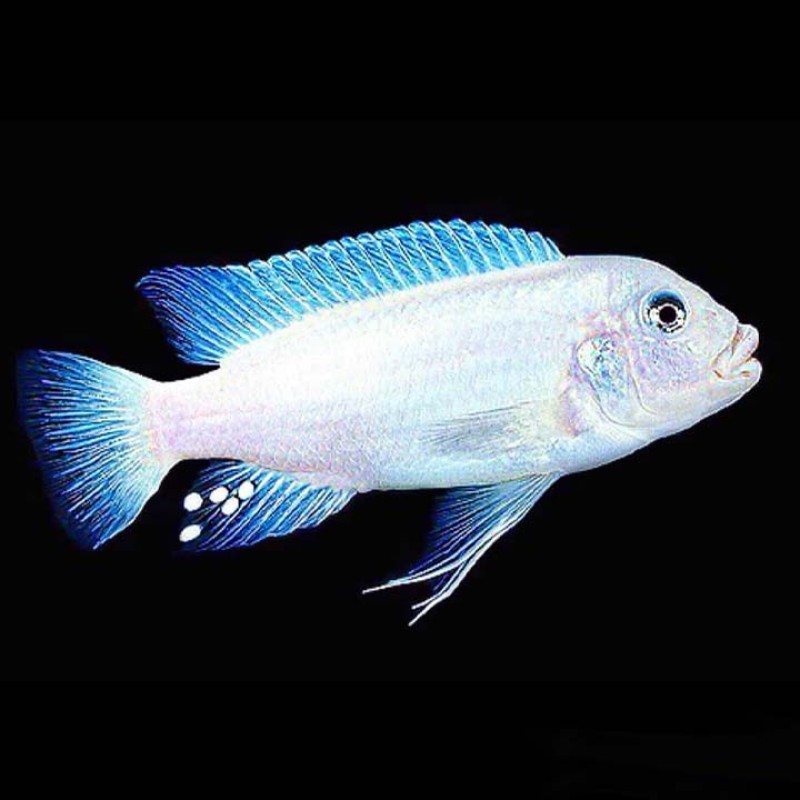
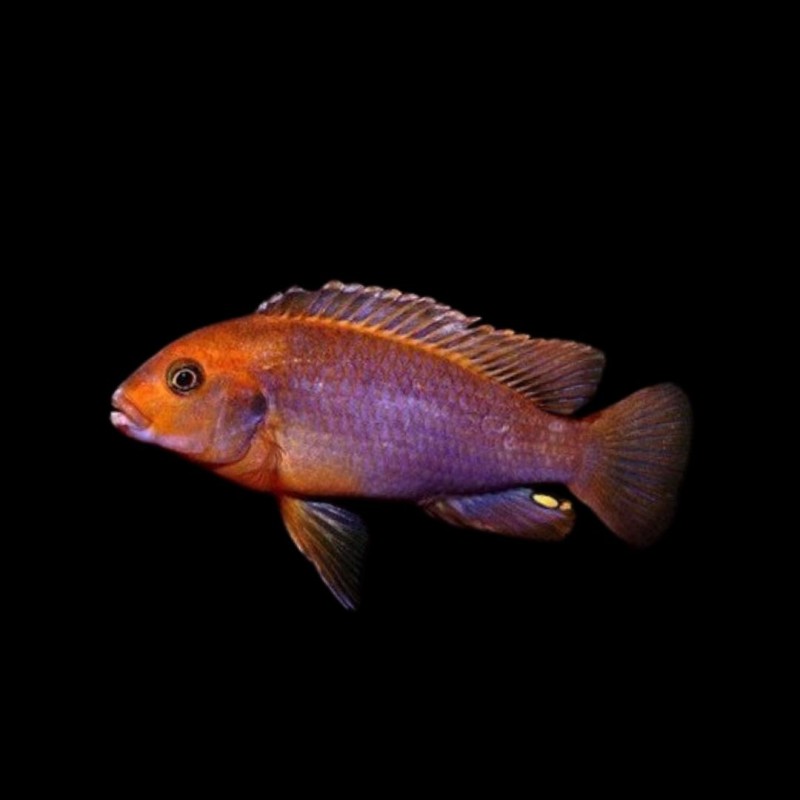
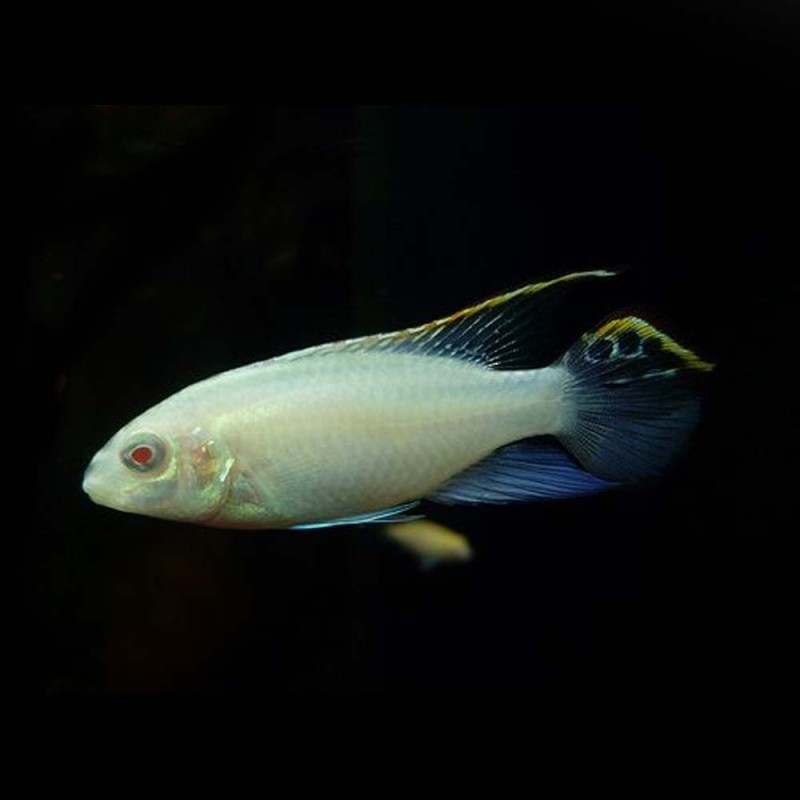
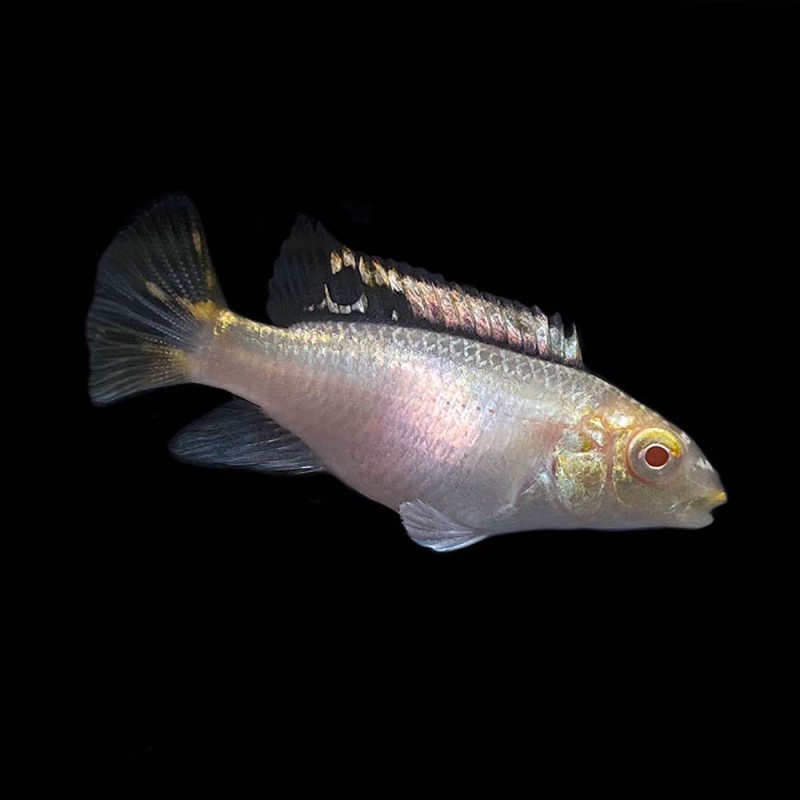
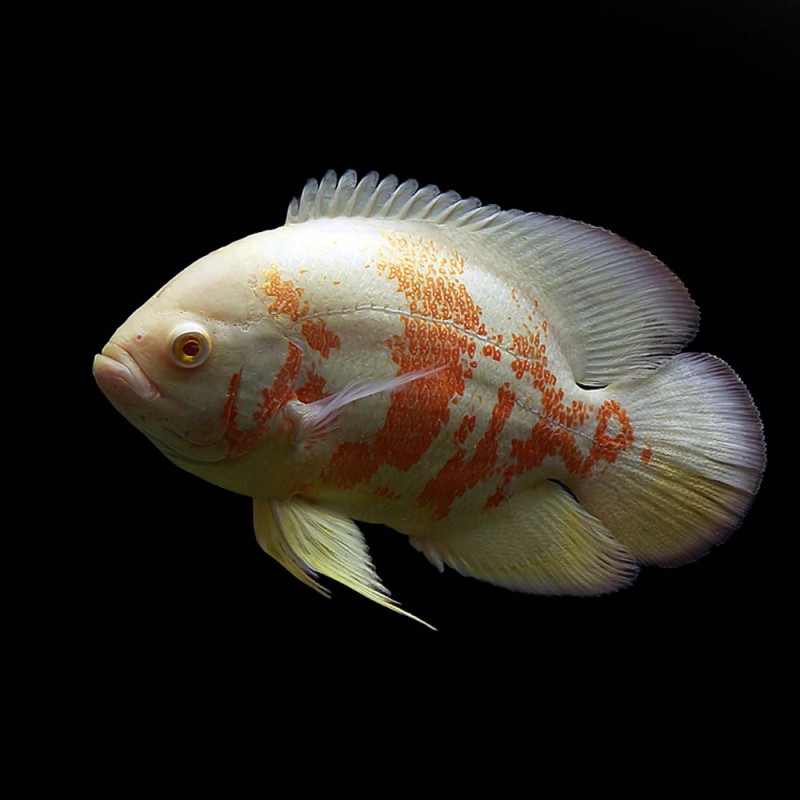
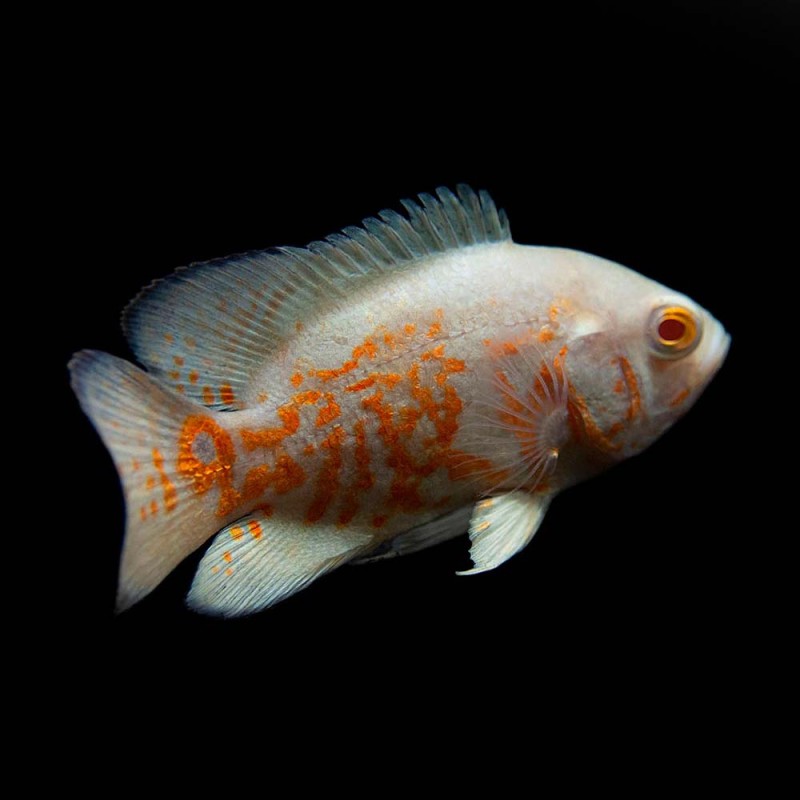
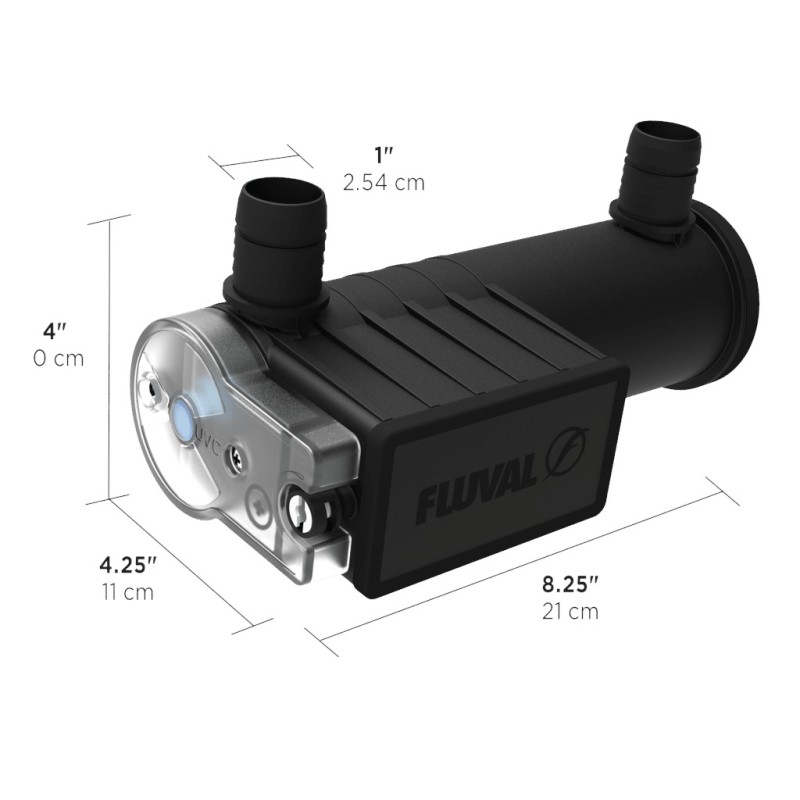
  • Please Note: Due to variations within species, your fish may not look identical to the image provided. Also note not all sizes or species may be available due to seasonality, Please call beforehand for up-to-date stock availability.

  • Model: -
Available Options

Reset options

Venustus Cichlid

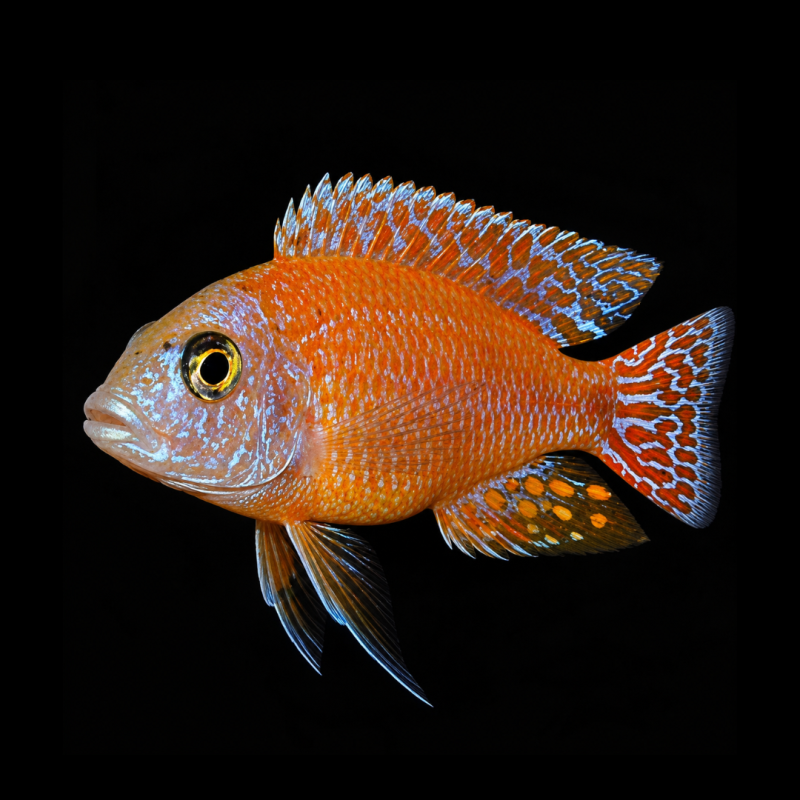
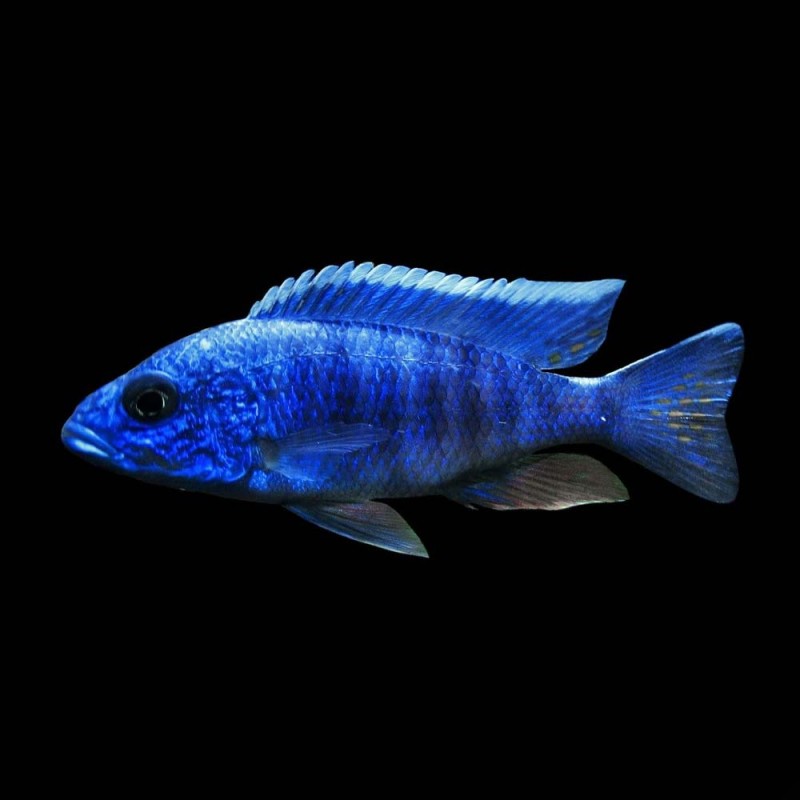
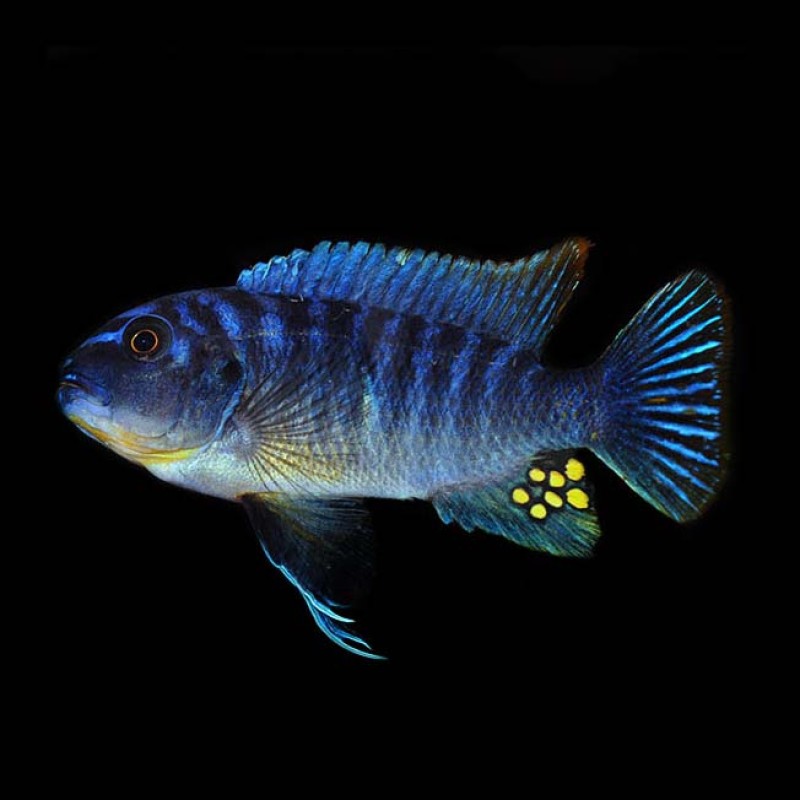
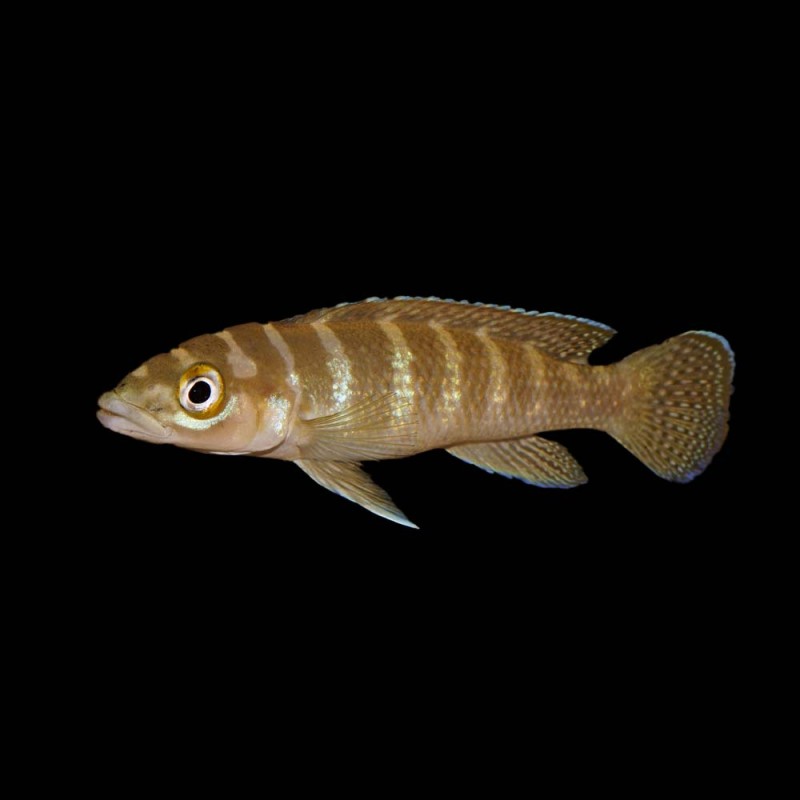
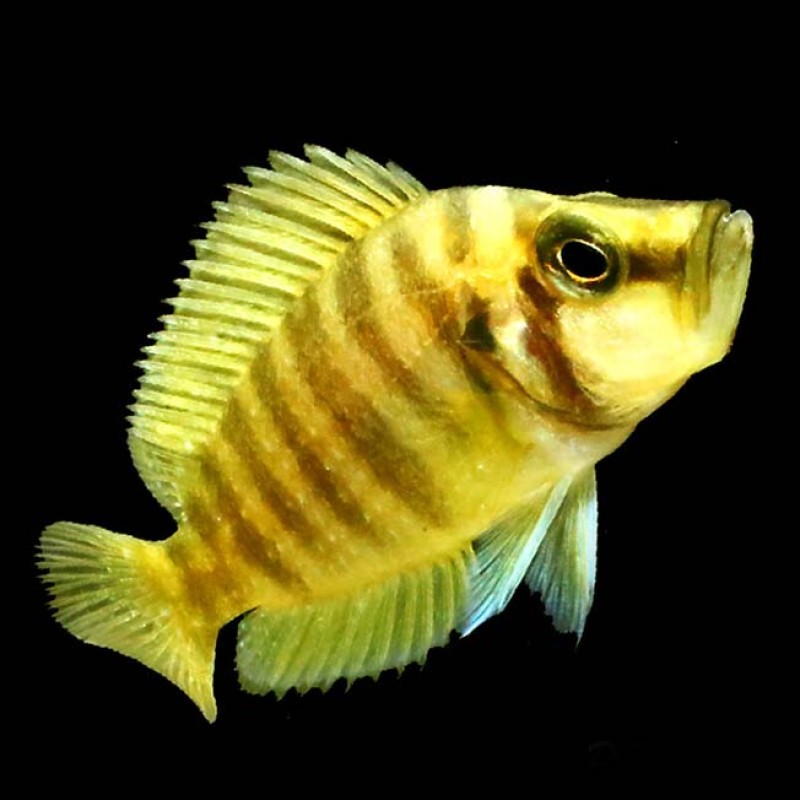
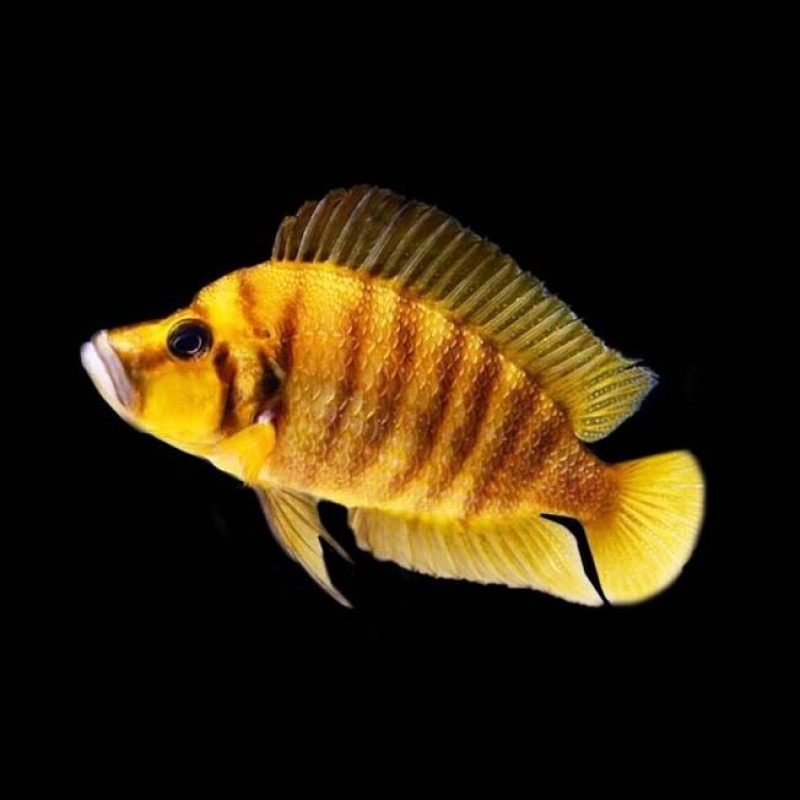
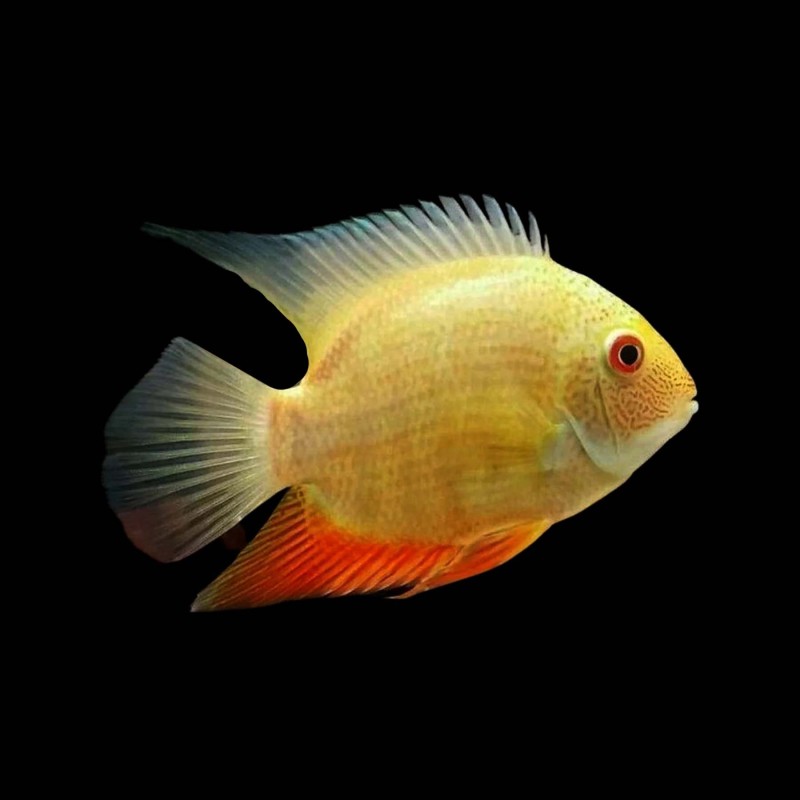
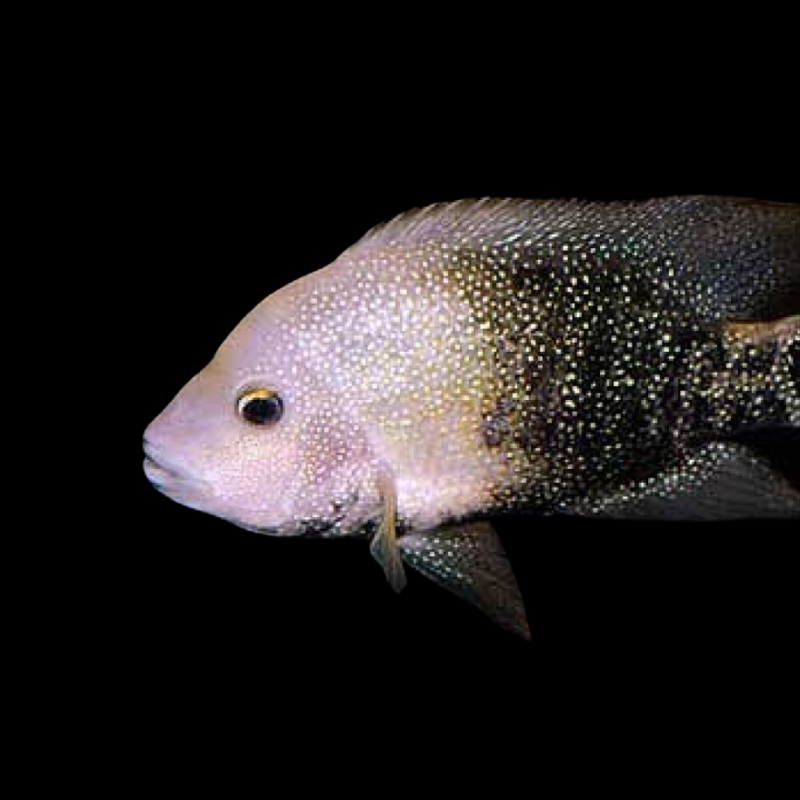
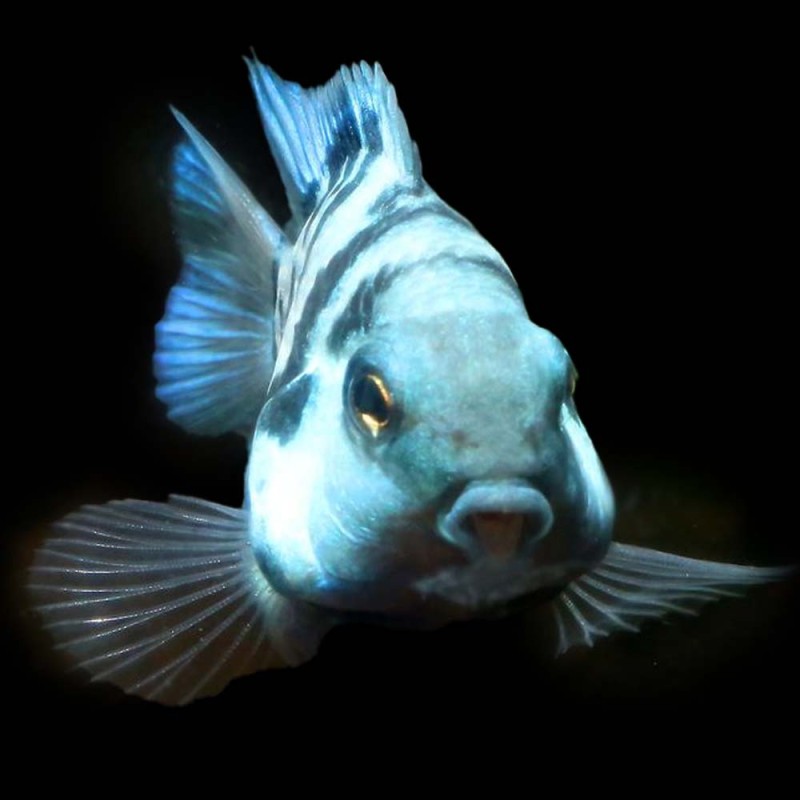
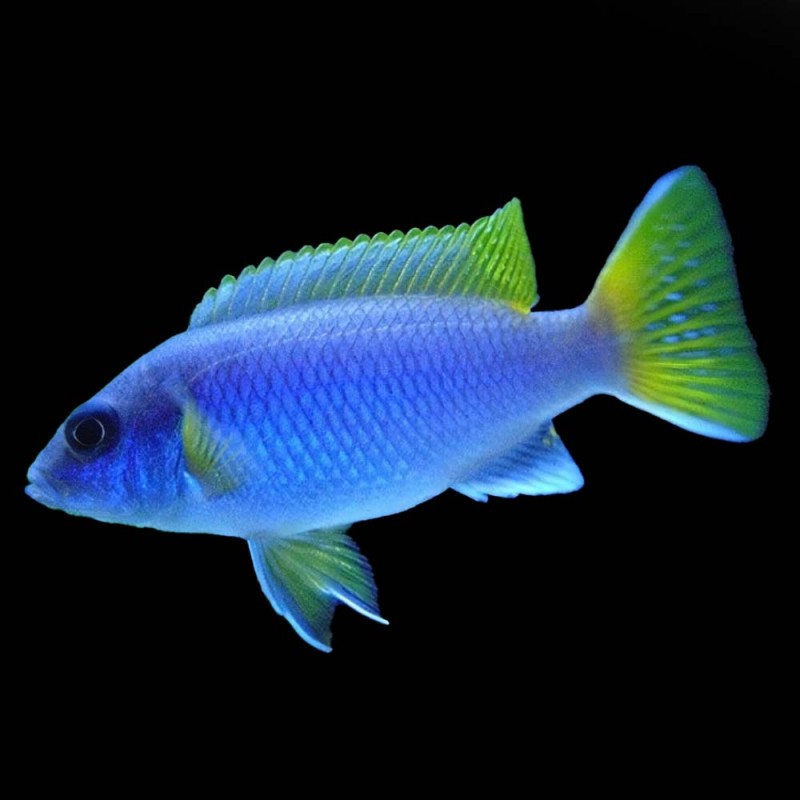
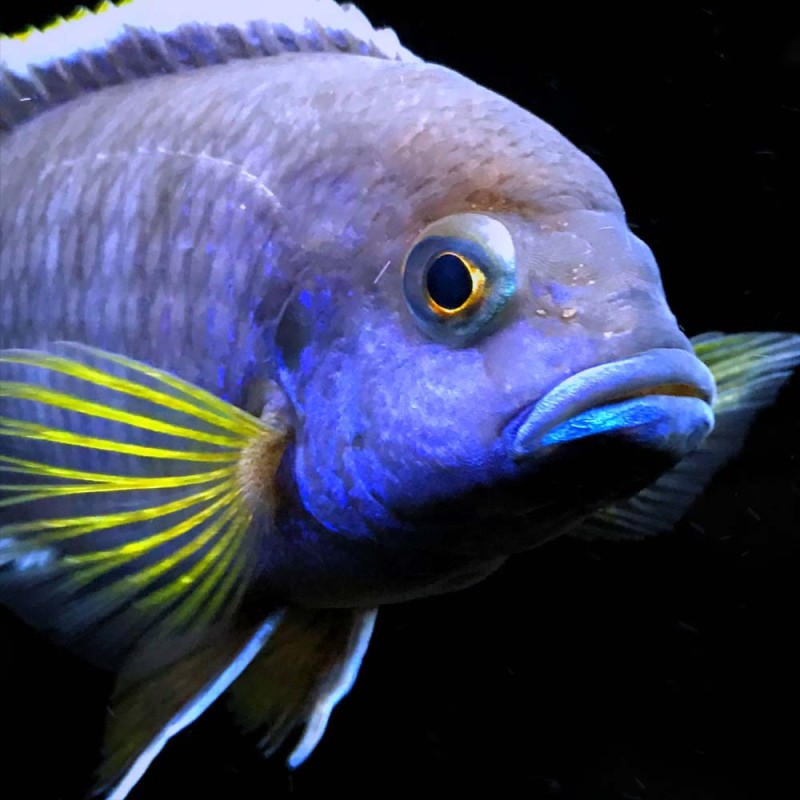
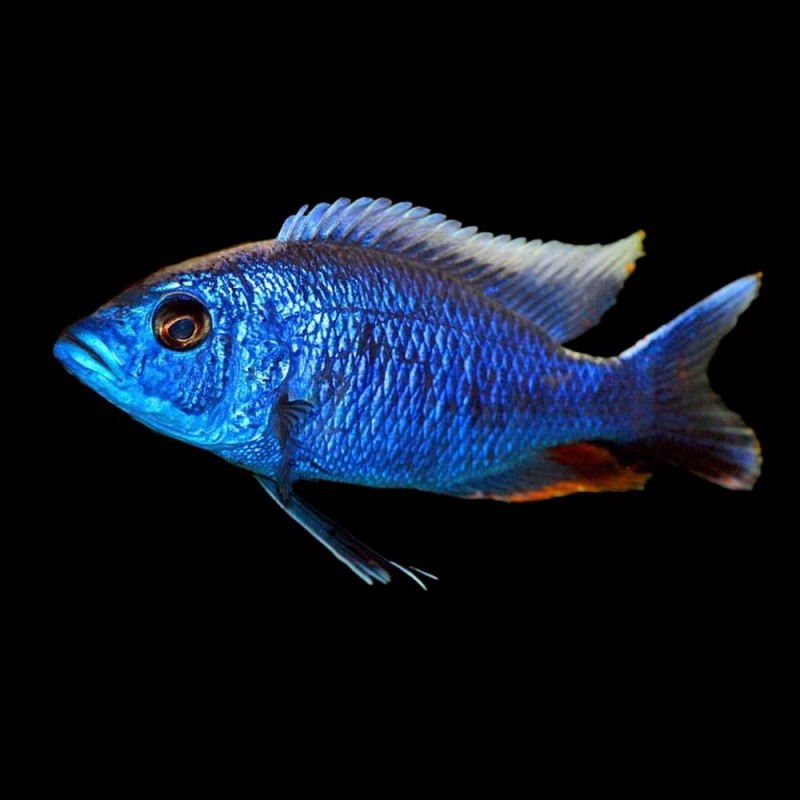
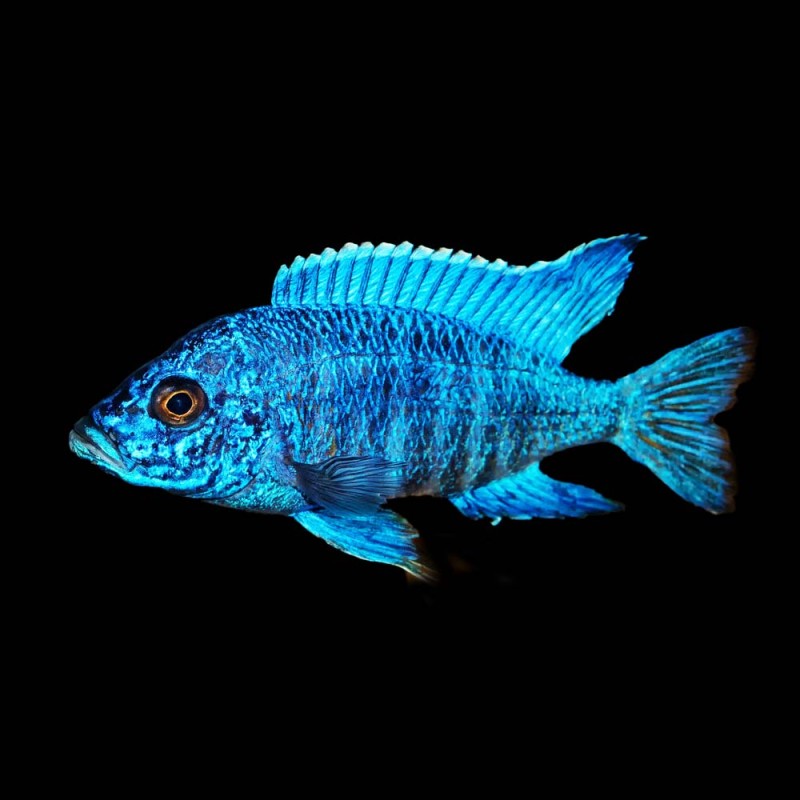
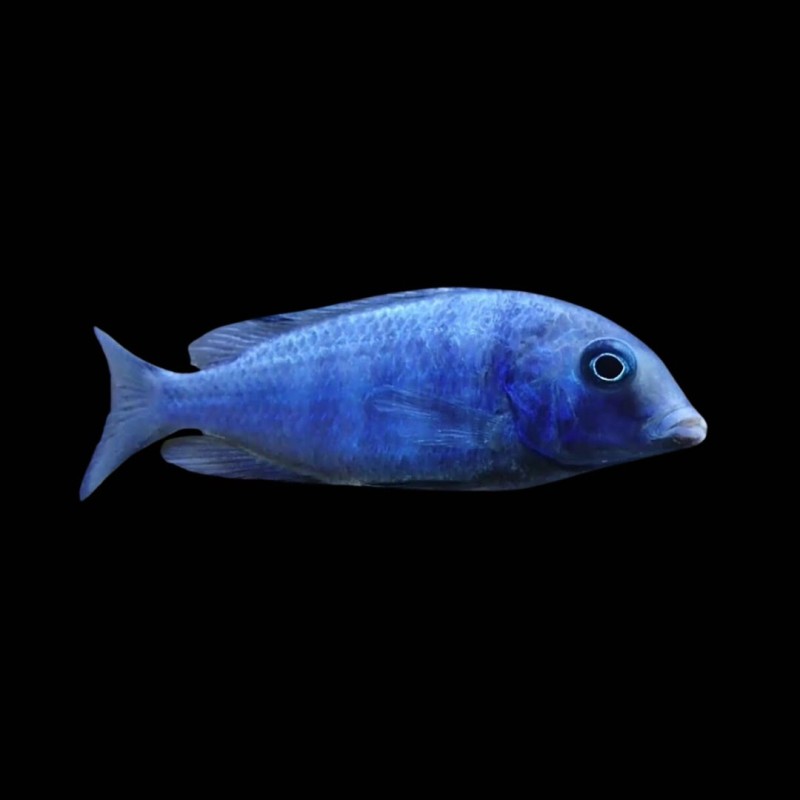
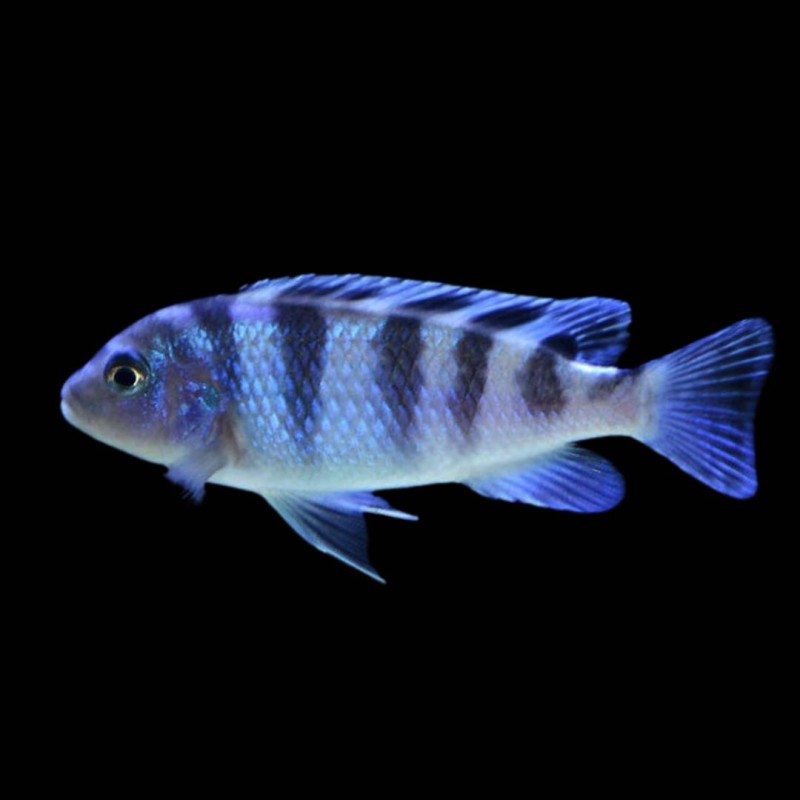
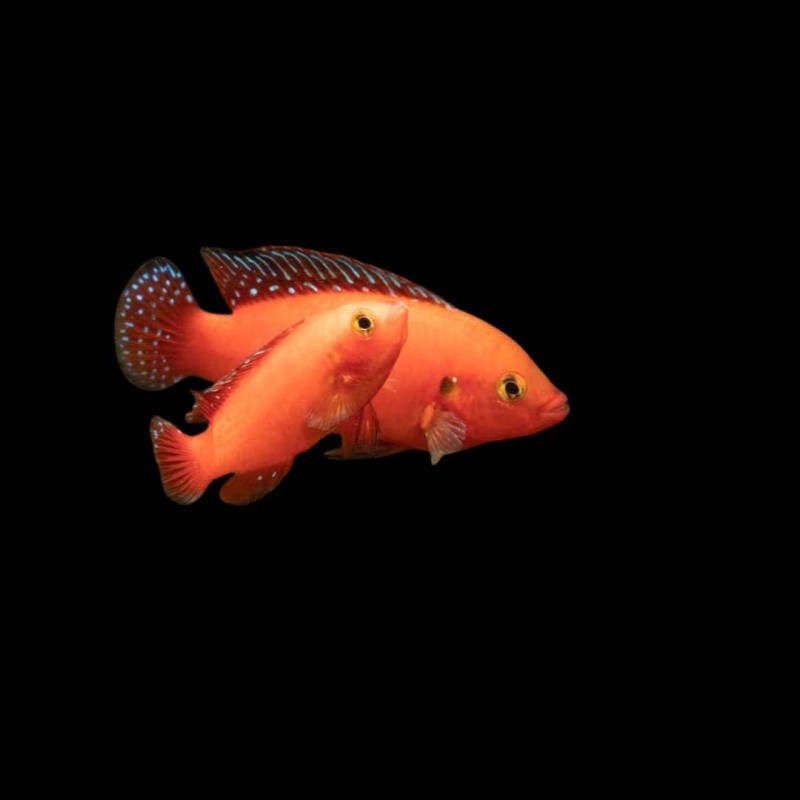
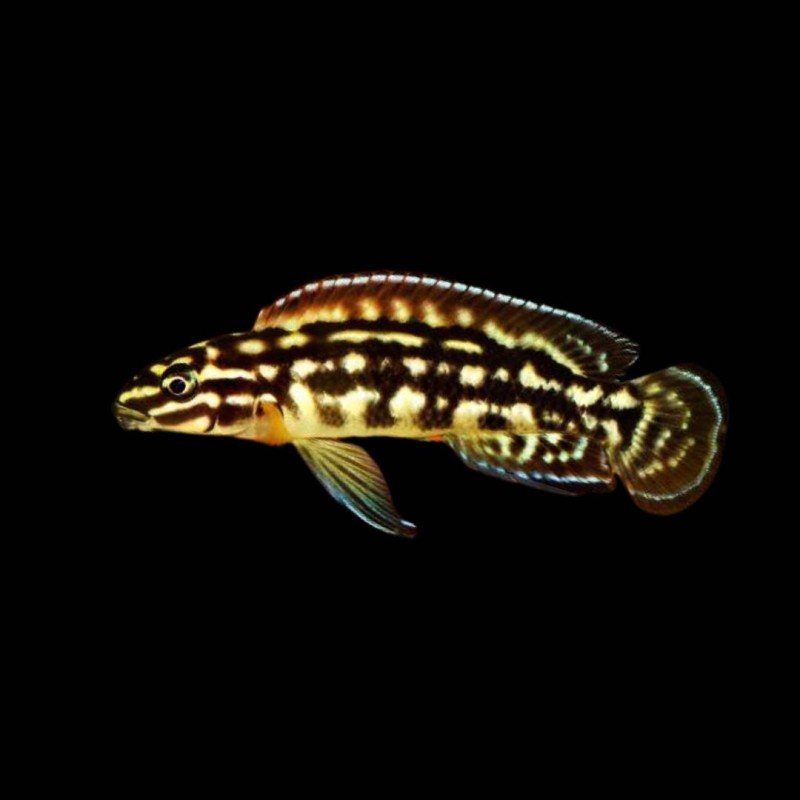
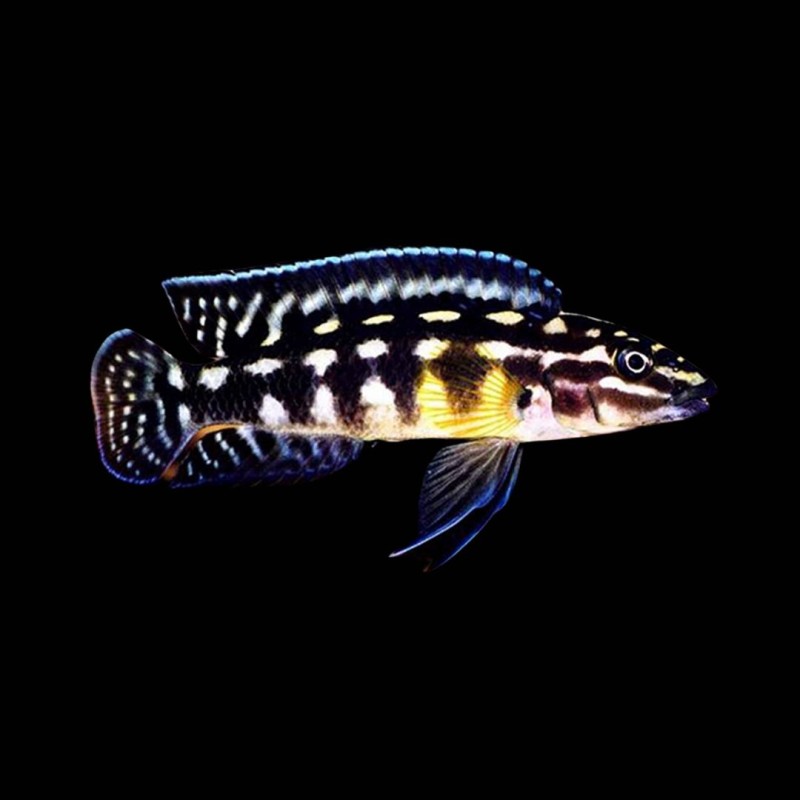
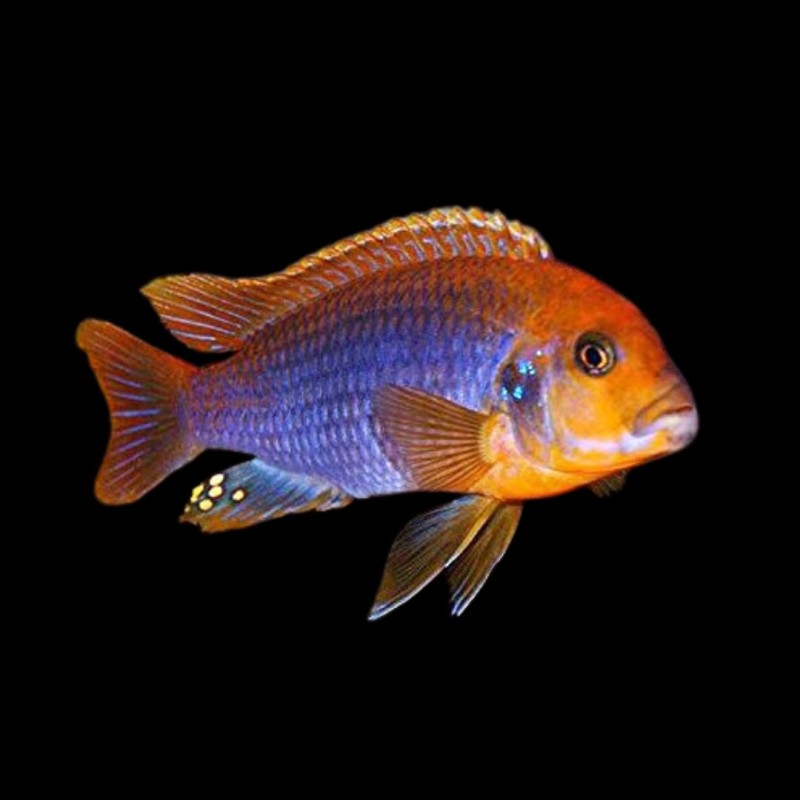
The Venustus Cichlid (*Nimbochromis venustus*) is a striking freshwater fish native to the African Great Lakes, particularly Lake Tanganyika. Known for its vibrant colours and unique swimming behaviour, the Venustus Cichlid is a popular choice among aquarists looking to add a beautiful and active species to their aquarium.

Physical Characteristics:

  • Size: Venustus Cichlids can grow to about 15-20 cm (6-8 inches) in length, making them a medium to large-sized cichlid.
  • Coloration:
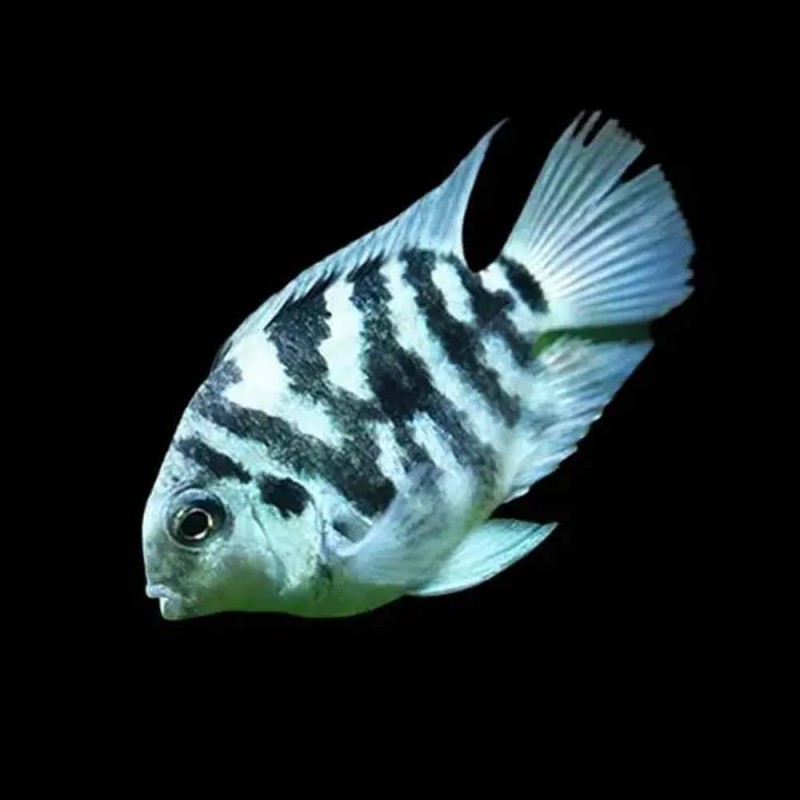
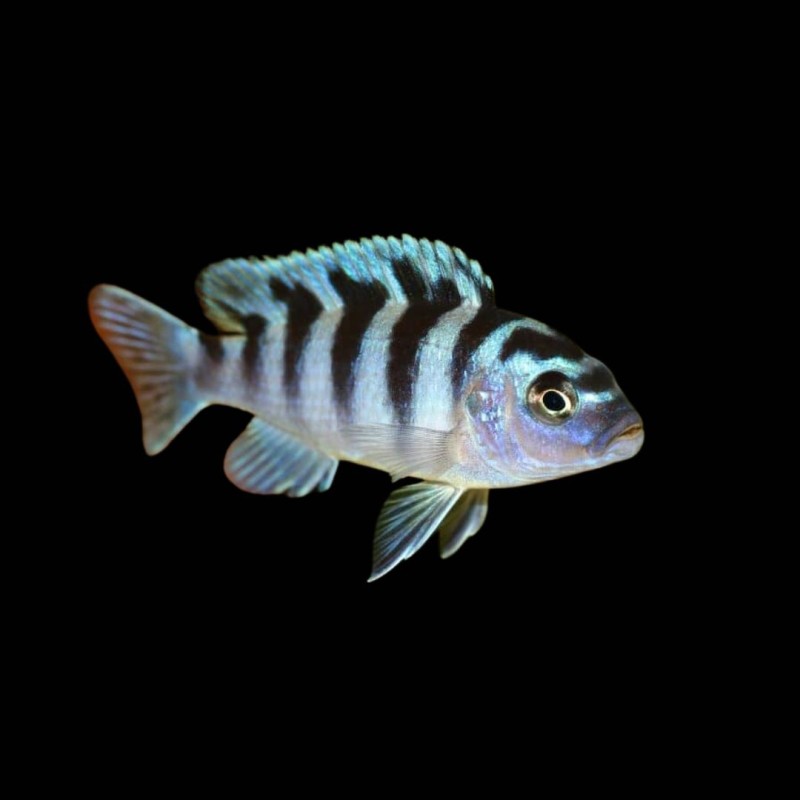
    • Body: They are characterized by their striking blue or turquoise bodies, often with a dark vertical stripe pattern. The intensity of the blue can vary among individuals.
    • Fins: The fins are typically a lighter blue or translucent, which enhances their overall appearance. Males may display more vivid colours during breeding.
    • Shape: Venustus Cichlids have a laterally compressed body with a rounded head and a streamlined shape that allows for agile swimming.

Behaviour:

  • Temperament: Venustus Cichlids are generally peaceful but can exhibit territorial behaviour, especially during breeding. They are best housed with other robust species that can handle some mild aggression.
  • Activity Level: They are active swimmers and enjoy exploring their environment. Venustus Cichlids often display interesting hunting behaviours, mimicking their natural predatory instincts.
  • Community Behaviour: While they can be kept in a community tank, careful selection of tankmates is essential to prevent stress or aggression.

Aquarium Care:

  • Tank Size: A minimum tank size of 190 litres (50 gallons) is recommended for a small group of Venustus Cichlids, as they require ample swimming space.
  • Water Parameters:
    • Temperature: Venustus Cichlids thrive in warm water, with an ideal temperature range of 24°C to 28°C (75°F to 82°F).
    • pH: They prefer slightly alkaline water, with a pH range of 7.5 to 8.5.
    • Hardness: They thrive in hard water, with a general hardness (GH) of 10-15 dGH.
  • Tank Setup:
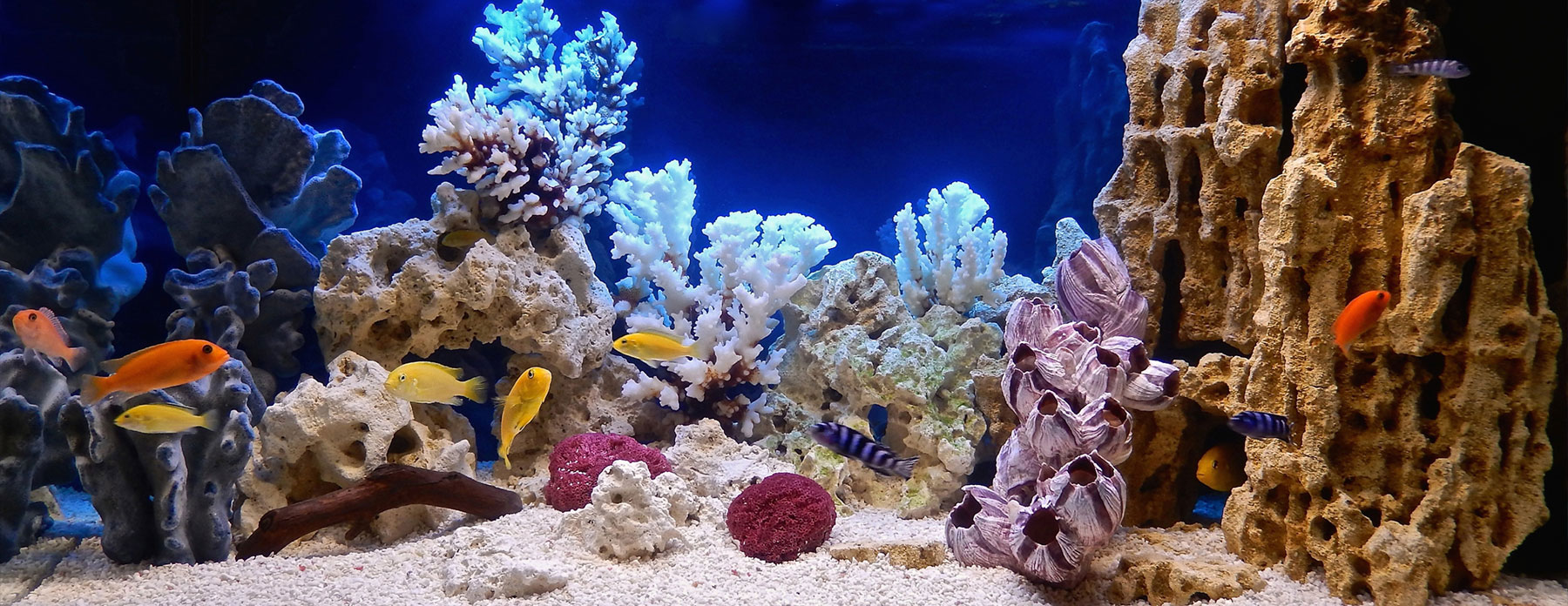
    • Substrate and Decorations: A sandy or gravel substrate is ideal. Venustus Cichlids appreciate a well-decorated tank with caves and hiding spots created by rocks and driftwood, which mimic their natural habitat.
    • Lighting: Moderate lighting is suitable for showcasing their colours while allowing for shaded areas where they can retreat if necessary.
    • Filtration: A strong filtration system is essential to maintain water quality. Regular water changes (about 20% weekly) will help prevent the buildup of harmful substances.

Diet:

Venustus Cichlids are carnivorous and require a varied diet to thrive:

  • Pellets: High-quality cichlid pellets or granules should form the staple of their diet.
  • Live or Frozen Foods: Offer live or frozen foods such as brine shrimp, bloodworms, and daphnia to provide essential protein and variety.
  • Occasional Treats: Vegetables like blanched zucchini or spinach can be offered occasionally to supplement their diet.

Breeding:

Breeding Venustus Cichlids can be rewarding, provided the right conditions are met:

  • Breeding Setup: A separate breeding tank with plenty of hiding spots and flat surfaces for egg-laying is ideal. The water should be warm (around 26°C to 28°C or 79°F to 82°F) and slightly alkaline.
  • Spawning Behaviour: Males will display to attract females, often performing a dance-like behaviour. After spawning, the female will lay eggs in a chosen location, which the male will then fertilise.
  • Fry Care: Once the fry are free-swimming, they can be fed with infusoria or newly hatched brine shrimp. The parents often guard the fry closely during this period.

Special Considerations:

  • Social Structure: Venustus Cichlids are social fish that benefit from being kept in groups. However, ensure that the tank is spacious enough to prevent territorial disputes.
  • Water Quality: Maintaining excellent water quality is crucial for the health of Venustus Cichlids. Regular monitoring and maintenance are necessary to keep them healthy.

Write a review

Please login or register to review
File Name Link
16 How to care for African Malawi Cichlids.pdf
(Total downloads: 6174)
Download
1