

Menu
Menu
Your Cart

Paroon Shark

Paroon Shark
Paroon Shark
Paroon Shark
Paroon Shark
Paroon Shark
€24.99
Ex Tax: €20.32
  • Stock: Generally In Stock
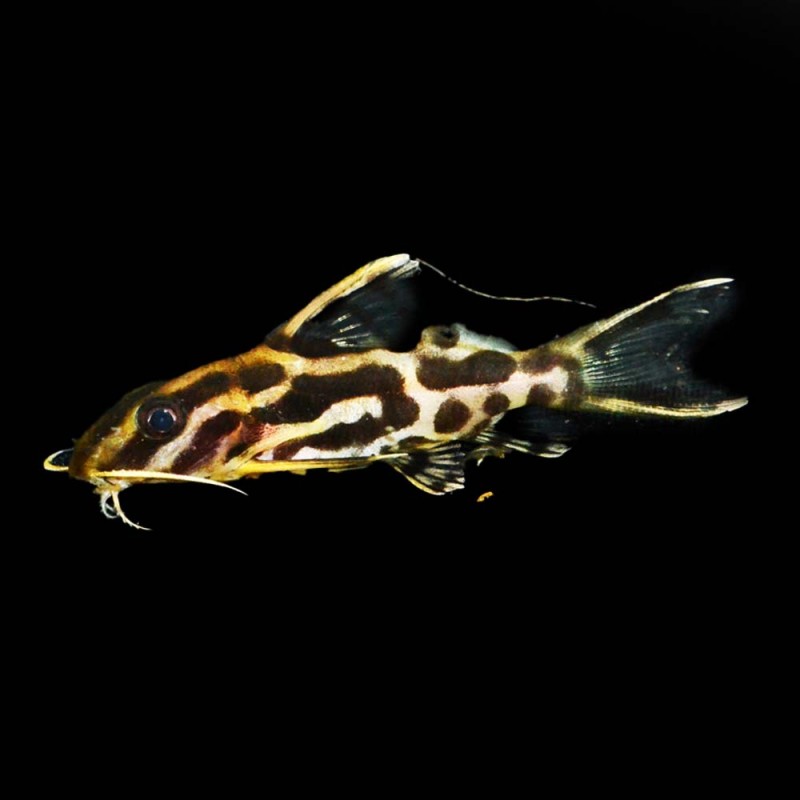
  • Please Note: Due to variations within species, your fish may not look identical to the image provided. Also note not all sizes or species may be available due to seasonality, Please call beforehand for up-to-date stock availability.

  • Model: -

Paroon Shark

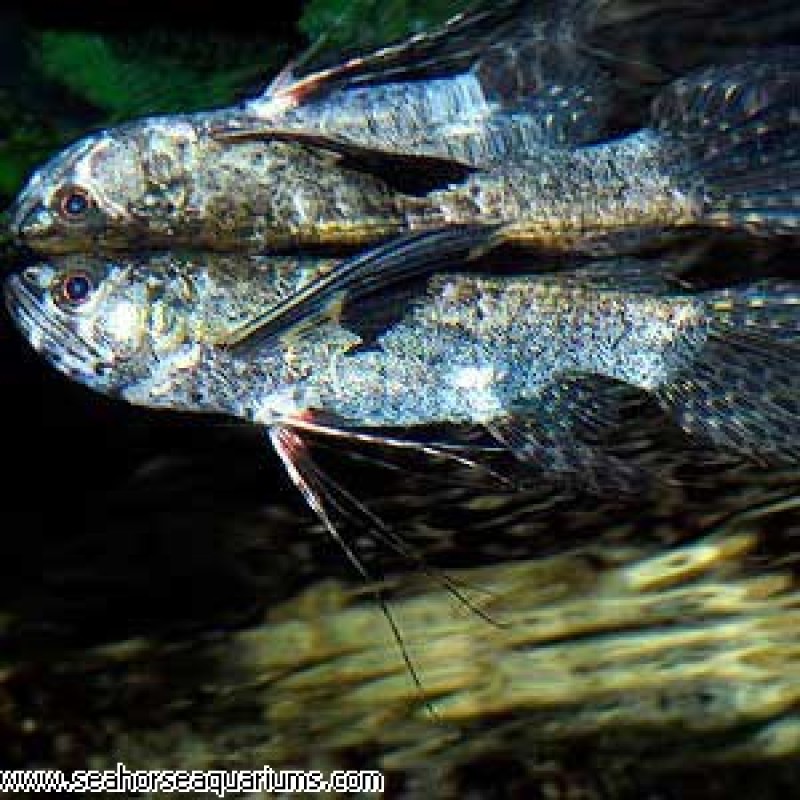
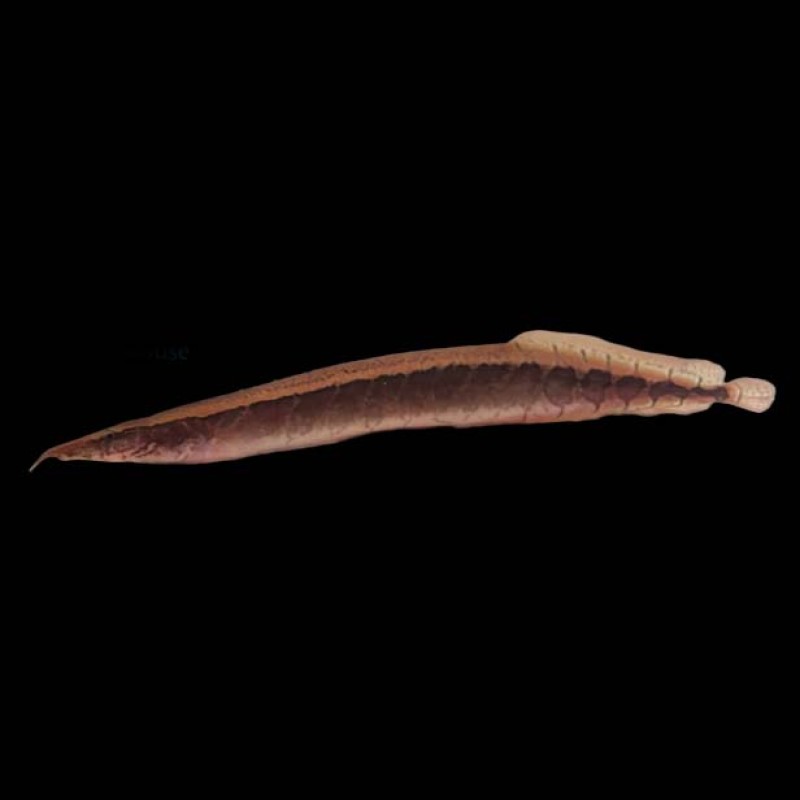
The Paroon Shark (*Pangasius sanitwongsei*) is an impressive and majestic species of freshwater fish known for its large size and distinctive appearance. This species, also known as the Giant River Catfish, is highly sought after by experienced aquarists due to its striking looks and impressive size. Native to Southeast Asia, the Paroon Shark is a popular species in large aquariums and ornamental ponds.

Physical Characteristics:

  • Size: Paroon Sharks can grow to an impressive size, reaching up to 1.8 meters (5.9 feet) in length in the wild, though they typically reach around 1 meter (3.3 feet) in captivity.
  • Coloration: The body of the Paroon Shark is typically grey or light brown, with a slightly paler underside. It also features a series of dark vertical stripes running along its body, giving it a shark-like appearance.
  • Fins: The Paroon Shark has large pectoral fins and a broad caudal fin, which contribute to its powerful swimming abilities. Its dorsal fin is small and located towards the back of the body.
  • Shape: This species has a long, streamlined body and a broad head with large, downward-facing barbels that help it navigate in the murky waters of its natural habitat.

Behavior:

  • Temperament: Paroon Sharks are generally peaceful but can be territorial, especially in smaller spaces. They are non-aggressive towards most other species but should not be kept with smaller fish, as they may become prey.
  • Activity Level: They are active swimmers, particularly at night, and prefer large, well-oxygenated tanks or ponds where they can roam freely.
  • Community Behavior: While they can coexist with larger peaceful species, Paroon Sharks should not be housed with smaller fish. It is best to keep them in large tanks with other large, peaceful species like large catfish or similar-sized tankmates.

Aquarium Care:

  • Tank Size: Given their potential size, Paroon Sharks require a large tank or pond. A minimum tank size of 500 liters (132 gallons) is recommended for smaller individuals, with larger tanks (1000 liters or more) required for fully grown adults.
  • Water Parameters:
    • Temperature: Paroon Sharks thrive in warm water, with an ideal temperature range of 24°C to 30°C (75°F to 86°F).
    • pH: Slightly acidic to neutral water is preferred, with a pH range of 6.5 to 7.5.
    • Hardness: Soft to moderately hard water, with a general hardness (GH) of 3-10 dGH, is ideal.
  • Tank Setup:
    • Substrate and Decorations: A soft substrate, such as fine sand or gravel, is recommended. Paroon Sharks enjoy having plenty of open swimming space, but some submerged rocks or large pieces of driftwood can provide hiding spots and mimic their natural habitat.
    • Lighting: Moderate to low lighting is best to mimic the natural murky waters where Paroon Sharks are often found.
    • Filtration: A powerful filtration system is essential to maintain good water quality, as these fish are large and produce a lot of waste. Strong water movement and frequent water changes (about 20-30% weekly) are crucial for keeping the tank clean and healthy.

Diet:

Paroon Sharks are carnivorous and require a high-protein diet. Their diet should include:

  • Pellets: High-quality carnivorous pellets designed for large fish should form the staple of their diet.
  • Live or Frozen Foods: Offer live or frozen foods such as shrimp, fish, or worms to provide essential protein and variety. They are particularly fond of larger prey.
  • Occasional Treats: Some aquarium owners offer occasional treats such as chopped meat or small fish, though these should be given in moderation to maintain their health.

Tankmates:

Paroon Sharks can be housed with various large, peaceful species, including:

  • Large Catfish: Such as the Pictus Catfish or other large species.
  • Large Cichlids: Similar-sized cichlids like the Oscars or certain types of Severums.
  • Other Large Fish: Large peaceful species that won’t become prey, such as the Giant Gourami or large species of rainbowfish.

Avoid housing them with smaller fish, as they may be eaten. Also, be cautious of aggressive tankmates, as Paroon Sharks can become stressed by more territorial species.

Breeding:

Breeding Paroon Sharks in captivity is extremely difficult and rare. However, the following conditions would be necessary for breeding:

  • Breeding Setup: A large, stable tank with plenty of space is essential. The water should be kept at a temperature range of 26°C to 28°C (79°F to 82°F) and a pH of 6.5-7.5.
  • Spawning Behavior: Paroon Sharks are egg-layers, and spawning can be triggered by a combination of environmental factors such as water temperature and diet. However, breeding in captivity is generally considered difficult due to their large size and specific environmental needs.

Special Considerations:

  • Size and Tank Space: The most important consideration when keeping a Paroon Shark is their size. They require a very large tank or pond to thrive. Plan for an aquarium or pond that will accommodate them as they grow.
  • Water Quality: Regular monitoring of water quality is essential. Paroon Sharks are sensitive to poor water conditions, and a powerful filtration system is essential to keep the water clean.

Write a review

Please login or register to review