

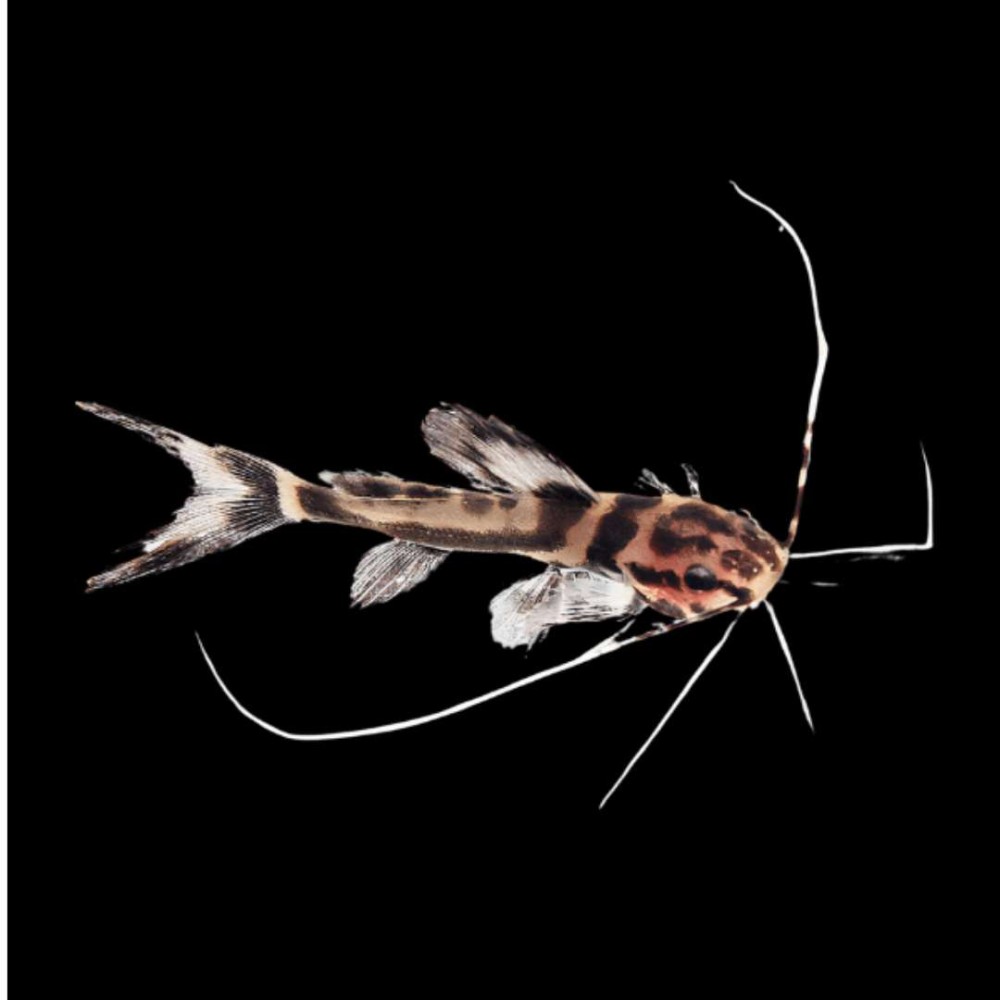
Marmoratus Catfish
From €59.99
Ex Tax: €48.77
- Stock: Generally In Stock
Please Note: Due to variations within species, your fish may not look identical to the image provided. Also note not all sizes or species may be available due to seasonality, Please call beforehand for up-to-date stock availability.
- Model: MARMORATUS CATFISH MATRIX
Available Options
*Leiarius marmoratus* is a species of freshwater catfish, belonging to the family *Asterophysidae*.
It is commonly known as the **marbled catfish** or **marbled pimelodid**.
This species is native to the Amazon and Orinoco river basins in South America, where it is typically found in slow-moving waters, including rivers, streams, and floodplains.
Key Characteristics:
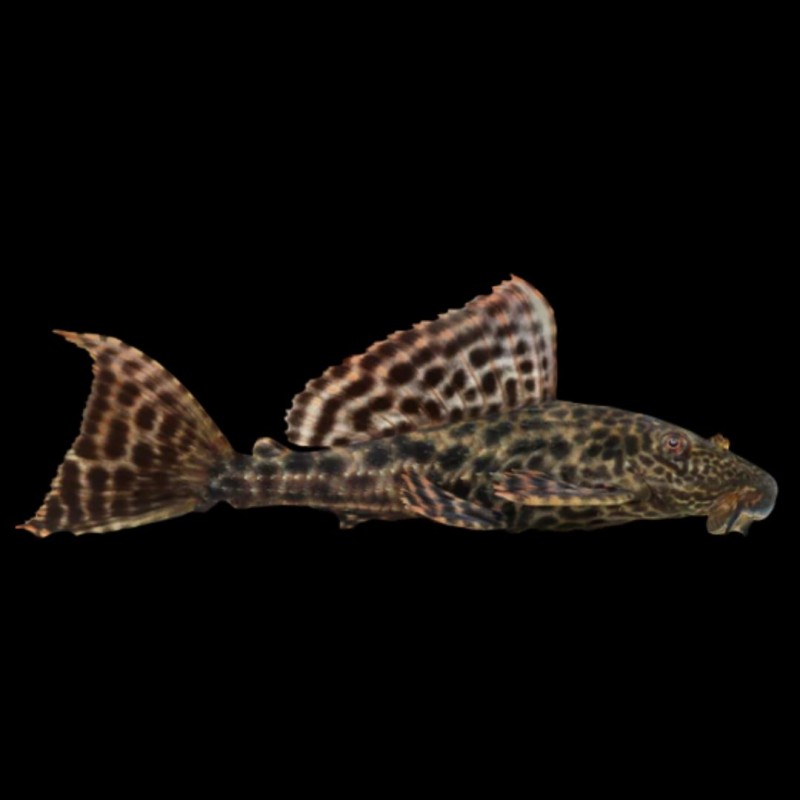
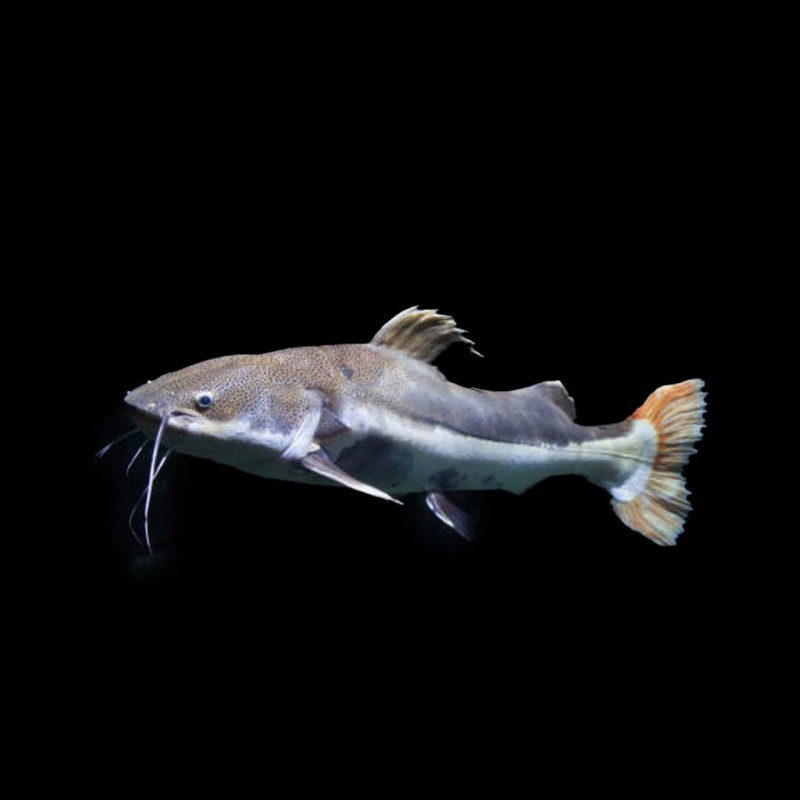
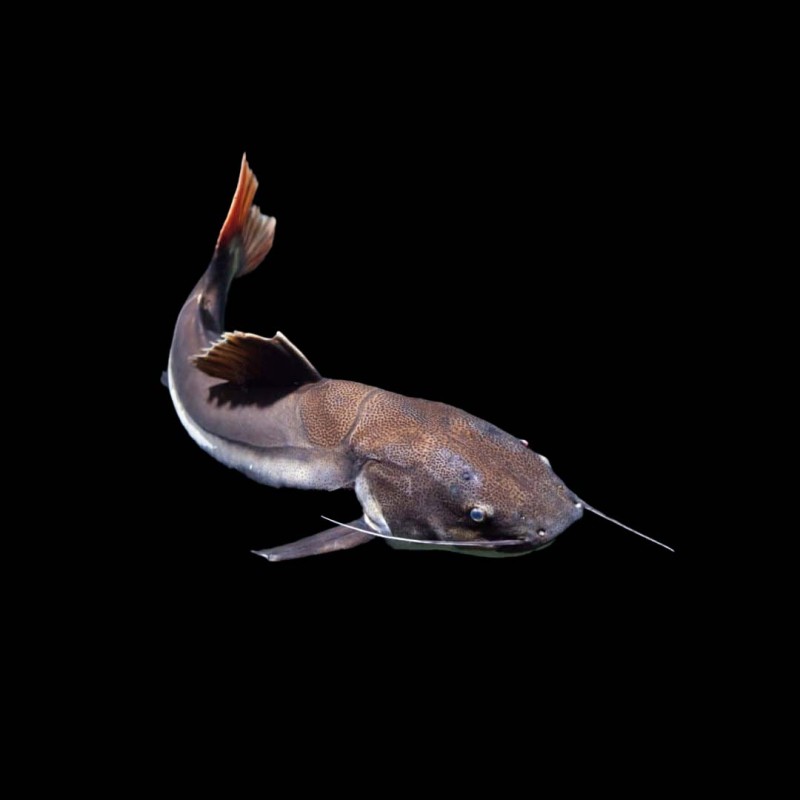
-Appearance: Leiarius marmoratus has a distinctive marbled or mottled pattern on its body, which is where the name "marmoratus" comes from.
Its coloration typically includes a mix of light and dark spots or streaks, which help it blend into its natural environment.
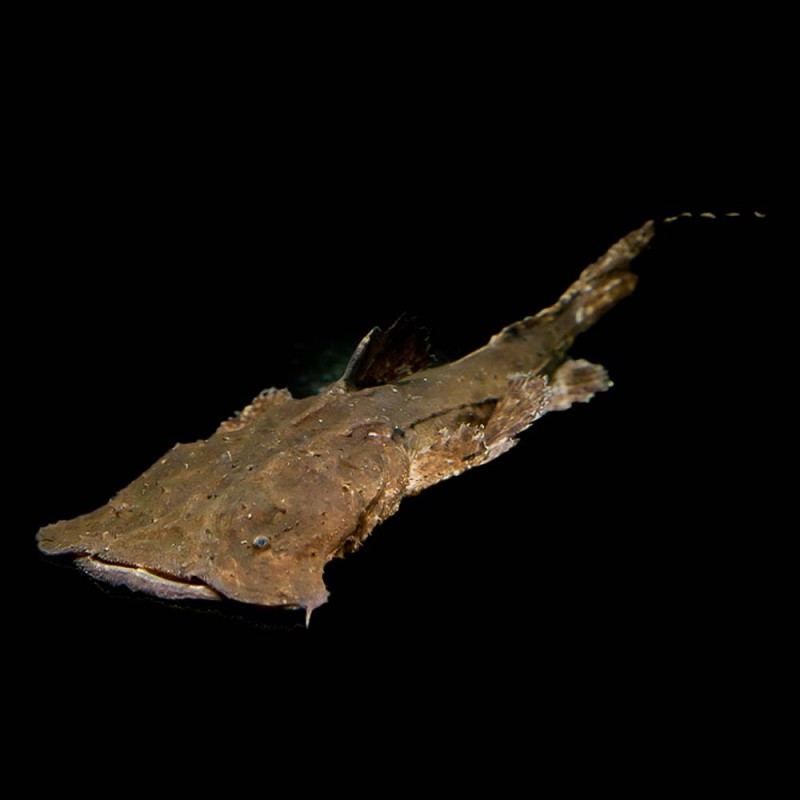
The body is elongated and robust, with a broad, flattened head.
- Size: This catfish species can grow quite large, with individuals reaching lengths of up to 1.5 meters (approximately 5 feet).
- Barbels: Like many catfish, *Leiarius marmoratus* has several pairs of barbels around its mouth, which are sensory organs used to detect food and navigate in murky waters.
Behavior and Ecology:
*Leiarius marmoratus* is a nocturnal, bottom-dwelling species that feeds on a variety of foods, including smaller fish, invertebrates, and plant material.
It is an opportunistic feeder and is known to be a predatory species in its natural habitat.
This catfish is also known for its strong swimming capabilities, allowing it to move efficiently through the rivers and streams where it resides.
Due to its size and habitat preferences, it is not commonly kept in home aquariums but is of interest in public aquariums and among those who study large tropical fish species.
Conservation:
There is not much detailed information on the conservation status of *Leiarius marmoratus*, but like many species from the Amazon and Orinoco basins, it may face threats from habitat loss and pollution due to human activities in the region.