

Menu
Menu
Your Cart

Maxima Clam

Maxima Clam
Maxima Clam
Maxima Clam
Maxima Clam
Maxima Clam
From €85.00
Ex Tax: €69.11
  • Stock: Generally In Stock
  • Please Note: Due to variations within species, your fish may not look identical to the image provided. Also note not all sizes or species may be available due to seasonality, Please call beforehand for up-to-date stock availability.

  • Model: MAXIMA CLAM MATRIX
Available Options

Reset options

Maxima Clam

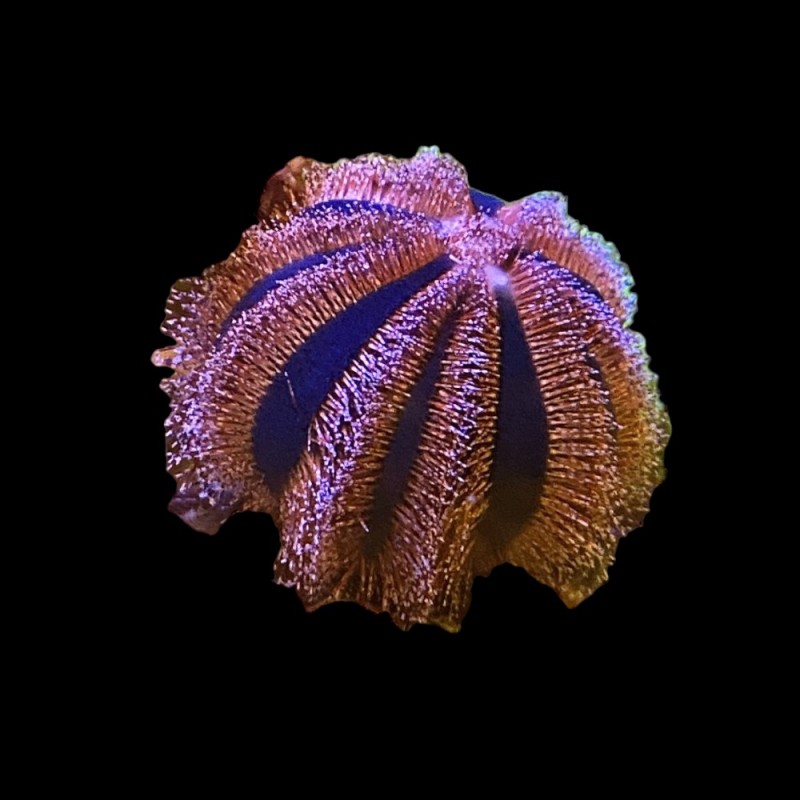
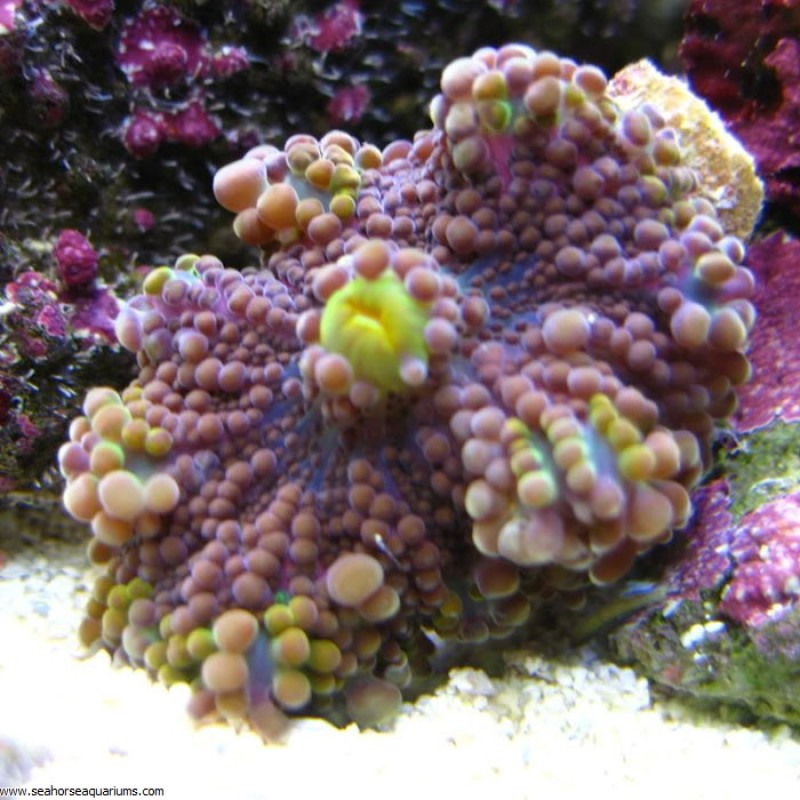
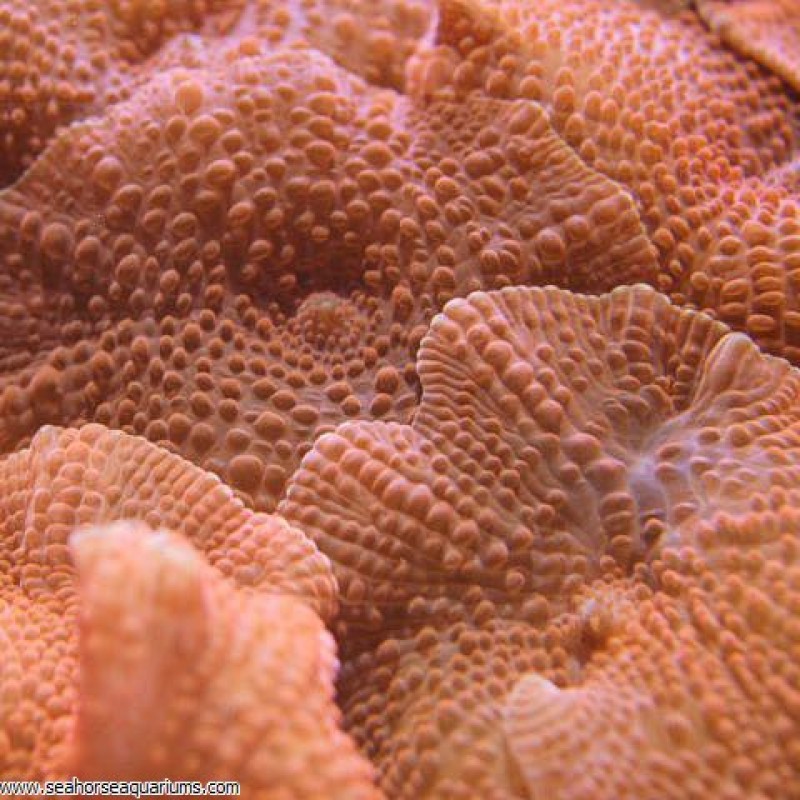
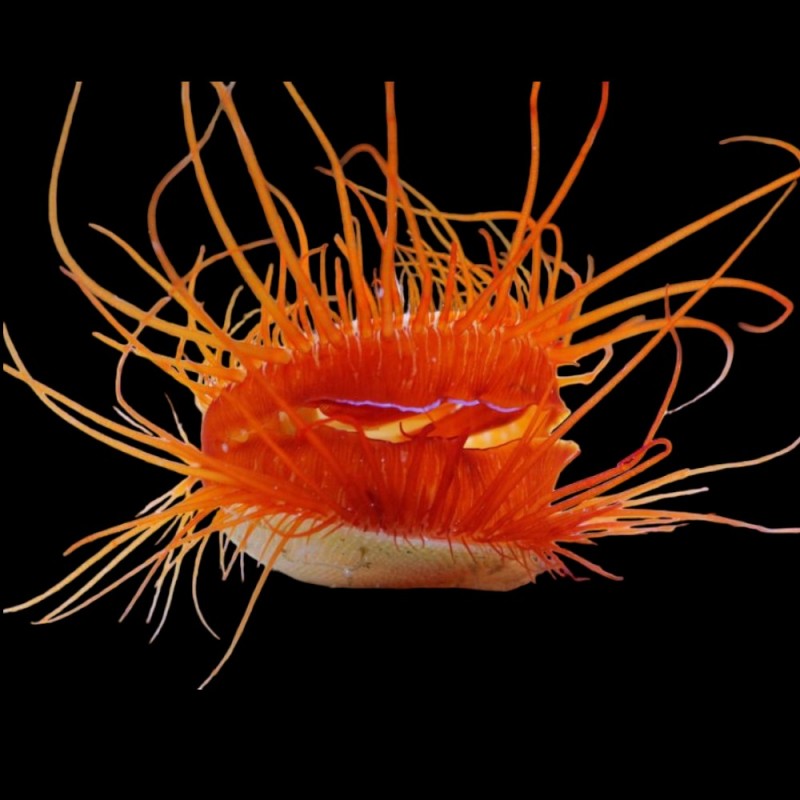
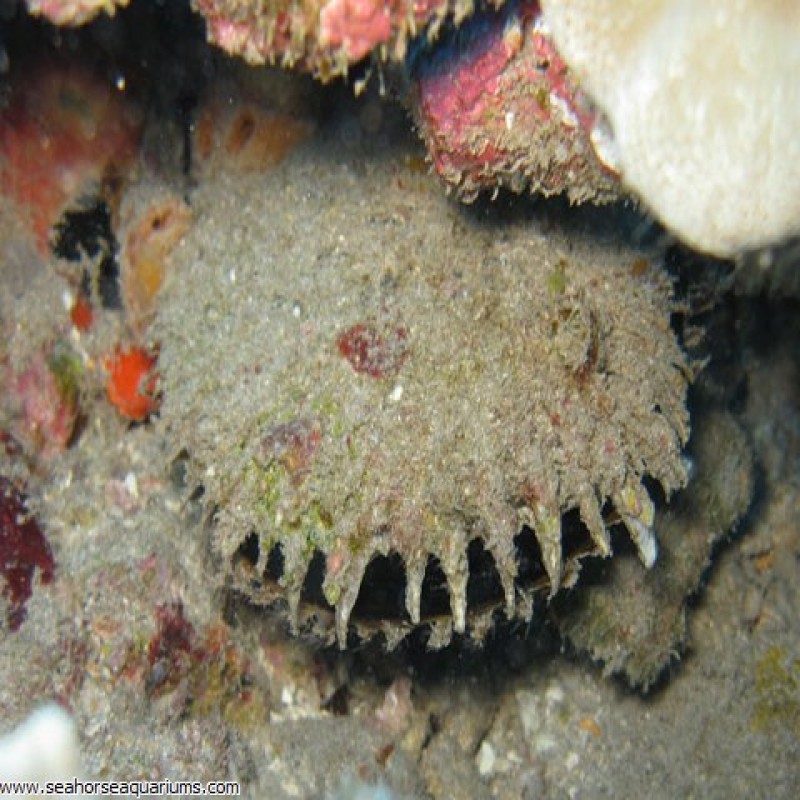
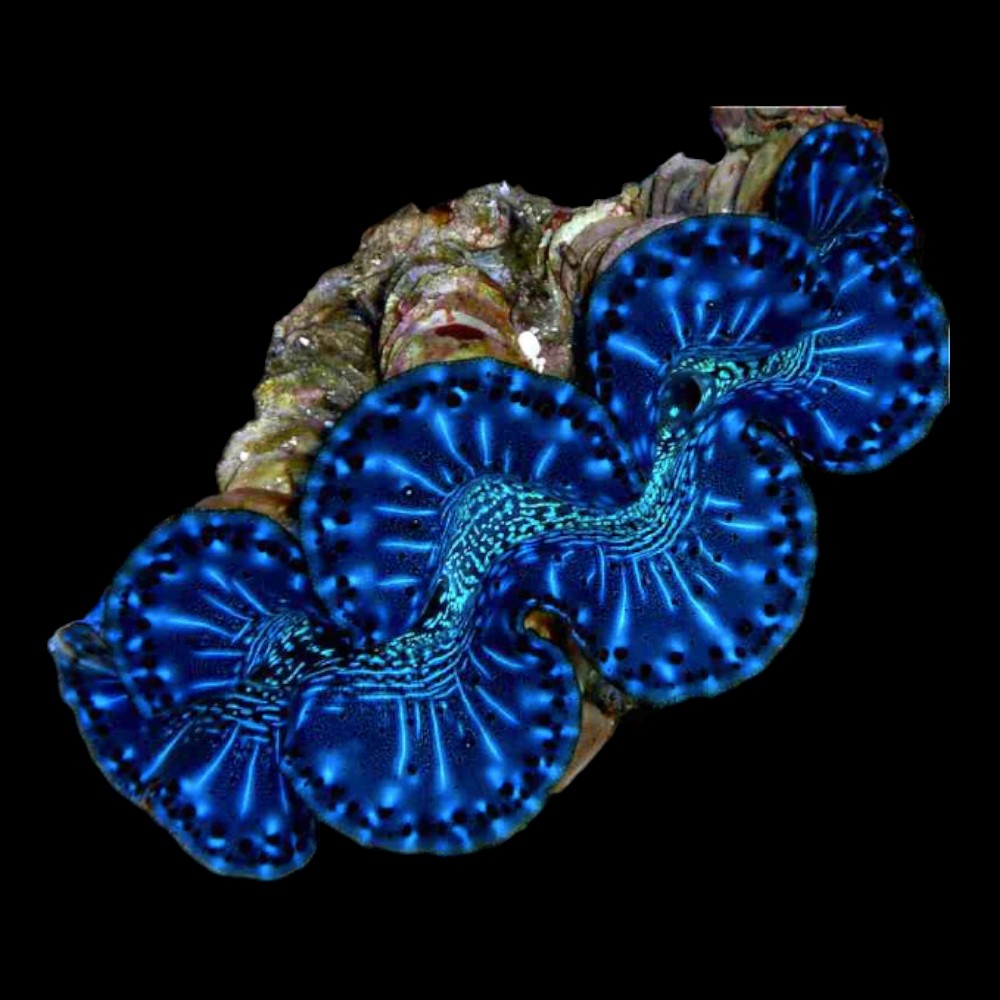
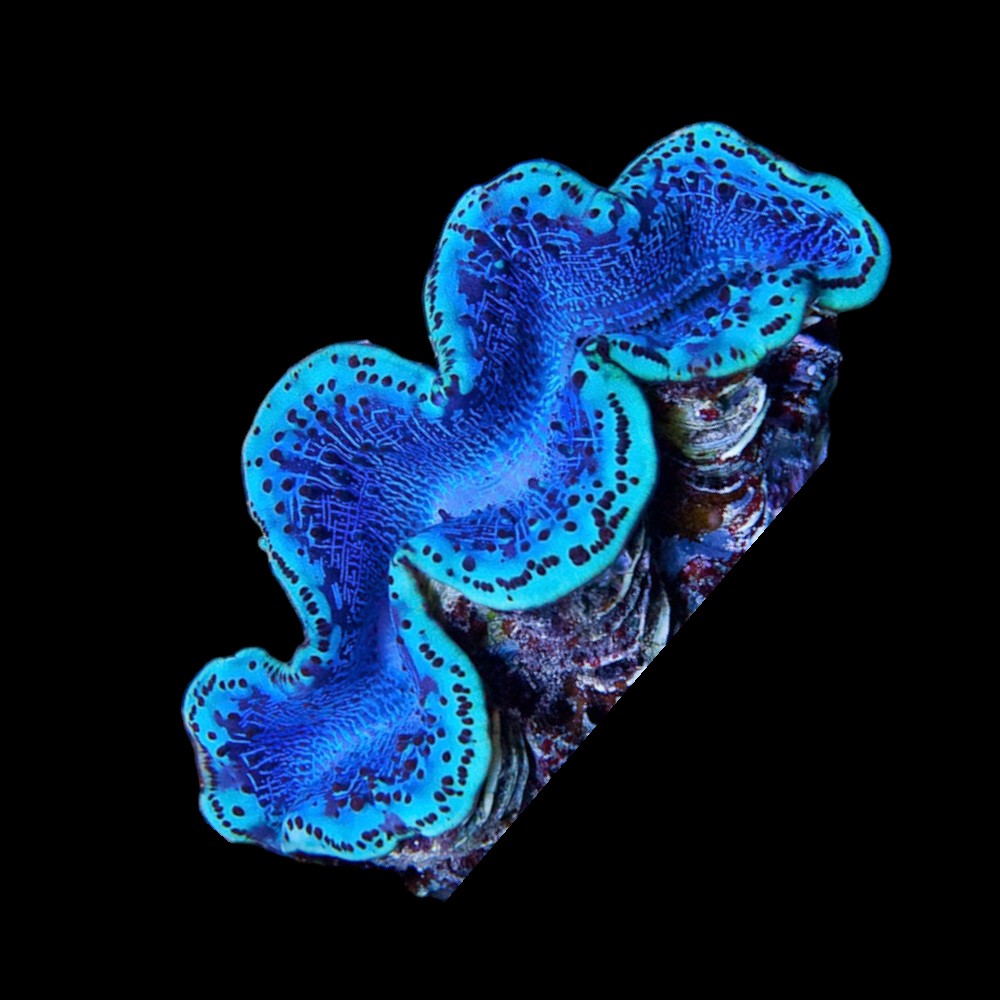
The Maxima Clam, also known as the **Tridacna maxima**, is a stunning marine bivalve renowned for its vibrant colors and unique patterns. This clam is one of the most sought-after species in the aquarium trade due to its striking appearance, which can include shades of blue, green, yellow, and purple. Maxima Clams are not only beautiful but also play a vital role in reef ecosystems by filtering water and providing habitat for various marine organisms.

Scientific Name:

Tridacna maxima

Size Specifications:

This species typically grows to about 6-8 inches (15-20 cm) in length, though some individuals can reach up to 12 inches (30 cm).
Habitat:

Native to the warm, shallow waters of the Indo-Pacific region, the Maxima Clam is commonly found on coral reefs, often in areas with strong water flow and plenty of light. They thrive in well-established reefs where they can attach themselves to solid substrates.

Approx Lifespan:

In captivity, the Maxima Clam can live for over 10 years with proper care.

Feeding and Diet:

This photosynthetic species primarily feeds on phytoplankton and organic particles in the water column. They have a symbiotic relationship with zooxanthellae, a type of algae that lives within their tissues, providing them with nutrients through photosynthesis. In aquariums, maintaining good water quality and adequate lighting is crucial for their health and growth.

Breeding:

Breeding Maxima Clams in captivity is not well-documented. They are known to release eggs and sperm into the water column for external fertilization. Providing a stable environment can help encourage natural breeding behaviors.

Write a review

Please login or register to review
Tags: Maxima Clam