

- Stock: Generally In Stock
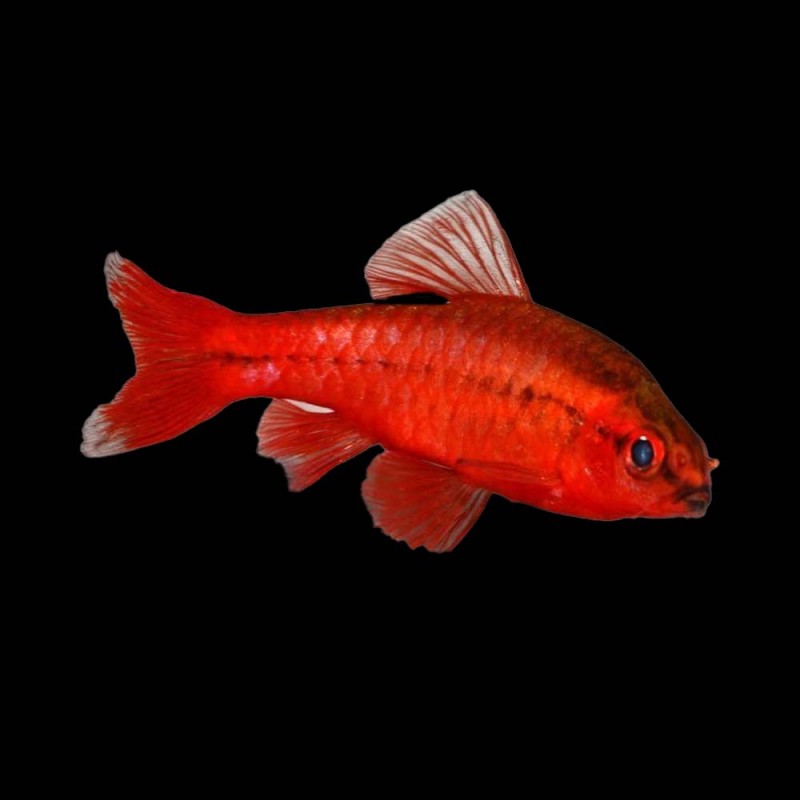
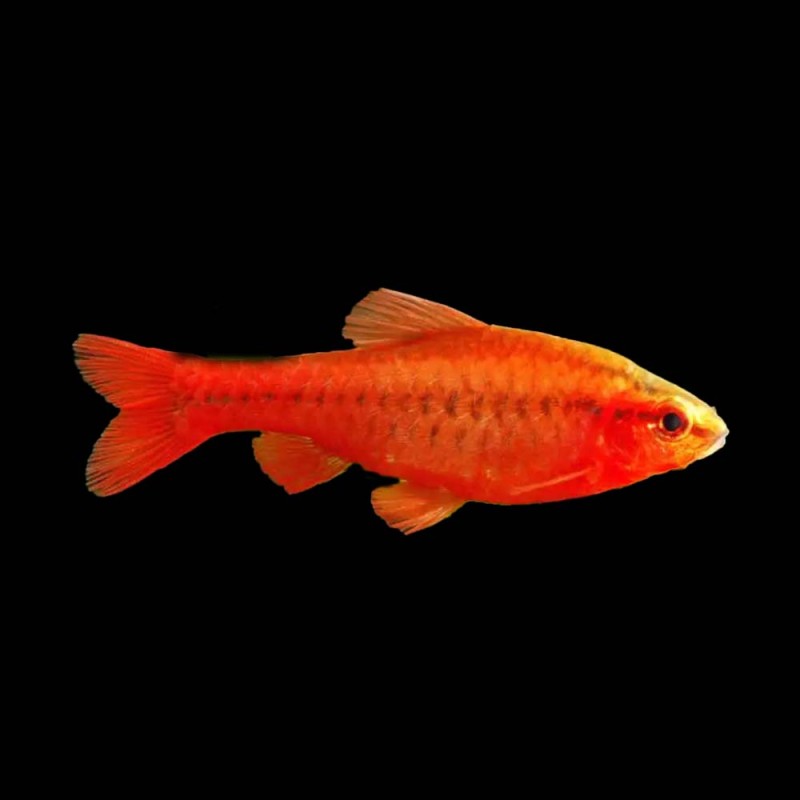
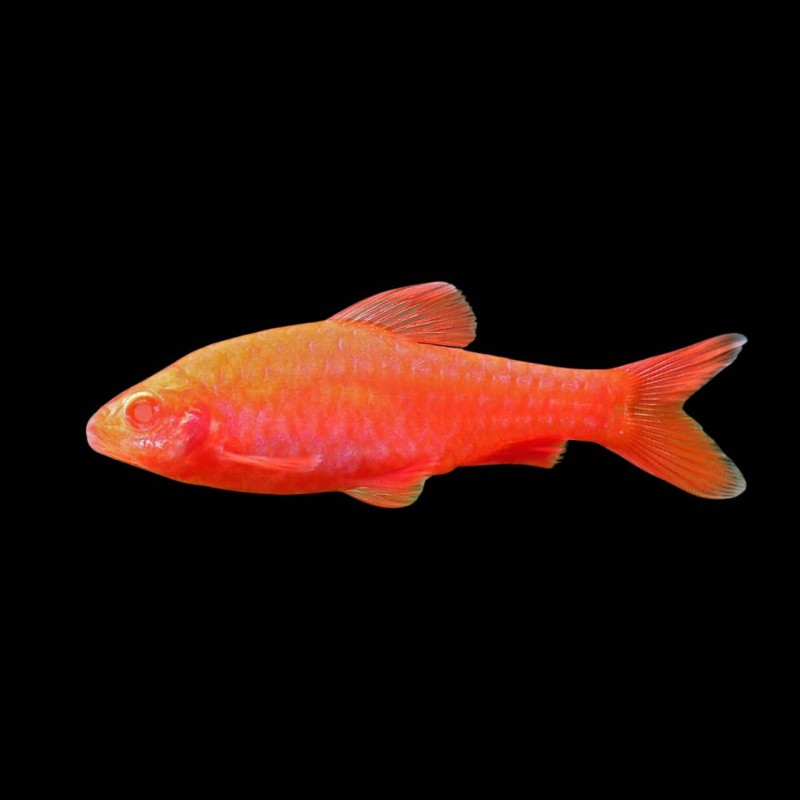
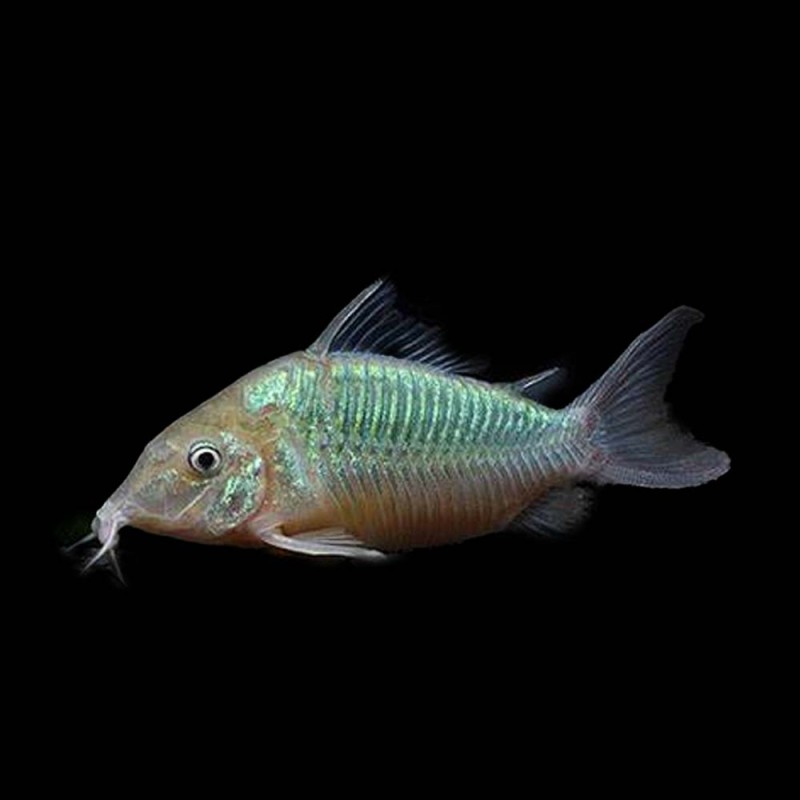
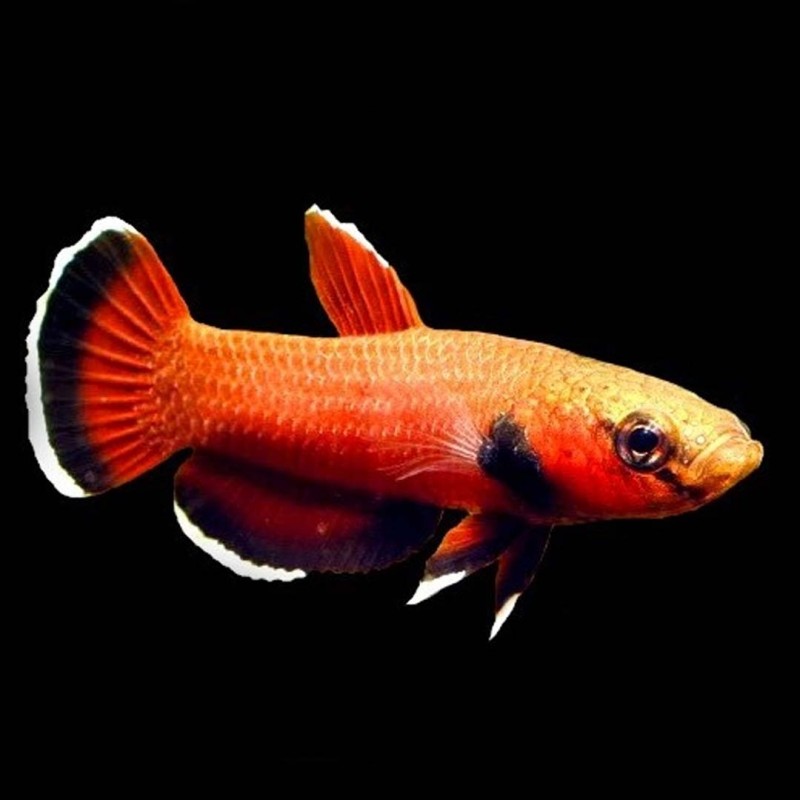
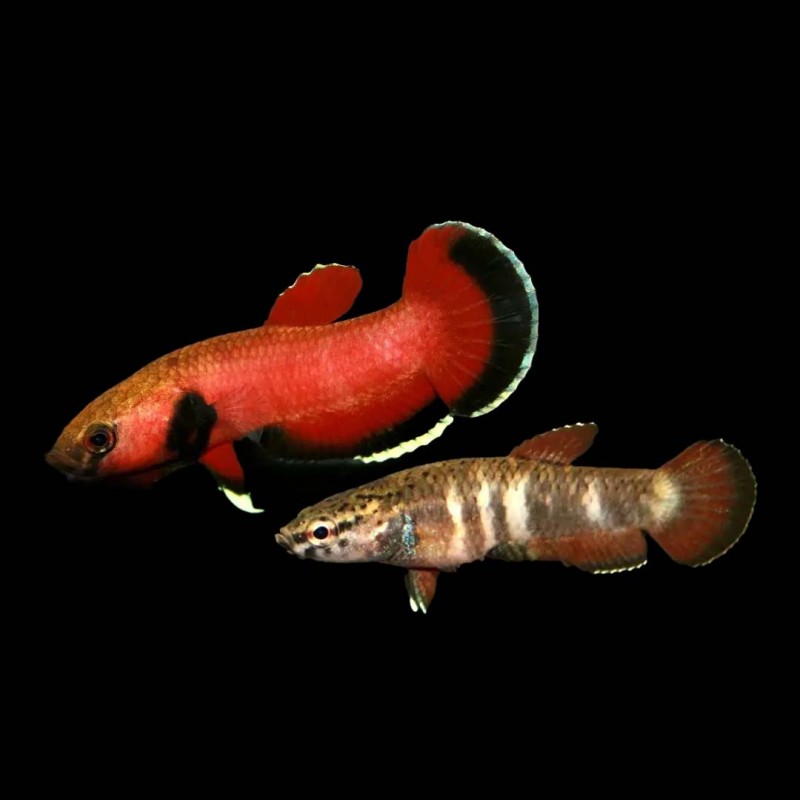
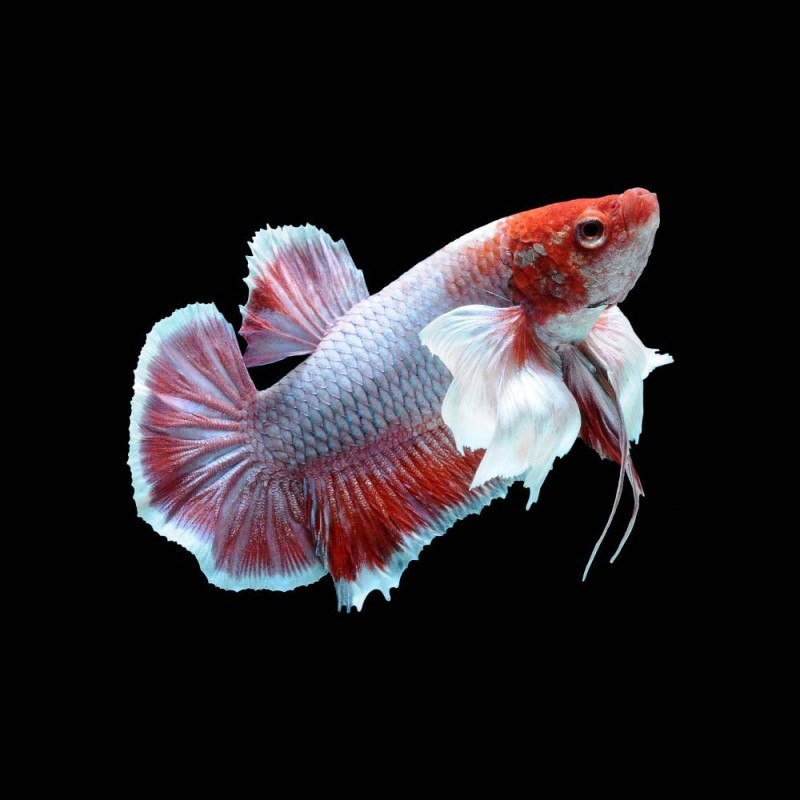
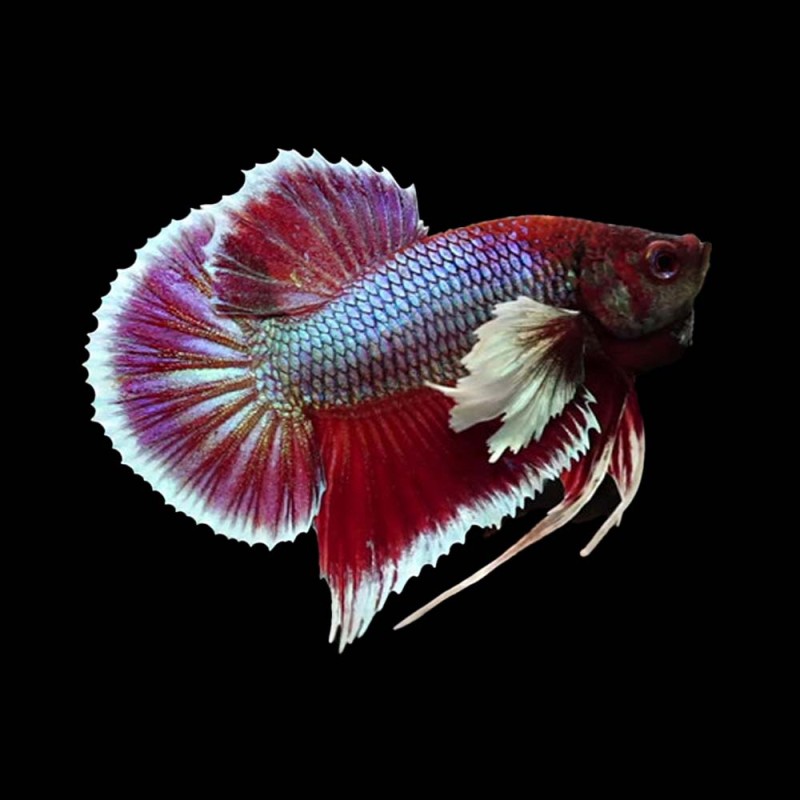
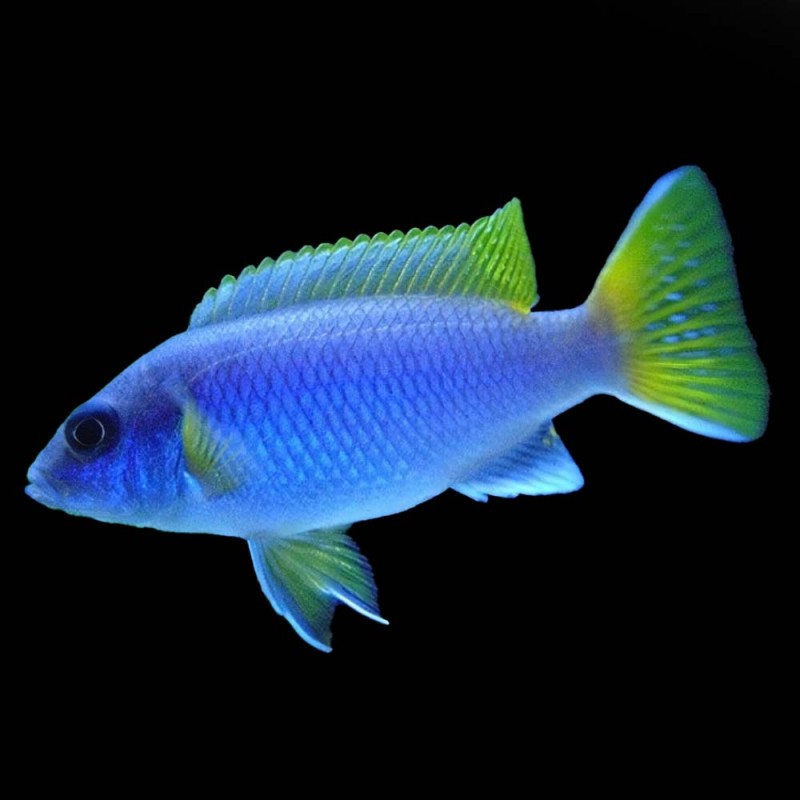
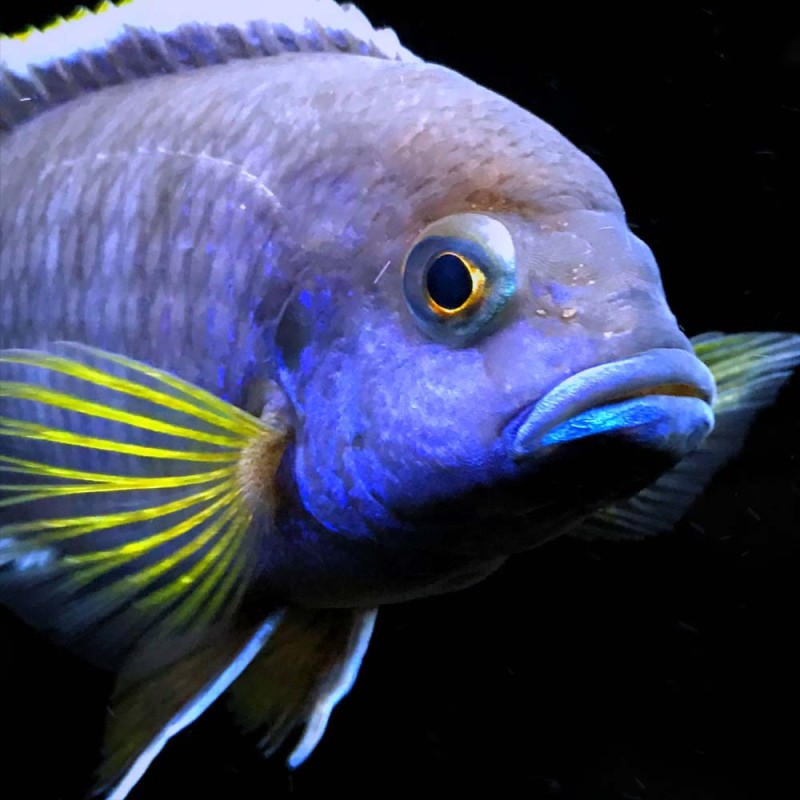
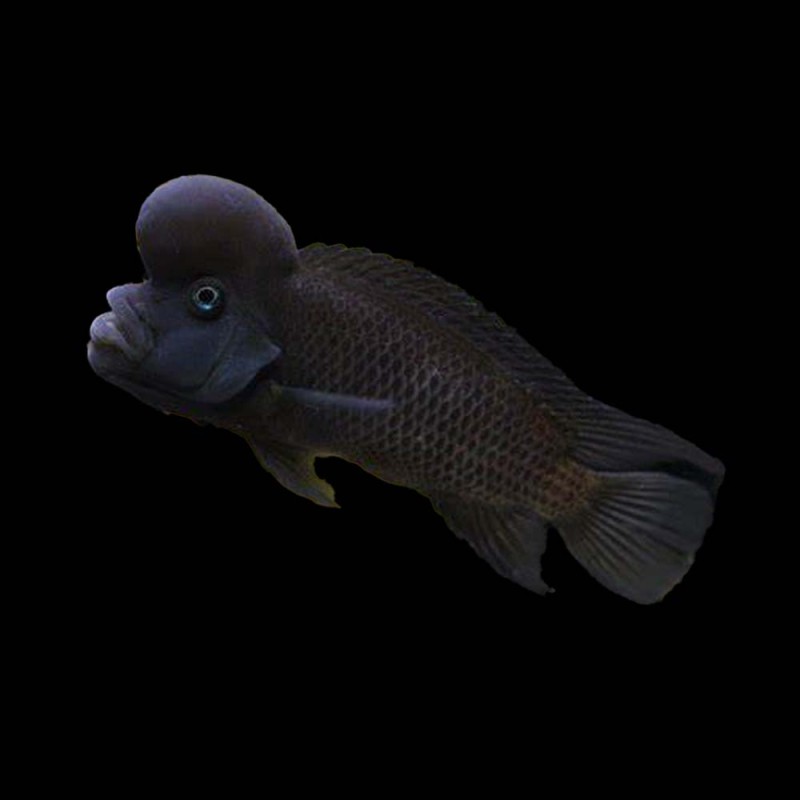
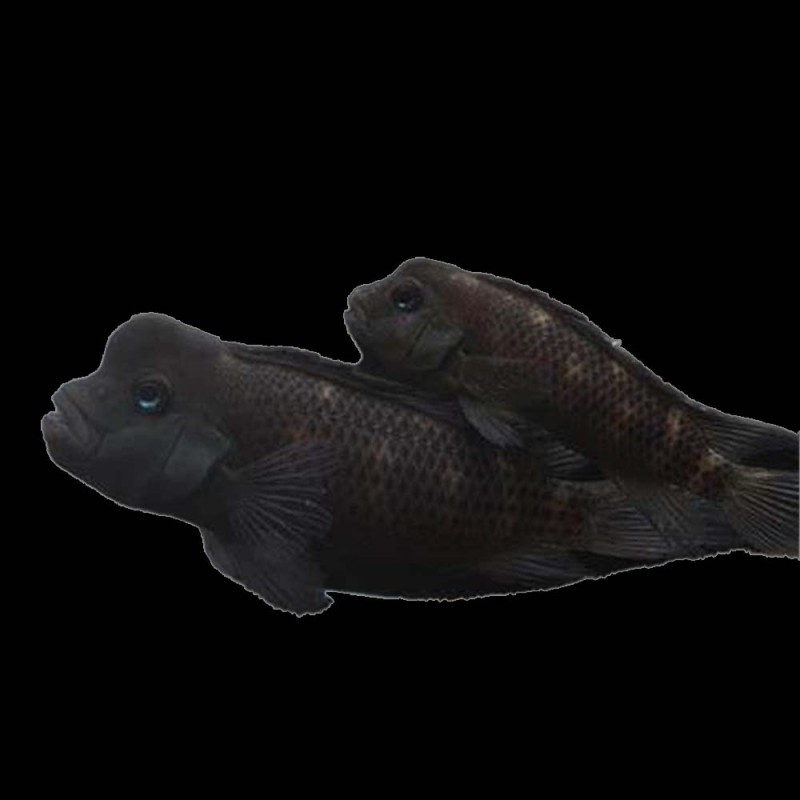
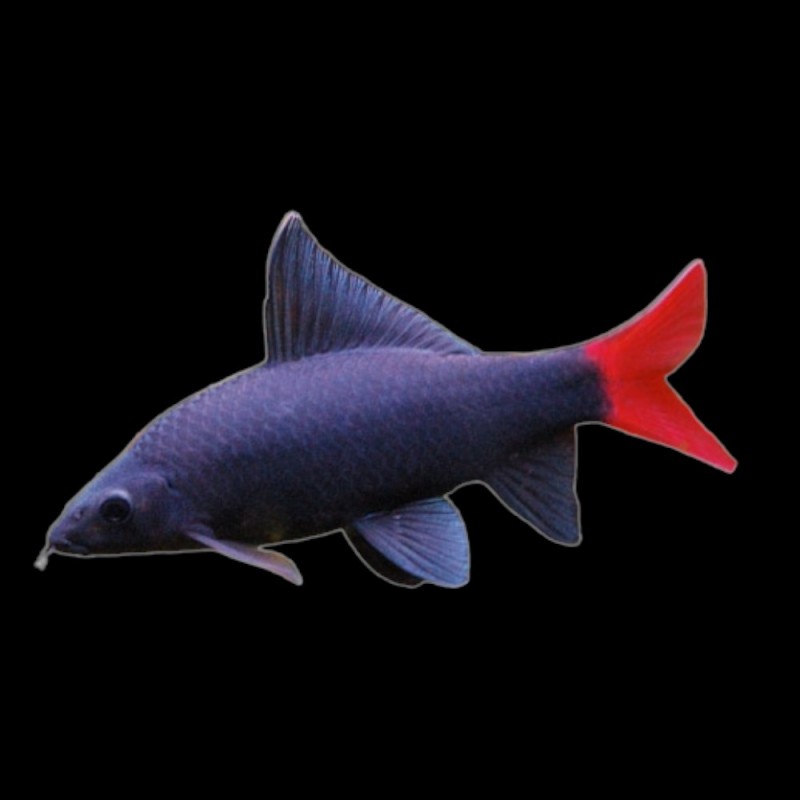
Please Note: Due to variations within species, your fish may not look identical to the image provided. Also note not all sizes or species may be available due to seasonality, Please call beforehand for up-to-date stock availability.
- Model: -
Available Options
Arrive Alive
If your fish, coral, plant, or invertebrate doesn't arrive alive and stay alive for 2 days, we'll credit your account or refund your money.
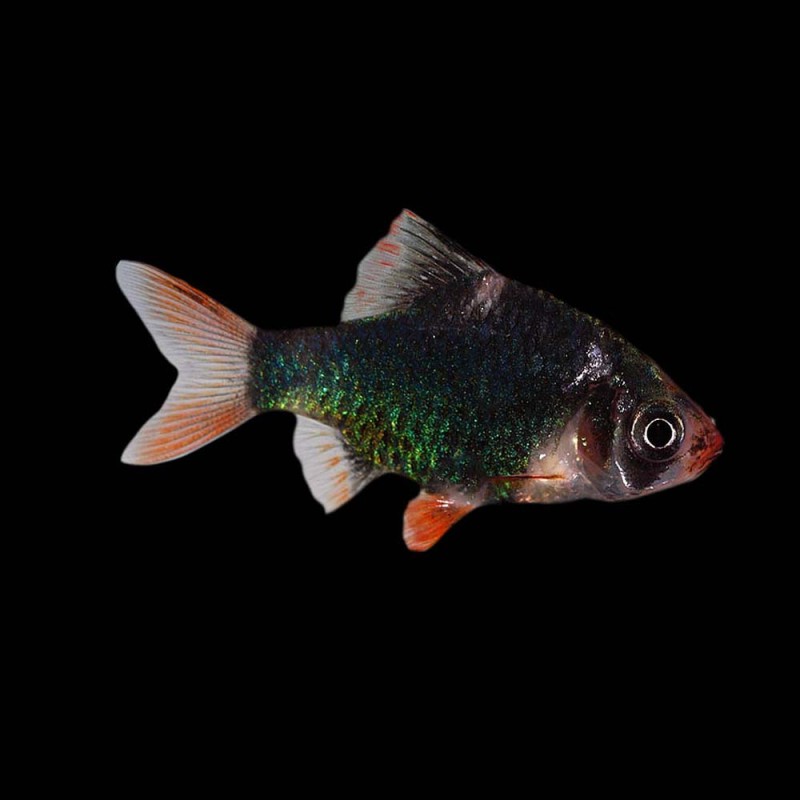
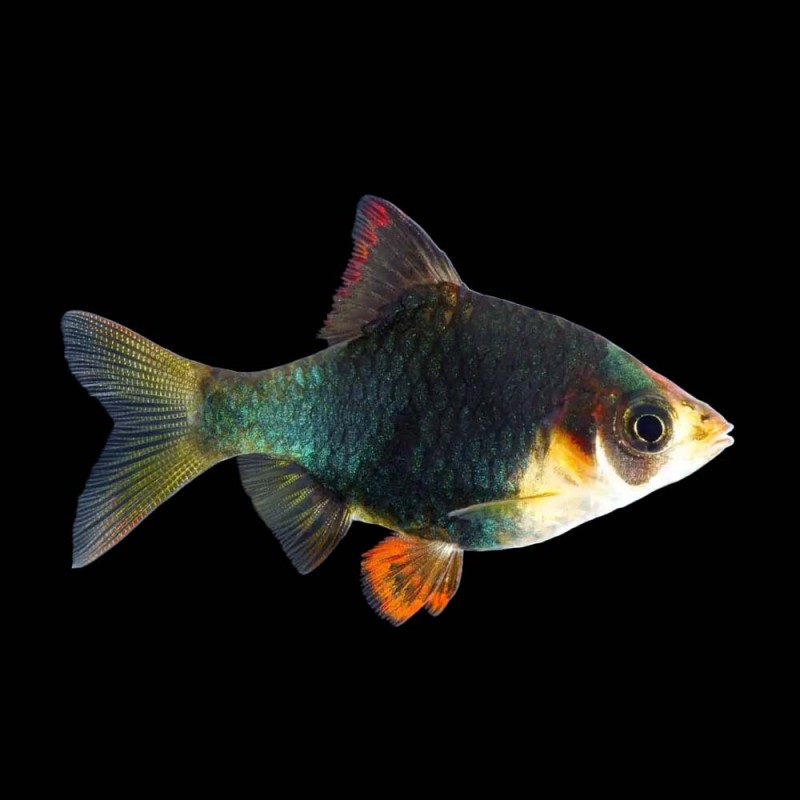
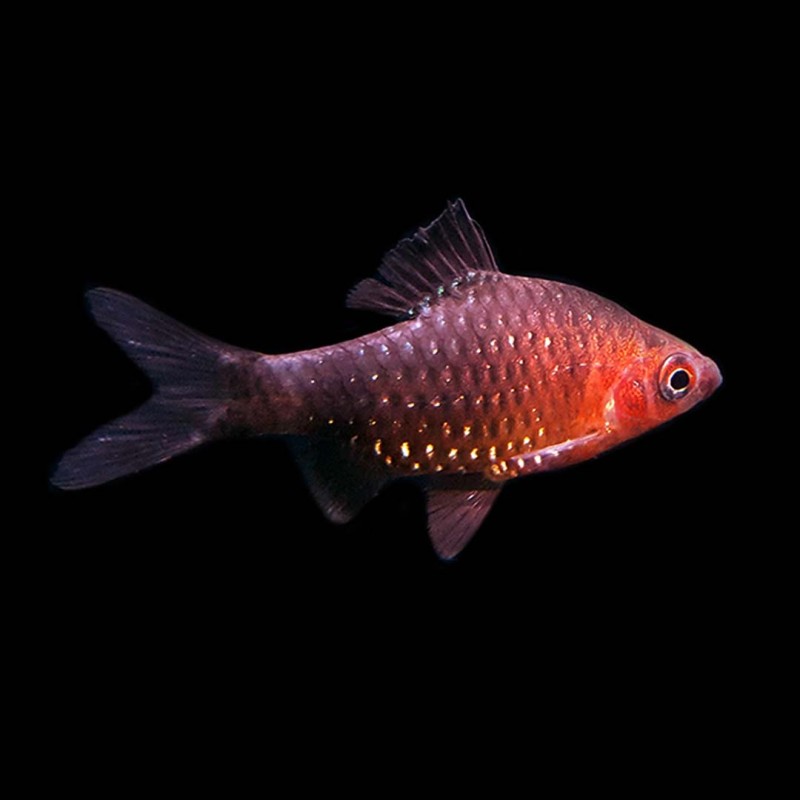
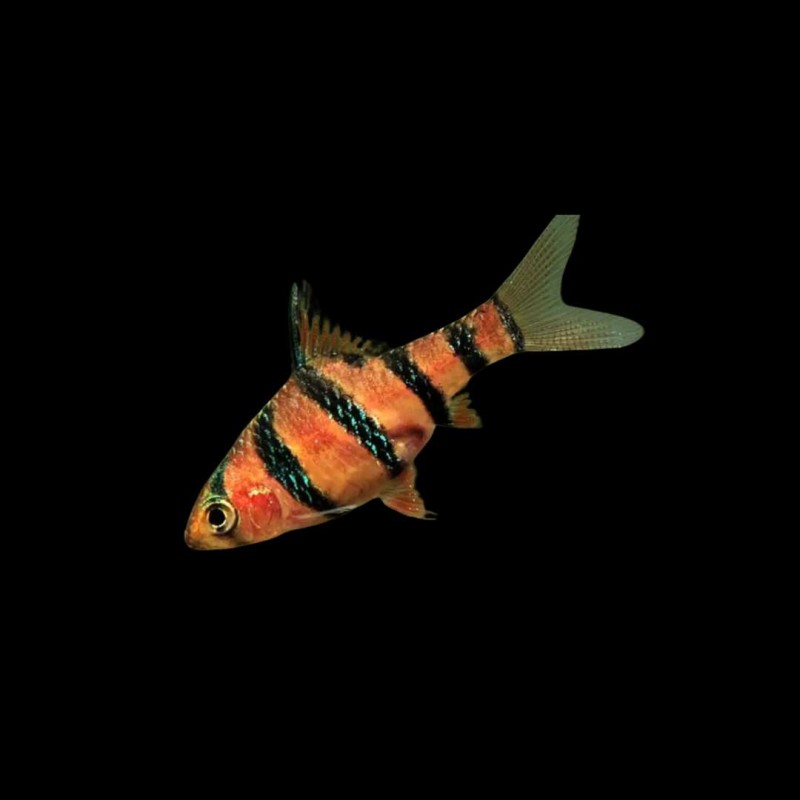
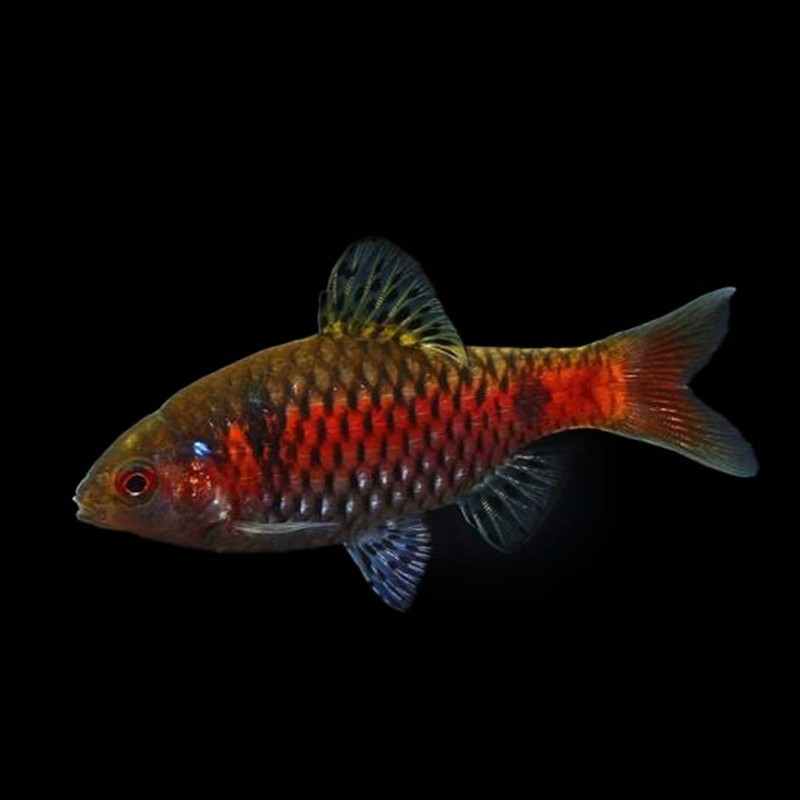
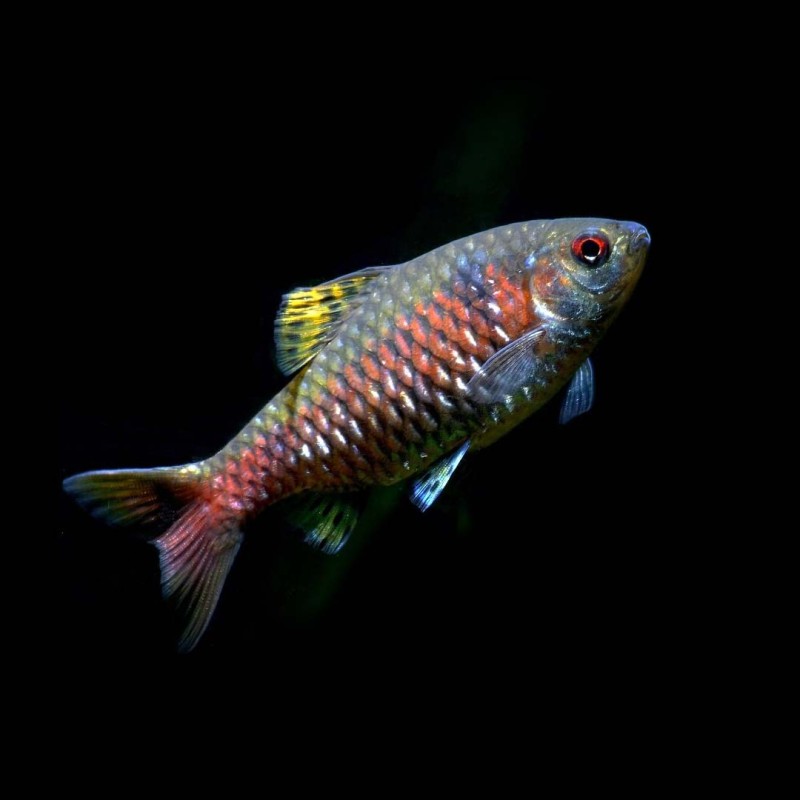
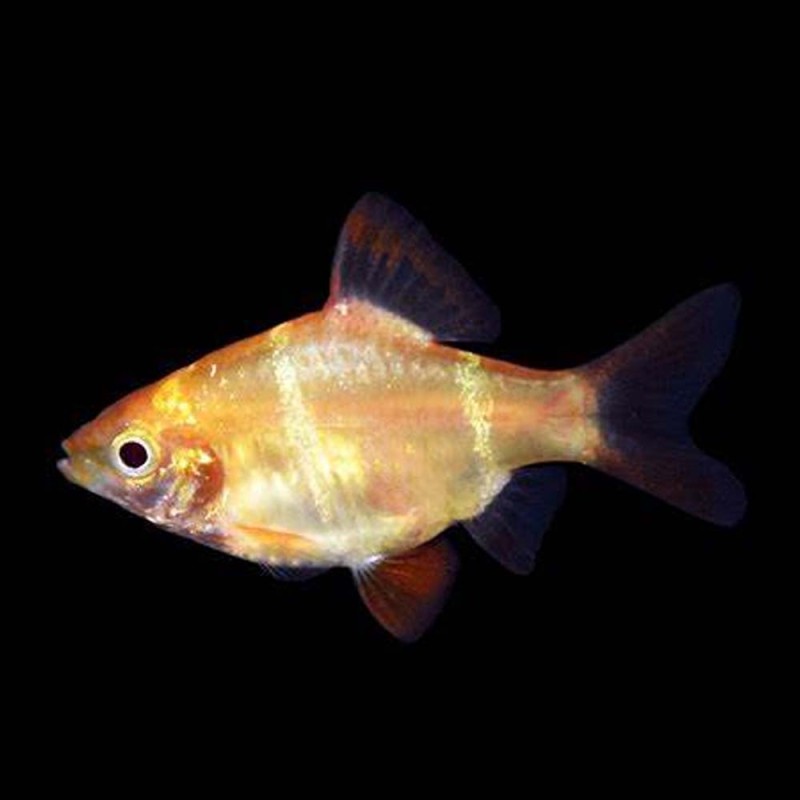
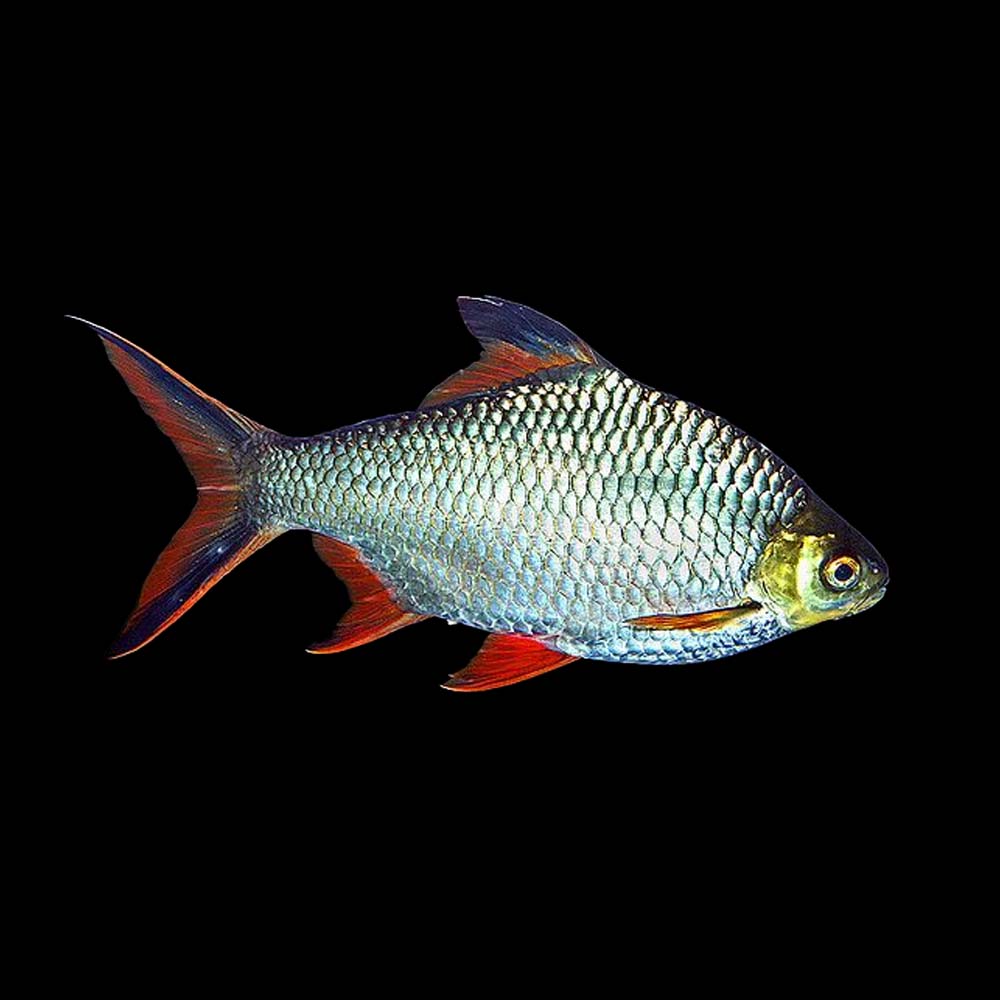
The Tinfoil Red Tail Barb (Barbonymus schwanenfeldii), commonly known as the Tinfoil Barb, is a large and energetic freshwater fish native to Southeast Asia. This species is known for its shiny, metallic body and distinctive red or orange-tipped fins, particularly the tail. Tinfoil Red Tail Barbs are highly active schooling fish that require a spacious tank and are best suited for experienced aquarists due to their size and tank requirements.
Physical Characteristics:
- Size: Tinfoil Red Tail Barbs can grow up to 30-35 cm (12-14 inches) in length when fully mature, making them one of the larger species of barbs.
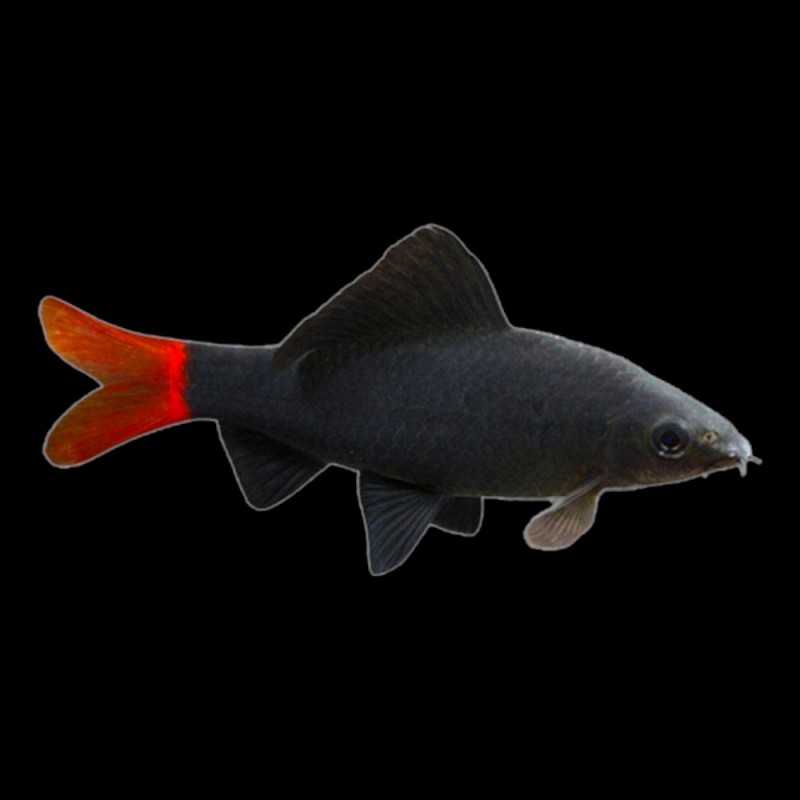
- Coloration:
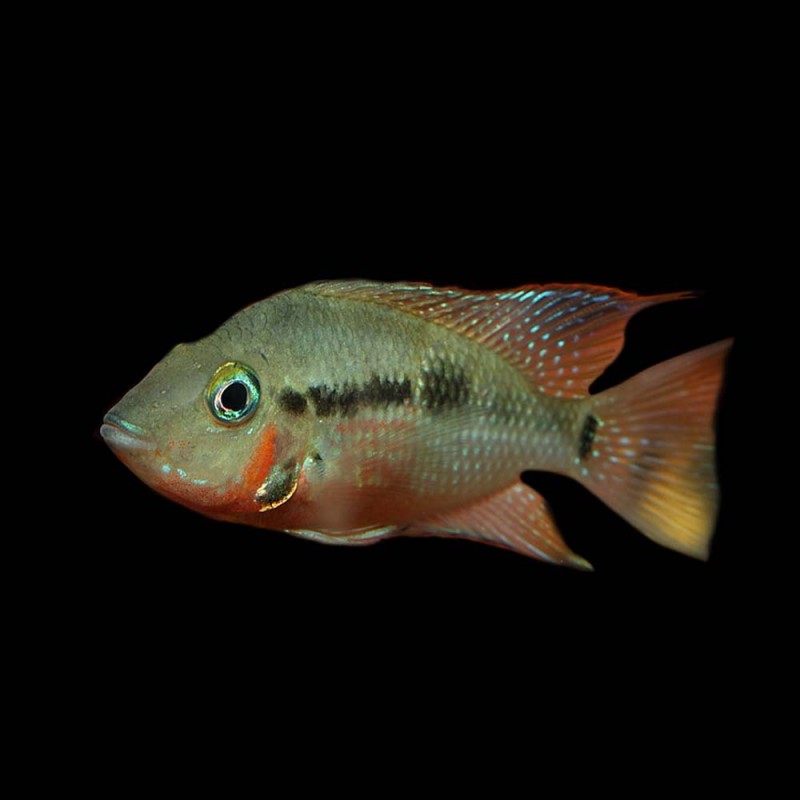
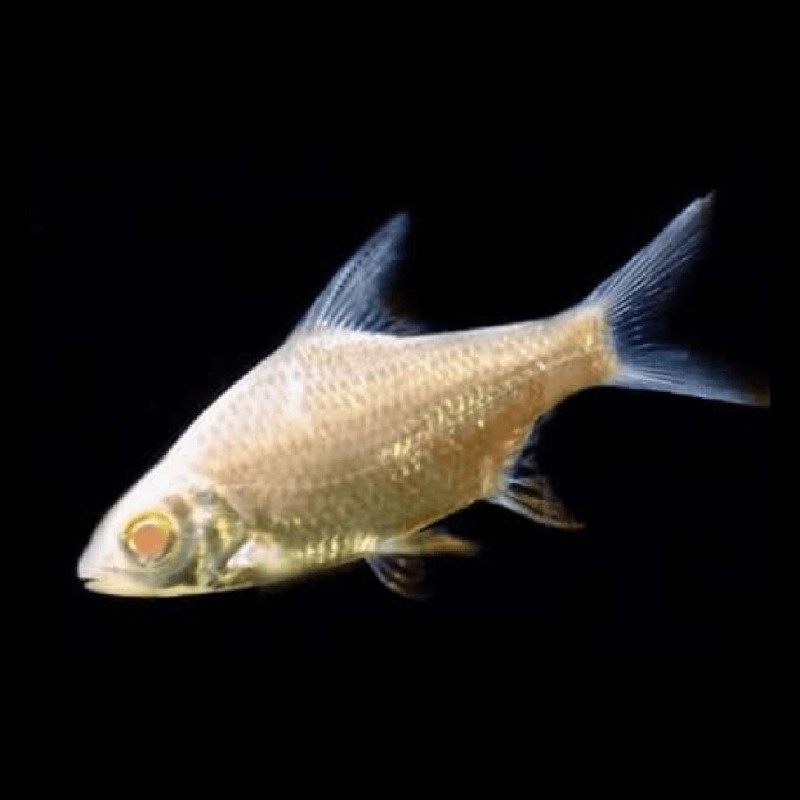
- Body: The body of the Tinfoil Barb is silver with a highly reflective, metallic sheen. The "tinfoil" appearance is what gives the fish its common name.
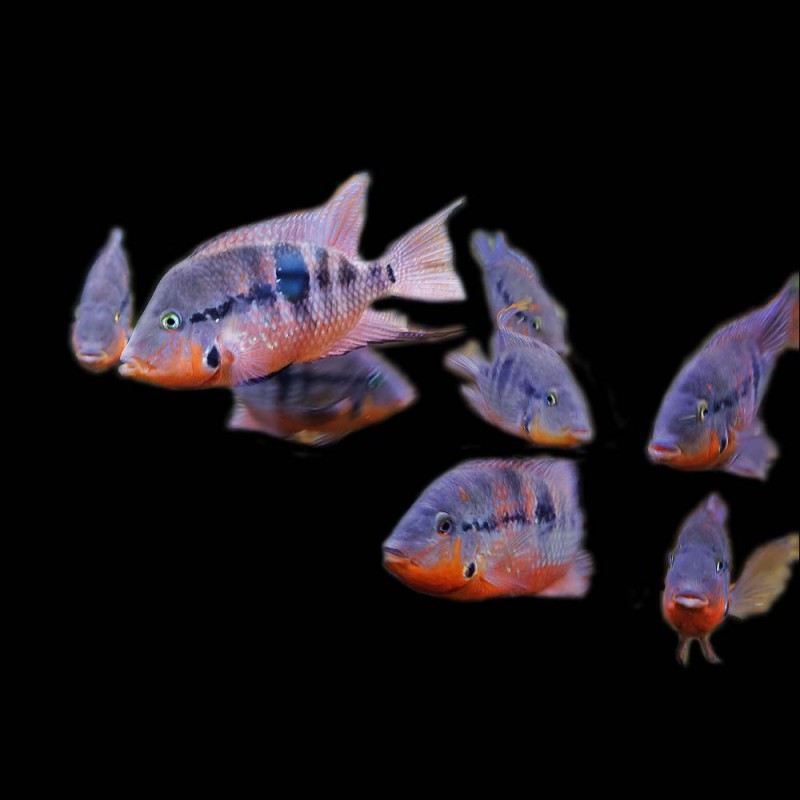
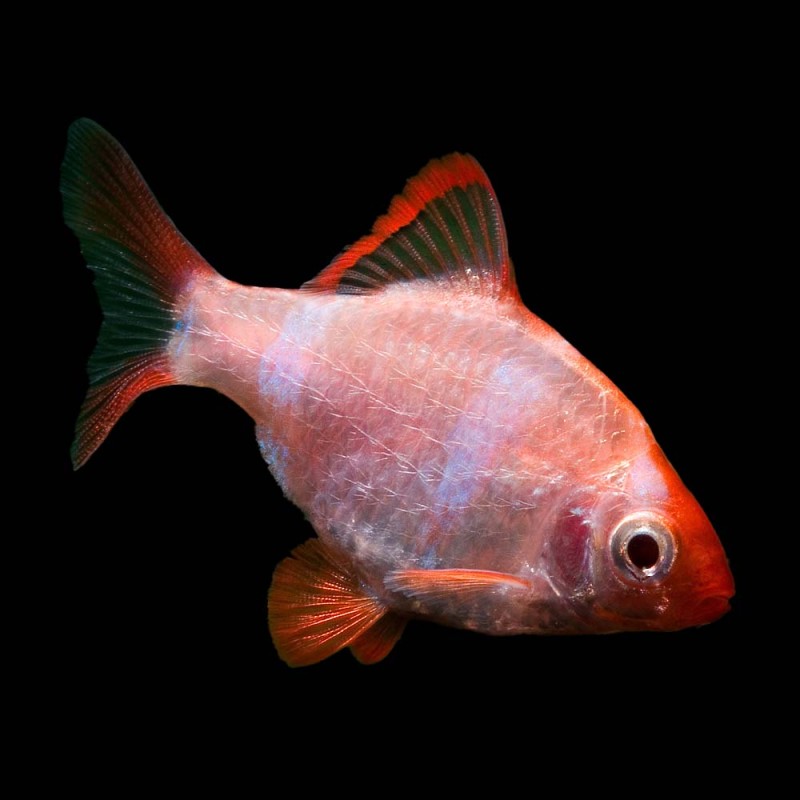
- Fins: The fins are a bright red or orange color, with the caudal (tail) fin often being the most brightly colored. The contrast between the shiny silver body and vibrant red fins is what makes this fish stand out.
- Shape: Tinfoil Barbs have a streamlined, torpedo-shaped body designed for fast swimming.
Behavior:
- Temperament: Tinfoil Red Tail Barbs are peaceful fish but are highly active and fast swimmers. They are social and should be kept in groups of 5 or more to reduce stress and promote natural schooling behavior. Despite their large size, they are not aggressive and typically do well in community tanks with other large, non-aggressive species.
- Activity Level: These fish are constantly on the move and need ample swimming space. Their lively behavior and schooling nature make them a dynamic addition to large aquariums.
- Community Behavior: While they are peaceful, their size and activity level mean they may outcompete smaller or slower fish for food. They do best when housed with other large, peaceful fish.
Aquarium Care:
- Tank Size: Due to their large size and active nature, a minimum tank size of 500 liters (132 gallons) is recommended for a group of Tinfoil Red Tail Barbs. Larger tanks are even better, as these fish require ample space for swimming and social interaction.
- Water Parameters:
- Temperature: Tinfoil Barbs thrive in warm water, with an ideal temperature range of 22°C to 28°C (72°F to 82°F).
- pH: They prefer slightly acidic to neutral water, with a pH range of 6.5 to 7.5.
- Hardness: Soft to moderately hard water, with a general hardness (GH) of 5-12 dGH.
- Tank Setup:
- Substrate and Decorations: A soft, sandy substrate is ideal for Tinfoil Barbs. While they are not particularly fussy about decorations, they do appreciate some plants or driftwood for aesthetic purposes. However, they need plenty of open space for swimming, so keep decorations to a minimum.
- Lighting: Moderate lighting will enhance their metallic sheen and highlight their red fins.
- Filtration: Due to their size and the amount of waste they produce, a strong filtration system is essential. Regular water changes (at least 25% weekly) are also important to maintain water quality. Tinfoil Barbs prefer a moderate water flow, which can be provided by powerheads or an efficient filtration system.
Diet:
Tinfoil Red Tail Barbs are omnivores with a strong appetite. They require a varied diet to maintain their health and vibrant appearance. Their diet should include:
- Pellets or Flakes: High-quality pellets or flakes formulated for large omnivorous fish should form the staple of their diet.
- Live or Frozen Foods: They enjoy live or frozen foods such as brine shrimp, bloodworms, and daphnia, which provide essential protein and nutrients.
- Vegetable Matter: Offer plant-based foods such as spirulina flakes, algae wafers, or blanched vegetables (e.g., spinach, zucchini) to ensure a balanced diet.
Feed them 2-3 times daily, making sure all food is consumed within a few minutes to prevent overfeeding and maintain water quality.
Tankmates:
Due to their large size and active nature, Tinfoil Red Tail Barbs should be housed with other large, peaceful fish that can handle their fast swimming and energetic behavior. Suitable tankmates include:
- Other large barbs: Species like Bala Sharks or Clown Loaches.
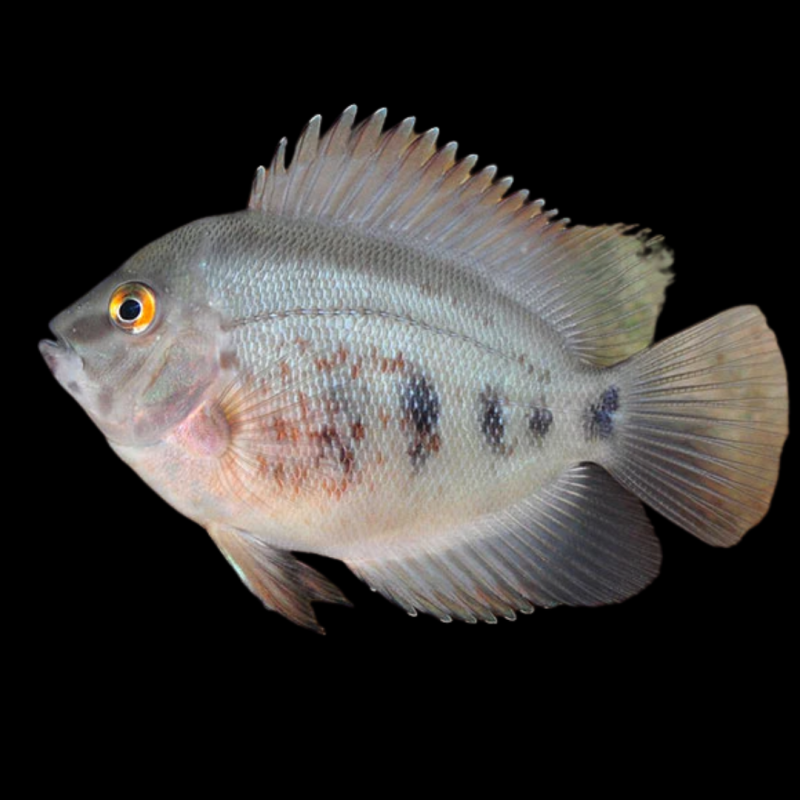
- Large peaceful cichlids: Such as Severums, Uaru, or Festivums.
- Large catfish: Species like Plecos or Synodontis catfish make good tankmates, as they generally occupy the lower regions of the tank.
- Silver Dollars: Another schooling fish that shares similar water parameters and behavior.
Avoid housing them with small fish, as the Tinfoil Barbs may outcompete them for food or accidentally injure them due to their size and speed. Also, avoid aggressive or territorial species that may harass the peaceful Tinfoil Barbs.
Breeding:
Breeding Tinfoil Red Tail Barbs in captivity is challenging due to their large size and specific requirements.
- Breeding Setup: A large, well-maintained breeding tank with soft, slightly acidic water (pH around 6.5) and a temperature of 26°C (79°F) is necessary. Provide plenty of open swimming space and a spawning mop or flat surface for egg-laying.
- Spawning Behavior: In the wild, Tinfoil Barbs are egg scatterers, and in captivity, they follow a similar spawning process. Females will scatter their eggs over plants or other surfaces, and males will fertilize them.
- Egg and Fry Care: The adults may eat the eggs, so it’s best to remove them after spawning. The eggs will hatch in about 2-3 days, and the fry can be fed with infusoria or newly hatched brine shrimp until they are large enough to eat larger foods.
Special Considerations:
- Size and Space Requirements: Tinfoil Red Tail Barbs grow large and require ample space to thrive. Keeping them in undersized tanks can lead to stress, stunted growth, and health problems.
- Water Quality: Due to their size and waste production, maintaining excellent water quality is essential. Regular water changes and a strong filtration system are key to keeping the tank healthy.
| File Name | Size | Link |
|---|---|---|
| 9 How to care for Barbs.pdf (Total downloads: 3223) | 221.03KiB | Download |