

Menu
Menu
Your Cart

Albino Cherry Barb

Albino Cherry Barb
Albino Cherry Barb
Albino Cherry Barb
Albino Cherry Barb
Albino Cherry Barb
From €9.99
Ex Tax: €8.12
  • Stock: Generally In Stock
  • Please Note: Due to variations within species, your fish may not look identical to the image provided. Also note not all sizes or species may be available due to seasonality, Please call beforehand for up-to-date stock availability.

  • Model: -

Available Options

Reset options

Albino Cherry Barb

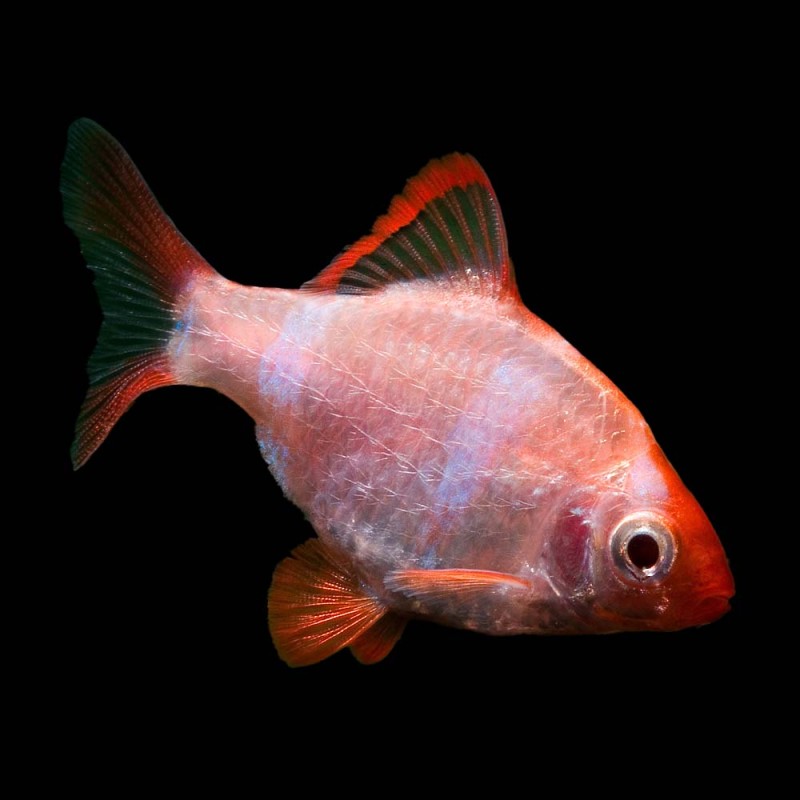
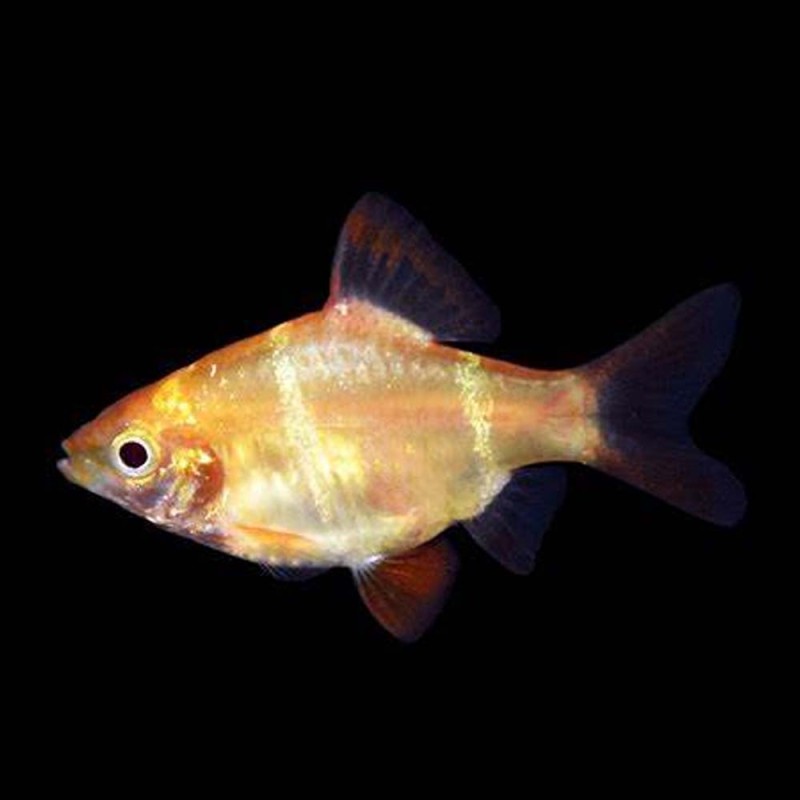
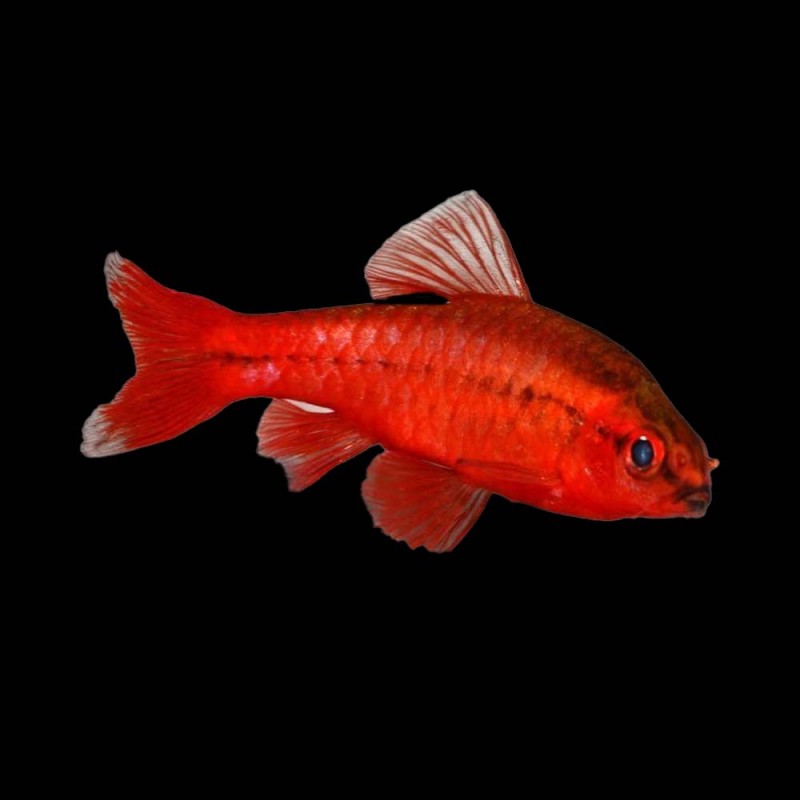
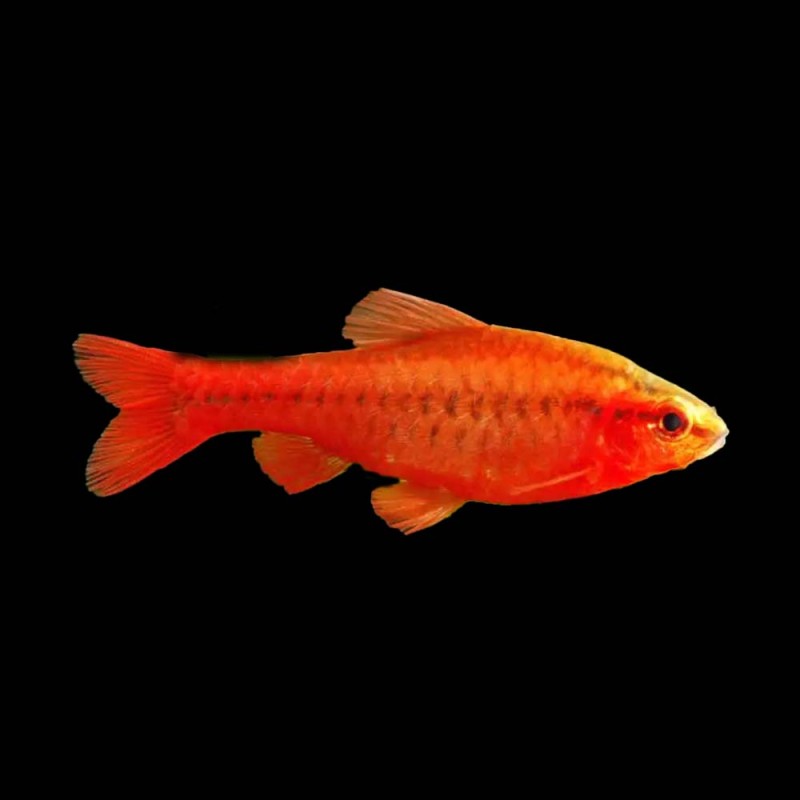
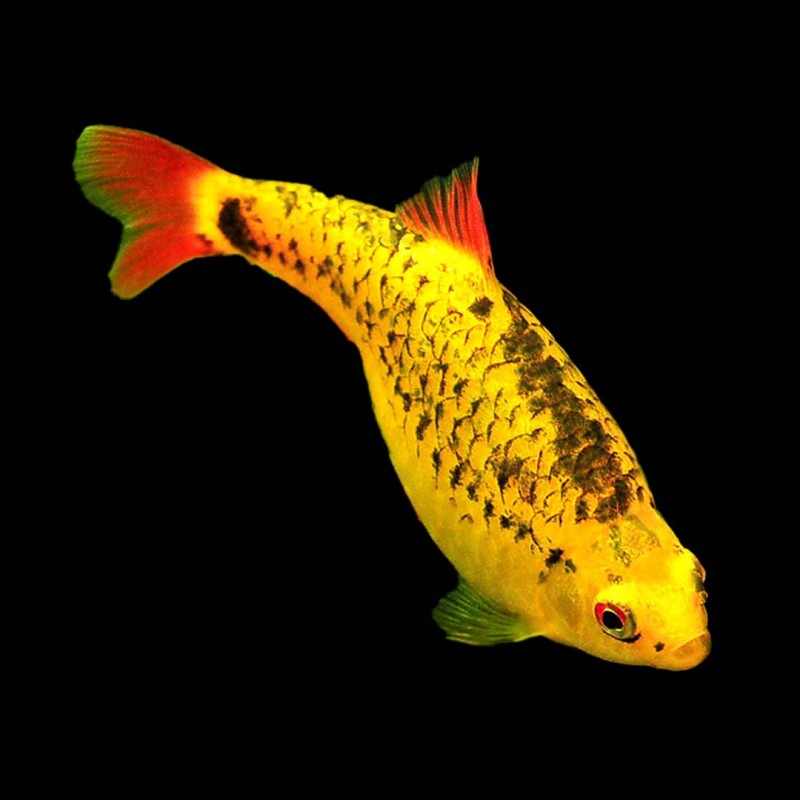
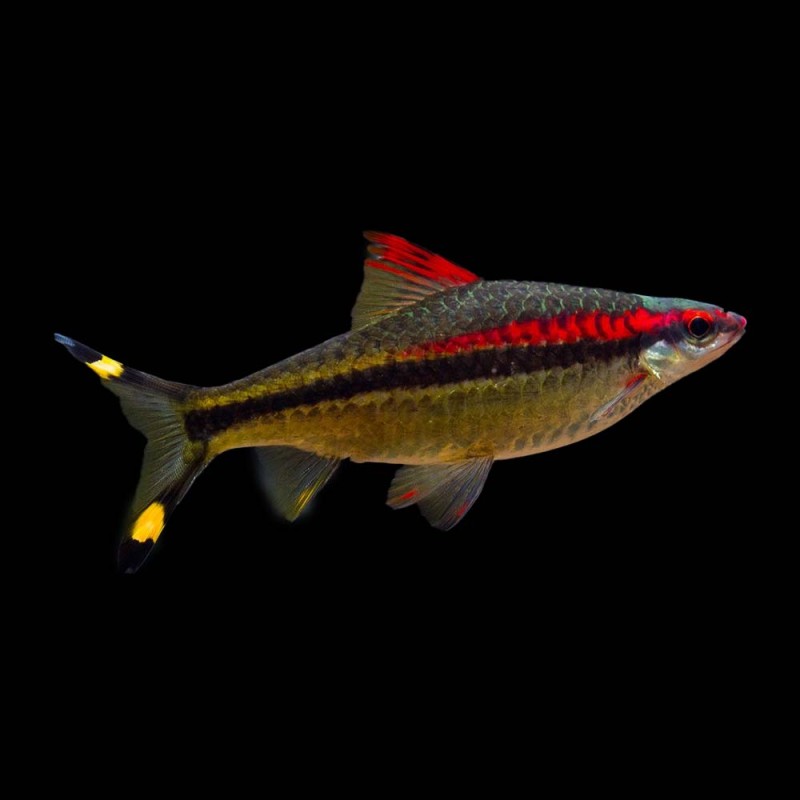
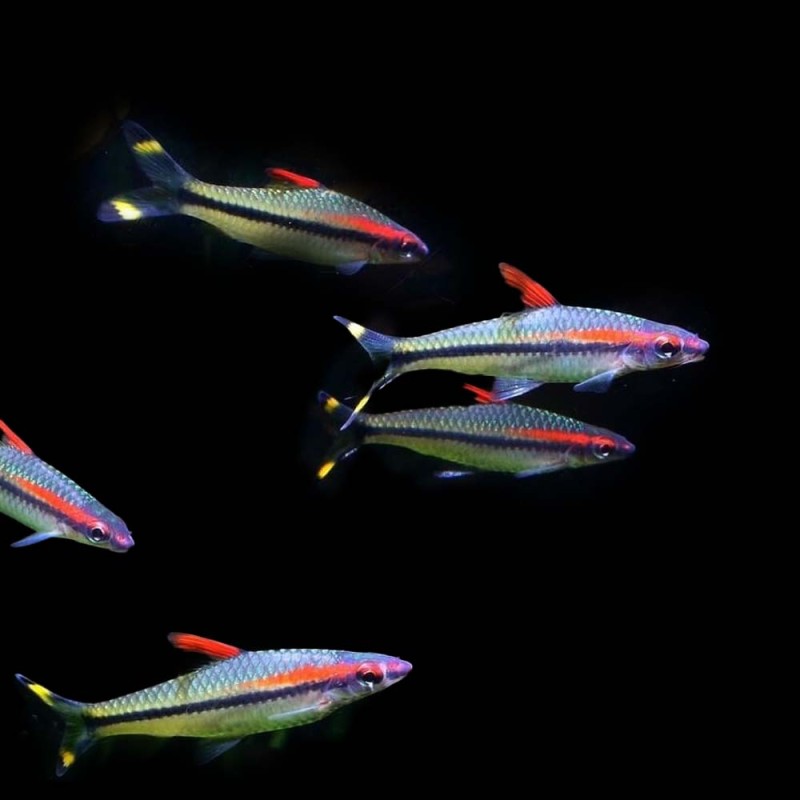
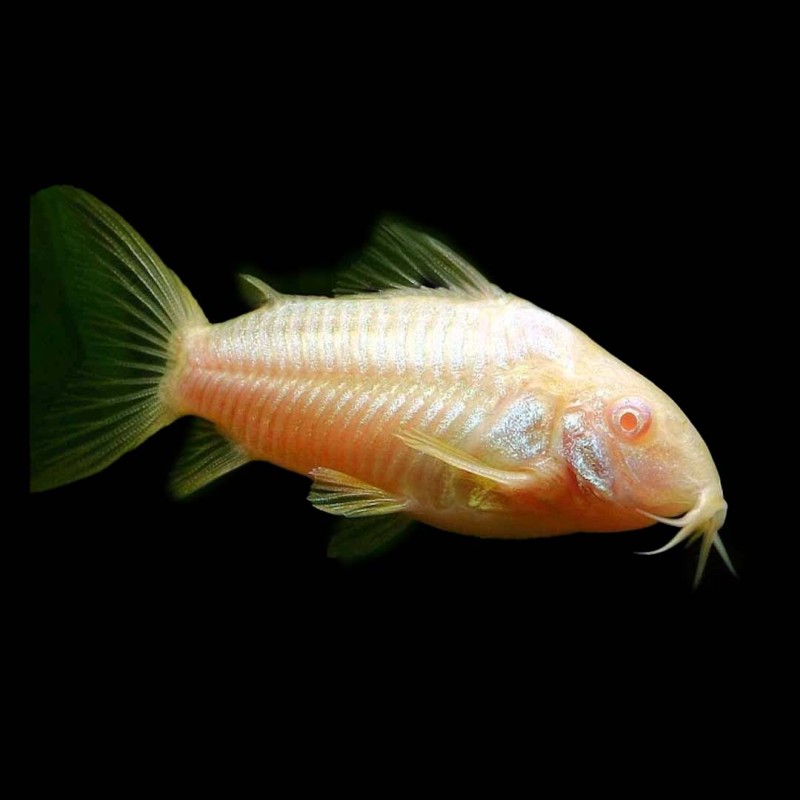
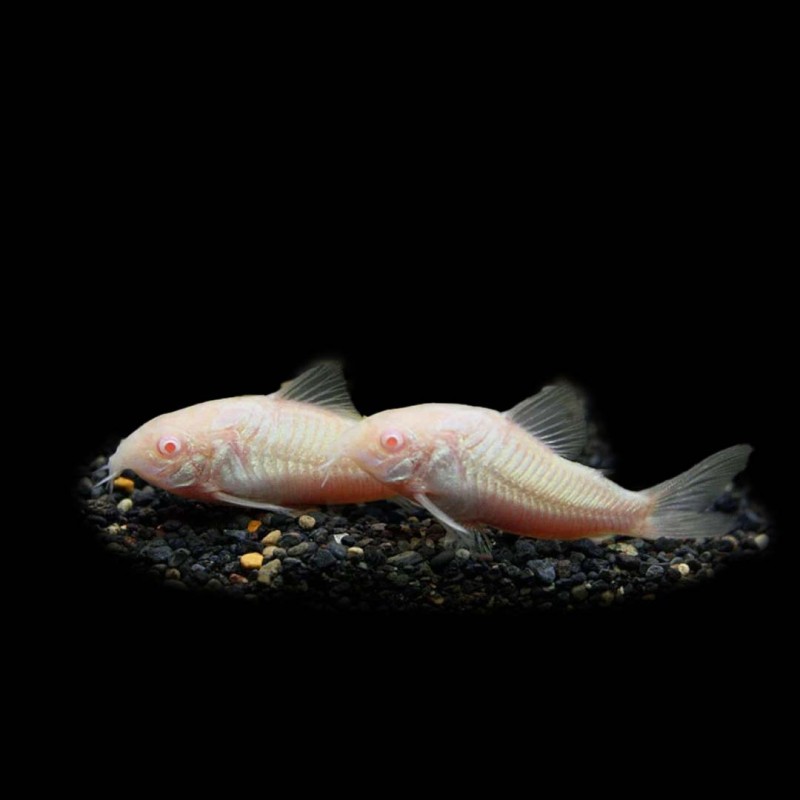
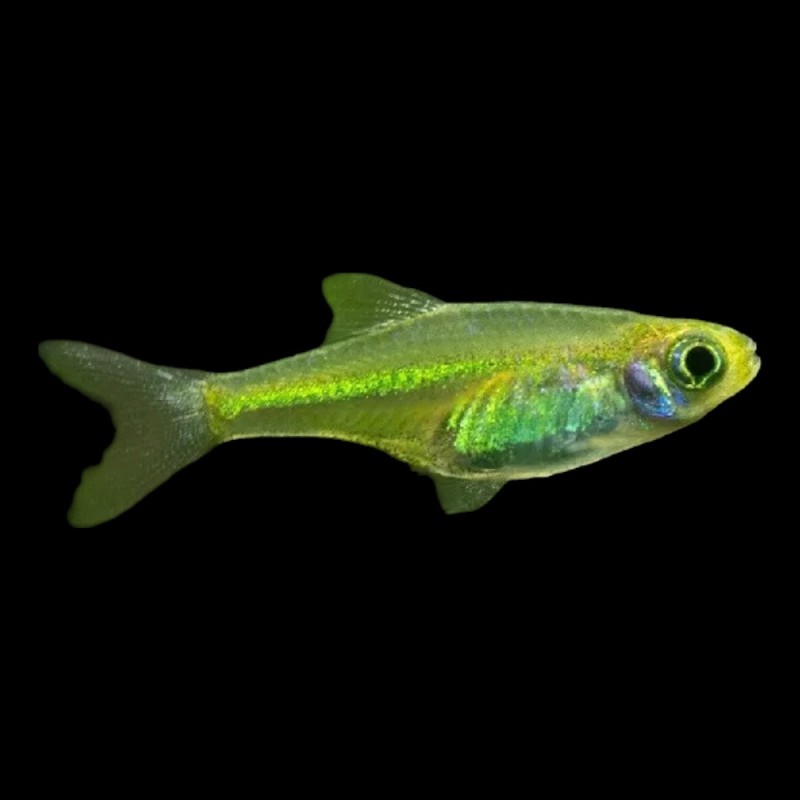
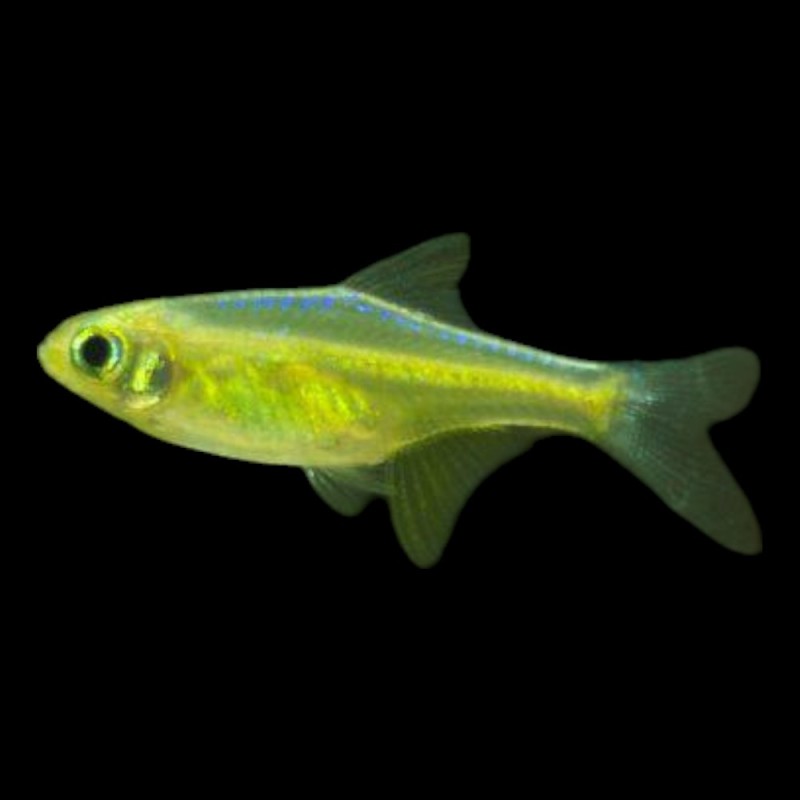
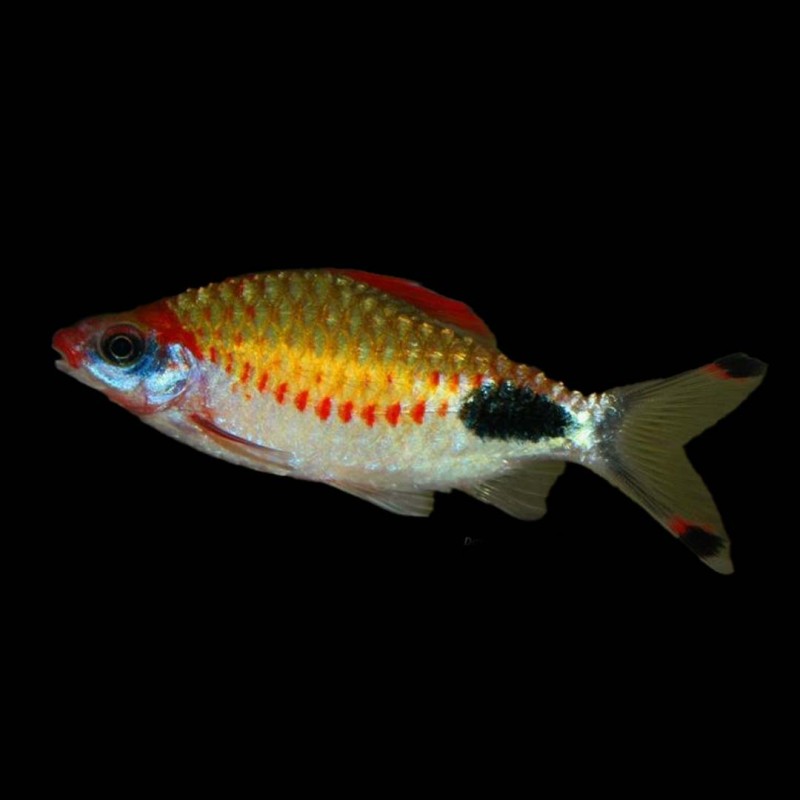
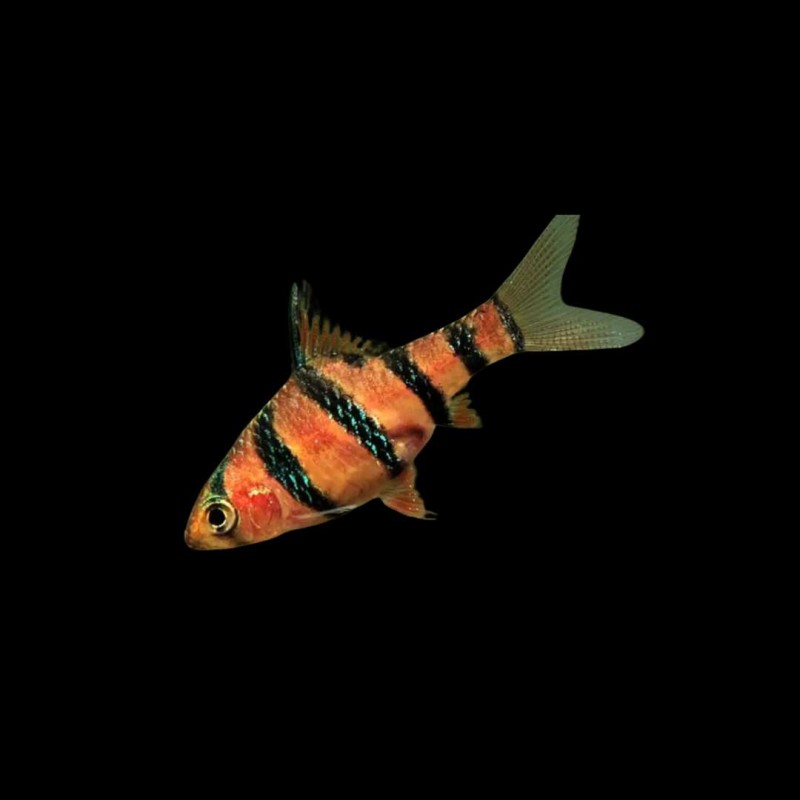
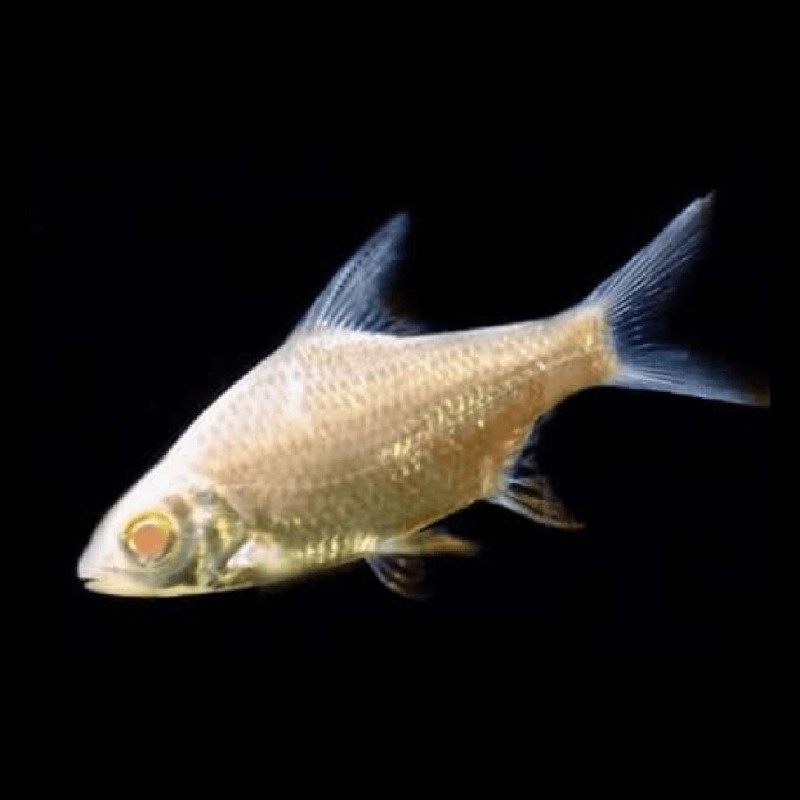
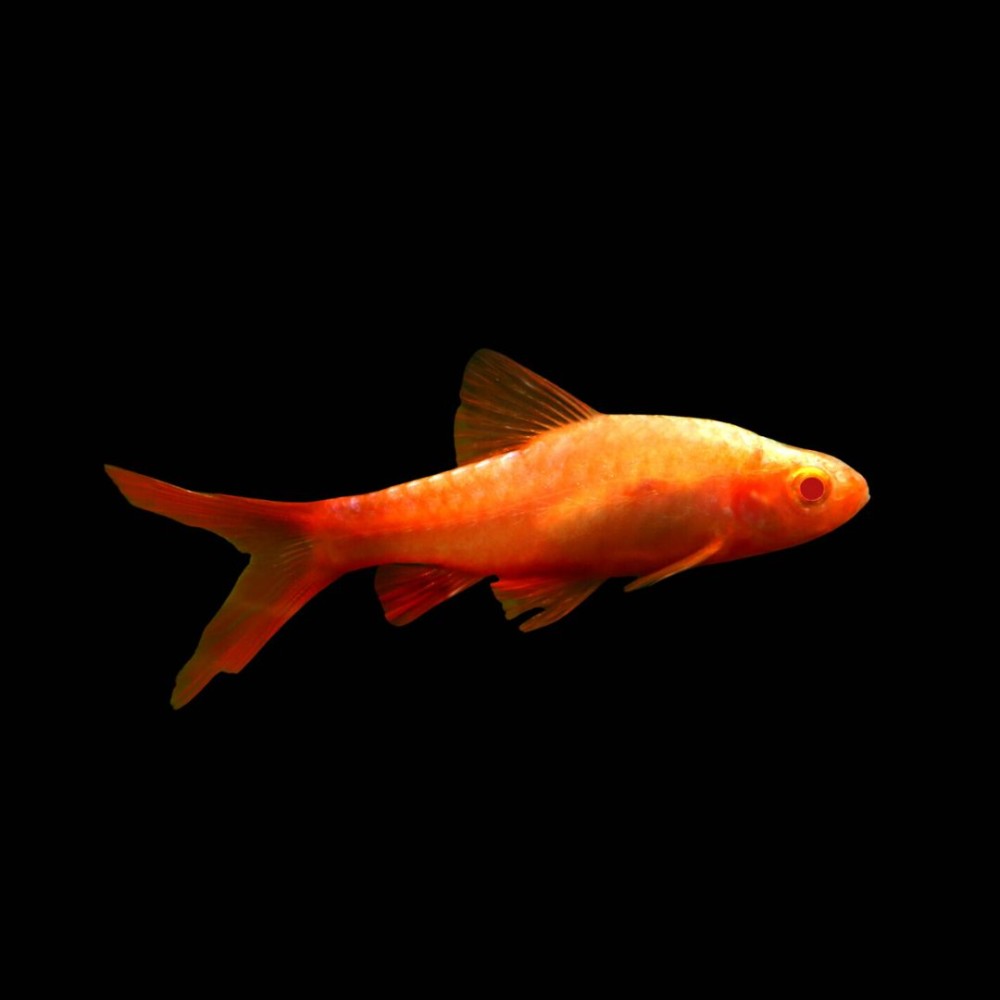
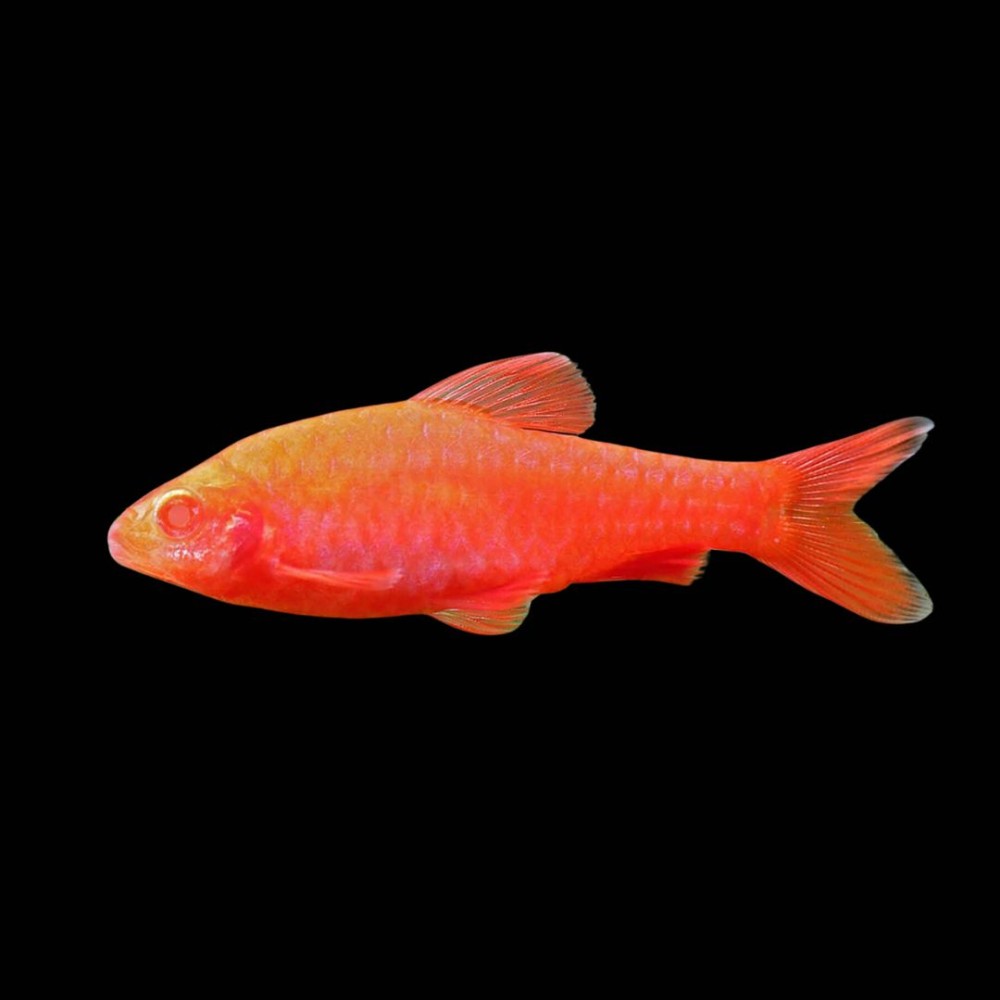
The Albino Cherry Barb (*Puntius titteya*) is a vibrant and eye-catching freshwater fish, known for its striking appearance and peaceful nature. This albino variant of the Cherry Barb features a pale, almost translucent body with a subtle red hue, making it a popular choice for aquariums that require a peaceful community atmosphere.

Physical Characteristics:

  • Size: Albino Cherry Barbs typically grow to about 5 cm (2 inches) in length.
  • Coloration: The body of the Albino Cherry Barb is pale, with a slight red tint on its fins and a distinct reddish patch on the dorsal fin, giving it a unique and beautiful appearance.
  • Fins: Their fins are small and rounded, with a slight reddish hue that adds to their elegance.
  • Shape: The body is slender and streamlined, making it a graceful swimmer in the aquarium.

Behavior:

  • Temperament: Albino Cherry Barbs are peaceful and active, making them ideal for community tanks with other peaceful species.
  • Activity Level: These fish are moderately active swimmers, often seen schooling together or exploring their surroundings.
  • Community Behavior: They are best kept in groups of at least five or more, as they thrive in a social environment. They are peaceful with most tankmates, but can become shy in smaller groups.

Aquarium Care:

  • Tank Size: A minimum tank size of 30 liters (8 gallons) is recommended for a small group of Albino Cherry Barbs, though larger tanks are ideal for better water quality and swimming space.
  • Water Parameters:
    • Temperature: Albino Cherry Barbs thrive in a temperature range of 22°C to 28°C (72°F to 82°F).
    • pH: They prefer slightly acidic to neutral water, with a pH range of 6.0 to 7.5.
    • Hardness: Soft to moderately hard water, with a general hardness (GH) of 5-15 dGH, is ideal.
  • Tank Setup:
    • Substrate and Decorations: A soft substrate with plenty of live plants like Java fern, Anubias, or floating plants works well, providing hiding spots and reducing stress.
    • Lighting: Moderate lighting is best for these fish, as it enhances their coloration without causing stress.
    • Filtration: A gentle filtration system is recommended to maintain good water quality while avoiding strong currents.

Diet:

Albino Cherry Barbs are omnivorous and will accept a variety of foods. Their diet should include:

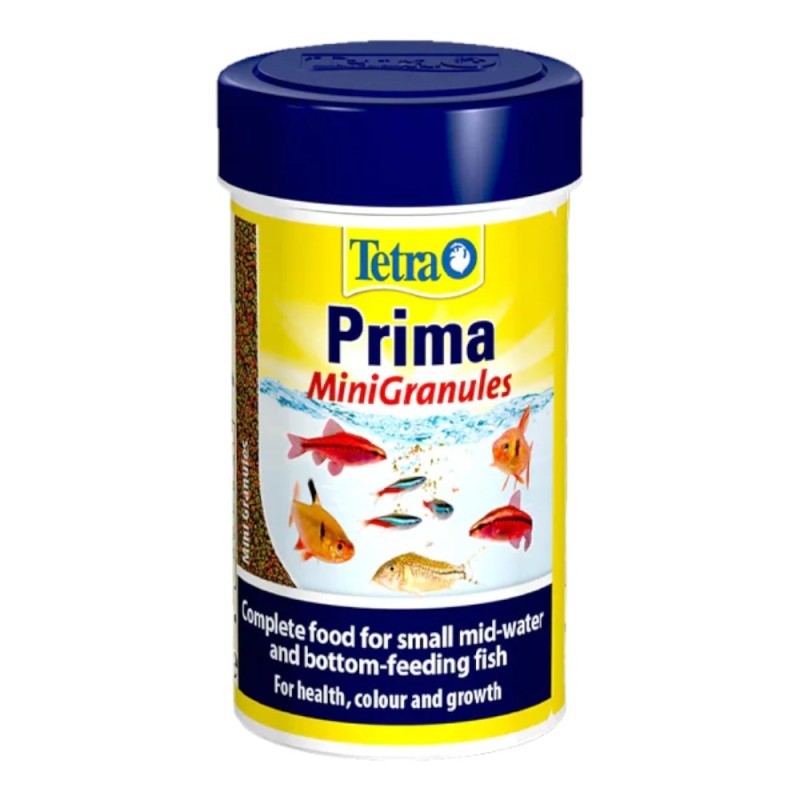
  • Pellets: High-quality small fish pellets should form the staple of their diet.
  • Live or Frozen Foods: Offer live or frozen foods such as brine shrimp, bloodworms, or daphnia to provide additional protein.
  • Vegetable Matter: Blanched vegetables like spinach or zucchini can be included occasionally to provide a balanced diet.

Tankmates:

Albino Cherry Barbs are peaceful and can be housed with a variety of other peaceful species, such as:

  • Other Tetras: Neon Tetras, Rummy Nose Tetras, or other small peaceful species.
  • Rasboras: Harlequin Rasboras and other similar-sized fish.
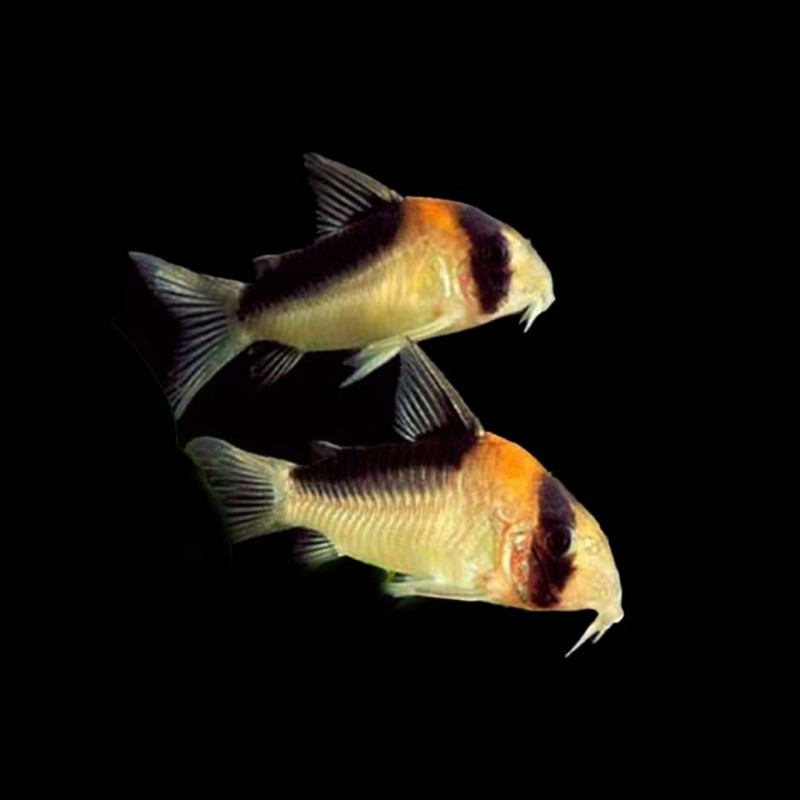
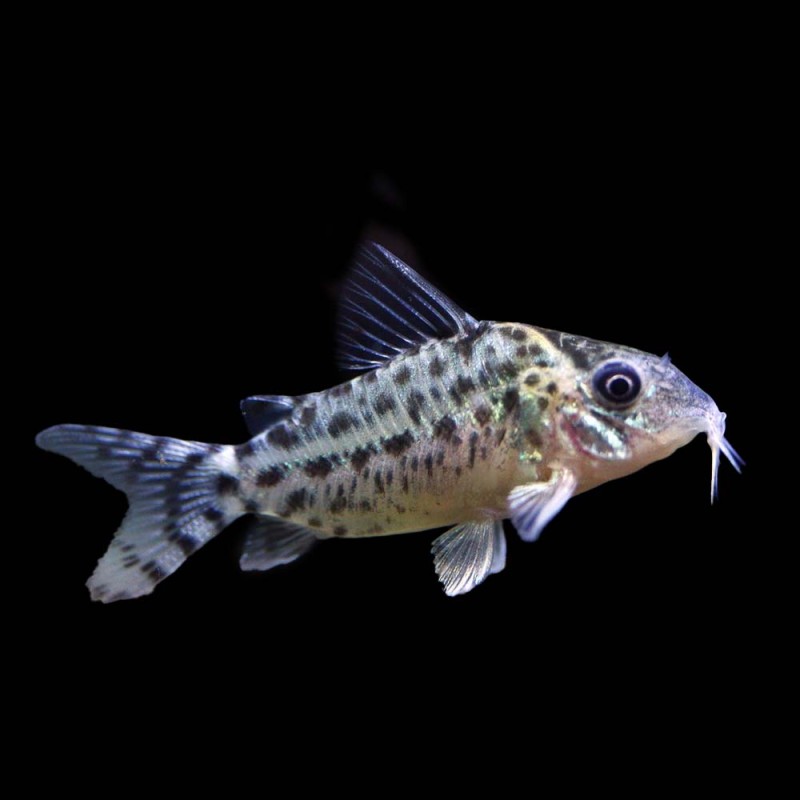
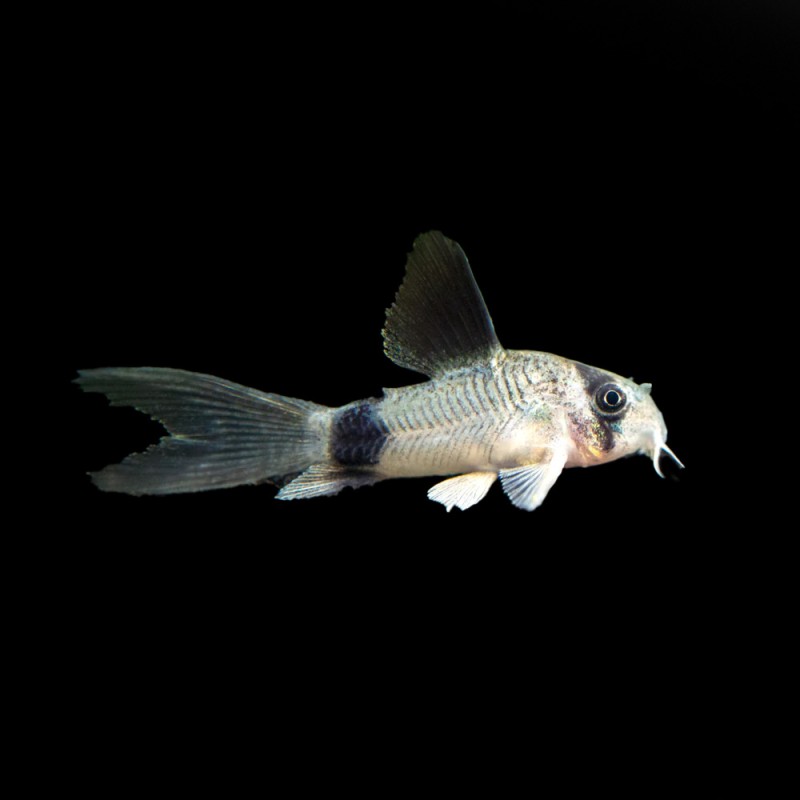
  • Small Catfish: Corydoras catfish or other non-aggressive bottom dwellers.

Avoid housing them with aggressive or fin-nipping species to ensure a stress-free environment.

Breeding:

Breeding Albino Cherry Barbs is possible under the right conditions:

  • Breeding Setup: A separate breeding tank with a sponge filter and soft, acidic water is ideal. A temperature of 24°C to 28°C (75°F to 82°F) is recommended for breeding.
  • Spawning Behavior: The male will chase the female and nudge her to encourage spawning. Eggs are usually laid on plants or the glass of the aquarium.
  • Fry Care: Once the eggs hatch, the fry should be fed small infusoria or newly hatched brine shrimp until they are large enough to accept regular foods.

Special Considerations:

  • Social Environment: These fish thrive in groups and feel more secure in schools of 5 or more.
  • Water Quality: Regular water changes are essential to maintain good water quality, which is crucial for the health of the fish.

Write a review

Please login or register to review
File Name Link
9 How to care for Barbs.pdf
(Total downloads: 3228)
Download
1