

Menu
Menu
Your Cart

Dragon Puffer

Dragon Puffer
Dragon Puffer
Dragon Puffer
Dragon Puffer
Dragon Puffer
€99.99
Ex Tax: €81.29
  • Stock: Generally In Stock
  • Please Note: Due to variations within species, your fish may not look identical to the image provided. Also note not all sizes or species may be available due to seasonality, Please call beforehand for up-to-date stock availability.

  • Model: -

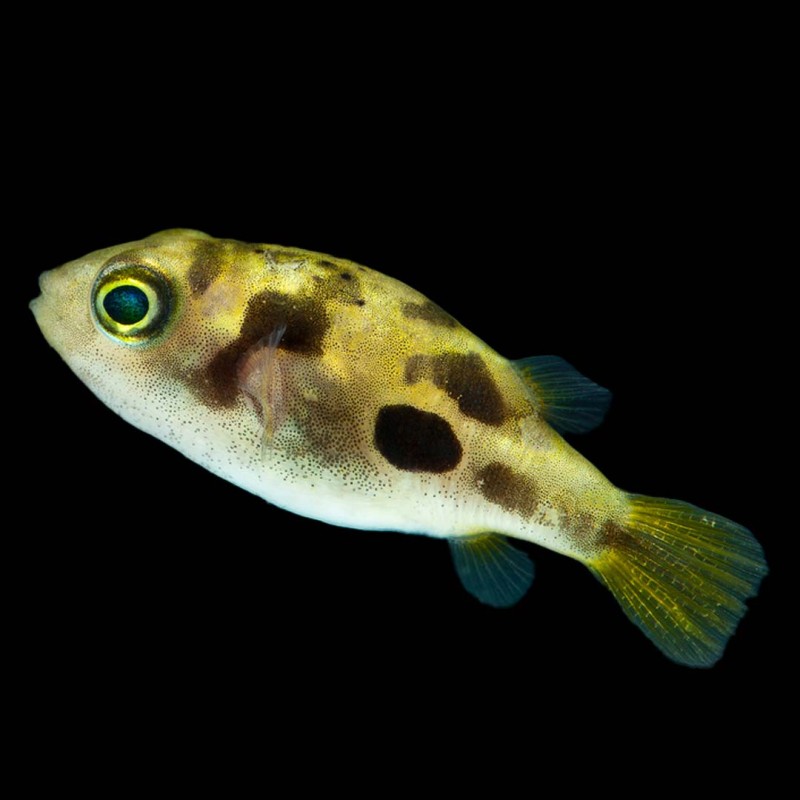
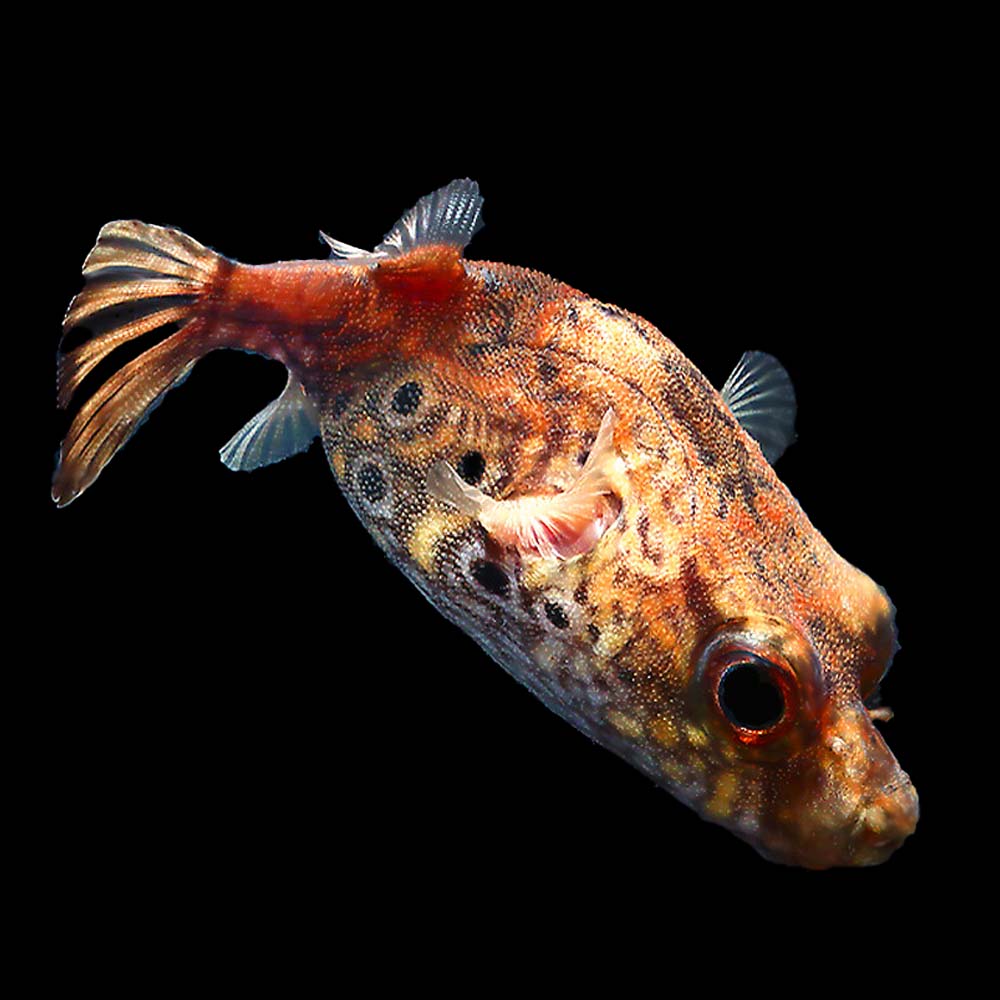
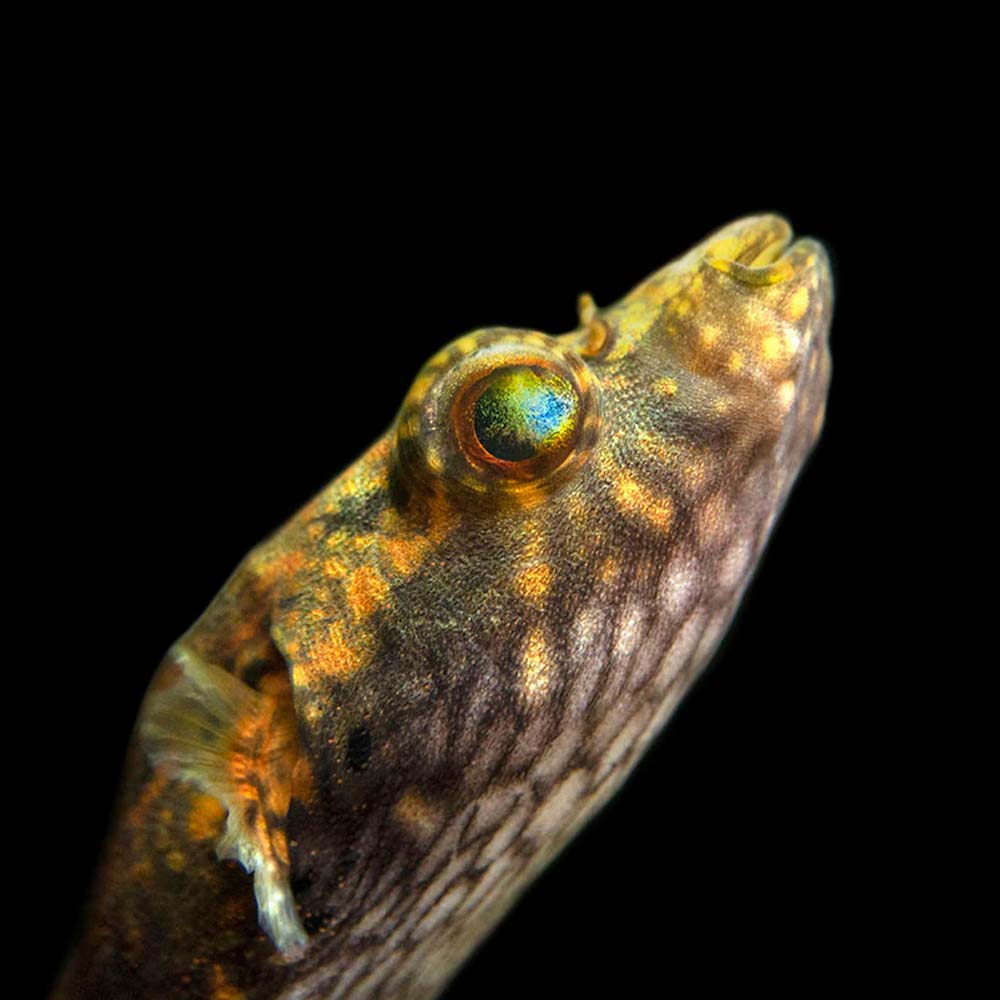
Dragon Puffer (Tetraodon spp.)

The Dragon Puffer, often referred to as the Dragon Pufferfish, is a unique and intriguing species belonging to the Tetraodon genus. These fish are known for their distinctive appearance and fascinating behaviour, making them a popular choice among aquarium enthusiasts.

Physical Characteristics:

  • Size: Dragon Puffers typically reach lengths of 15-20 cm (6-8 inches), although size can vary depending on the specific species.
  • Colouration: They are characterised by their vibrant coloration, which can include shades of green, brown, and yellow. Their bodies may have intricate patterns and markings that enhance their unique appearance.
  • Shape: Dragon Puffers have a robust, rounded body that is typical of pufferfish. Their bodies can inflate when threatened, which is a defence mechanism against predators.

Behaviour:

  • Temperament: Dragon Puffers can be territorial and aggressive, particularly towards their own kind. It is essential to house them with care, as they may exhibit aggression towards smaller or slower-moving fish.
  • Activity Level: These fish are active and curious swimmers, often exploring their environment. They enjoy digging and burrowing in the substrate, so a sandy bottom is preferred.
  • Diet: Dragon Puffers are carnivorous and require a protein-rich diet. In the wild, they consume a variety of invertebrates, which should be replicated in captivity.

Aquarium Care:

  • Tank Size: A minimum tank size of 200 litres (50 gallons) is recommended for a single Dragon Puffer to provide ample swimming space.
  • Water Parameters:
    • Temperature: Dragon Puffers thrive in warmer water, with an ideal temperature range of 24°C to 28°C (75°F to 82°F).
    • pH: They prefer slightly brackish to neutral water, with a pH range of 7.0 to 8.0.
    • Hardness: Moderately hard water, with a general hardness (GH) of 5-15 dGH, is ideal.
  • Tank Setup: Provide a well-decorated tank with plenty of hiding spots using rocks, driftwood, and live plants. A soft sandy substrate is recommended to protect their delicate bodies when digging.

Diet:

Dragon Puffers are carnivorous and require a varied diet for optimal health. Their diet should include:

  • High-quality pellets specifically formulated for pufferfish.
  • Live or frozen foods such as shrimp, snails, and worms to provide essential protein and mimic their natural diet.
  • Occasional treats of hard-shelled foods, like mussels or clams, can help keep their beaks trimmed.

Tankmates:

When selecting tankmates, it's crucial to choose species that are compatible with the Dragon Puffer’s temperament. Suitable tankmates include:

  • Other larger, robust fish that can tolerate the puffer’s occasional aggression.
  • Bottom-dwellers like larger catfish that can handle the puffer’s behaviour.
  • Avoid smaller fish or fin-nippers, as these may be targeted by the puffer.

Breeding:

Breeding Dragon Puffers in captivity can be challenging, and little is known about their reproductive behaviour in an aquarium setting. Most hobbyists keep them as single specimens due to their territorial nature.

Conservation Status:

The conservation status of Dragon Puffers varies by species. While some are common in the aquarium trade, habitat destruction can threaten their wild populations. Sustainable practices are crucial to protect their natural habitats.

In summary, the Dragon Puffer is a captivating species that adds character and interest to any aquarium. With proper care and attention to their specific needs, these fish can thrive and provide enjoyment to their keepers.

Write a review

Please login or register to review
File Name Link
17 How to care for Rare and Unusual Species.pdf
(Total downloads: 2821)
Download
1