

Menu
Menu
Your Cart

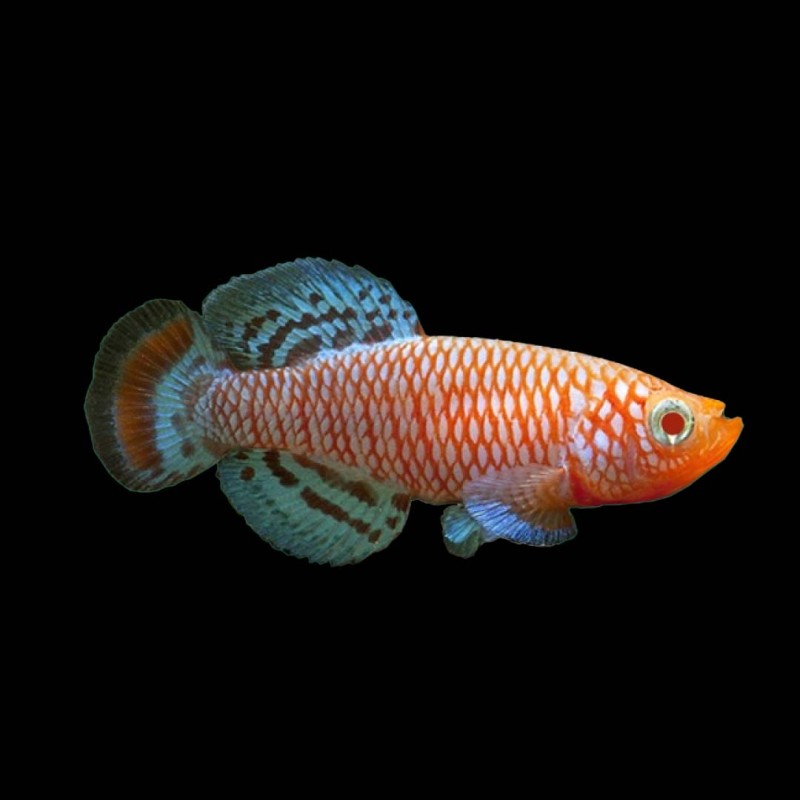
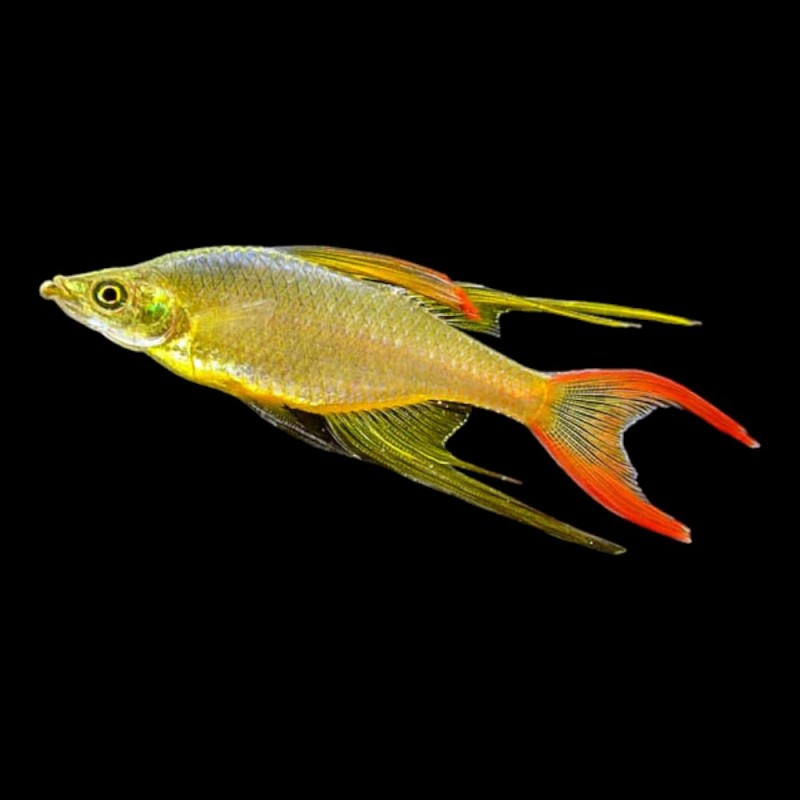
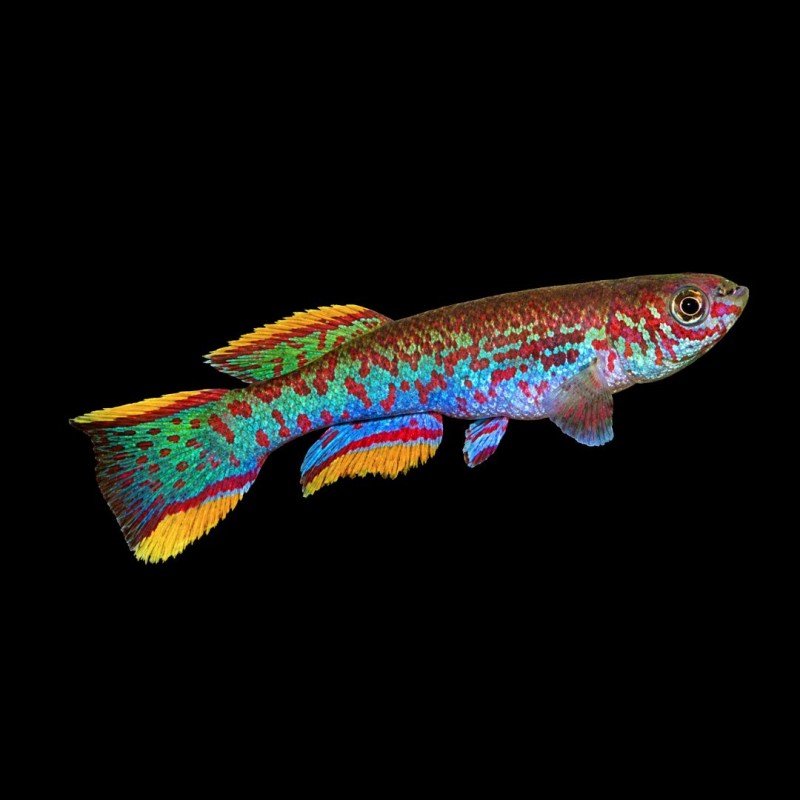
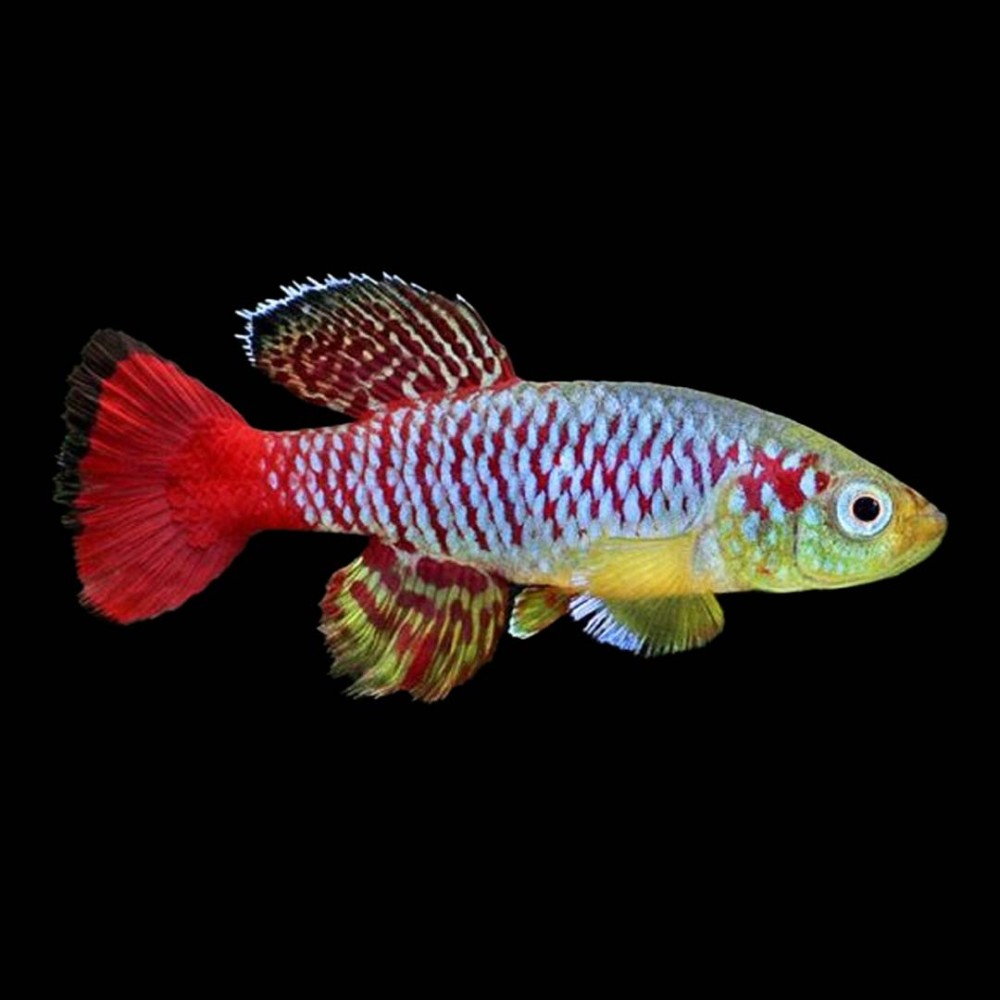
Redtail Nonthobranchius Killifish (pair)

Redtail Nonthobranchius Killifish (pair)
€25.00
Ex Tax: €20.33
  • Stock: Generally In Stock
  • Please Note: Due to variations within species, your fish may not look identical to the image provided. Also note not all sizes or species may be available due to seasonality, Please call beforehand for up-to-date stock availability.

  • Model: -

Redtail Nonthobranchius Killifish

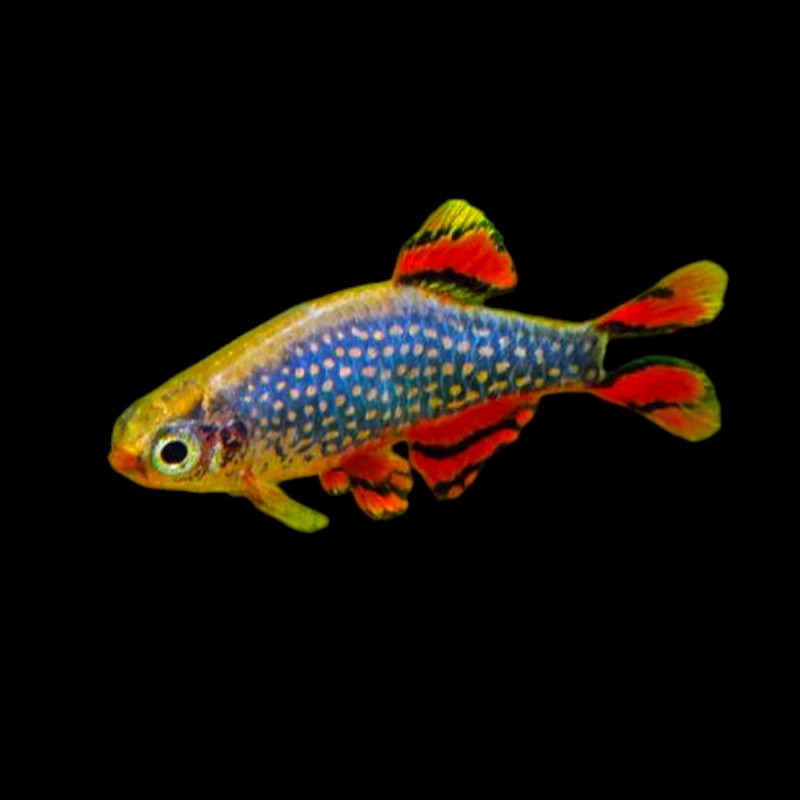
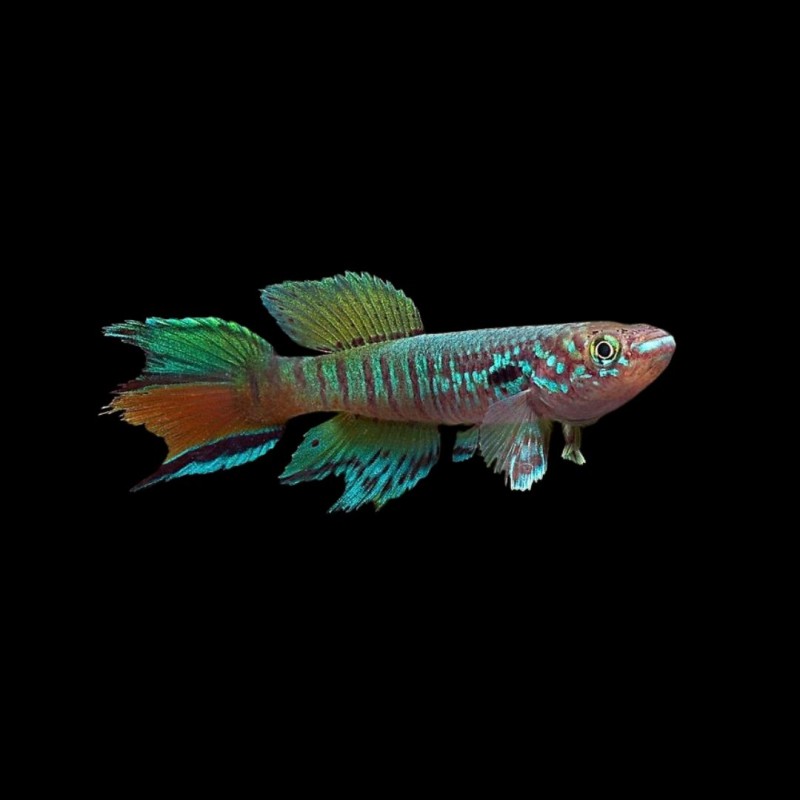
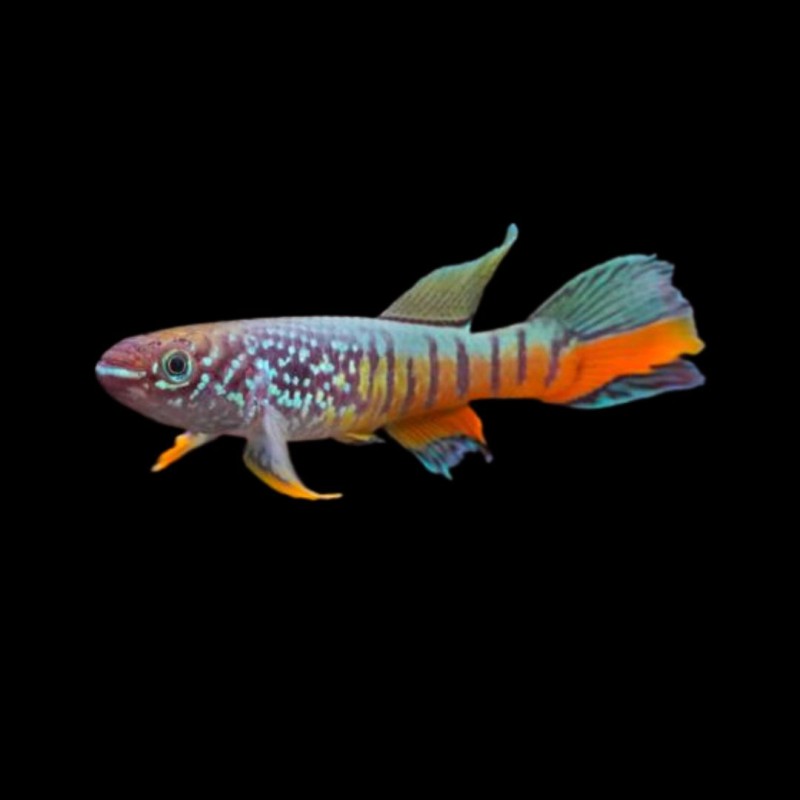
The Redtail Nonthobranchius Killifish (Nonthobranchius rathbuni) is a vibrant and eye-catching species native to the freshwater habitats of East Africa, specifically in the seasonal pools and swamps of Mozambique and Tanzania. This small, beautifully coloured fish is cherished by aquarists for its striking appearance and dynamic behaviour.

Physical Characteristics:

  • Size: Adult Redtail Nonthobranchius Killifish typically grow to about 5-7 cm (2-2.8 inches) in length.
  • Coloration:
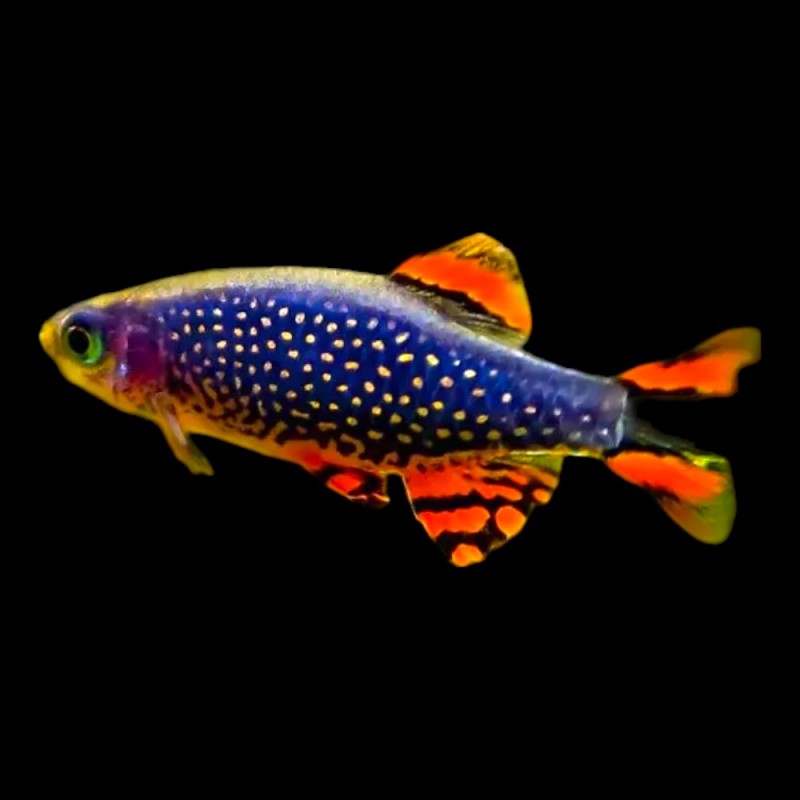
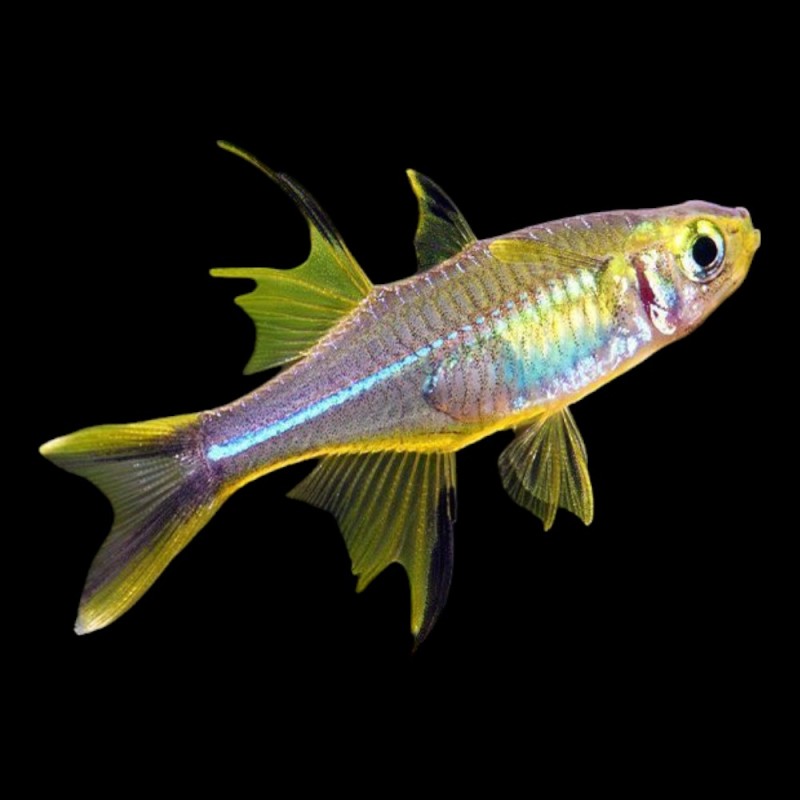
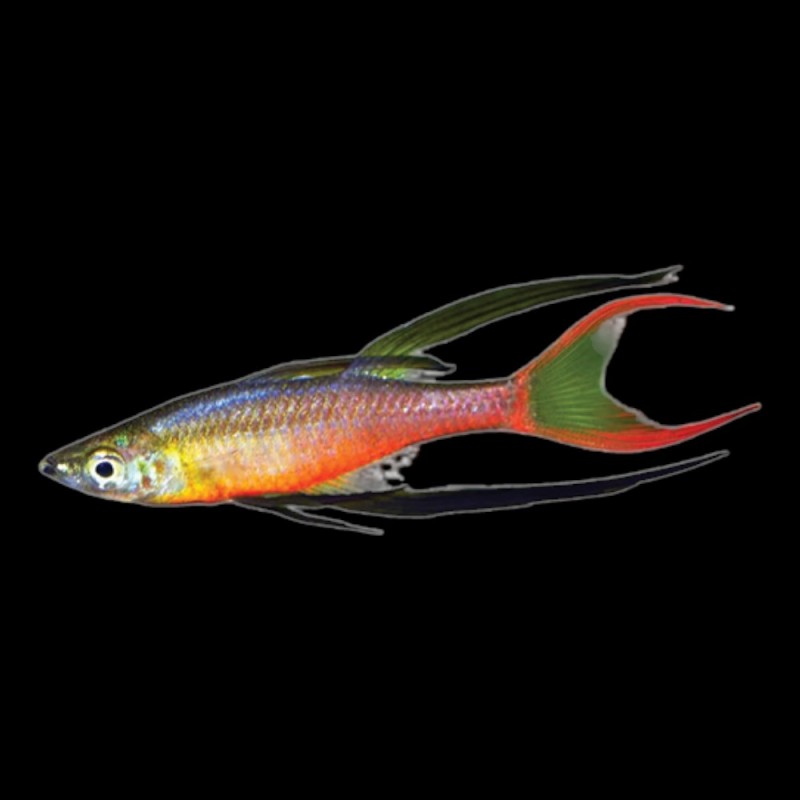
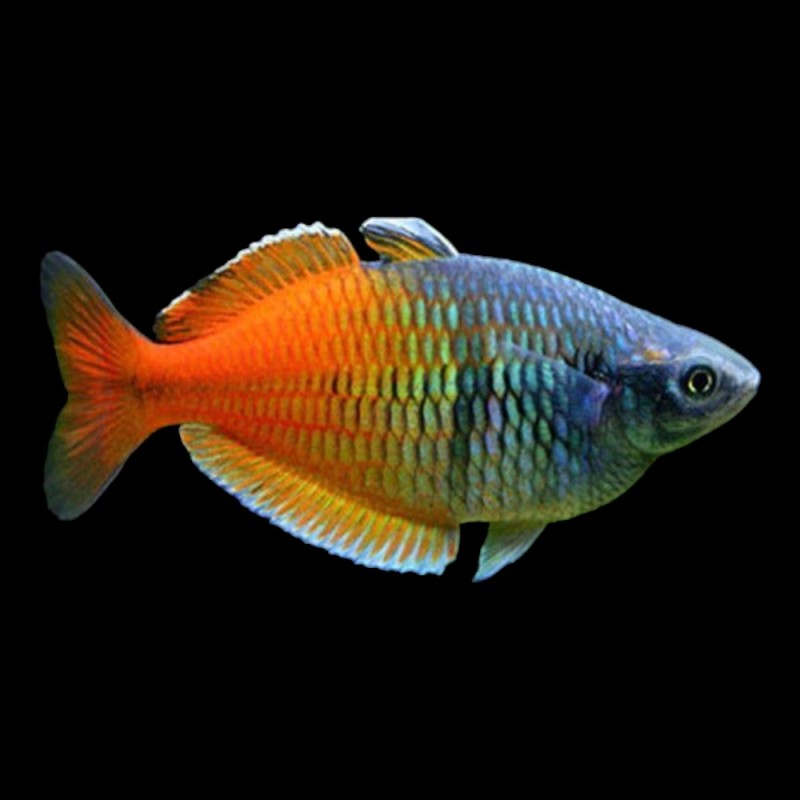
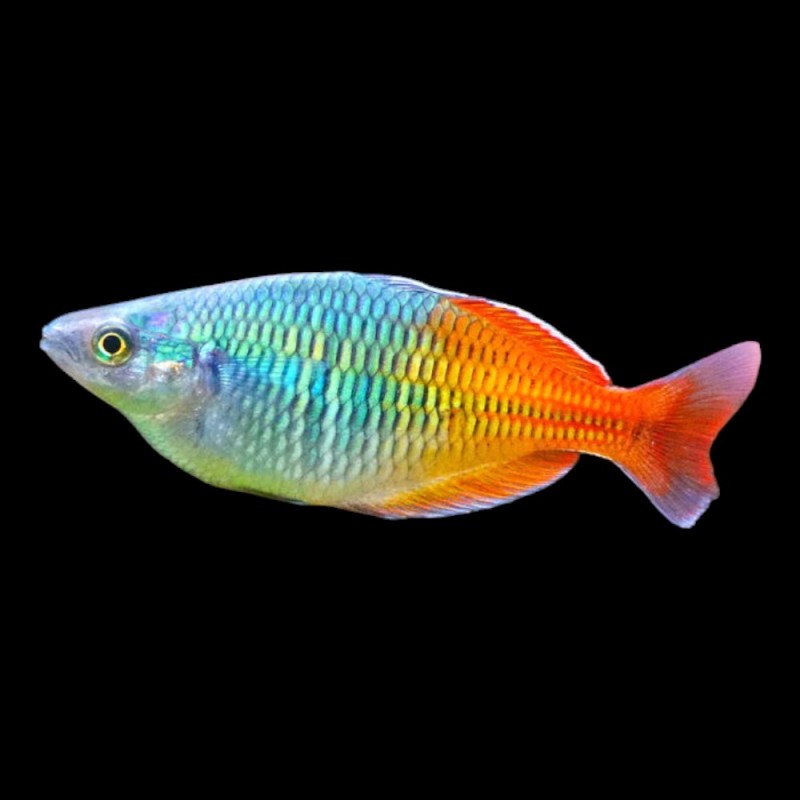
    • Body: The body is often a shimmering blue or green, adorned with iridescent scales that catch the light beautifully. The coloration can vary based on age and health.
    • Fins: The tail is particularly striking, usually displaying a vibrant red or orange hue, which provides a stunning contrast against the rest of the body. The dorsal and anal fins can also exhibit similar bright colours.
    • Shape: The fish has an elongated body with a slightly flattened profile, giving it a streamlined appearance that aids in its swimming capabilities.

Behaviour:

  • Temperament: The Redtail Nonthobranchius Killifish is generally peaceful and can be kept in community tanks, though males may display territorial behaviour during breeding. They are best housed in groups, which promotes their natural behaviour and reduces stress.
  • Activity Level: These fish are active swimmers and enjoy exploring their environment. They are known for their energetic movements and are often seen darting around the tank.
  • Community Behaviour: They can coexist with other small, peaceful species. However, care should be taken to avoid larger or aggressive tankmates that may stress them.

Aquarium Care:

  • Tank Size: A minimum tank size of 40 liters (10 gallons) is recommended for a small group of Redtail Nonthobranchius Killifish. Larger tanks allow for more swimming space and stability in water conditions.
  • Water Parameters:
    • Temperature: They thrive in warm water, with an ideal temperature range of 24°C to 28°C (75°F to 82°F).
    • pH: A slightly acidic to neutral pH level between 6.0 and 7.5 is preferred.
    • Hardness: Soft to moderately hard water, with a general hardness (GH) of 5-15 dGH, is ideal.
  • Tank Setup:
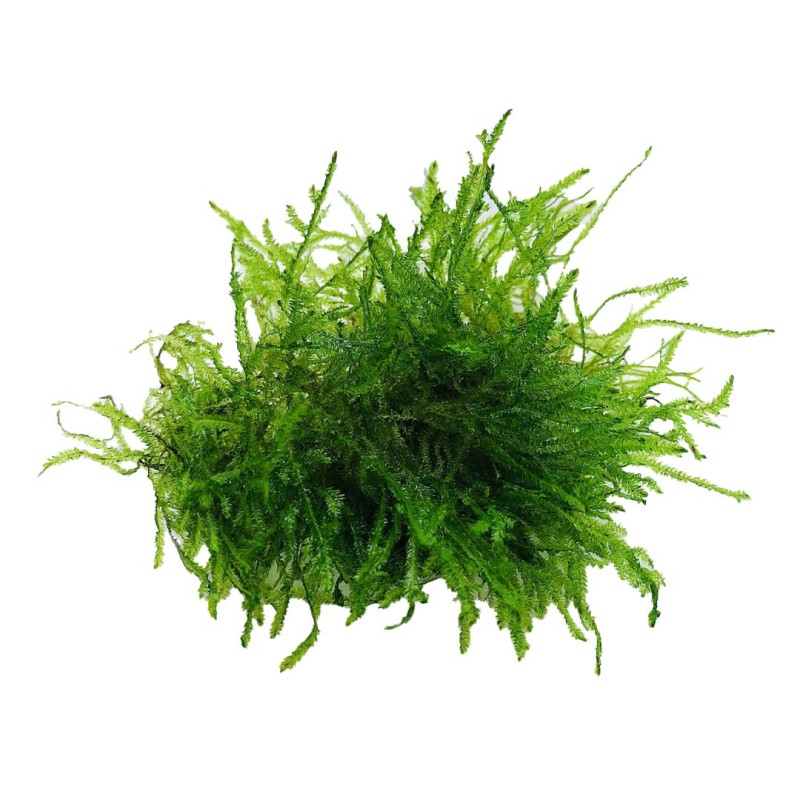
    • Substrate and Decorations: A soft substrate is recommended, with plenty of hiding spots provided by plants and decorations. Live plants such as Java moss and floating plants can create a natural environment that mimics their native habitat.
    • Lighting: Moderate lighting is best, with shaded areas provided by plants to help reduce stress.
    • Filtration: A gentle filtration system is important, as strong currents can be stressful. Regular water changes (about 25% weekly) are essential to maintain water quality.

Diet:

Redtail Nonthobranchius Killifish are carnivorous and require a diet rich in protein. Their diet should include:

  • Pellets: High-quality small pellets designed for carnivorous fish can be a staple part of their diet.
  • Live or Frozen Foods: Offer live or frozen foods such as brine shrimp, daphnia, and bloodworms to provide essential protein and mimic their natural diet.
  • Occasional Treats: Small amounts of finely chopped meat or freeze-dried foods can be offered as treats.

Breeding:

Breeding Redtail Nonthobranchius Killifish requires careful preparation:

  • Breeding Setup: A separate breeding tank with shallow water (about 15 cm or 6 inches deep) is recommended. The water should be warm (26°C to 28°C or 79°F to 82°F) and slightly acidic (pH 6.0-6.5). Provide spawning mops or fine-leaved plants for egg-laying.
  • Spawning Behaviour: Males will court females through displays of colour and movement. After spawning, the eggs should be removed to prevent predation.
  • Fry Care: Once the fry hatch, they can be fed with infusoria or newly hatched brine shrimp until they are large enough for larger foods.

Special Considerations:

  • Stress and Aggression: While generally peaceful, males can exhibit territorial behaviour during breeding. Providing ample space and hiding spots can help reduce aggression.
  • Health: Regular water changes and maintaining clean water conditions are essential to prevent diseases and ensure the health of the fish.

Write a review

Please login or register to review