

Menu
Menu
Your Cart

Yellow Peacock Cichlid

Yellow Peacock Cichlid
€9.99
Ex Tax: €8.12
  • Stock: Generally In Stock
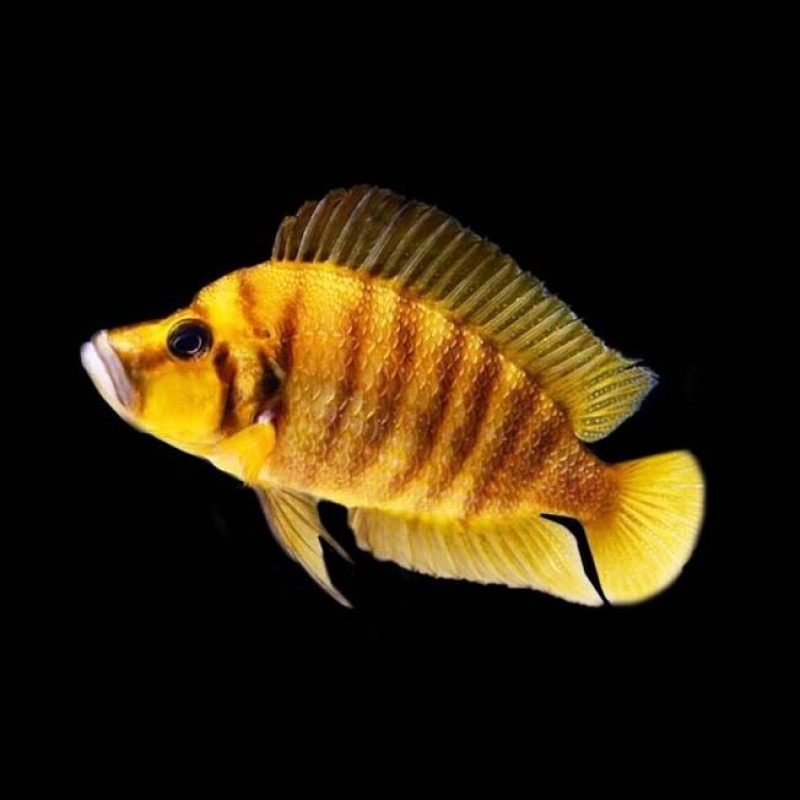
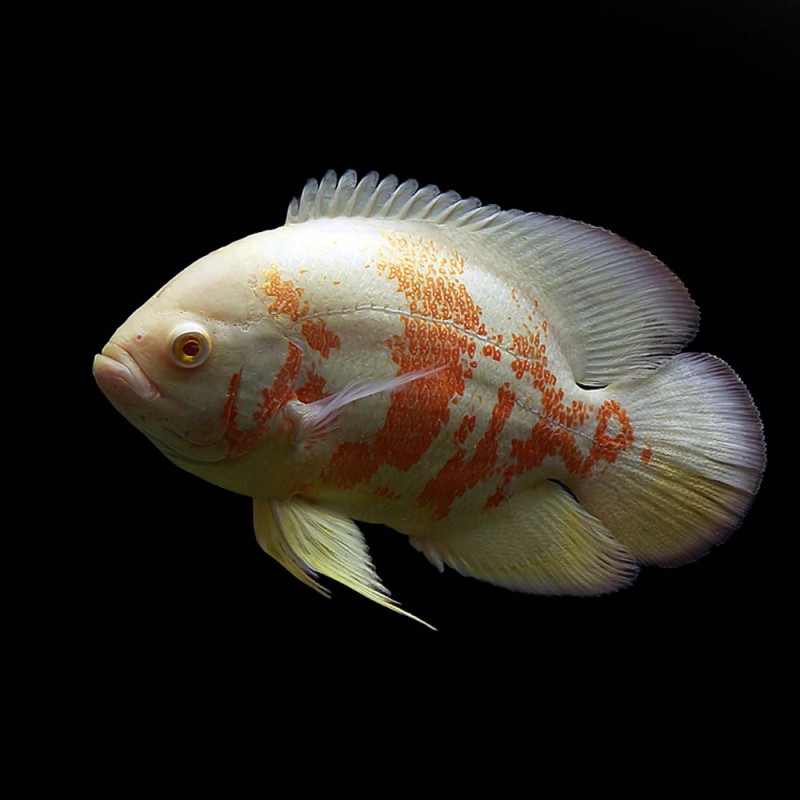
  • Please Note: Due to variations within species, your fish may not look identical to the image provided. Also note not all sizes or species may be available due to seasonality, Please call beforehand for up-to-date stock availability.

  • Model: -

Yellow Peacock Cichlid

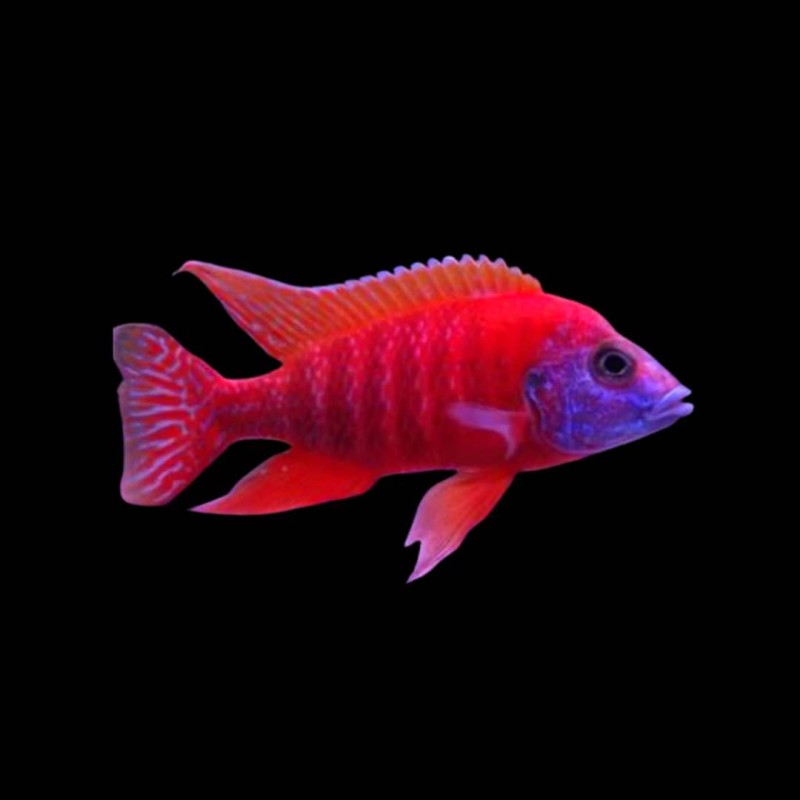
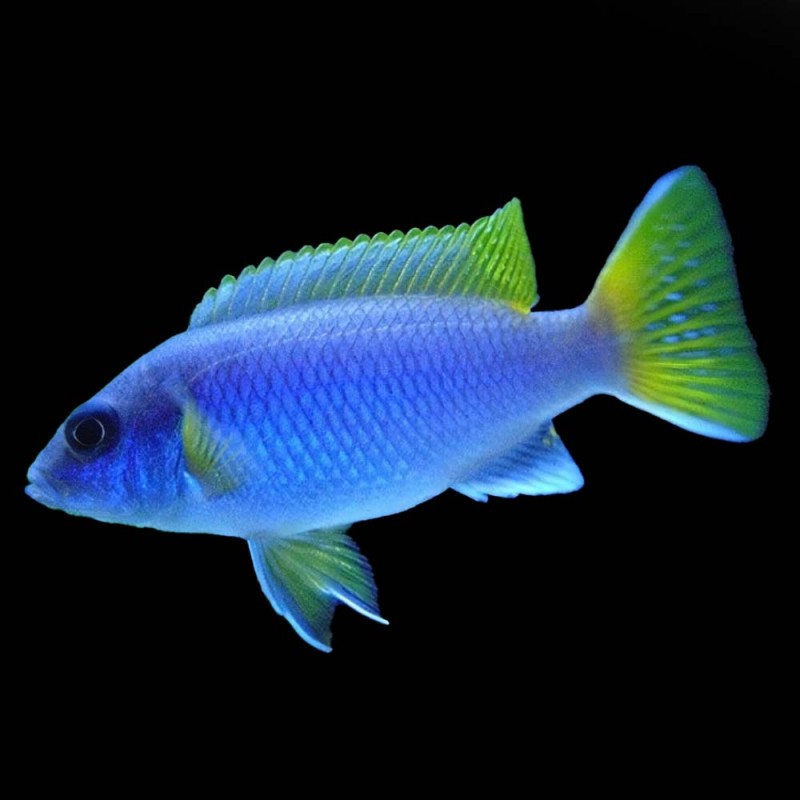
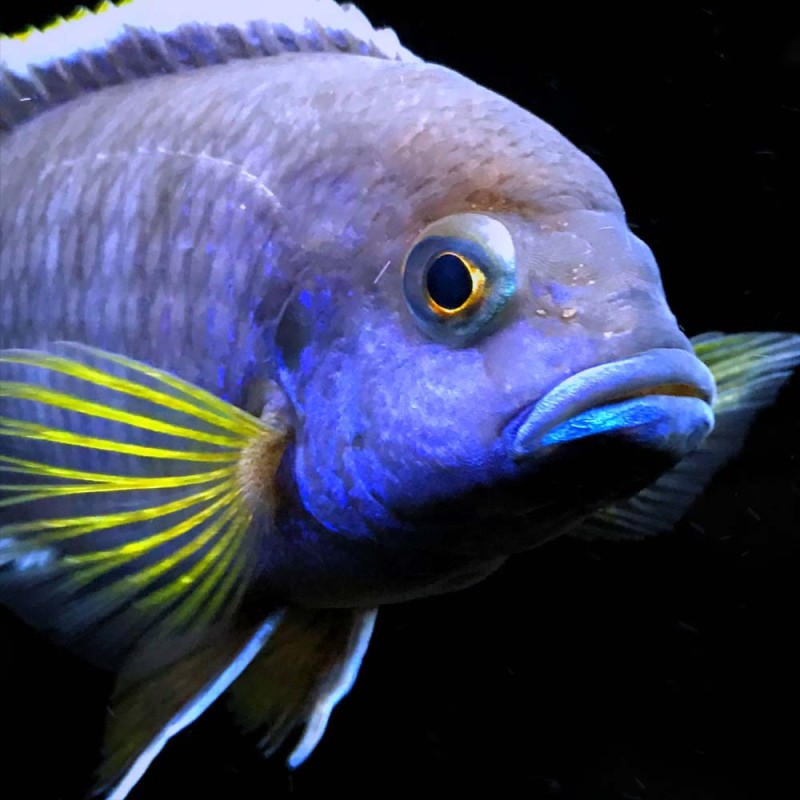
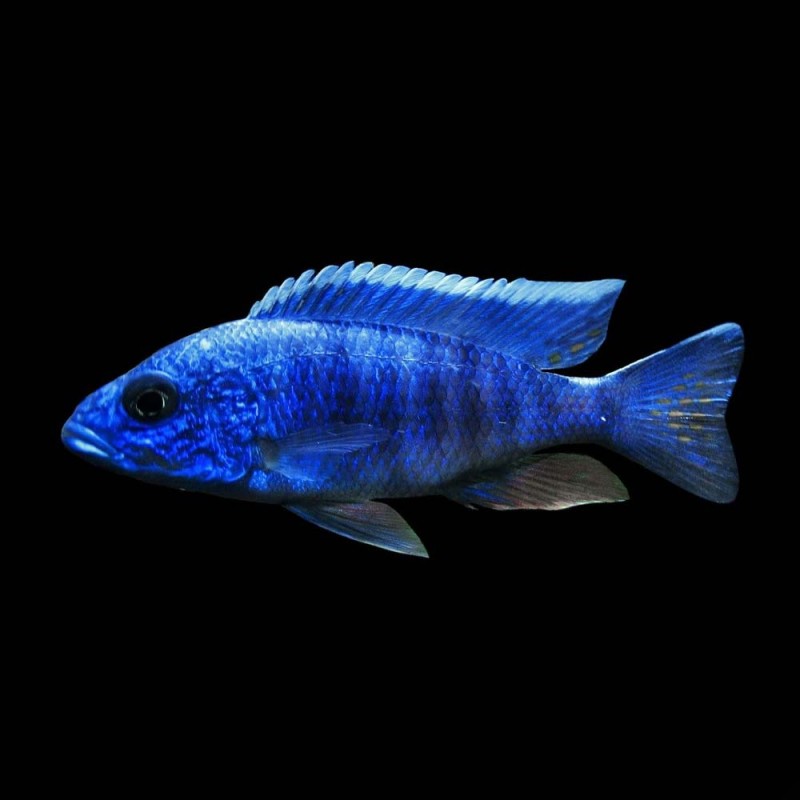
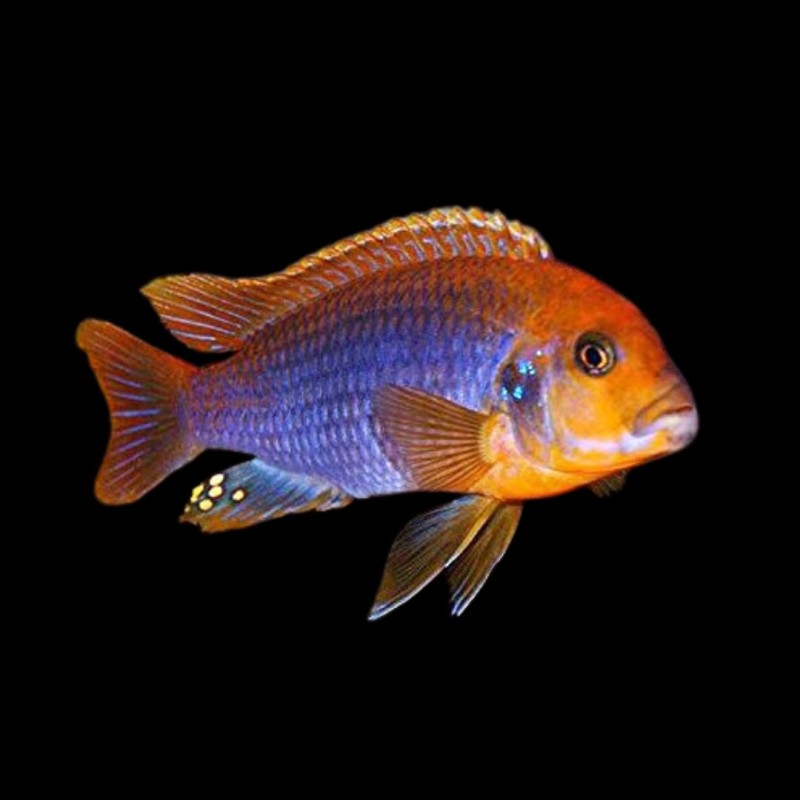
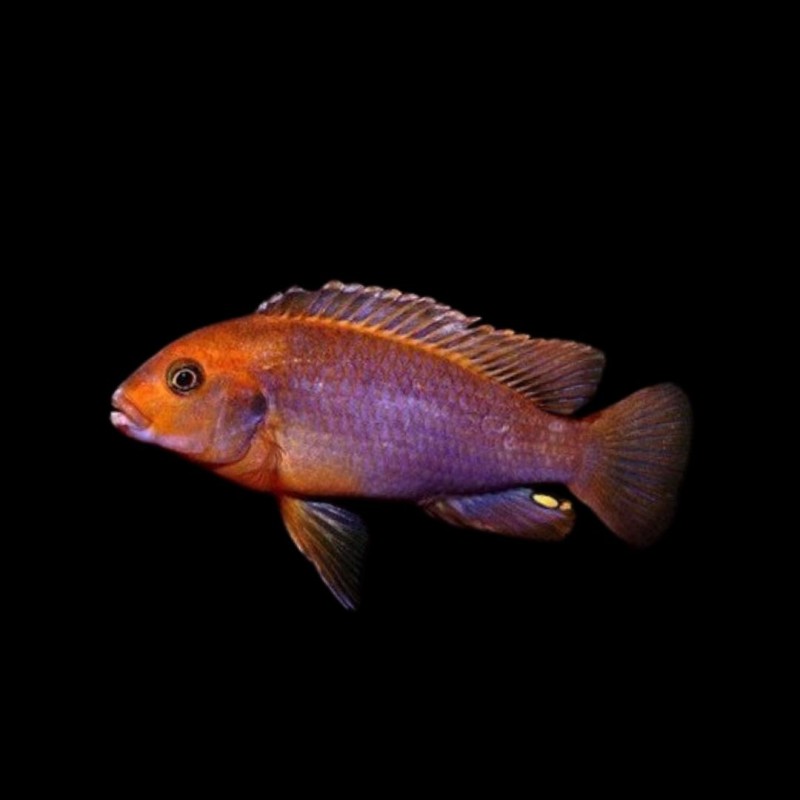
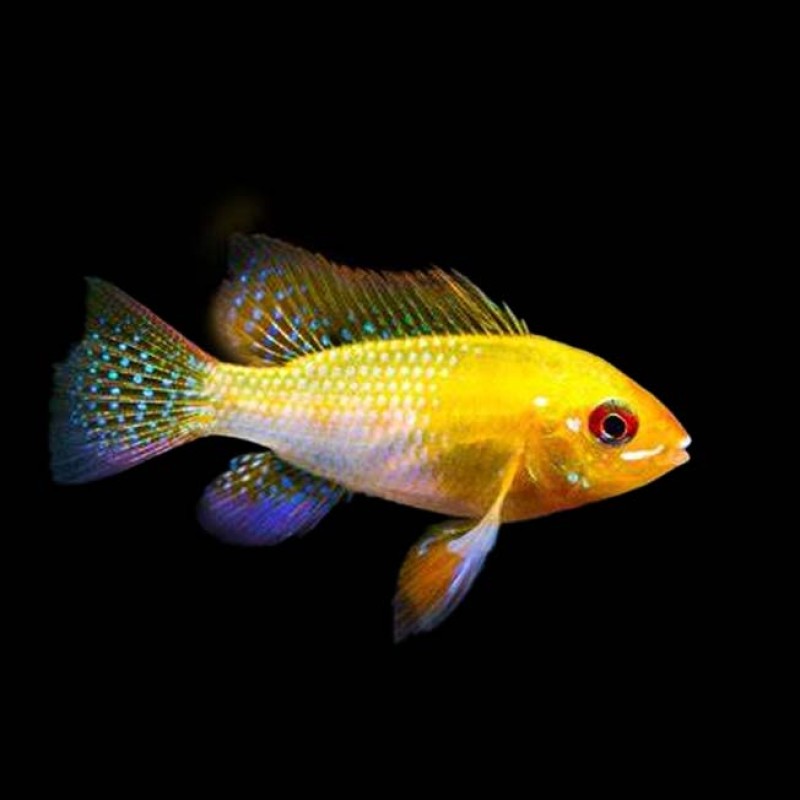
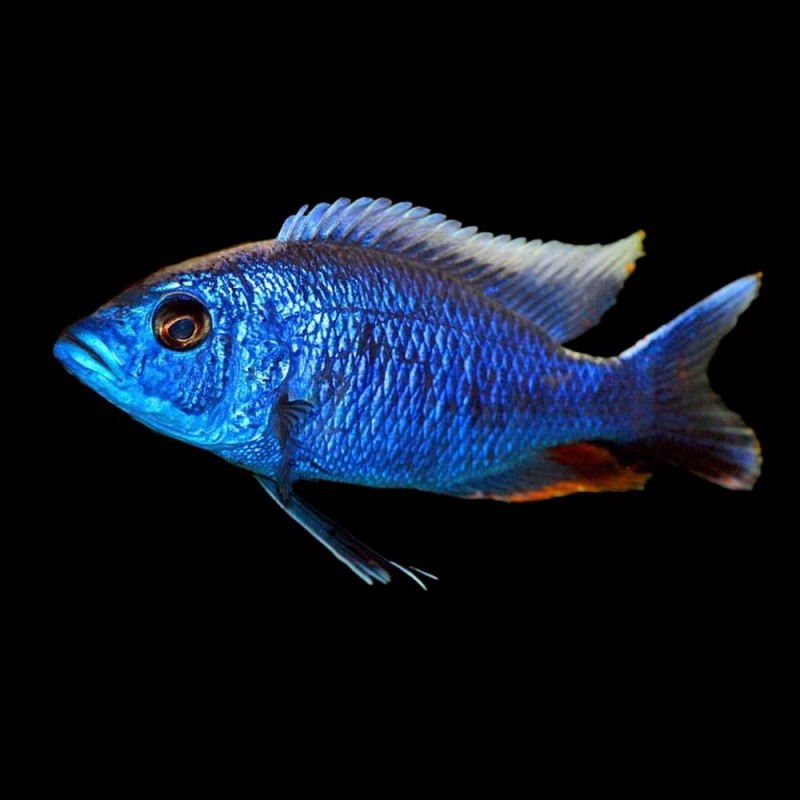
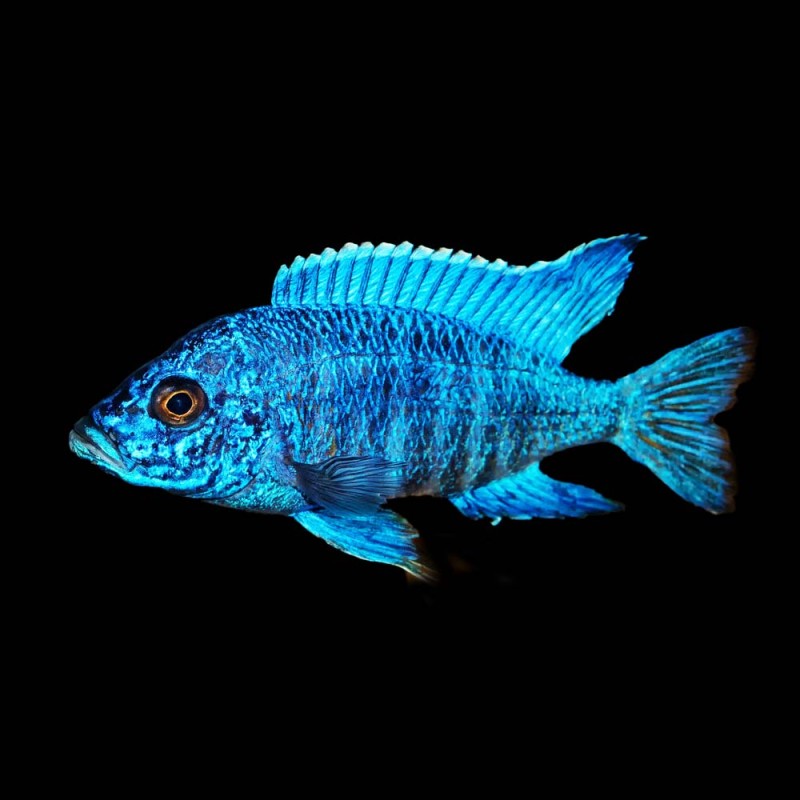
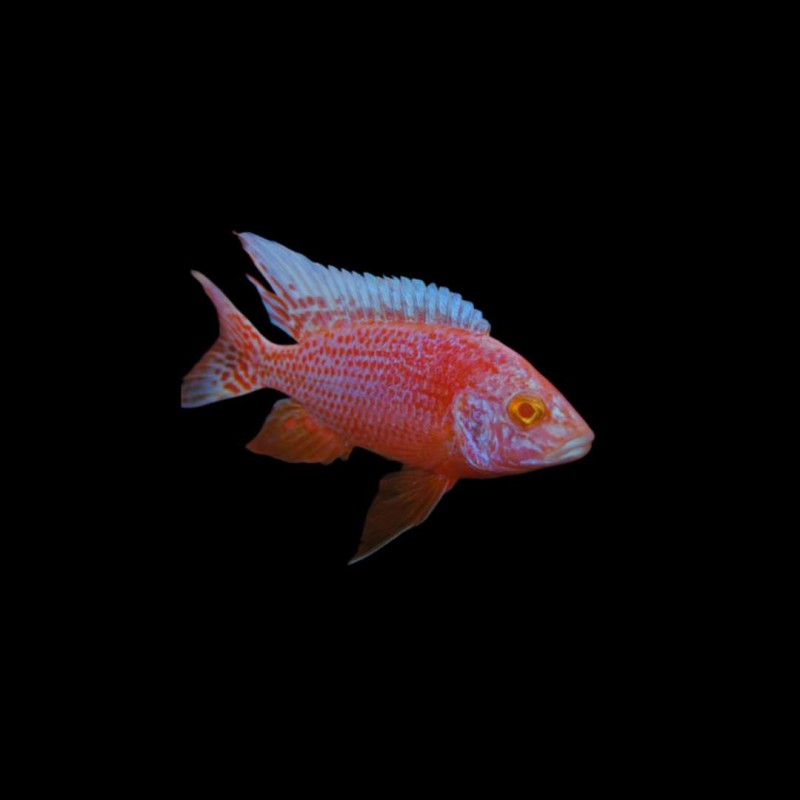
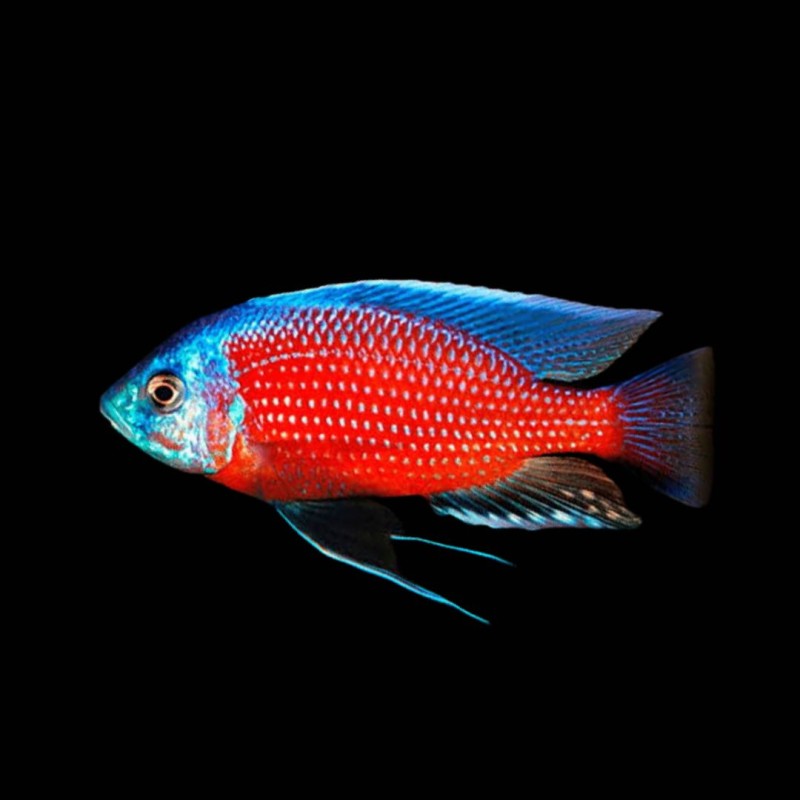
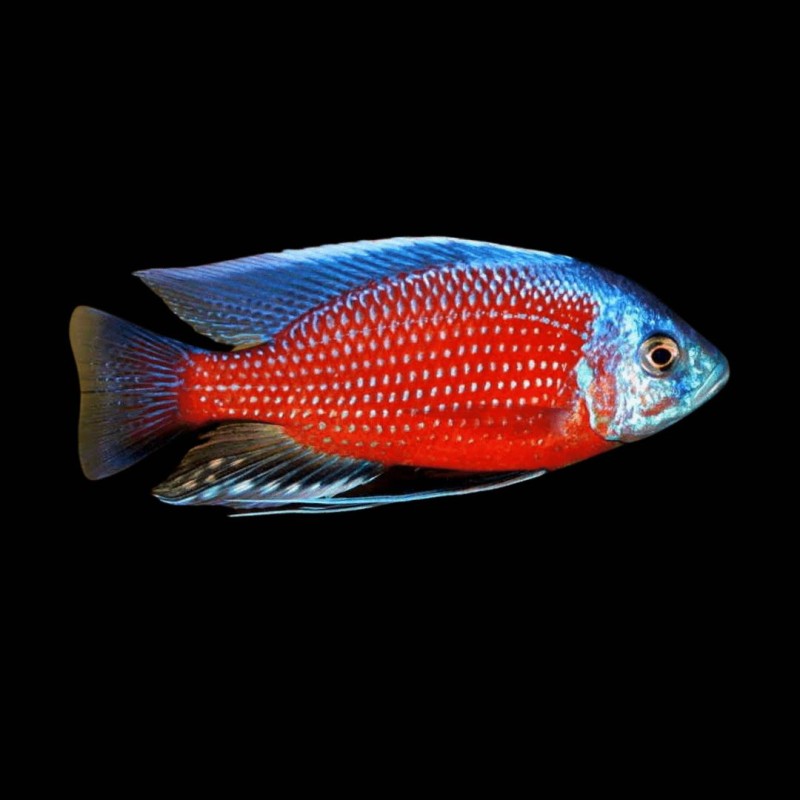
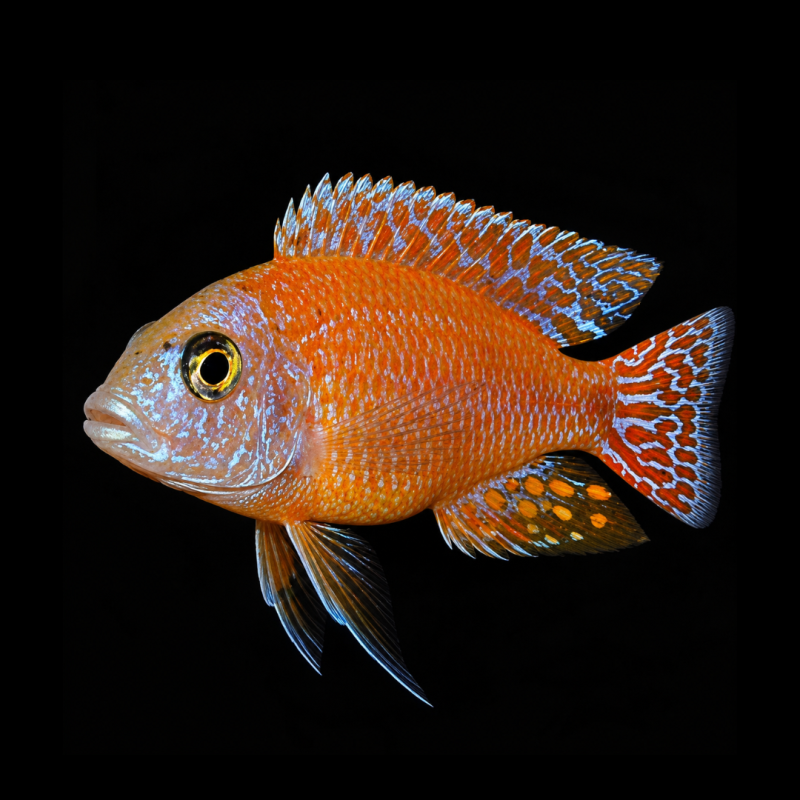
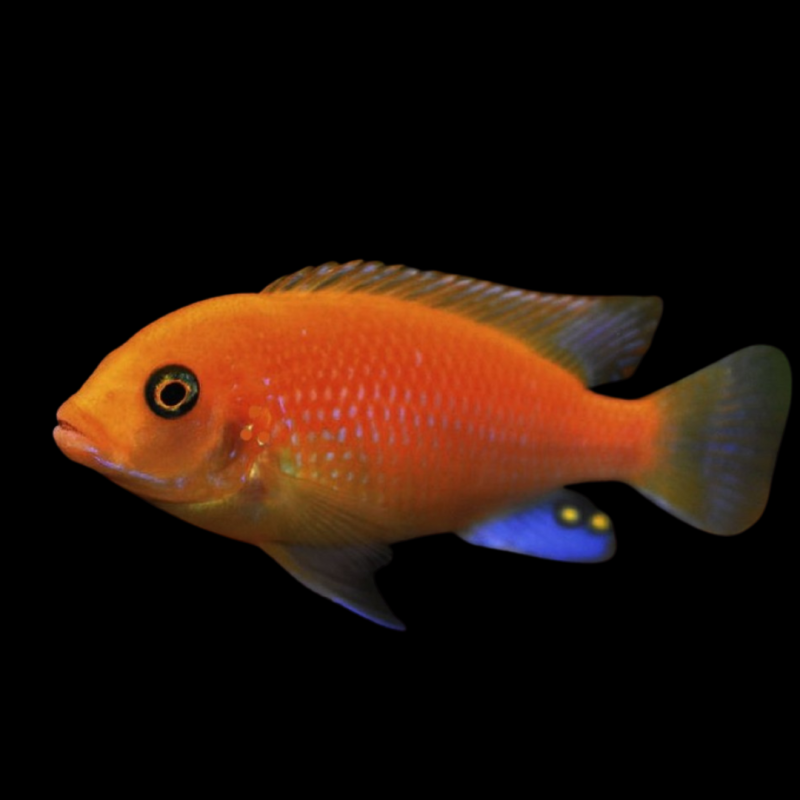
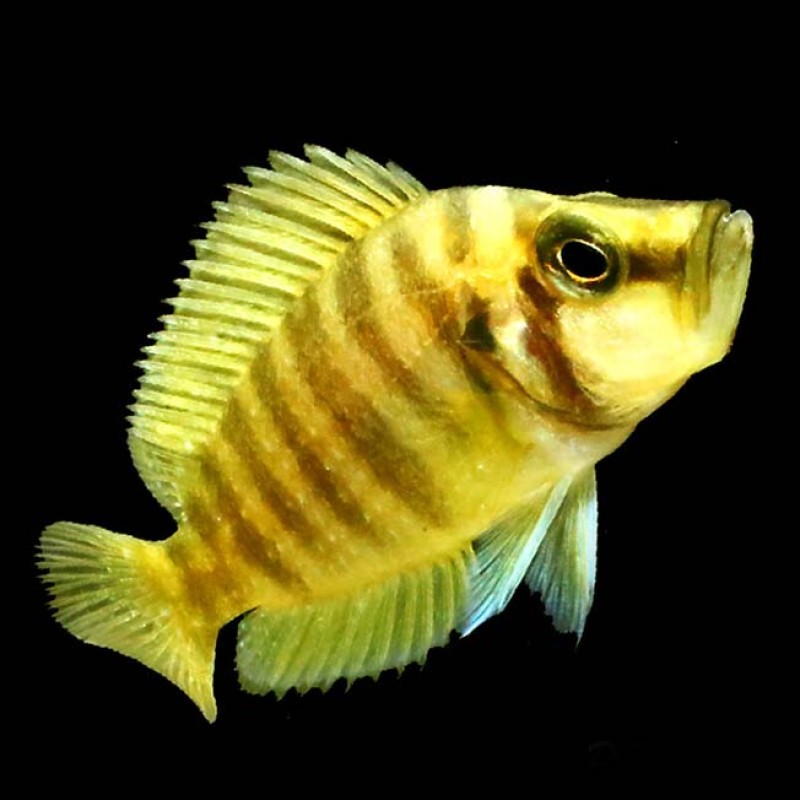
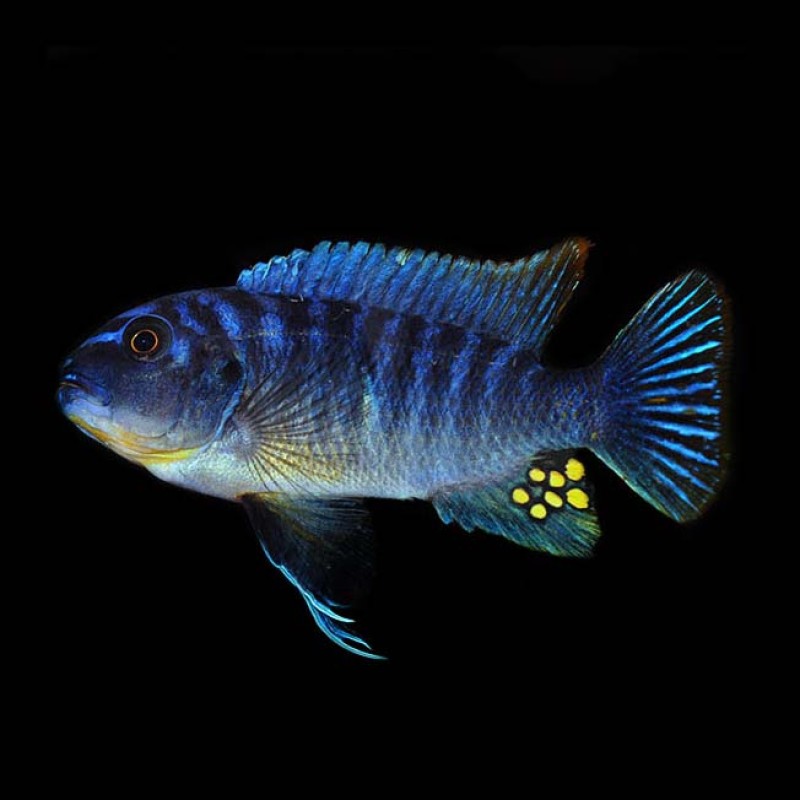
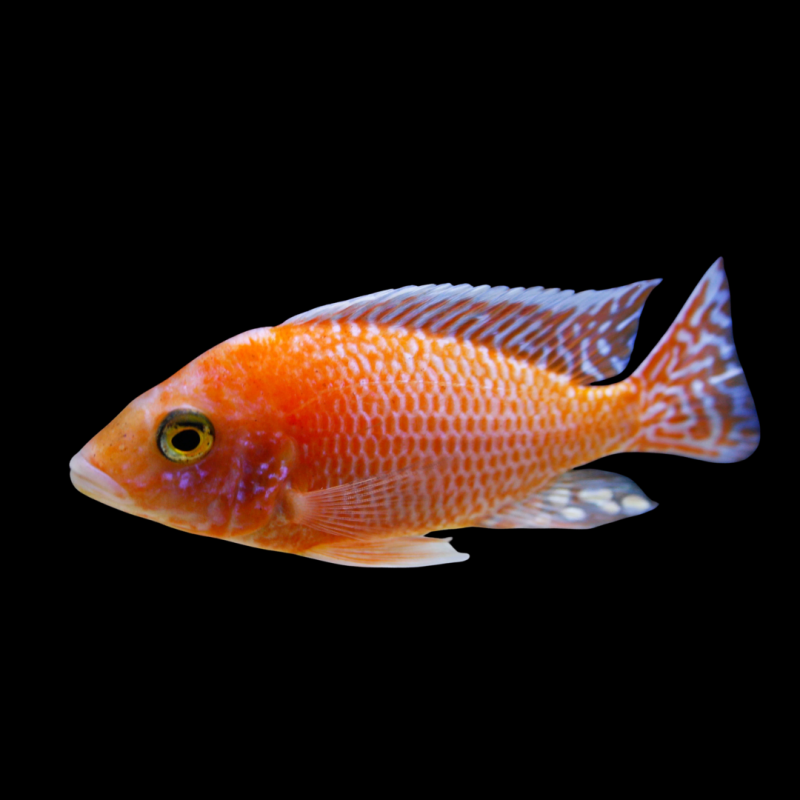
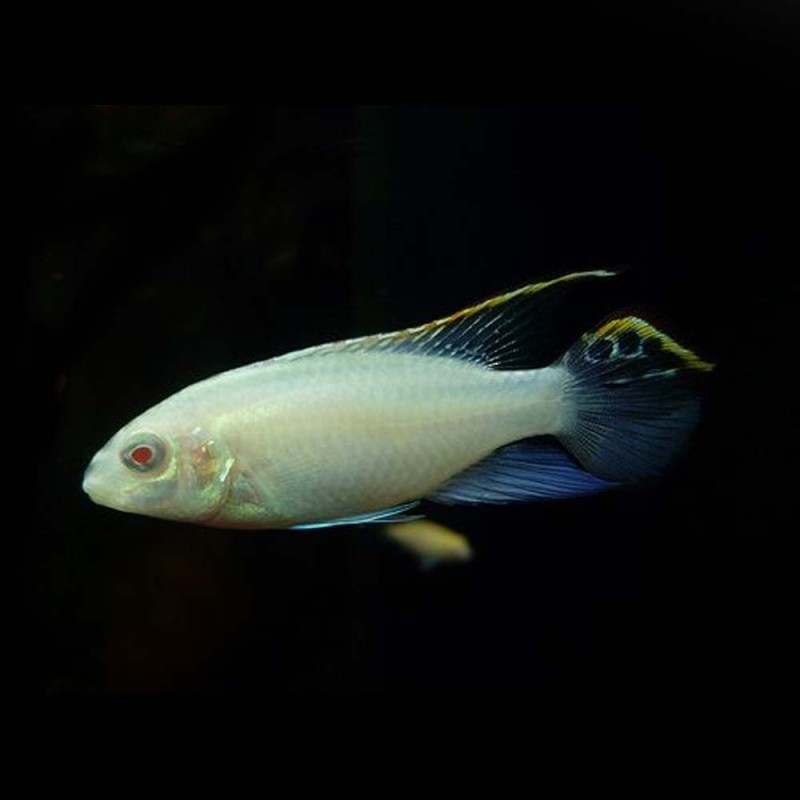
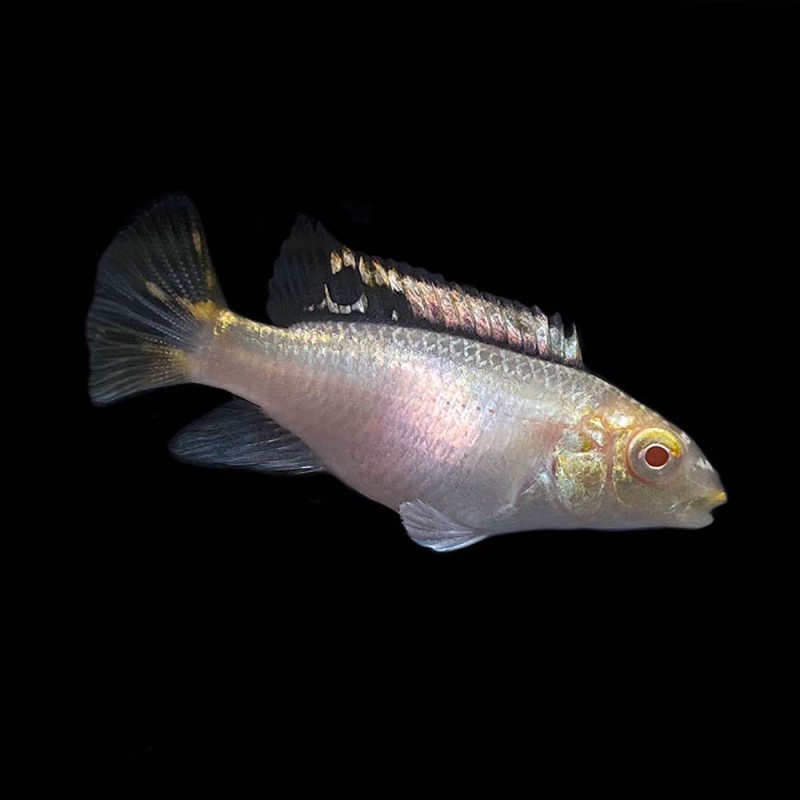
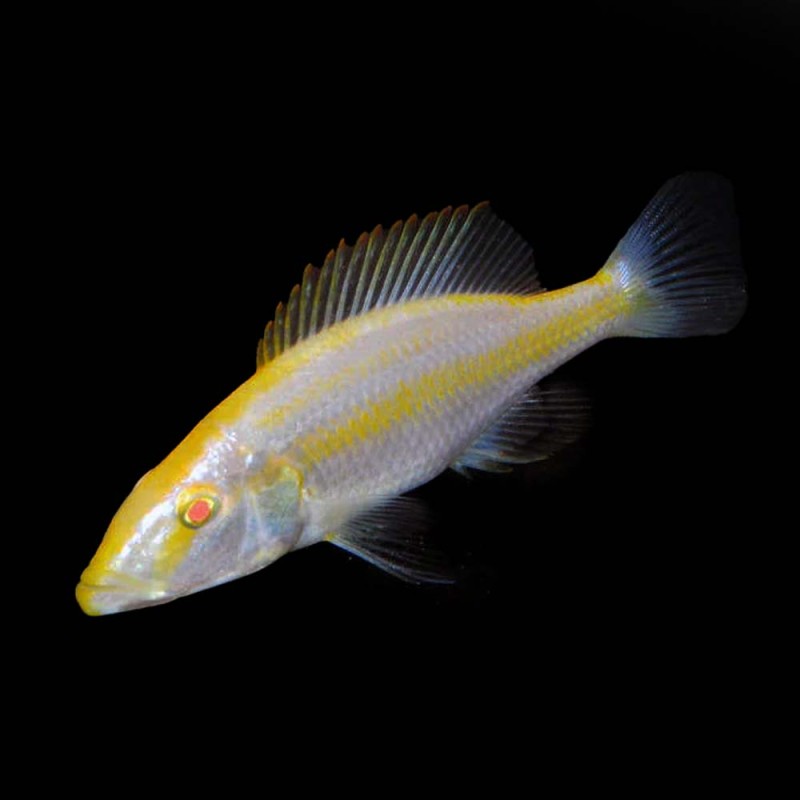
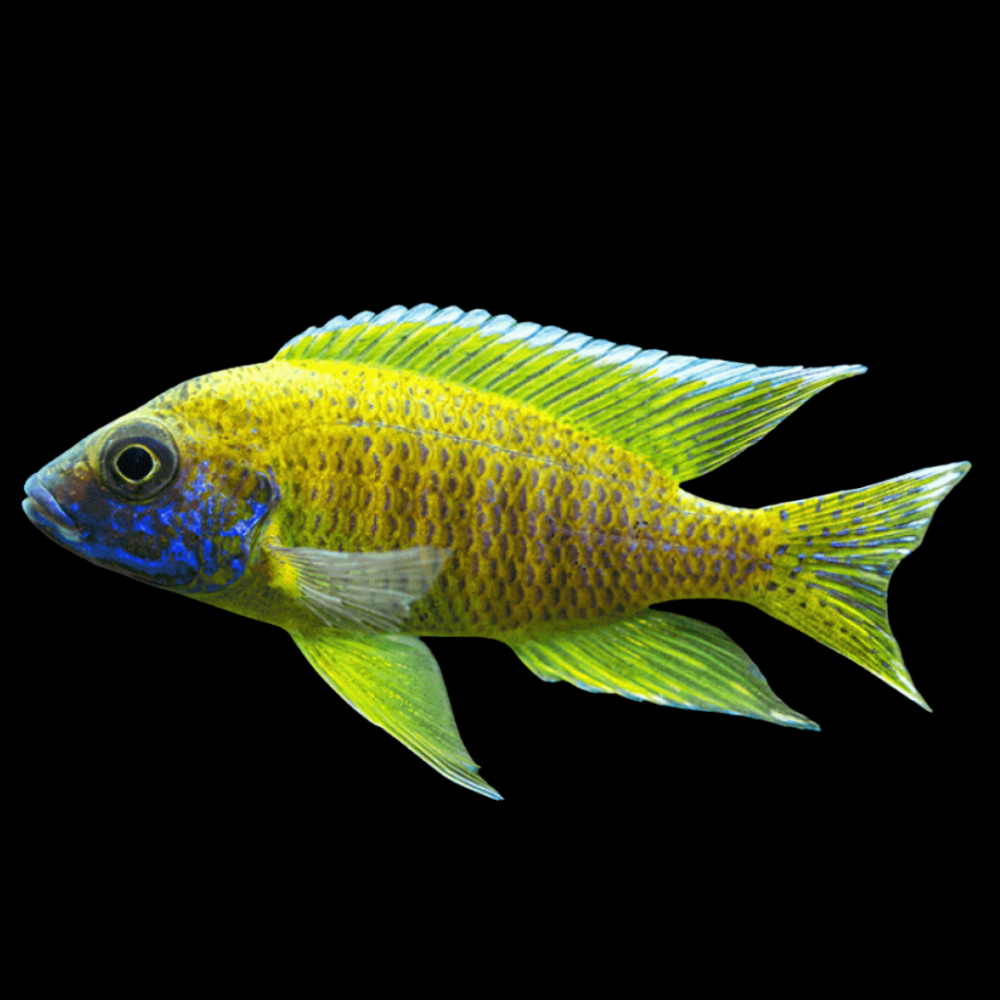
The Yellow Peacock Cichlid (*Aulonocara baenschi*) is a vibrant freshwater fish native to Lake Malawi in Africa. Known for its striking yellow coloration and peaceful temperament, the Yellow Peacock is a popular choice among aquarists looking to add colour and activity to their aquariums.
Physical Characteristics:

  • Size: Yellow Peacock Cichlids typically grow to about 10-12 cm (4-5 inches) in length.
  • Coloration:
    • Body: The body of the Yellow Peacock is predominantly bright yellow, often with shimmering blue or purple accents on the head and fins, particularly in males.
    • Fins: Their fins are elongated and can also exhibit blue or purple hues, enhancing their visual appeal.
    • Shape: Yellow Peacocks have a robust and streamlined body shape, typical of many cichlid species.

Behaviour:

  • Temperament: Yellow Peacock Cichlids are generally peaceful and can be housed with other non-aggressive fish. Males may display some territorial behaviour during breeding but are typically less aggressive than other cichlid species.
  • Activity Level: They are active swimmers and enjoy exploring their environment. Yellow Peacocks are known for their curious nature and often interact with their surroundings.
  • Community Behaviour: While they can be kept in community tanks, care should be taken to avoid housing them with overly aggressive species. They are best suited for a tank with similar-sized, peaceful fish.

Aquarium Care:

  • Tank Size: A minimum tank size of 190 litres (50 gallons) is recommended for a small group of Yellow Peacock Cichlids, as they require ample swimming space.
  • Water Parameters:
    • Temperature: Yellow Peacocks thrive in warm water, with an ideal temperature range of 24°C to 28°C (75°F to 82°F).
    • pH: They prefer slightly alkaline water, with a pH range of 7.5 to 8.5.
    • Hardness: They thrive in hard water, with a general hardness (GH) of 10-15 dGH.
  • Tank Setup:
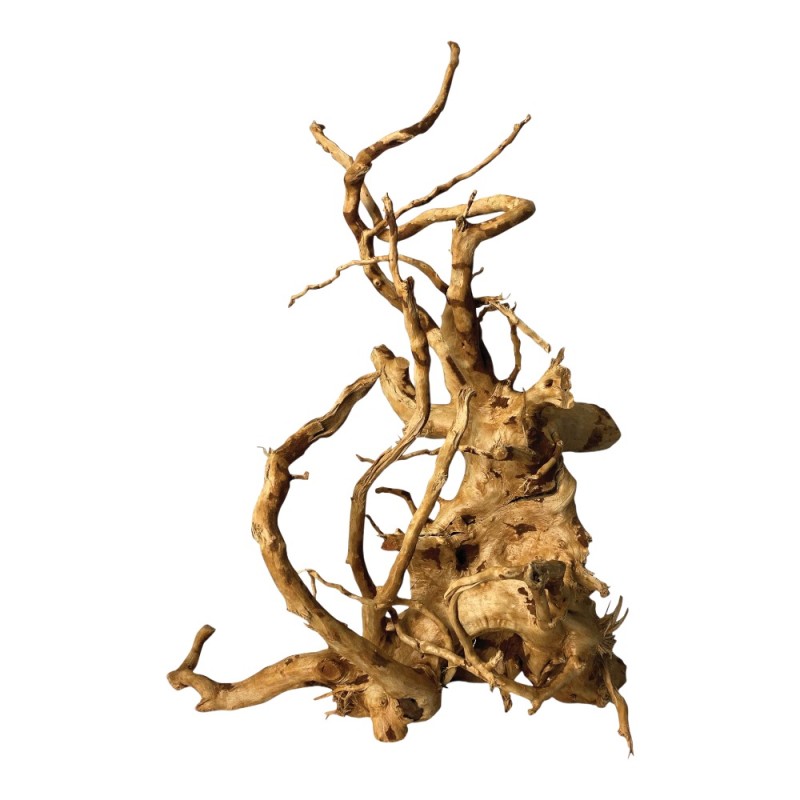
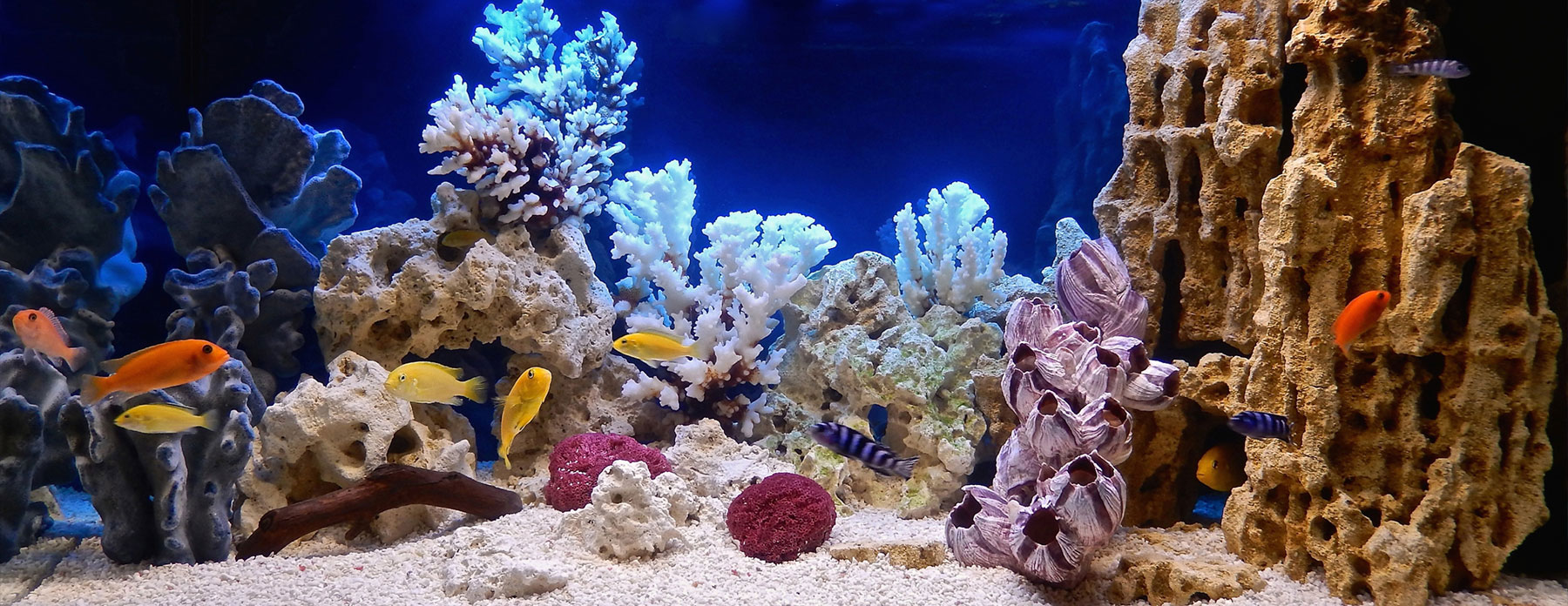
    • Substrate and Decorations: A sandy substrate is ideal for Yellow Peacocks. They appreciate a well-decorated tank with caves and hiding spots made from rocks and driftwood, mimicking their natural habitat.
    • Lighting: Moderate lighting is suitable for showcasing their vibrant colours while providing shaded areas for hiding.
    • Filtration: A strong filtration system is essential to maintain water quality. Regular water changes (about 20% weekly) are necessary to prevent the buildup of harmful substances.

Diet:

Yellow Peacock Cichlids are omnivorous and require a balanced diet to thrive:

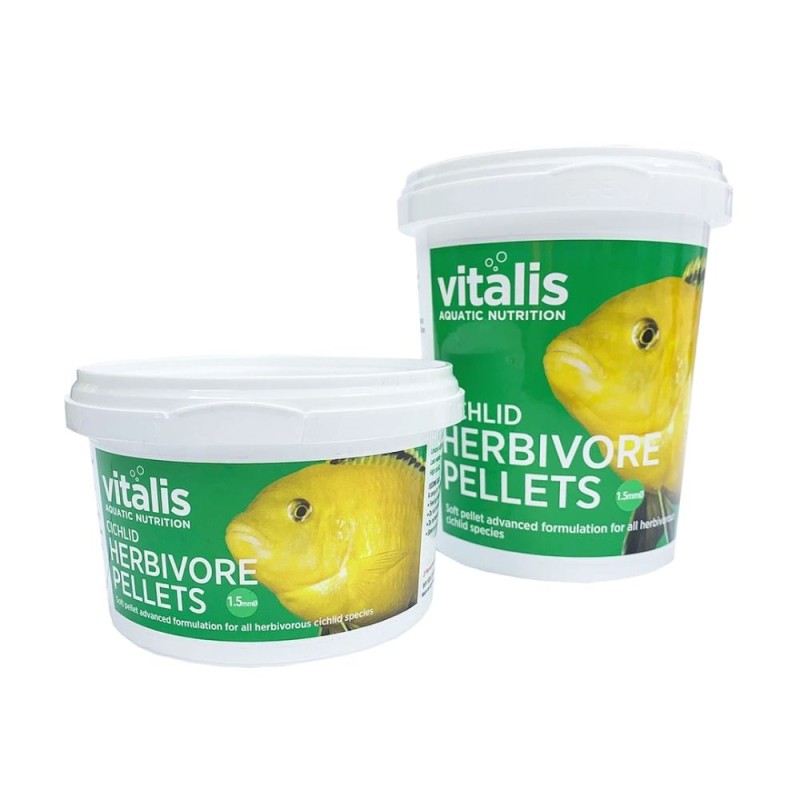
  • Pellets: High-quality cichlid pellets should form the staple of their diet, designed to meet their nutritional needs.
  • Live or Frozen Foods: Offer live or frozen foods such as brine shrimp, bloodworms, and daphnia to provide essential protein and variety.
  • Occasional Treats: Vegetables like blanched zucchini or spinach can be offered occasionally to supplement their diet.

Breeding:

Breeding Yellow Peacock Cichlids can be rewarding:

  • Breeding Setup: A separate breeding tank with ample hiding spots and flat surfaces for egg-laying is ideal. The water should be warm (around 26°C to 28°C or 79°F to 82°F) and slightly alkaline.
  • Spawning Behaviour: Males will display to attract females, performing a dance-like behaviour. After spawning, the female will lay eggs on a flat surface, and the male will fertilise them.
  • Fry Care: Once the fry are free-swimming, they can be fed with infusoria or newly hatched brine shrimp. The male may help guard them for a short time after release.

Special Considerations:

  • Social Structure: Yellow Peacock Cichlids are social fish that benefit from being kept in groups. However, ensure that the tank is spacious enough to prevent territorial disputes.
  • Water Quality: Maintaining excellent water quality is crucial for their health. Regular monitoring and maintenance are necessary to keep them healthy.

Write a review

Please login or register to review
File Name Link
7 How to care for Tetras, Rasboras and Danios.pdf
(Total downloads: 4008)
Download
1