

- Stock: Generally In Stock
Please Note: Due to variations within species, your fish may not look identical to the image provided. Also note not all sizes or species may be available due to seasonality, Please call beforehand for up-to-date stock availability.
- Model: -
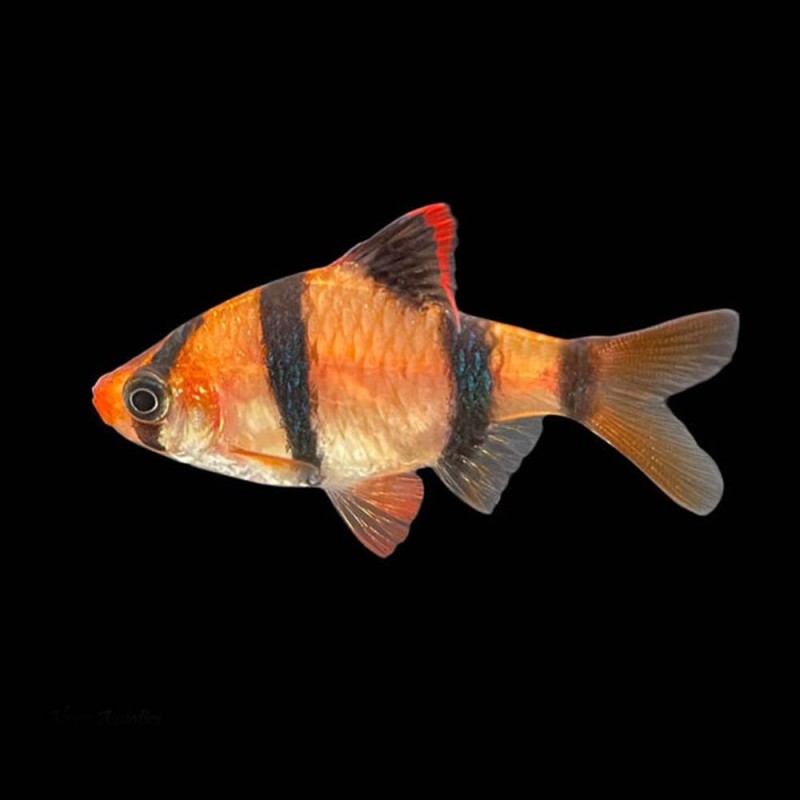
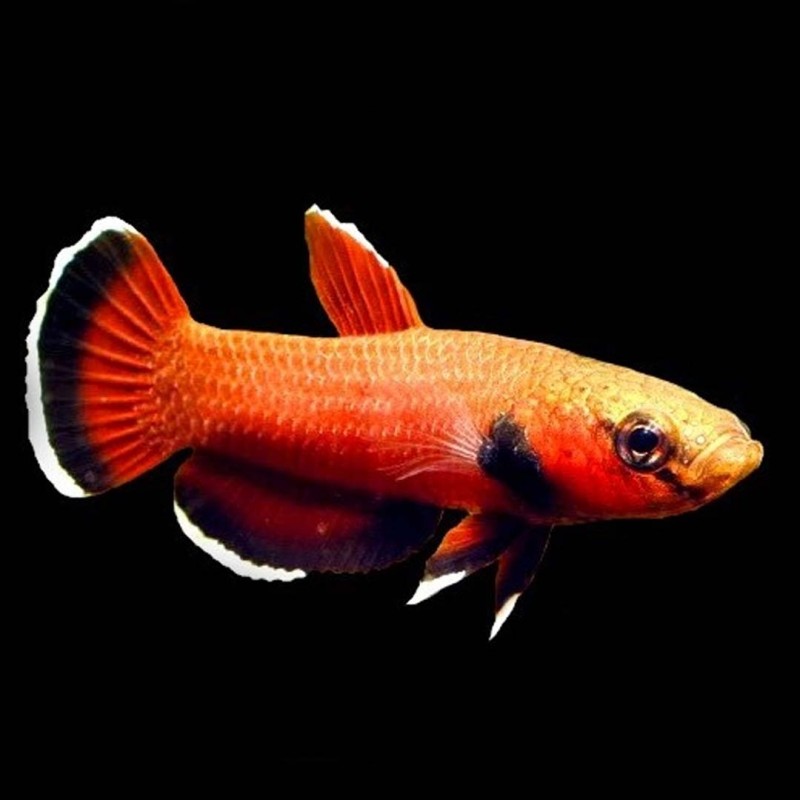
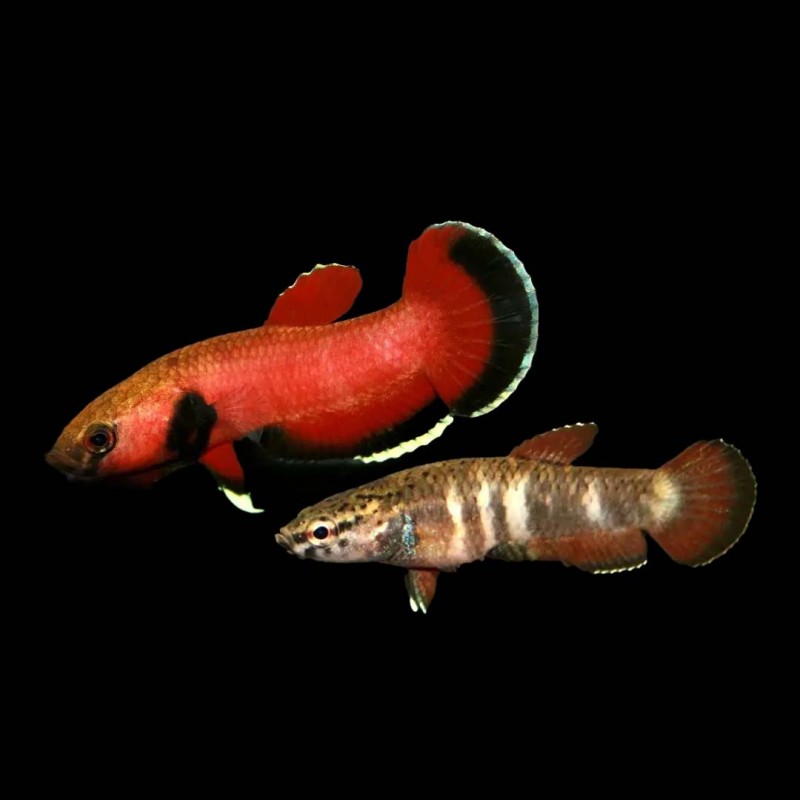
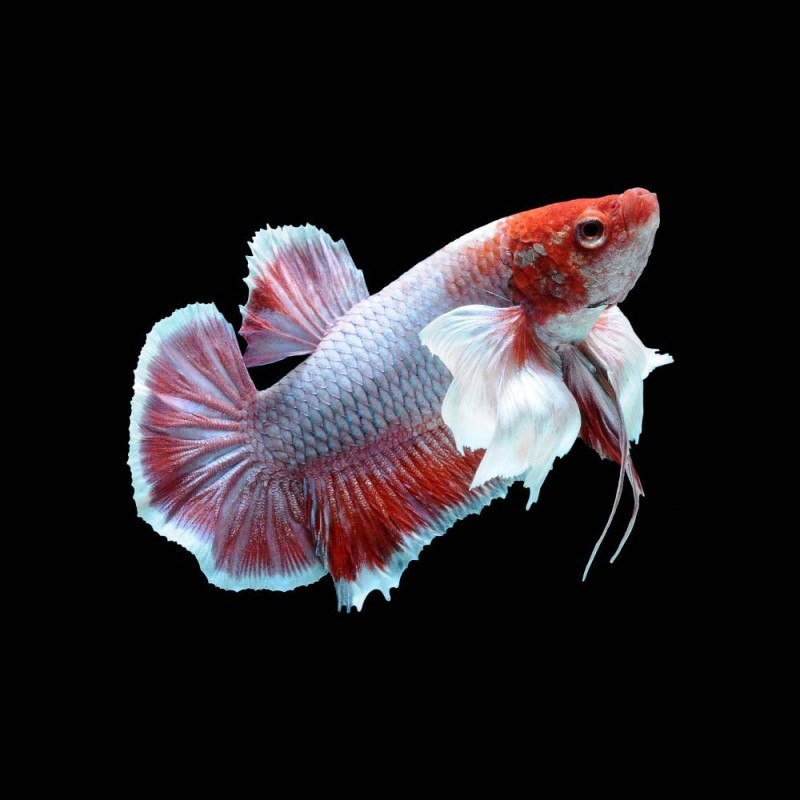
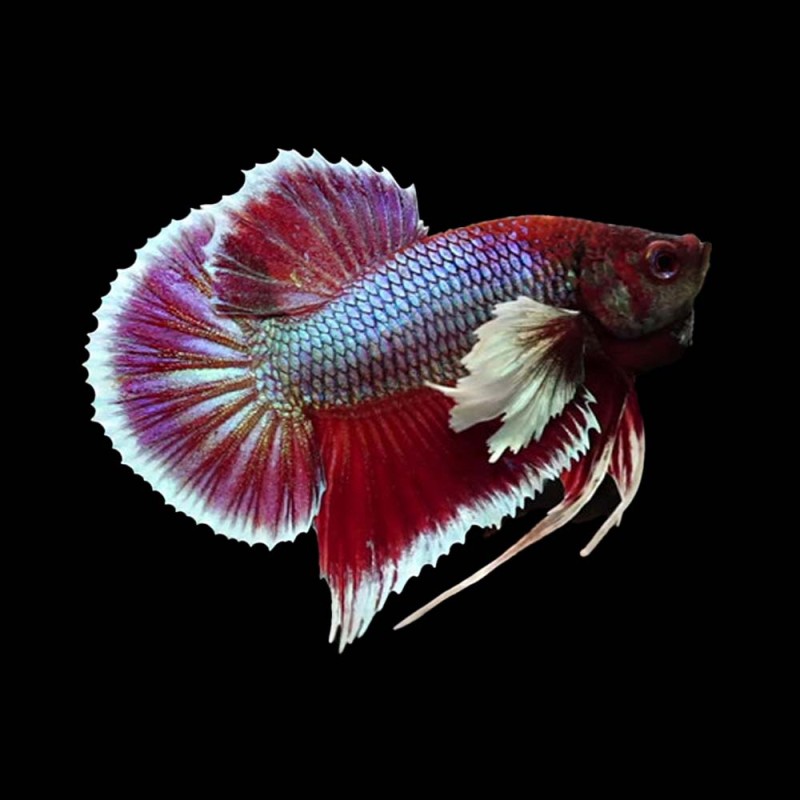
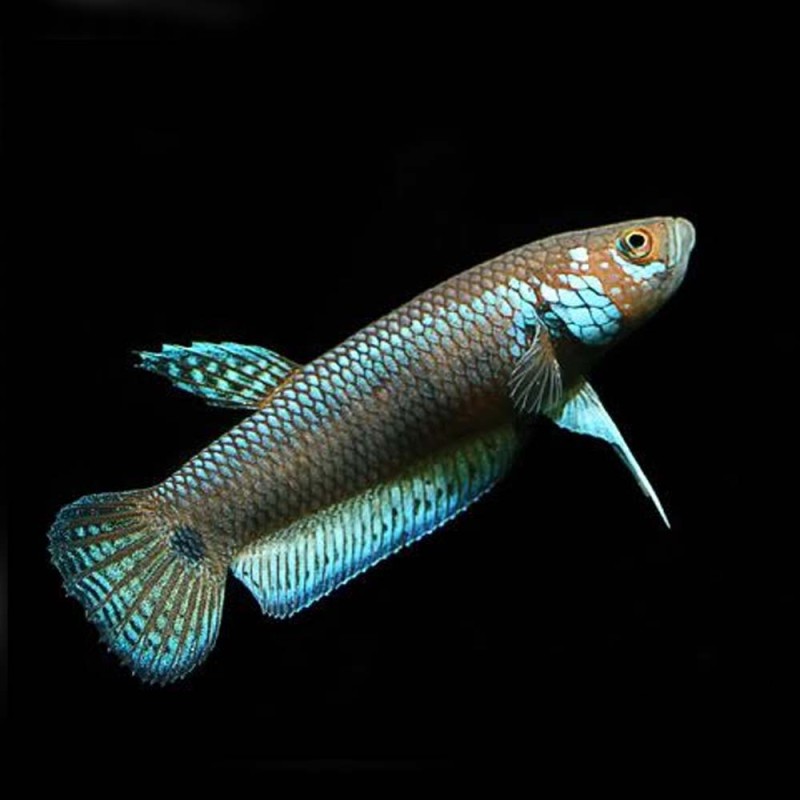
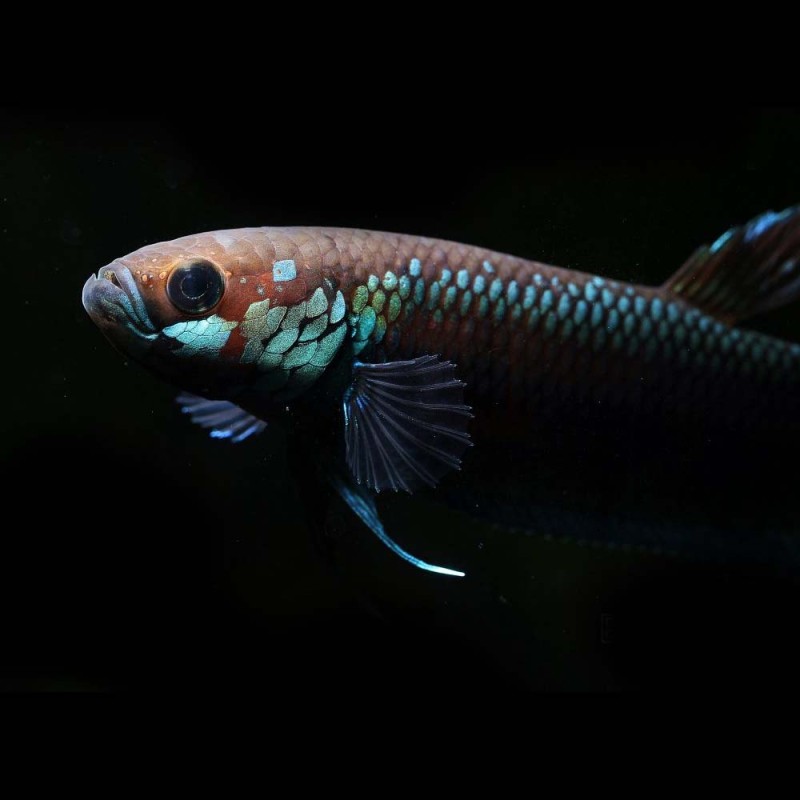
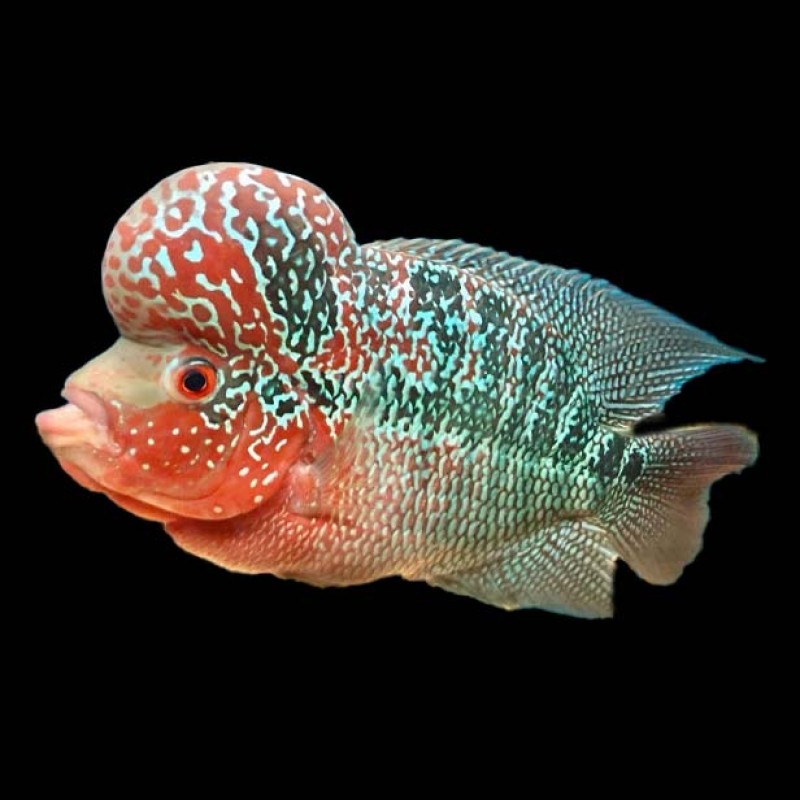
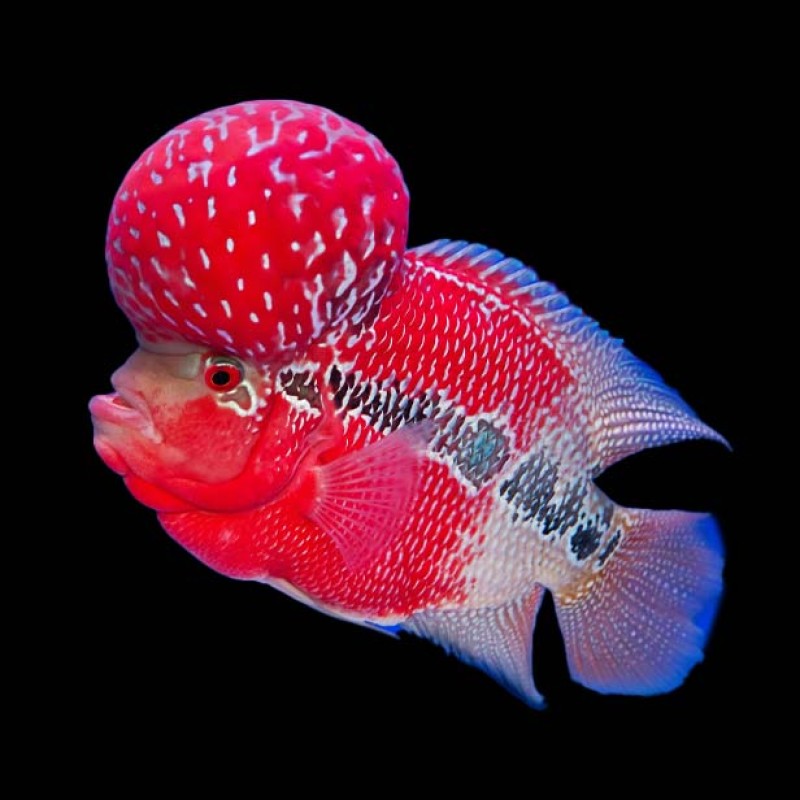
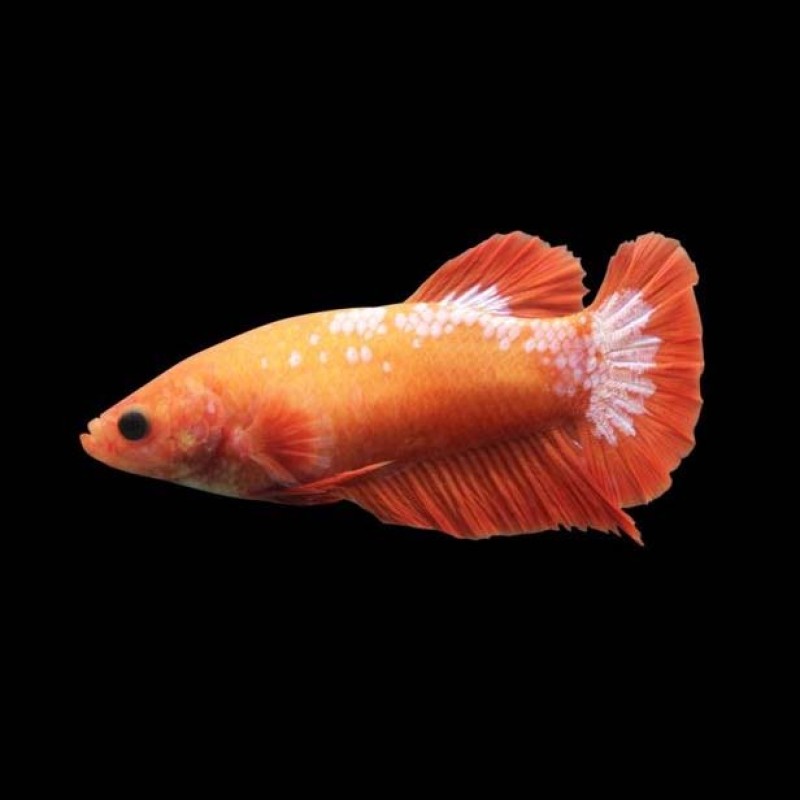
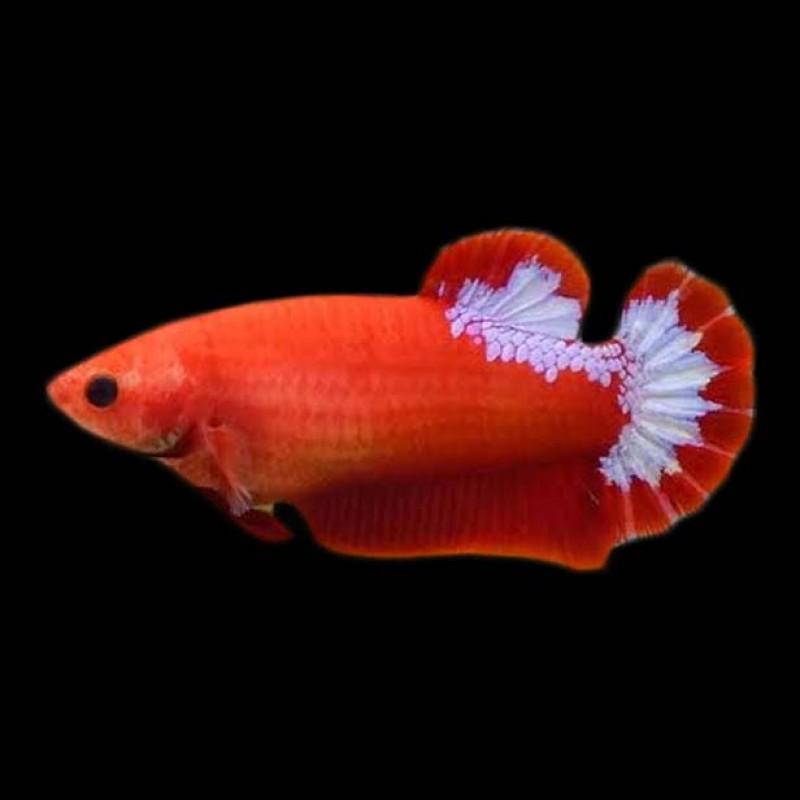
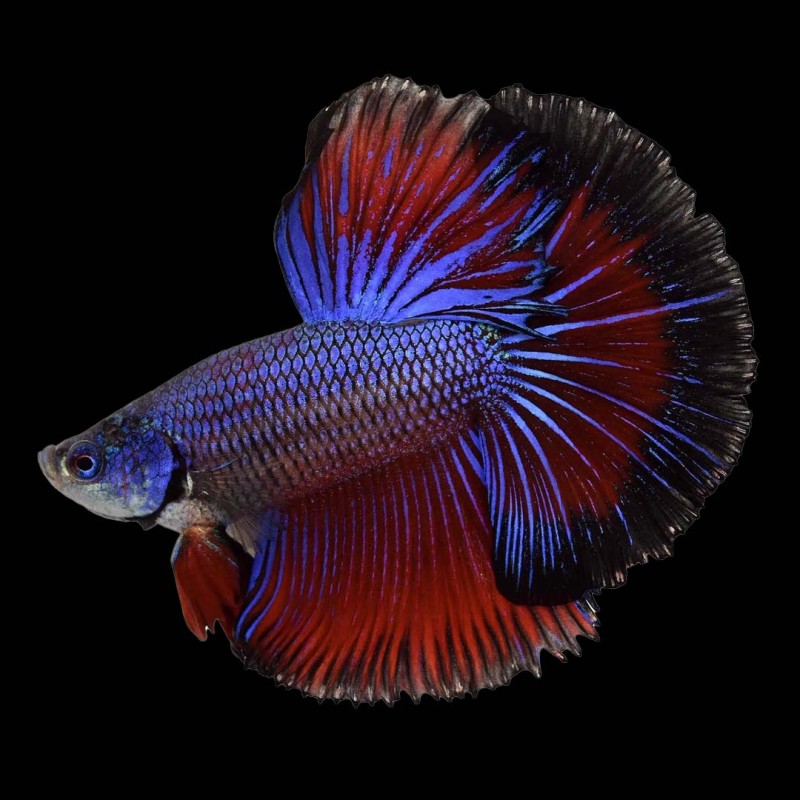
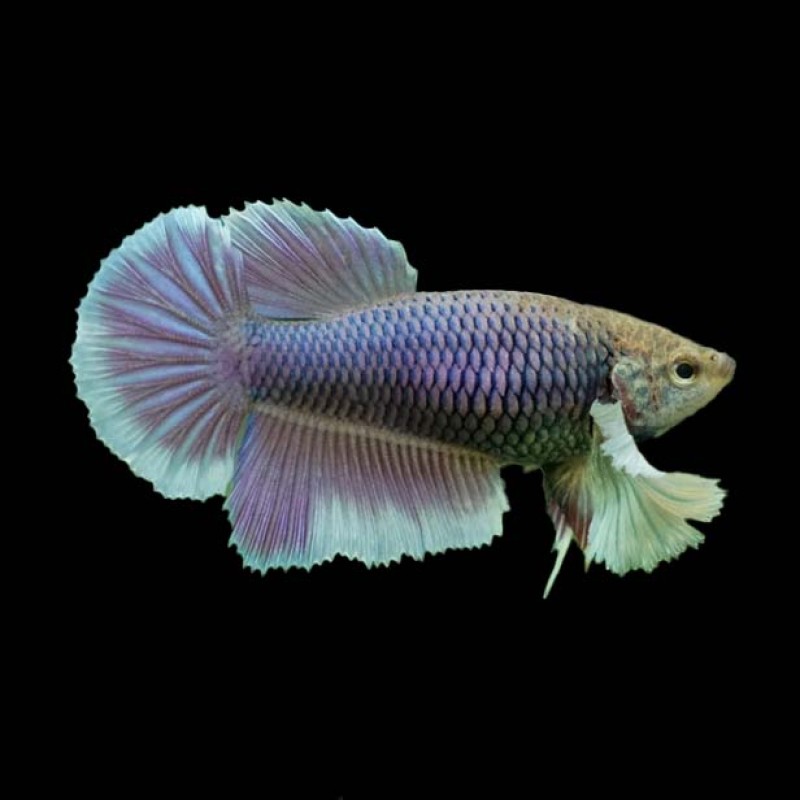
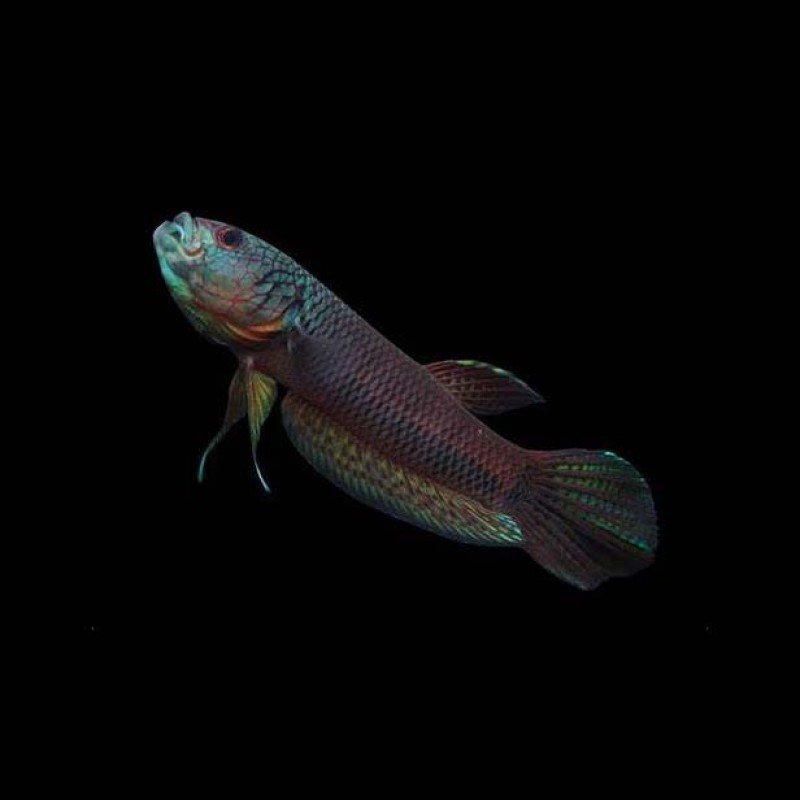
The Hellboy Betta (Betta splendens) is a stunning variant of the popular domesticated betta fish, known for its vivid and fiery red coloration, which is often mixed with other bold hues such as black, white, and iridescent blue or green. The Hellboy Betta male is particularly prized for its striking appearance, strong personality, and long, flowing fins. This variant was selectively bred to achieve its unique, intense colors, and its fiery look has made it one of the most sought-after types of bettas in the aquarium trade.
Physical Characteristics:
- Size: Male Hellboy Bettas typically grow to about 6-7 cm (2.4-2.8 inches) in length.
- Coloration:
- Body: Hellboy Bettas are characterized by their deep red coloration, which is usually the dominant color. This red is often complemented by other striking hues such as black, white, and metallic blue or green, which can appear in patterns or splashes across the body and fins.
- Fins: The Hellboy Betta male typically has long, flowing fins, which are often red or multicolored, matching the body. Their fins can be of various types (veiltail, crowntail, halfmoon, etc.), depending on the specific breeding line.
- Shape: The males have more elongated fins than females, giving them a dramatic, elegant appearance. The combination of their flowing fins and vivid coloration makes them visually striking.
Behavior:
- Temperament: Male Hellboy Bettas, like other male bettas, are aggressive and territorial, especially toward other male bettas or fish with similar appearances. They will flare their gills and fins to display dominance and may attack other males if housed together. However, they can also be interactive and responsive to their owners, recognizing movement outside the tank.
- Activity Level: Hellboy Bettas are active swimmers and enjoy exploring their environment. They may spend time patrolling their territory and interacting with objects in the tank. When they see their reflection, they are likely to flare their fins, showcasing their stunning colors.
- Community Behavior: Male Hellboy Bettas are best kept alone or in a community tank with carefully chosen tankmates. Due to their aggressive nature, they should not be housed with other male bettas or fish with long, flowing fins, as this can trigger aggression.
Aquarium Care:
- Tank Size: A minimum tank size of 10 liters (2.5 gallons) is recommended for a single Hellboy Betta male, though a larger tank (20 liters or more) is ideal to maintain better water quality and allow for more swimming space. If kept in a community tank, at least 40 liters (10 gallons) is recommended.
- Water Parameters:
- Temperature: Hellboy Bettas thrive in warm water, with an ideal temperature range of 24°C to 28°C (75°F to 82°F).
- pH: Slightly acidic to neutral water is preferred, with a pH range of 6.0 to 7.5.
- Hardness: Soft to moderately hard water, with a general hardness (GH) of 3-8 dGH.
- Tank Setup:
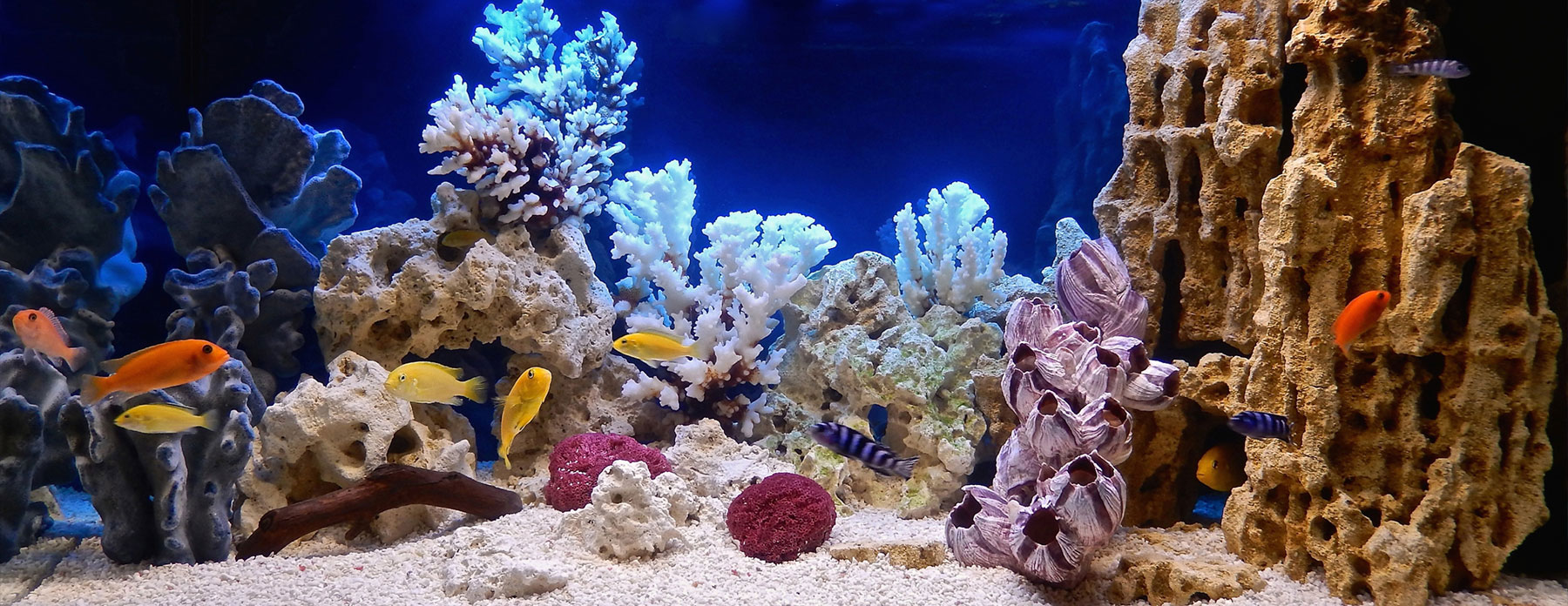
- Substrate and Decorations: A soft, sandy substrate is recommended. Hellboy Bettas appreciate a well-decorated tank with live plants such as Java fern, Anubias, or floating plants like Amazon frogbit. These plants provide hiding spots and shaded areas, helping reduce stress and mimic their natural environment. Driftwood and smooth rocks can also enhance the tank's aesthetic while ensuring there are no sharp edges that could damage their delicate fins.
- Lighting: Moderate lighting will enhance their vibrant coloration without causing stress. Floating plants can help diffuse the light and create more natural, shaded areas.
- Filtration: A gentle filtration system is recommended, as Hellboy Bettas prefer calm water without strong currents. A sponge filter or low-flow filter works best. Regular water changes (about 20% weekly) are important for maintaining water quality and preventing diseases.
Diet:
Hellboy Bettas are carnivores and require a protein-rich diet to maintain their health and vibrant colors. Their diet should include:
- Pellets: High-quality betta-specific pellets or micro-pellets should form the staple of their diet. These are formulated to meet their dietary needs.
- Live or Frozen Foods: Offer live or frozen foods such as brine shrimp, bloodworms, and daphnia to provide essential protein and variety. These foods also help enhance their colors.
- Occasional Treats: Freeze-dried bloodworms or tubifex worms can be offered occasionally, but they should not form the bulk of the diet, as they can cause bloating if overfed.
Tankmates:
Hellboy Bettas can be housed in community tanks, but careful consideration must be given to their tankmates due to their aggressive nature. Suitable tankmates include:
- Small, peaceful fish: Such as Neon Tetras, Harlequin Rasboras, or Ember Tetras.
- Bottom-dwellers: Corydoras catfish or Kuhli loaches, which tend to stay at the bottom of the tank and avoid conflict.
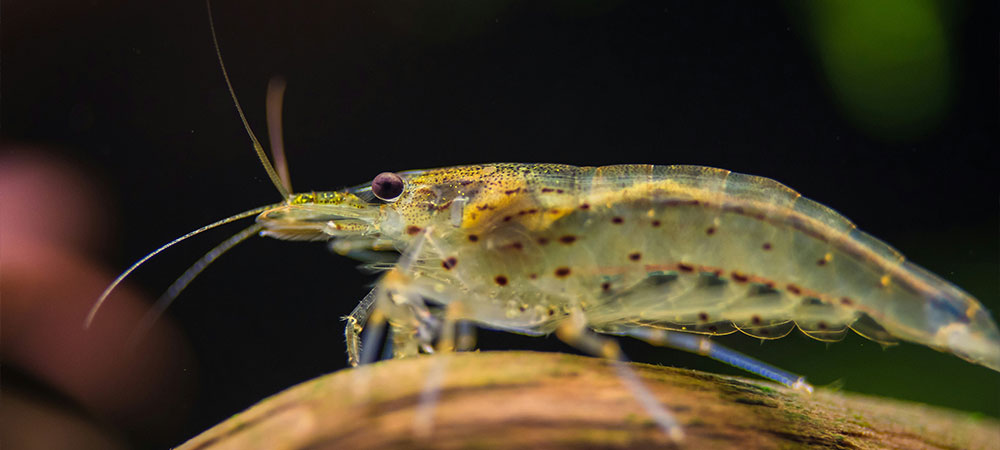
- Shrimp or snails: Peaceful invertebrates like Amano shrimp, Cherry shrimp, or Nerite snails can coexist well with bettas as they occupy different areas of the tank.
Avoid housing Hellboy Bettas with other male bettas, fin-nipping fish (such as Tiger Barbs), or fish with long, flowing fins, as they may trigger aggression.
Breeding:
Breeding Hellboy Bettas follows the same process as breeding other bettas but requires a dedicated breeding setup.
- Breeding Setup: A separate breeding tank with shallow water (about 15 cm or 6 inches deep) is recommended. The water should be warm (around 26°C to 28°C or 79°F to 82°F) and slightly acidic (pH 6.0-6.5). Provide floating plants or a bubble nest-friendly surface, such as a piece of Styrofoam, for the male to build his nest.
- Spawning Behavior: The male will court the female, guiding her to the bubble nest. After spawning, the male will gather the eggs into the bubble nest and guard them until they hatch, which usually takes about 24-48 hours.
- Fry Care: Once the fry become free-swimming, the male should be removed to prevent him from eating the fry. The fry can be fed with infusoria or newly hatched brine shrimp.