

Menu
Menu
Your Cart

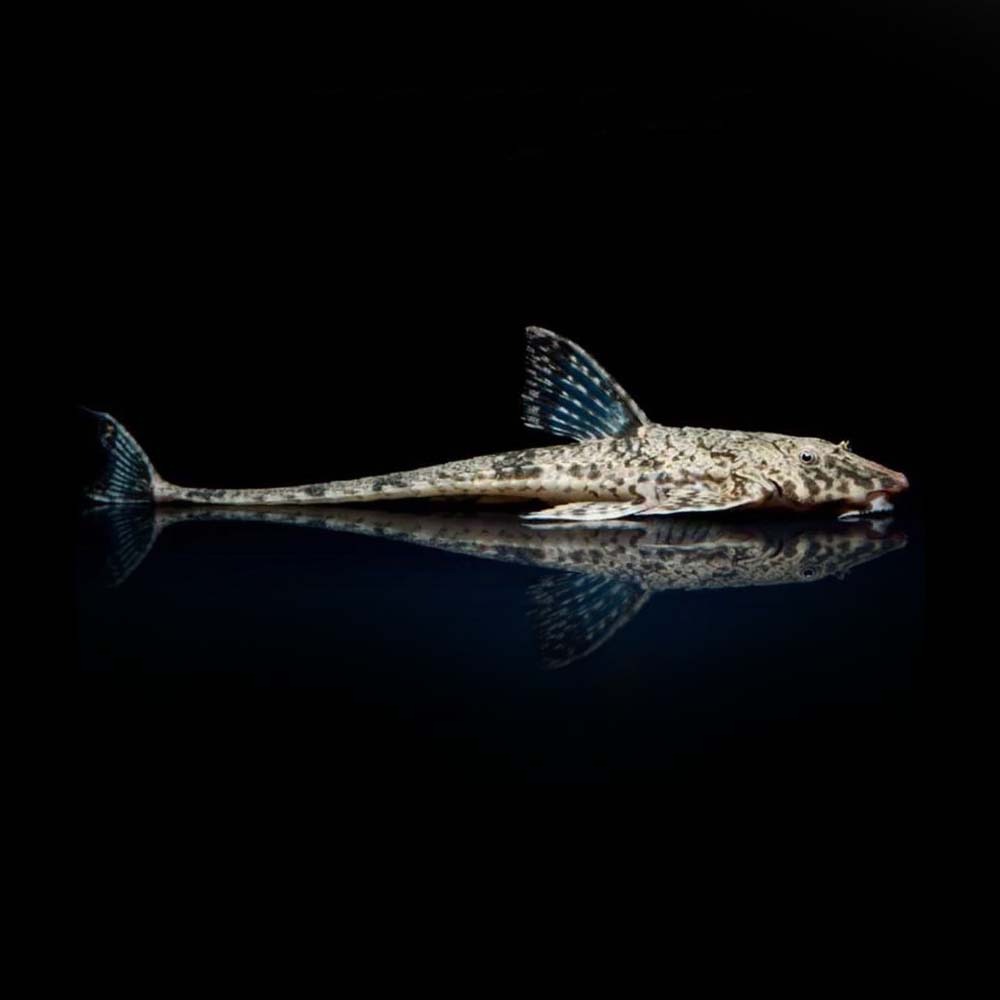
Whip Tail Catfish

Whip Tail Catfish
Whip Tail Catfish
€19.99
Ex Tax: €16.25
  • Stock: Generally In Stock
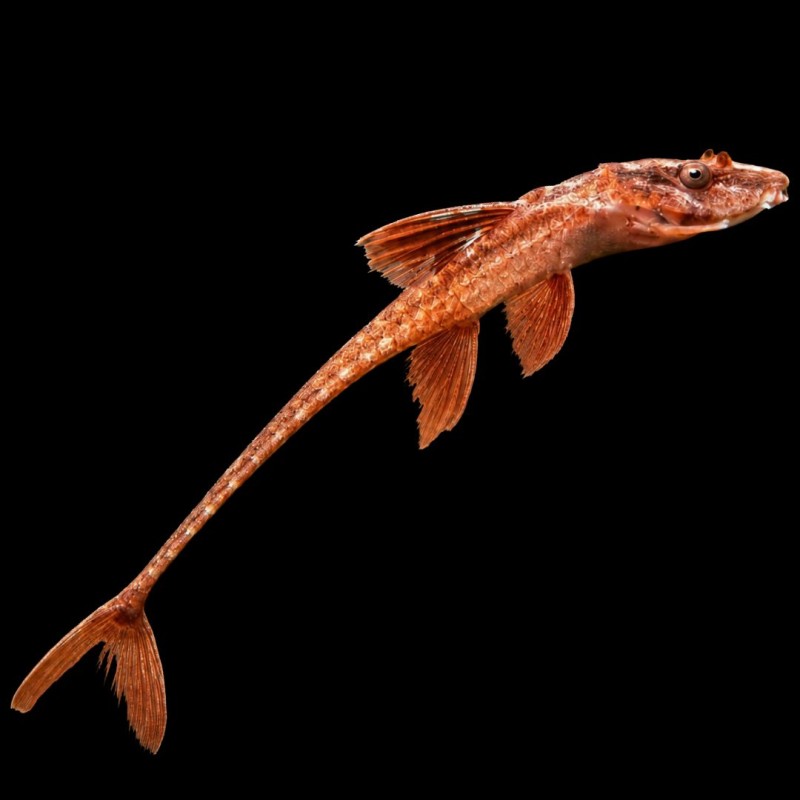
  • Please Note: Due to variations within species, your fish may not look identical to the image provided. Also note not all sizes or species may be available due to seasonality, Please call beforehand for up-to-date stock availability.

  • Model: -

Whip Tail Catfish

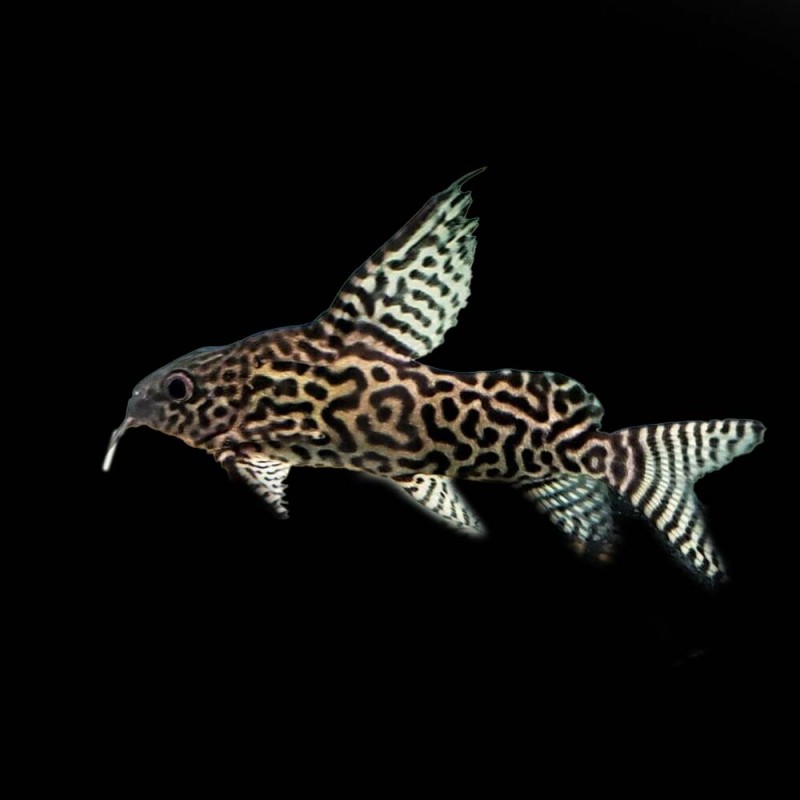
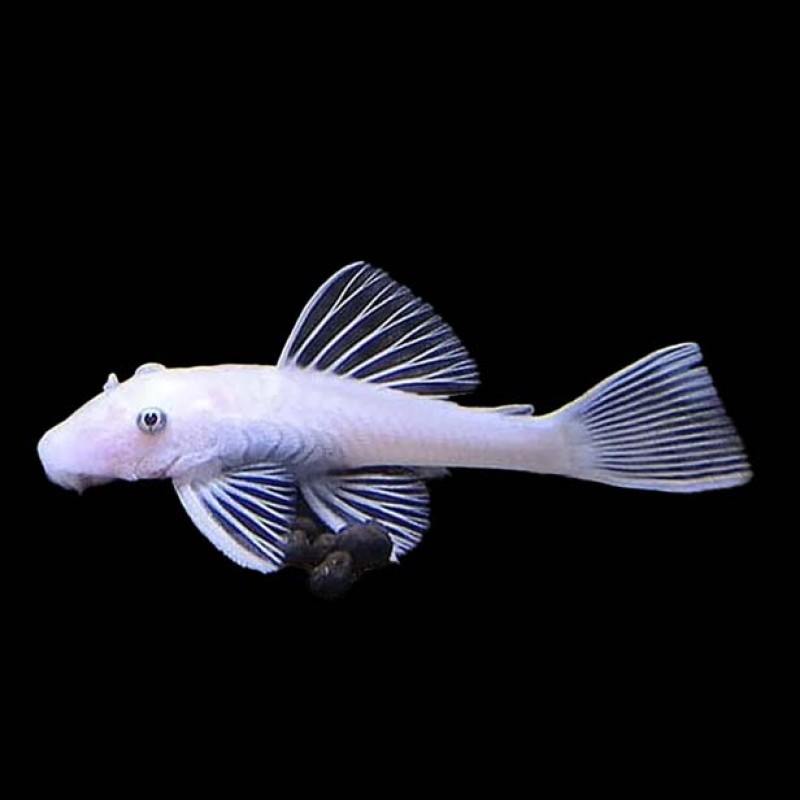
The Whip Tail Catfish (*Rineloricaria spp.*) is a unique and fascinating species of catfish native to the freshwater rivers and streams of South America. Known for its elongated body and distinctive whip-like tail, this catfish is a popular choice among aquarium enthusiasts looking for an interesting and unusual addition to their tanks.

Physical Characteristics:

  • Size: Whip Tail Catfish typically grow to about 15-20 cm (6-8 inches) in length, depending on the species.
  • Coloration:
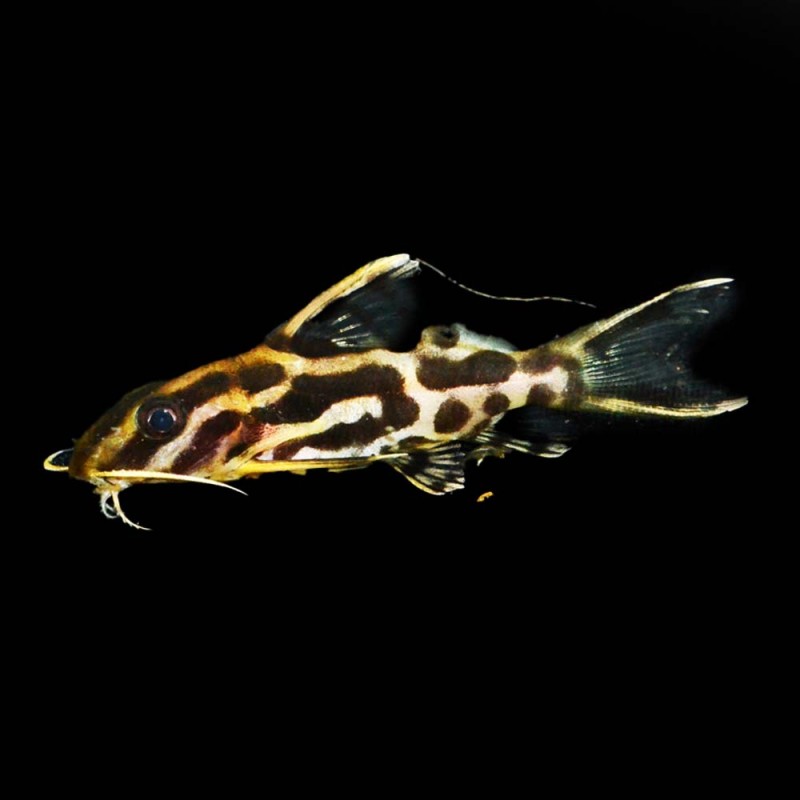
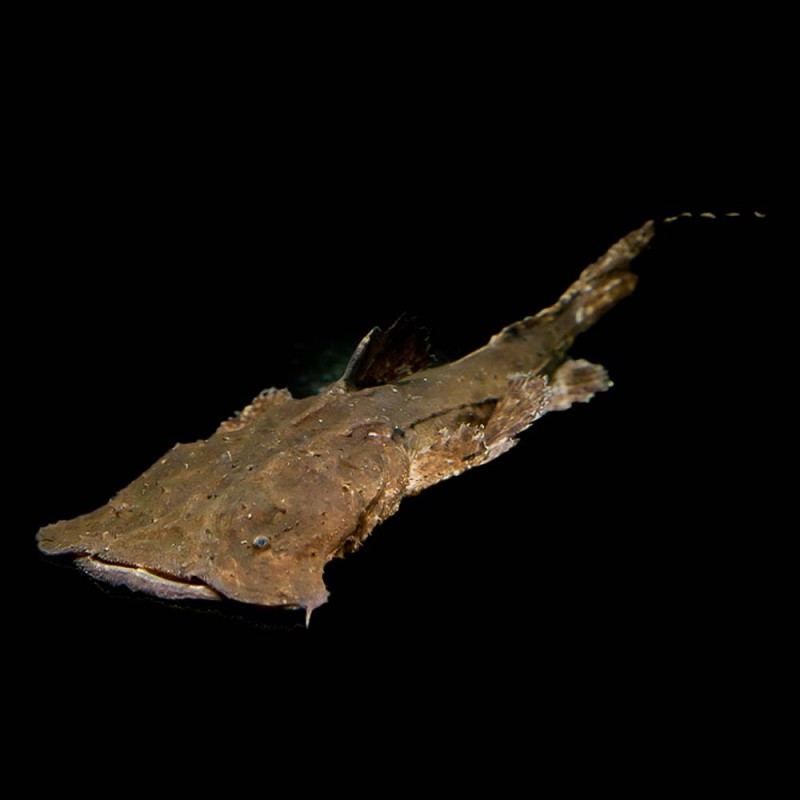
    • Body: They often exhibit a light brown or tan coloration with darker spots or patterns that help them blend into their environment.
    • Fins: Their fins are usually translucent with a slight yellowish tint, contributing to their overall understated appearance.
  • Shape: The body is elongated and laterally compressed, with a long, whip-like tail that gives this catfish its name.

Behavior:

  • Temperament: Whip Tail Catfish are generally peaceful and can be housed with a variety of tankmates. They are more social and often found in groups in the wild.
  • Activity Level: They are active swimmers and enjoy exploring their environment, often seeking out hiding spots among plants and decorations.
  • Community Behavior: While they are peaceful, they can be somewhat territorial, especially if there are not enough hiding spots in the tank.

Aquarium Care:

  • Tank Size: A minimum tank size of 100 liters (26 gallons) is recommended for a small group of Whip Tail Catfish, as they appreciate ample swimming space.
  • Water Parameters:
    • Temperature: They thrive in warm water, with an ideal temperature range of 24°C to 28°C (75°F to 82°F).
    • pH: A slightly acidic to neutral pH range of 6.0 to 7.5 is preferred.
    • Hardness: Soft to moderately hard water, with a general hardness (GH) of 2-15 dGH, is ideal.
  • Tank Setup:
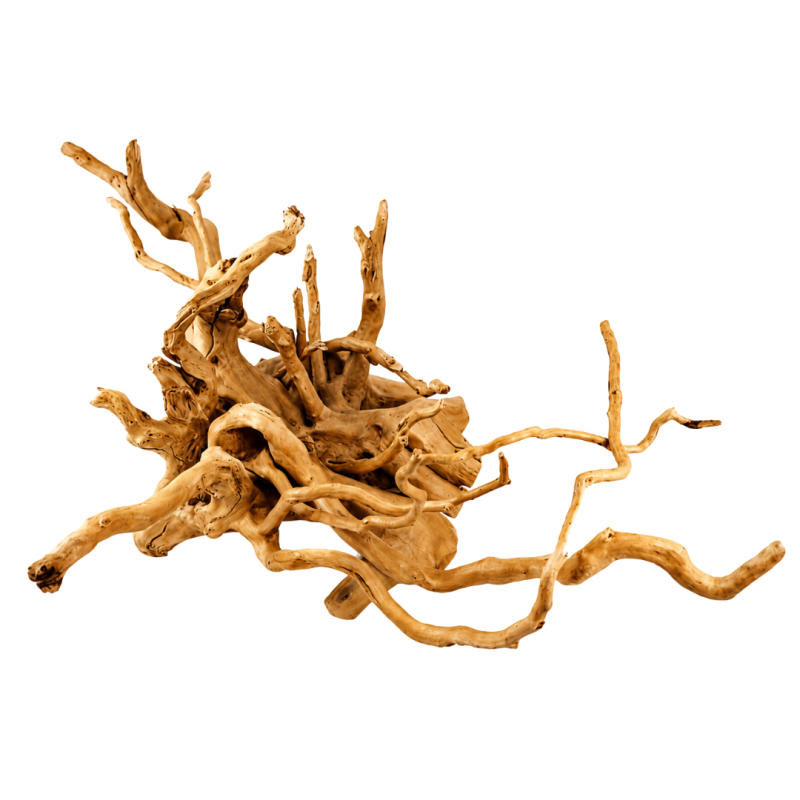
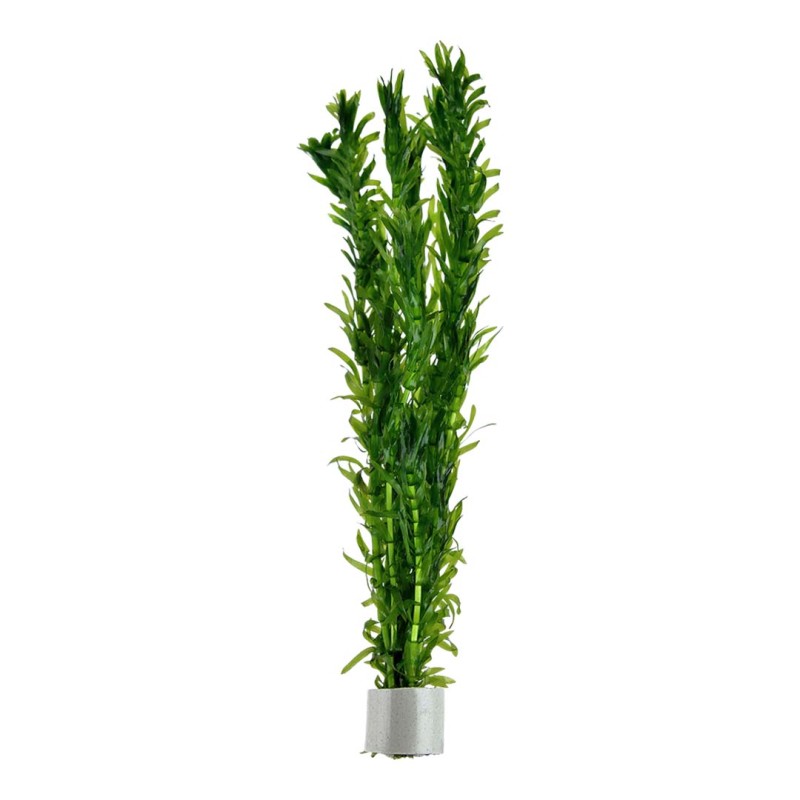
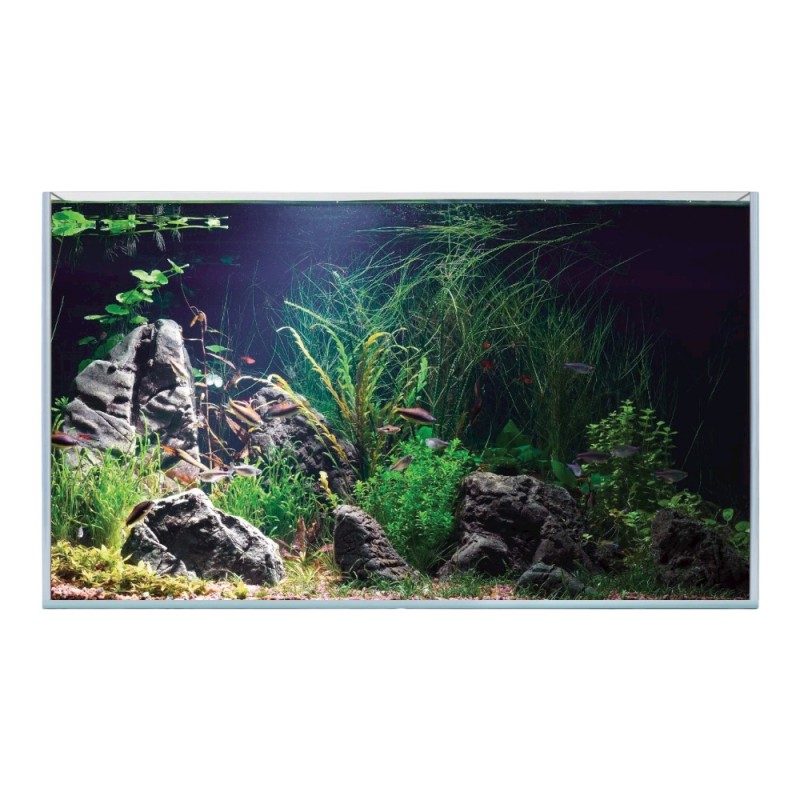
    • Substrate and Decorations: A soft, sandy substrate is ideal for these catfish. They appreciate a well-planted tank with plenty of hiding spots, as well as rocks and driftwood to mimic their natural habitat.
    • Lighting: Moderate lighting is recommended, as they are native to dimly lit environments. Floating plants or shaded areas can provide security.
    • Filtration: A gentle filtration system is recommended to maintain water quality, but avoid strong currents that could stress the fish.

Diet:

  • Whip Tail Catfish are omnivorous and benefit from a varied diet to thrive. Their diet should include:
    • Pellets: High-quality sinking pellets formulated for catfish should form the staple of their diet.
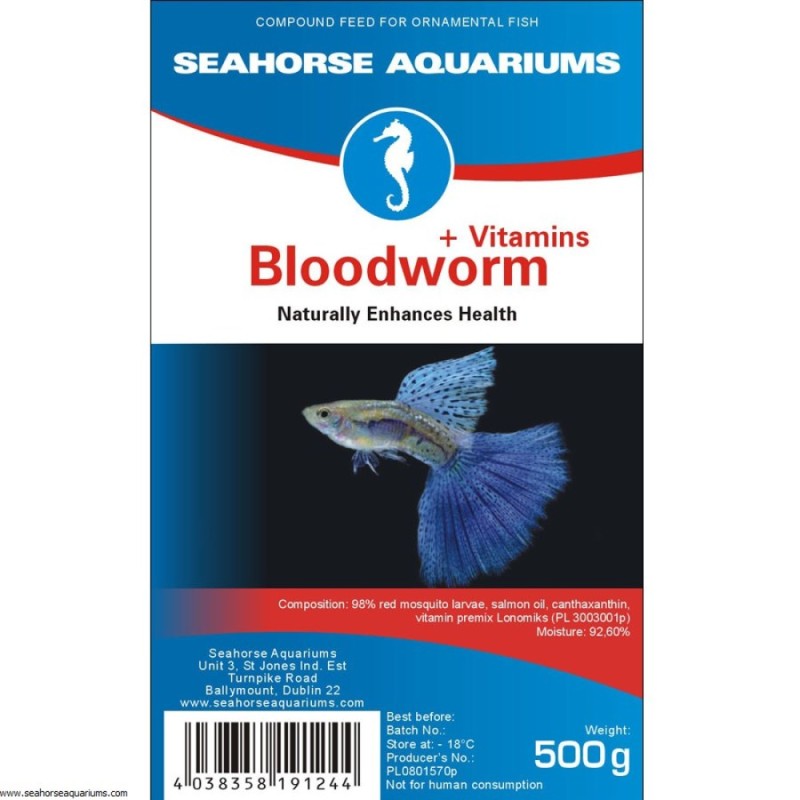
    • Live or Frozen Foods: They thrive on live or frozen foods such as bloodworms, daphnia, and brine shrimp, which provide essential protein and mimic their natural diet.
    • Occasional Treats: Include plant-based foods such as spirulina flakes or blanched vegetables to ensure a balanced diet.

Tankmates:

  • While Whip Tail Catfish can be kept in community tanks, they are best housed with peaceful species that share similar water parameters. Suitable tankmates include:
    • Small rasboras: Such as Harlequin Rasboras or Chili Rasboras.
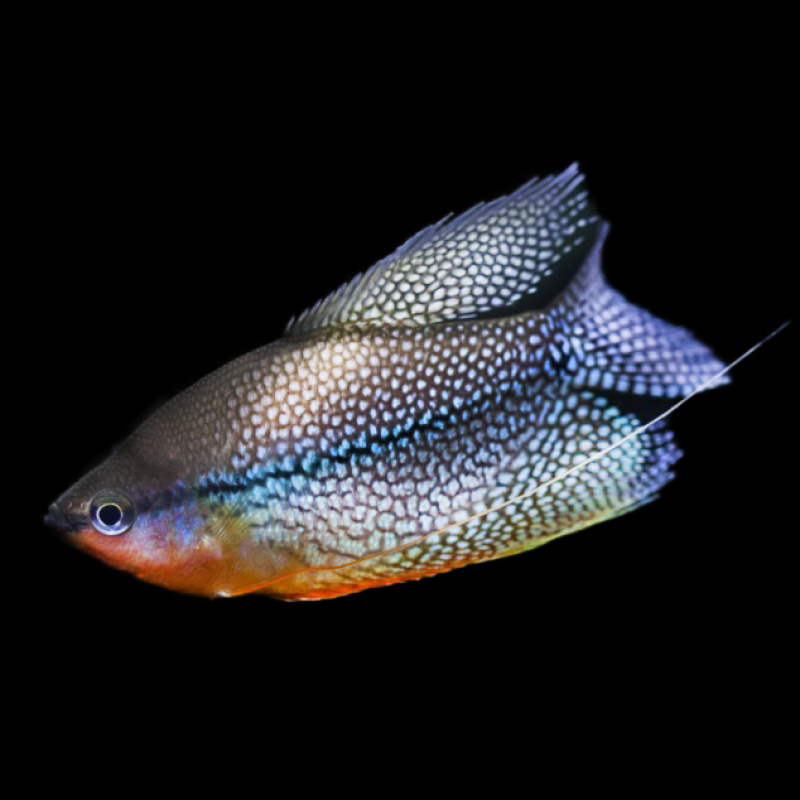
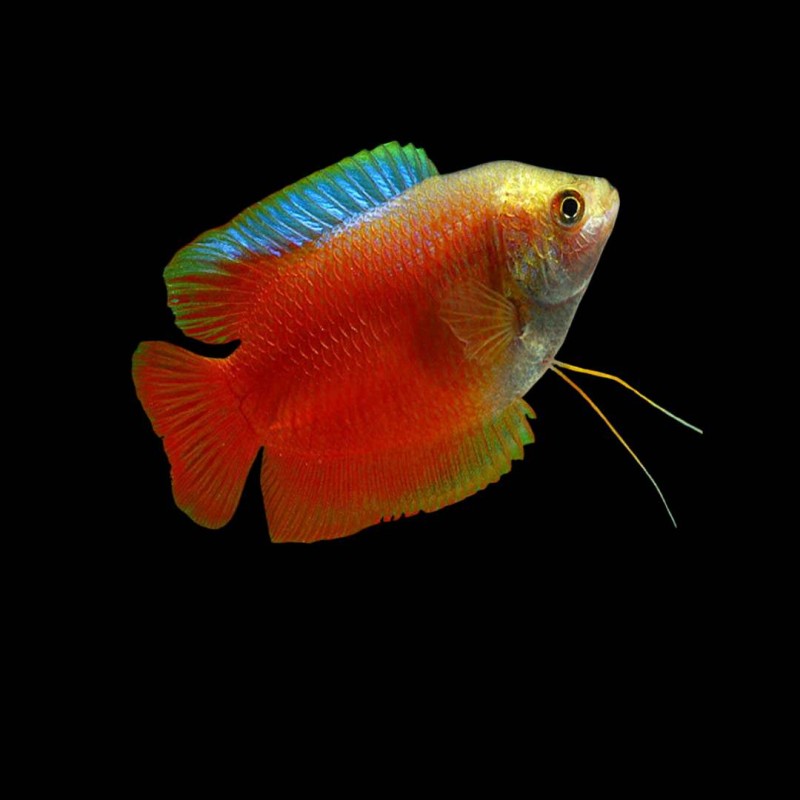
    • Dwarf gouramis: Peaceful species like Sparkling Gouramis.
    • Corydoras catfish: Small, peaceful bottom-dwellers that won’t compete for space.
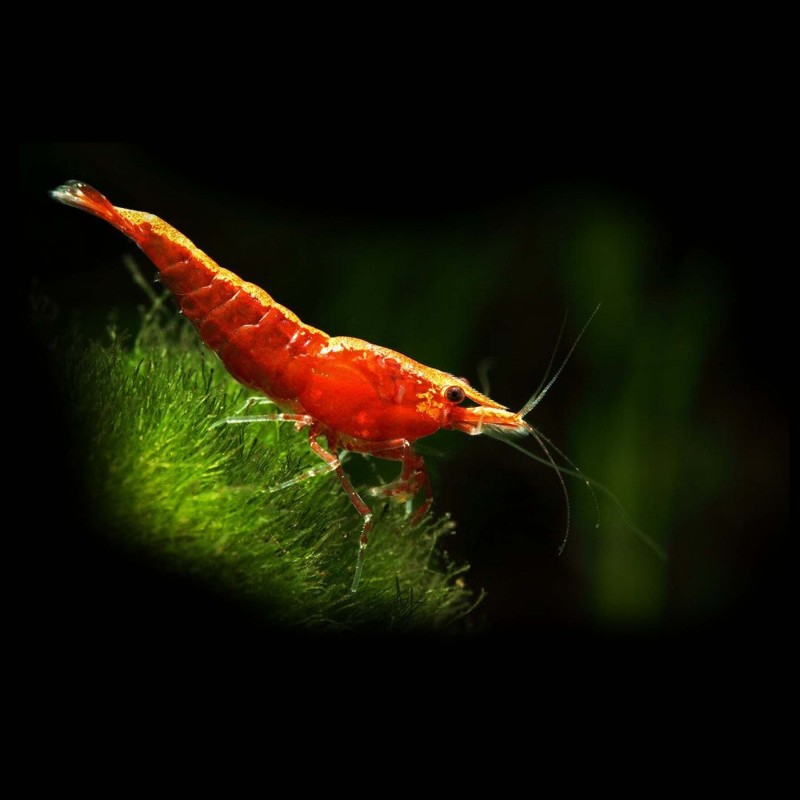
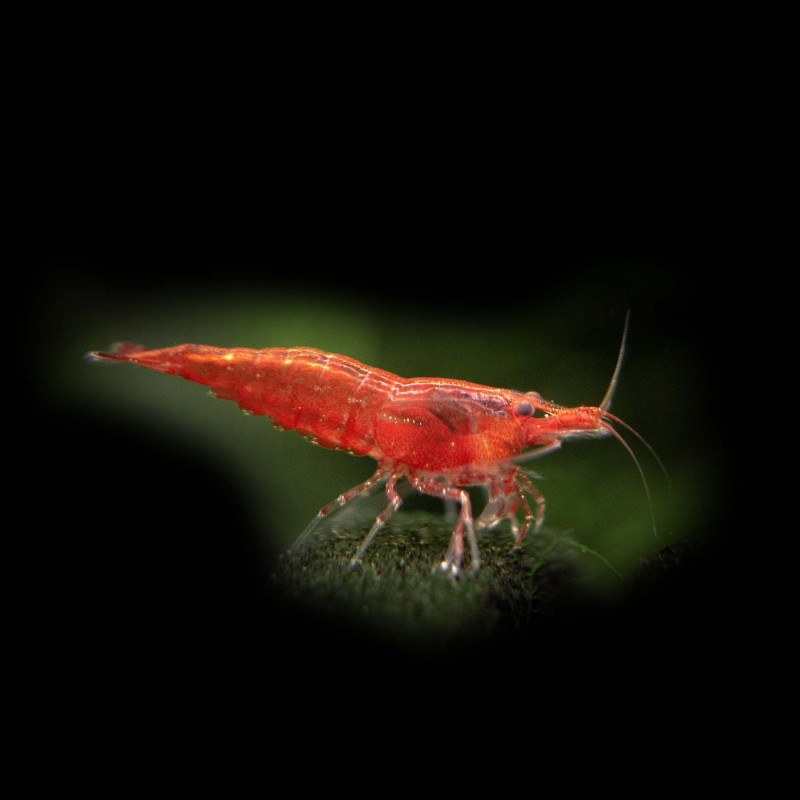
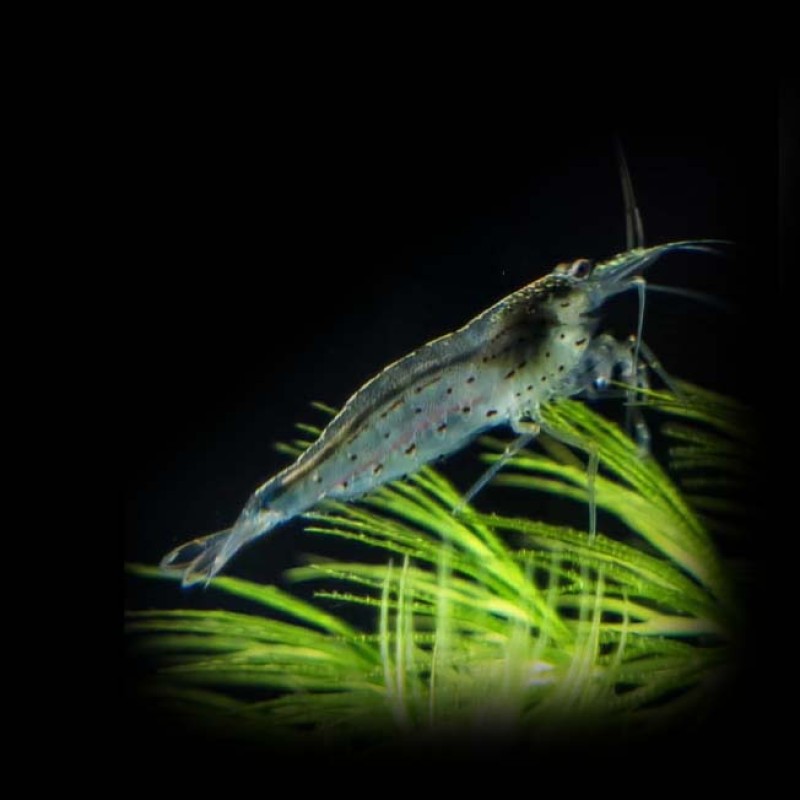
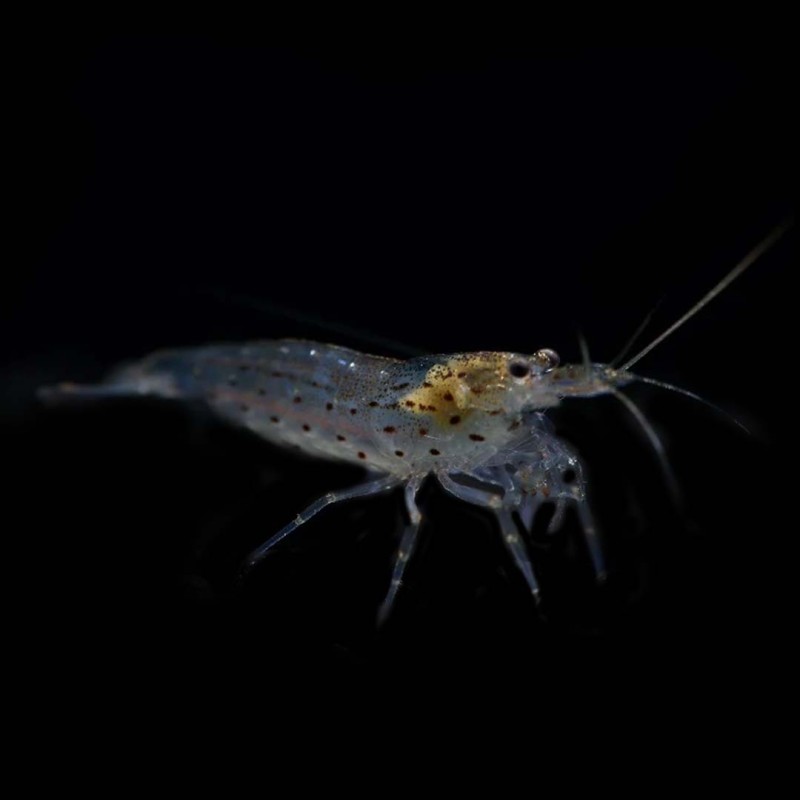
    • Shrimp: Peaceful invertebrates like Amano shrimp or Neocaridina shrimp can coexist well.

Write a review

Please login or register to review