

- Stock: In Stock
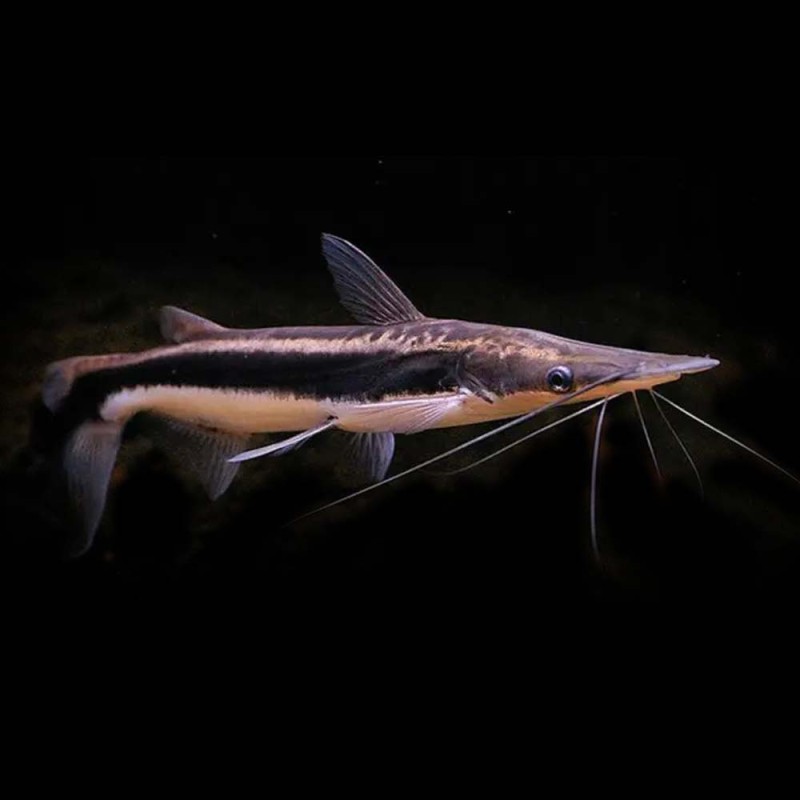
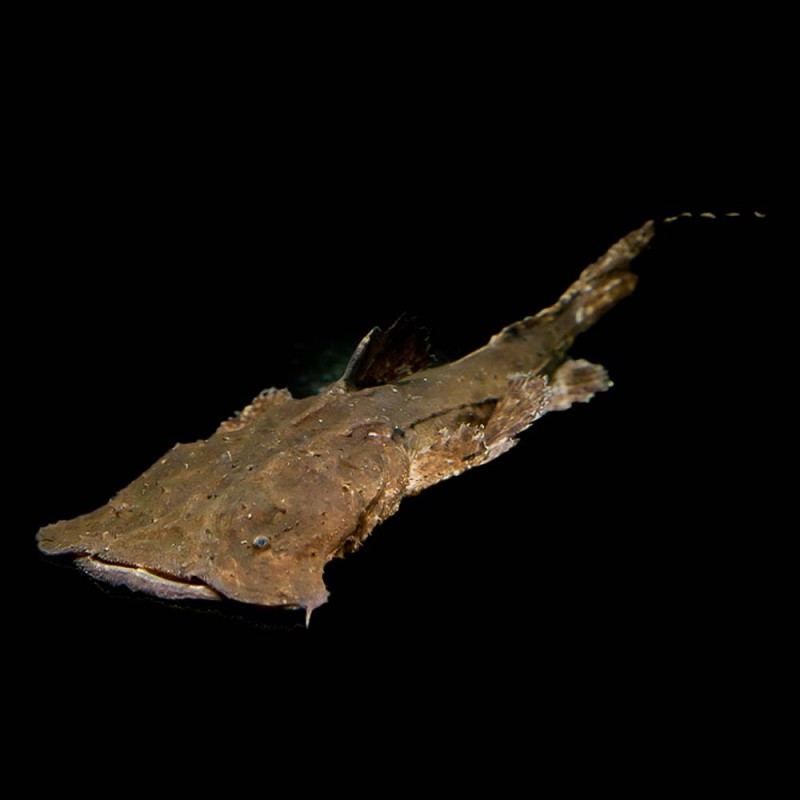
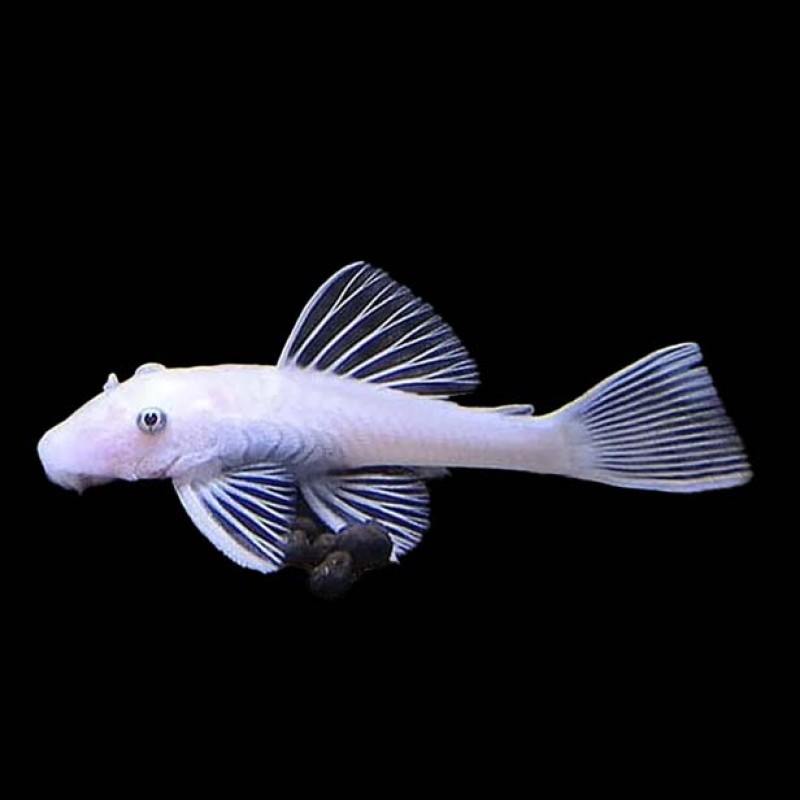
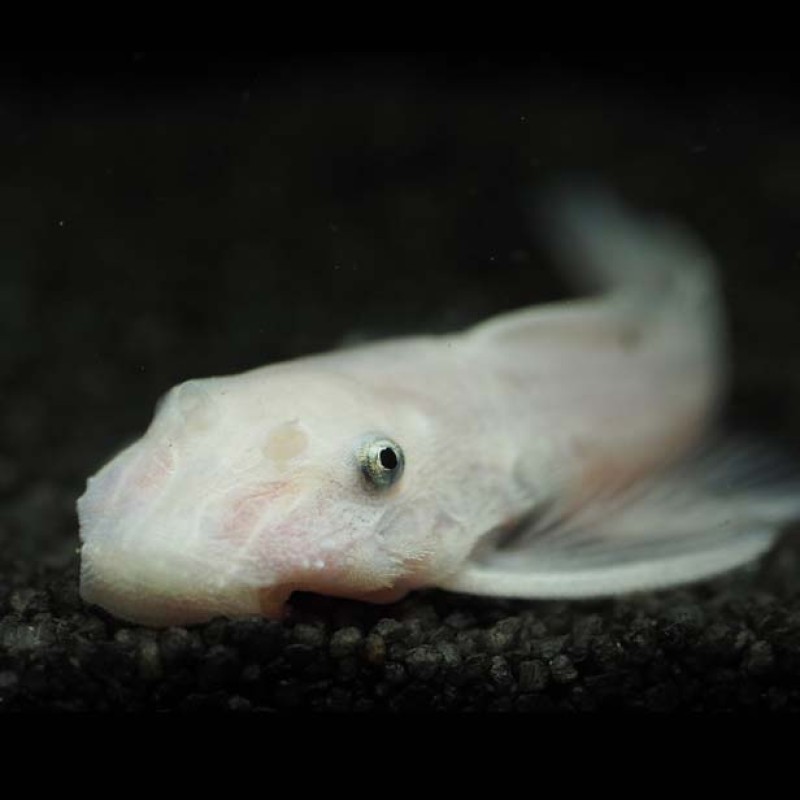
Please Note: Due to variations within species, your fish may not look identical to the image provided. Also note not all sizes or species may be available due to seasonality, Please call beforehand for up-to-date stock availability.
- Model: -
Arrive Alive
If your fish, coral, plant, or invertebrate doesn't arrive alive and stay alive for 2 days, we'll credit your account or refund your money.
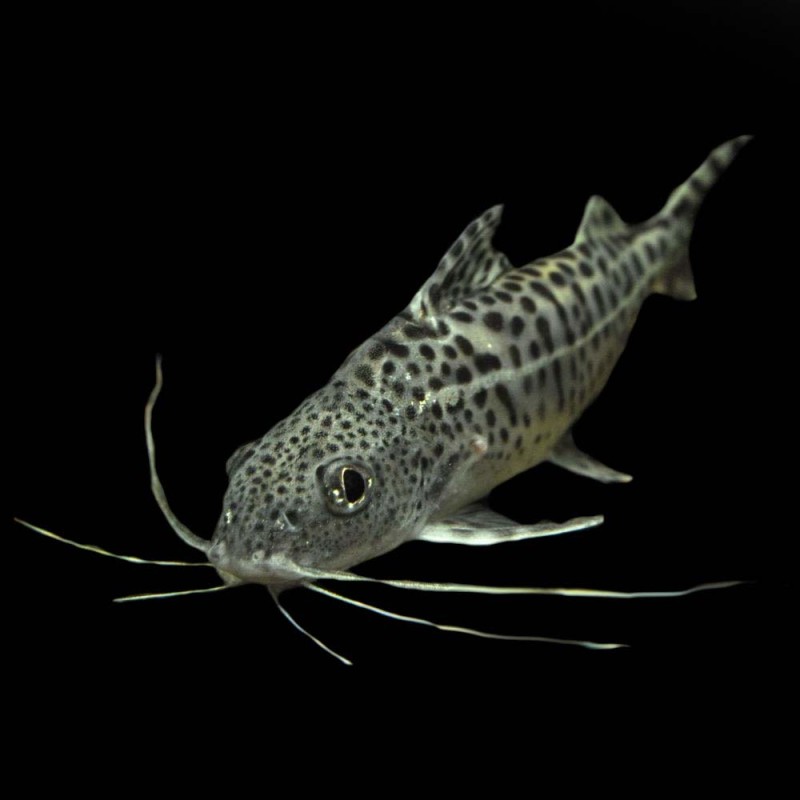
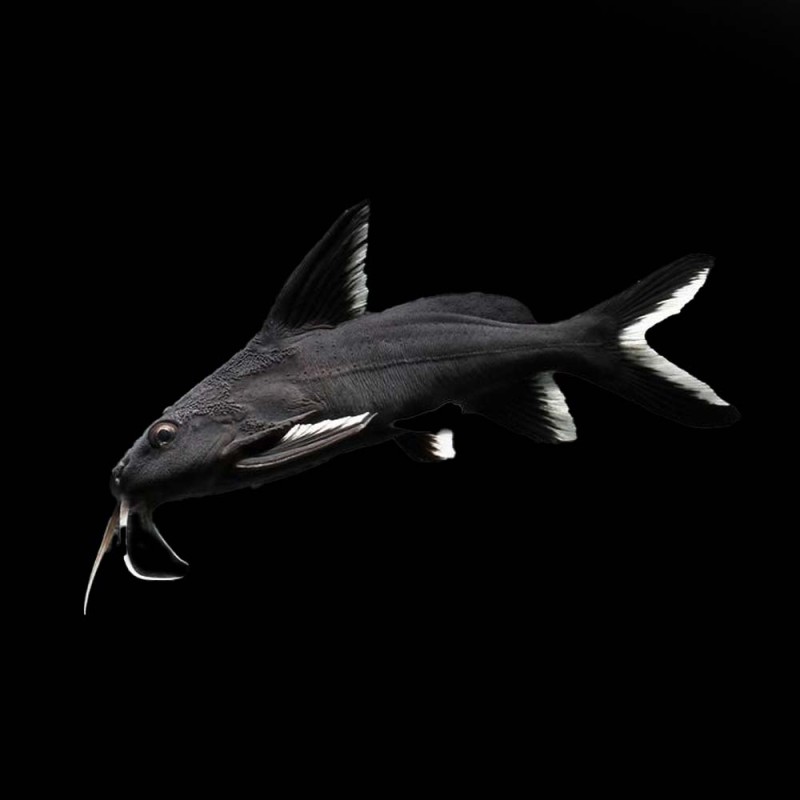
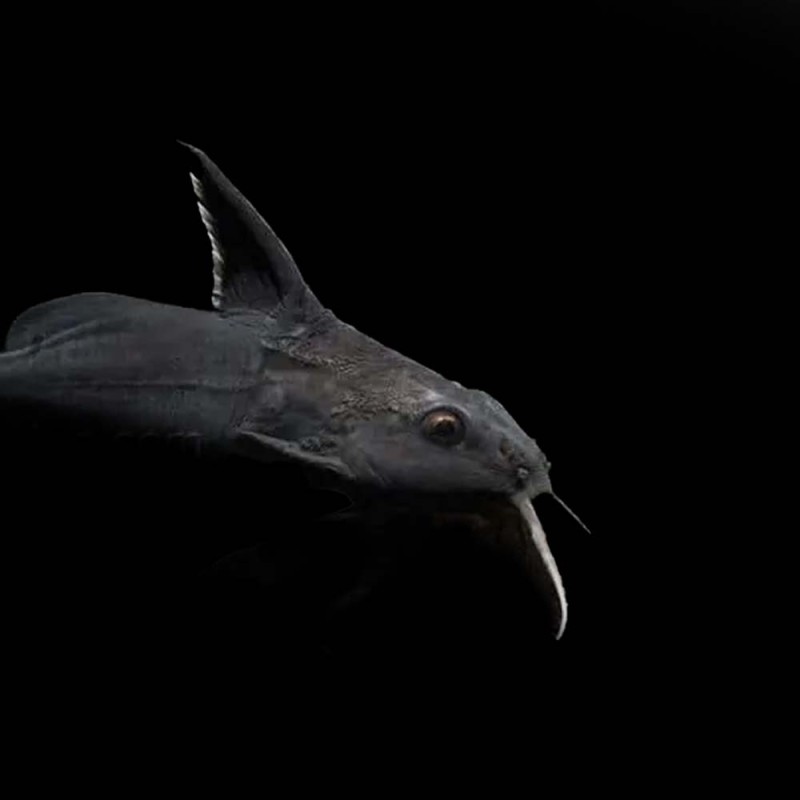
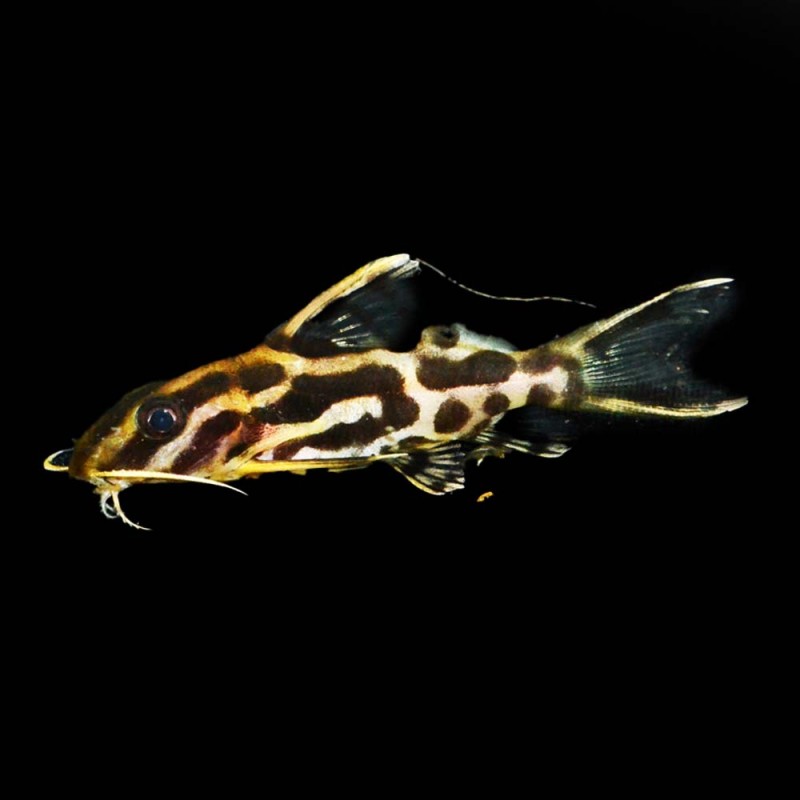
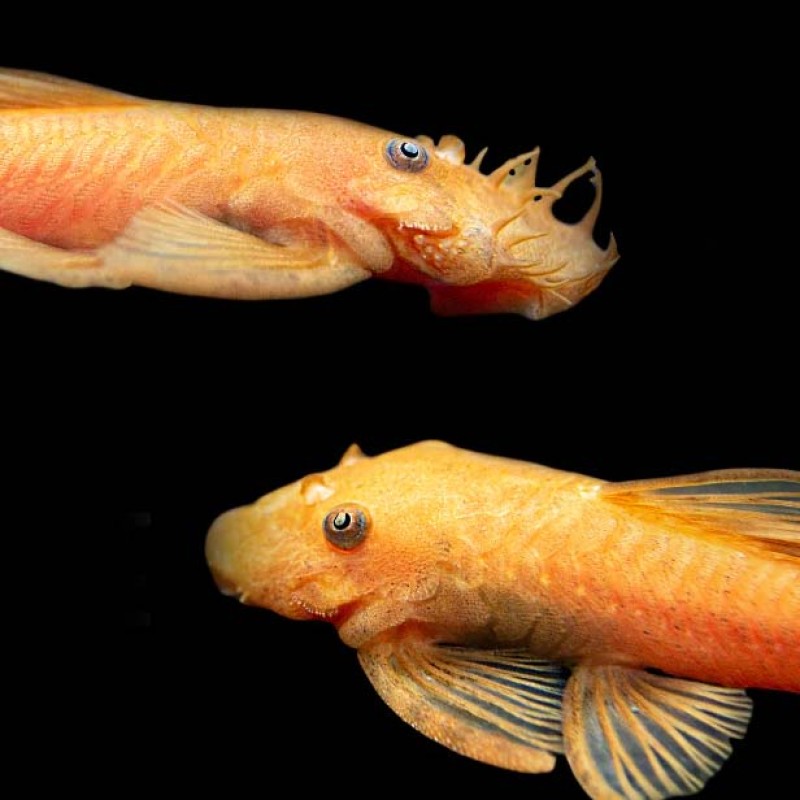
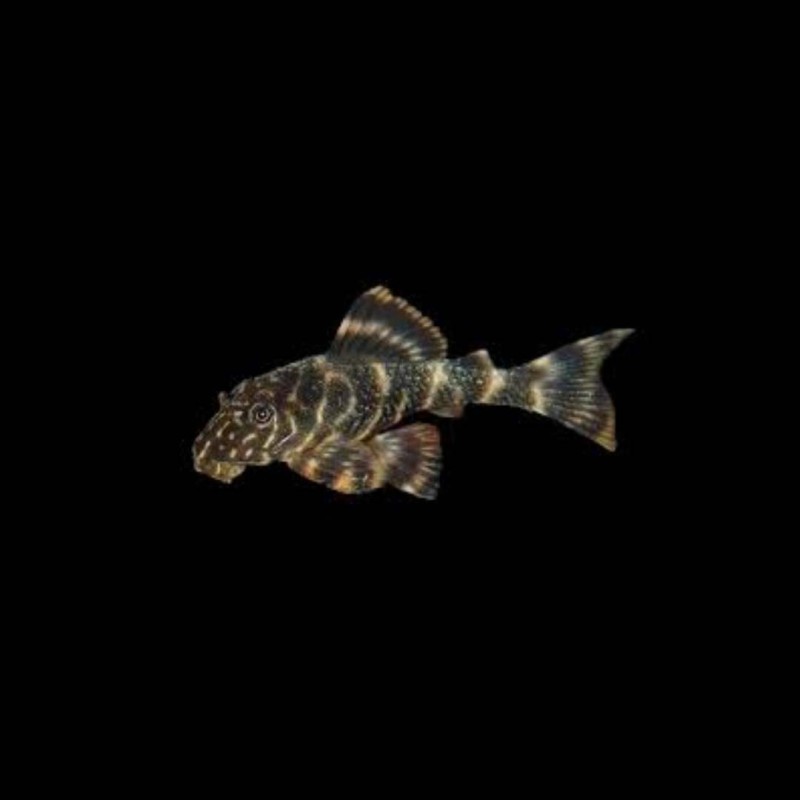
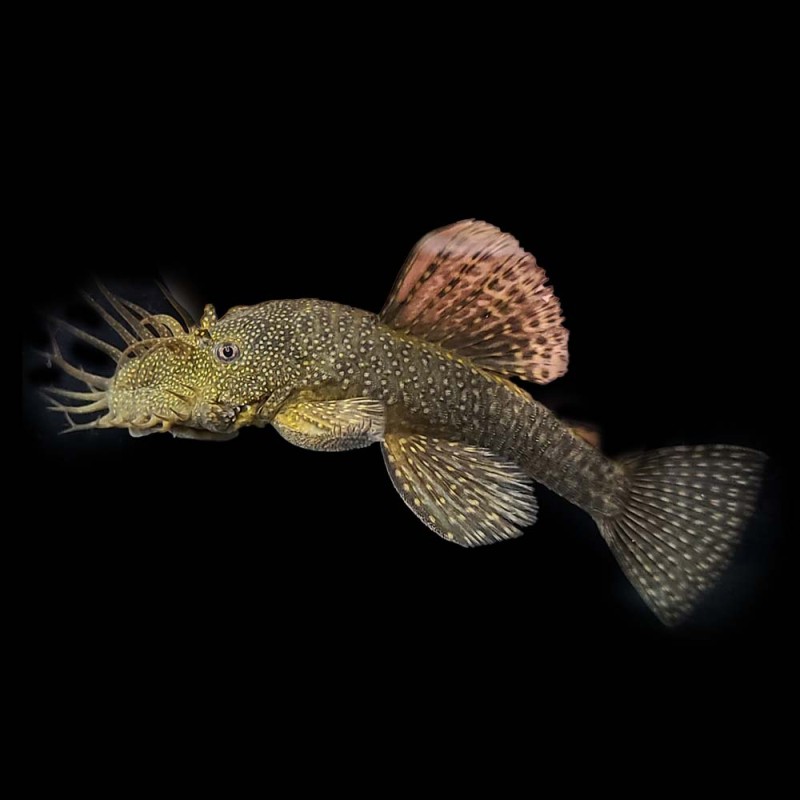
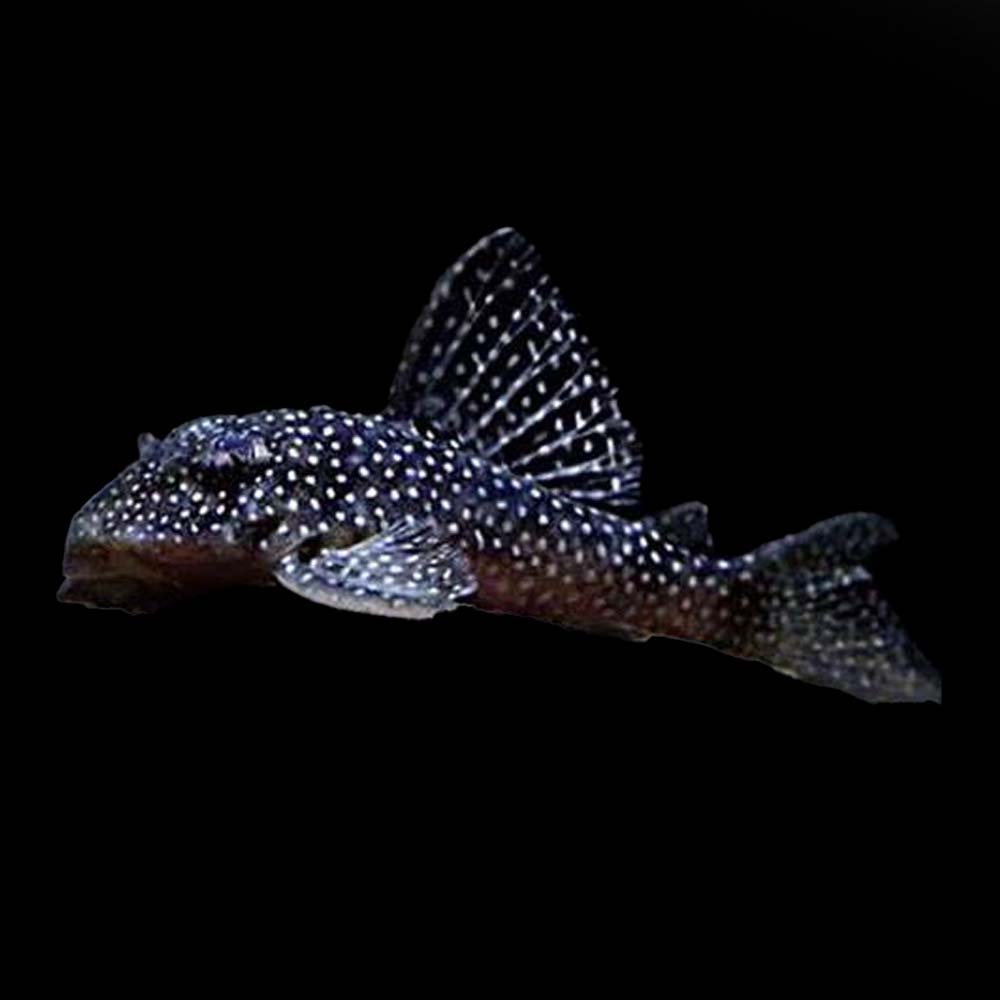
Pseudoacanthicus Angelicus (L136)
The Pseudoacanthicus Angelicus (L136) is an eye-catching freshwater fish known for its striking appearance and unique patterns. This species is particularly appreciated in the aquarium hobby for its distinctive markings and robust body, making it a fascinating addition to any tank.
Physical Characteristics:
- Size: The Pseudoacanthicus Angelicus typically grows to about 15-20 cm (6-8 inches) in length.
- Coloration: They are characterised by a dark brown or black body adorned with light yellow or white spots. This unique pattern gives them a stunning appearance that stands out in aquariums.
- Fins: Their fins are relatively large and well-defined, contributing to their elegant swimming style.
- Shape: The body is robust and laterally compressed, a common trait among plecos, allowing them to navigate through the substrate and decorations in their habitat.
Behavior:
- Temperament: Pseudoacanthicus Angelicus are generally peaceful but can display territorial behaviour, especially towards their own kind. They are best kept in larger tanks where they can establish their territory.
- Activity Level: They are active, particularly at night, often seen foraging for food and exploring their surroundings.
- Community Behavior: While they can be housed with various tankmates, it is crucial to avoid aggressive species that may disturb them.
Aquarium Care:
- Tank Size: A minimum tank size of 150 liters (40 gallons) is recommended for a small group of Pseudoacanthicus Angelicus, allowing ample space for swimming and hiding.
- Water Parameters:
- Temperature: They thrive in warm water, with an ideal temperature range of 24-28°C (75-82°F).
- pH: They prefer slightly acidic to neutral water, with a pH range of 6.5-7.5.
- Hardness: Soft to moderately hard water, with a general hardness (GH) of 4-12 dGH, is ideal.
- Tank Setup:
- Substrate and Decorations: A soft substrate is recommended. Pseudoacanthicus Angelicus enjoy a well-decorated tank with caves, driftwood, and plenty of hiding spots, as they like to retreat to sheltered areas.
- Lighting: Moderate lighting is ideal; providing shaded areas will help them feel more secure.
- Filtration: A gentle filtration system is recommended, as strong currents can stress the fish. Regular water changes (about 20% weekly) are essential for maintaining a clean and healthy environment.
Diet:
Pseudoacanthicus Angelicus are omnivorous and require a varied diet to thrive. Their diet should include:
- Pellets: High-quality sinking pellets designed for herbivorous fish should form the staple of their diet.
- Live or Frozen Foods: Offer live or frozen foods such as brine shrimp, bloodworms, and daphnia to provide essential protein and variety.
- Vegetable Matter: Including blanched vegetables, such as spinach or zucchini, can help ensure a balanced diet.
Tankmates:
Pseudoacanthicus Angelicus can be housed with various peaceful tankmates, including:
- Small Tetras: Such as Neon Tetras or Rummy Nose Tetras.
- Peaceful Rasboras: Like Harlequin Rasboras.
- Other Bottom-Dwellers: Corydoras catfish or other peaceful bottom-dwellers.
Avoid housing them with aggressive species or fin-nippers, as this can lead to stress or injury.
Breeding:
Breeding Pseudoacanthicus Angelicus can be rewarding and relatively straightforward under the right conditions:
- Breeding Setup: A separate breeding tank with plenty of hiding spots is ideal. The water should be warm (around 26-28°C or 79-82°F) and slightly acidic (pH 6.5-7.5).
- Spawning Behavior: The male will court the female, and after spawning, the female will lay eggs in a sheltered area, which the male will guard.
- Fry Care: Once the fry are free-swimming, they can be fed with infusoria or finely crushed flakes.
Special Considerations:
- Water Quality: Regular monitoring and maintenance of water quality are crucial for the health of Pseudoacanthicus Angelicus.
- Shy Nature: These fish can be shy, particularly in brightly lit tanks. Providing plenty of hiding spots can help them feel more secure.
| File Name | Size | Link |
|---|---|---|
| 20 How to care for Tropical Algae Eaters.pdf (Total downloads: 6633) | 227.75KiB | Download |