

Menu
Menu
Your Cart

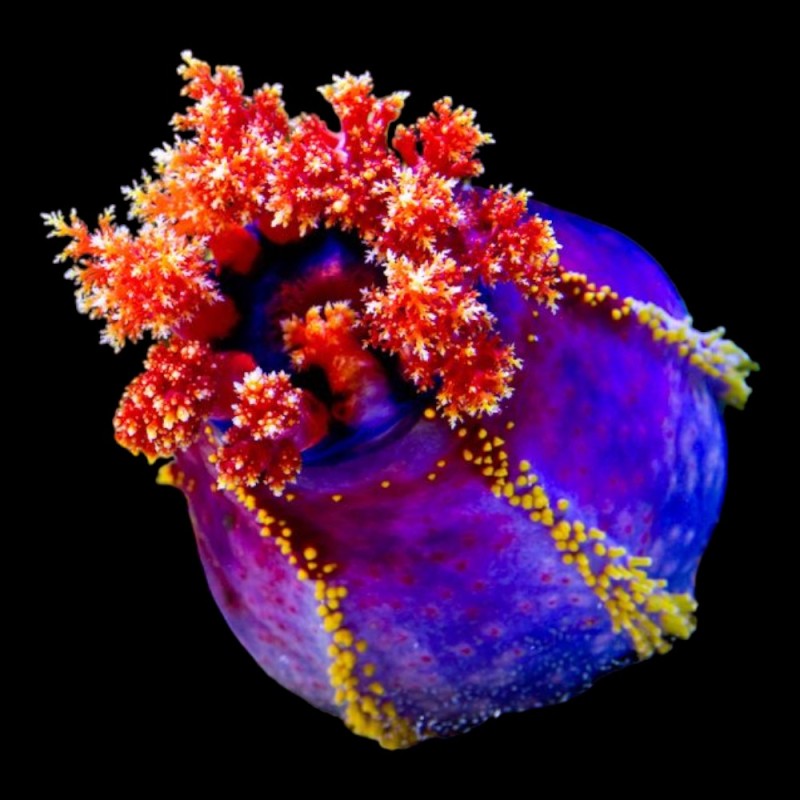
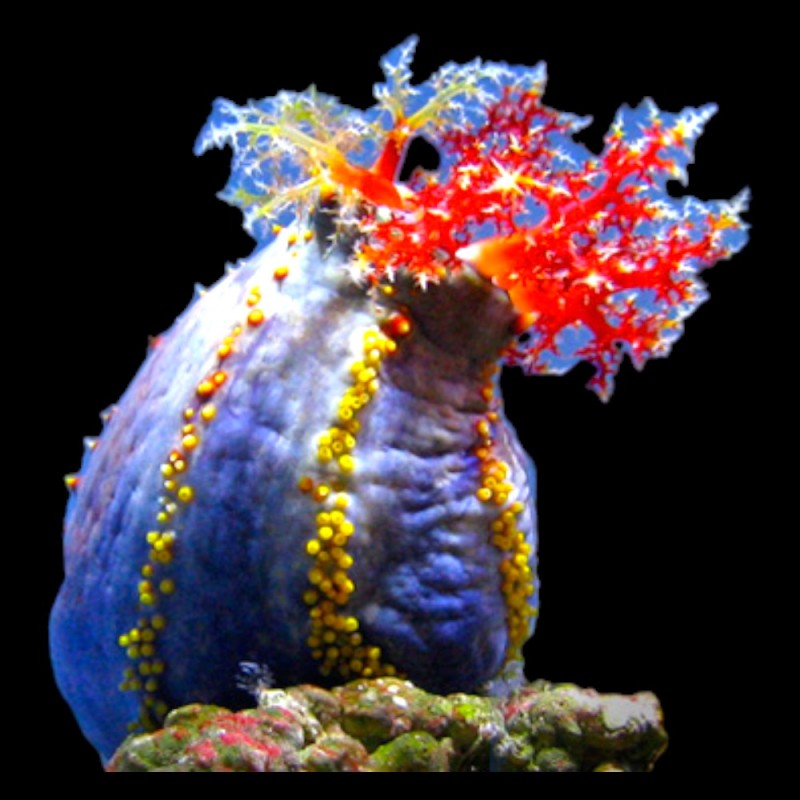
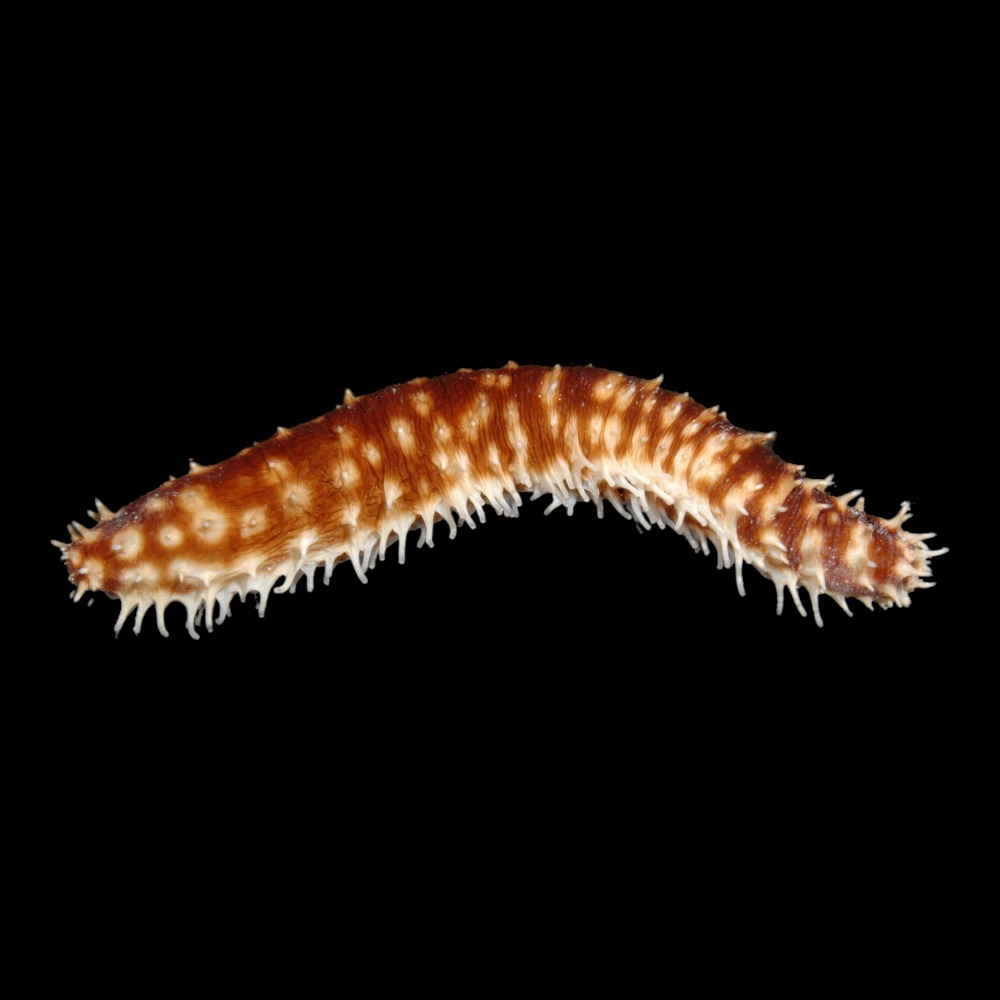
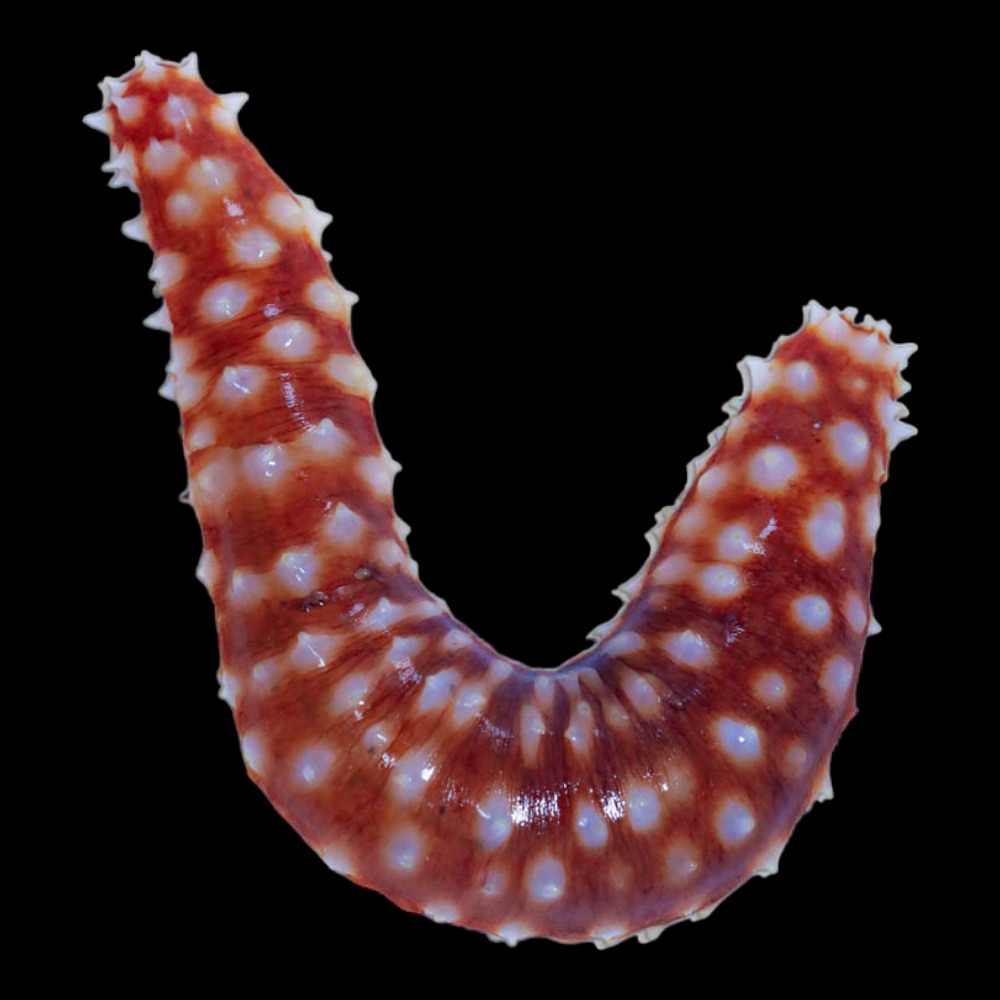
Caramel Sea Cucumber

Caramel Sea Cucumber
From €25.00
Ex Tax: €20.33
  • Stock: Generally In Stock
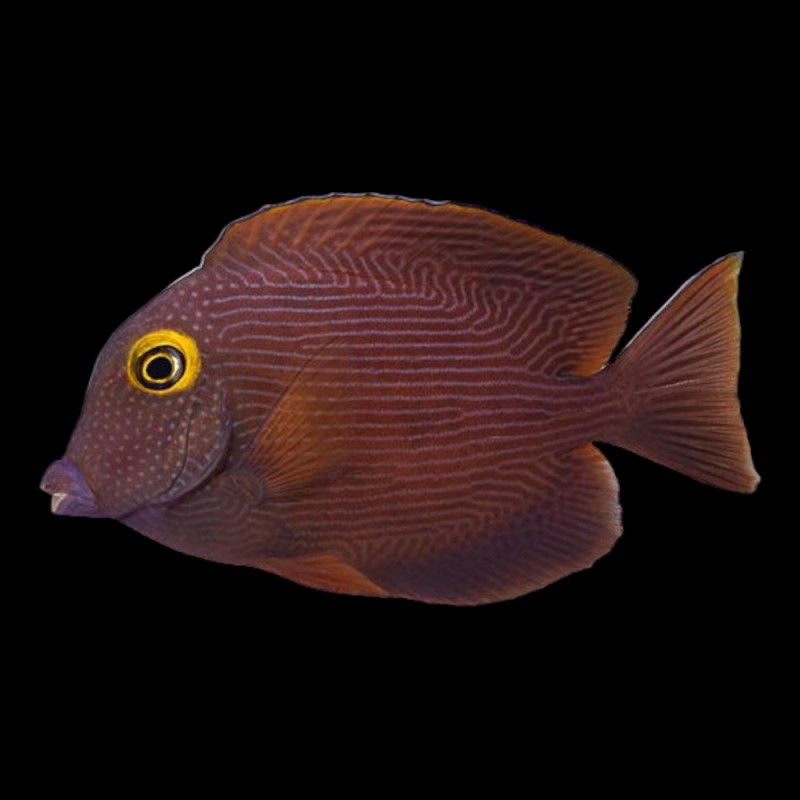
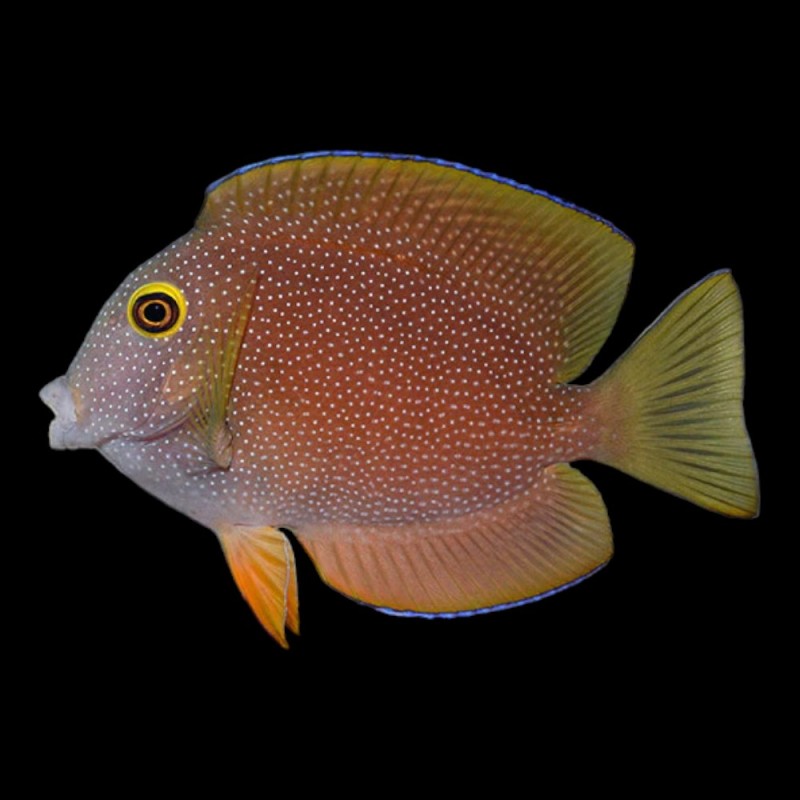
  • Please Note: Due to variations within species, your fish may not look identical to the image provided. Also note not all sizes or species may be available due to seasonality, Please call beforehand for up-to-date stock availability.

  • Model: CARAMEL SEA CUCUMBER MATRIX
Available Options

Reset options

Caramel Sea Cucumber

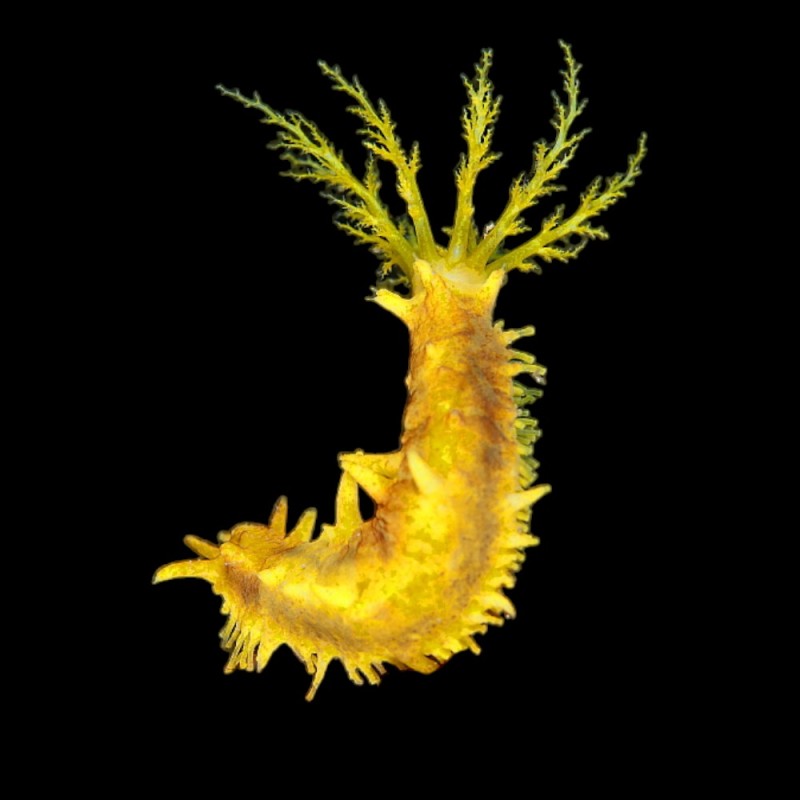
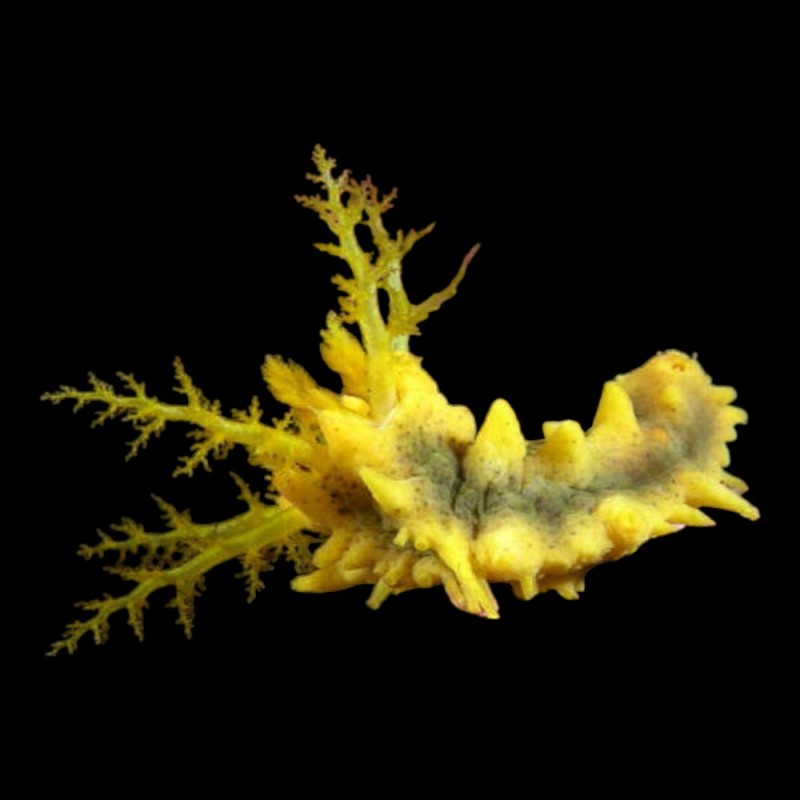
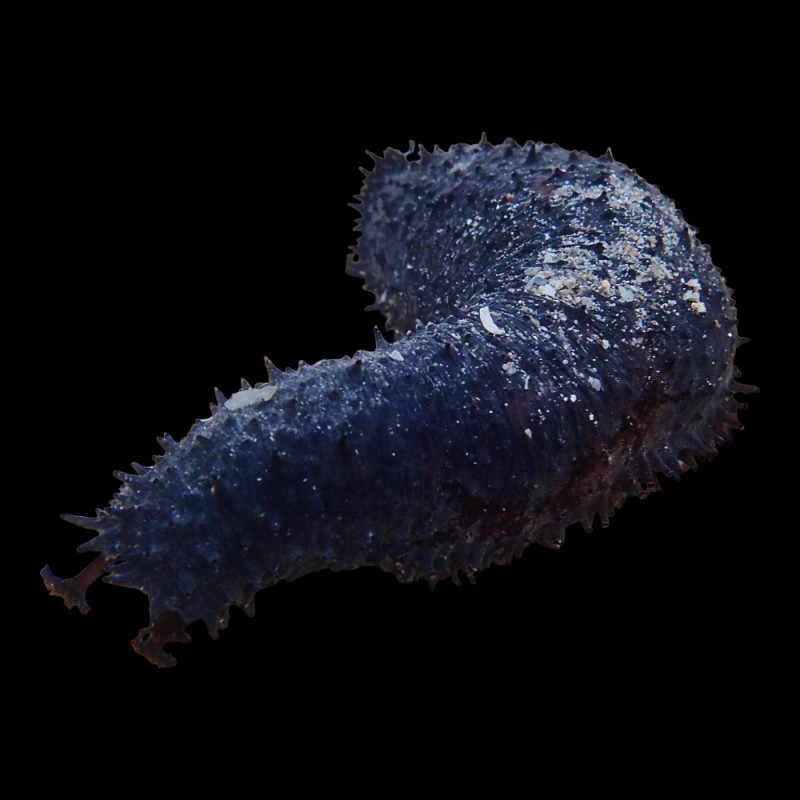
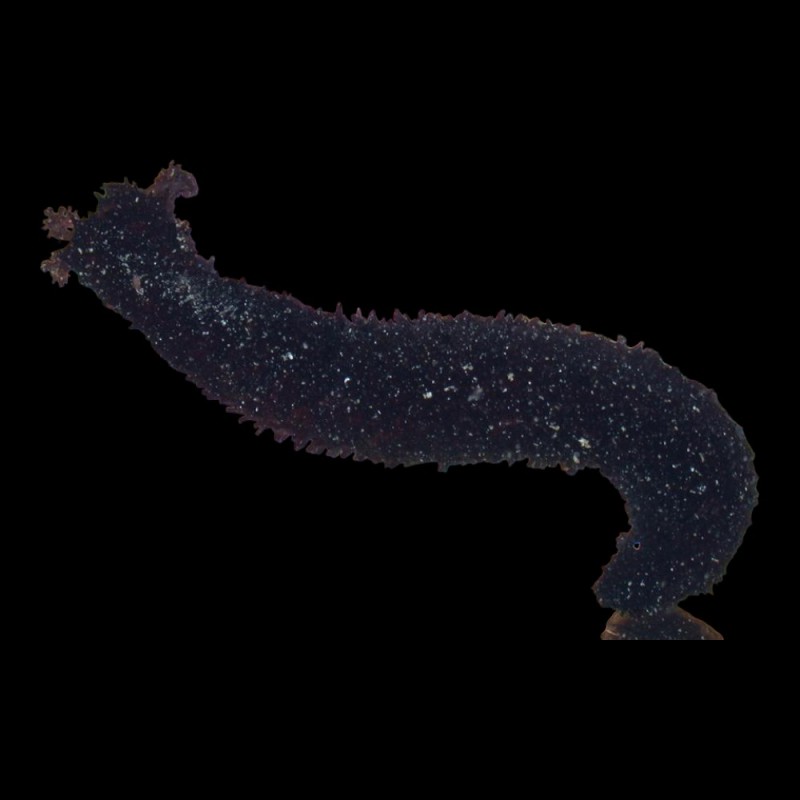
The Caramel Sea Cucumber, also know as Tiger Tail Sea Cucumber is a fascinating marine echinoderm known for its distinctive coloration and unique feeding habits. Featuring a body covered in dark brown or black with light-colored stripes or spots, this sea cucumber adds an interesting visual element to the ocean floor. They play a vital role in their ecosystem by recycling nutrients and maintaining sediment health through their feeding activities.

Scientific Name:

Holothuria hilla

Size Specifications:

This species typically grows to about 6-12 inches (15-30 cm) in length.

Habitat:

Native to the shallow waters of the Indo-Pacific region, the Tiger Tail Sea Cucumber is commonly found in sandy and muddy substrates, often buried in the sand during the day. They thrive in environments rich in organic matter, which provides a source of food.

Approx Lifespan:

In captivity, the Caramel Cucumber can live for several years, typically around 5-10 years, with proper care.

Feeding and Diet:

This detritivorous species primarily feeds on organic matter, detritus, and microorganisms found in the substrate. In aquariums, they benefit from a varied diet that includes high-quality sinking pellets, algae, and other organic materials to ensure optimal health.

Breeding:

Breeding Tiger Tail Sea Cucumbers in captivity is not well-documented. They typically reproduce by releasing eggs and sperm into the water column, where fertilization occurs. Providing a stable environment can help encourage natural breeding behaviors.

Write a review

Please login or register to review