

Menu
Menu
Your Cart

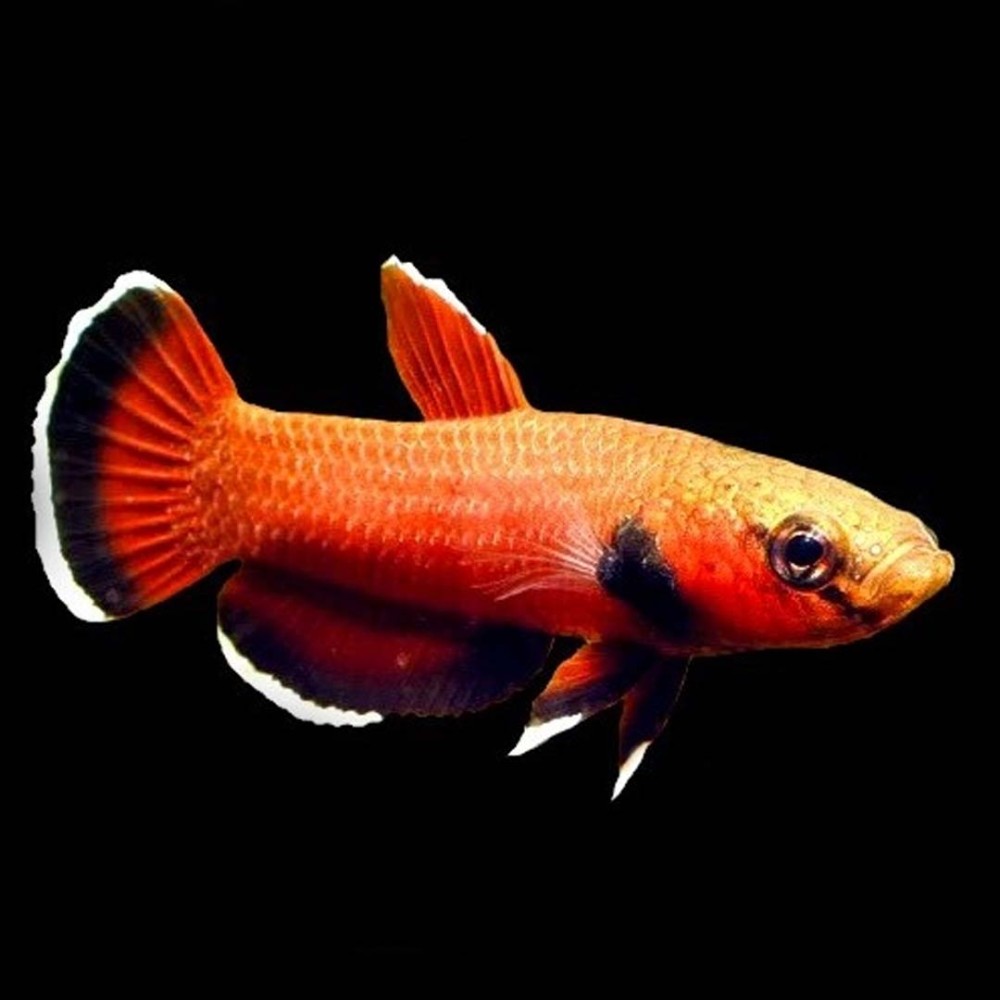
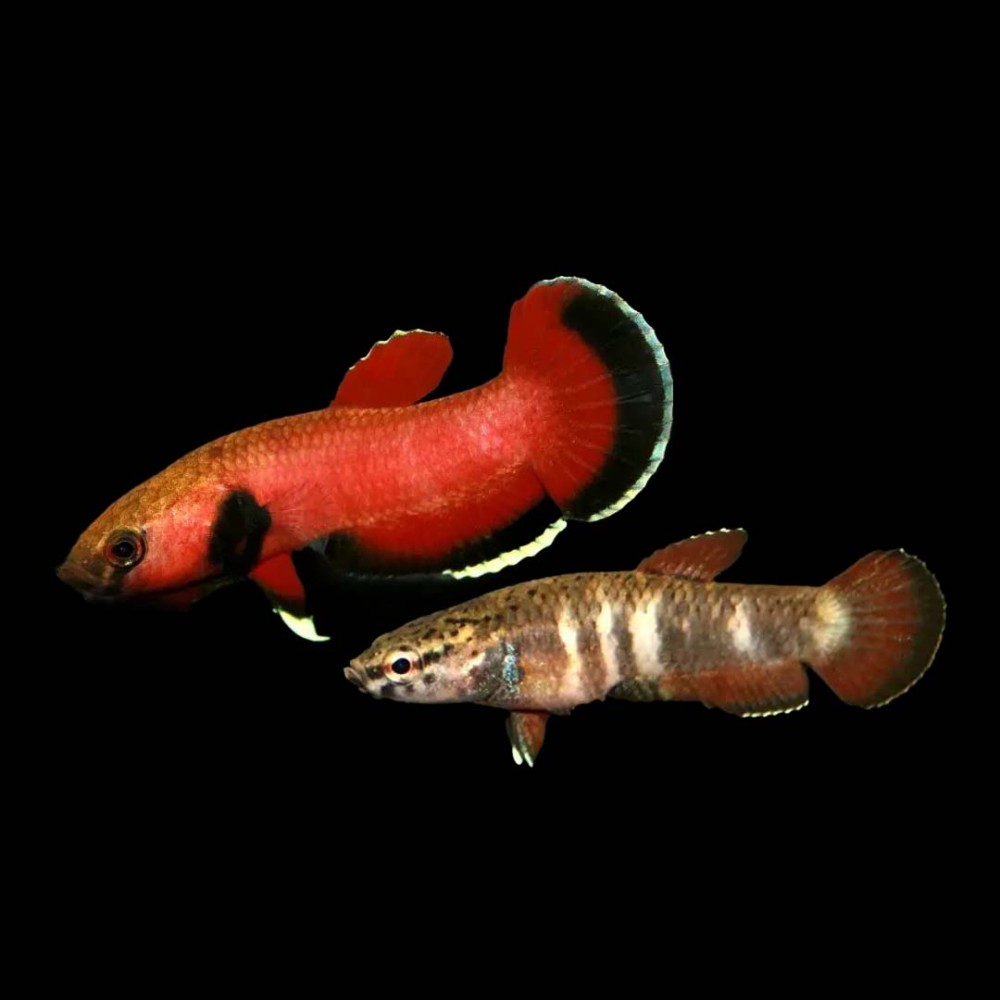
Betta Chanoides (pair)

Betta Chanoides (pair)
€99.99
Ex Tax: €81.29
  • Stock: Generally In Stock
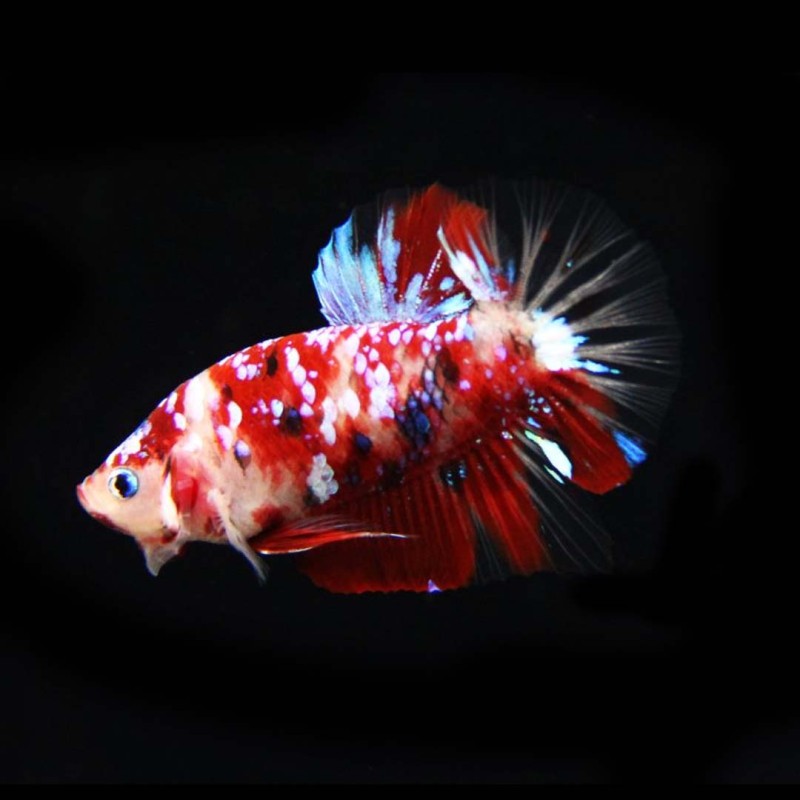
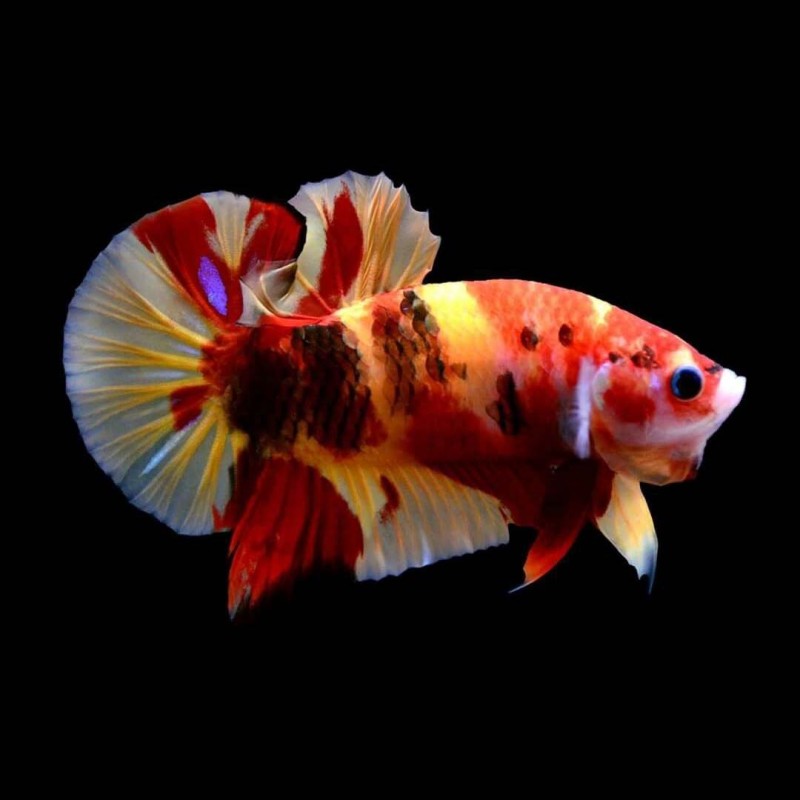
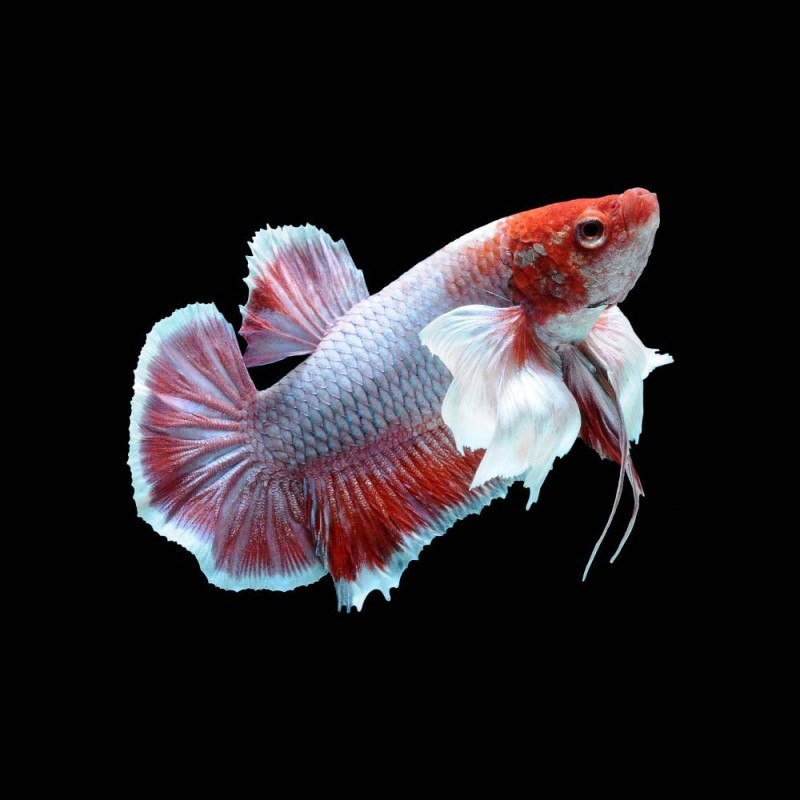
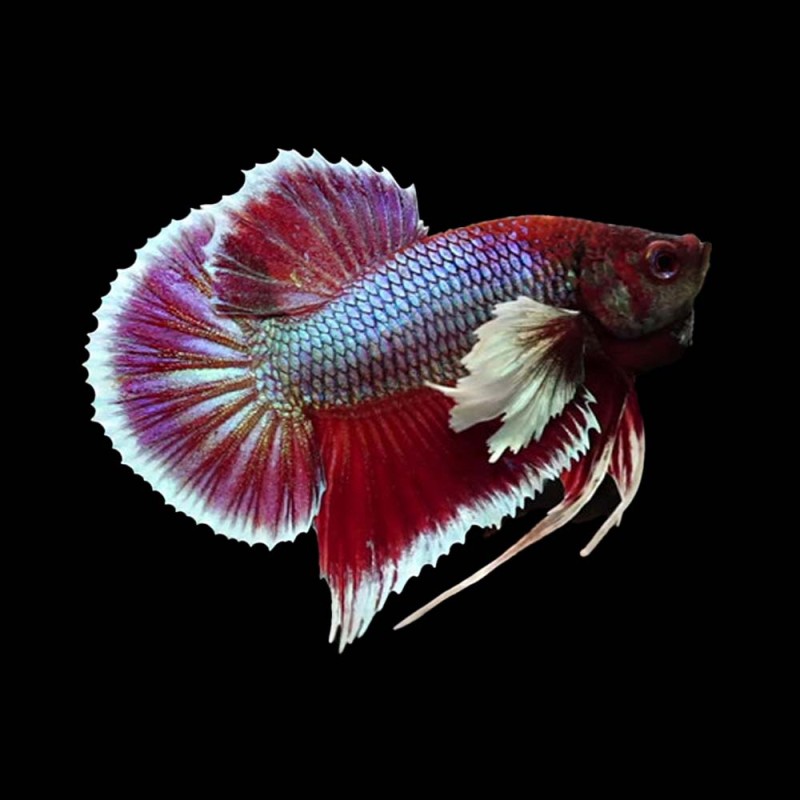
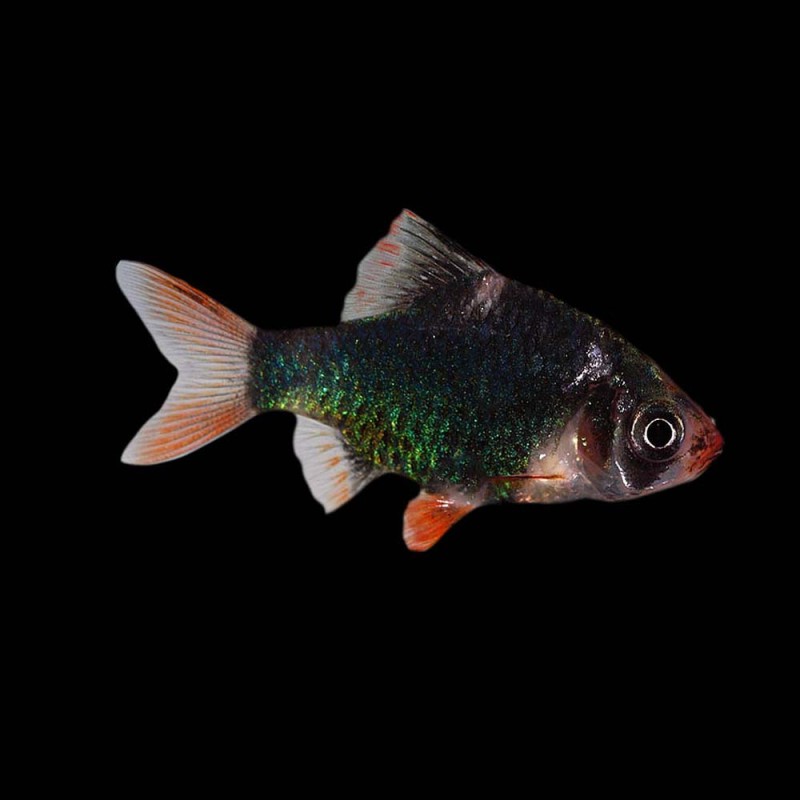
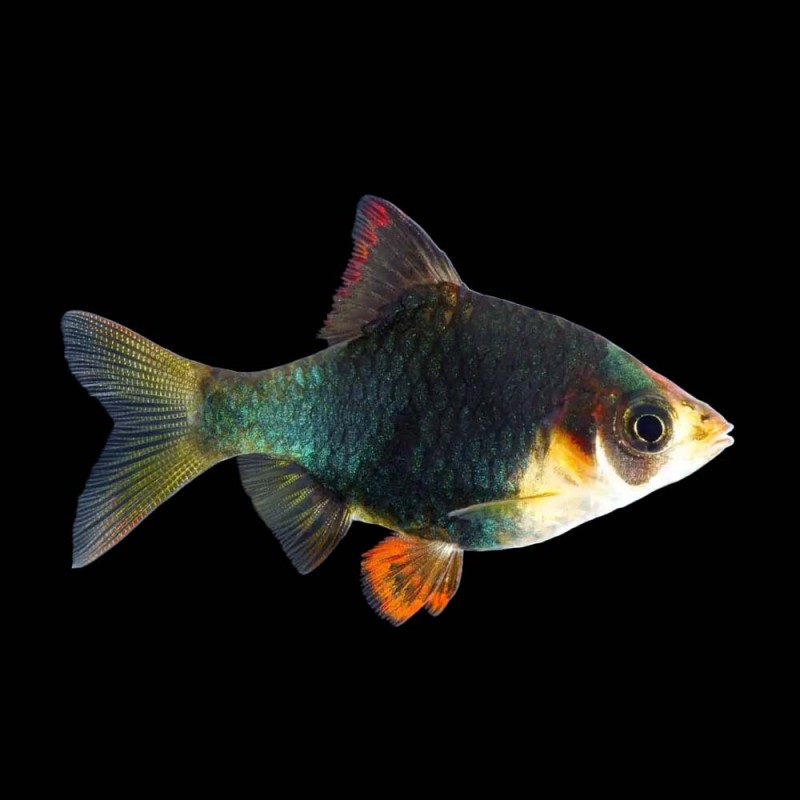
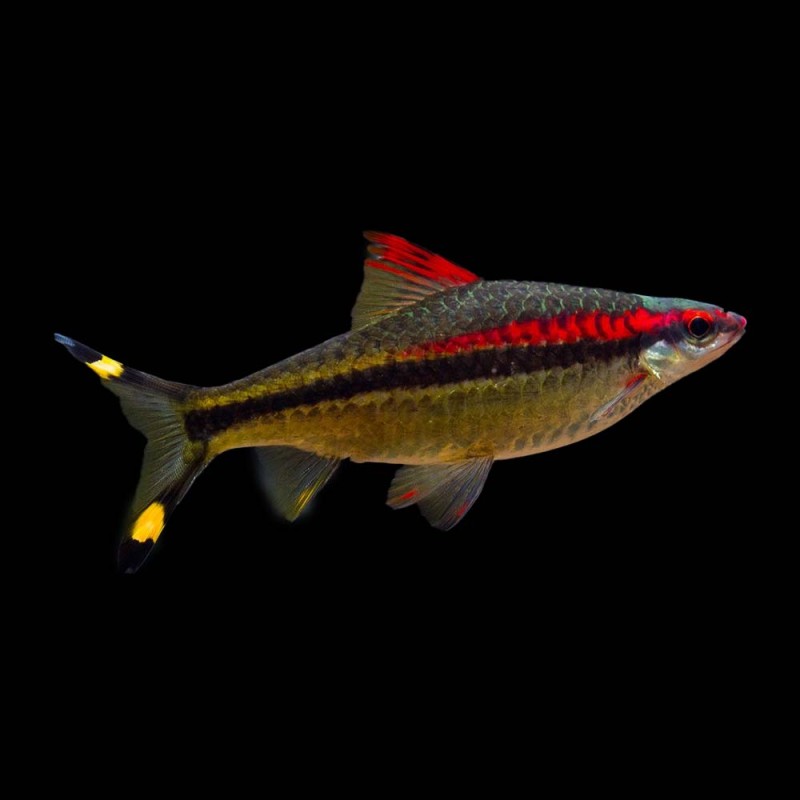
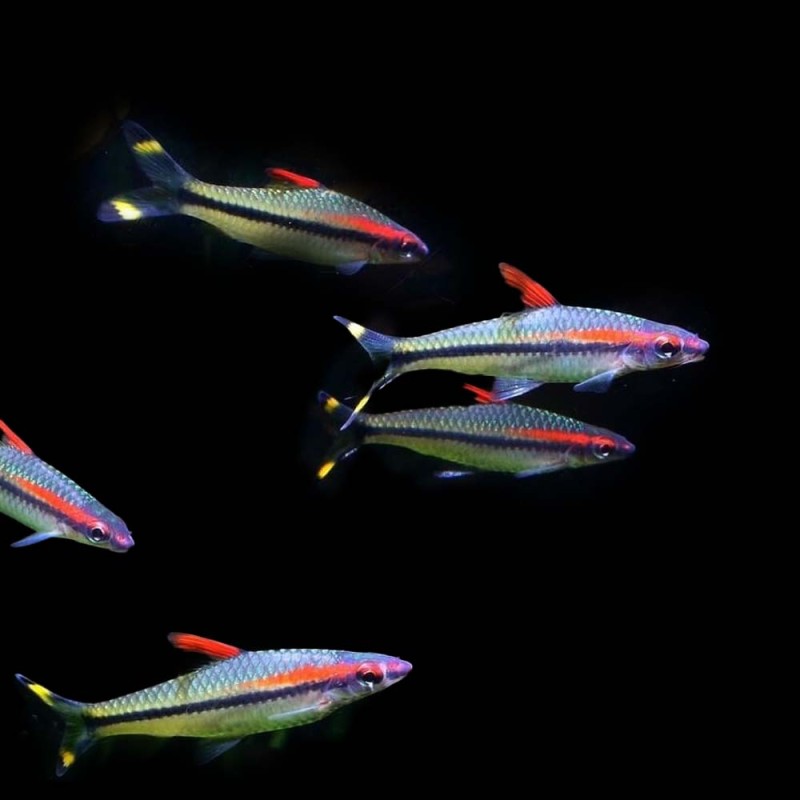
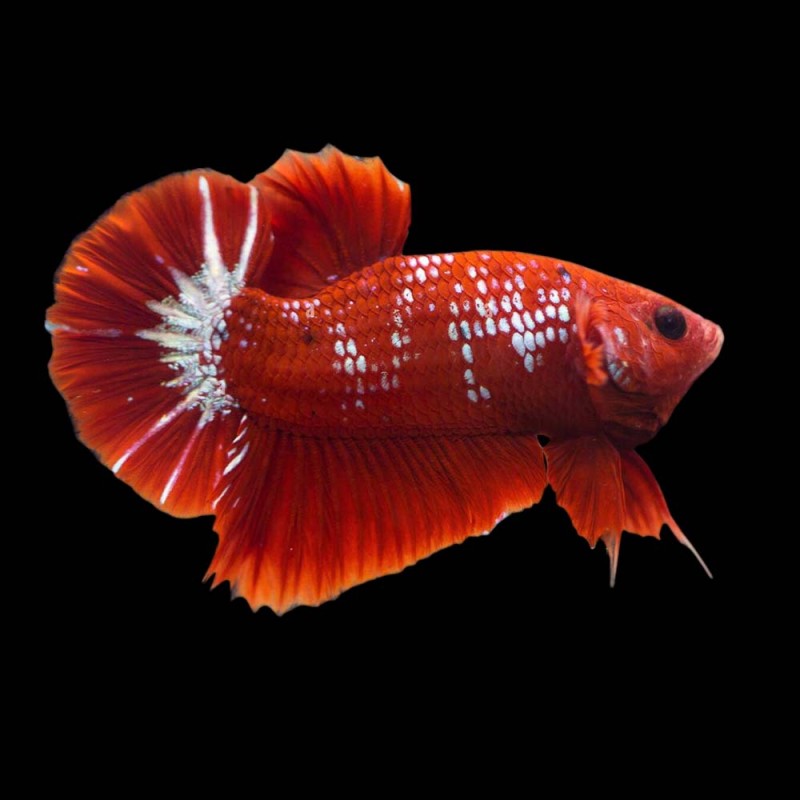
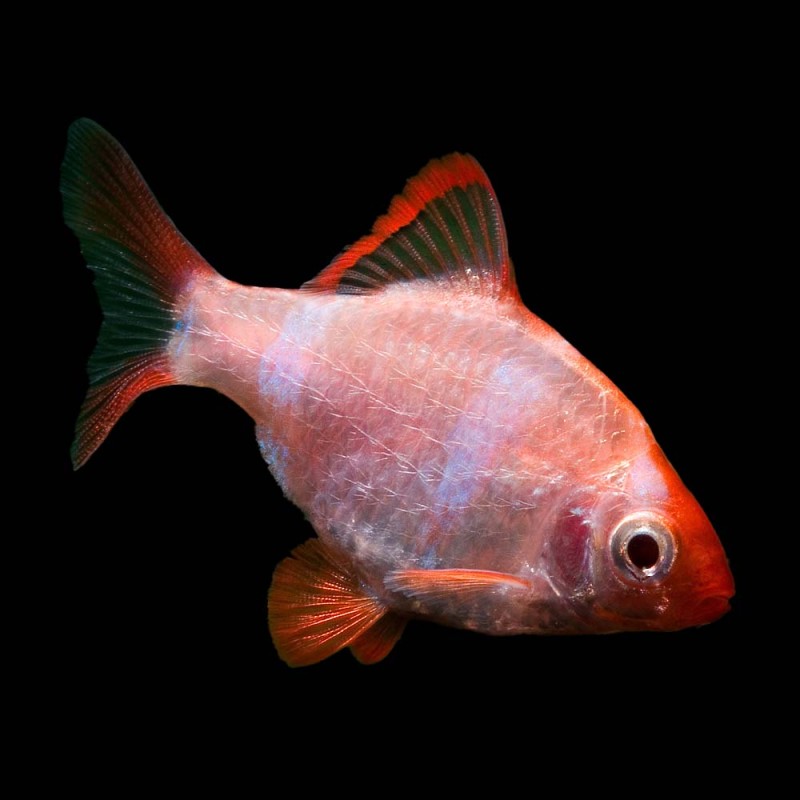
  • Please Note: Due to variations within species, your fish may not look identical to the image provided. Also note not all sizes or species may be available due to seasonality, Please call beforehand for up-to-date stock availability.

  • Model: -

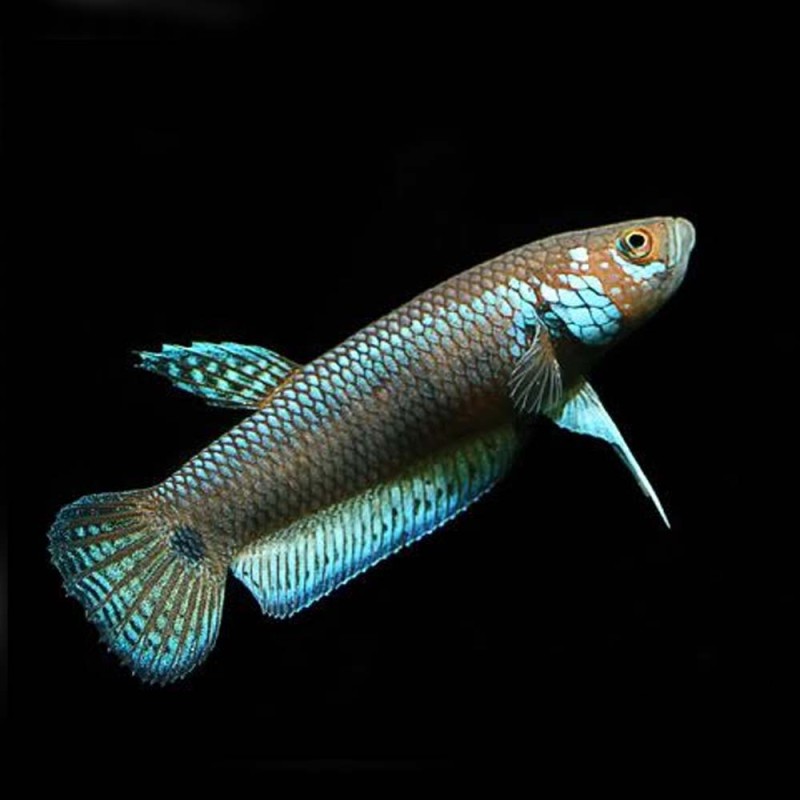
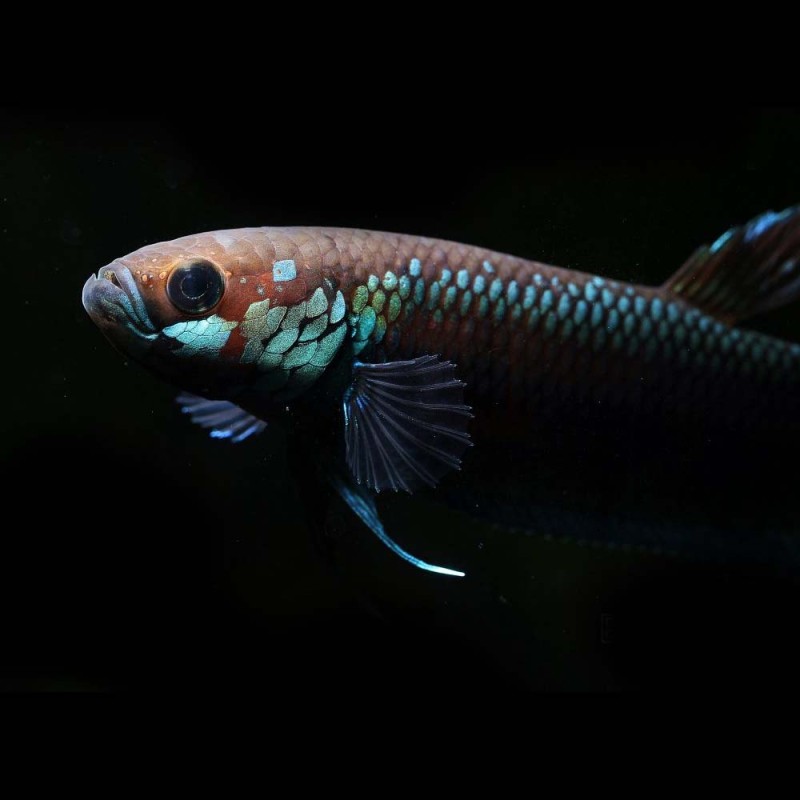
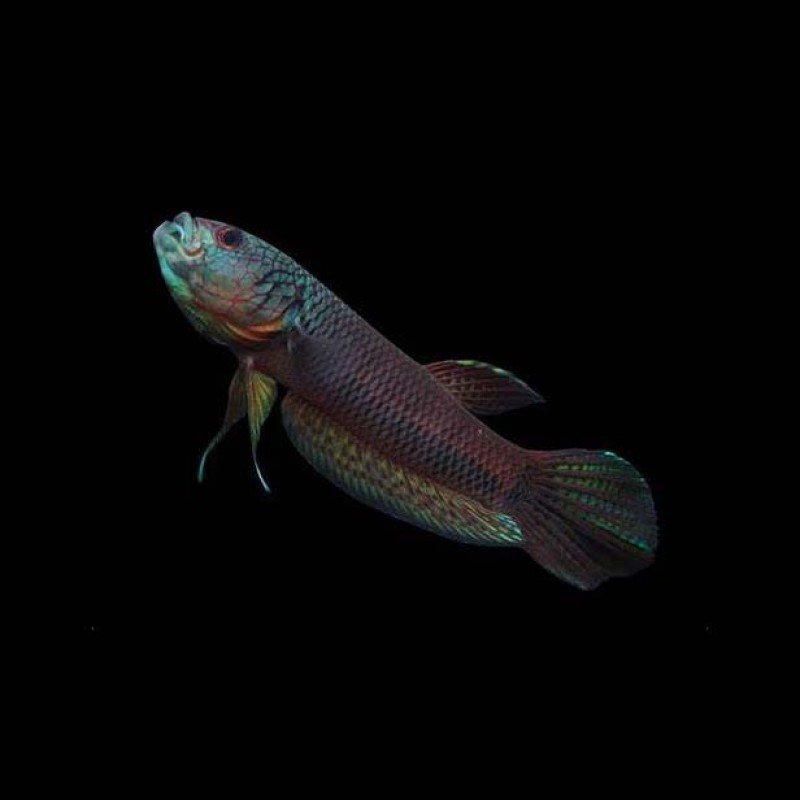
The Betta chanoides is a lesser-known, wild-type species of betta that is native to the blackwater streams of Borneo, Indonesia. Known for its stunning red and brown coloration and its more peaceful demeanor compared to Betta splendens, Betta chanoides is a beautiful addition to any aquarist's collection, particularly for those interested in wild-type bettas. This species is also known as a mouthbrooder, meaning the male carries the eggs in his mouth until they hatch, offering unique breeding behavior.

Physical Characteristics:

  • Size: Betta chanoides are small fish, typically growing to about 5 cm (2 inches) in length.
  • Coloration:
    • Males: Male Betta chanoides are brightly colored, often showing deep red to reddish-brown hues with iridescent green or blue highlights. The fins are edged with darker colors, usually black, adding to their overall striking appearance.
    • Females: Females are more subdued in coloration, usually a brownish color with faint red hints. While not as vibrant as males, they still have attractive patterns.
  • Shape: The body is slender and streamlined, with relatively short fins compared to domesticated bettas, giving them a more natural, wild appearance.

Behavior:

  • Temperament: Betta chanoides are generally peaceful and less aggressive than Betta splendens, making them easier to house in pairs. Males may still show some territorial behavior, especially during breeding, but they are far more tolerant of tank mates than the common betta.
  • Activity Level: They are relatively active swimmers and will spend time exploring their environment. They enjoy hiding among plants and decor, mimicking their natural habitat of densely vegetated streams.
  • Community Behavior: Betta chanoides can be kept in pairs, particularly during breeding. However, care should be taken if keeping them in a community tank, as they may become stressed around larger or more aggressive fish.

Aquarium Care:

  • Tank Size: A tank of at least 30 liters (8 gallons) is recommended for a pair of Betta chanoides. Larger tanks (40 liters or more) are ideal if you plan to house them with other species, as it provides more space for them to establish territories and reduces stress.
  • Water Parameters:
    • Temperature: Betta chanoides thrive in warm water, with an ideal temperature range of 24°C to 28°C (75°F to 82°F).
    • pH: They prefer acidic water, with a pH range of 4.0 to 6.5, mimicking the soft, acidic blackwater conditions of their natural habitat.
    • Hardness: Very soft water is ideal, with a general hardness (GH) of 1-5 dGH.
  • Tank Setup:
    • Substrate and Decorations: A soft, sandy substrate is ideal for Betta chanoides. They appreciate a well-planted tank with plenty of hiding spots, as they are naturally shy and prefer shaded areas. Floating plants and dense vegetation help mimic their natural habitat.
    • Lighting: Subdued lighting is preferred, as they are native to dimly lit environments. Floating plants or leaves (such as Indian almond leaves) can help create natural, shaded areas.
    • Filtration: A gentle filtration system is recommended to maintain clean water without creating strong currents. Regular water changes (around 20% weekly) are important to maintain water quality and mimic the clean, flowing waters of their natural habitat.

Diet:

Betta chanoides are carnivorous and benefit from a protein-rich diet to maintain their health and vibrant coloration. Their diet should include:

  • Live or Frozen Foods: They thrive on live or frozen foods such as brine shrimp, daphnia, bloodworms, and blackworms, which provide essential protein and mimic their natural diet.
  • Pellets or Flakes: While live and frozen foods are preferable, high-quality micro-pellets designed for carnivorous fish can also be offered.

Feed them 2-3 times daily, providing small portions they can consume in a few minutes to avoid overfeeding and maintain water quality.

Tankmates:

While Betta chanoides can be kept in community tanks, they are best housed with peaceful species that share similar water parameters and temperament. Suitable tankmates include:

  • Small rasboras: Such as Harlequin Rasboras or Chili Rasboras.
  • Dwarf gouramis: Peaceful species like Sparkling Gouramis.
  • Corydoras catfish: Small, peaceful bottom-dwellers that won’t compete for space.
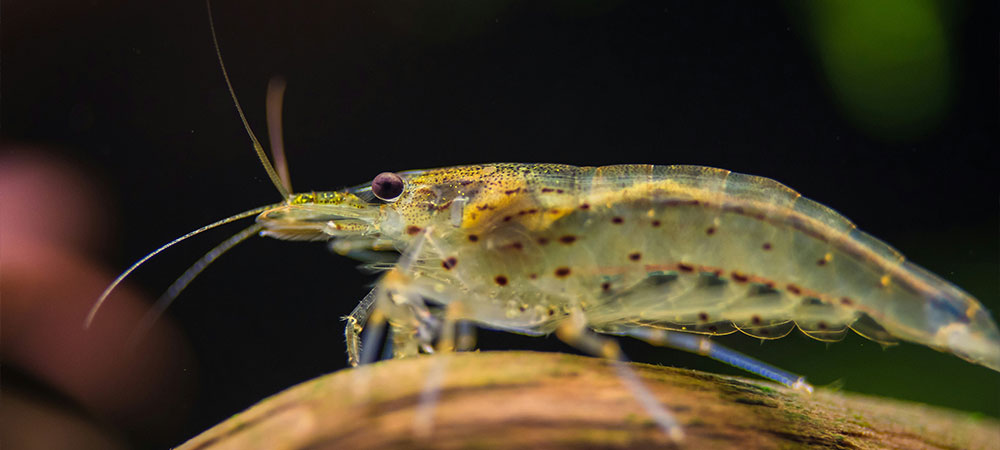
  • Shrimp: Peaceful species like Amano shrimp or Neocaridina shrimp can coexist well.

Avoid aggressive or fin-nipping species, as Betta chanoides are more peaceful and may be easily stressed by aggressive tank mates.

Breeding:

Betta chanoides are mouthbrooders, meaning the male will incubate the eggs in his mouth after spawning. Breeding this species is relatively straightforward under the right conditions.

  • Breeding Setup: A separate breeding tank with soft, acidic water (pH around 4.0-5.0) and a temperature of around 26°C to 28°C (79°F to 82°F) is ideal. Dense planting and plenty of hiding spots should be provided for the pair to feel secure.
  • Spawning Behavior: During courtship, the male will display his vibrant colors to attract the female. After spawning, the male will collect the eggs in his mouth and brood them for about 7-10 days, depending on the water temperature.
  • Fry Care: Once the fry are released from the male’s mouth, they can be fed with infusoria or newly hatched brine shrimp. The male will guard them for a short time after release, but the fry should be closely monitored for food availability.

Special Considerations:

  • Water Quality: Betta chanoides are sensitive to water conditions, particularly pH and hardness. Maintaining soft, acidic water with regular water changes is crucial to their health.
  • Shy Nature: These fish can be shy, particularly in bright or open tanks. Providing plenty of hiding spots and keeping the tank dimly lit will help them feel more secure and display their natural behaviors.

Write a review

Please login or register to review