

Menu
Menu
Your Cart

Red Hook Silver Dollar

Red Hook Silver Dollar
From €19.99
Ex Tax: €16.25
  • Stock: Call In-Store For Availability
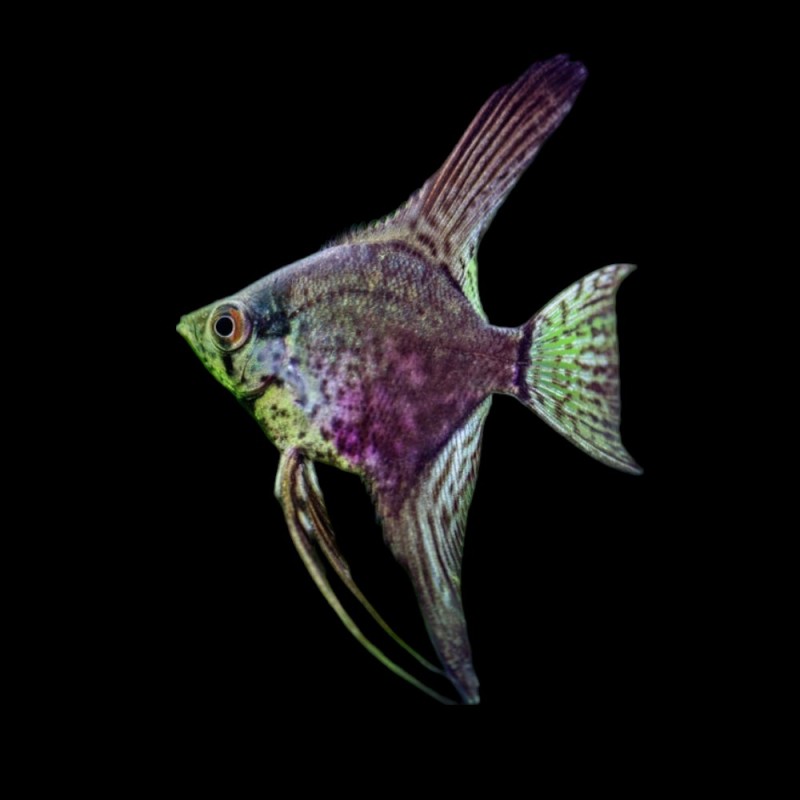
  • Please Note: Due to variations within species, your fish may not look identical to the image provided. Also note not all sizes or species may be available due to seasonality, Please call beforehand for up-to-date stock availability.

  • Model: RED HOOK SILVER DOLLAR MATRIX
Available Options

Reset options

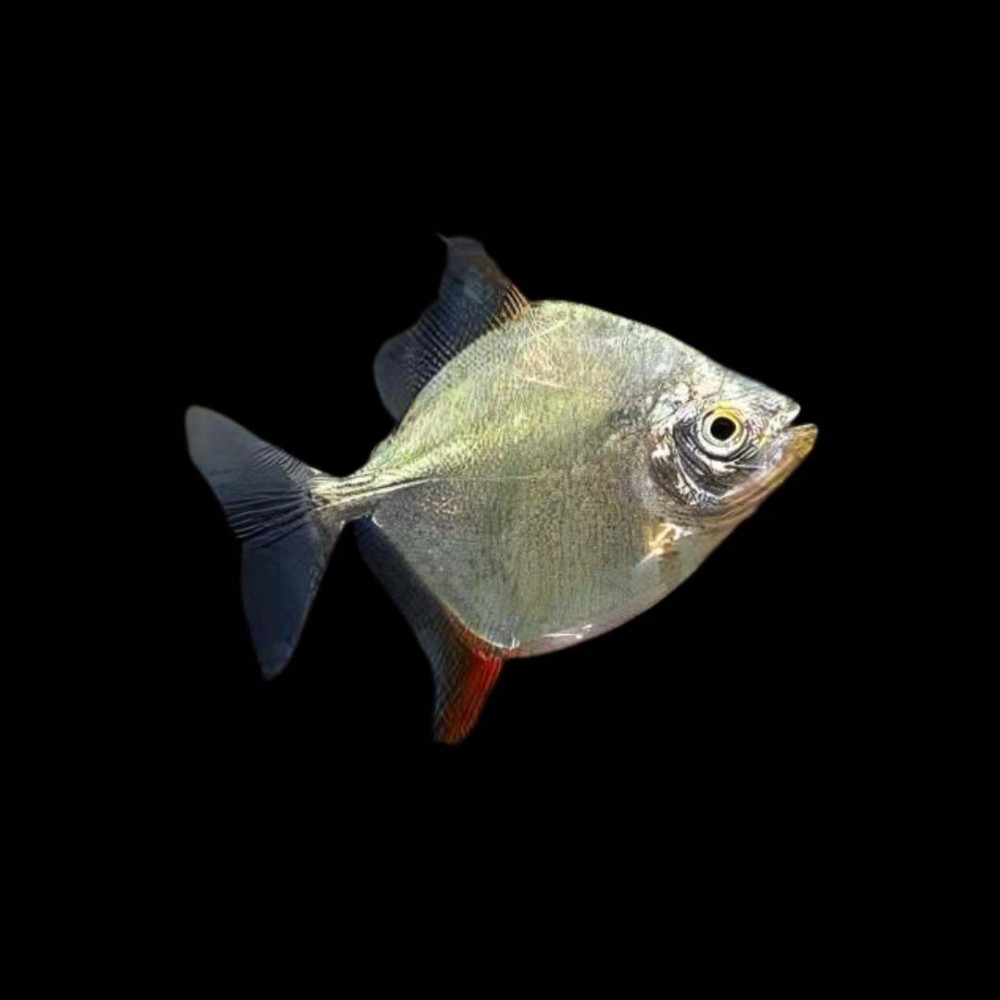
Myleus rubripinnis (often referred to as the Red-Hook Silver Dollar or Red-Hook Myleus

Description of Myleus rubripinnis

Myleus rubripinnis is a species of freshwater fish from the Serrasalmidae family, which is closely related to piranhas, though they are more peaceful in nature.

Native to the rivers of South America, particularly the Amazon and Orinoco basins, this species is often prized for its vibrant coloration and graceful swimming behavior.

  • Size: Myleus rubripinnis can grow up to 10-12 inches (25-30 cm) in length, although in aquariums, they tend to be slightly smaller. They are considered medium-sized fish in the piranha family.

  • Coloration: One of the most notable features of this species is the red or orange coloration on the fins, particularly the tail and dorsal fins, which contrasts with the silvery or grayish body. The fish's coloration can intensify under good health and appropriate environmental conditions.

  • Behavior: Unlike their more famous relatives (piranhas), Myleus rubripinnis is generally more peaceful. They are not aggressive toward other tank mates but can become territorial, especially when breeding.

Aquarium Care for Myleus rubripinnis

Caring for Myleus rubripinnis requires attention to water quality, tank size, and the selection of appropriate tank mates. Here’s a breakdown of their care requirements:

1. Tank Size

  • A minimum of 55-75 gallons (208-284 liters) is recommended for a single Myleus rubripinnis, though larger tanks are always better. These fish can grow to a decent size, and they need plenty of space to swim freely.

  • If you're keeping multiple individuals, you should opt for an even larger tank (100 gallons or more) to avoid territorial disputes.

2. Water Parameters

  • Temperature: Myleus rubripinnis thrives in warm water, with a temperature range between 75°F to 82°F (24°C to 28°C).

  • pH: These fish prefer slightly acidic to neutral water. The ideal pH range is between 6.0 and 7.5.

  • Hardness: Water hardness should be kept within a moderate range of 4–15 dGH.

  • Water Quality: Like most Amazonian fish, they require clean and well-oxygenated water. High-quality filtration is essential, and regular water changes (about 20-30% every week) will help maintain optimal water quality.

3. Diet

  • Myleus rubripinnis is omnivorous, and their diet should consist of a mix of high-quality pellets, flakes, and frozen/live foods like bloodworms, brine shrimp, daphnia, and worms.

  • They also enjoy plant matter, so adding blanched vegetables such as spinach, zucchini, or peas can provide them with additional nutrition.

  • Variety is key to ensuring a balanced diet, which promotes vibrant coloration and good health.

4. Tank Setup

  • Substrate: A soft, sandy substrate or fine gravel is best, as it helps replicate their natural environment. It also prevents injury to their delicate fins.

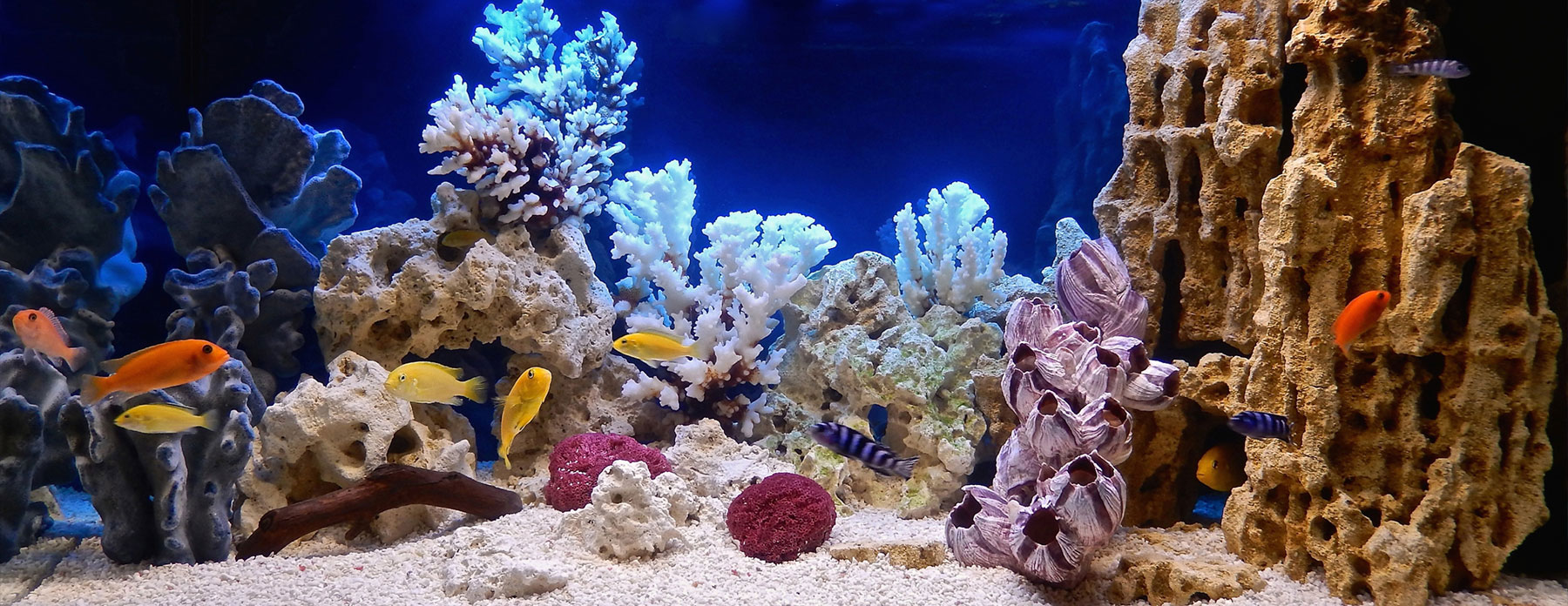
  • Aquascaping: Myleus rubripinnis enjoys having some hiding spots, so incorporating driftwood, rocks, and plants can provide shelter and reduce stress. However, keep in mind they are relatively large fish, so it’s important not to overcrowd the tank with decorations.

  • Lighting: Moderate lighting is sufficient for Myleus rubripinnis. Too bright lighting can stress them, so a natural day/night cycle with subdued lighting works best.

  • Water Movement: They generally prefer slow to moderate water flow, mimicking the slow-moving streams and rivers of their natural habitat.

5. Tank Mates

  • Myleus rubripinnis is generally peaceful and can coexist with other medium-sized, non-aggressive fish. However, they may become territorial, especially during breeding periods.

  • Ideal tank mates include:

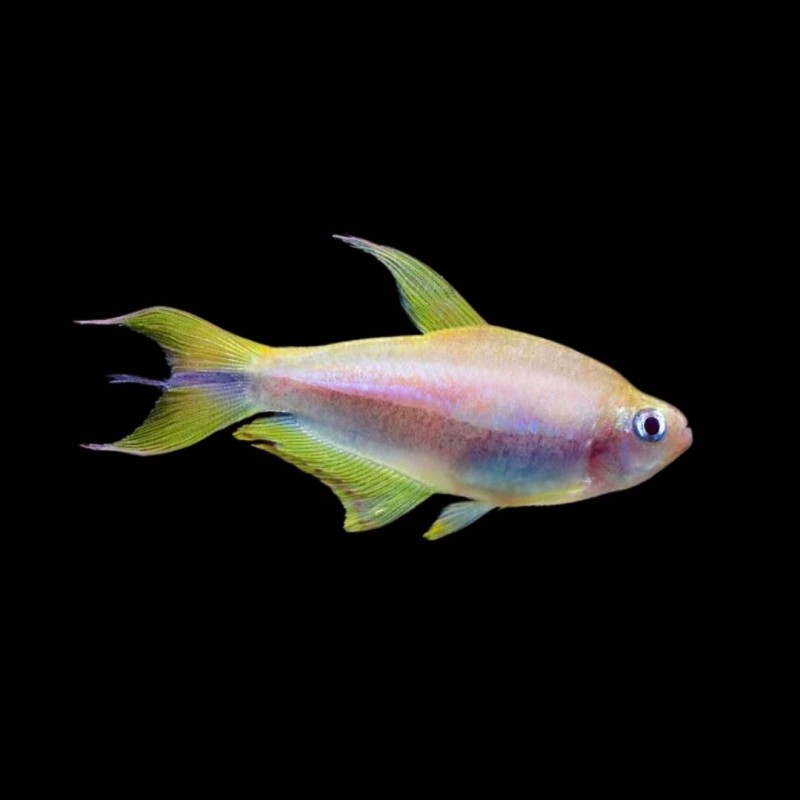
    • larger tetras

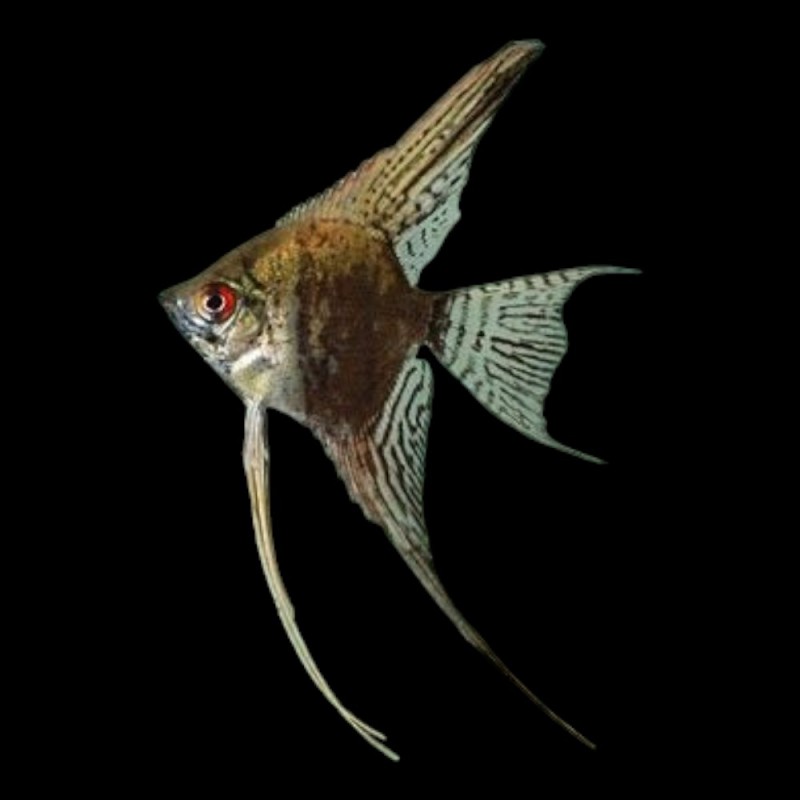
    • Other peaceful cichlids (e.g., Geophagus, Apistogramma species)

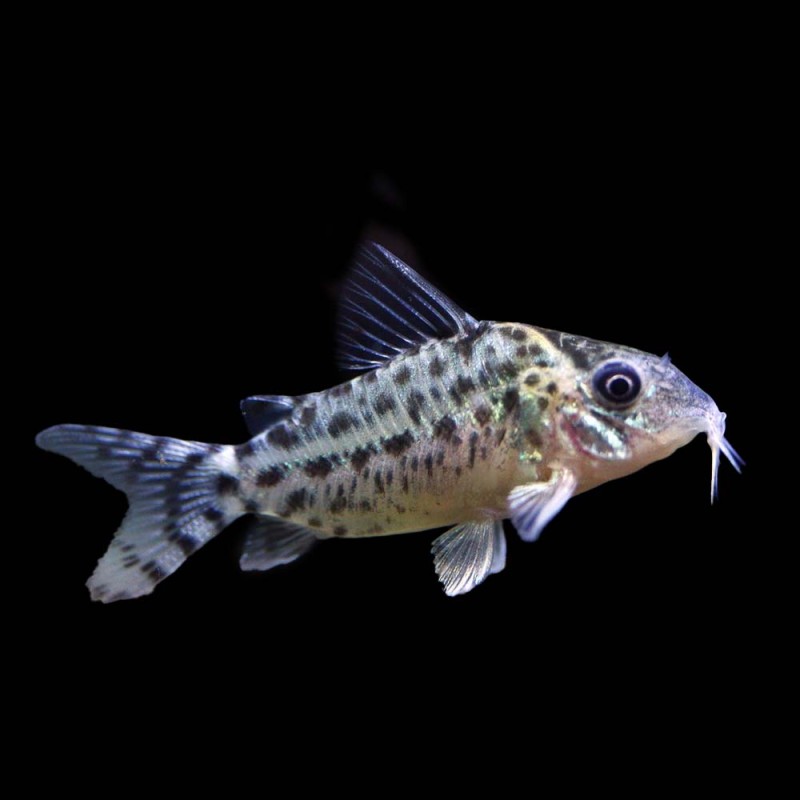
    • catfish (e.g., Plecos or Corydoras species)

    • Other peaceful South American species that won’t compete for the same food sources.

Avoid keeping them with smaller fish that might be viewed as food, as well as overly aggressive species.

6. Breeding

  • Myleus rubripinnis is capable of breeding in captivity, though it’s relatively rare. During breeding, the female will lay eggs on flat surfaces, such as rocks or the glass sides of the tank.

  • The males fertilize the eggs, and the parents typically protect the eggs and the fry once they hatch. The fry are often guarded in the parents' mouths until they are large enough to swim independently.

Summary

  • Myleus rubripinnis is a peaceful, omnivorous species with beautiful red-finned coloration.

  • They require a spacious tank (55–75 gallons) with clean, warm water, moderate water flow, and a variety of food.

  • They are compatible with other peaceful fish but should not be kept with small species.

  • Regular maintenance, including filtration and water changes, is essential for their health.


Write a review

Please login or register to review