

- Stock: Generally In Stock
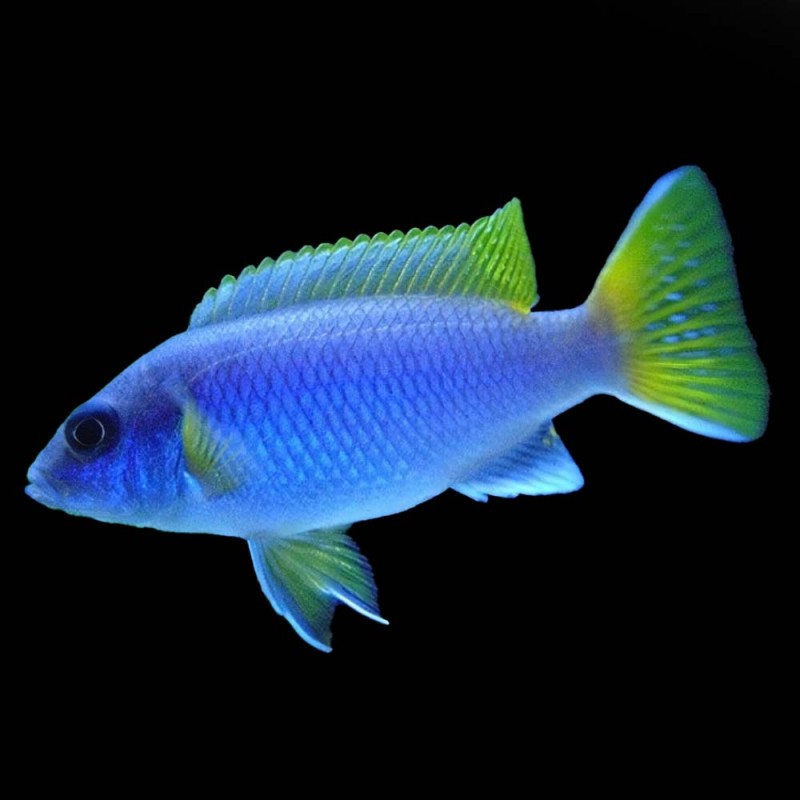
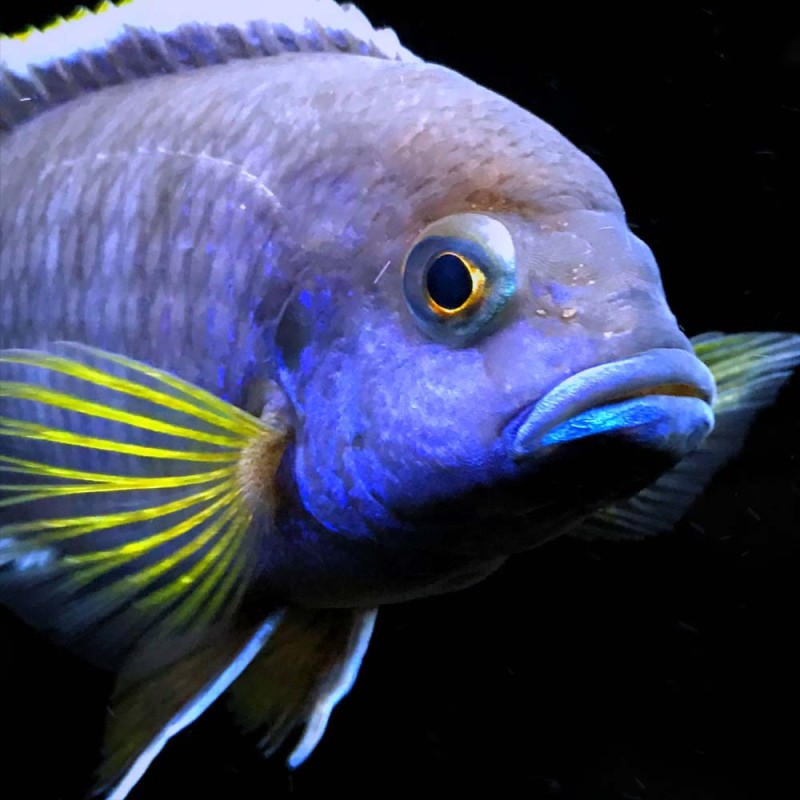
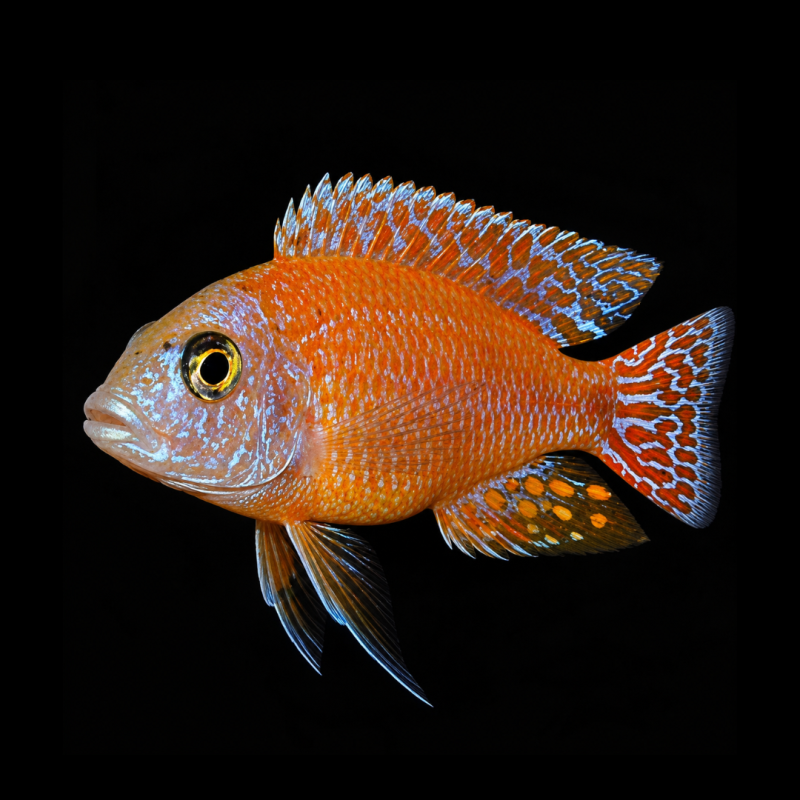
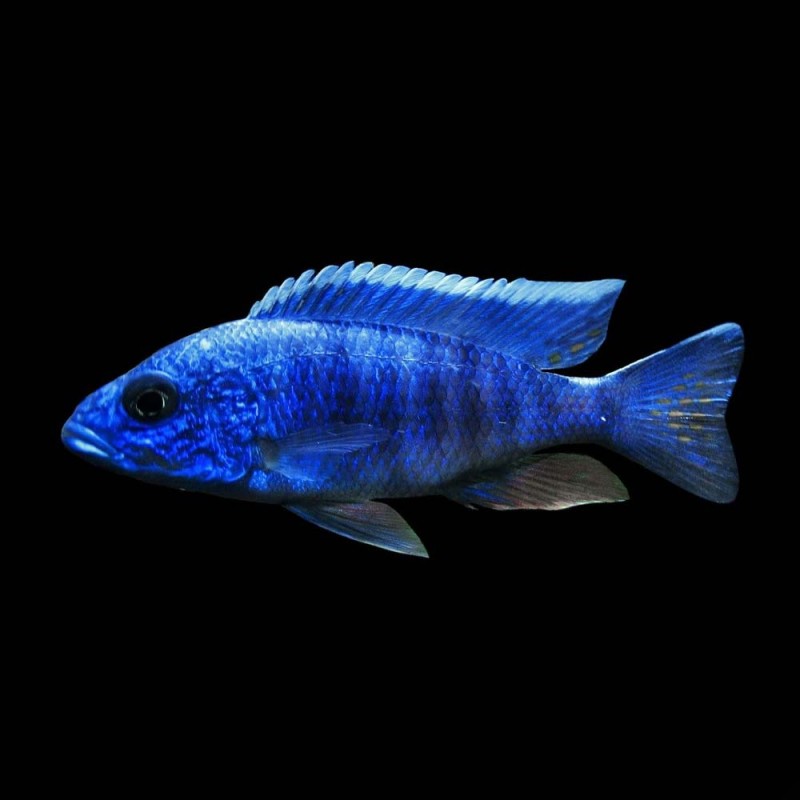
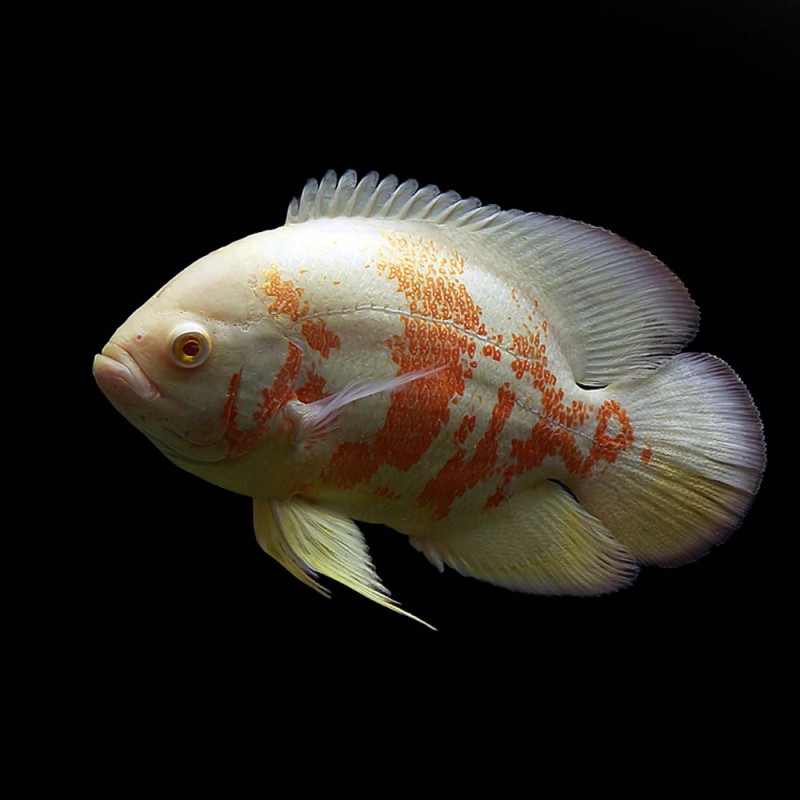
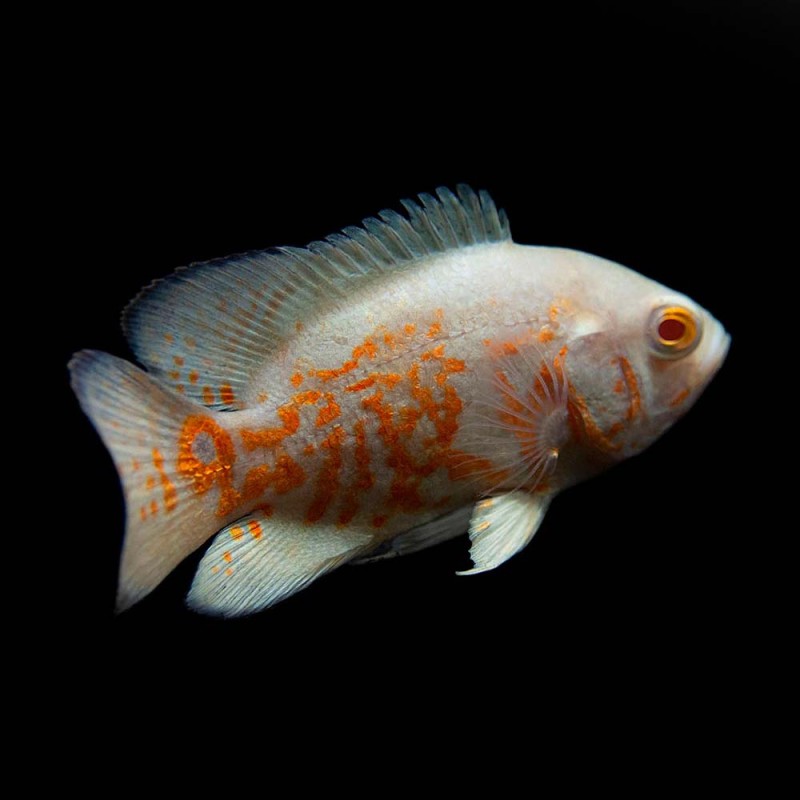
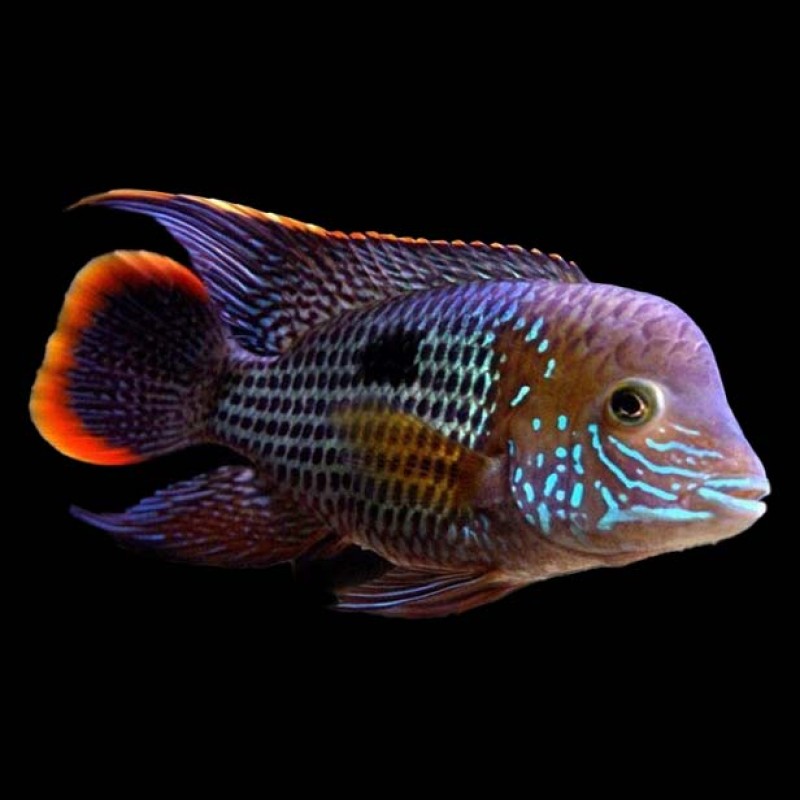
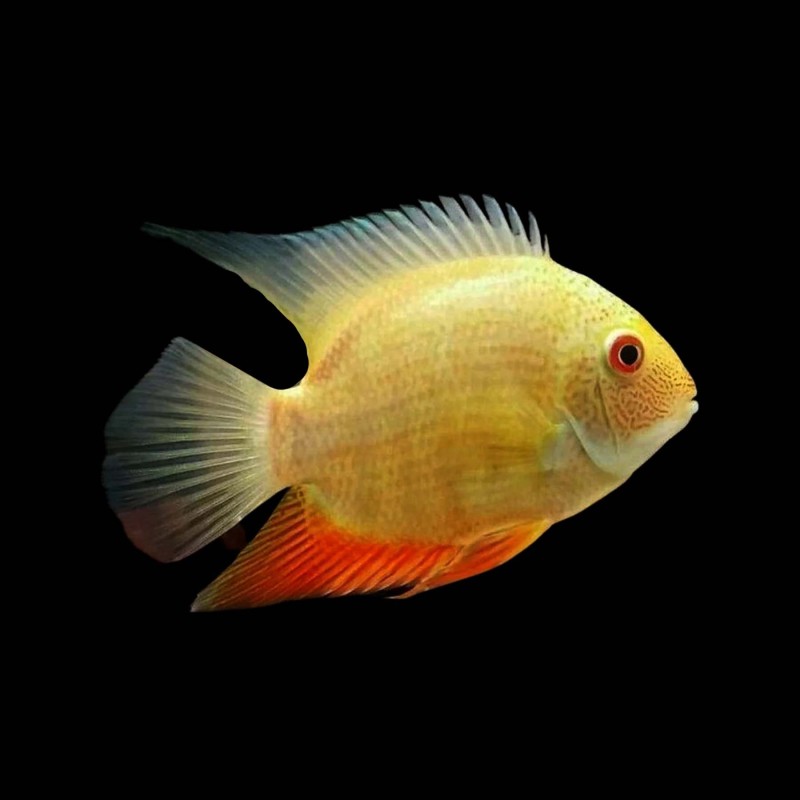
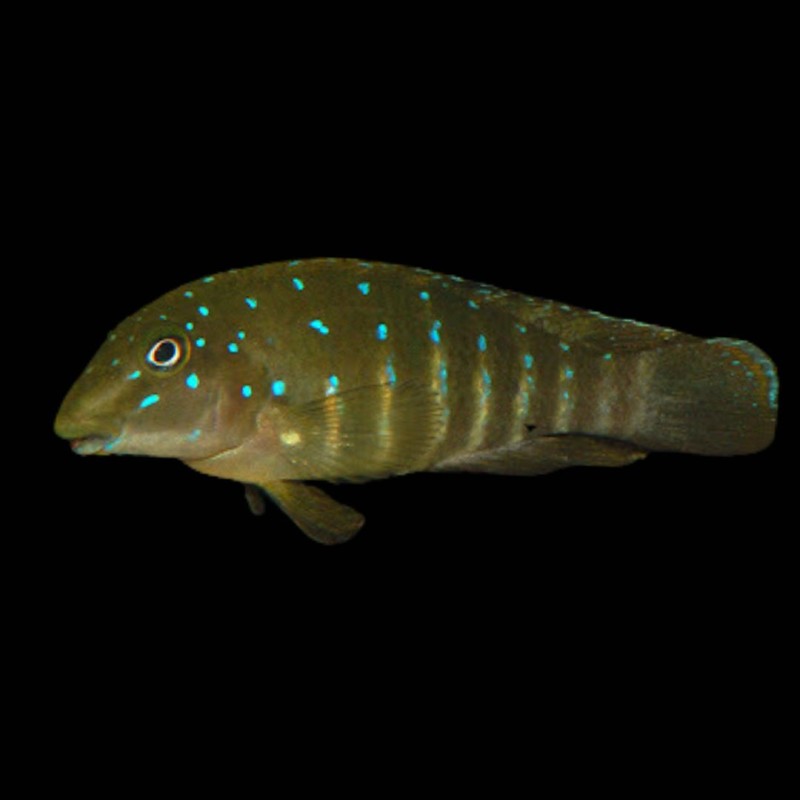
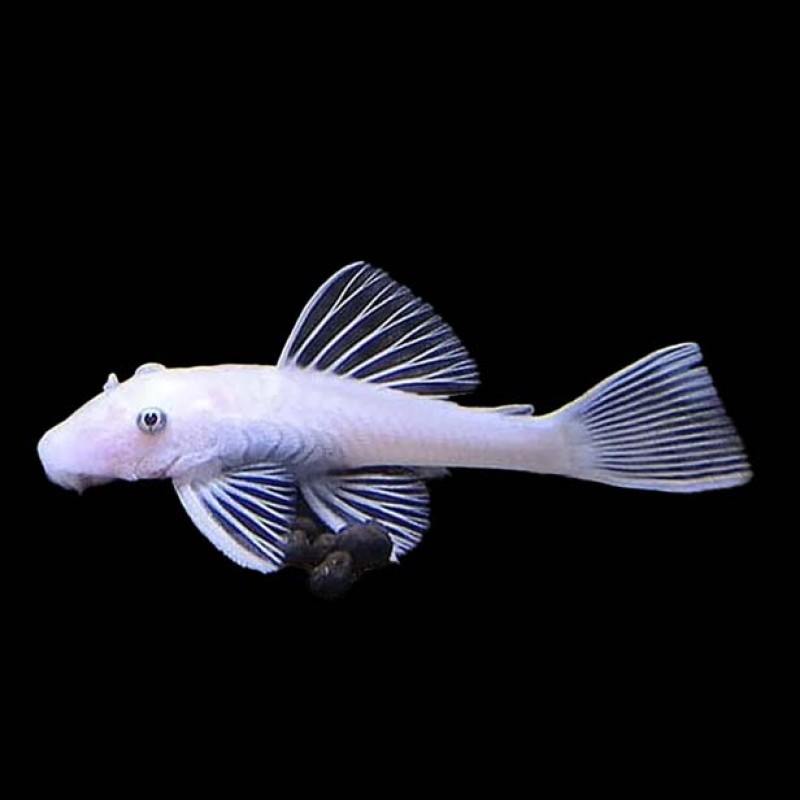
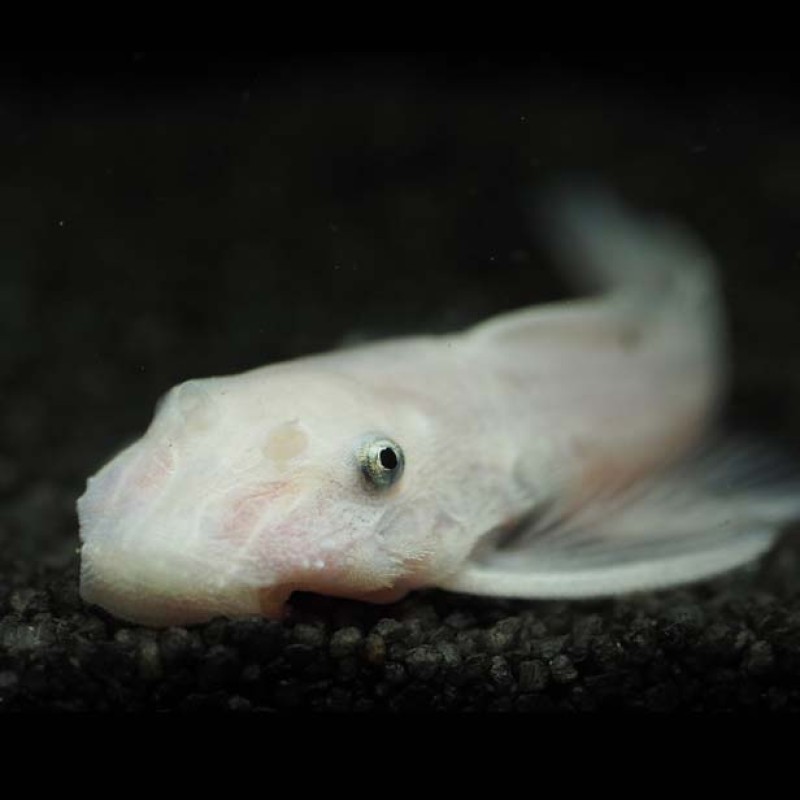
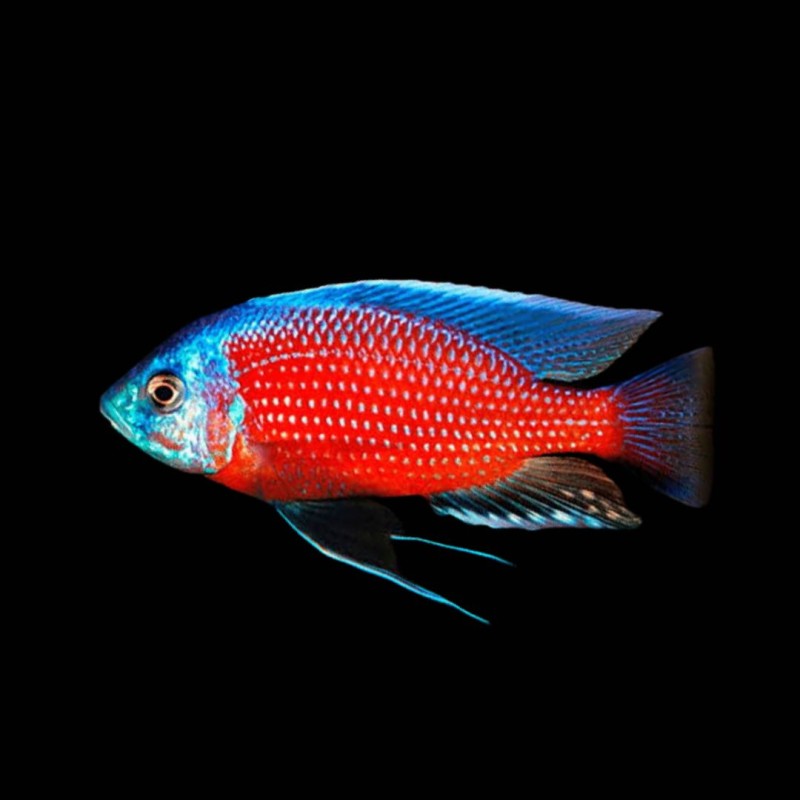
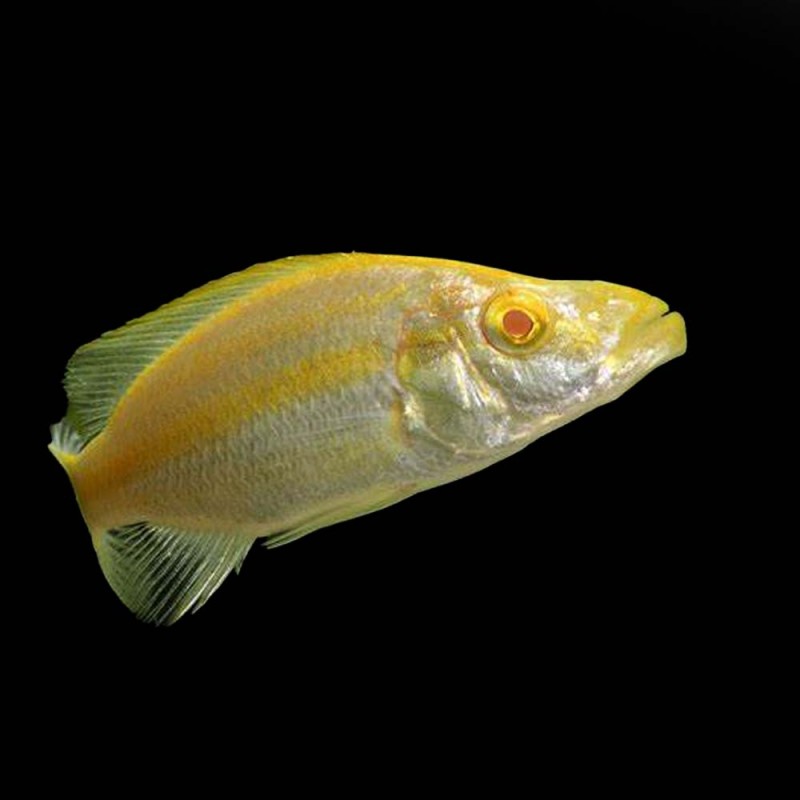
Please Note: Due to variations within species, your fish may not look identical to the image provided. Also note not all sizes or species may be available due to seasonality, Please call beforehand for up-to-date stock availability.
- Model: -
Available Options
Arrive Alive
If your fish, coral, plant, or invertebrate doesn't arrive alive and stay alive for 2 days, we'll credit your account or refund your money.
Pink Convict Cichlid
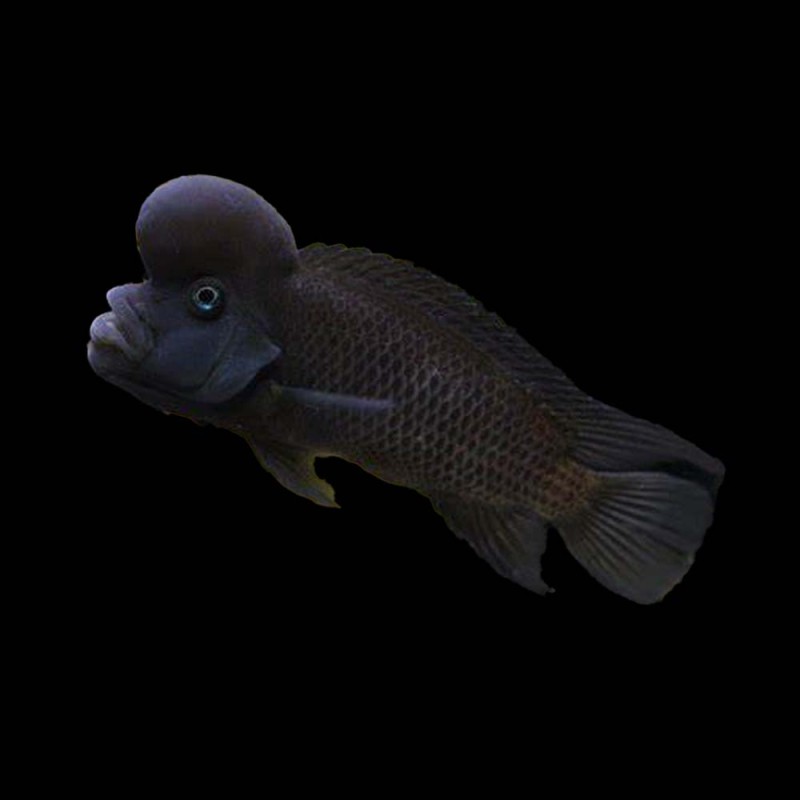
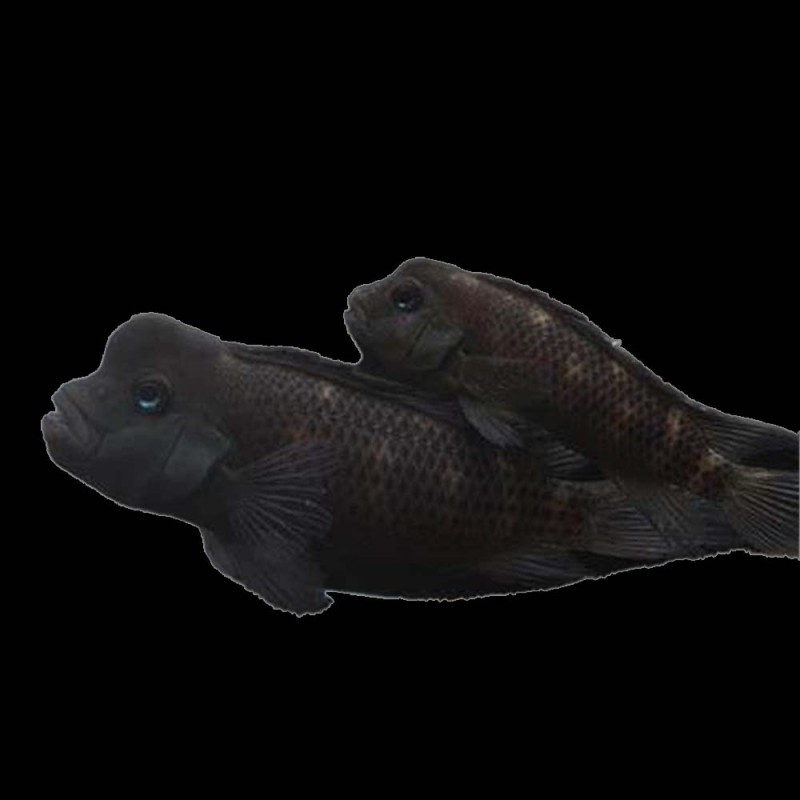
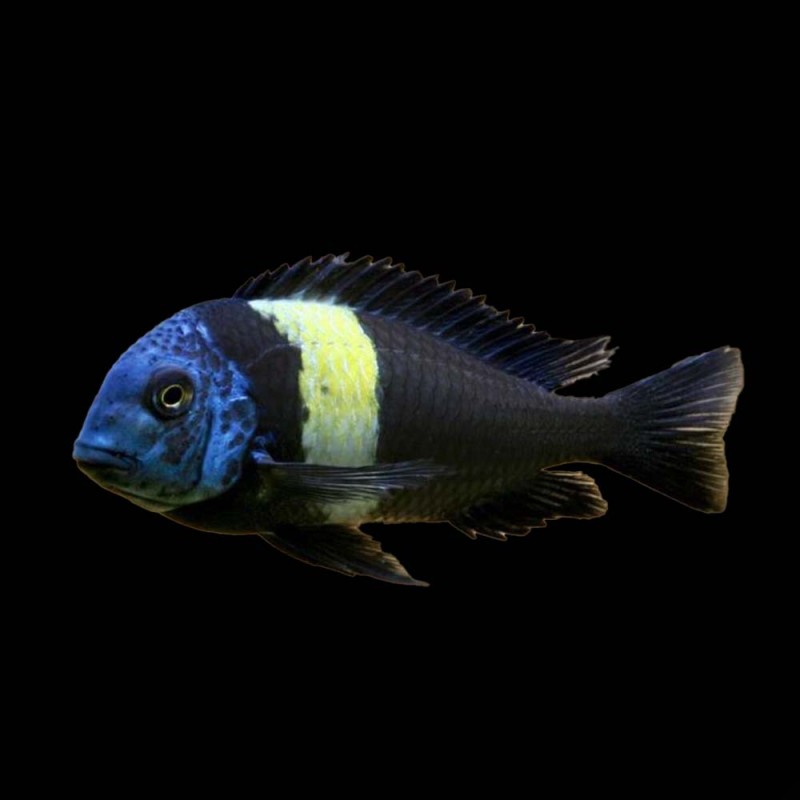
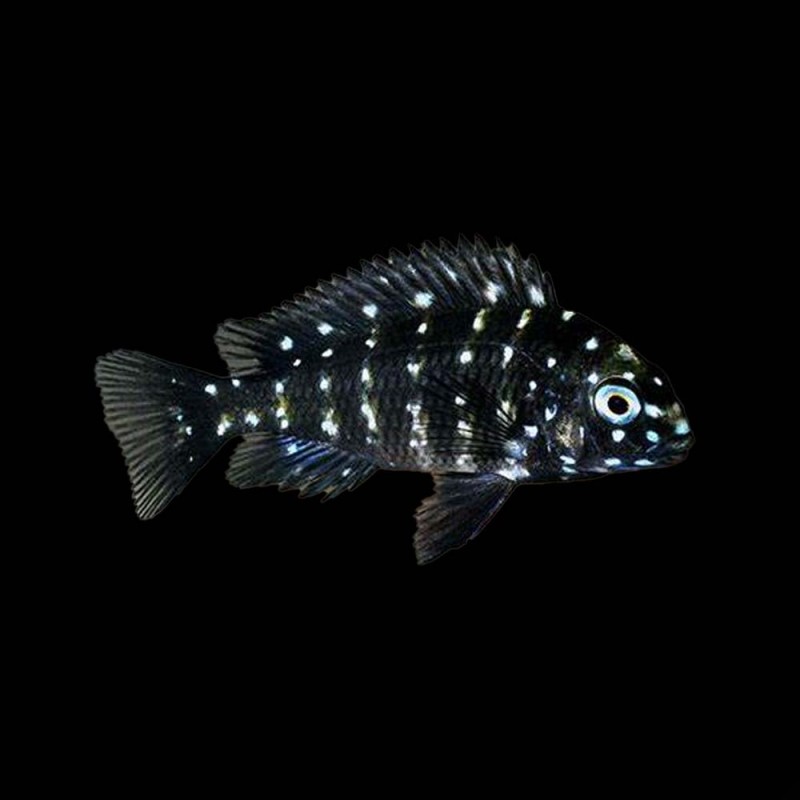
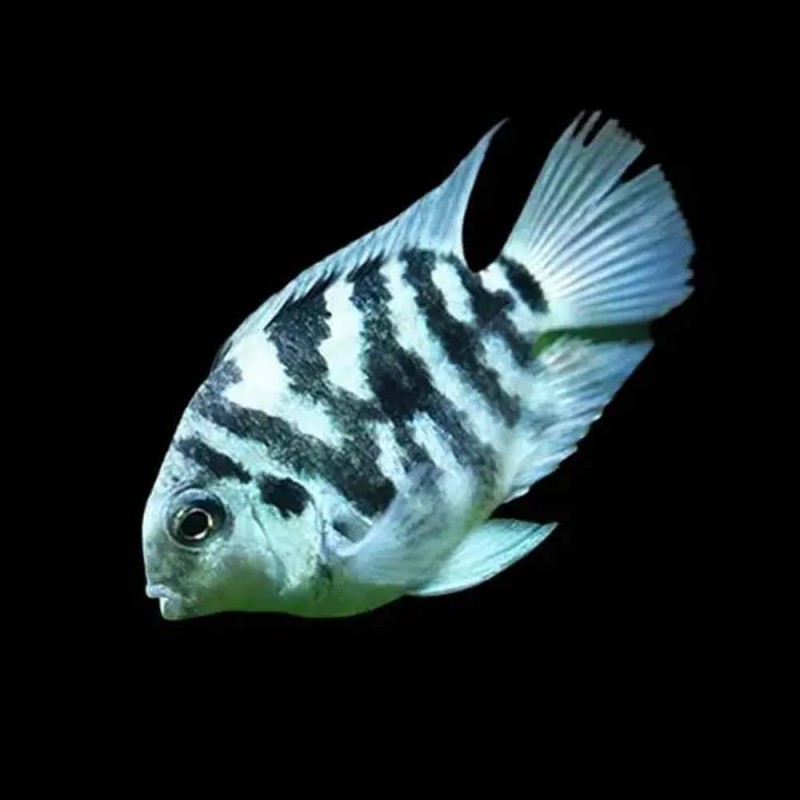
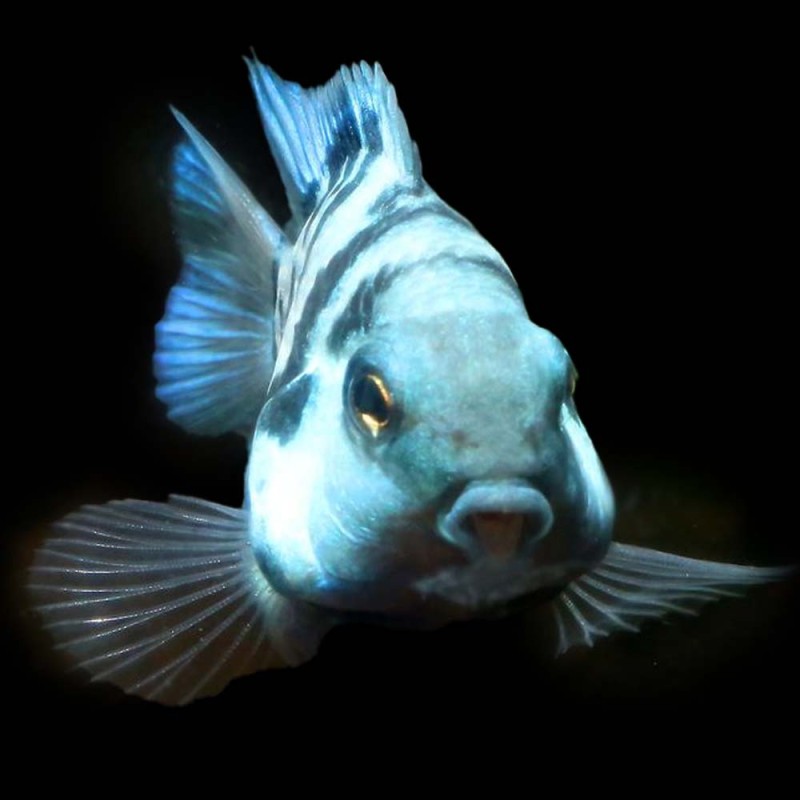
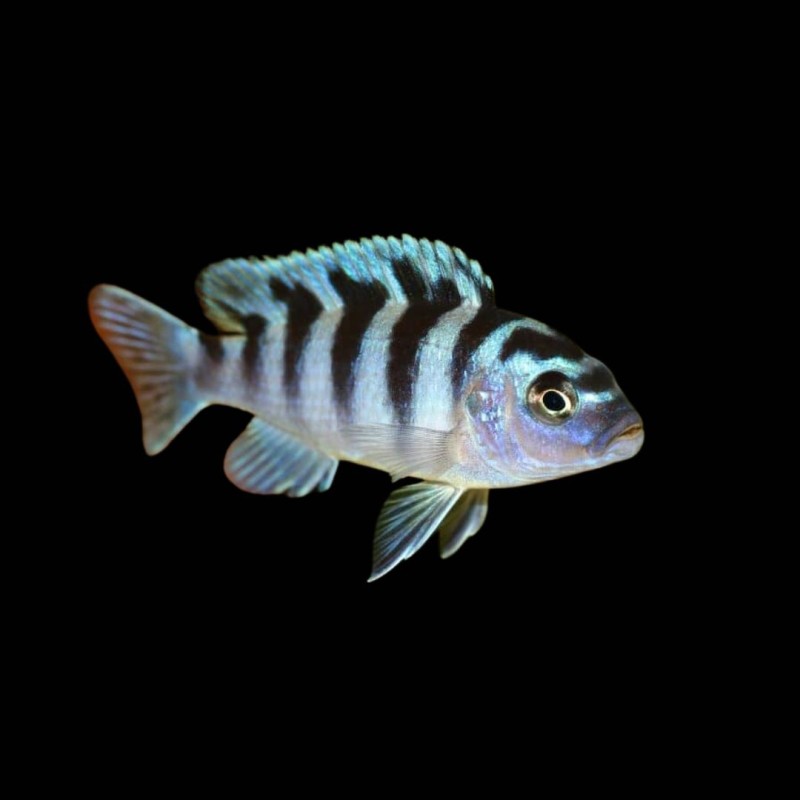
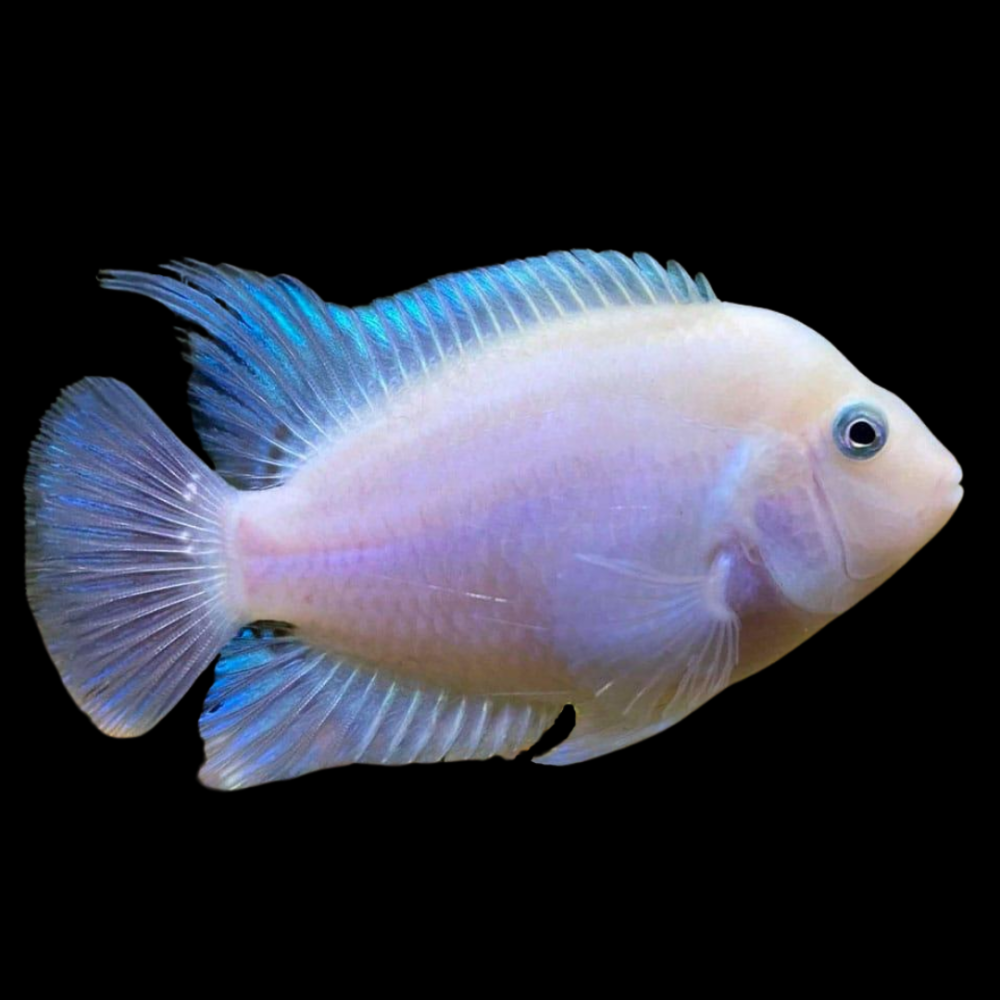
The Pink Convict Cichlid (also known as Amatitlania nigrofasciata) is a popular variant of the Convict Cichlid, known for its striking pink coloration and unique patterns. This freshwater fish is native to Central America, particularly in the freshwater lakes and rivers of Nicaragua and Costa Rica. The Pink Convict Cichlid is a favorite among aquarists due to its vibrant colour and fascinating behaviour.
Physical Characteristics:
- Size: Pink Convict Cichlids typically grow to about 10-12 cm (4-5 inches) in length.
- Coloration:
- Body: The body of the Pink Convict Cichlid is predominantly pale pink or white, with distinct black stripes that run horizontally across its body.
- Fins: Their fins are usually transparent or light pink, sometimes with hints of yellow or orange, adding to their aesthetic appeal.
- Shape: These cichlids have a robust and rounded body, typical of many cichlid species, giving them a sturdy appearance.
Behaviour:
- Temperament: Pink Convict Cichlids are known for their aggressive and territorial nature, particularly during breeding. Males are generally more aggressive than females and may display dominant behaviour toward other fish.
- Activity Level: These cichlids are active swimmers, often patrolling their territory and interacting with their environment.
- Community Behaviour: While they can be housed with other fish, caution should be taken when selecting tankmates, as they may become aggressive toward smaller or more docile species.
Aquarium Care:
- Tank Size: A minimum tank size of 75 litres (20 gallons) is recommended for a pair of Pink Convict Cichlids, although larger tanks are preferable to provide sufficient space and reduce aggression.
- Water Parameters:
- Temperature: Pink Convict Cichlids thrive in warm water, with an ideal temperature range of 24°C to 28°C (75°F to 82°F).
- pH: They prefer slightly acidic to neutral water, with a pH range of 6.5 to 7.5.
- Hardness: Soft to moderately hard water, with a general hardness (GH) of 4-12 dGH, is ideal.
- Tank Setup:
- Substrate and Decorations: A soft substrate, such as sand or fine gravel, is recommended. Provide plenty of hiding spots using rocks, caves, and driftwood, as these will help reduce stress and provide territories.
- Lighting: Moderate lighting is best for highlighting their vibrant colours without causing stress.
- Filtration: A good filtration system is essential, as cichlids can produce significant waste. Regular water changes (about 20% weekly) are also important for maintaining water quality.
Diet:
Pink Convict Cichlids are omnivorous and require a varied diet to thrive:
- Pellets: High-quality cichlid pellets should form the staple of their diet.
- Live or Frozen Foods: Offer live or frozen foods such as brine shrimp, bloodworms, and daphnia to provide essential protein and variety.
- Vegetation: They can also benefit from occasional vegetable matter, such as spirulina flakes or blanched spinach.
Tankmates:
Pink Convict Cichlids can be housed with other fish, but care should be taken to select compatible tankmates:
- Other Cichlids: Some other cichlid species that can tolerate their aggressive nature, such as larger African cichlids.
- Barbs and Larger Tetras: Peaceful species like Rainbowfish or larger tetras can be suitable tankmates.
- Bottom-Dwellers: Species like Corydoras catfish can coexist as they occupy different levels in the tank.
Breeding:
Breeding Pink Convict Cichlids can be rewarding, as they are known to be prolific breeders:
- Breeding Setup: A separate breeding tank with flat surfaces for laying eggs is recommended. The water should be warm (around 26°C to 28°C or 79°F to 82°F) and slightly acidic.
- Spawning Behaviour: The female will lay eggs on a flat surface, and the male will guard them. They typically lay several dozen to hundreds of eggs.
- Fry Care: Once the fry hatch, they can be fed with infusoria or finely crushed flakes. The parents often guard the fry closely.
Special Considerations:
- Space Requirements: Due to their territorial nature, providing plenty of space and hiding spots is essential to reduce aggression.
- Observation: Monitor their behaviour closely, especially during breeding, to prevent aggression towards tankmates.
| File Name | Size | Link |
|---|---|---|
| 15 How to care for American Cichlids.pdf (Total downloads: 7454) | 221.67KiB | Download |