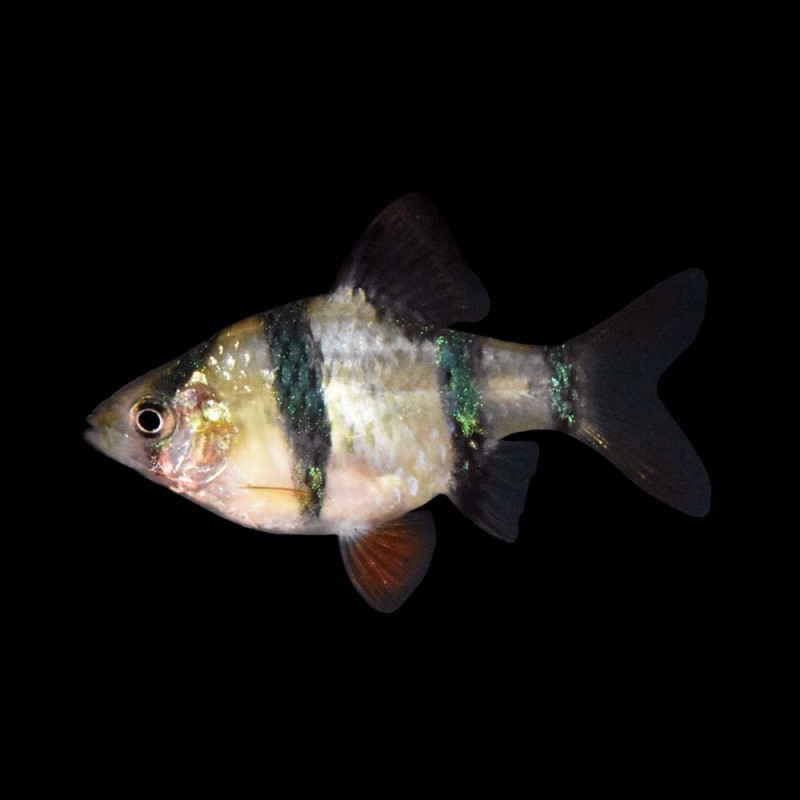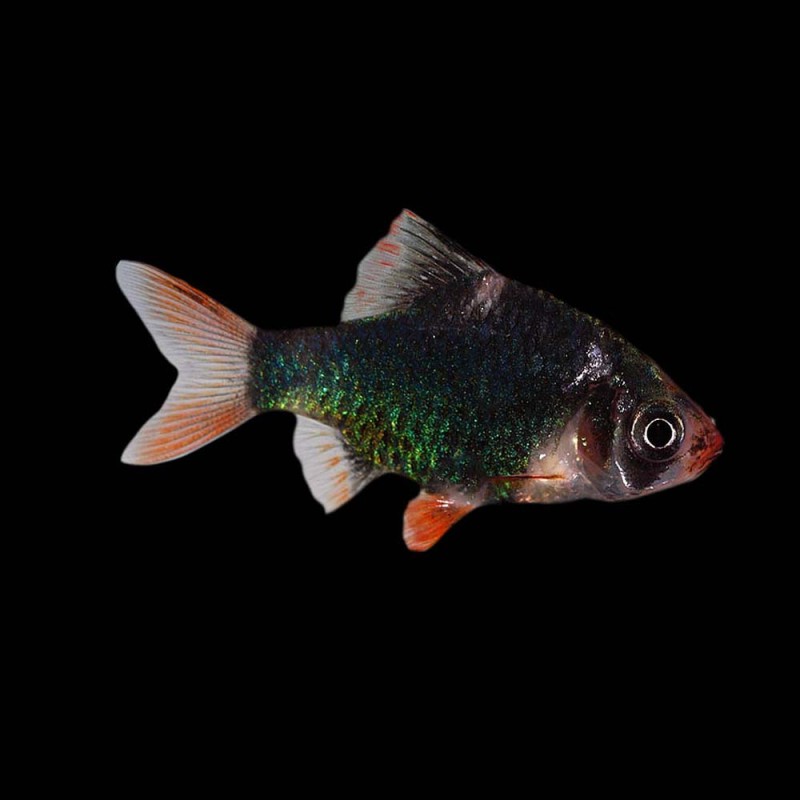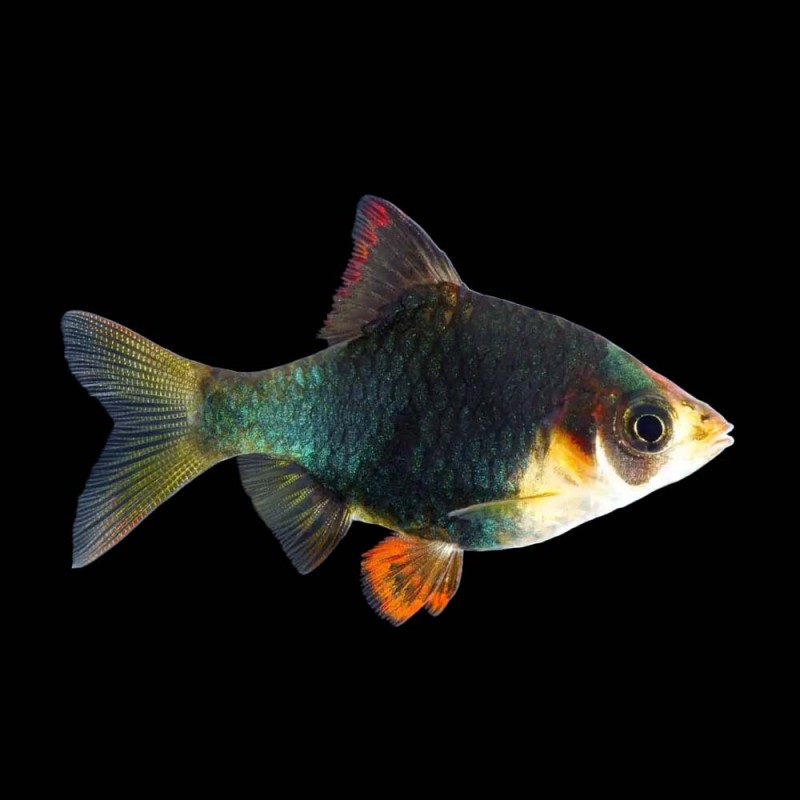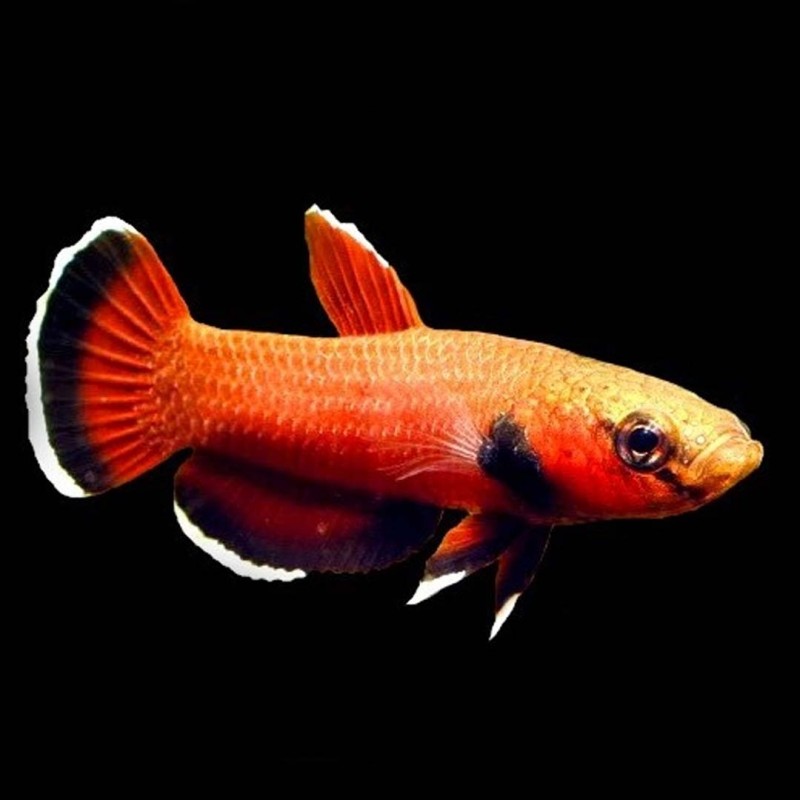


- Stock: Generally In Stock
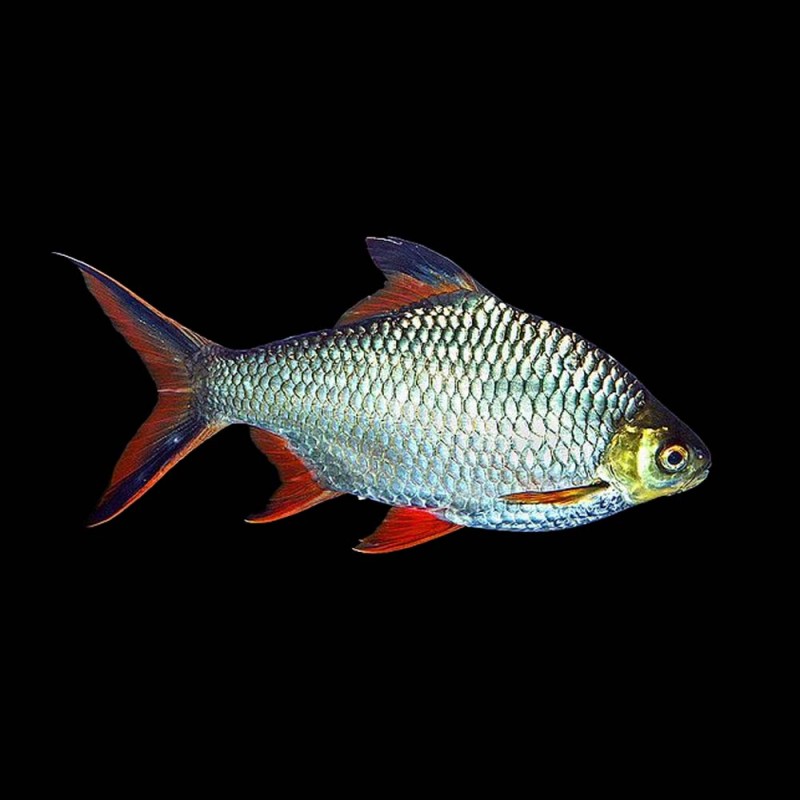
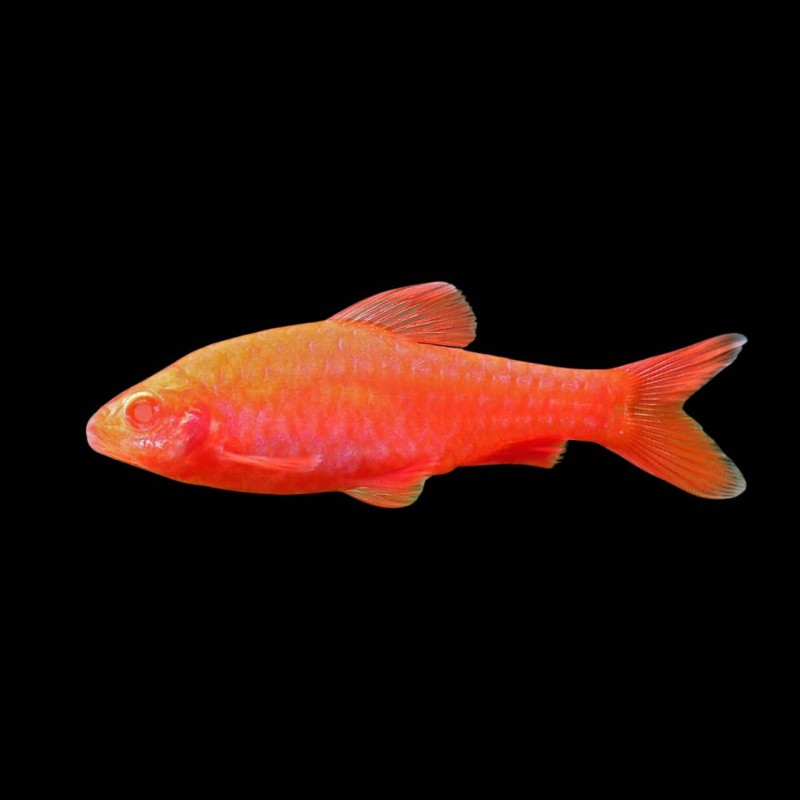
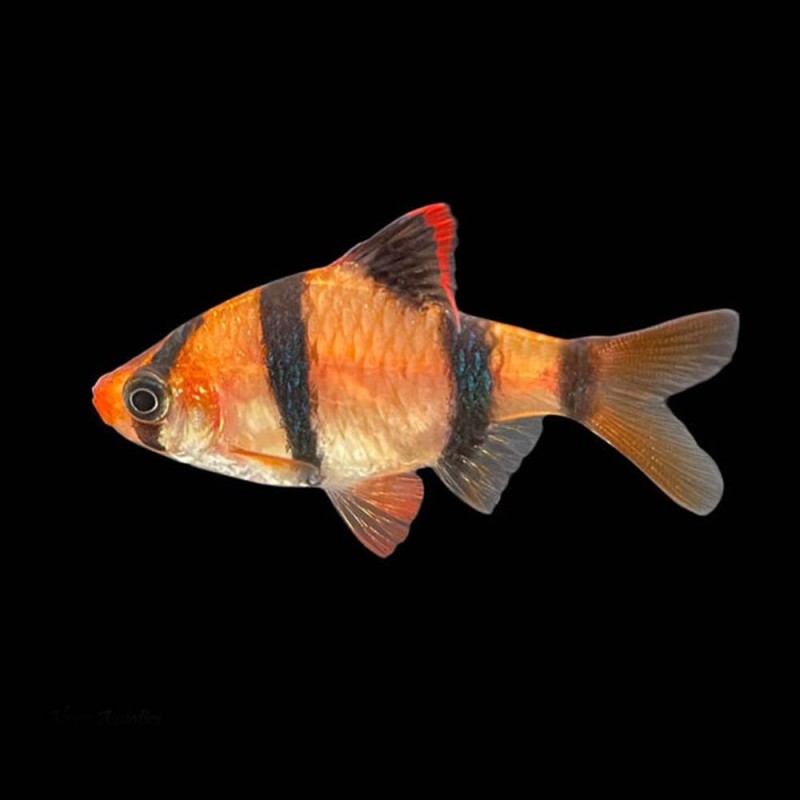
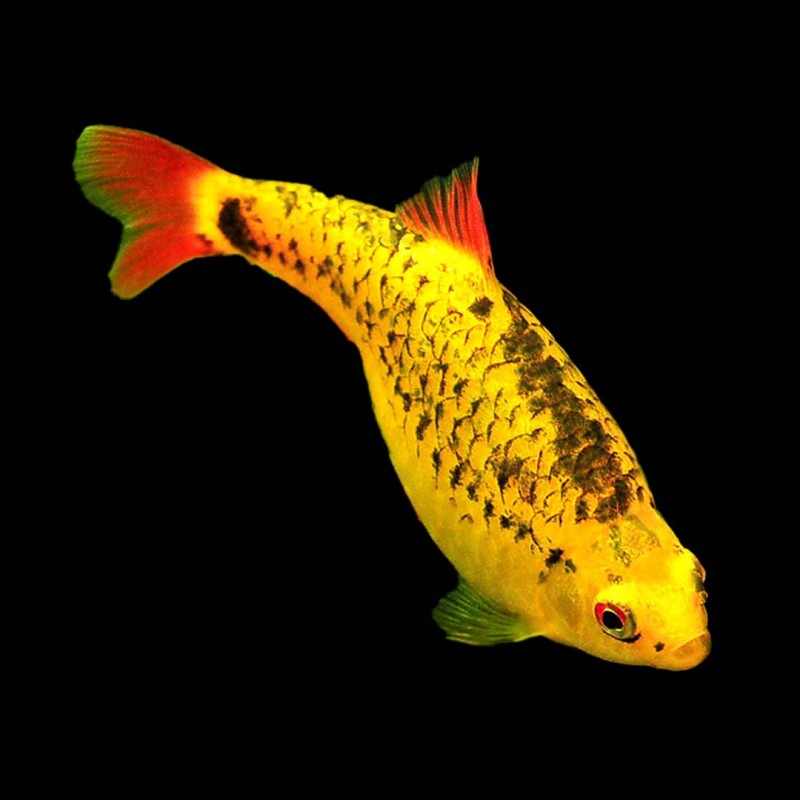
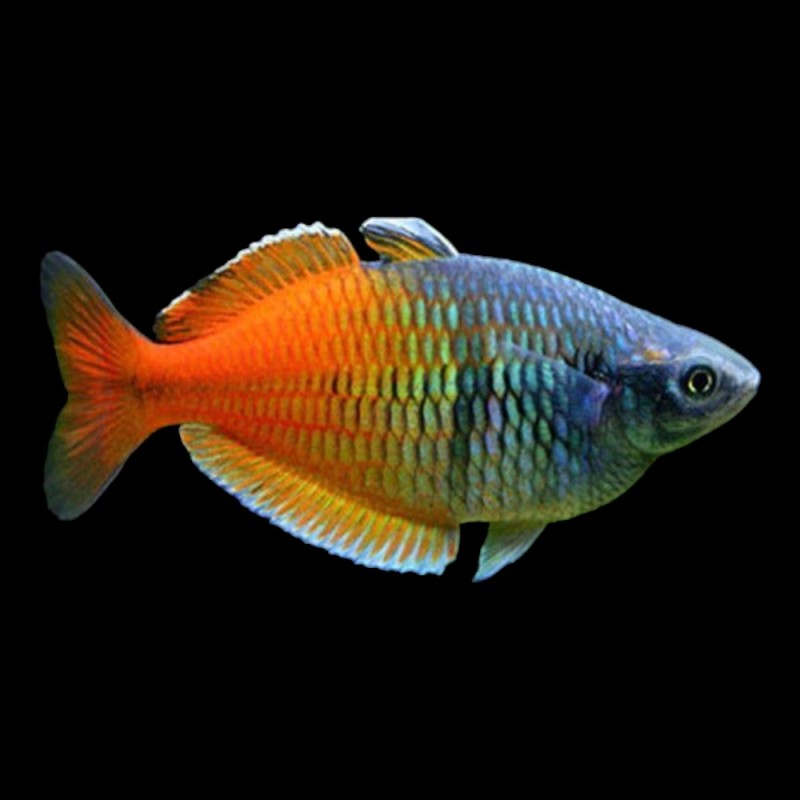
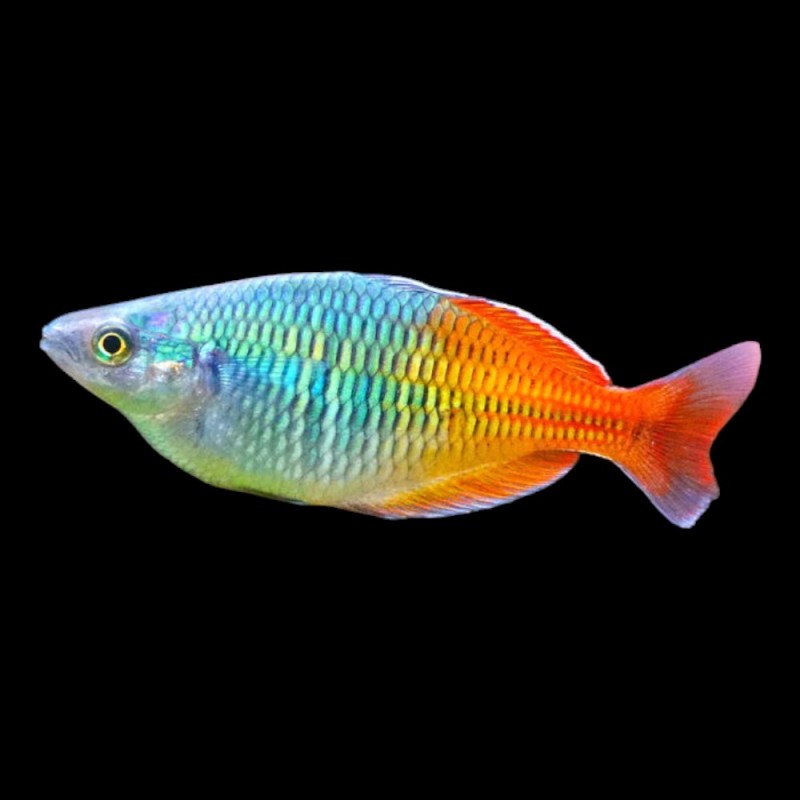
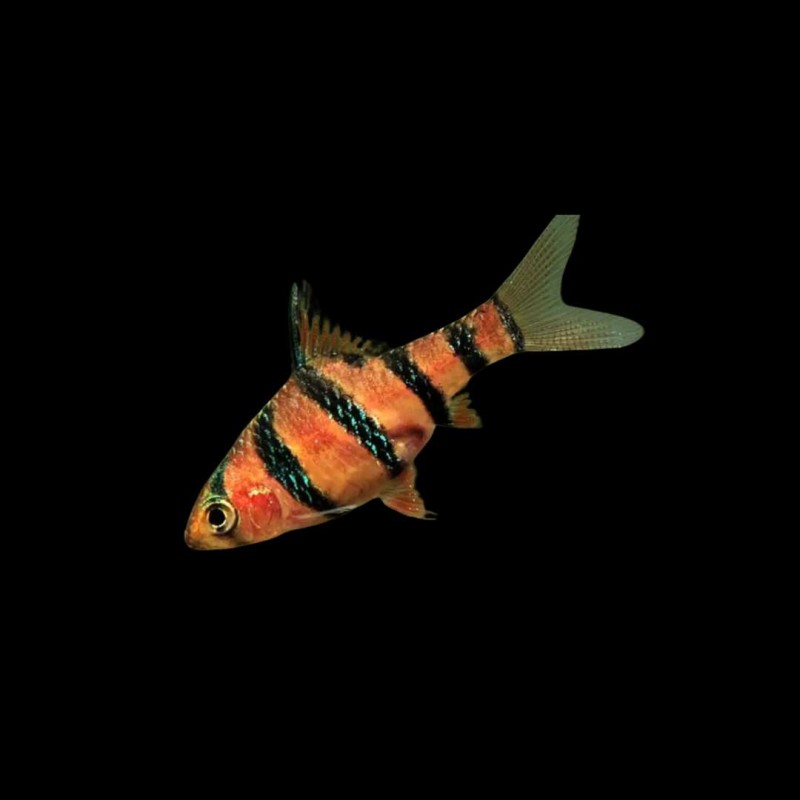
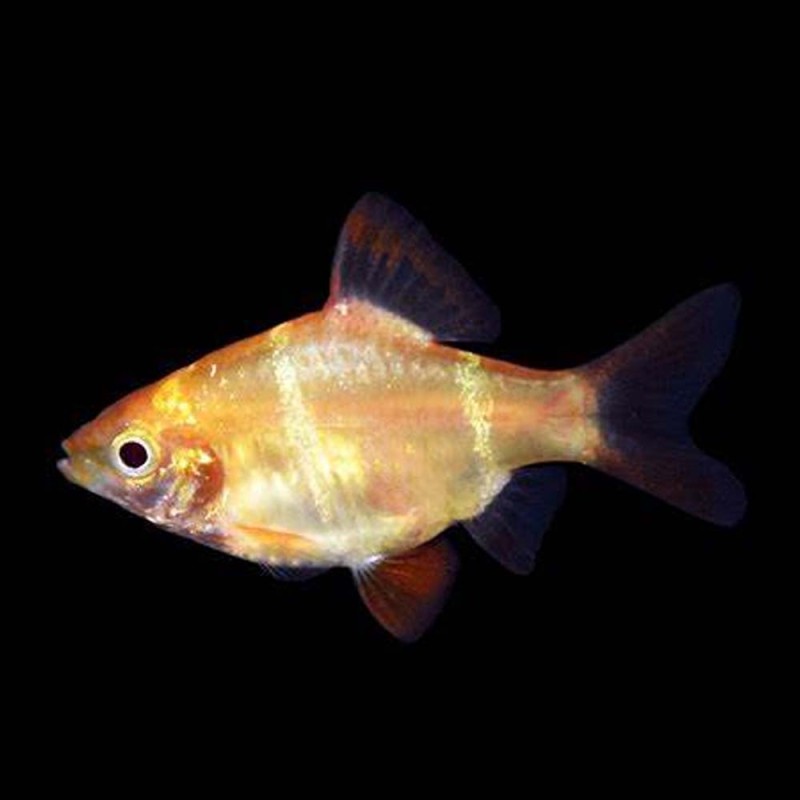
Please Note: Due to variations within species, your fish may not look identical to the image provided. Also note not all sizes or species may be available due to seasonality, Please call beforehand for up-to-date stock availability.
- Model: -
Available Options
Arrive Alive
If your fish, coral, plant, or invertebrate doesn't arrive alive and stay alive for 2 days, we'll credit your account or refund your money.
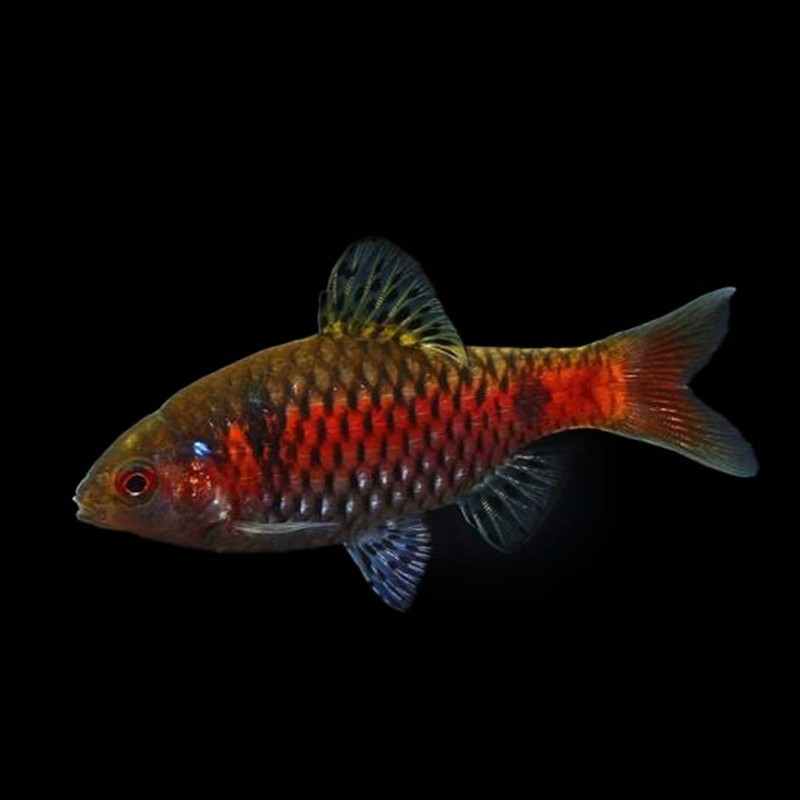
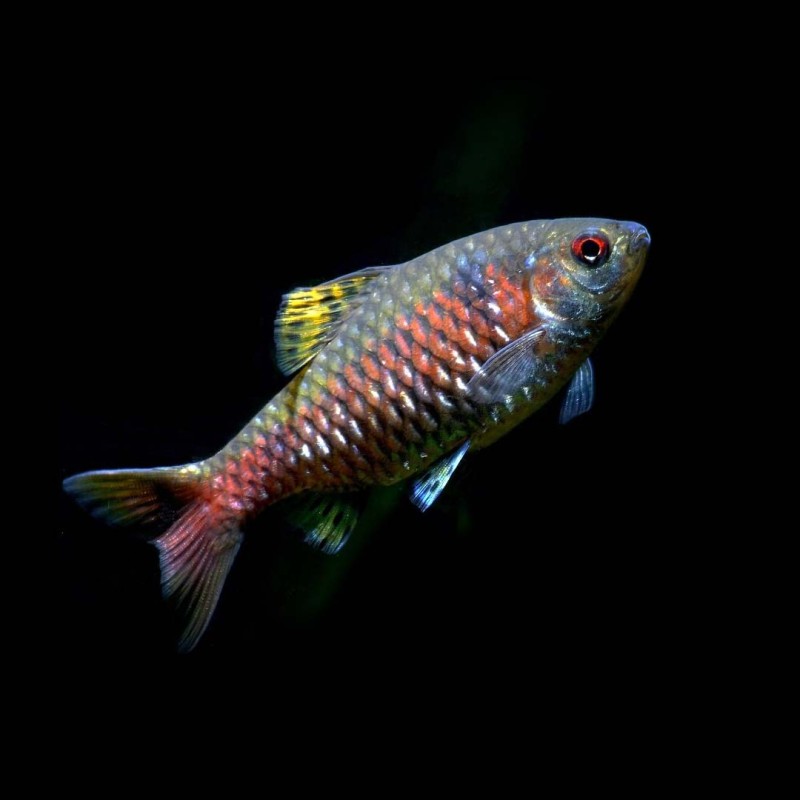
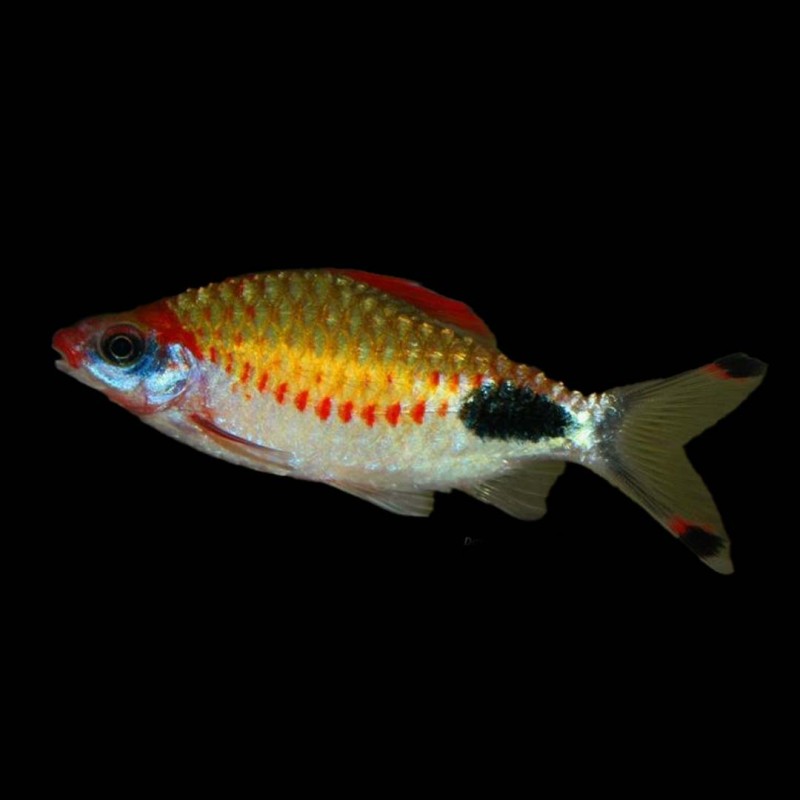
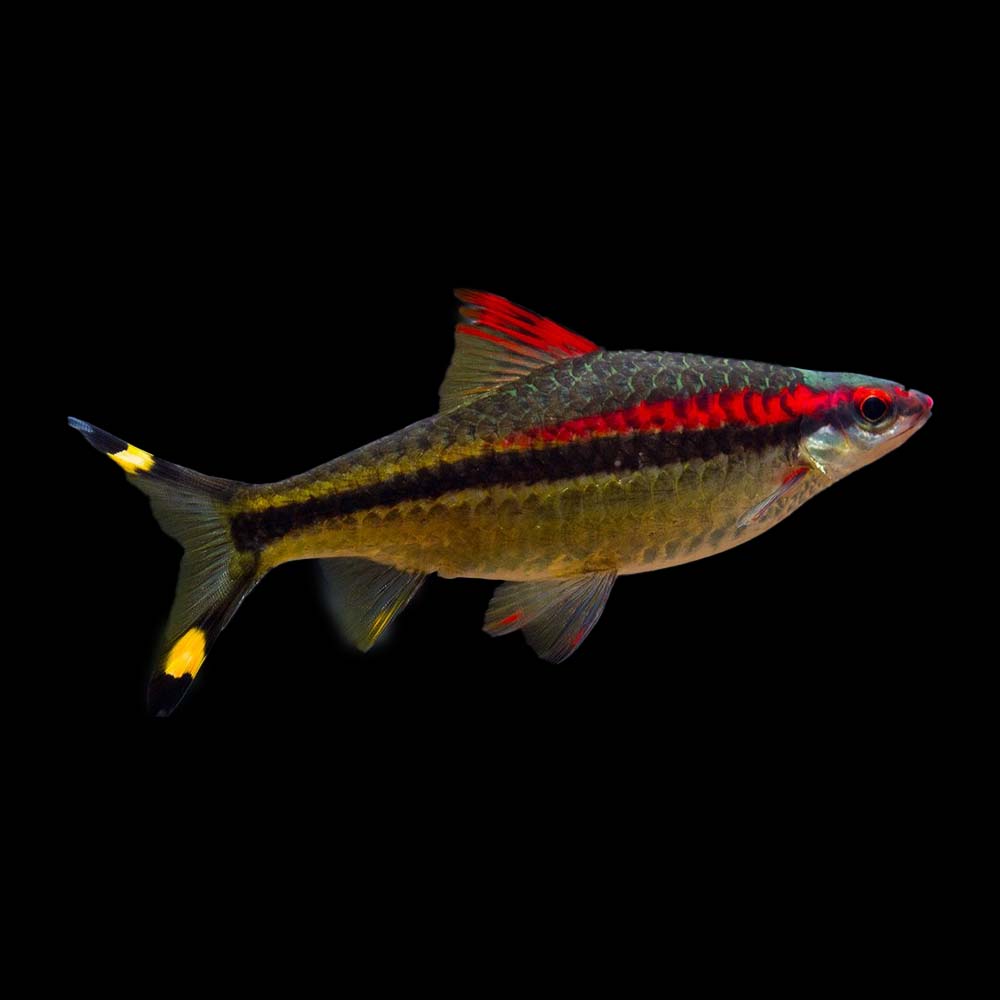
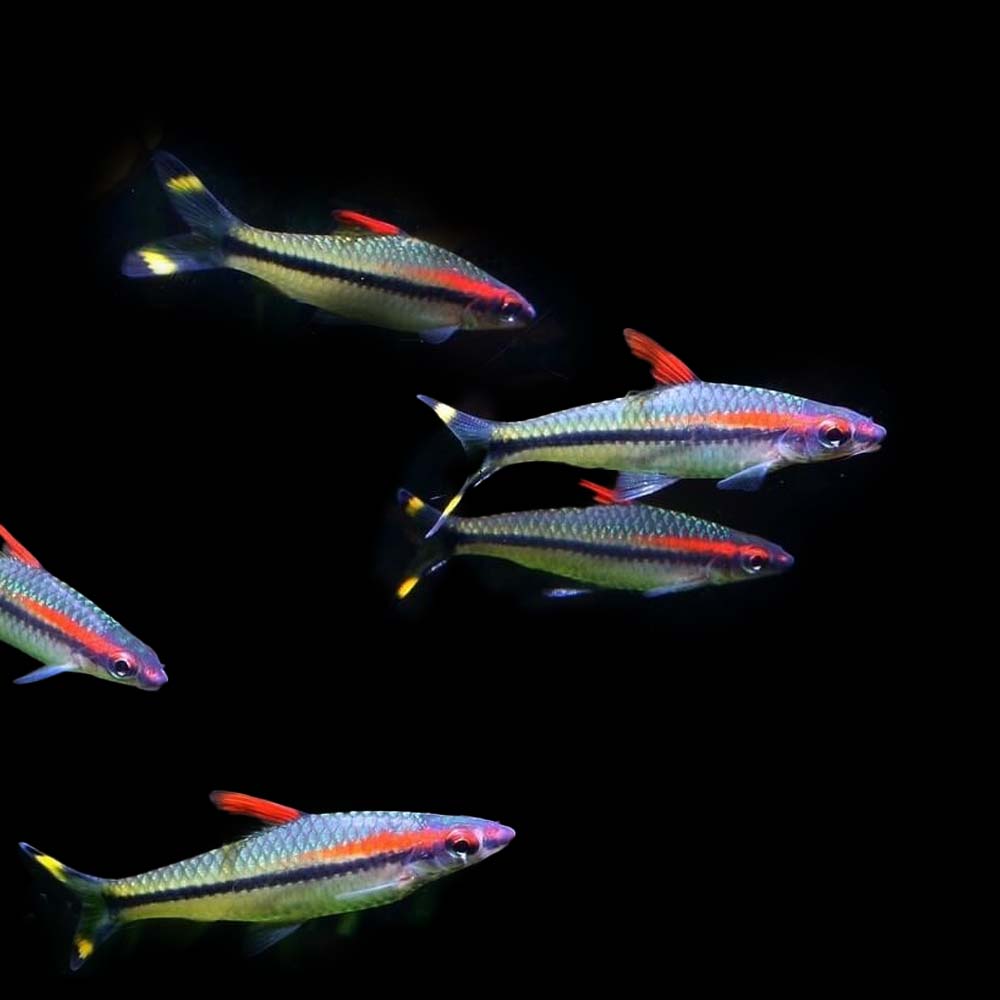
The Denison Barb (Sahyadria denisonii), also known as the Roseline Shark, Red-Line Torpedo Barb, or Miss Kerala, is a striking and active freshwater fish native to fast-flowing rivers and streams in the Western Ghats of India. This species is highly prized for its vibrant coloration, torpedo-shaped body, and peaceful nature. Denison Barbs are a popular choice for larger, well-planted aquariums, particularly for aquarists who appreciate active schooling fish.
Physical Characteristics:
- Size: Denison Barbs can grow up to 12-15 cm (4.7-6 inches) in length, making them a medium to large species of barb.
- Coloration:
- Body: The body is elongated and torpedo-shaped, typically silver or metallic in color. The most distinguishing feature is the bright red stripe that runs from the snout, through the eye, and along the upper middle of the body, often fading near the dorsal fin. Below the red stripe is a black stripe that extends from the mid-body to the tail.
- Fins: The dorsal fin often has black and yellow markings, while the caudal fin (tail) has striking black and yellow bands with splashes of red on the edges, adding to their vibrant appearance.
- Shape: Their sleek, streamlined body allows them to swim quickly, mimicking their natural habitat of fast-moving rivers.
Behavior:
- Temperament: Denison Barbs are peaceful and social fish that do best in groups of 5 or more. In a school, they display natural behaviors and are less likely to become stressed or aggressive. They are active swimmers and tend to stay in the middle and upper regions of the tank.
- Activity Level: These fish are fast swimmers and require plenty of space to move around. They are constantly on the go, making them an excellent choice for aquarists who enjoy active, lively fish.
- Community Behavior: Denison Barbs are peaceful and can be housed with a variety of other fish in a community aquarium. However, due to their size and active nature, they are best suited to be kept with similarly sized and active fish.
Aquarium Care:
- Tank Size: A minimum tank size of 300 liters (80 gallons) is recommended for a school of Denison Barbs. Larger tanks are even better, as these fish are active swimmers and require ample space to swim freely.
- Water Parameters:
- Temperature: Denison Barbs thrive in cooler waters, with an ideal temperature range of 18°C to 25°C (64°F to 77°F).
- pH: They prefer slightly acidic to neutral water, with a pH range of 6.5 to 7.5.
- Hardness: Soft to moderately hard water, with a general hardness (GH) of 5-12 dGH.
- Tank Setup:
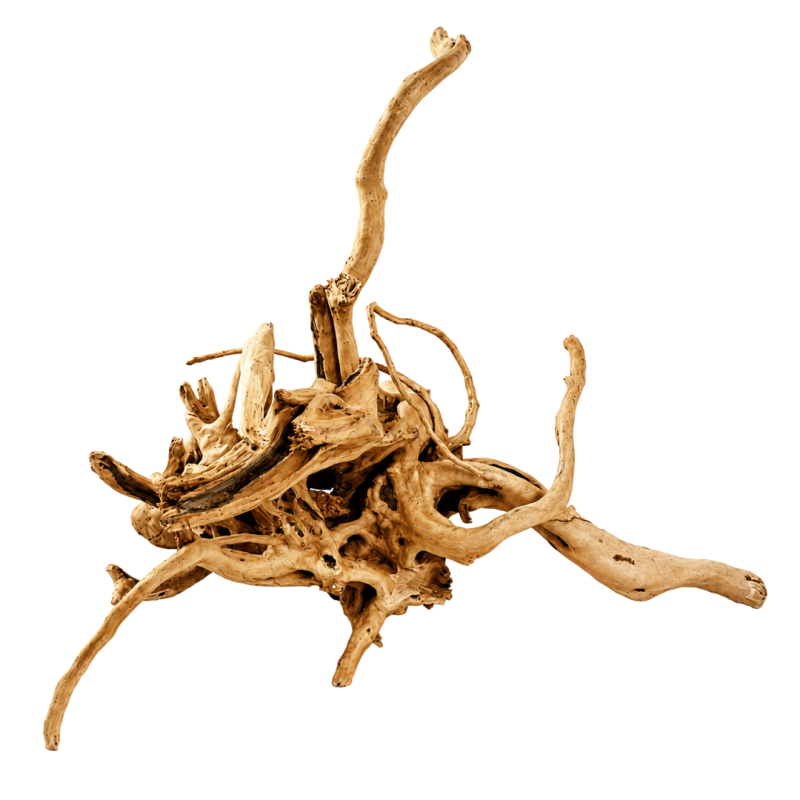
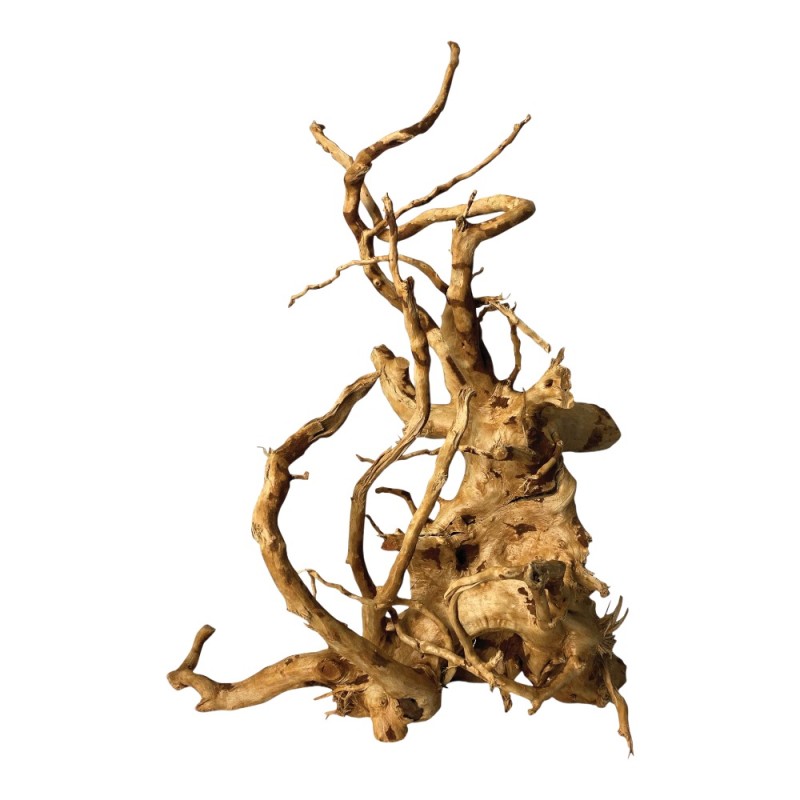
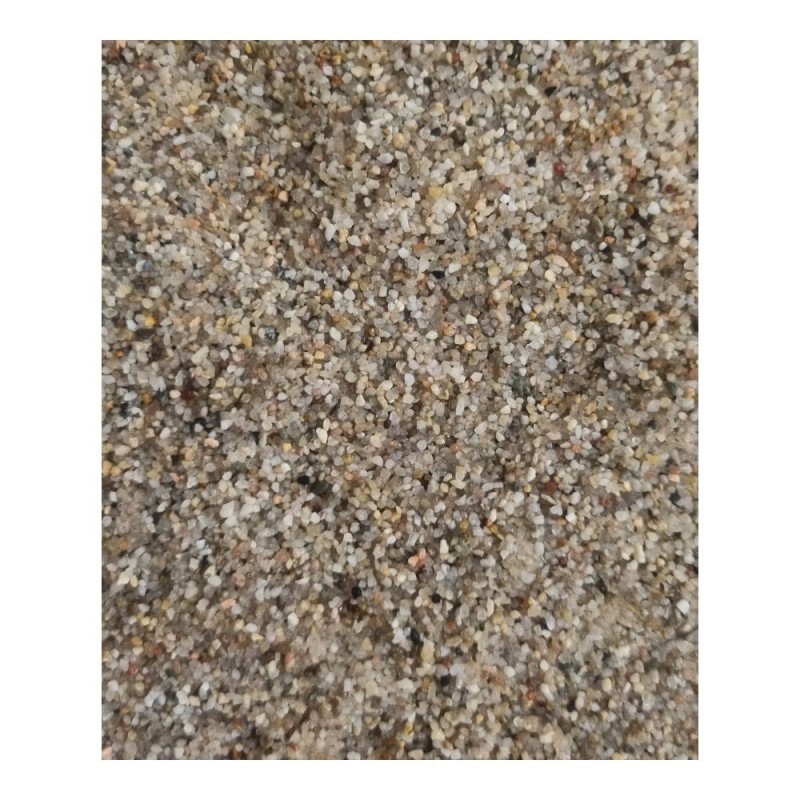
- Substrate and Decorations: A soft, sandy substrate is ideal for Denison Barbs. They prefer a well-planted tank with plenty of hiding places, though you should ensure there is plenty of open swimming space. Hardy plants like Java fern, Anubias, and Vallisneria are good options. Driftwood, rocks, and caves can also create natural barriers and mimic their native environment.
- Lighting: Moderate to bright lighting is recommended to enhance their colors and maintain live plants.
- Filtration: Strong filtration is essential to keep the water clean and mimic the flow of their natural habitat. Denison Barbs appreciate good water movement, so providing a filter with a strong current or adding powerheads can help replicate the fast-flowing rivers they are accustomed to. Regular water changes (at least 20-25% weekly) are important to maintain water quality.
Diet:
Denison Barbs are omnivores and require a varied diet to maintain their health and vibrant coloration. Their diet should include:
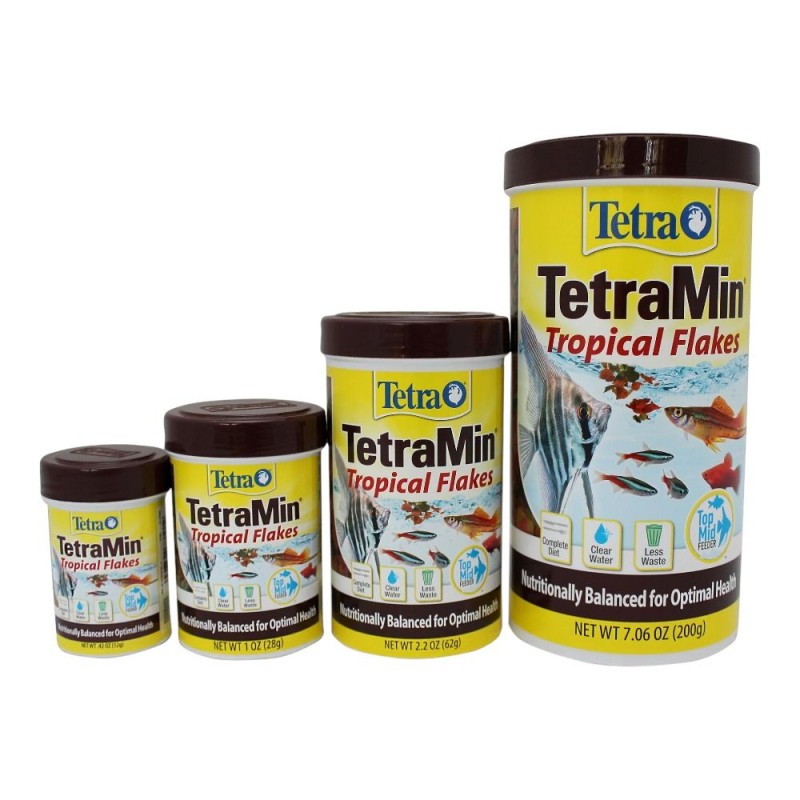
- Pellets or Flakes: High-quality tropical fish flakes or pellets should form the staple of their diet.
- Live or Frozen Foods: They enjoy live or frozen foods such as brine shrimp, bloodworms, and daphnia, which provide essential protein and help maintain their bright colors.
- Vegetable Matter: They also benefit from plant-based foods like spirulina flakes or blanched vegetables (e.g., spinach, zucchini), which should be offered occasionally to ensure a balanced diet.
Feed them 2-3 times daily, providing only as much food as they can consume in a few minutes to avoid overfeeding and water quality issues.
Tankmates:
Denison Barbs are peaceful and can coexist with a wide variety of other community fish. Suitable tankmates include:
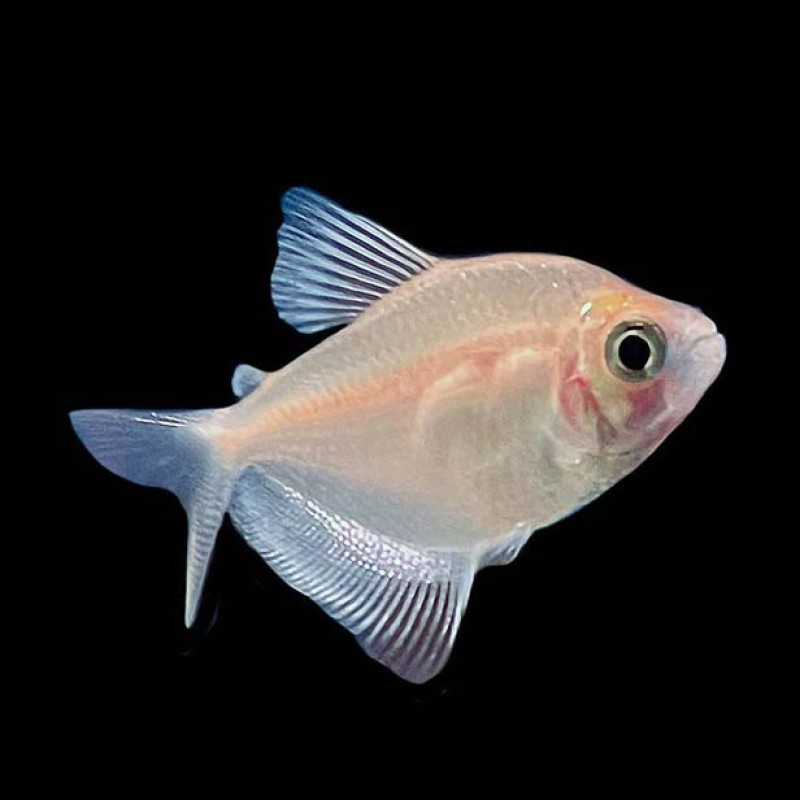
- Tetras: Larger species like Black Skirt Tetras or Congo Tetras.
- Rasboras: Harlequin Rasboras or Scissortail Rasboras are good companions.
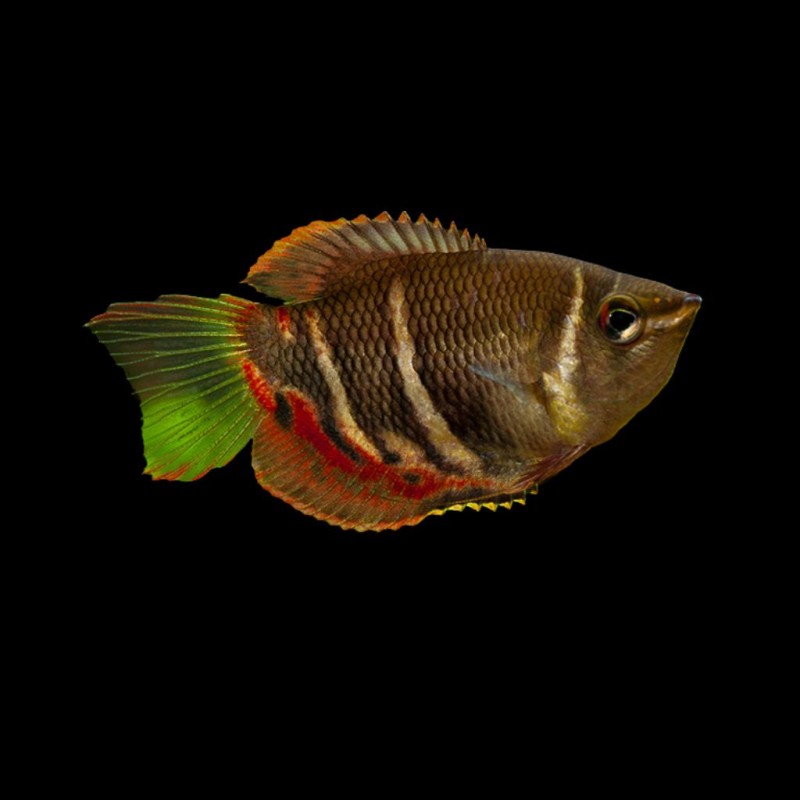
- Gouramis: Peaceful species of Gouramis, such as Dwarf Gouramis or Pearl Gouramis, can be good tankmates.
- Corydoras catfish: These peaceful bottom-dwellers are great tankmates that stay out of the barbs' way.
- Rainbowfish: These active and colorful fish make great companions for Denison Barbs.
Avoid housing them with very small or slow-moving fish, as Denison Barbs may outcompete them for food. Similarly, avoid aggressive species that might bully or harass them.
Breeding:
Breeding Denison Barbs in captivity is rare and challenging, as they require very specific conditions to spawn successfully. They are egg scatterers in the wild, and breeding attempts often require large, species-specific tanks with particular water parameters.
- Breeding Setup: A separate breeding tank with soft, slightly acidic water (pH around 6.5) and a temperature of around 25°C (77°F) is recommended. Provide dense vegetation or a spawning mop for the female to scatter her eggs.
- Spawning Behavior: In the wild, Denison Barbs typically spawn during the rainy season. In captivity, inducing spawning can be difficult, and they may require specific environmental triggers, such as a drop in water temperature or increased water flow.
- Egg and Fry Care: If breeding is successful, remove the adults after spawning to prevent them from eating the eggs. The eggs will hatch in a few days, and the fry can be fed with infusoria or finely crushed flake food until they are large enough to eat larger foods.
Special Considerations:
- Space Requirements: Denison Barbs are large and active fish that require plenty of space. Keeping them in undersized tanks can lead to stress, stunted growth, and health problems.
- Water Quality: These fish are sensitive to poor water conditions, so maintaining excellent water quality through regular water changes and strong filtration is essential for their health.
Conservation Status:
The Denison Barb is listed as "Endangered" on the IUCN Red List due to habitat destruction and over-collection in the wild. As a result, it is important to source these fish from responsible breeders or captive-bred populations rather than wild-caught specimens.
| File Name | Size | Link |
|---|---|---|
| 9 How to care for Barbs.pdf (Total downloads: 3230) | 221.03KiB | Download |