

Menu
Menu
Your Cart

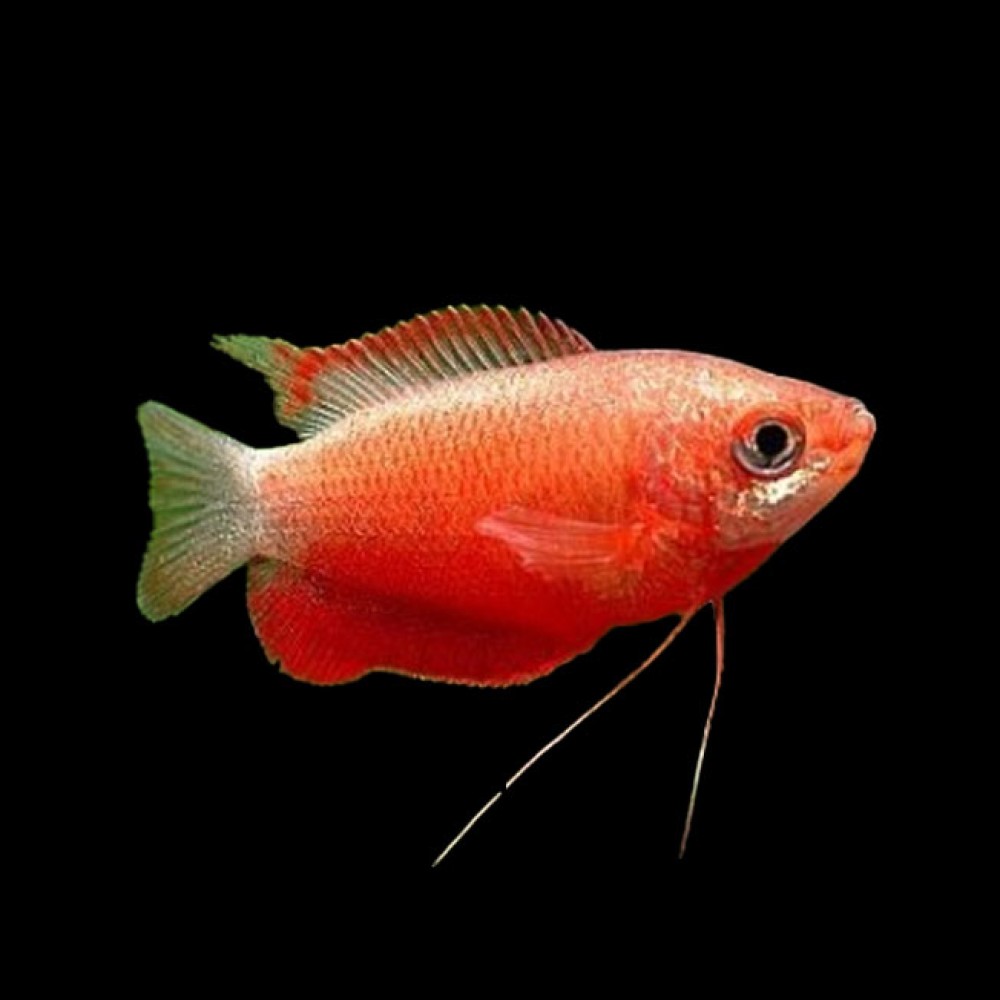
Colisa labiosa rubin Red

Colisa labiosa rubin Red
From €9.99
Ex Tax: €8.12
  • Stock: Generally In Stock
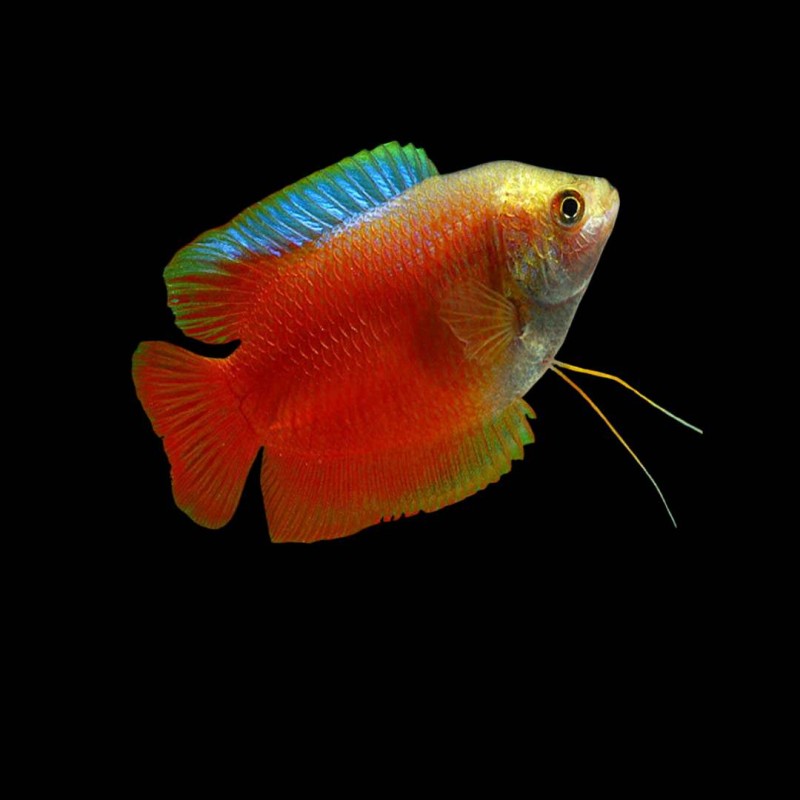
  • Please Note: Due to variations within species, your fish may not look identical to the image provided. Also note not all sizes or species may be available due to seasonality, Please call beforehand for up-to-date stock availability.

  • Model: COLISA LABIOSA RUBIN RED MATRIX

Available Options

Reset options

Colisa Labiosa Rubin Red

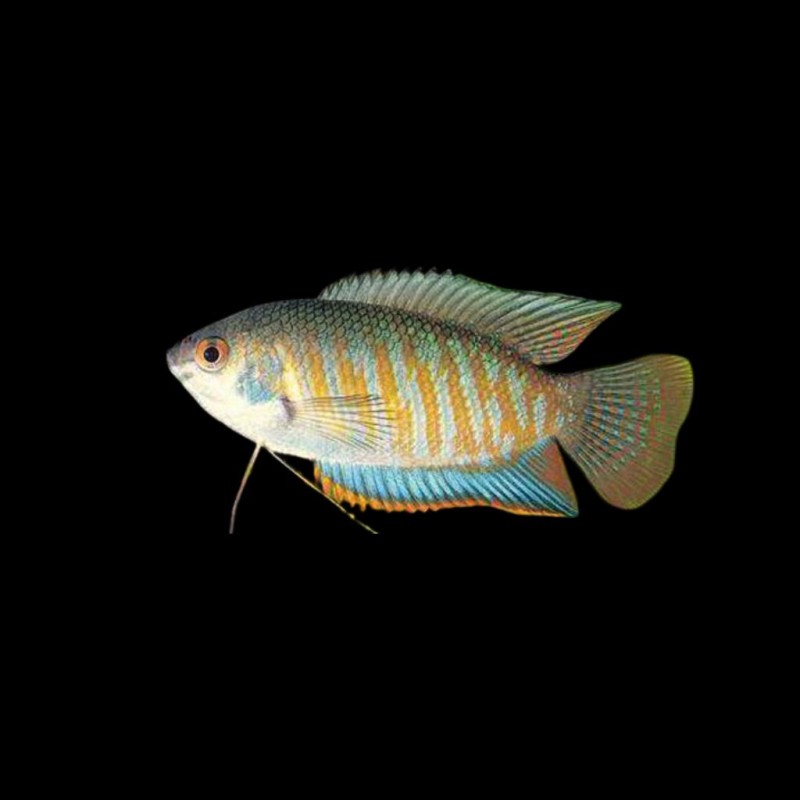
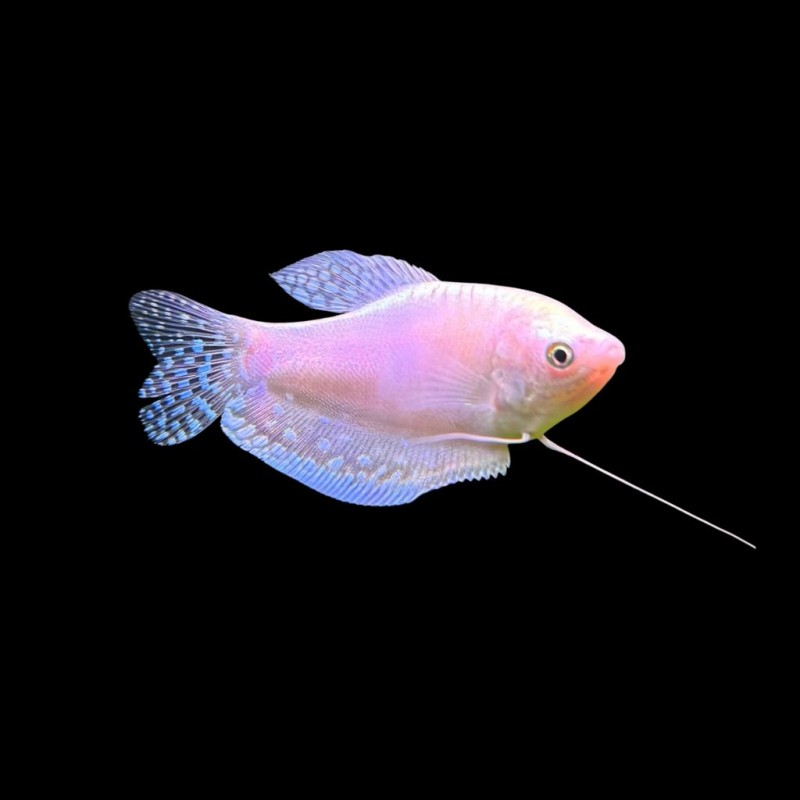
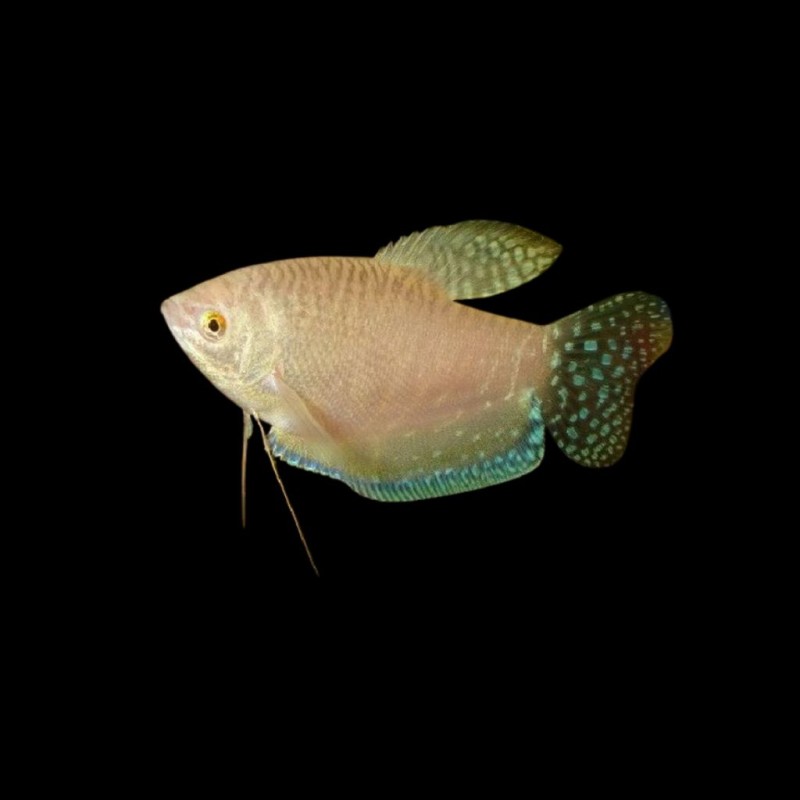
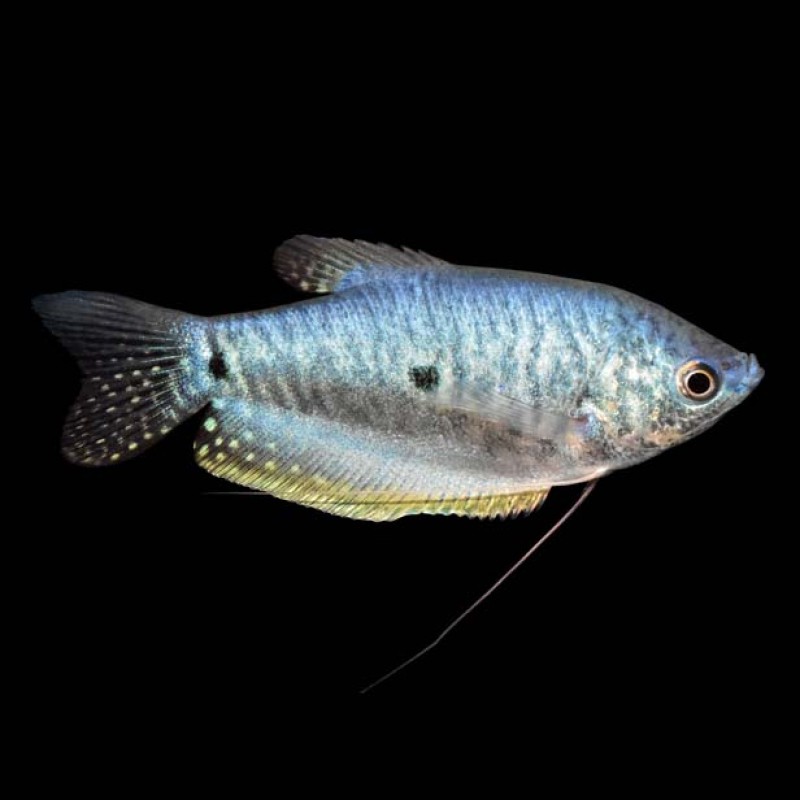
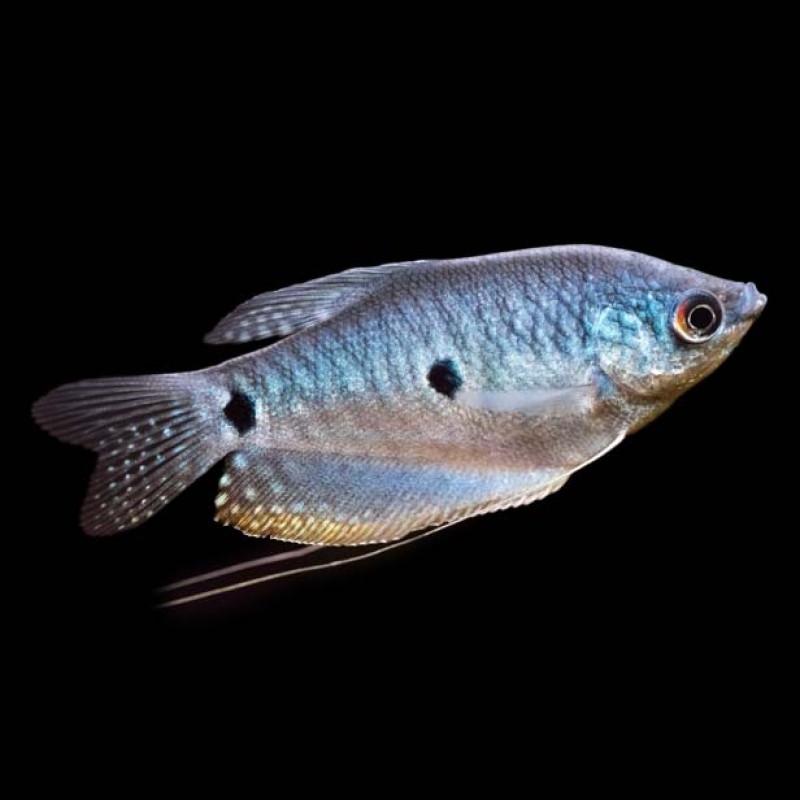
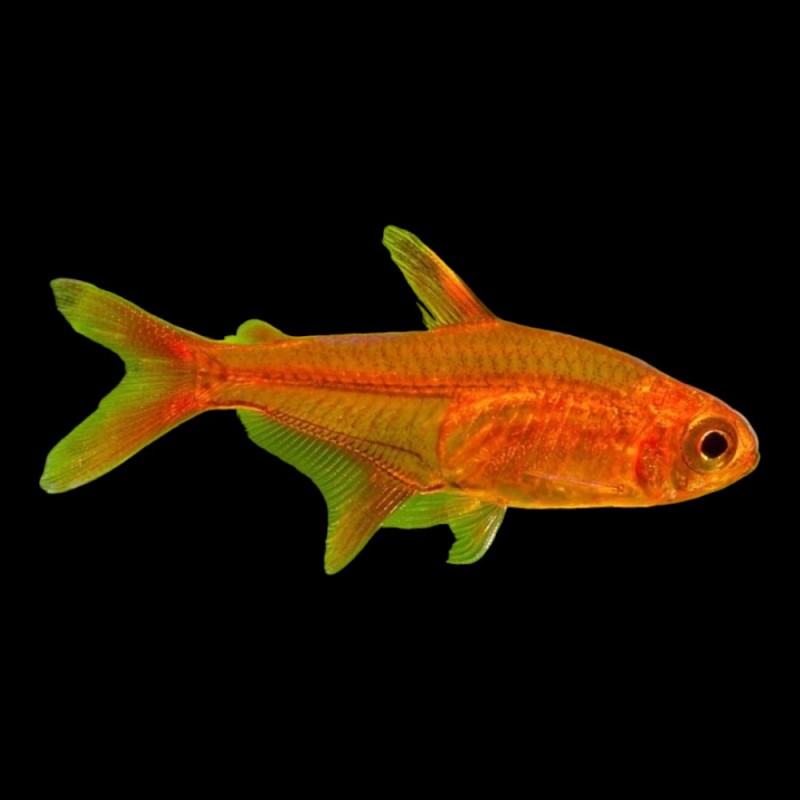
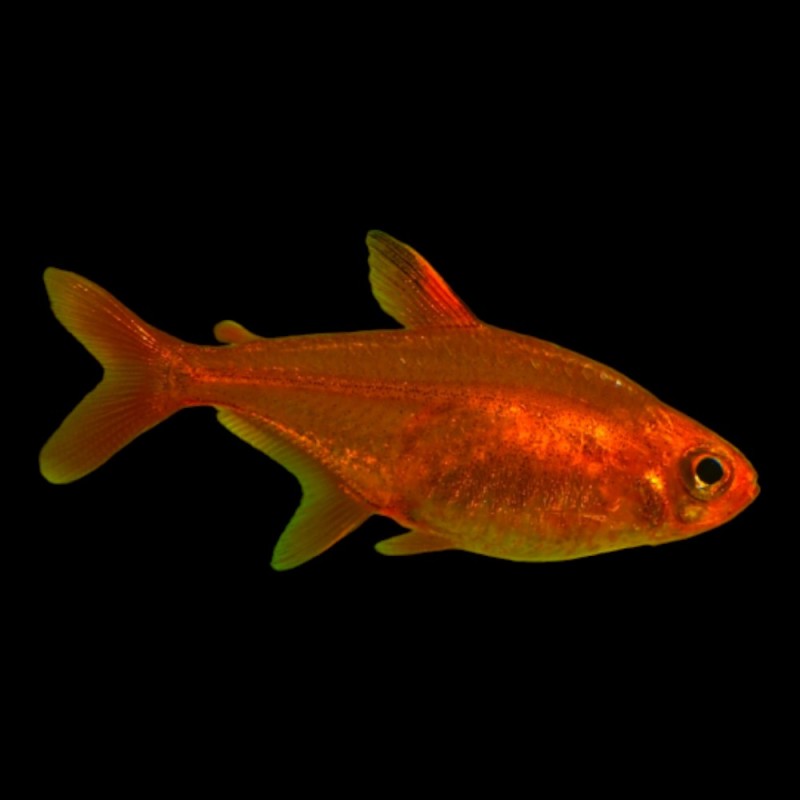
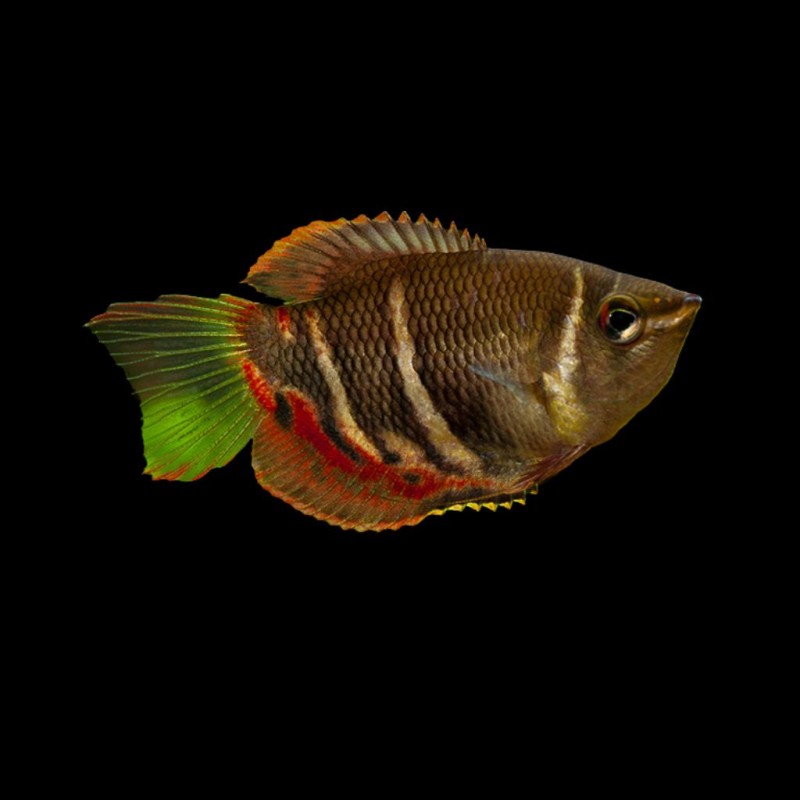
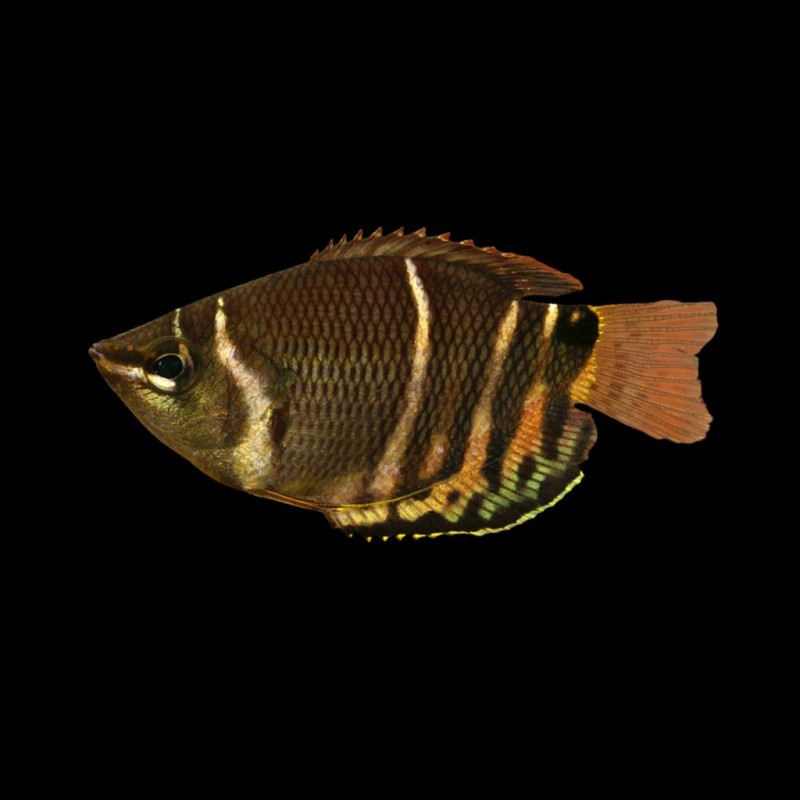
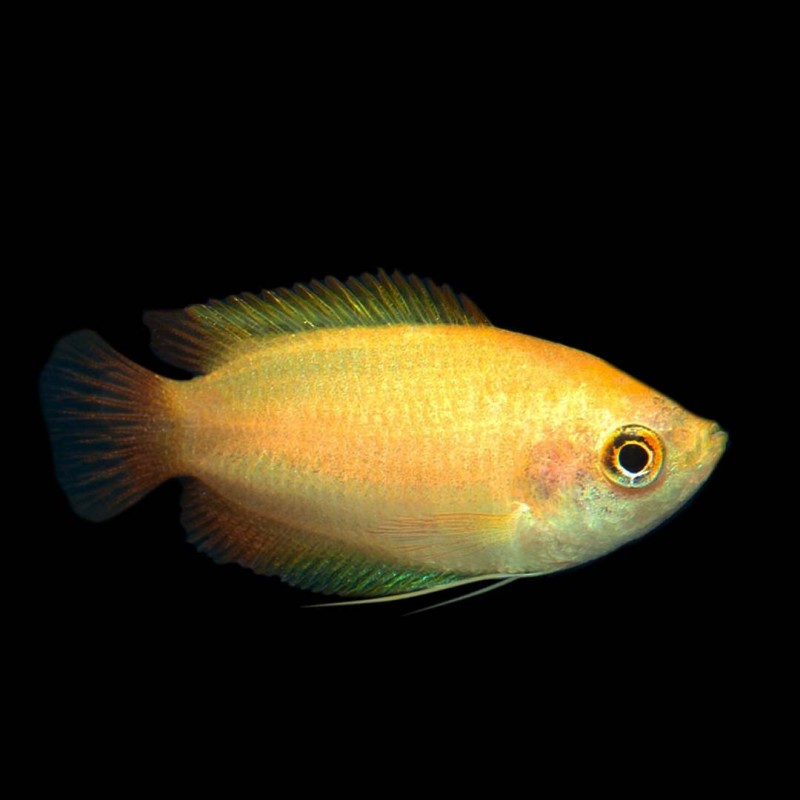
The Colisa labiosa Rubin Red, commonly known as the Rubin Red Gourami, is a vibrant and captivating freshwater fish prized for its stunning coloration and peaceful nature. This species is a member of the Gourami family and is particularly admired for its striking ruby-red hue, making it a popular choice among aquarists.

Physical Characteristics:

  • Size: Rubin Red Gouramis typically grow to about 5-7 cm (2-2.8 inches) in length.
  • Coloration:
    • Body: The most defining feature of the Rubin Red Gourami is its rich, ruby-red coloration, which can vary in intensity depending on individual fish and tank conditions.
    • Fins: Their fins are usually translucent with a hint of red, enhancing their overall beauty and grace in the water.
    • Shape: Rubin Red Gouramis have a rounded body shape typical of many Gourami species, with long, flowing fins that contribute to their elegant appearance.

Behaviour:

  • Temperament: Colisa labiosa Rubin Red Gouramis are generally peaceful and can coexist with a variety of other community fish. They can exhibit mild territorial behaviour, especially during breeding.
  • Activity Level: These gouramis are moderately active swimmers and enjoy exploring their environment, often seen gliding gracefully among plants and decorations.
  • Community Behaviour: They thrive in community tanks and are best kept in groups of at least three or more to reduce stress and encourage natural behaviour.

Aquarium Care:

  • Tank Size: A minimum tank size of 40 litres (10 gallons) is recommended for a small group of Rubin Red Gouramis.
  • Water Parameters:
    • Temperature: They prefer warm water, with an ideal temperature range of 24°C to 28°C (75°F to 82°F).
    • pH: A slightly acidic to neutral pH range of 6.0 to 7.5 is preferred.
    • Hardness: Soft to moderately hard water, with a general hardness (GH) of 5-20 dGH, is ideal.
  • Tank Setup:
    • Substrate and Decorations: A soft substrate is recommended. They appreciate a well-planted tank with plenty of hiding spots, including floating plants and decorations that provide cover.
    • Lighting: Moderate lighting is best, as it allows them to showcase their colours without causing stress.
    • Filtration: A gentle filtration system is essential, as strong currents can stress gouramis. Regular water changes (about 20% weekly) are necessary to maintain water quality.

Diet:

Colisa labiosa Rubin Red Gouramis are omnivorous and require a balanced diet:

  • Flakes: High-quality flake food should form the staple of their diet.
  • Live or Frozen Foods: Offer live or frozen foods such as brine shrimp, daphnia, and bloodworms to provide essential protein and variety.
  • Vegetable Matter: They also benefit from vegetable matter, so occasional feedings of blanched peas or spirulina can be included.

Breeding:

Breeding Rubin Red Gouramis is relatively straightforward:

  • Breeding Setup: A separate breeding tank with plenty of plants for cover is ideal. The water should be warm (around 26°C to 28°C or 79°F to 82°F) and slightly acidic (pH 6.0-7.5).
  • Spawning Behaviour: The male will court the female, creating a bubble nest. After spawning, the female should be removed to prevent aggression from the male.
  • Fry Care: Once the fry are free-swimming, they can be fed infusoria or newly hatched brine shrimp until they are large enough for regular food.

Special Considerations:

  • Social Fish: Rubin Red Gouramis are social creatures that thrive in groups, so it's important to keep them in schools.
  • Water Quality: Maintaining clean water and good tank conditions is crucial for their health.

Write a review

Please login or register to review