

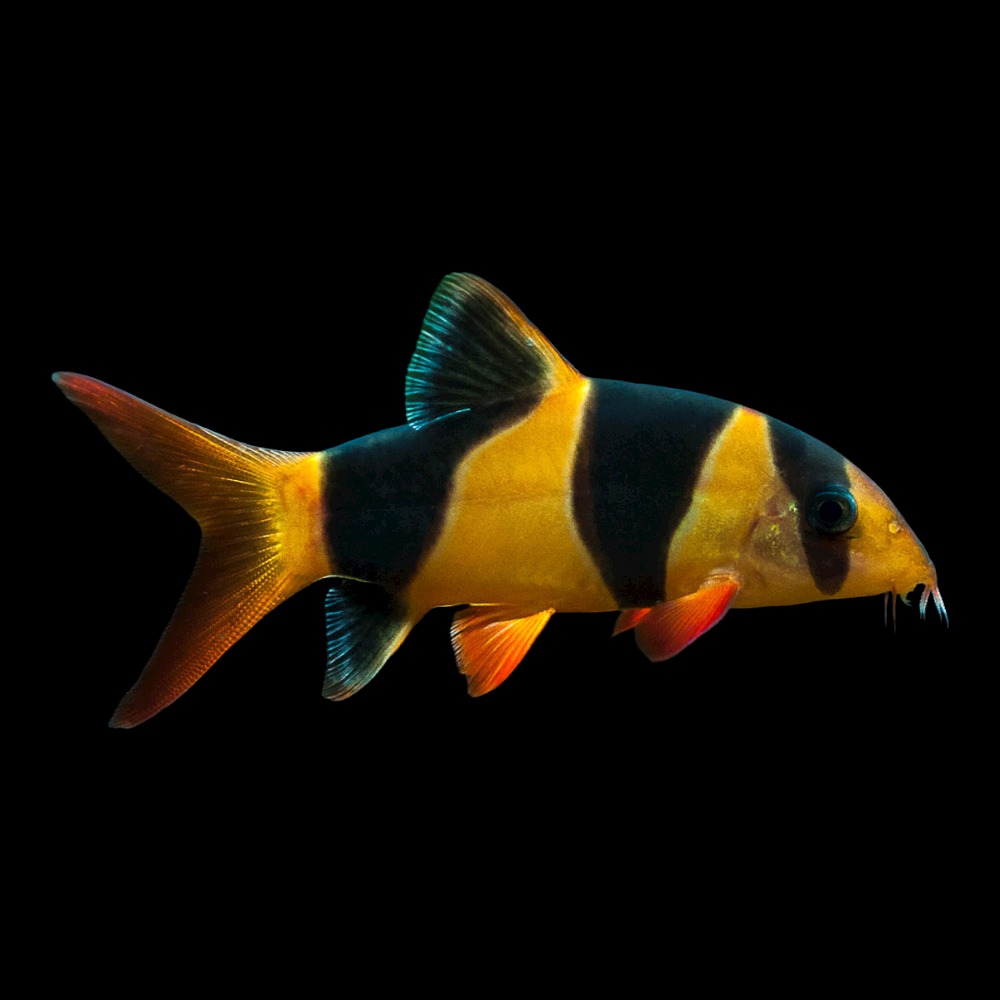
Clown Loach
From €12.99
Ex Tax: €10.56
- Stock: Generally In Stock
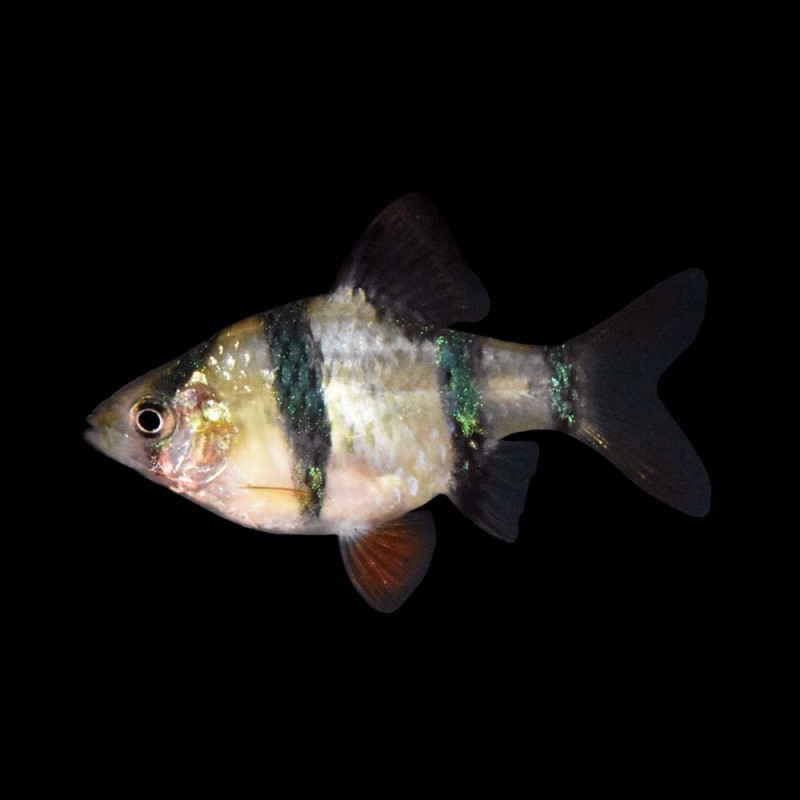
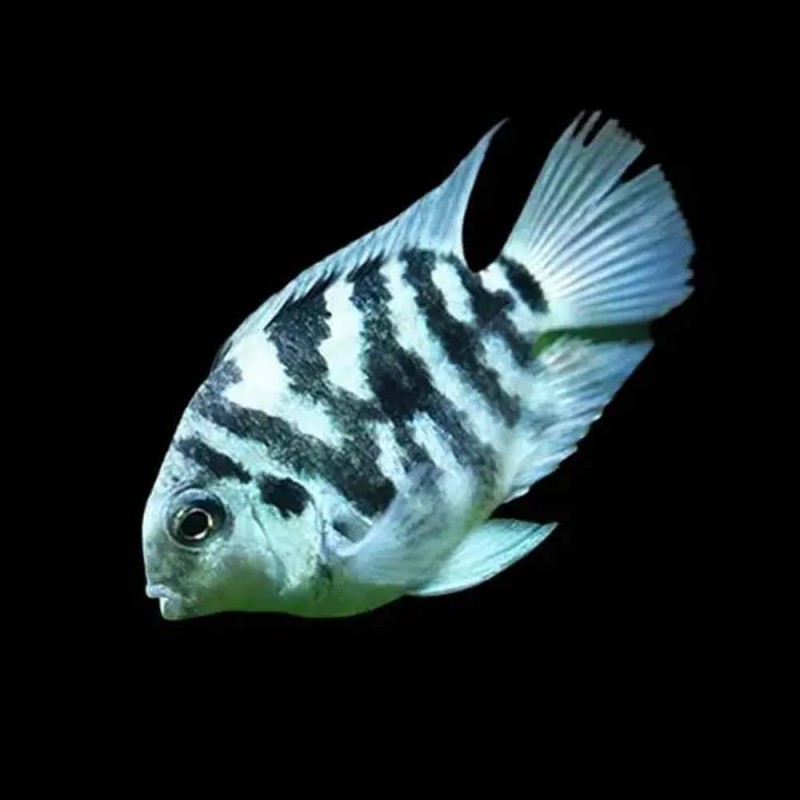
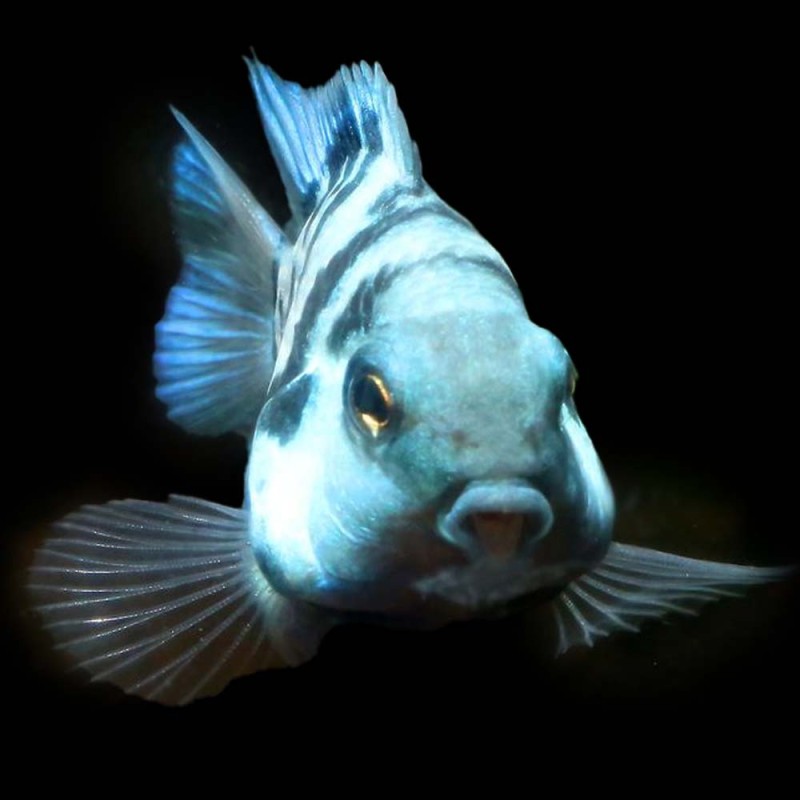
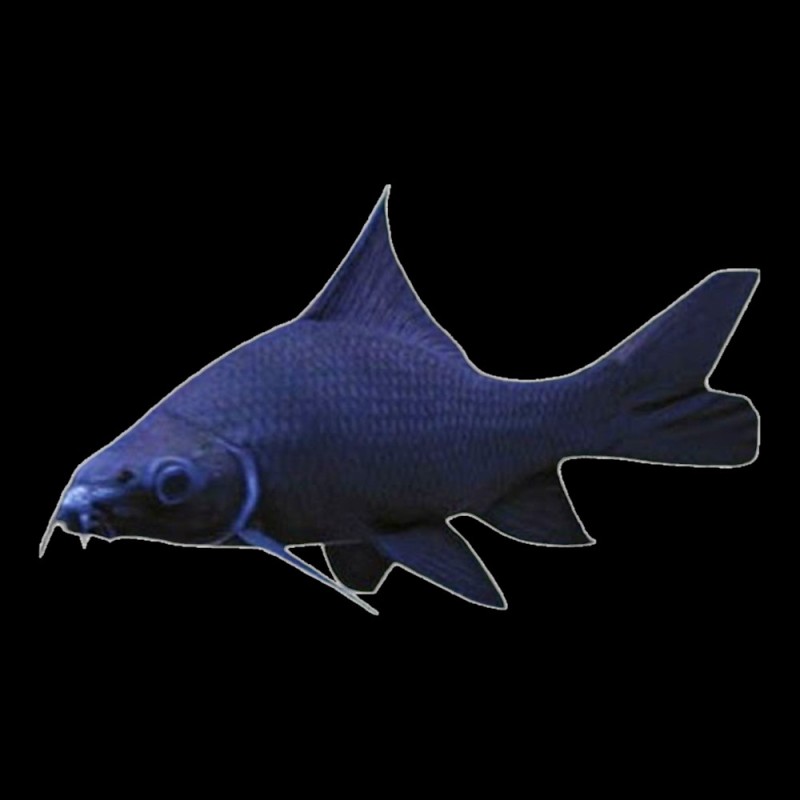
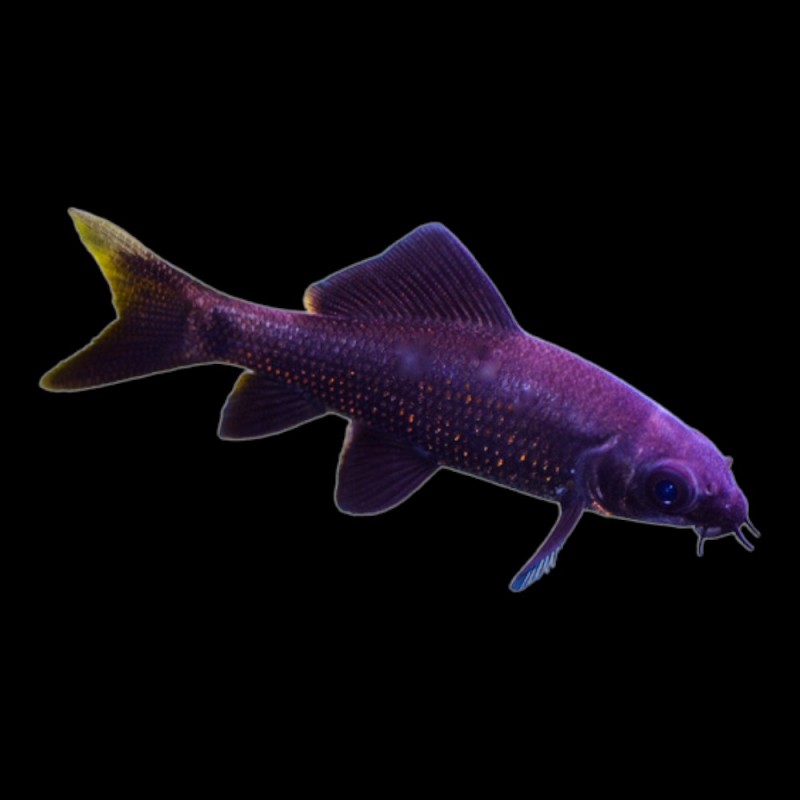
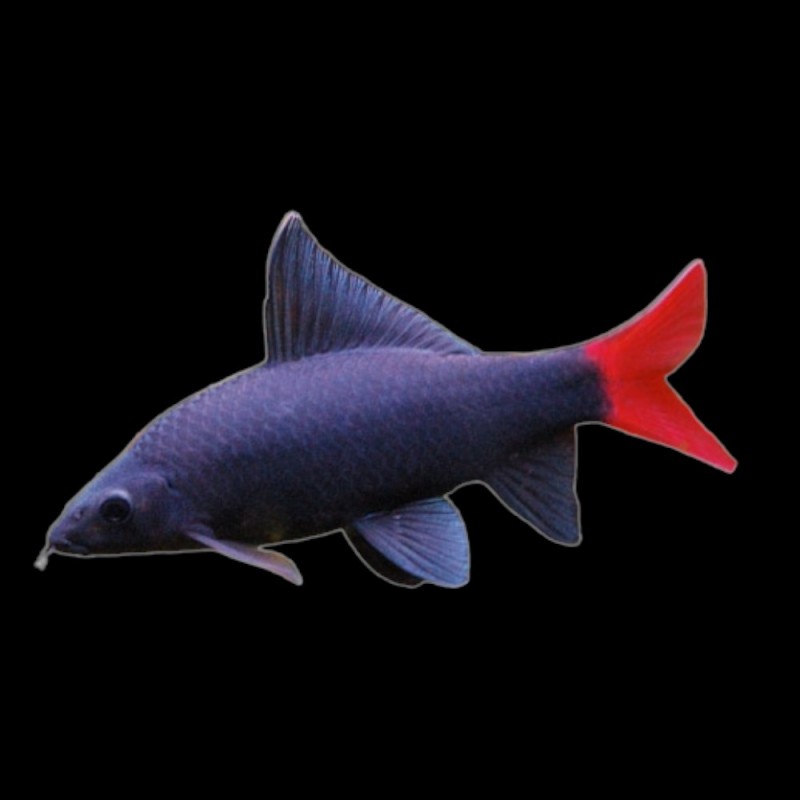
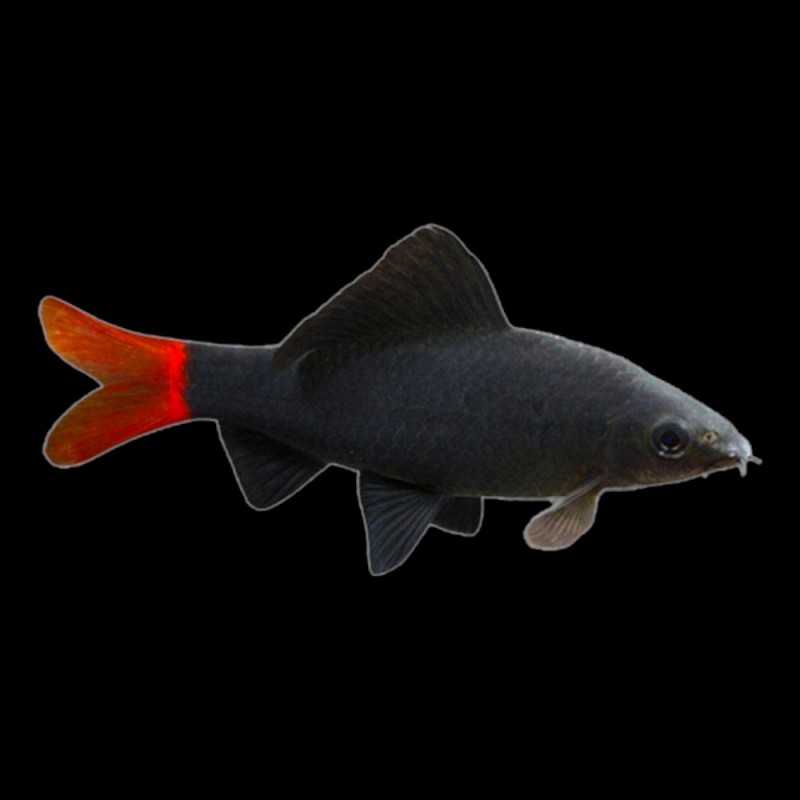
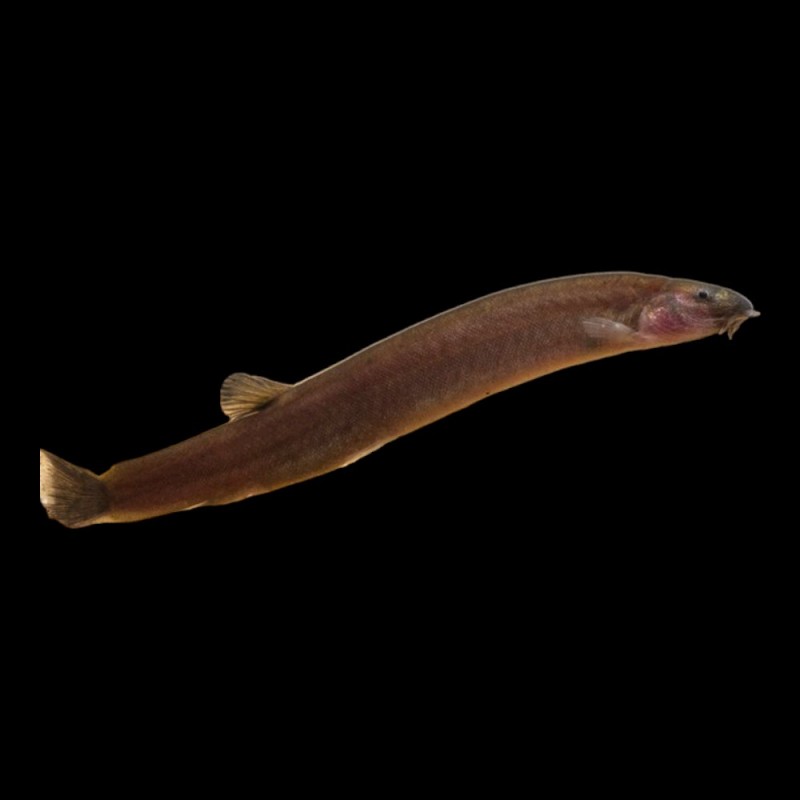
Please Note: Due to variations within species, your fish may not look identical to the image provided. Also note not all sizes or species may be available due to seasonality, Please call beforehand for up-to-date stock availability.
- Model: CLOWN LOACH MATRIX
Available Options
Clown Loach
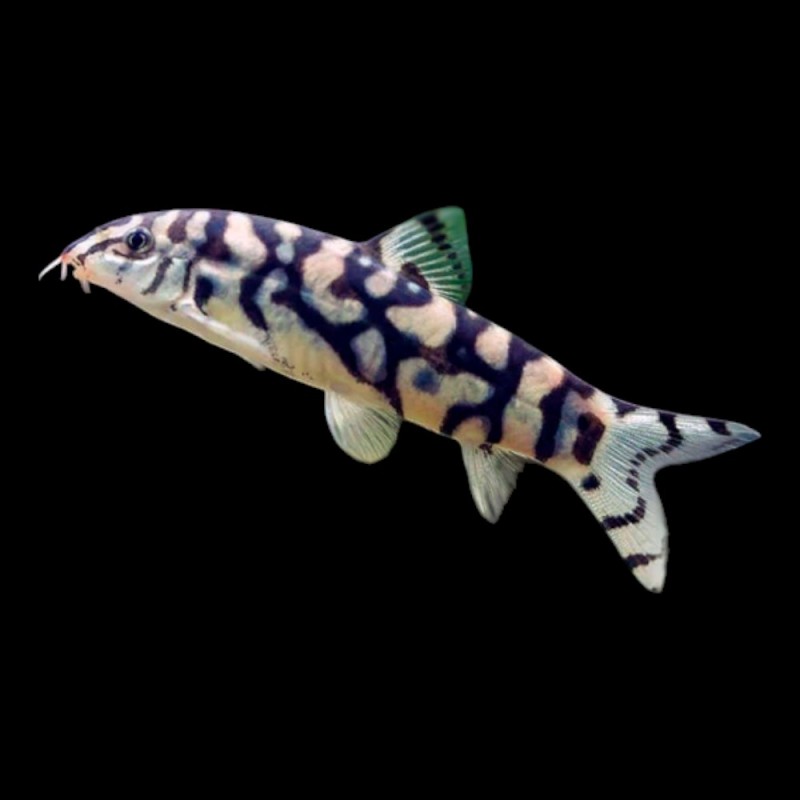
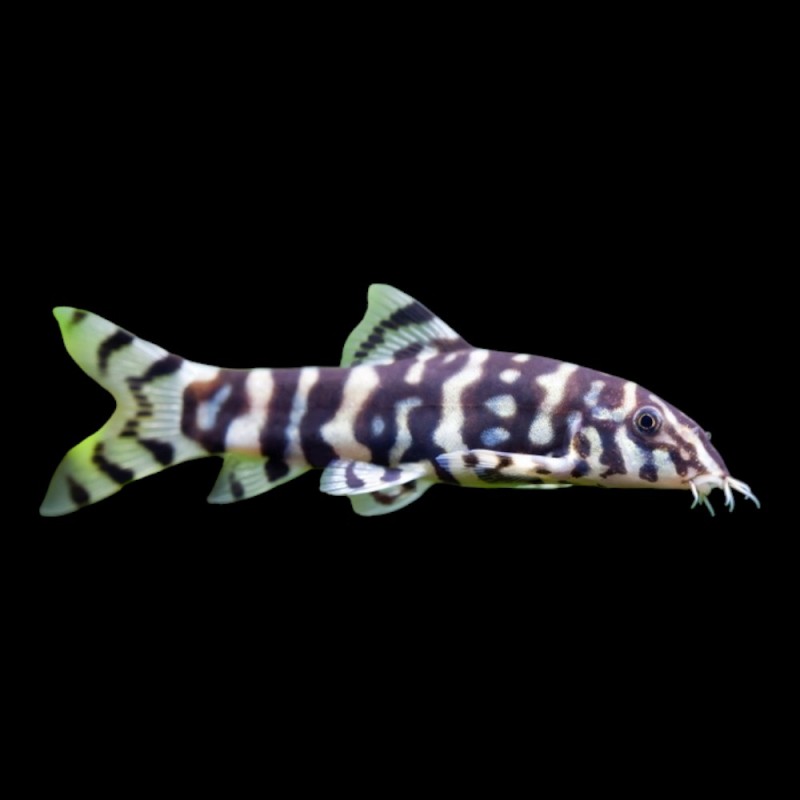
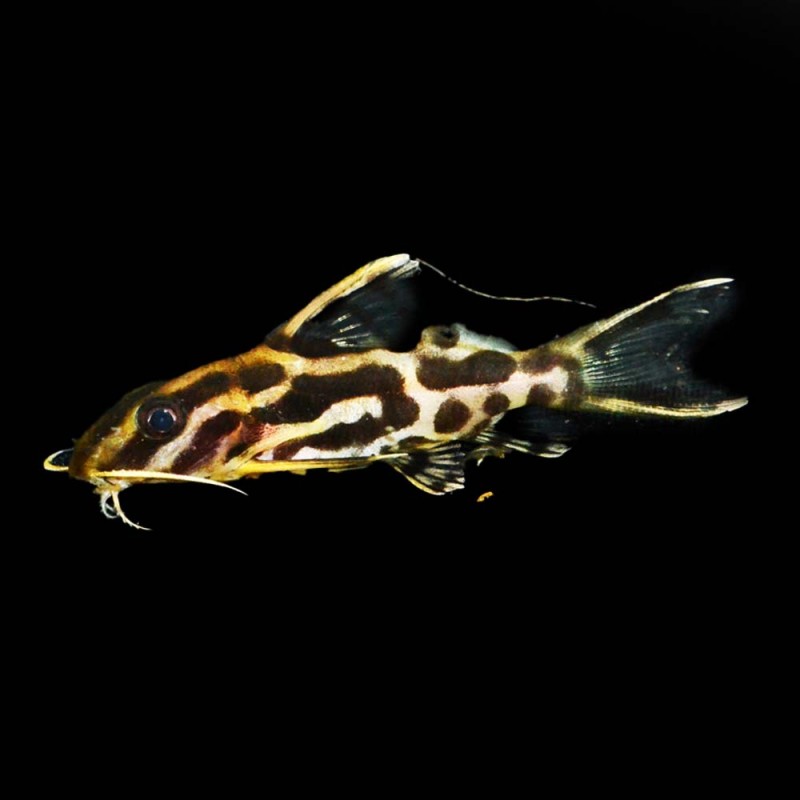
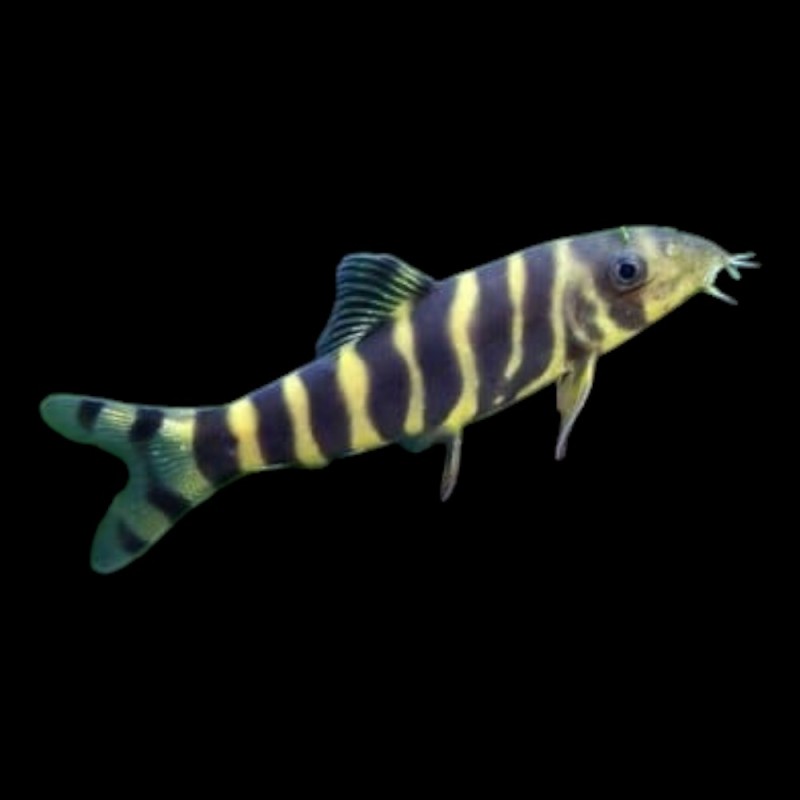
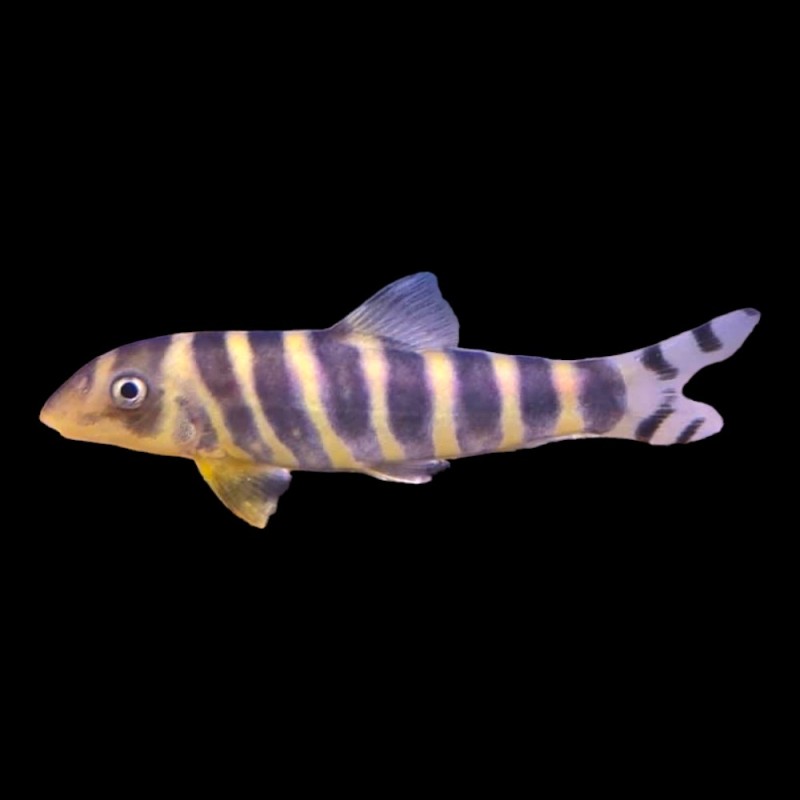
The Clown Loach (*Chromobotia macracanthus*) is a popular and colourful freshwater fish native to the rivers and streams of Southeast Asia, particularly in Indonesia and Malaysia. Known for its distinctive appearance and playful behaviour, this loach is a favourite among aquarists and is often sought after for community tanks.
Physical Characteristics:
- Size: Clown Loaches can grow quite large, typically reaching sizes of 15-25 cm (6-10 inches) in length, with some individuals exceeding 30 cm (12 inches) in well-maintained conditions.
- Coloration:
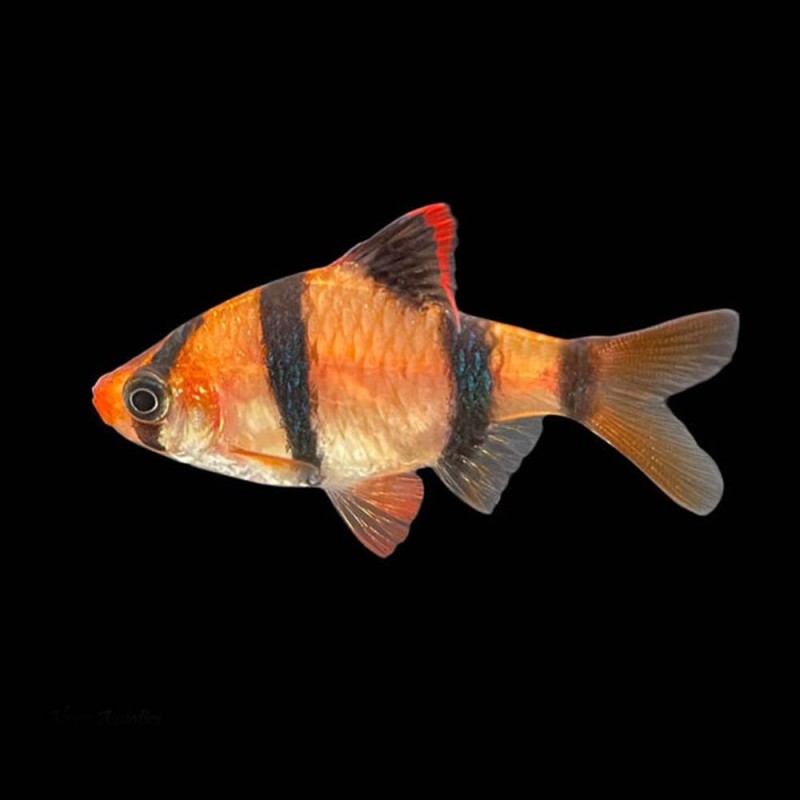
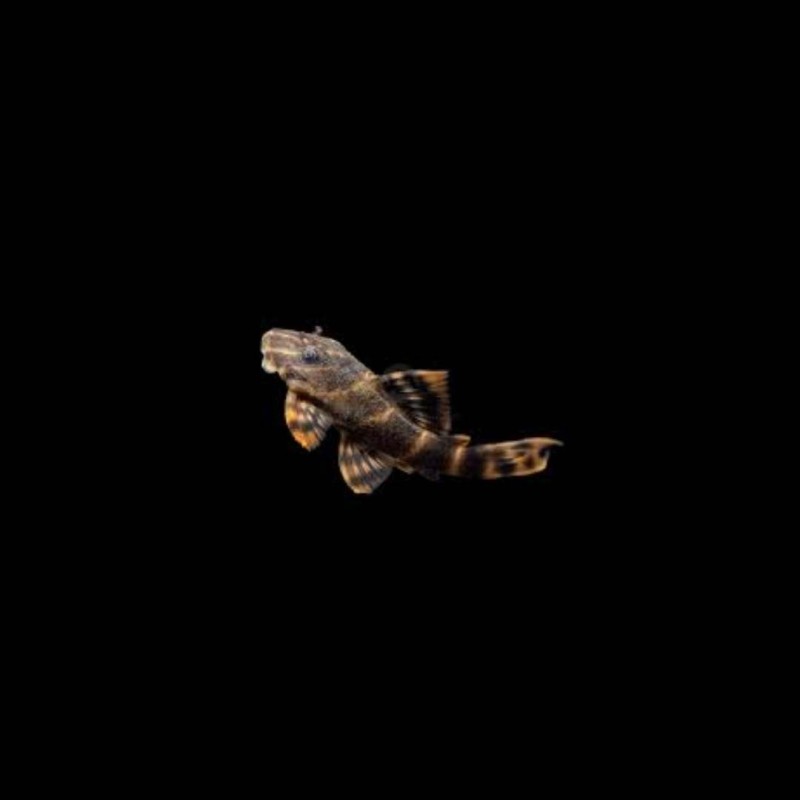
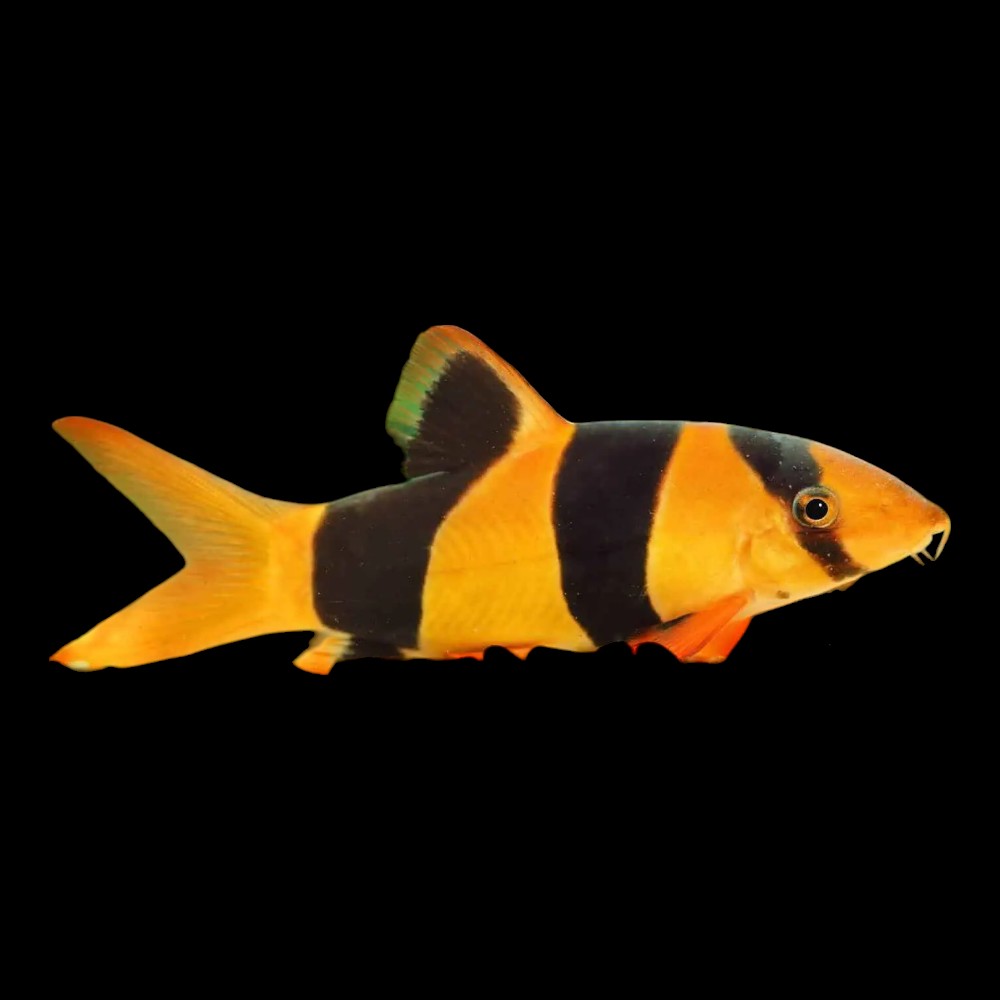
- Body: They are characterised by their vibrant orange body with bold black stripes running horizontally along their sides. This striking coloration makes them stand out in any aquarium.
- Fins: Their fins are generally translucent, with the same orange and black colouration extending to the dorsal, anal, and caudal fins.
- Shape: Clown Loaches have a slender, elongated body with a slightly flattened underside, making them well-suited for navigating through rocky substrates and plant life.
Behaviour:
- Temperament: Clown Loaches are generally peaceful and social fish, making them great additions to community tanks. They can sometimes display territorial behaviour but are usually non-aggressive.
- Activity Level: These loaches are quite active and enjoy foraging for food. They are known for their playful antics, often seen swimming in groups and exploring their environment.
- Community Behaviour: Clown Loaches thrive in groups and should ideally be kept in shoals of at least 3-5 individuals to promote social behaviour and reduce stress.
Aquarium Care:
- Tank Size: A minimum tank size of 150 litres (40 gallons) is recommended for a small group of Clown Loaches, as they require ample swimming space.
- Water Parameters:
- Temperature: Clown Loaches thrive in warm water, with an ideal temperature range of 24°C to 28°C (75°F to 82°F).
- pH: They prefer slightly acidic to neutral water, with a pH range of 6.0 to 7.5.
- Hardness: Soft to moderately hard water, with a general hardness (GH) of 5-12 dGH, is ideal.
- Tank Setup:
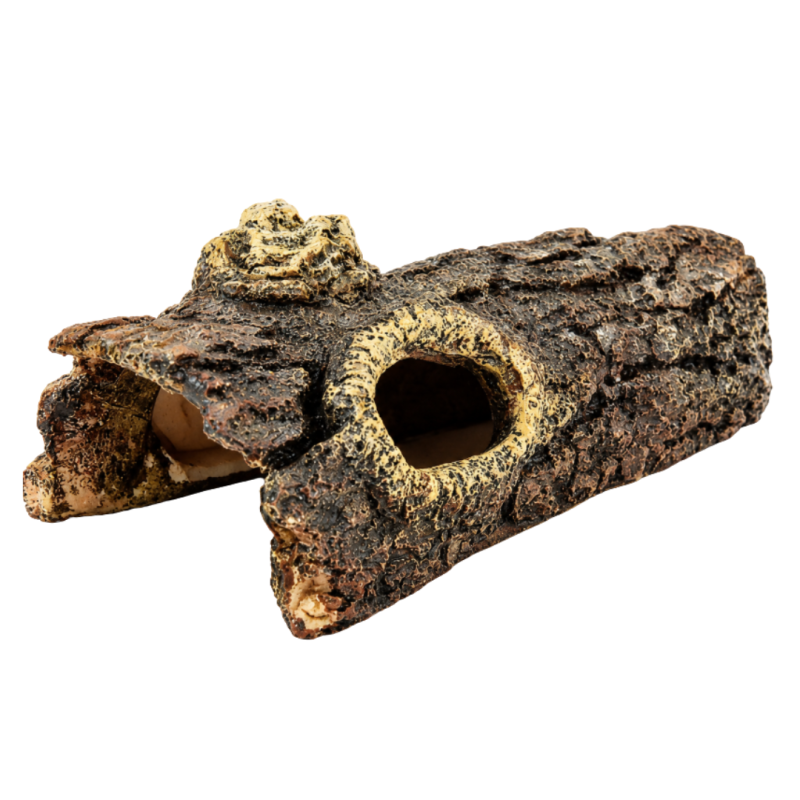
- Substrate and Decorations: A soft substrate is recommended to protect their delicate bodies and barbels. Clown Loaches appreciate a well-planted tank with plenty of hiding spots created using caves, driftwood, and plants.
- Lighting: Moderate lighting is preferred, as it mimics their natural habitat and helps them feel secure. Adding floating plants can provide shaded areas.
- Filtration: A strong filtration system is essential for maintaining water quality, but ensure that the current is not too strong, as Clown Loaches prefer calmer waters. Regular water changes (about 20-30% weekly) are necessary to keep the tank healthy.
Diet:
Clown Loaches are omnivorous and require a varied diet to thrive:
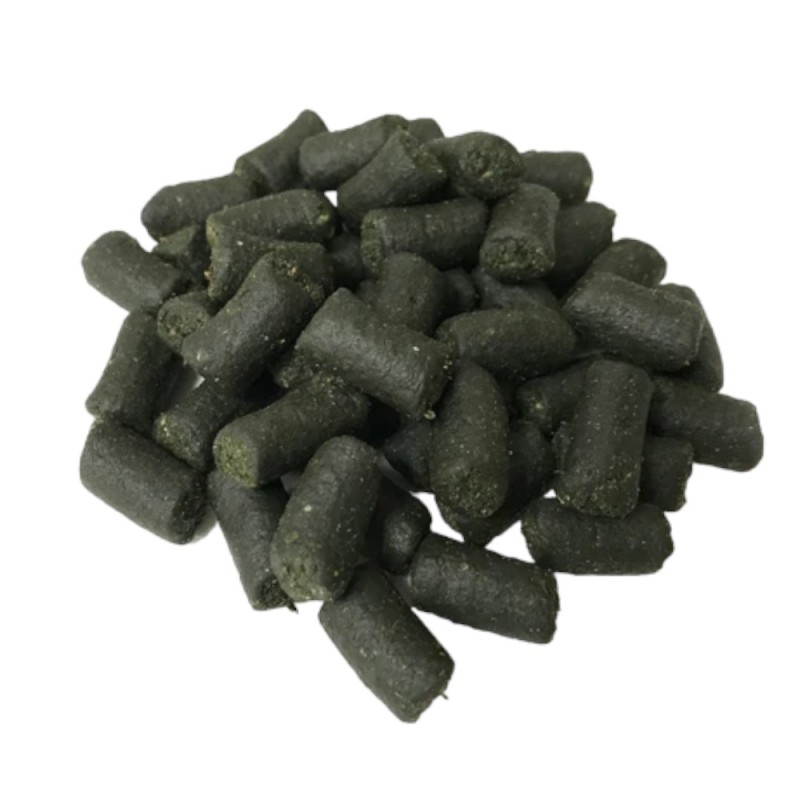
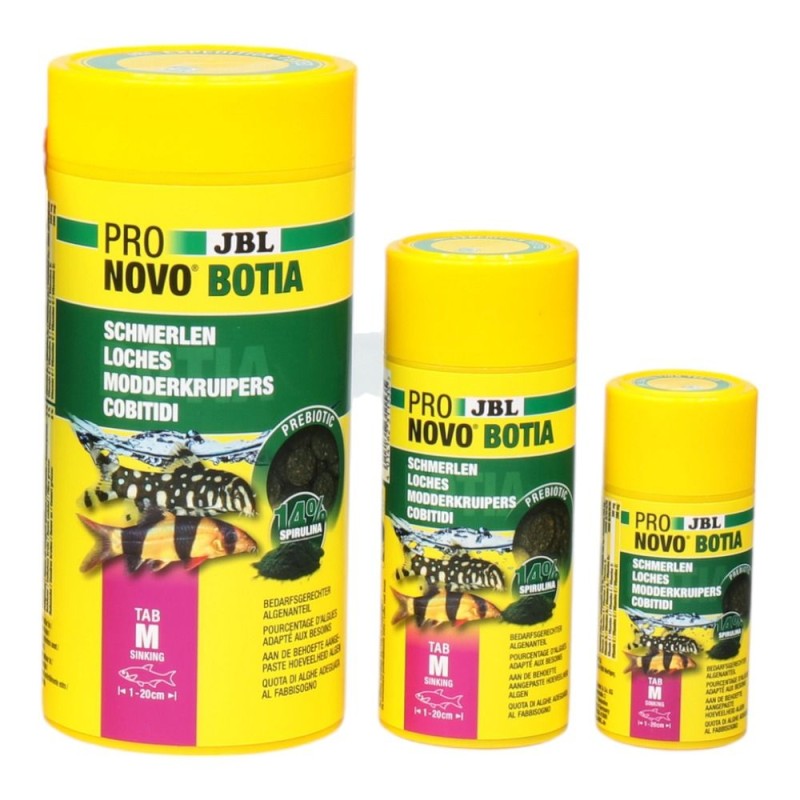
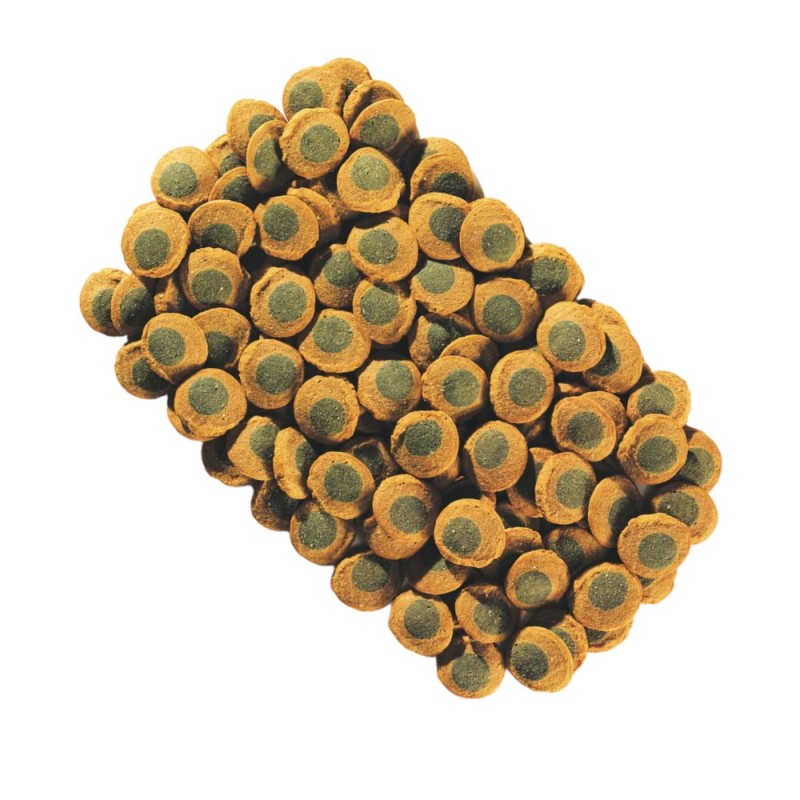
- Pellets: High-quality sinking pellets formulated for bottom feeders should form the staple of their diet.
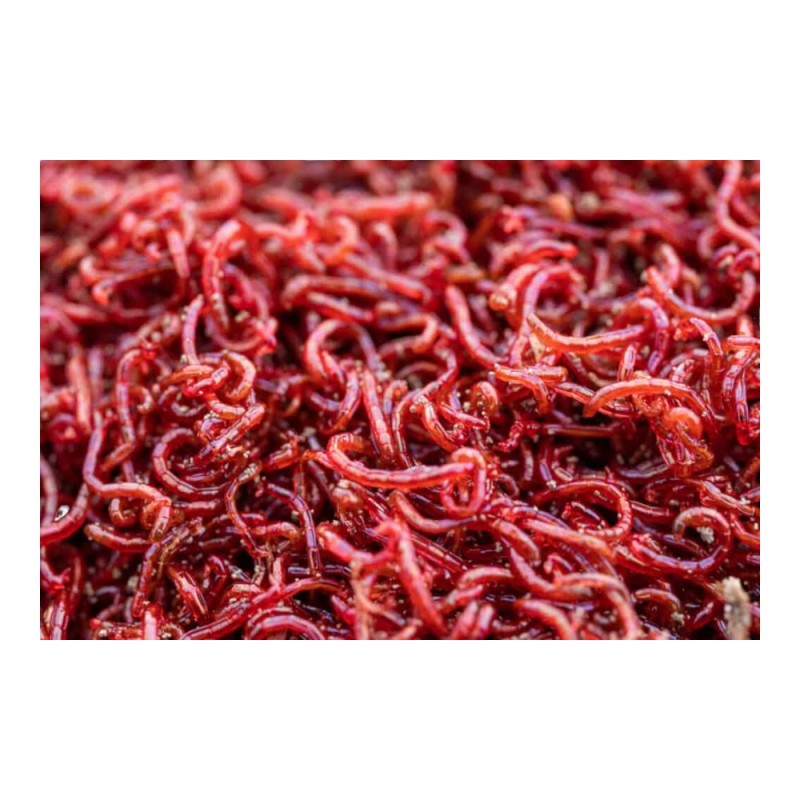
- Live or Frozen Foods: Offer live or frozen foods such as brine shrimp, bloodworms, and daphnia to provide essential protein and variety.
- Vegetable Matter: Clown Loaches also benefit from occasional feedings of blanched vegetables like zucchini or cucumber.
Breeding:
Breeding Clown Loaches in captivity is rare and challenging, but if attempted:
- Breeding Setup: A separate breeding tank with gentle filtration, soft substrate, and plenty of hiding spots is ideal. The water should be kept slightly cooler (around 22°C to 24°C or 72°F to 75°F).
- Spawning Behaviour: Breeding usually occurs during the rainy season in the wild, which may require replicating environmental conditions. Spawning behaviour is rarely observed in captivity.
- Fry Care: If fry are produced, they can be fed with infusoria or newly hatched brine shrimp until they are large enough for crushed pellets.
Special Considerations:
- Social Structure: Keeping Clown Loaches in groups is beneficial for their well-being, as they thrive in social settings.
- Water Quality: Regular water testing and changes are crucial to prevent stress and illness.
Tags:
Clown Loach