

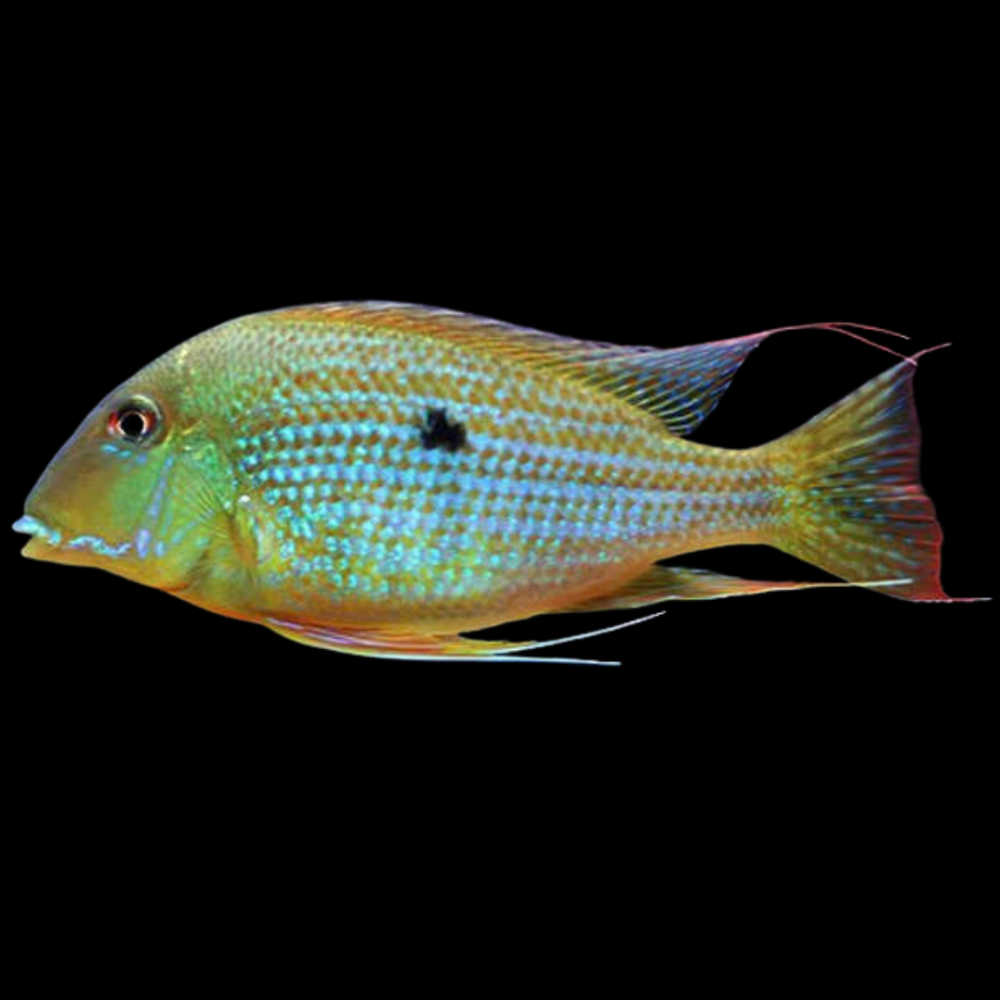
- Stock: In Stock
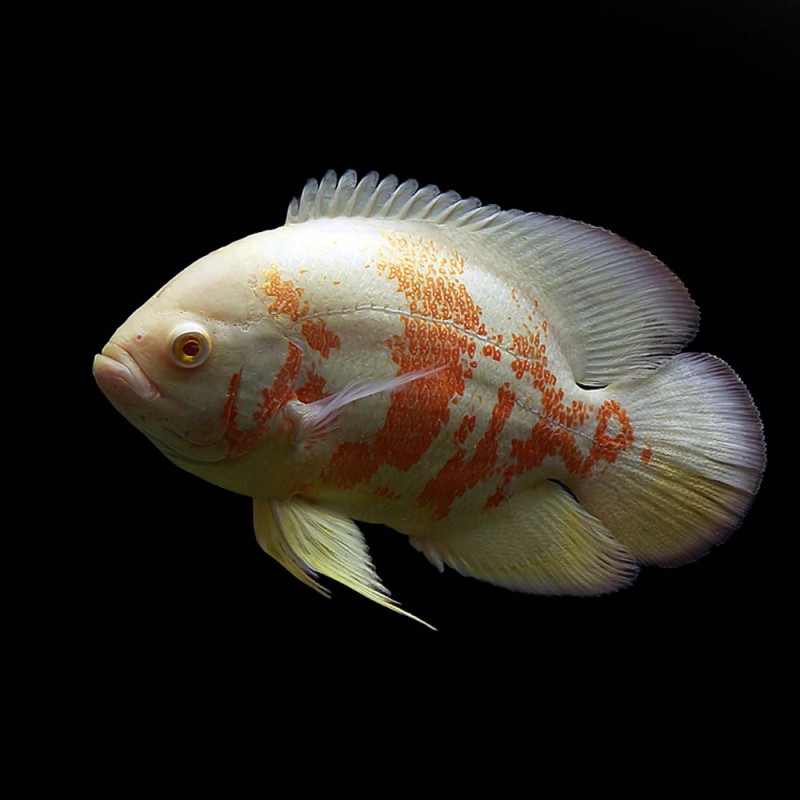
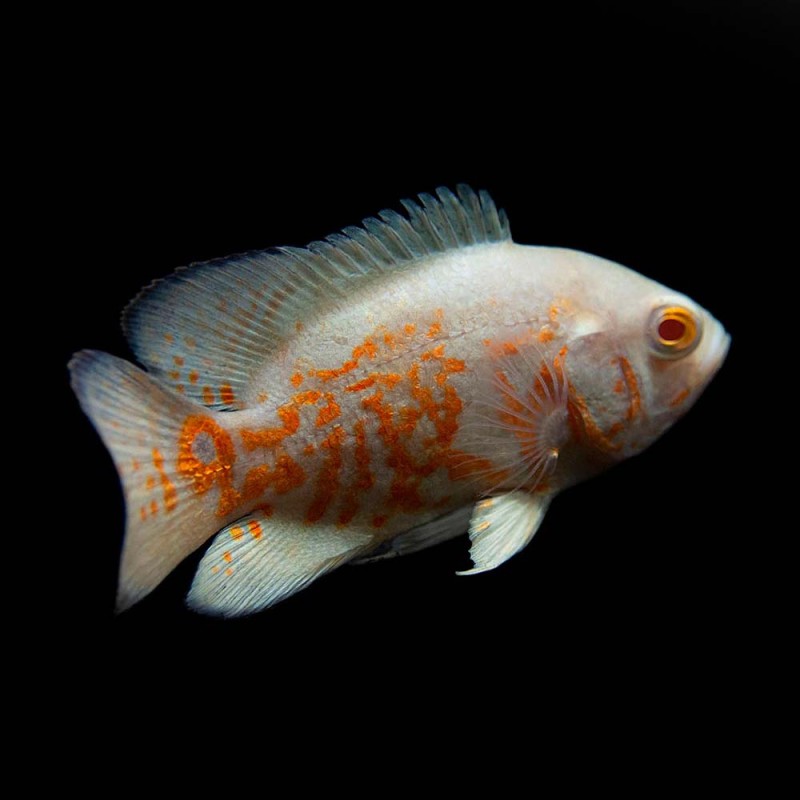
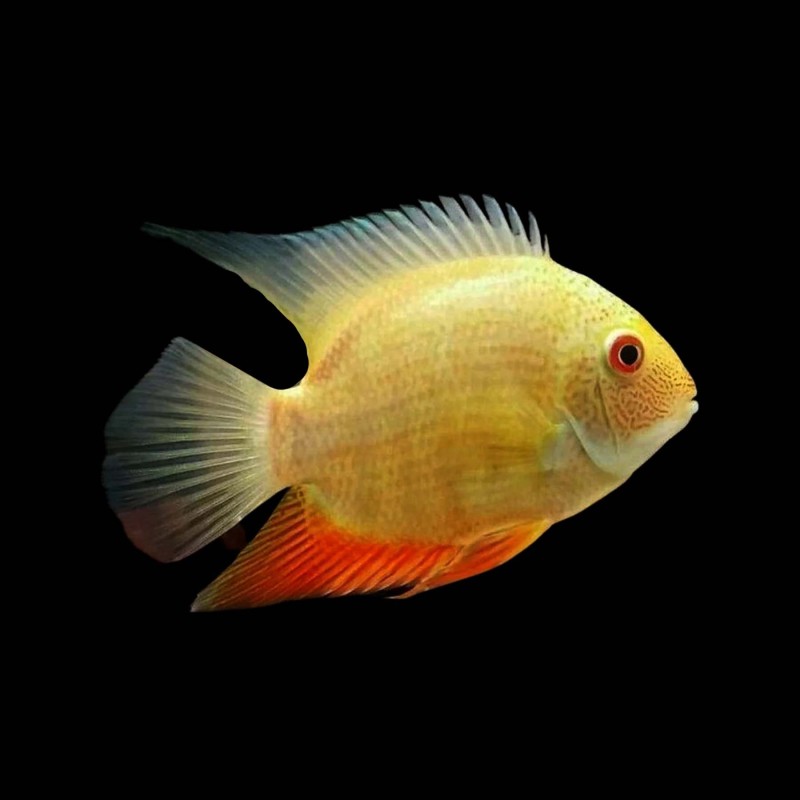
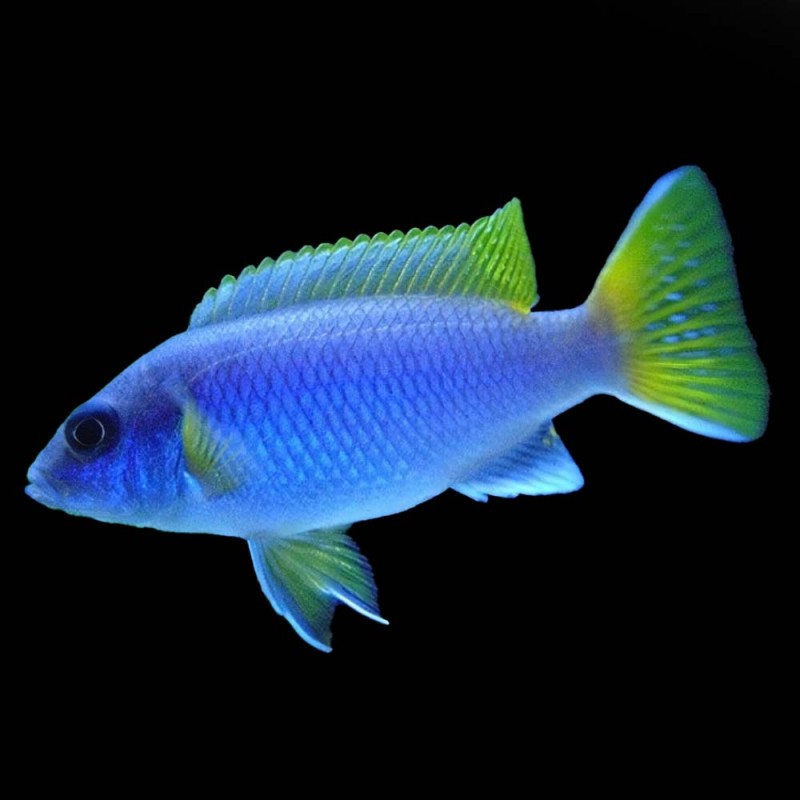
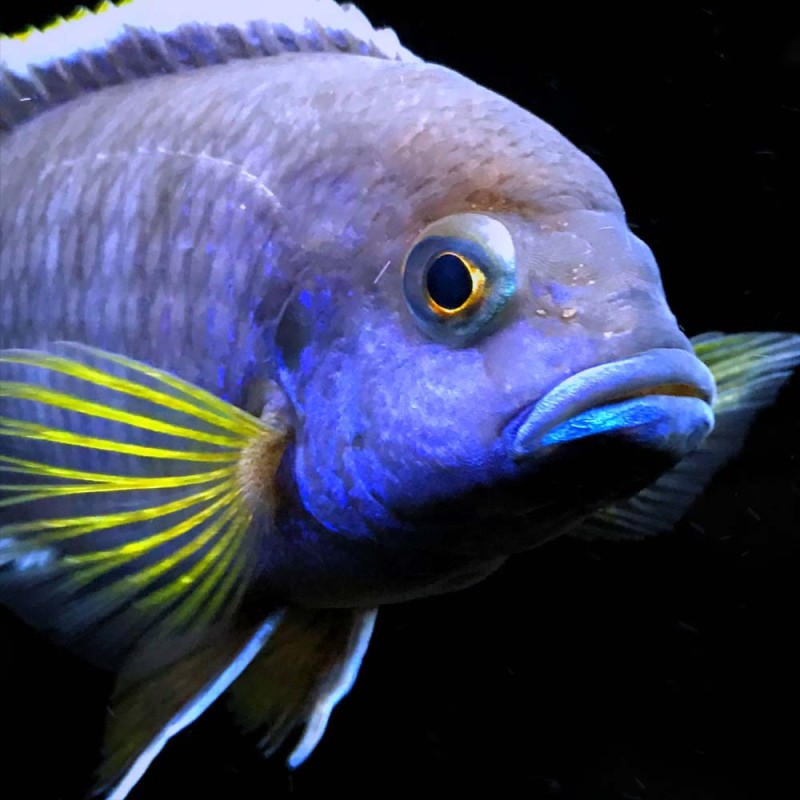
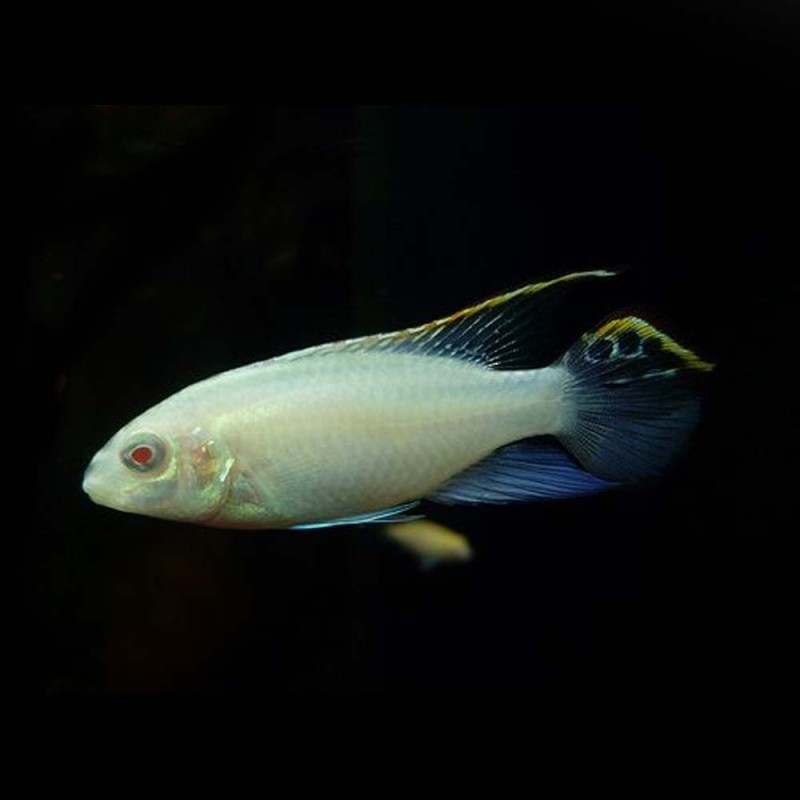
Please Note: Due to variations within species, your fish may not look identical to the image provided. Also note not all sizes or species may be available due to seasonality, Please call beforehand for up-to-date stock availability.
- Model: -
Available Options
Arrive Alive
If your fish, coral, plant, or invertebrate doesn't arrive alive and stay alive for 2 days, we'll credit your account or refund your money.
Threadfin Geophagus
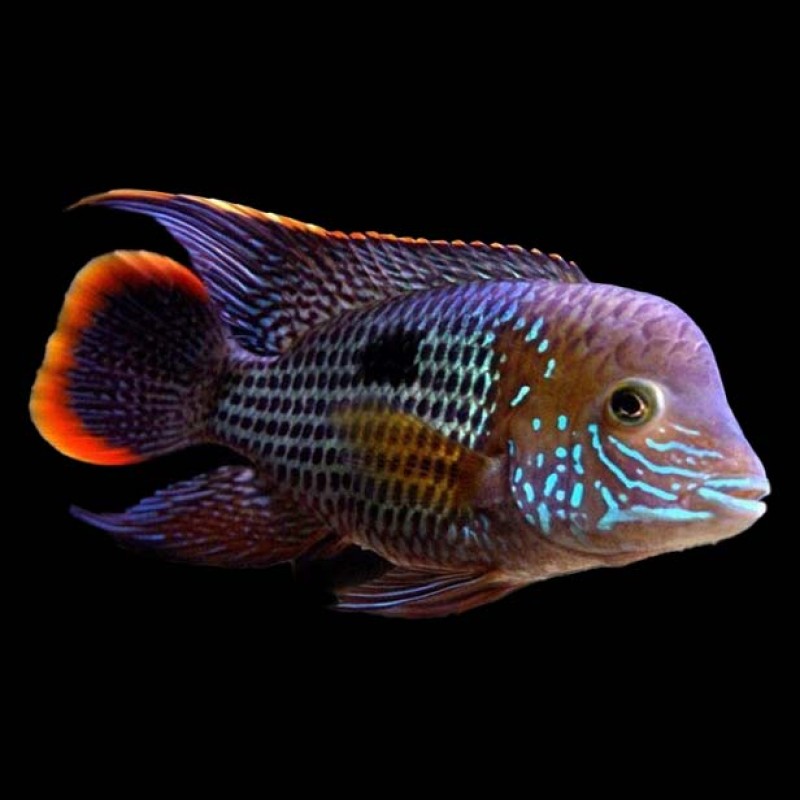
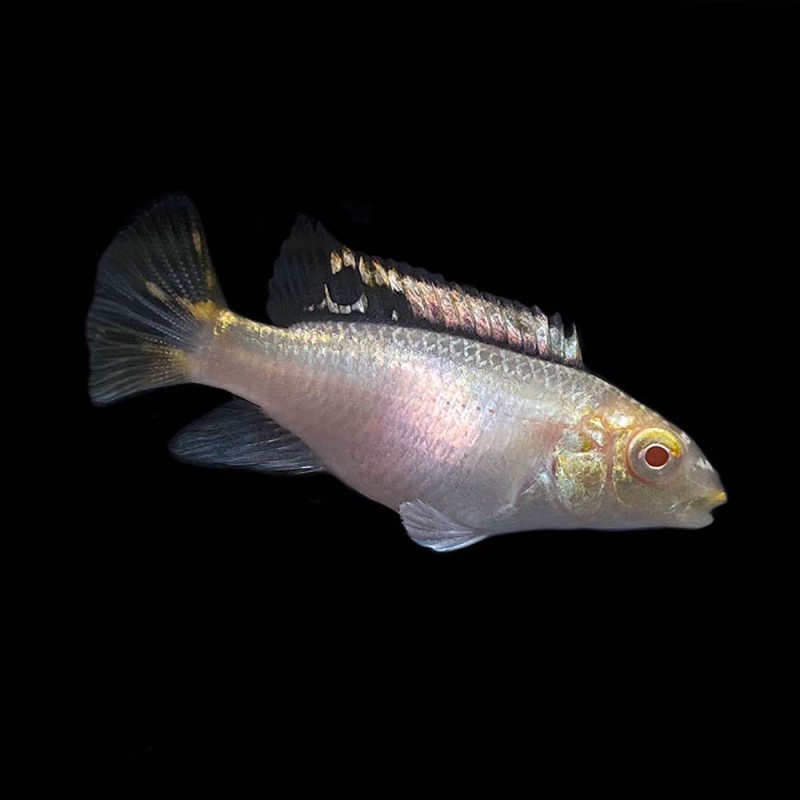
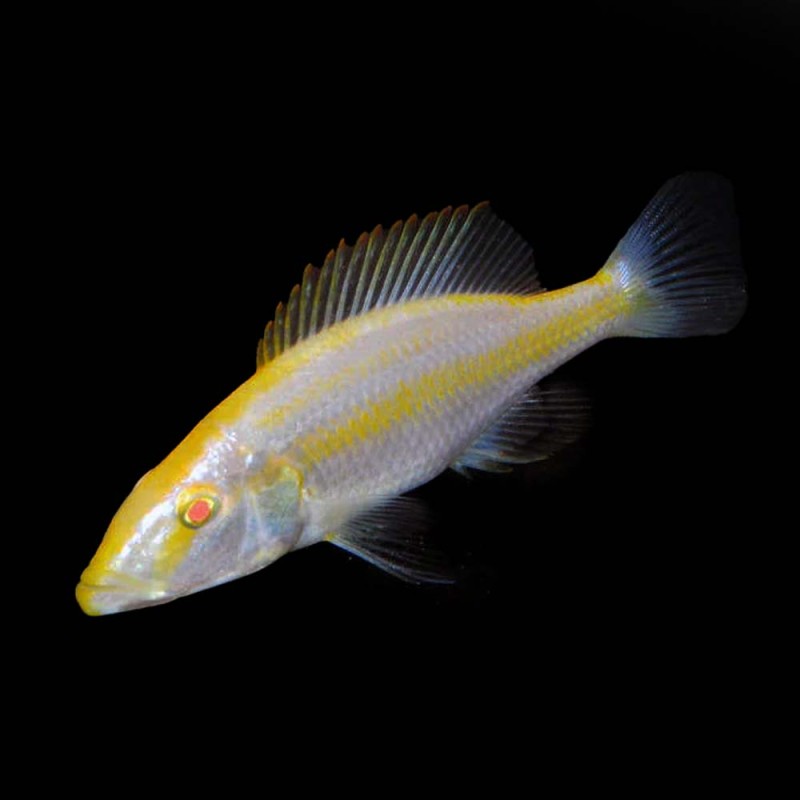
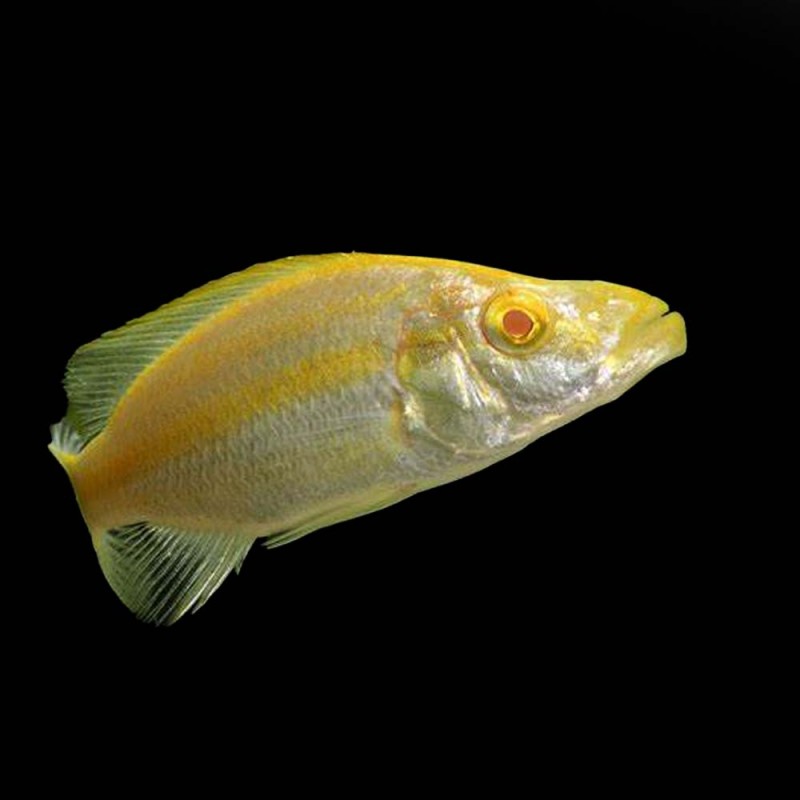
The Threadfin Geophagus (*Geophagus myersii*) is a captivating freshwater fish native to the Amazon River basin in South America. Known for its striking appearance and unique behaviour, this cichlid is a popular choice among aquarists who appreciate its beauty and personality.
Physical Characteristics:
- Size: Threadfin Geophagus typically grow to about 15-20 cm (6-8 inches) in length.
- Coloration:
- Body: They have a distinctive silver or bluish body, often featuring intricate patterns and spots that can vary among individuals.
- Fins: Their fins are usually transparent with slight hints of colour, and the caudal fin may have a unique filamentous extension, which gives them their name.
- Shape: Their body is elongated and somewhat flattened, which contributes to their streamlined appearance.
Behaviour:
- Temperament: Threadfin Geophagus are generally peaceful but can be territorial, especially during breeding. They are best kept with other non-aggressive species.
- Activity Level: These fish are active and enjoy foraging along the substrate for food. They are known for their interesting swimming patterns.
- Community Behaviour: They can coexist well with a variety of tankmates, provided they are not overly aggressive or large enough to pose a threat.
Aquarium Care:
- Tank Size: A minimum tank size of 190 litres (50 gallons) is recommended for a small group of Threadfin Geophagus, as they require ample space to swim and establish territories.
- Water Parameters:
- Temperature: They thrive in warm water, with an ideal temperature range of 24°C to 28°C (75°F to 82°F).
- pH: They prefer slightly acidic to neutral water, with a pH range of 6.0 to 7.5.
- Hardness: Soft to moderately hard water, with a general hardness (GH) of 3-8 dGH, is ideal.
- Tank Setup:
- Substrate and Decorations: A soft, sandy substrate is recommended, as it allows them to forage naturally. Include hiding spots using rocks, driftwood, and plants to create a more natural environment.
- Lighting: Moderate lighting is suitable, with plenty of shaded areas provided by plants and decorations.
- Filtration: A robust filtration system is essential to maintain water quality. Regular water changes (about 20-30% weekly) are crucial to keep the environment clean and healthy.
Diet:
Threadfin Geophagus are omnivorous and require a balanced diet:
- Pellets: High-quality cichlid pellets should form the staple of their diet.
- Live or Frozen Foods: Offer live or frozen foods such as brine shrimp, bloodworms, and daphnia to provide essential protein and variety.
- Vegetation: They also benefit from vegetable matter, such as spirulina flakes or blanched vegetables.
Tankmates:
Threadfin Geophagus can be housed with various peaceful tankmates:
- Other Cichlids: Non-aggressive cichlid species that share similar water parameters.
- Small Fish: Peaceful species like tetras, rasboras, or barbs that won’t provoke aggression.
- Bottom-Dwellers: Corydoras or other peaceful bottom-dwellers can coexist well with Threadfin Geophagus.
Breeding:
Breeding Threadfin Geophagus can be successful with proper conditions:
- Breeding Setup: A separate breeding tank with flat surfaces for laying eggs is ideal. The water should be warm (around 26°C to 28°C or 79°F to 82°F) and slightly acidic.
- Spawning Behaviour: They are substrate spawners, and both parents often take care of the eggs and fry.
- Fry Care: Once the fry are free-swimming, they can be fed with infusoria or newly hatched brine shrimp.
Special Considerations:
- Aggression: While generally peaceful, they can become territorial, especially during breeding. Provide ample space and hiding spots.
- Water Quality: Maintaining clean water is crucial for their health. Regular water changes and monitoring parameters are essential.
| File Name | Size | Link |
|---|---|---|
| 15 How to care for American Cichlids.pdf (Total downloads: 7407) | 221.67KiB | Download |