

- Stock: Generally In Stock
- Model: Pentazona Barb
Pentazona Barb
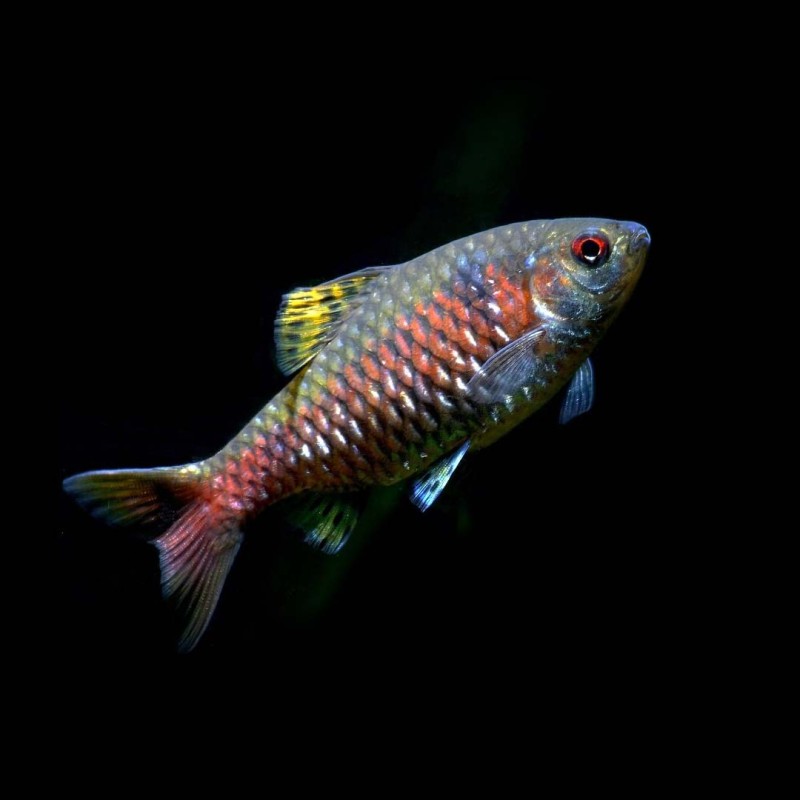
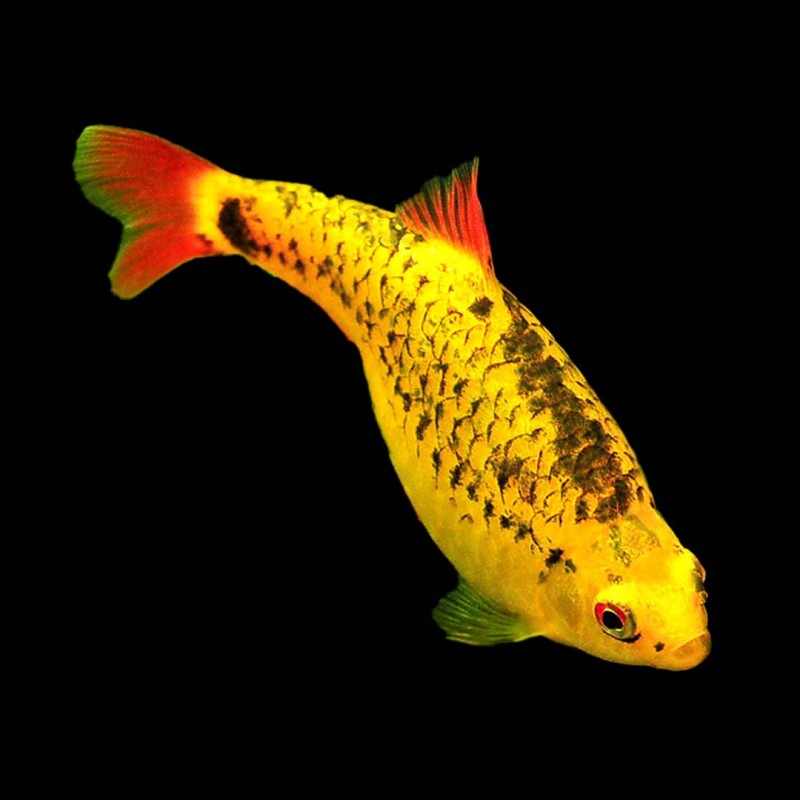
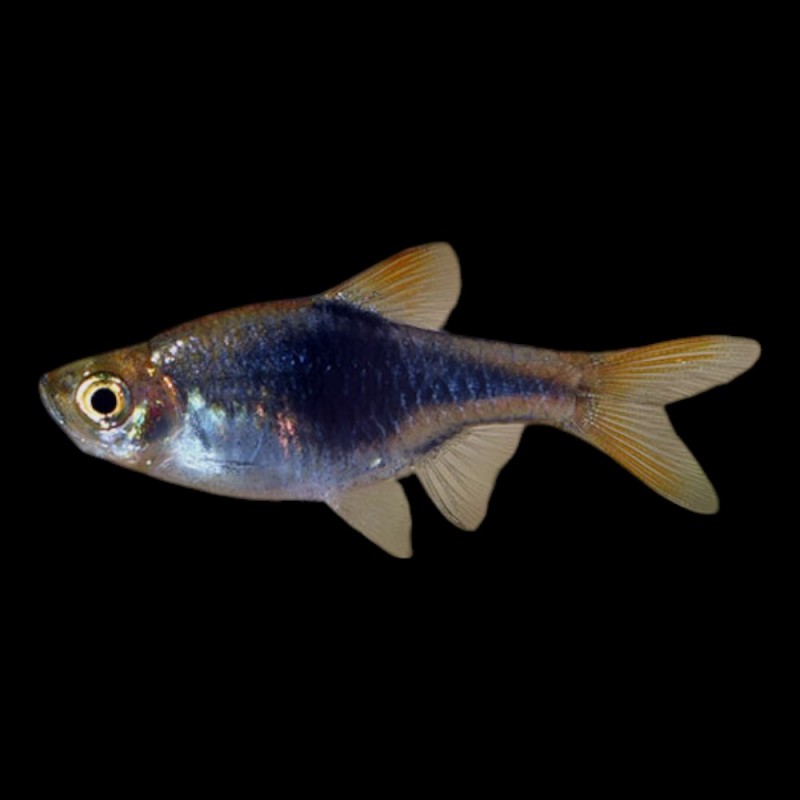
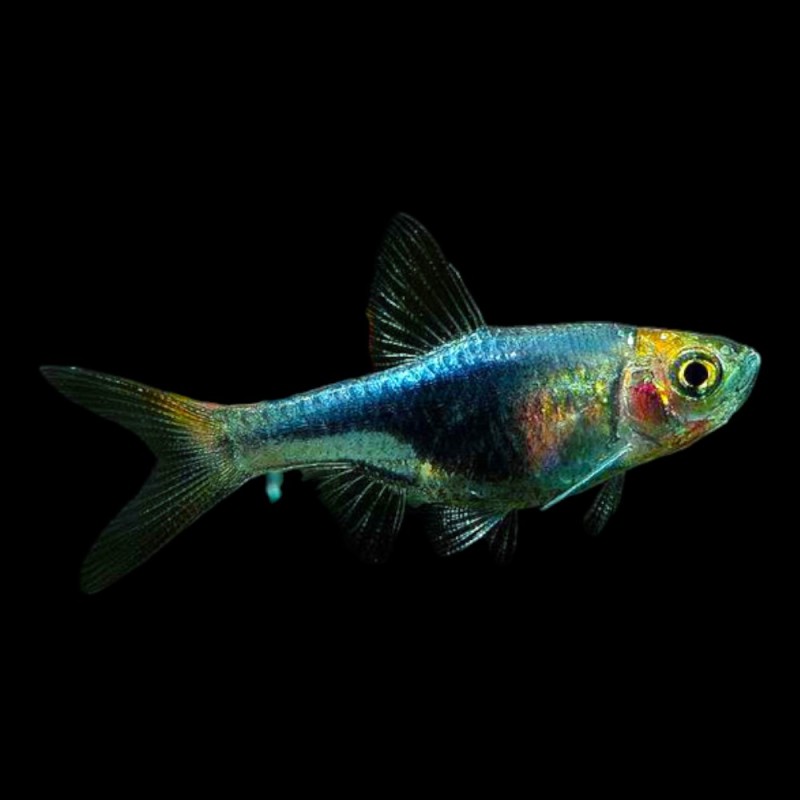
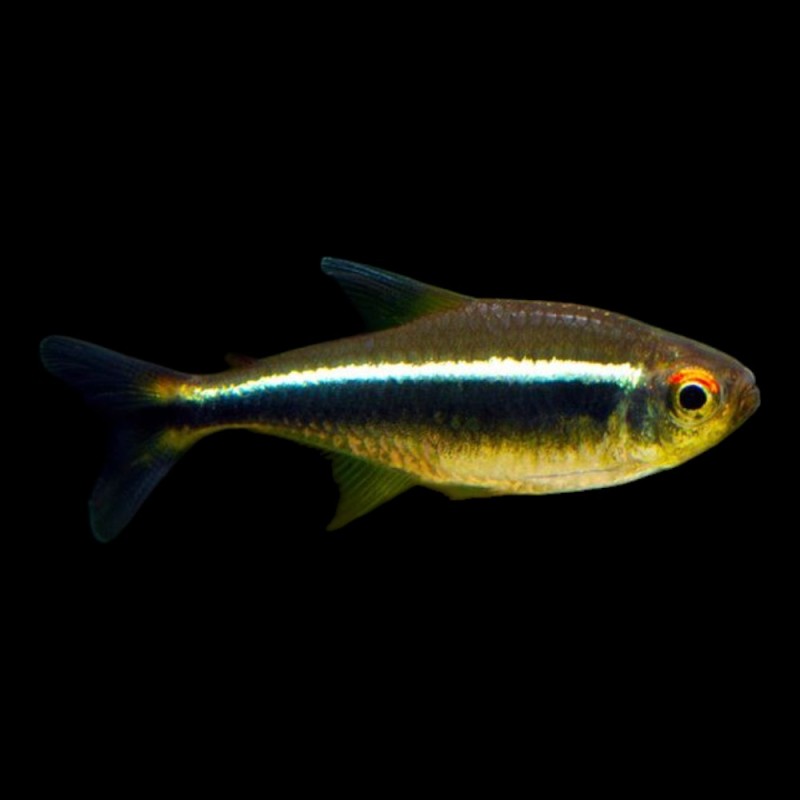
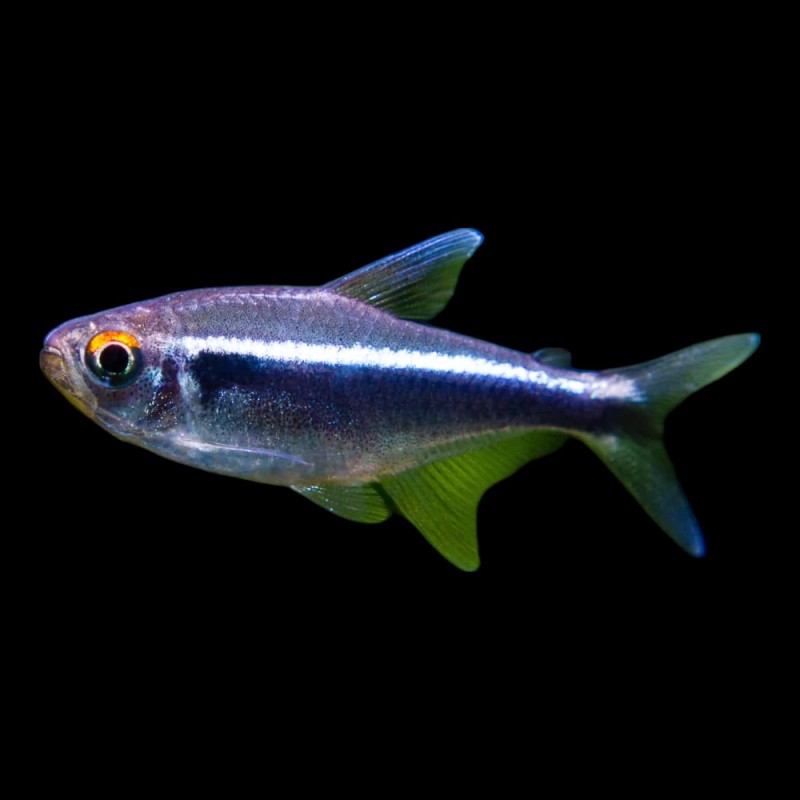
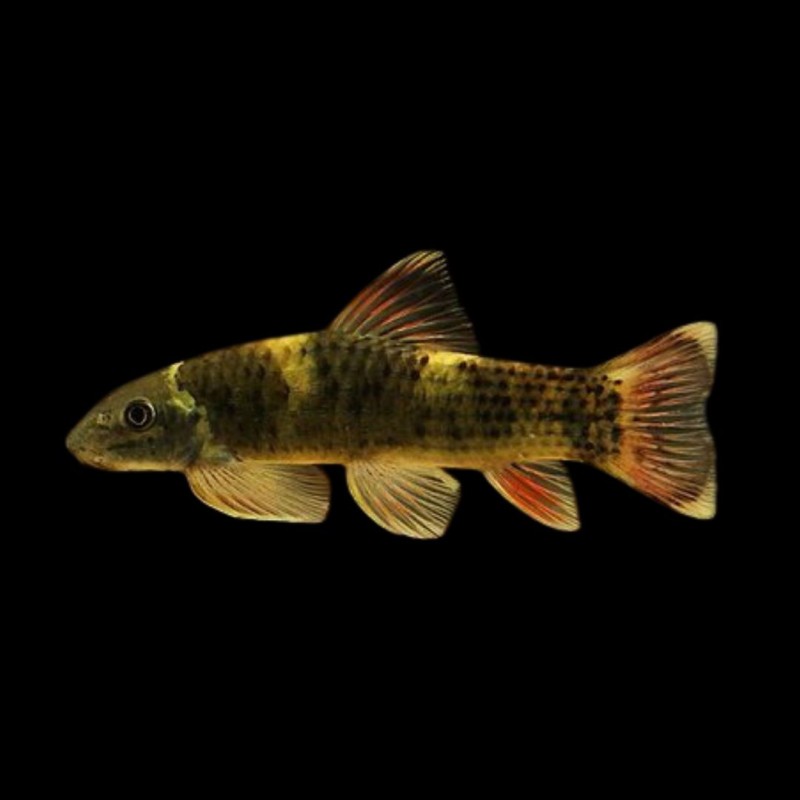
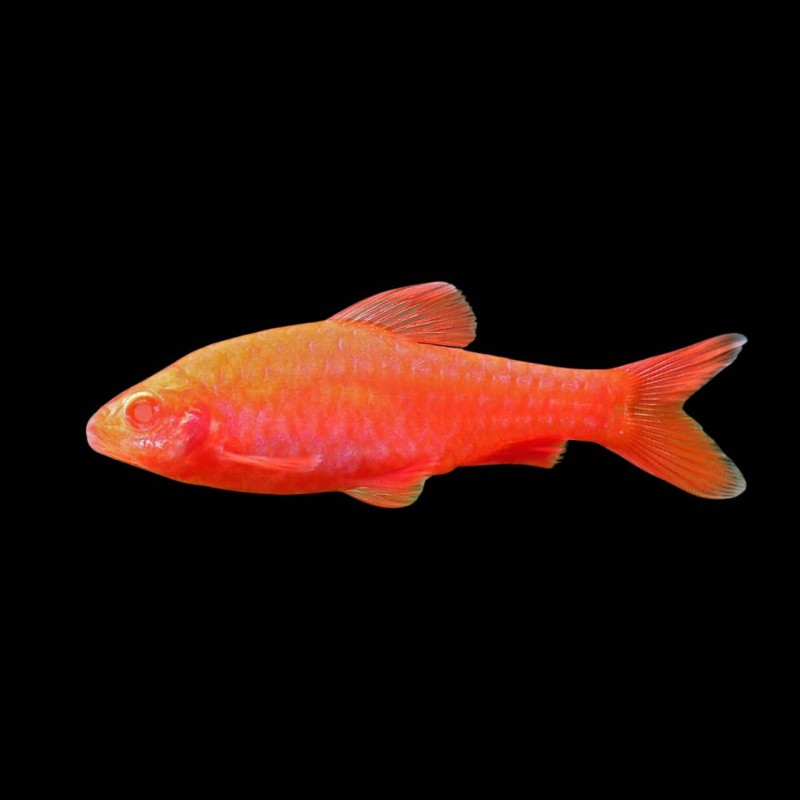
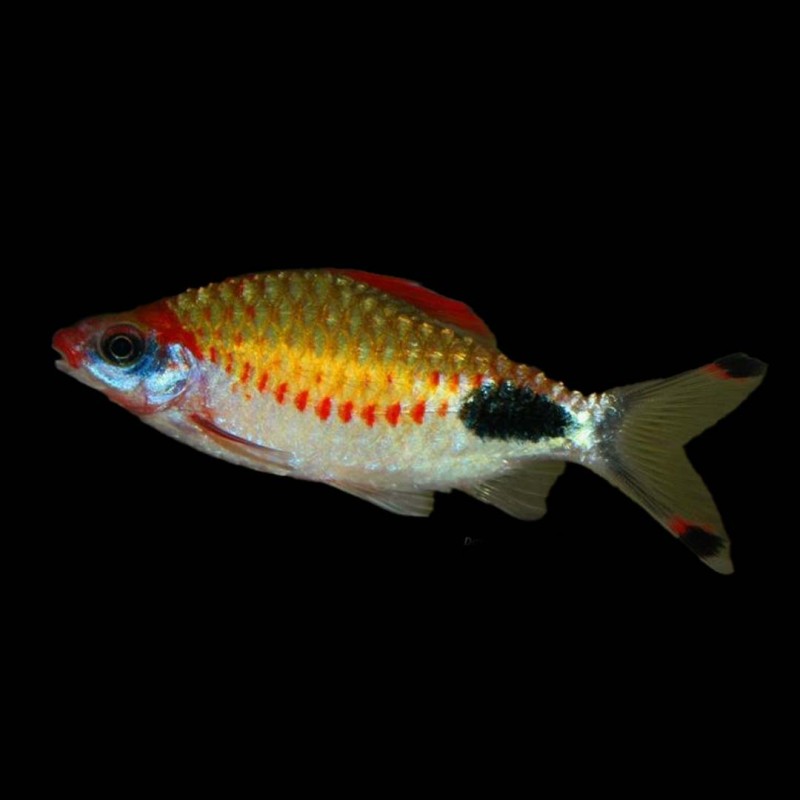
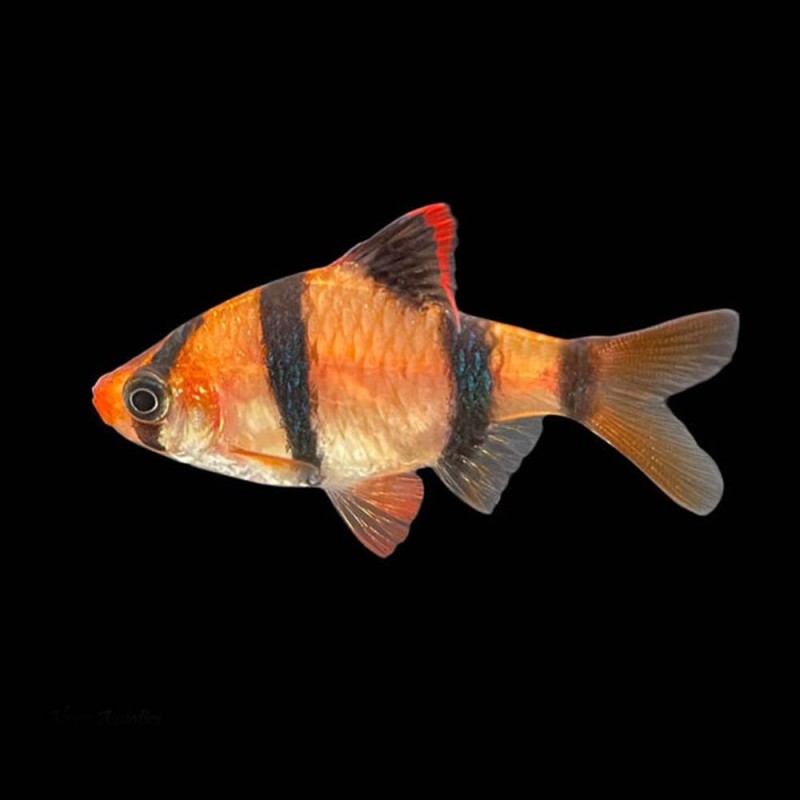
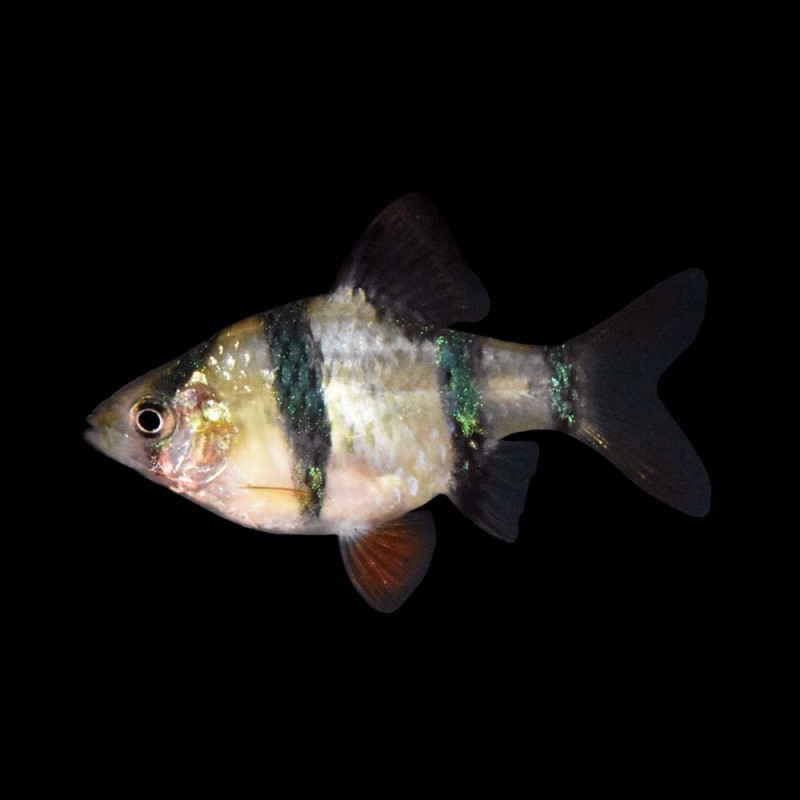
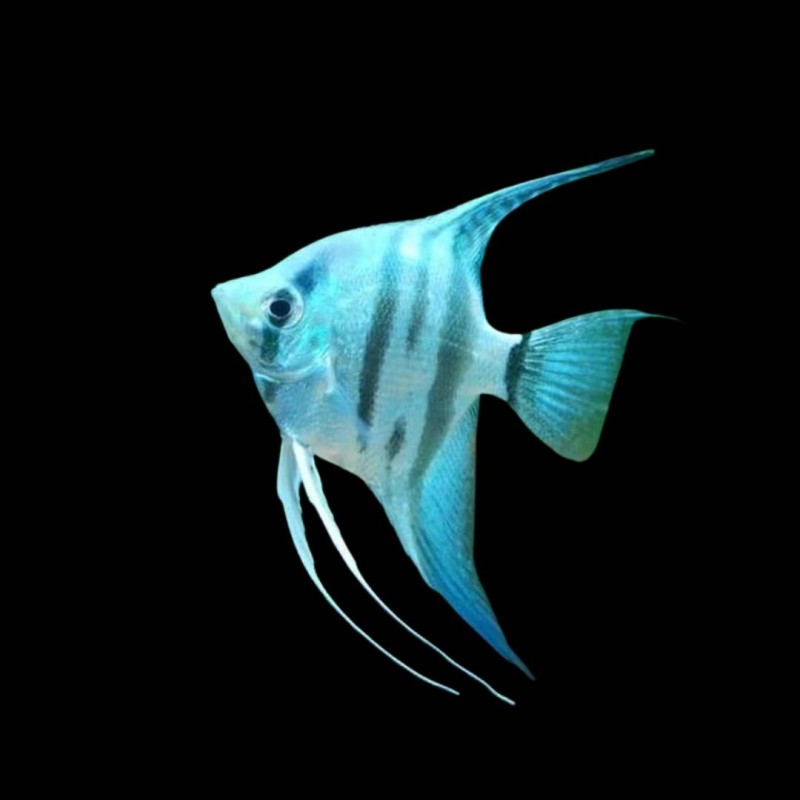
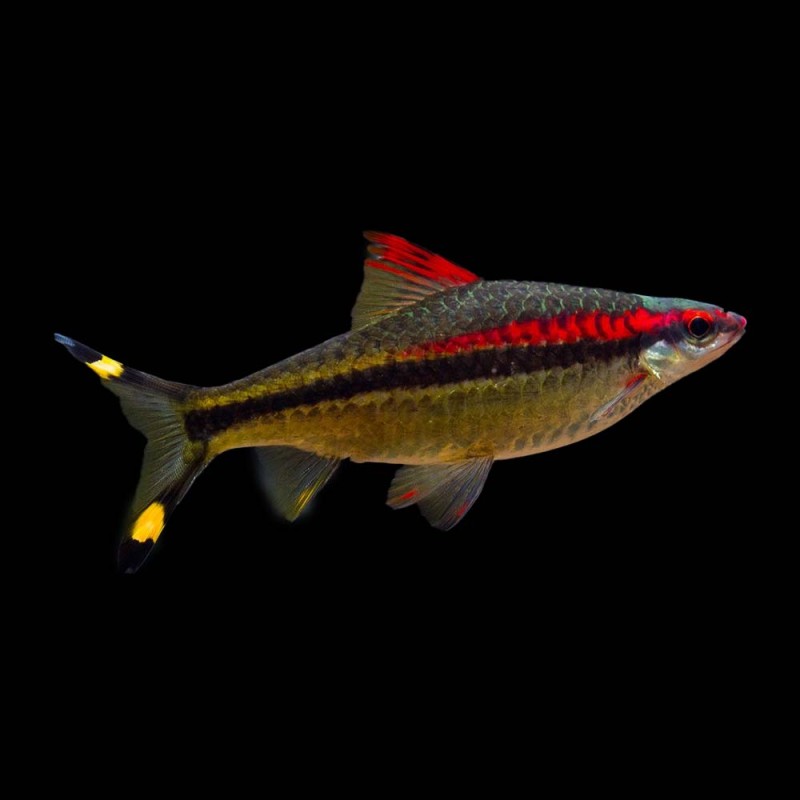
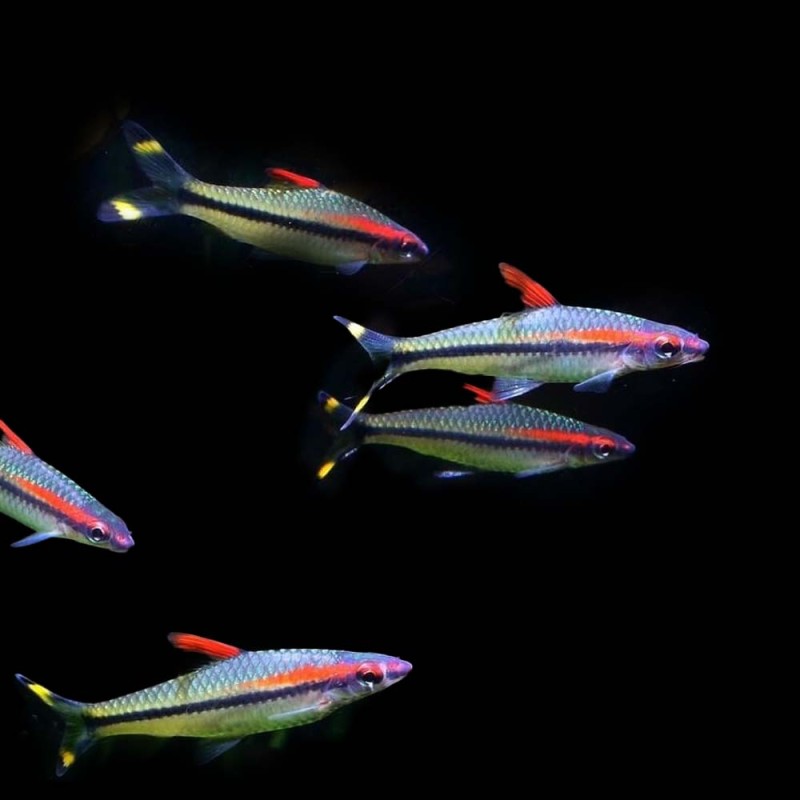
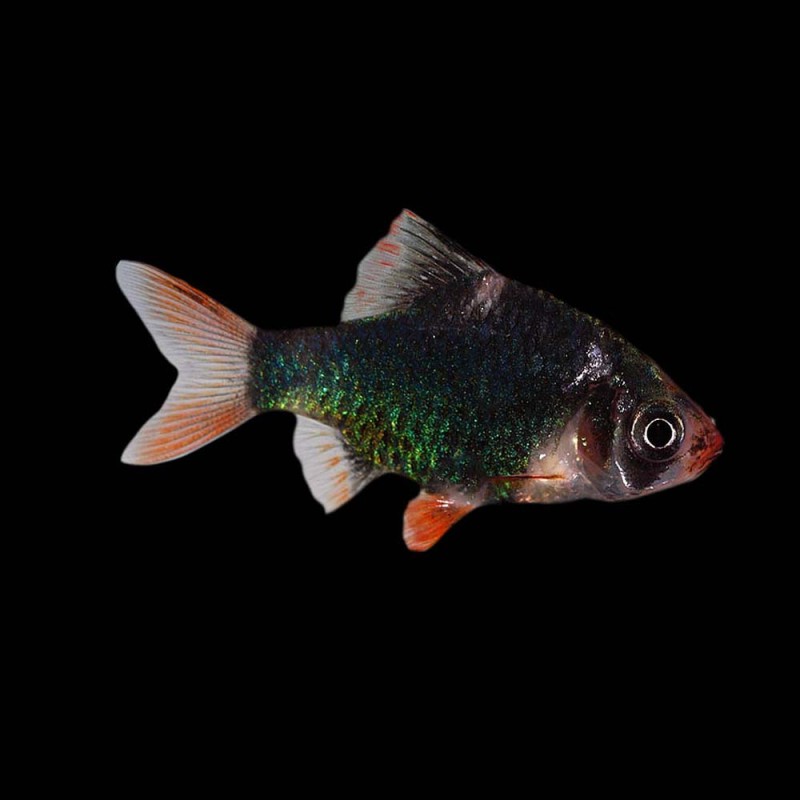
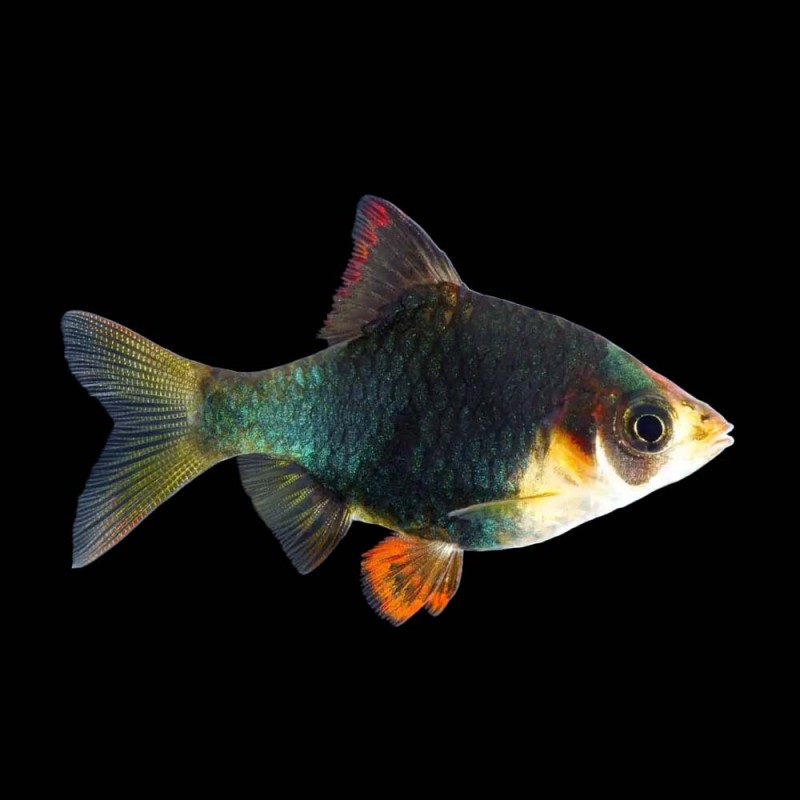
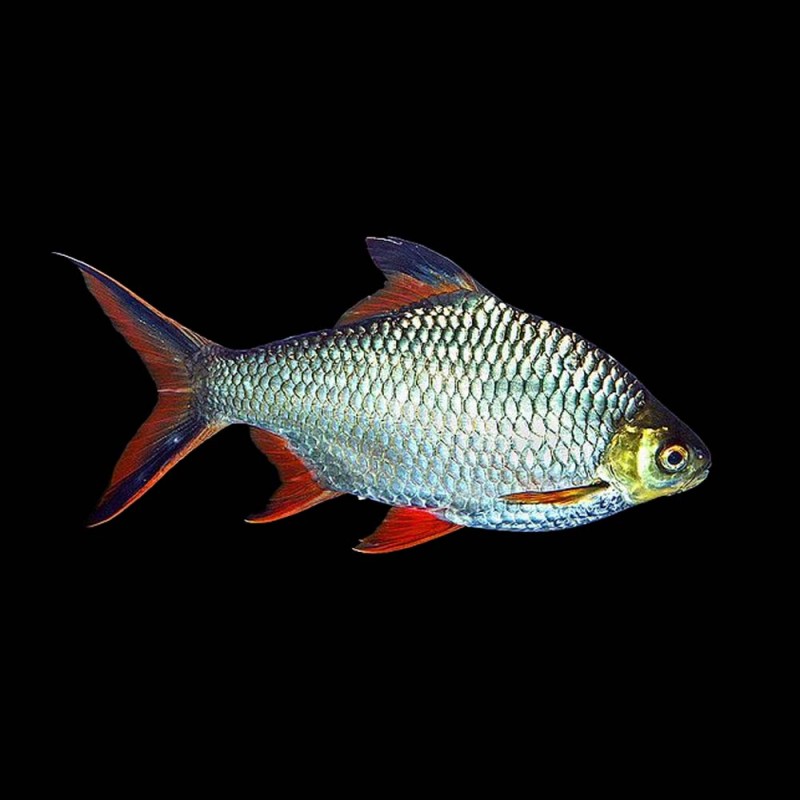
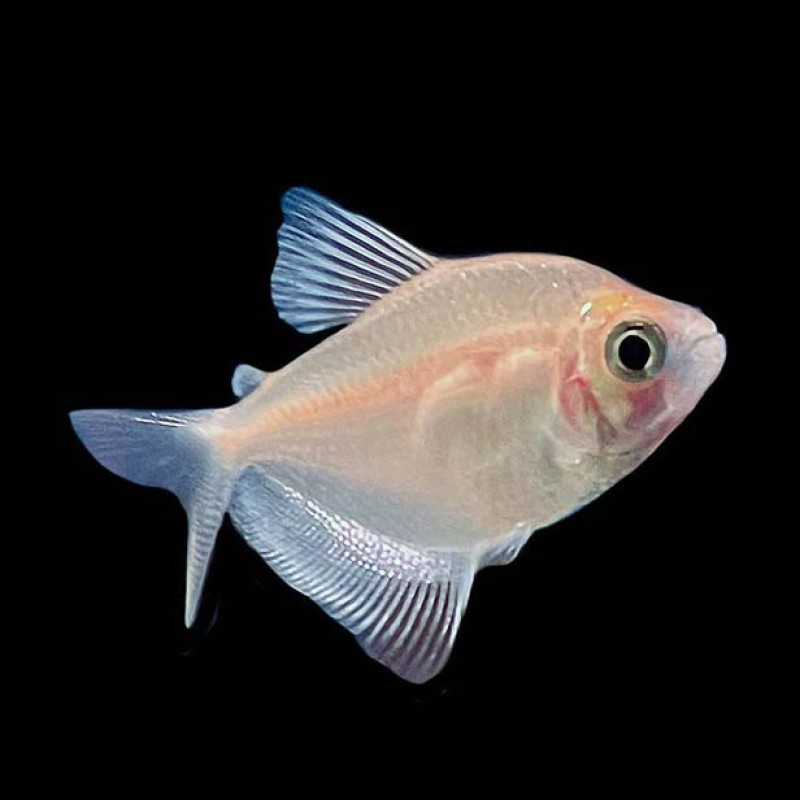
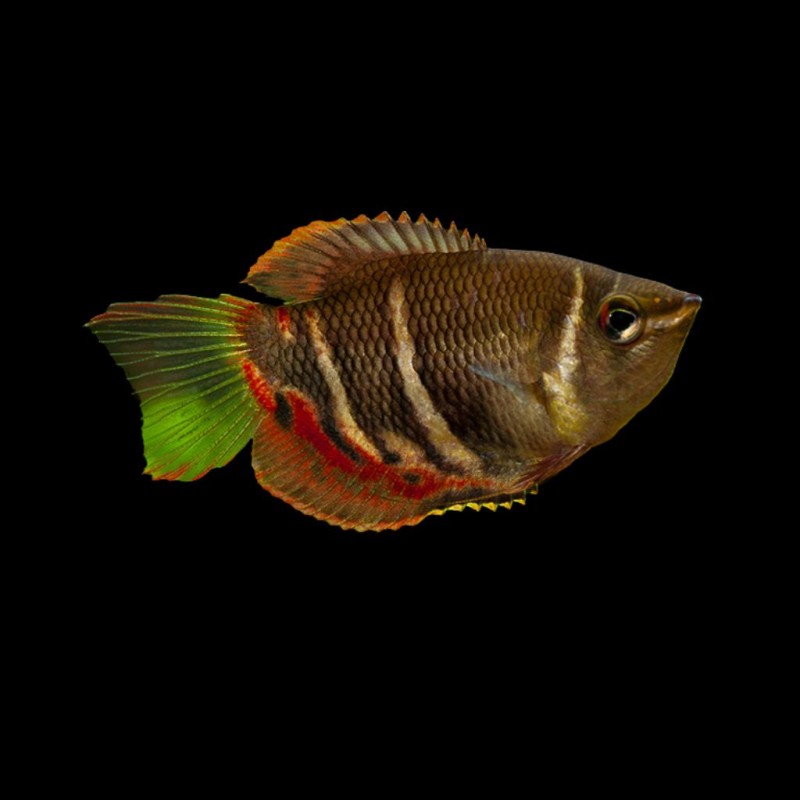
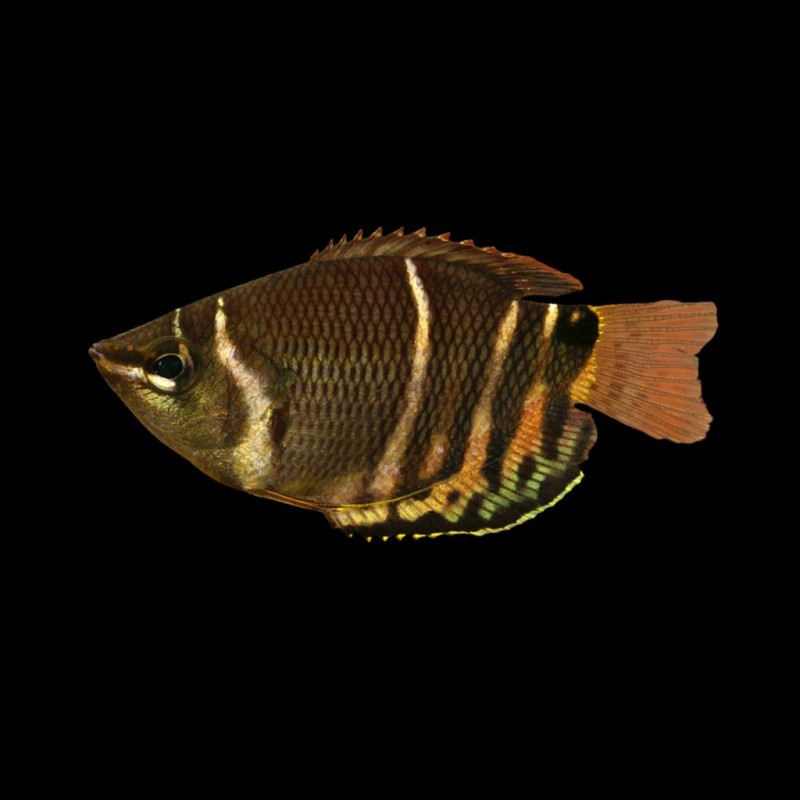
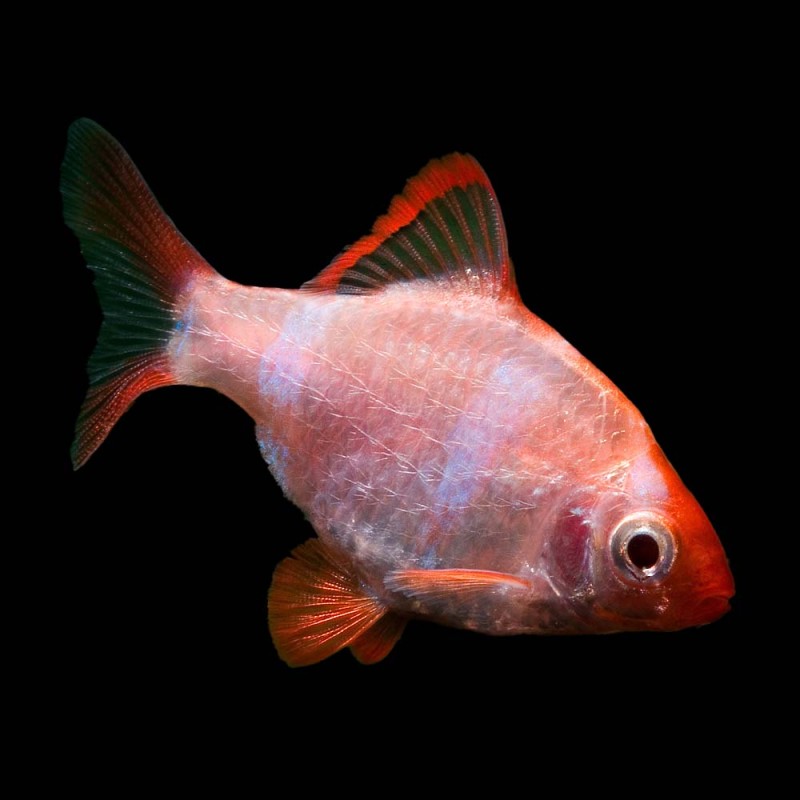
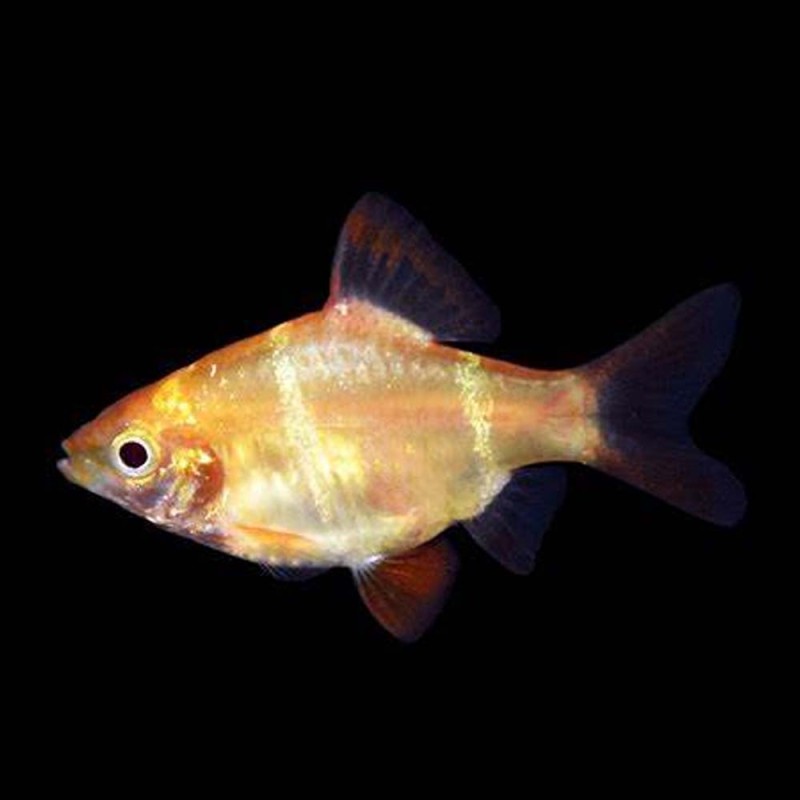
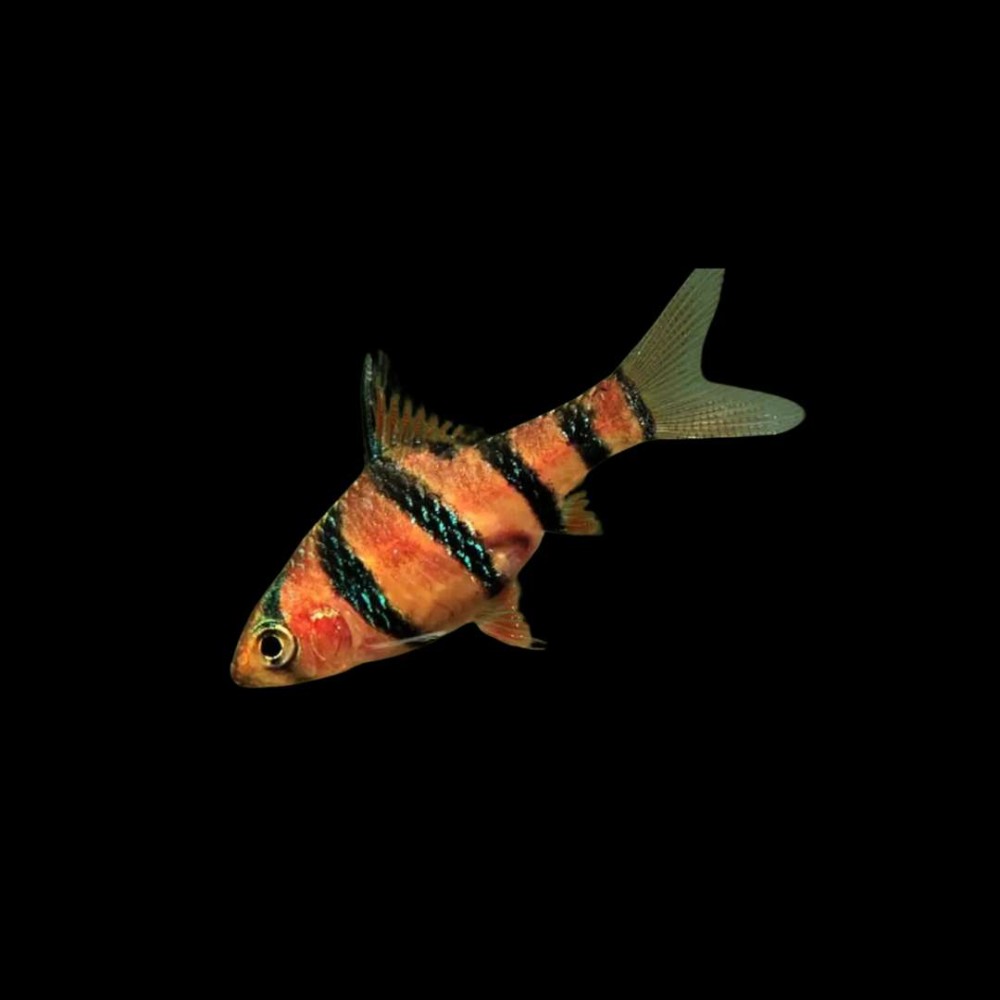
The Pentazona Barb (Desmopuntius pentazona), also known as the Fiveband Barb, is a peaceful and visually striking freshwater species native to Southeast Asia. Recognised for its five bold black vertical bands set against a warm orange or golden body, this species is a popular choice for aquarists seeking an active and harmonious schooling fish for community aquariums.
Physical Characteristics:
Size: Pentazona Barbs typically grow up to 8–9 cm (around 3.5 inches) in length.
Coloration:
Body: The body is a rich orange to golden tone, contrasted by five distinct black vertical bands.
Markings: A key identifying feature is the absence of a dorsal base spot seen in similar species, helping distinguish it from closely related barbs.
Fins: Fins are generally translucent with subtle warm hues, complementing the body colour.
Shape: Streamlined and slightly laterally compressed, suited for active swimming.
Behavior:
Temperament: Peaceful and non-aggressive, making it ideal for community aquariums.
Activity Level: Highly active and constantly schooling, especially in the mid-water levels.
Social Behavior: Best kept in groups of at least 5–6 individuals to promote natural behaviour and reduce stress.
Aquarium Care:
Tank Size: A minimum of 80–100 litres is recommended for a small group, with larger tanks preferred for optimal schooling behaviour.
Water Parameters:
Temperature: 23°C to 29°C
pH: 5.0 to 6.5
Hardness: 5–12 dGH
Tank Setup:
Substrate and Decorations: A soft substrate with plenty of plants, driftwood, and rocks to replicate natural blackwater habitats, while maintaining open swimming areas.
Lighting: Moderate to subdued lighting is preferred, especially in planted setups.
Filtration: Gentle filtration with stable water conditions is ideal, mimicking calm natural waters.
Diet:
Pentazona Barbs are omnivores and thrive on a varied diet:
Prepared Foods: High-quality flakes or micro pellets.
Live or Frozen Foods: Brine shrimp, bloodworms, and daphnia to support health and colouration.
Vegetable Matter: Occasional plant-based foods or algae supplements.
Feed 1–2 times daily in moderate amounts.
Tankmates:
This species is well-suited to peaceful community aquariums:
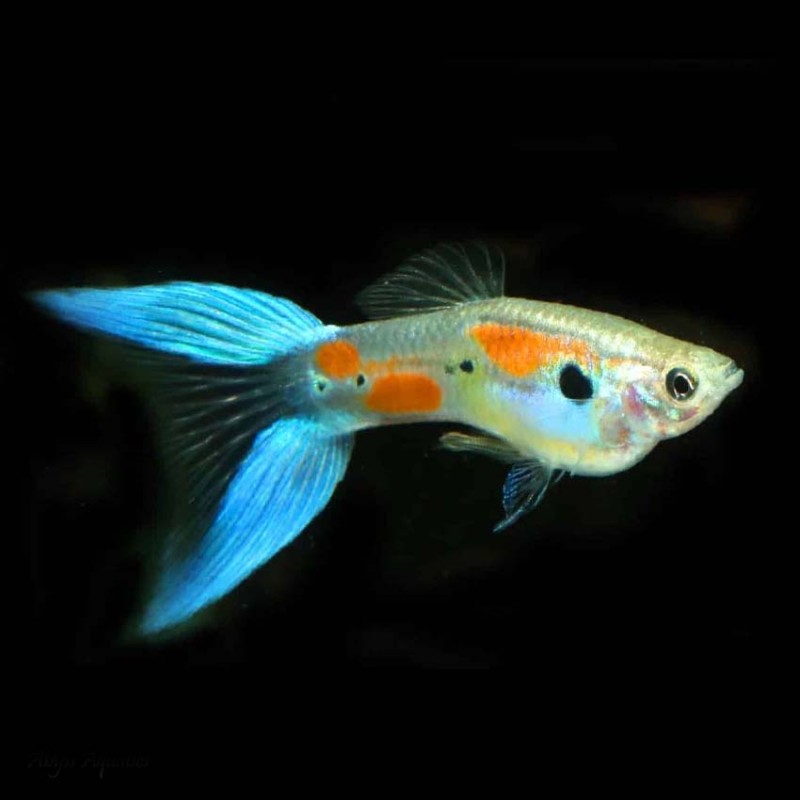
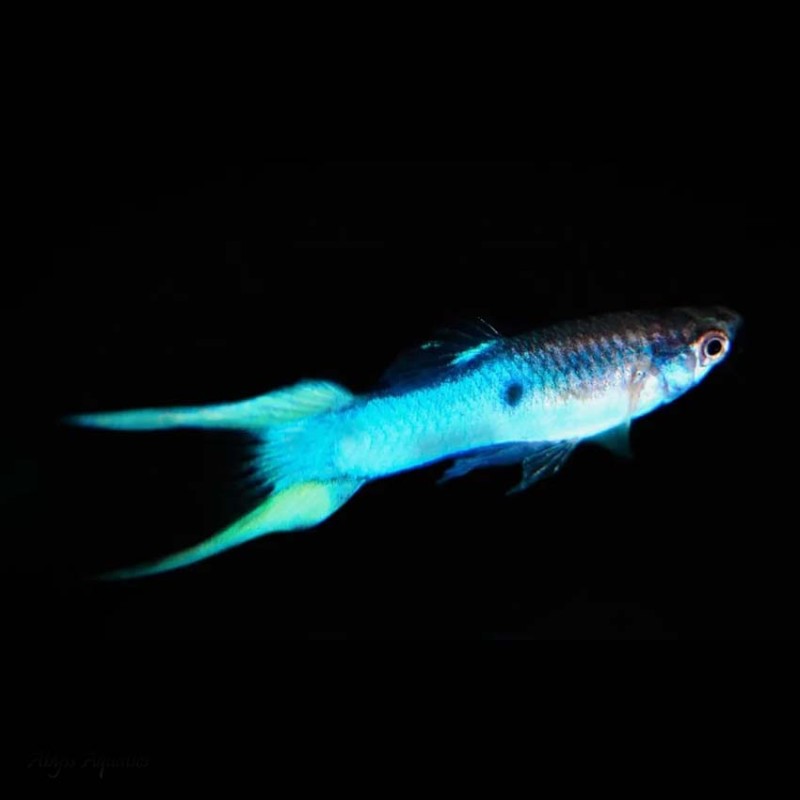
Compatible with guppies, mollies, rasboras, tetras, and other small non-aggressive species.
Avoid aggressive or fin-nipping fish that may cause stress.
Breeding:
Breeding Setup: A separate breeding tank with fine substrate or spawning media is recommended.
Spawning Behavior: Egg scatterers that release eggs in open water or over substrate.
Egg Care: Adults may consume the eggs, so they should be removed after spawning.
Fry Care: Eggs hatch within approximately 24 hours, and fry can be fed infusoria or finely crushed food.
Special Considerations:
Schooling Requirement: Must be kept in groups to prevent stress and encourage natural behaviour.
Water Quality: Sensitive to poor water conditions, requiring regular maintenance and stable parameters.
Environment: Prefers calm, well-structured aquariums with both cover and open space.