

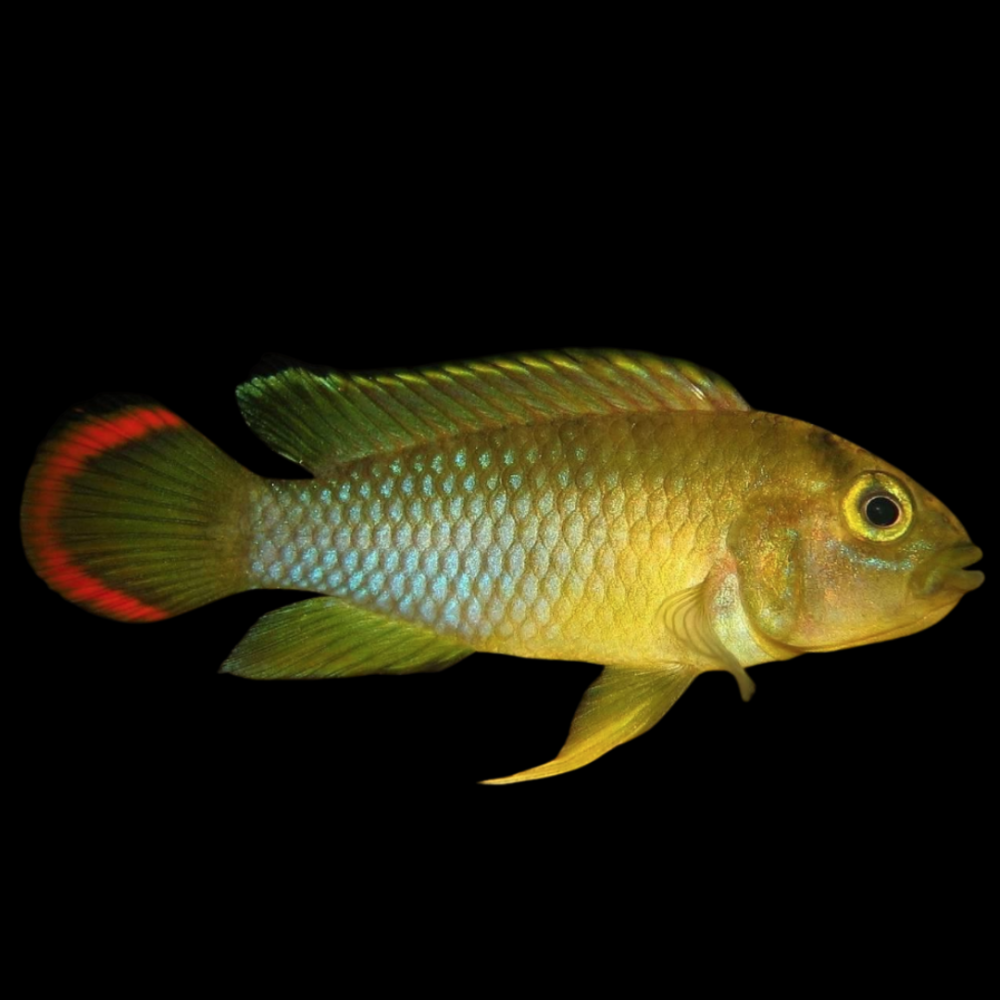
- Stock: Generally In Stock
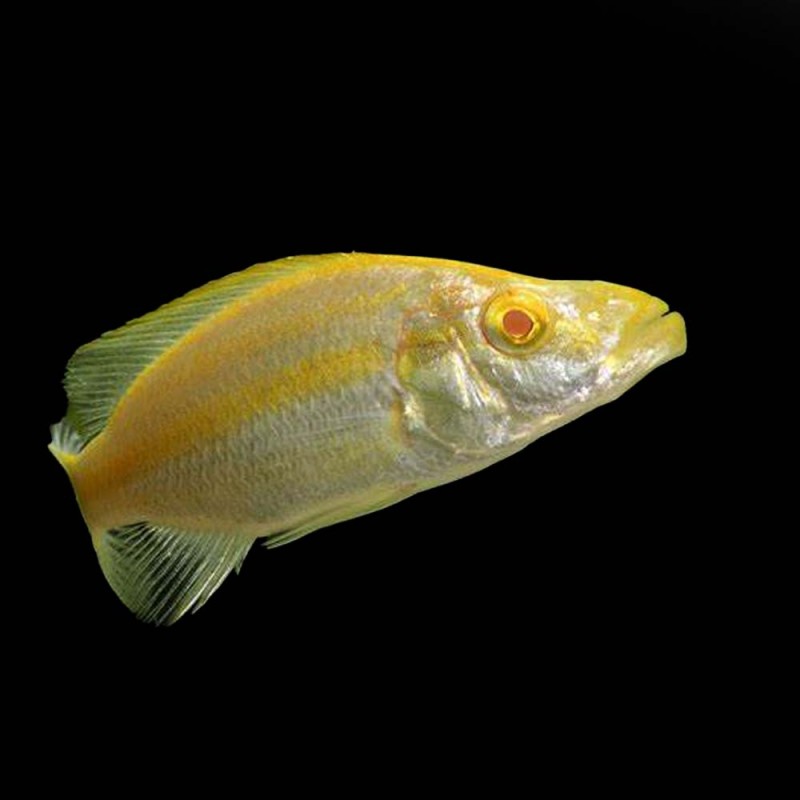
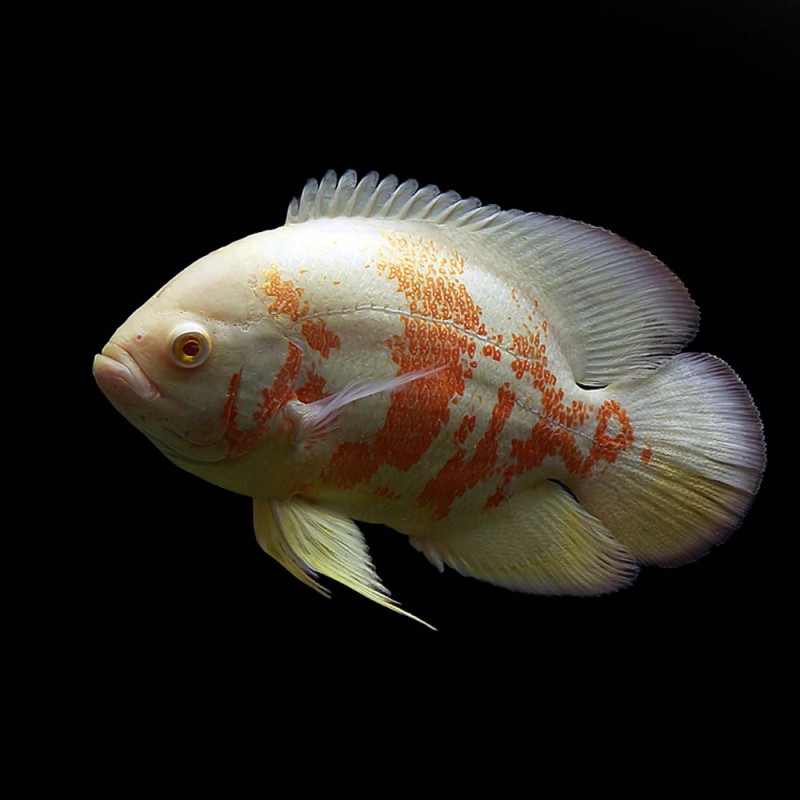
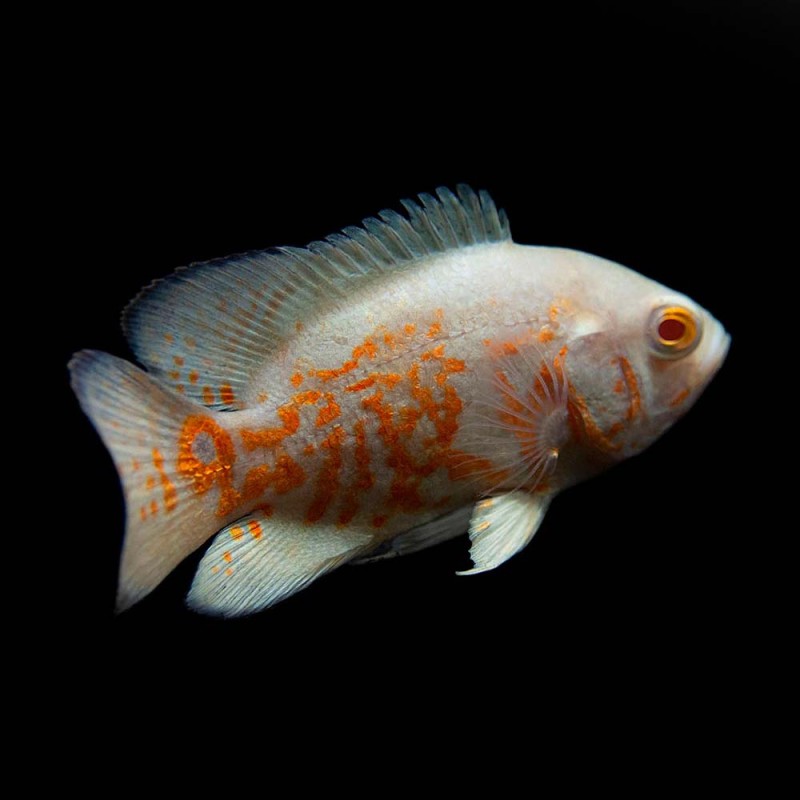
Please Note: Due to variations within species, your fish may not look identical to the image provided. Also note not all sizes or species may be available due to seasonality, Please call beforehand for up-to-date stock availability.
- Model: -
Arrive Alive
If your fish, coral, plant, or invertebrate doesn't arrive alive and stay alive for 2 days, we'll credit your account or refund your money.
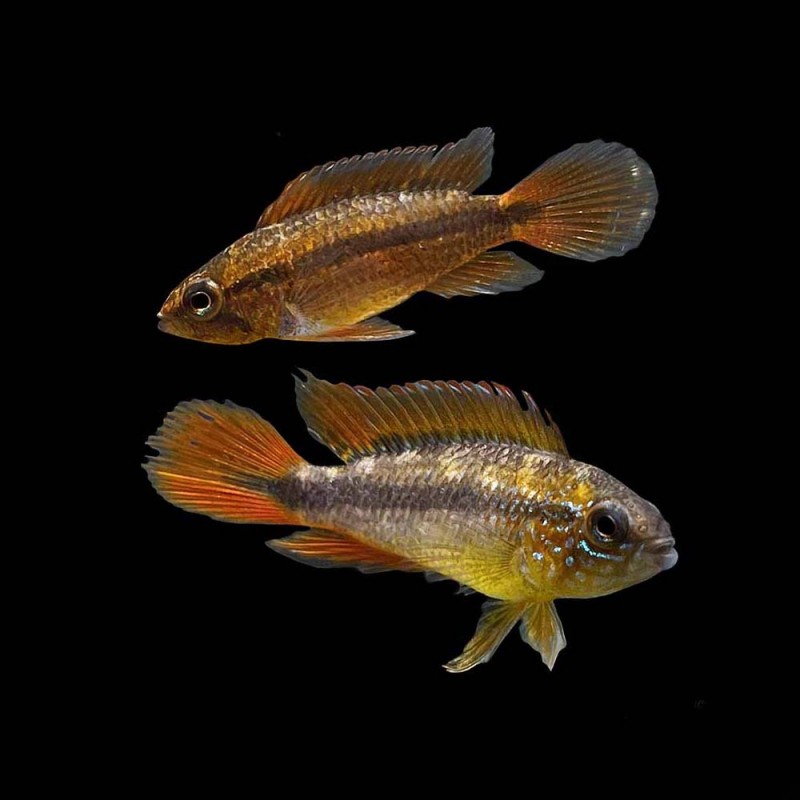
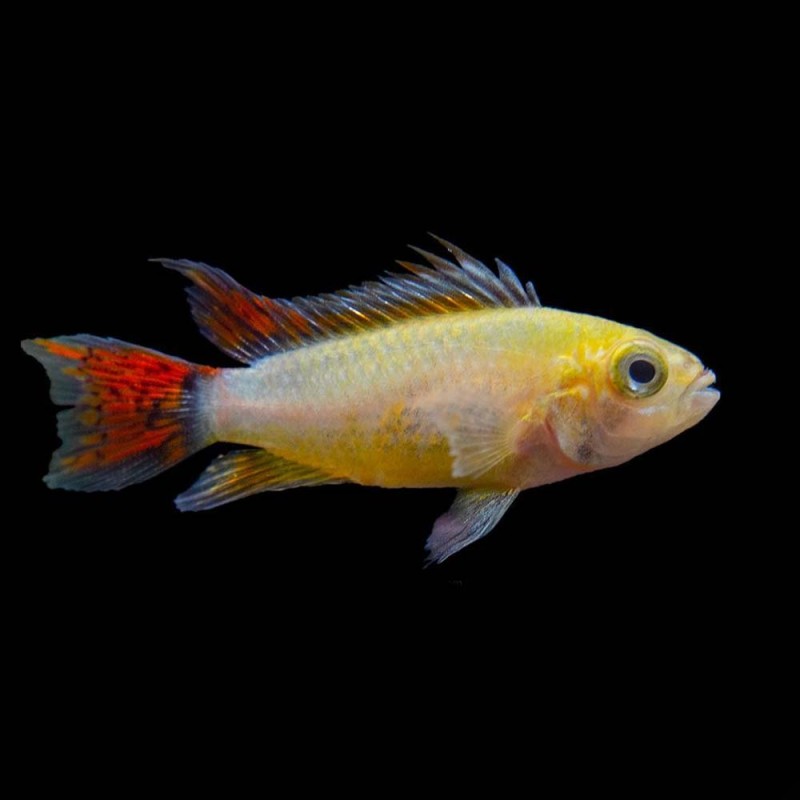
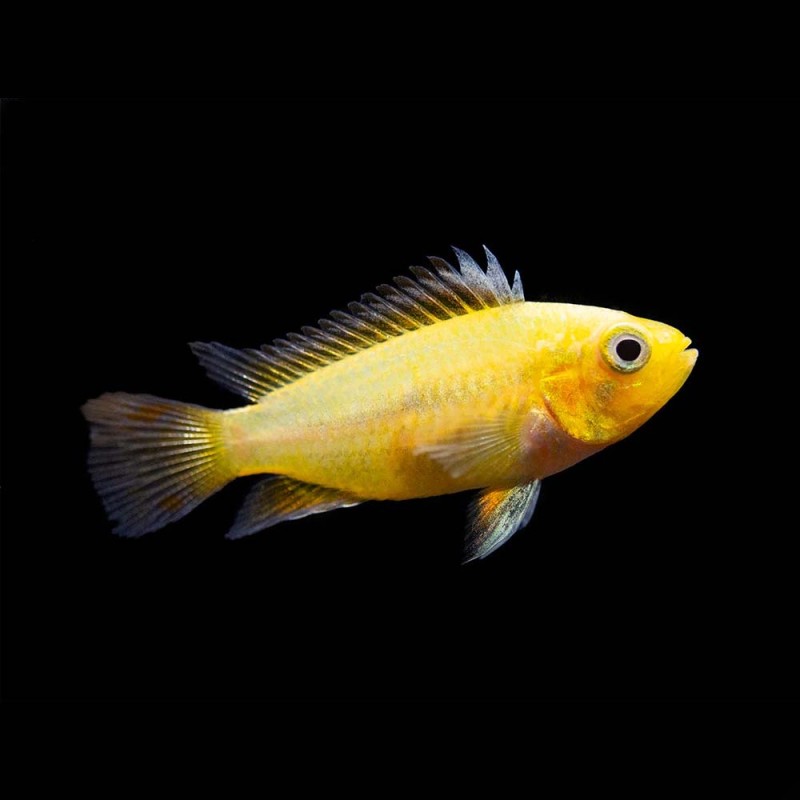
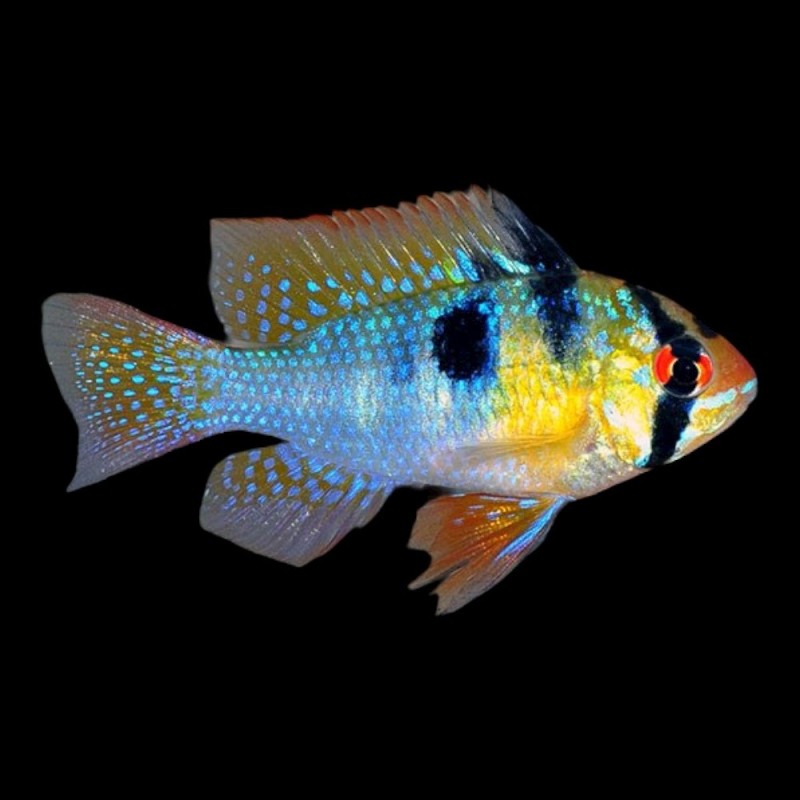
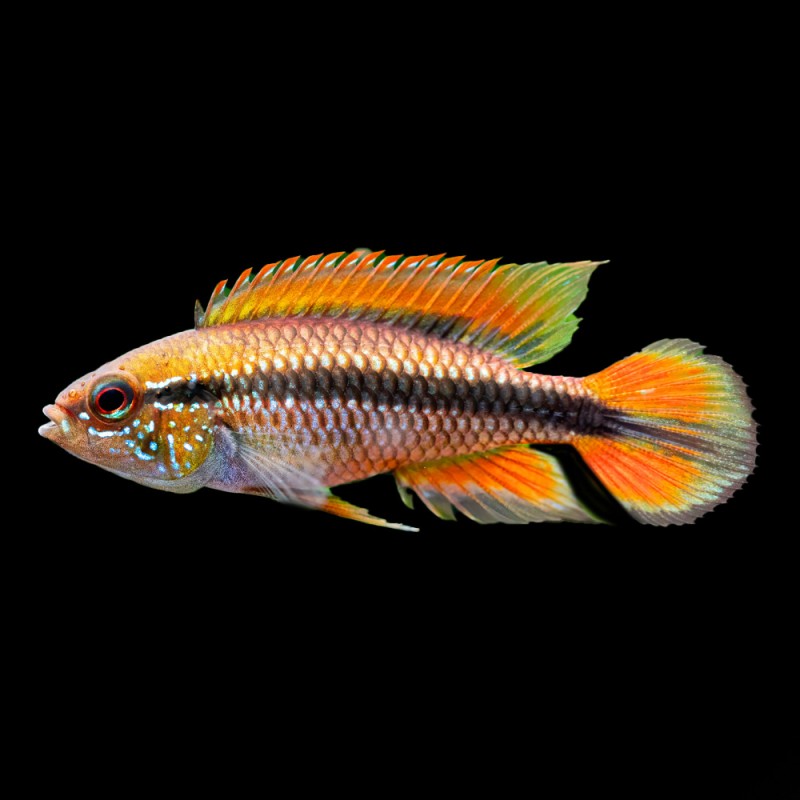
Panda Dwarf Cichlid
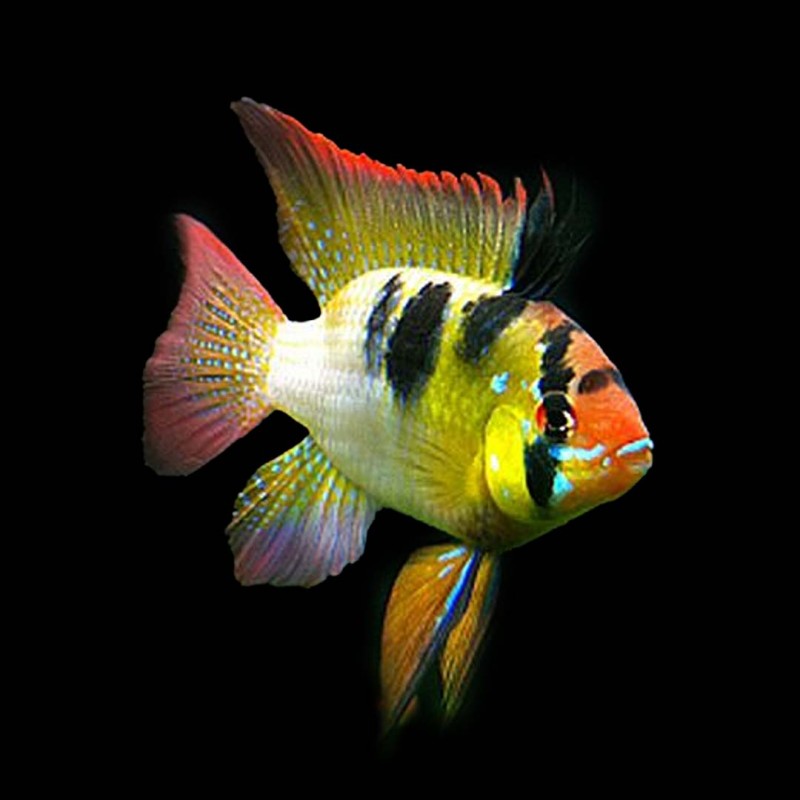
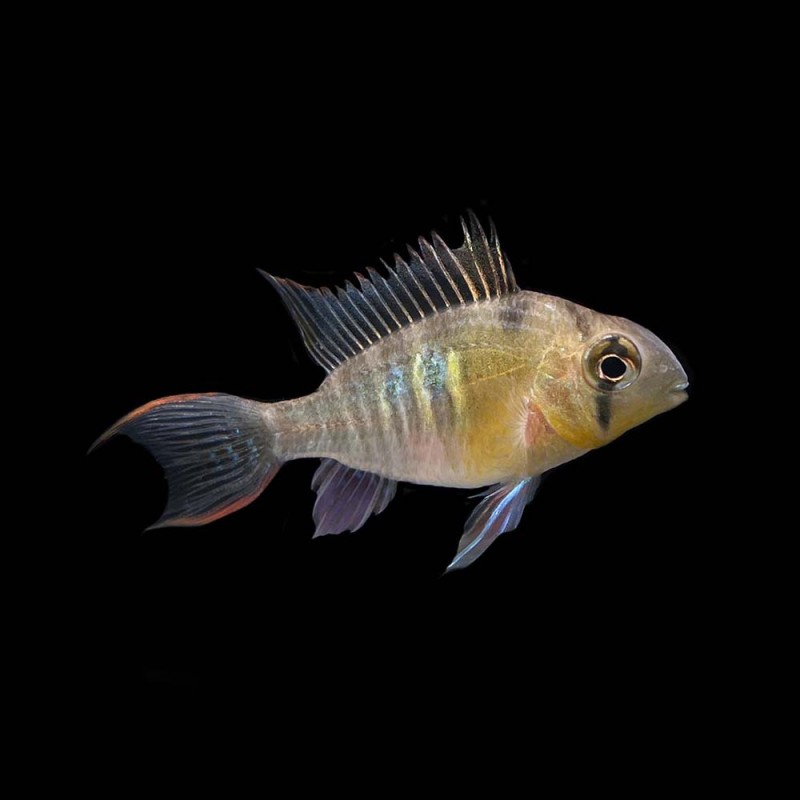
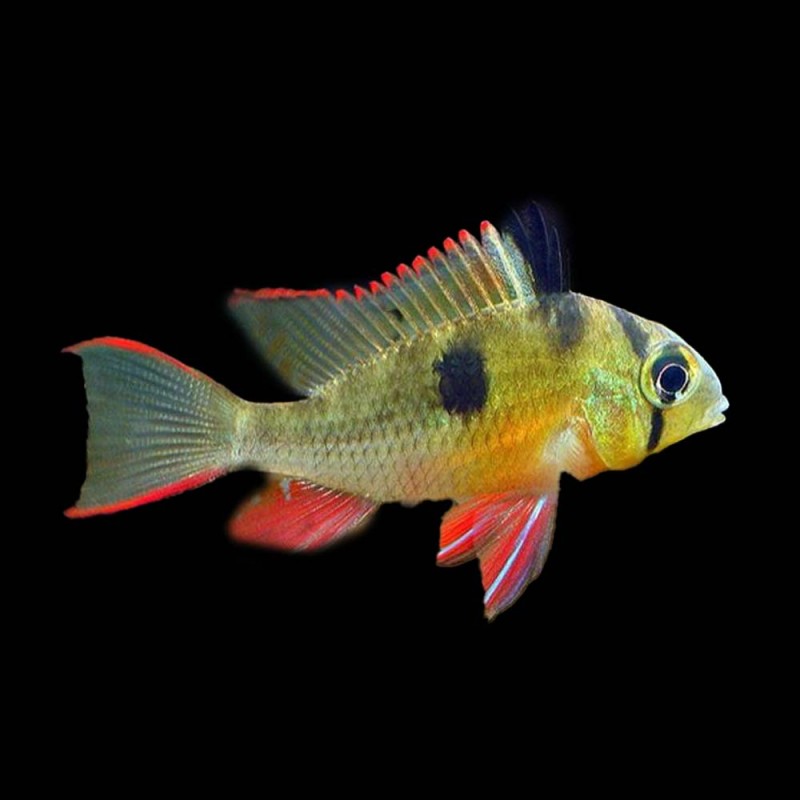
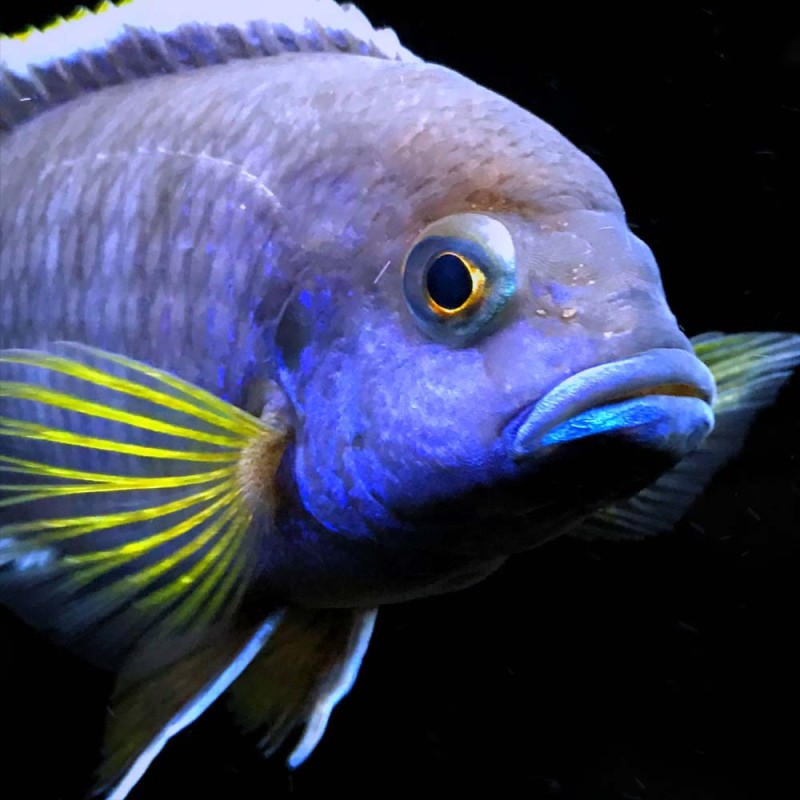
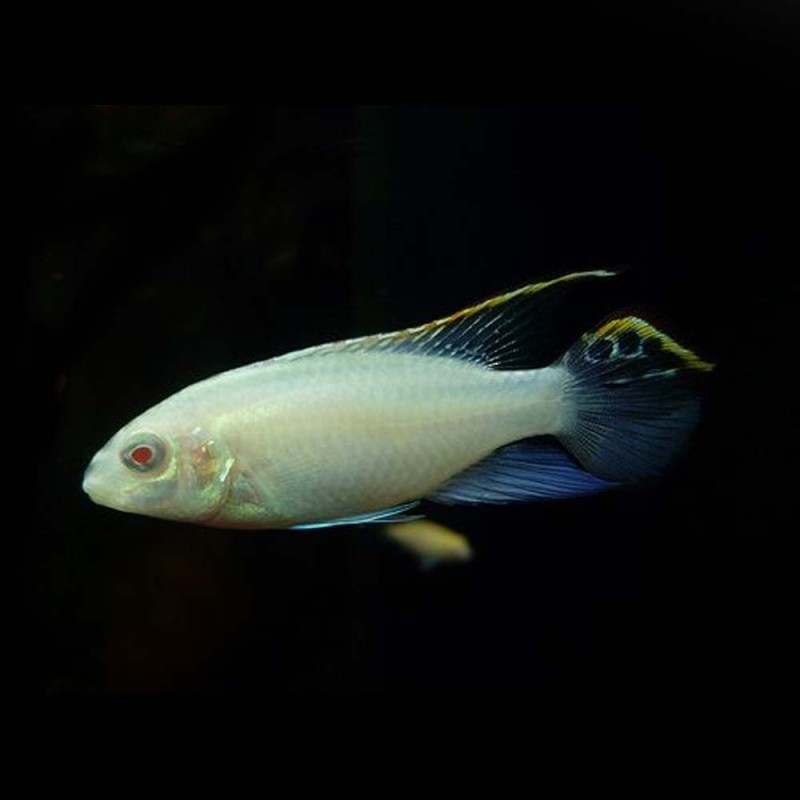
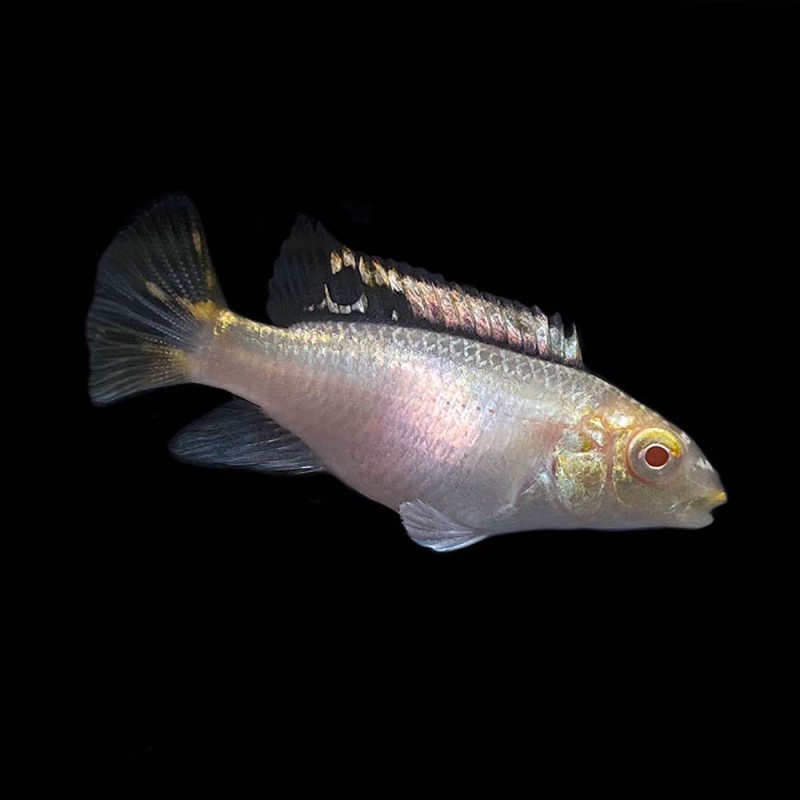
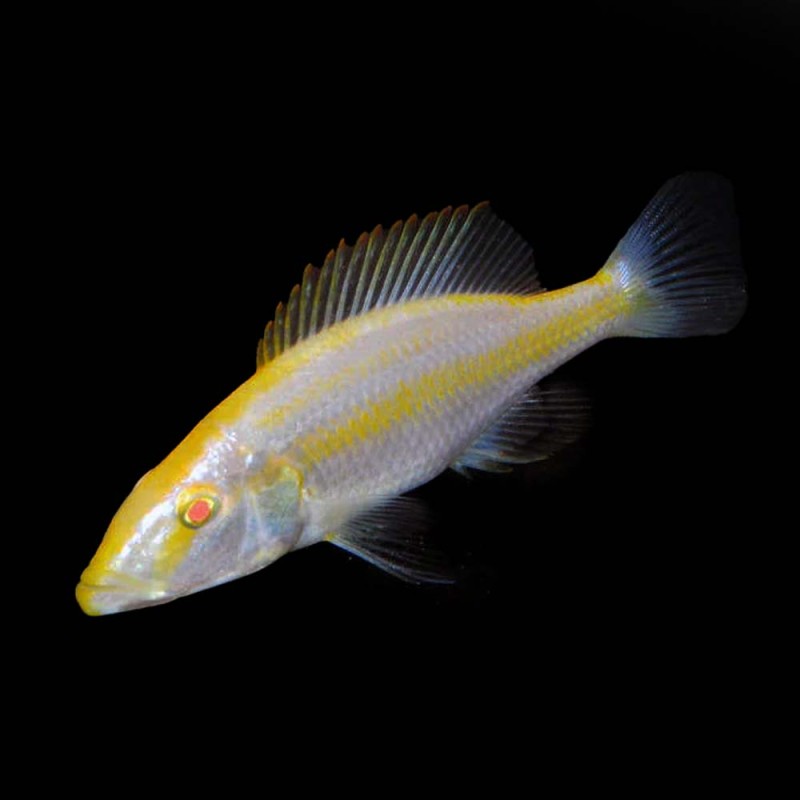
The Panda Dwarf Cichlid (also known as Apistogramma borelli) is a beautiful and popular species of freshwater fish native to the slow-moving waters of the Amazon River basin in South America. This small cichlid is highly sought after by aquarists for its stunning colours and peaceful temperament, making it an excellent addition to community tanks.
Physical Characteristics:
- Size: Panda Dwarf Cichlids typically grow to about 5-7 cm (2-3 inches) in length.
- Coloration:
- Body: They are characterised by their bright blue or turquoise body with yellow-orange and black markings, resembling panda patterns.
- Fins: Their fins are often adorned with vibrant colours, with males displaying more pronounced colouration compared to females.
- Shape: They have a compact and elongated body typical of many dwarf cichlids.
Behaviour:
- Temperament: Panda Dwarf Cichlids are generally peaceful and can be kept in community tanks with other small, non-aggressive fish. However, males can be territorial, especially during breeding.
- Activity Level: They are active swimmers and enjoy exploring their environment, often hiding among plants and decorations.
- Community Behaviour: While they can coexist peacefully with other species, care should be taken when introducing new tankmates to prevent territorial disputes.
Aquarium Care:
- Tank Size: A minimum tank size of 40 litres (10 gallons) is recommended for a small group of Panda Dwarf Cichlids, with larger tanks preferred for stability and territory.
- Water Parameters:
- Temperature: They thrive in warm water, with an ideal temperature range of 24°C to 28°C (75°F to 82°F).
- pH: Slightly acidic to neutral water is preferred, with a pH range of 6.0 to 7.5.
- Hardness: Soft to moderately hard water, with a general hardness (GH) of 3-8 dGH, is ideal.
- Tank Setup:
- Substrate and Decorations: A soft substrate is recommended. They appreciate a well-planted tank with plenty of hiding spots, using live plants like Java fern, Amazon swords, and floating plants to create a natural environment.
- Lighting: Moderate lighting works best to highlight their colours without causing stress.
- Filtration: A gentle filtration system is recommended, as they prefer calm waters. Regular water changes (about 20% weekly) are essential for maintaining a healthy environment.
Diet:
Panda Dwarf Cichlids are omnivorous and require a varied diet for optimal health:
- Pellets: High-quality cichlid pellets should form the staple of their diet.
- Live or Frozen Foods: Offer live or frozen foods such as brine shrimp, bloodworms, and daphnia to provide essential protein and variety.
- Occasional Treats: Blanched vegetables can also be offered occasionally to supplement their diet.
Tankmates:
Panda Dwarf Cichlids can be housed with a variety of peaceful tankmates, provided they are not too small or prone to fin-nipping. Suitable tankmates include:
- Small, peaceful fish: Such as Tetras or Rasboras.
- Bottom-dwellers: Catfish such as Corydoras can also coexist well with them.
- Other cichlids: Compatible dwarf cichlid species that are not overly aggressive.
Breeding:
Breeding Panda Dwarf Cichlids can be rewarding:
- Breeding Setup: A separate breeding tank with plenty of hiding spots and a sandy substrate is ideal. The water should be warm (26°C to 28°C or 79°F to 82°F) and slightly acidic (pH 6.0-6.5).
- Spawning Behaviour: The female will lay eggs in a hidden spot, while the male guards the territory.
- Fry Care: Once the fry are free-swimming, they can be fed with infusoria or newly hatched brine shrimp.
Special Considerations:
- Territorial Behaviour: Males can be territorial during breeding, so it's essential to monitor interactions closely.
- Water Quality: Maintaining excellent water quality is crucial for their health, requiring regular monitoring and maintenance.
| File Name | Size | Link |
|---|---|---|
| 13 How to care for Dwarf Cichlids.pdf (Total downloads: 1744) | 222.72KiB | Download |