

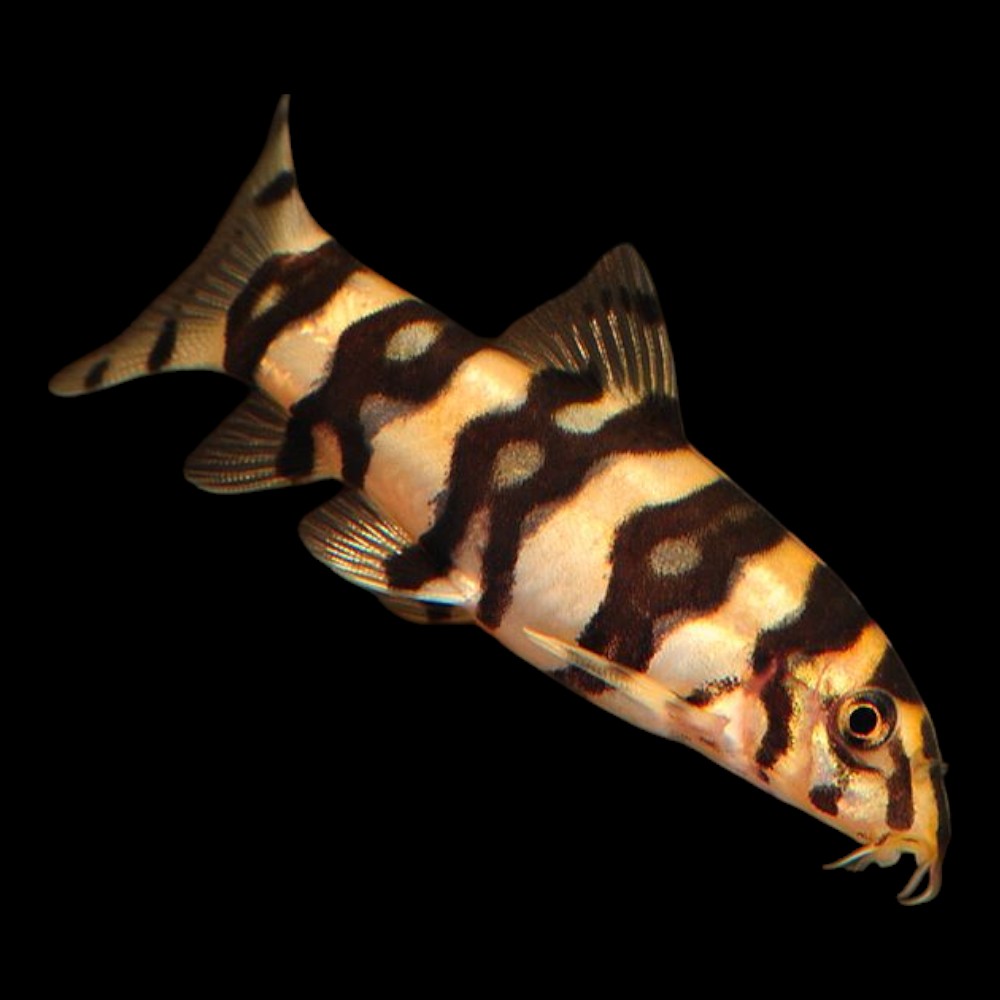
- Stock: Generally In Stock
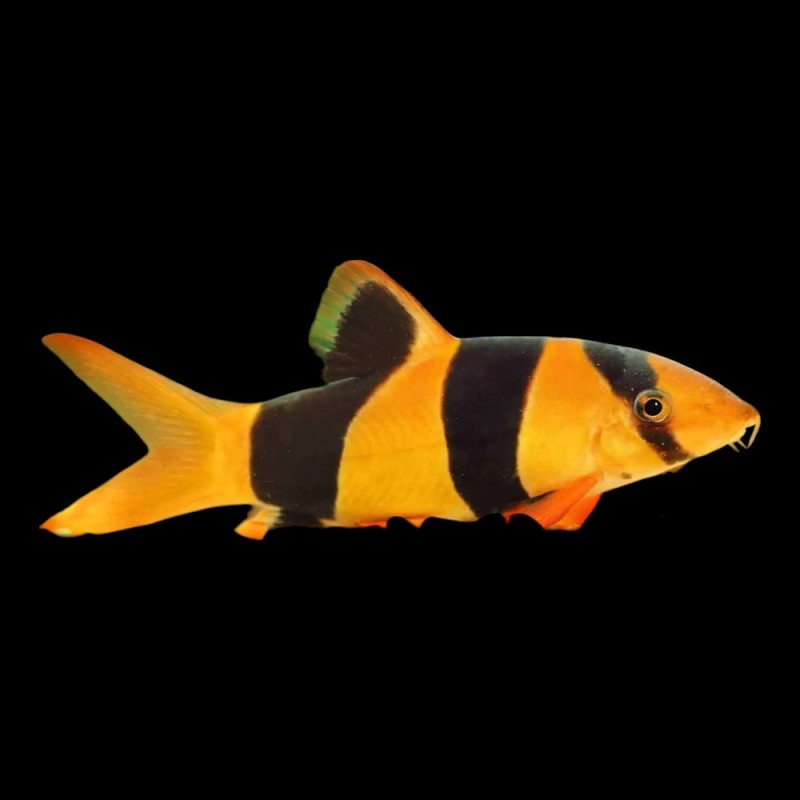
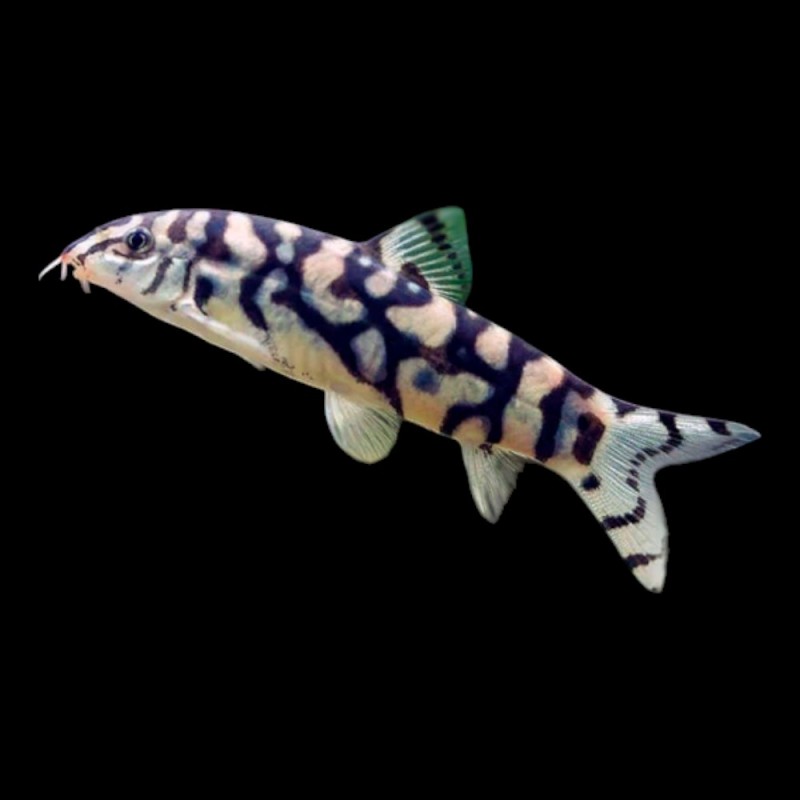
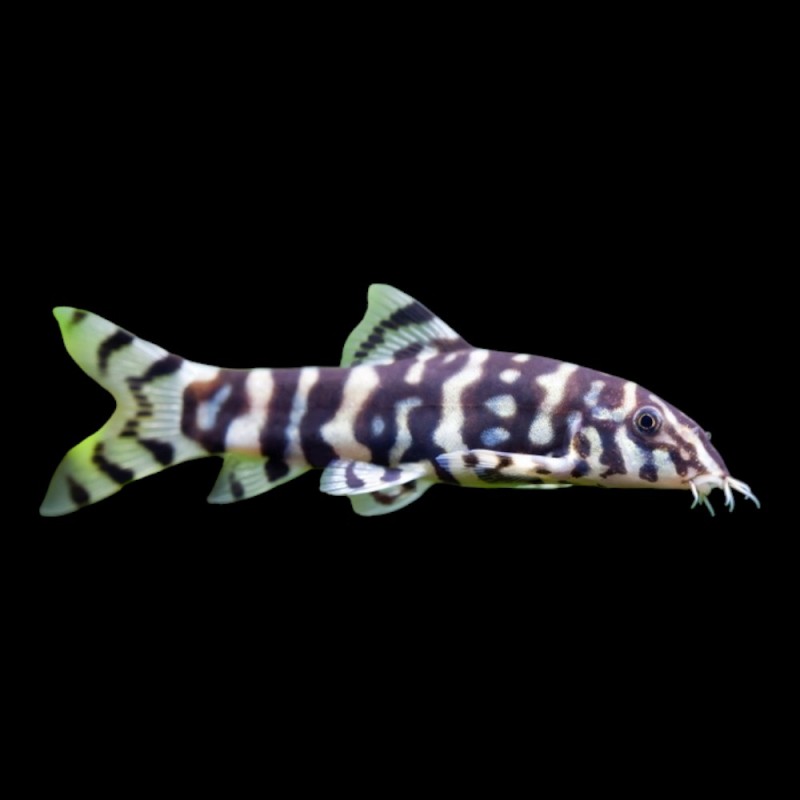
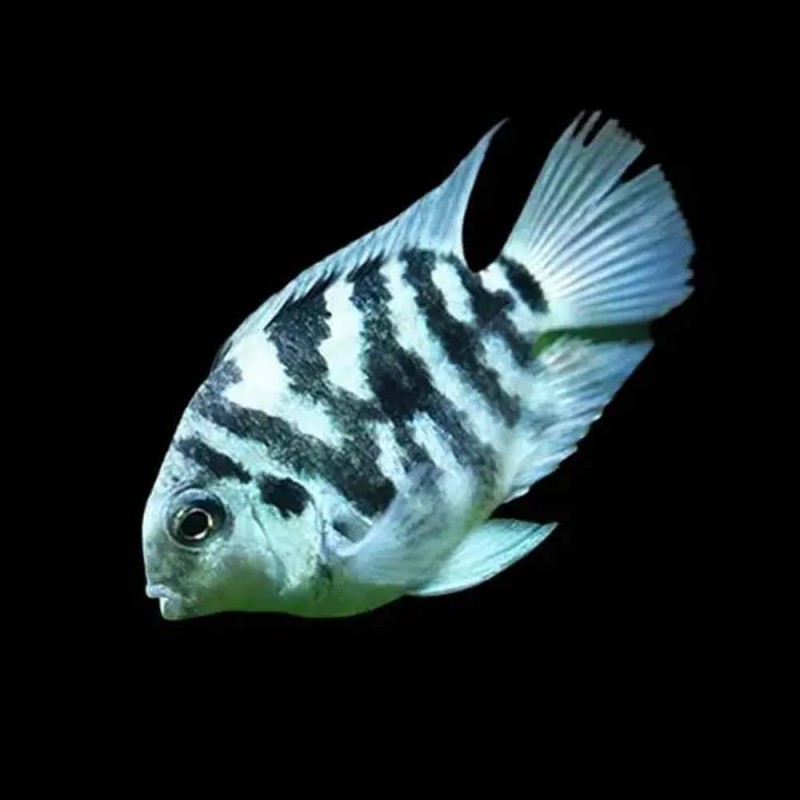
Please Note: Due to variations within species, your fish may not look identical to the image provided. Also note not all sizes or species may be available due to seasonality, Please call beforehand for up-to-date stock availability.
- Model: ANGELICUS BOTIA LOACH MATRIX
Available Options
Angelicus Botia Loach
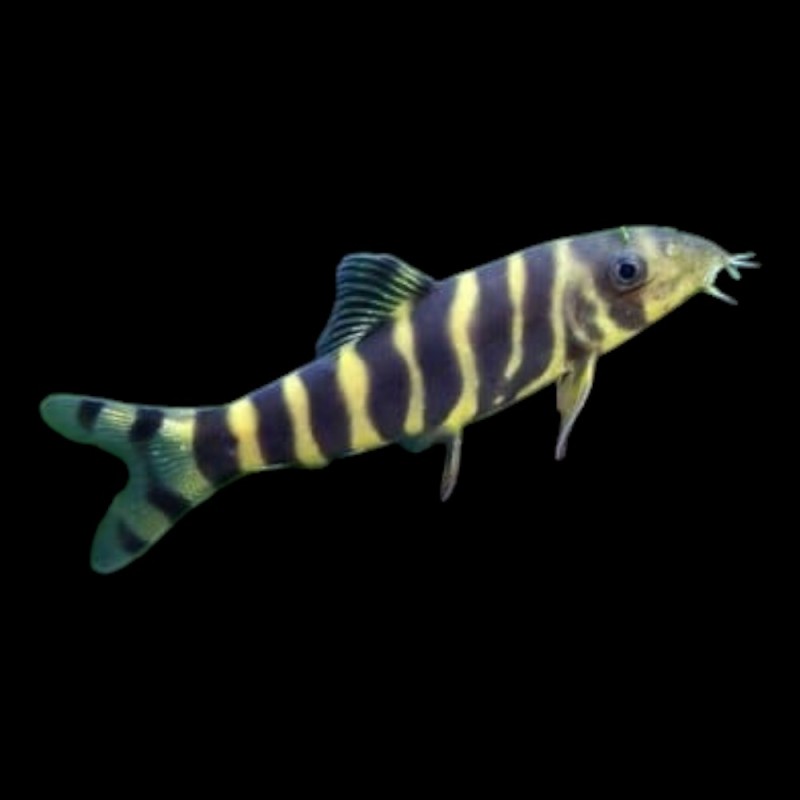
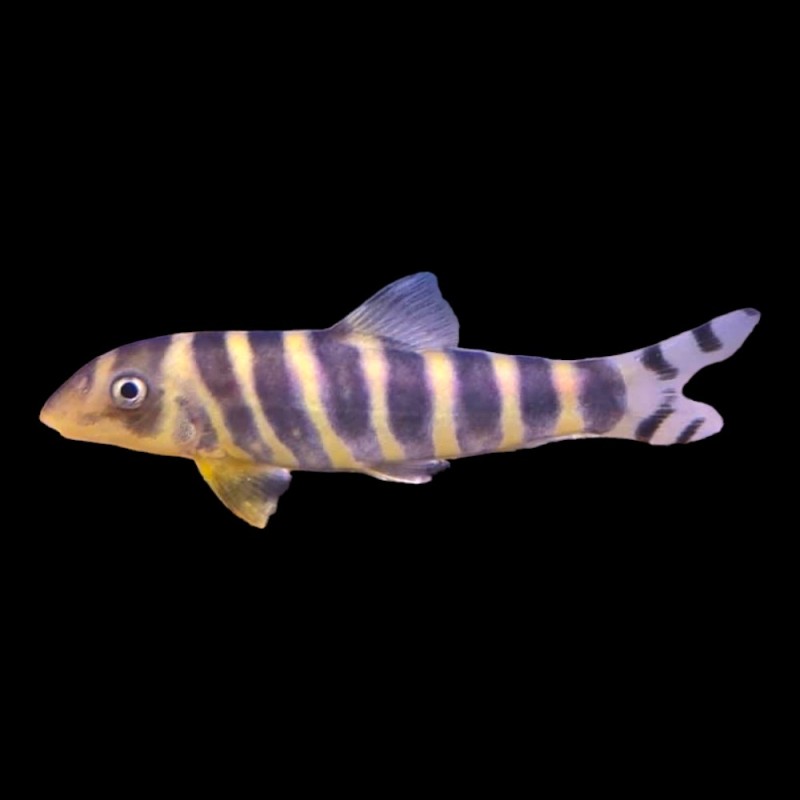
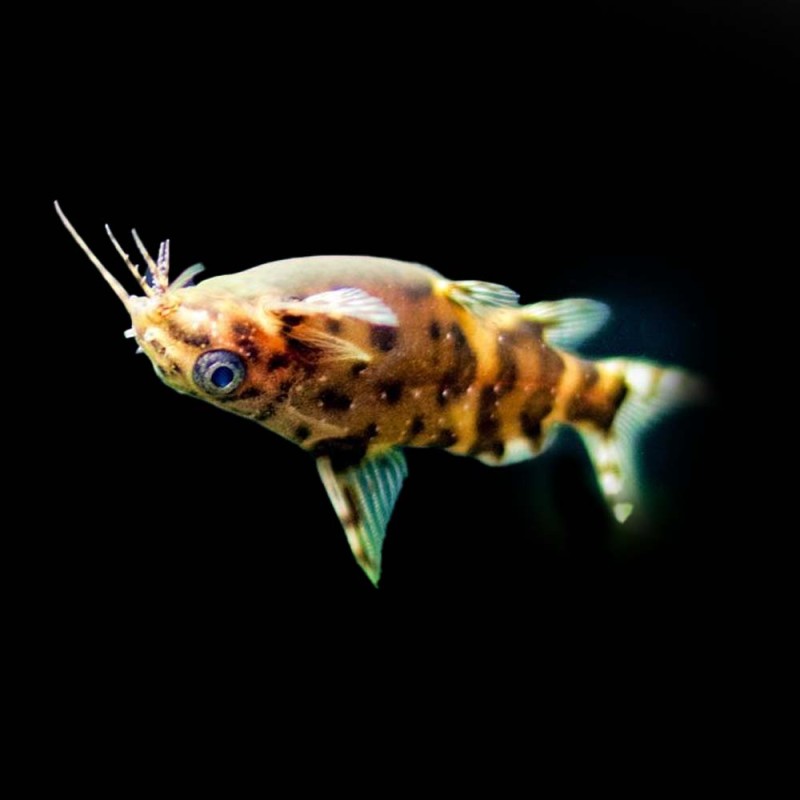
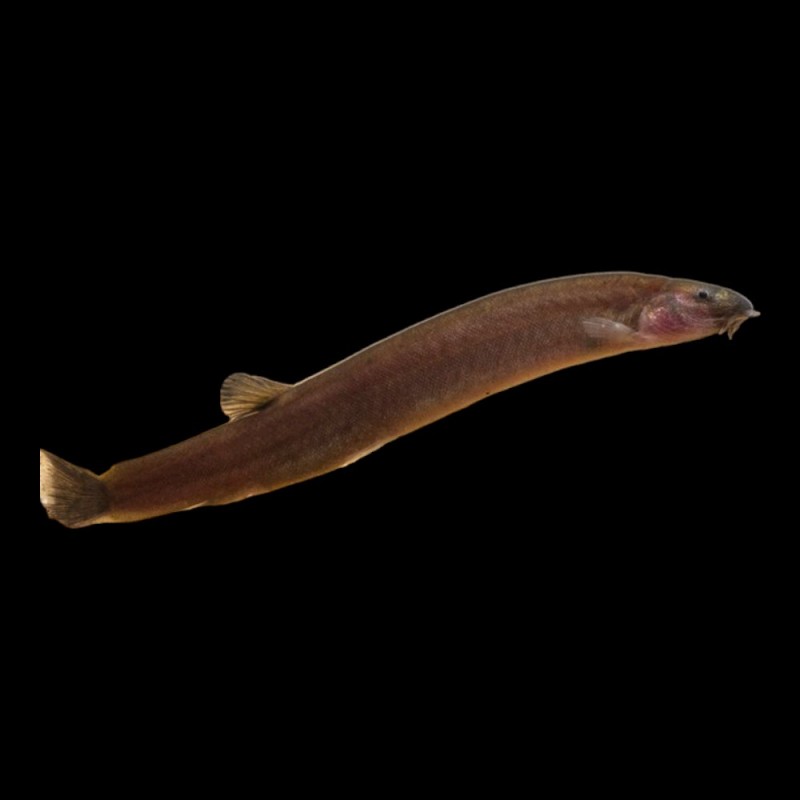
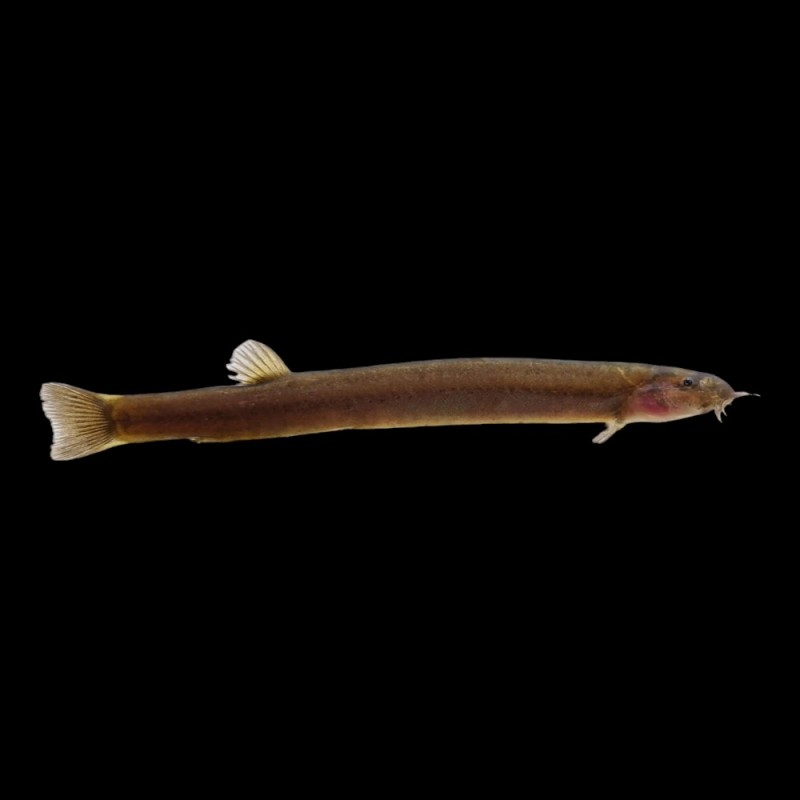
The Angelicus Botia Loach (*Botia hymenophysa*), also known as the Angelicus Loach, is a fascinating freshwater fish native to the streams and rivers of Southeast Asia, particularly in Laos and Thailand. Renowned for its striking appearance and playful behaviour, this loach is a popular choice among aquarists seeking to add personality and interest to their aquariums.
Physical Characteristics:
- Size: Angelicus Botia Loaches can grow to about 15-20 cm (6-8 inches) in length.
- Coloration:
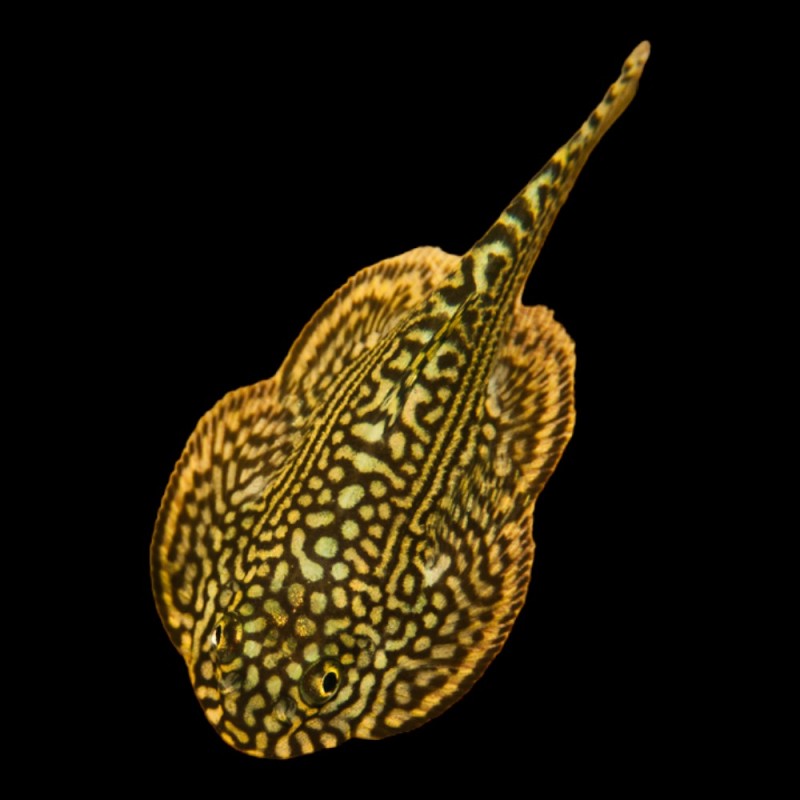
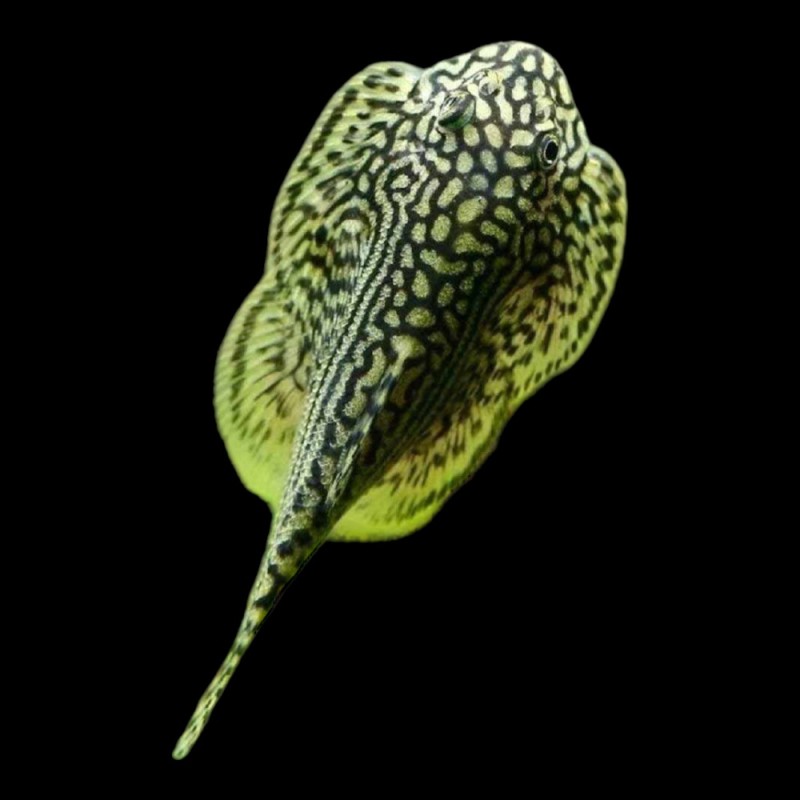
- Body: They exhibit a light brown to golden base colour with distinctive dark brown to black bands or spots running along their body.
- Fins: Their fins are usually translucent with hints of the body colour, which adds to their overall attractiveness.
- Shape: Angelicus Loaches have a robust and elongated body, which is typical of many loach species, allowing them to navigate through various substrate types in their natural habitat.
Behaviour:
- Temperament: Angelicus Botia Loaches are generally peaceful fish that thrive in community tanks. However, they can exhibit territorial behaviour, especially as they mature.
- Activity Level: These loaches are active swimmers and are often seen exploring their environment, foraging for food, and interacting with tankmates.
- Community Behaviour: They do well in groups of three or more, as they are social creatures and enjoy the company of their own kind.
Aquarium Care:
- Tank Size: A minimum tank size of 100 litres (26 gallons) is recommended for a small group of Angelicus Botia Loaches to provide ample swimming space.
- Water Parameters:
- Temperature: They prefer warmer waters, with an ideal temperature range of 24°C to 28°C (75°F to 82°F).
- pH: A slightly acidic to neutral pH range of 6.0 to 7.5 is best for their health.
- Hardness: Soft to moderately hard water, with a general hardness (GH) of 5-15 dGH, is ideal.
- Tank Setup:
- Substrate and Decorations: A soft, sandy substrate is recommended to protect their sensitive barbels. Provide hiding spots using caves, driftwood, and live or artificial plants to create a comfortable environment.
- Lighting: Moderate lighting is suitable, and using floating plants can provide shaded areas.
- Filtration: A gentle filtration system is essential, as strong currents can stress these loaches. Regular water changes (about 20% weekly) are necessary to maintain optimal water quality.
Diet:
Angelicus Botia Loaches are omnivorous and require a varied diet to thrive:
- Pellets: High-quality sinking pellets formulated for bottom-dwelling fish should form the staple of their diet.
- Live or Frozen Foods: Offer live or frozen foods such as bloodworms, brine shrimp, and daphnia to provide essential protein and variety.
- Vegetable Matter: Occasional feedings of blanched vegetables like zucchini or spinach can be beneficial for their health.
Breeding:
Breeding Angelicus Botia Loaches in captivity is challenging, and successful breeding is rare. However, if attempted:
- Breeding Setup: A separate breeding tank with gentle filtration and ample hiding spots is ideal. The water should be kept slightly cooler (around 22°C to 24°C or 72°F to 75°F).
- Spawning Behaviour: These fish are egg layers, and spawning typically occurs in the early morning. The female may lay hundreds of eggs on the tank surfaces, which the male fertilises.
- Fry Care: Once the fry hatch, they can be fed infusoria or powdered fry food until they are large enough to eat finely crushed pellets.
Special Considerations:
- Social Structure: Providing them with tankmates is beneficial for their well-being, but avoid housing them with overly aggressive species.
- Water Quality: Regular water testing and changes are crucial to prevent stress and illness.