

Menu
Menu
Your Cart

Red Scribble Discus

Red Scribble Discus
Red Scribble Discus
From €74.99
Ex Tax: €60.97
  • Stock: Generally In Stock
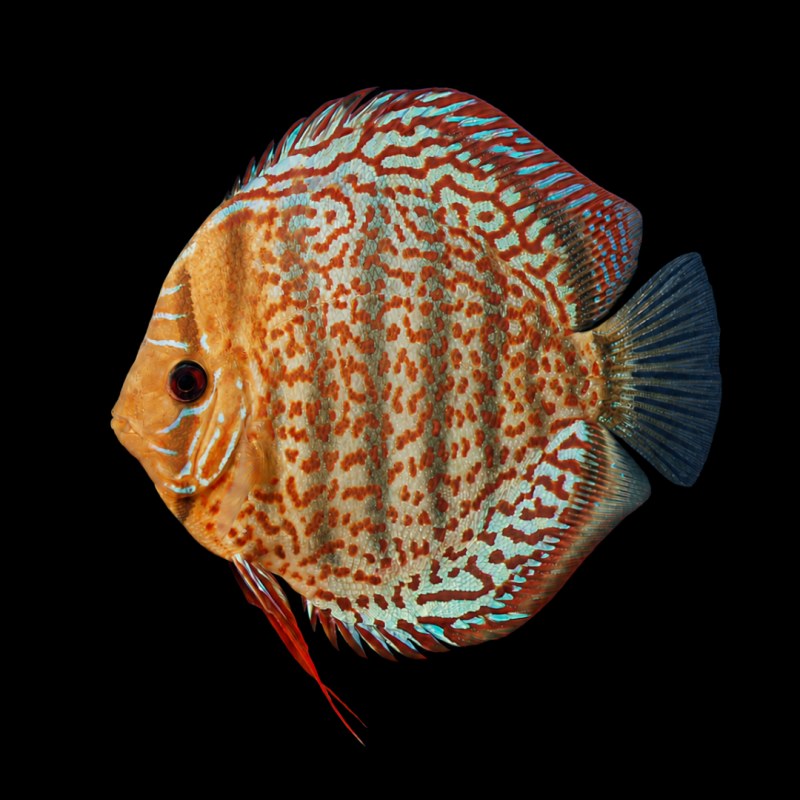
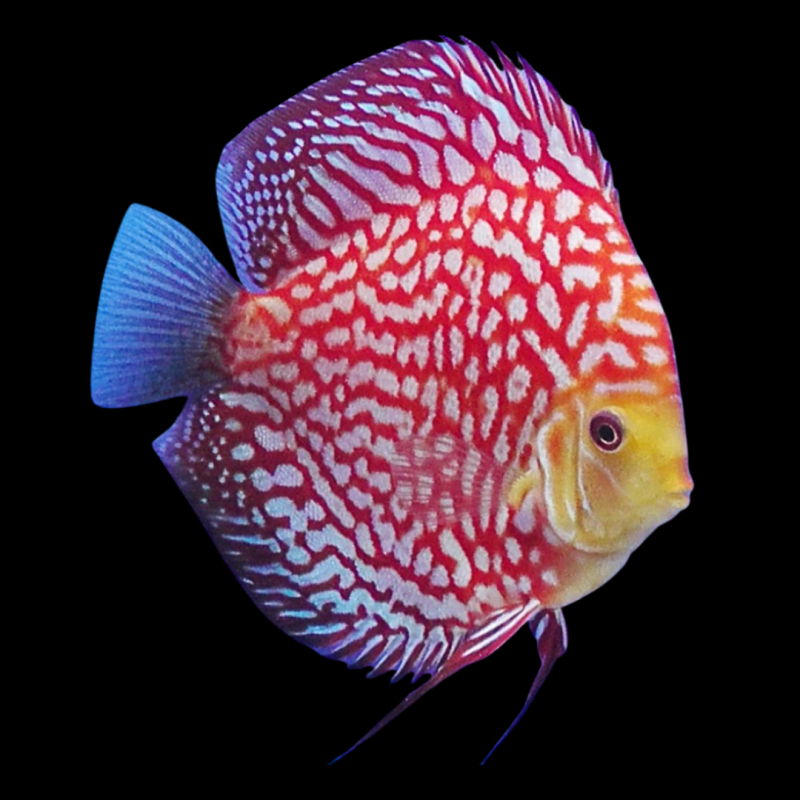
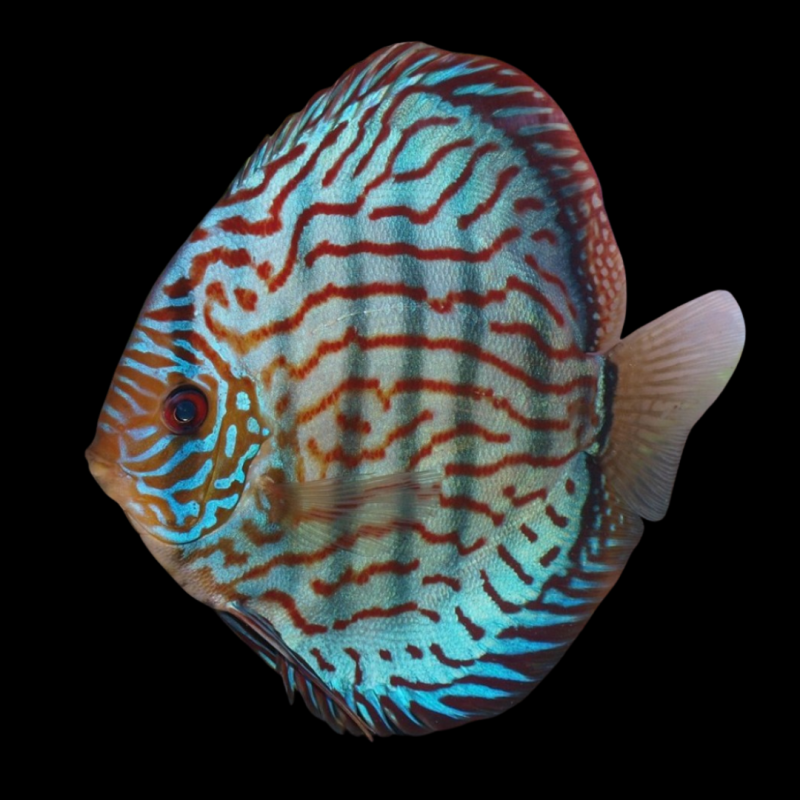
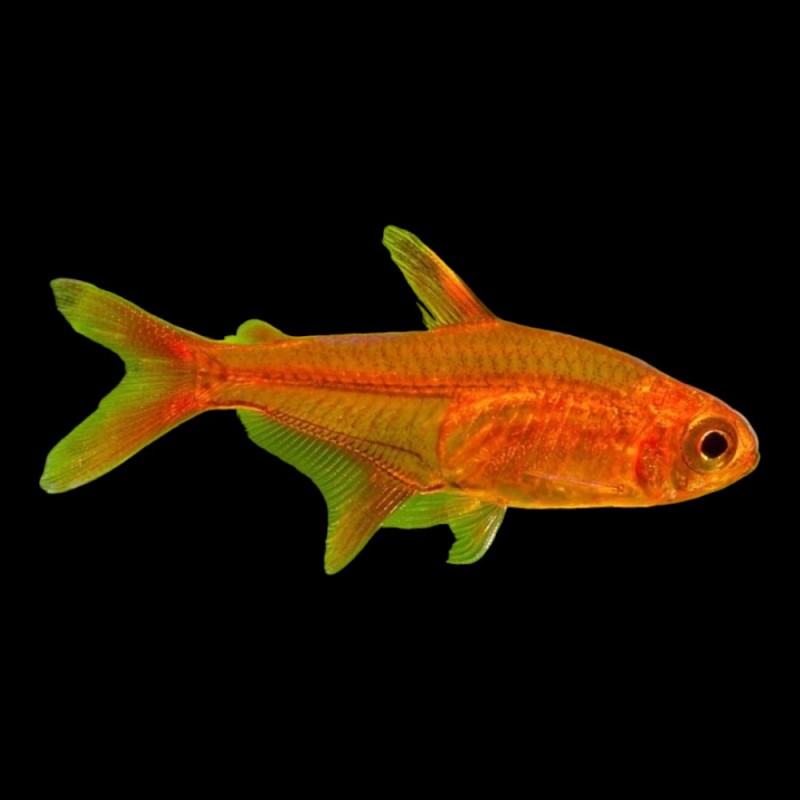
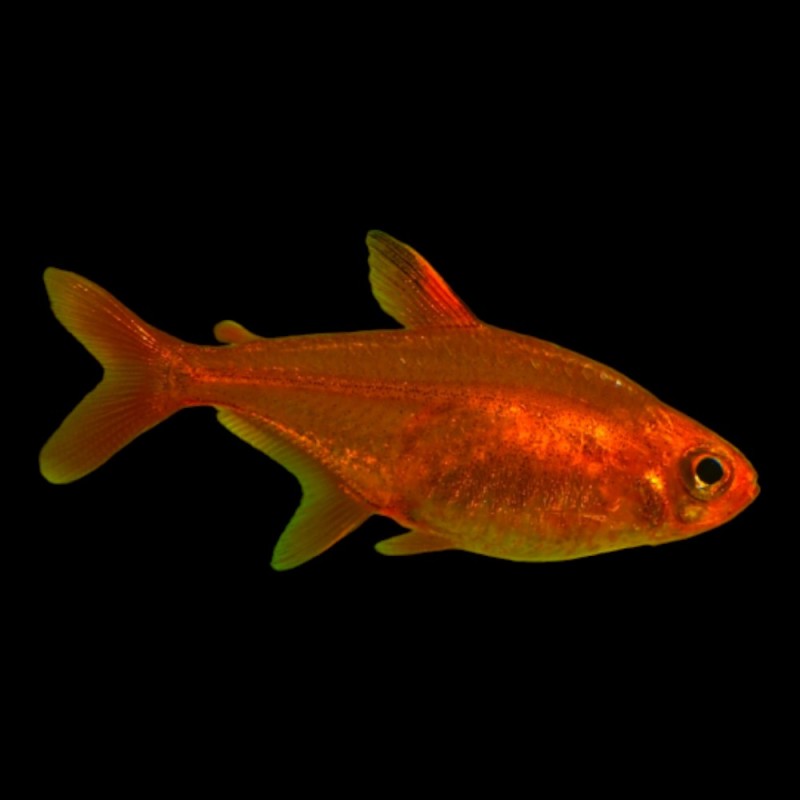
  • Please Note: Due to variations within species, your fish may not look identical to the image provided. Also note not all sizes or species may be available due to seasonality, Please call beforehand for up-to-date stock availability.

  • Model: -

Available Options

Reset options

Red Scribble Discus

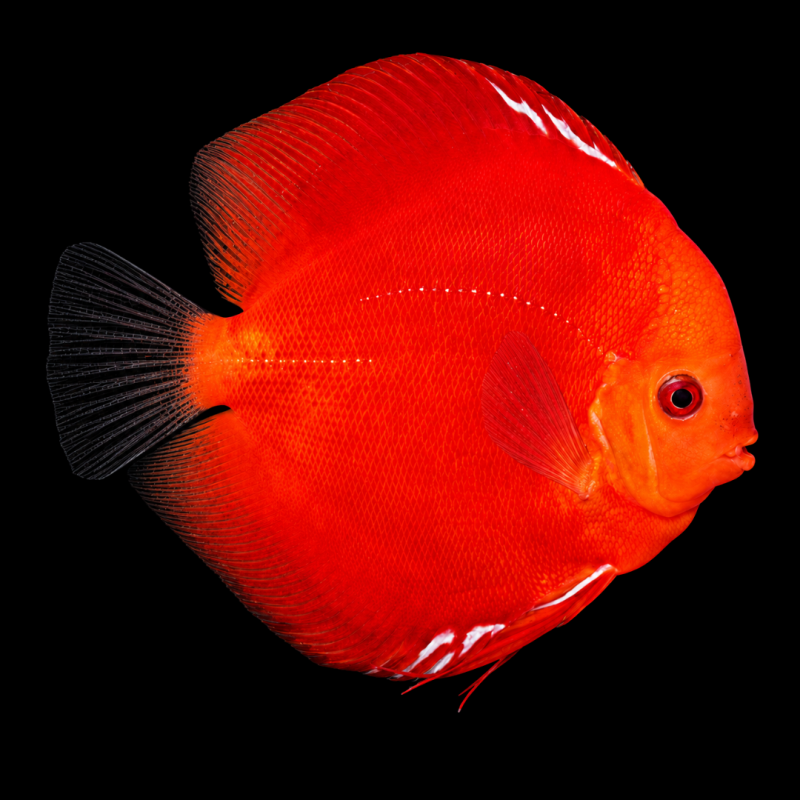
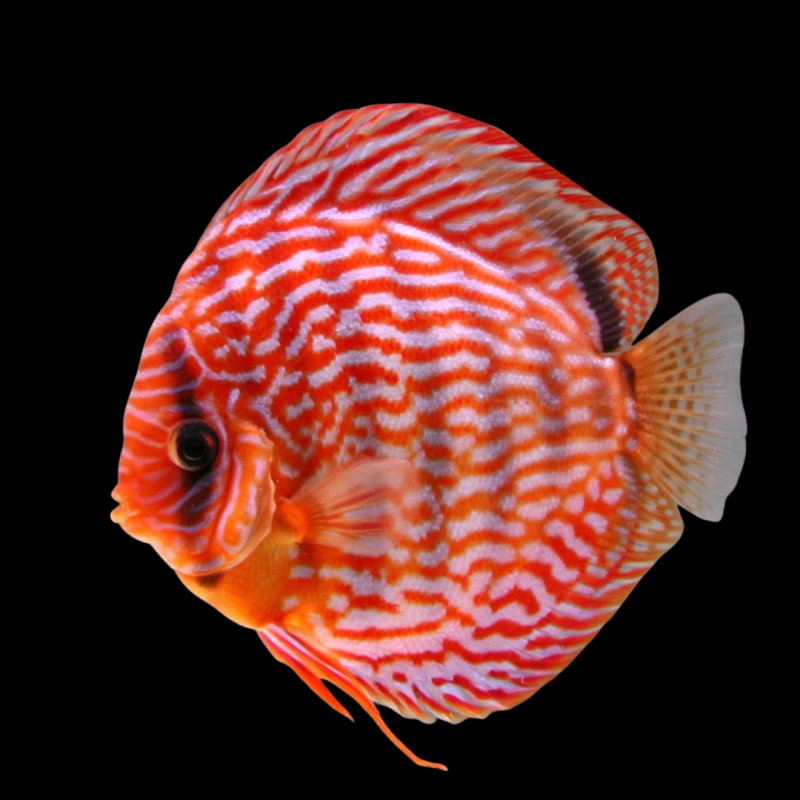
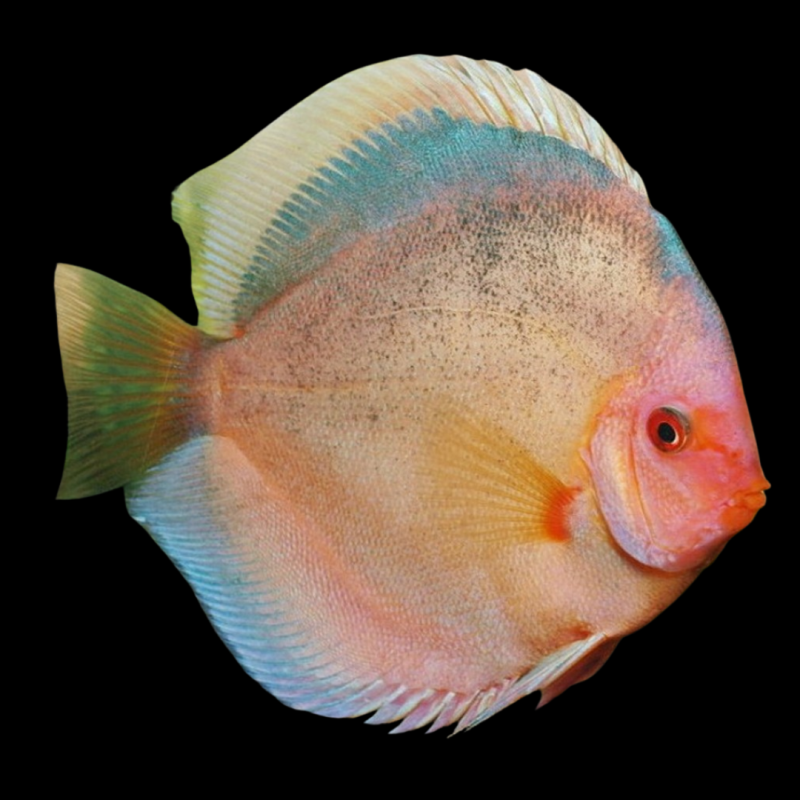
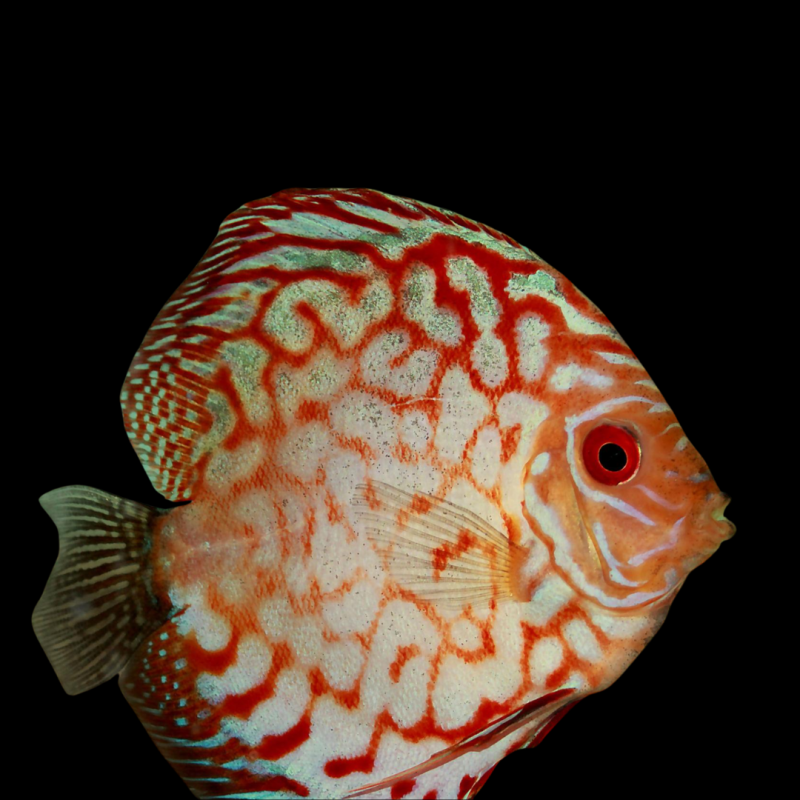
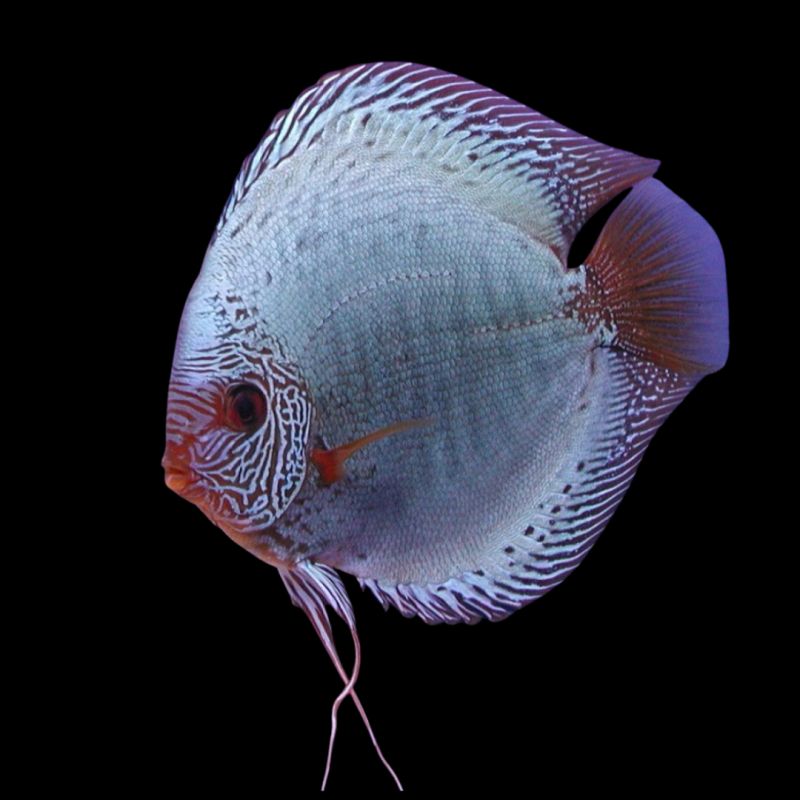
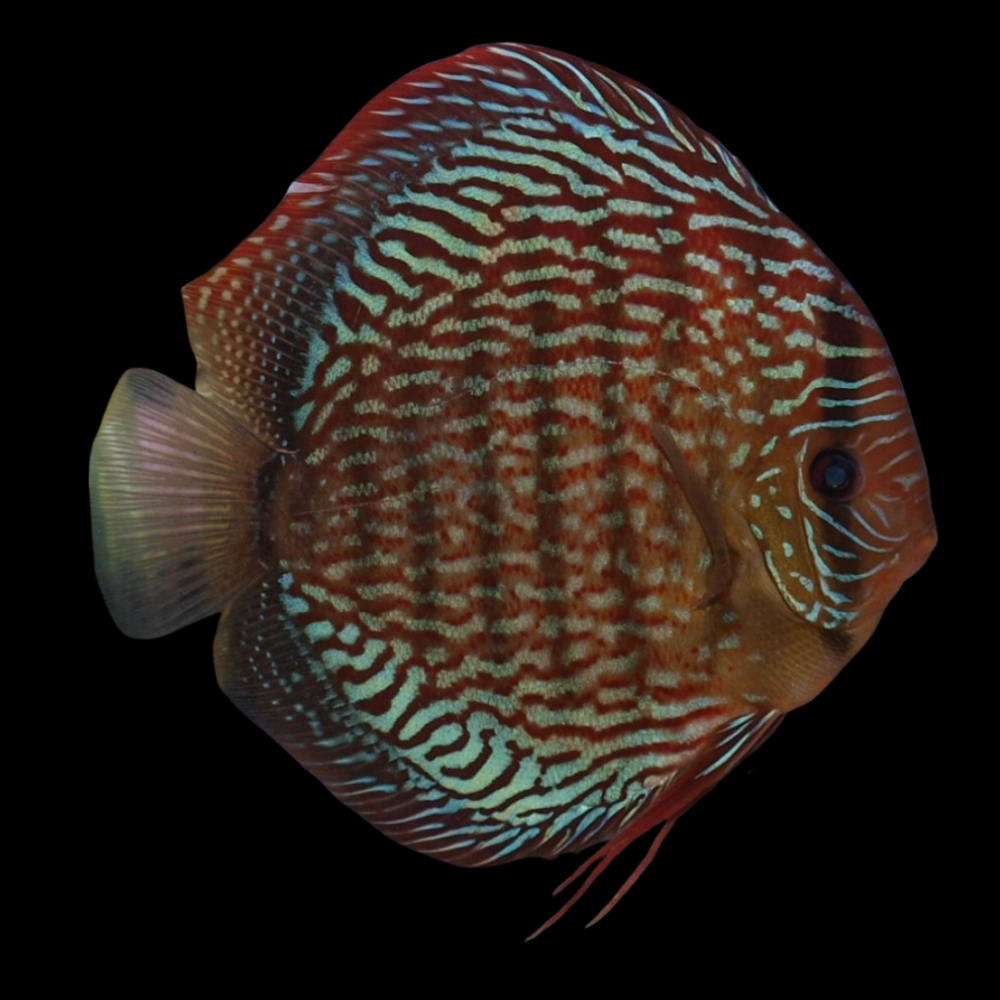
The Red Scribble Discus (*Symphysodon aequifasciatus*) is a visually striking variety of discus fish known for its unique and vibrant colour patterns. This strain showcases a beautiful blend of reds and whites, featuring intricate scribble-like markings that create a captivating visual effect, making it a prized addition to many aquariums.

Physical Characteristics:

  • Size: Red Scribble Discus typically grow to about 15-20 cm (6-8 inches) in diameter.
  • Coloration:
    • Body: The body is primarily a vibrant red, often interspersed with white markings and intricate scribbles that add to its aesthetic appeal. The patterns can vary among individuals, making each fish unique.
    • Fins: Their fins are usually transparent or lightly tinted, complementing the bold body colours and patterns.
    • Shape: The Red Scribble Discus has a circular body shape typical of discus species, which contributes to their elegant appearance.

Behaviour:

  • Temperament: Red Scribble Discus are generally peaceful and can be kept in community tanks with compatible species. They can display some territorial behaviour, especially during breeding.
  • Activity Level: They are active swimmers, often seen exploring their environment and interacting with their tank mates.
  • Community Behaviour: They prefer to be kept in groups of at least 5-6 individuals to encourage natural behaviours and reduce stress.

Aquarium Care:

  • Tank Size: A minimum tank size of 190 litres (50 gallons) is recommended for a small group of Red Scribble Discus to provide ample swimming space.
  • Water Parameters:
    • Temperature: Red Scribble Discus thrive in warm water, with an ideal temperature range of 28°C to 31°C (82°F to 88°F).
    • pH: They prefer slightly acidic to neutral water, with a pH range of 6.0 to 7.5.
    • Hardness: Soft to moderately hard water, with a general hardness (GH) of 1-10 dGH, is ideal.
  • Tank Setup:
    • Substrate and Decorations: A soft substrate is recommended, along with plenty of hiding spots created by plants and decorations. Live plants such as Amazon swords or Java ferns can enhance their environment.
    • Lighting: Moderate lighting is best for showcasing their vibrant colours while providing shaded areas for comfort.
    • Filtration: A strong filtration system is necessary to maintain water quality. Regular water changes (about 20% weekly) are essential to keep the tank clean and healthy.

Diet:

Red Scribble Discus are omnivorous and require a varied diet to maintain their health:

  • Pellets: High-quality discus-specific pellets should form the staple of their diet.
  • Live or Frozen Foods: Offer live or frozen foods such as brine shrimp, daphnia, bloodworms, and blackworms to provide essential protein and variety.
  • Occasional Treats: Freeze-dried foods or high-quality flakes can be offered occasionally, but should not make up the main diet due to the risk of bloating.

Breeding:

Breeding Red Scribble Discus can be a rewarding experience:

  • Breeding Setup: A separate breeding tank with shallow water (about 15-20 cm or 6-8 inches deep) is recommended. The water should be warm (around 28°C to 31°C or 82°F to 88°F) and slightly acidic.
  • Spawning Behaviour: The male and female will clean a flat surface where the female will lay eggs. The male will fertilise the eggs and both parents will guard them.
  • Fry Care: Once the fry are free-swimming, they can be fed with infusoria or newly hatched brine shrimp until they are large enough for more substantial food.

Special Considerations:

  • Social Structure: Discus are social fish and do best in groups of at least 5-6 individuals to reduce stress and encourage natural behaviours.
  • Water Quality: Maintaining excellent water quality is crucial for their health. Regular monitoring and maintenance are necessary to keep them thriving.

Write a review

Please login or register to review