

Black Oranda
From €69.99
Ex Tax: €56.90
- Stock: Generally In Stock
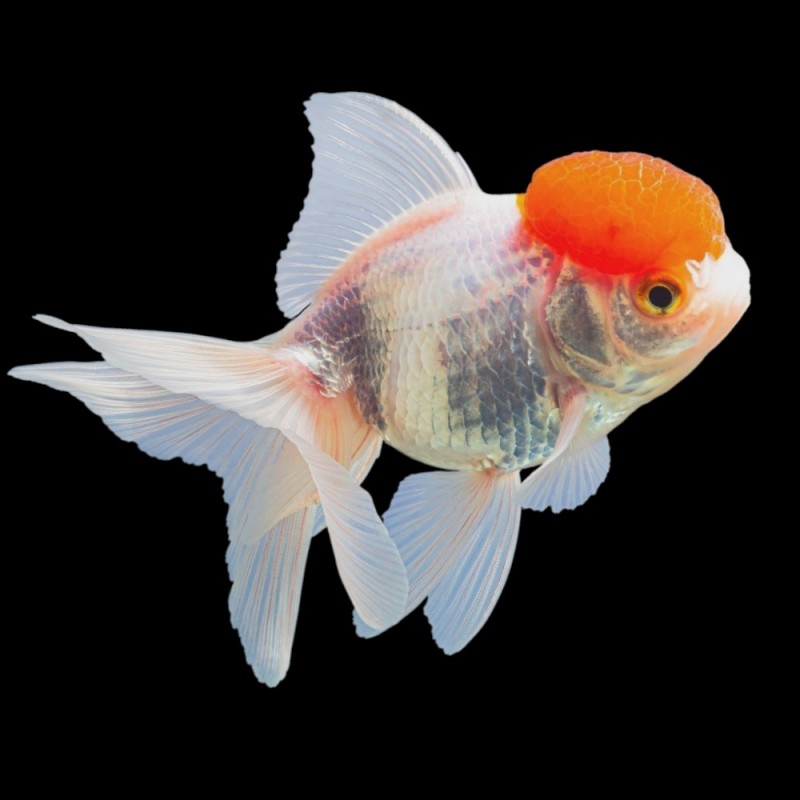
Please Note: Due to variations within species, your fish may not look identical to the image provided. Also note not all sizes or species may be available due to seasonality, Please call beforehand for up-to-date stock availability.
- Model: BLACK ORANDA MATRIX
Available Options
Black Oranda
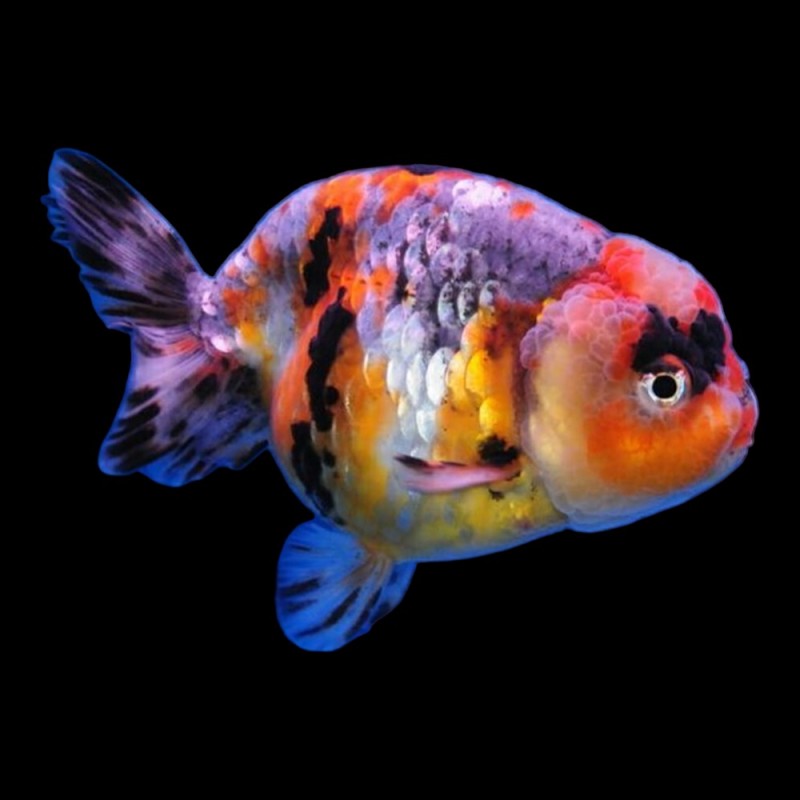
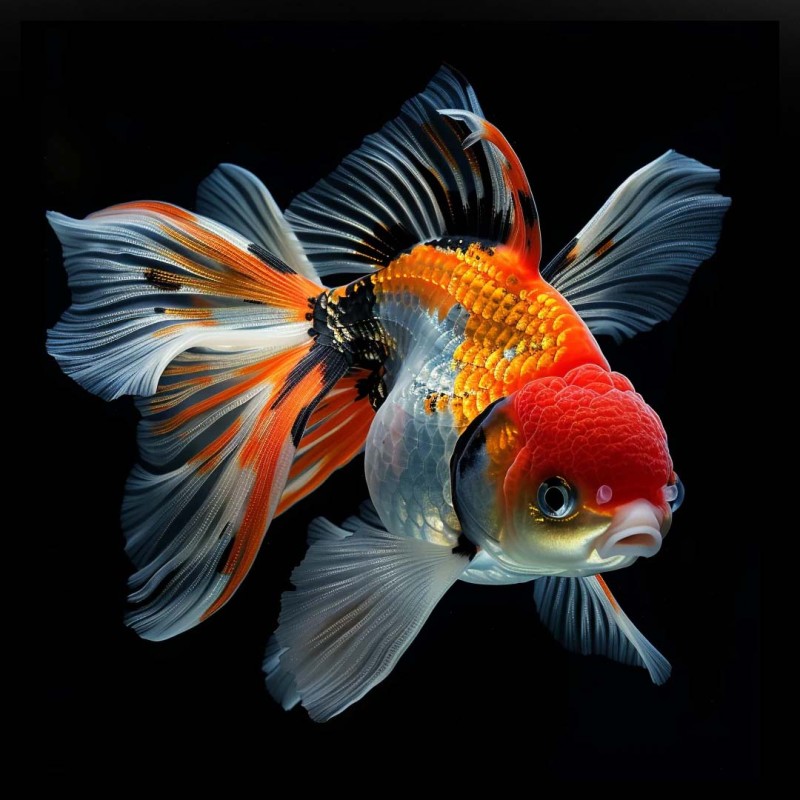
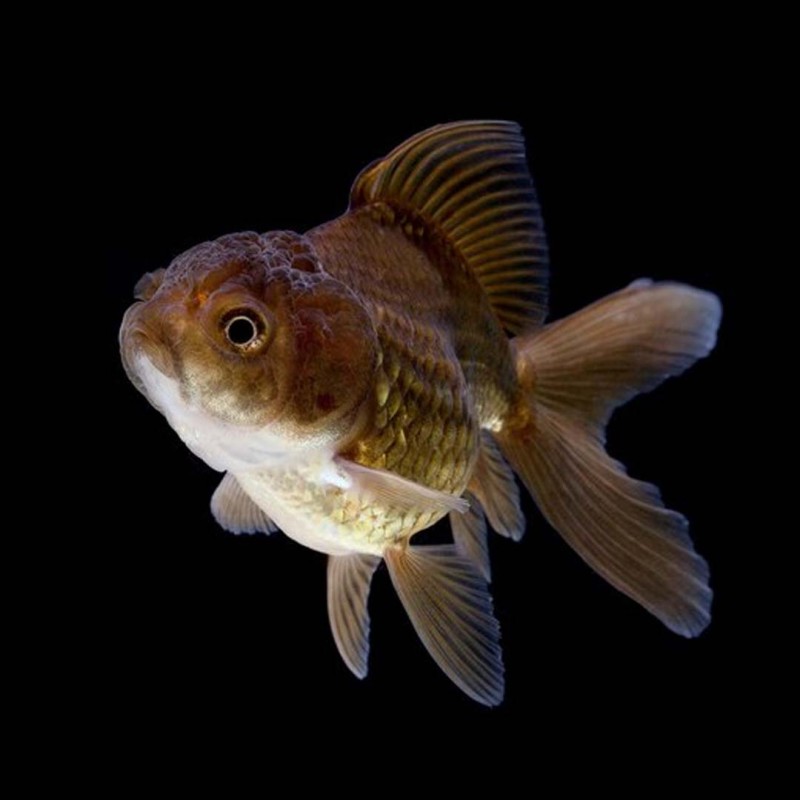
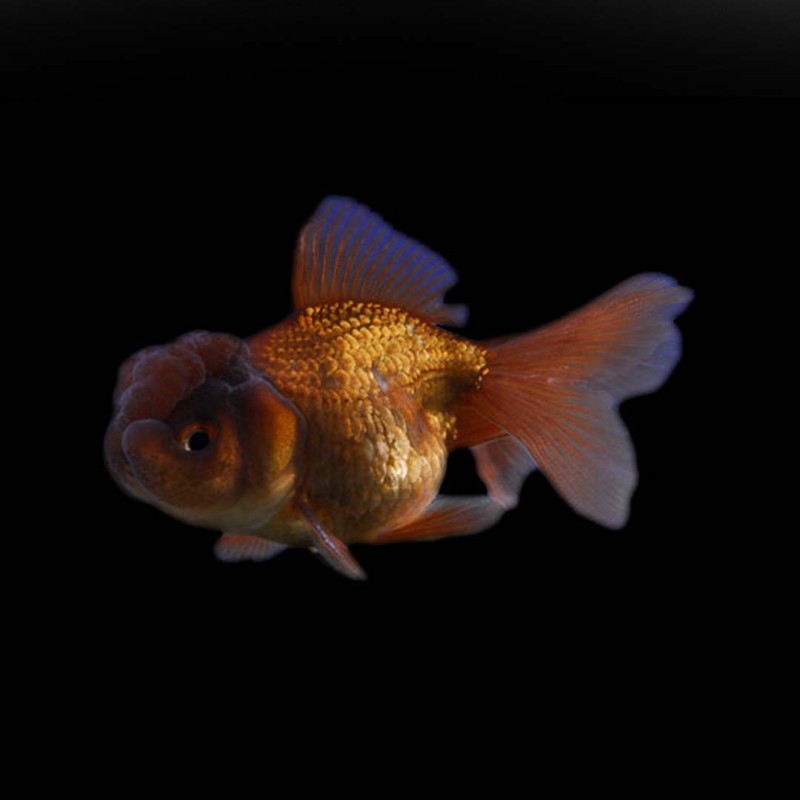
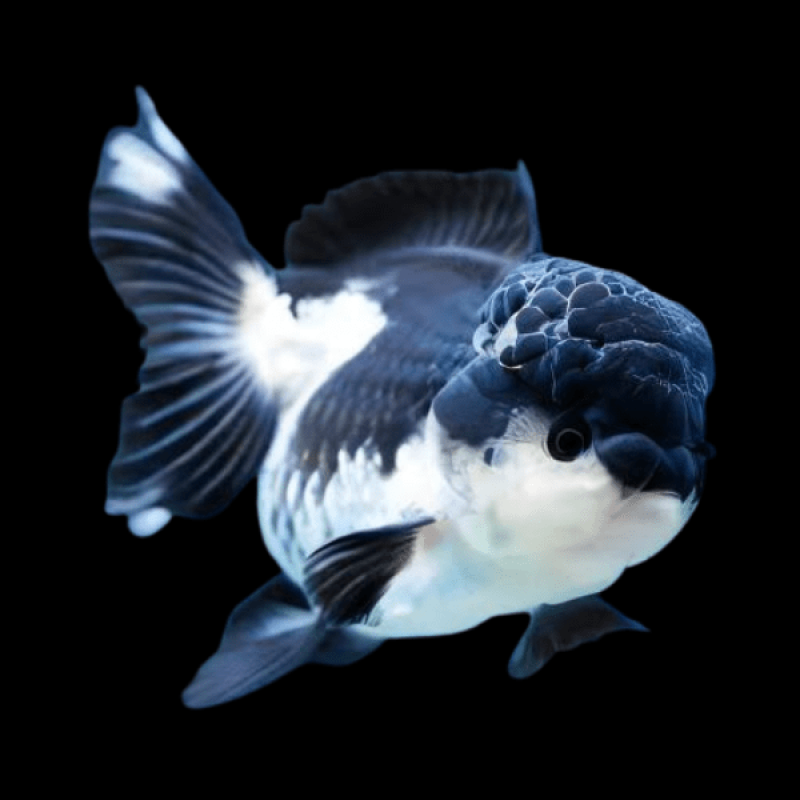
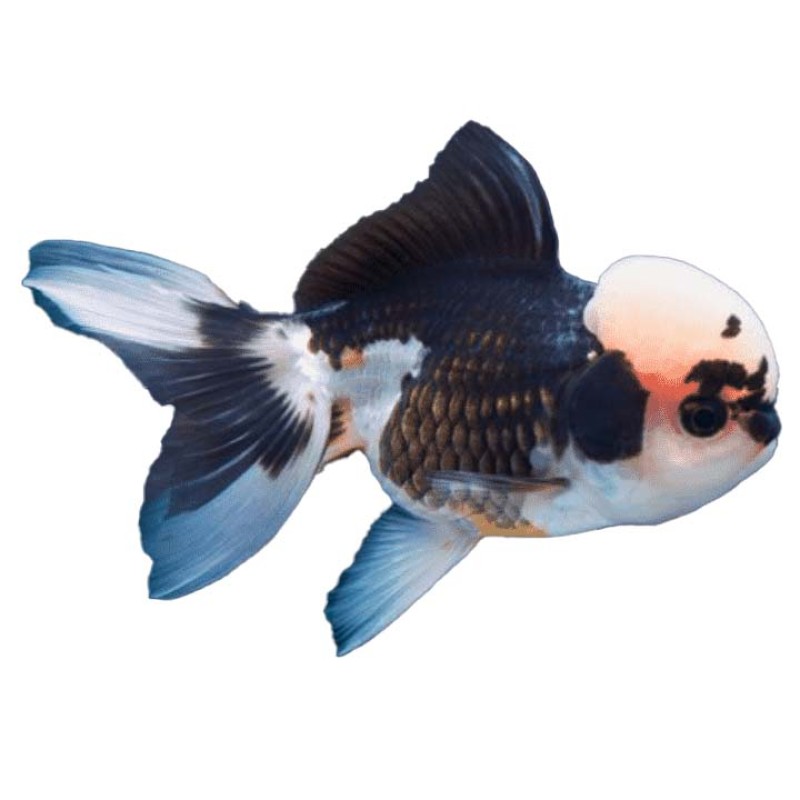
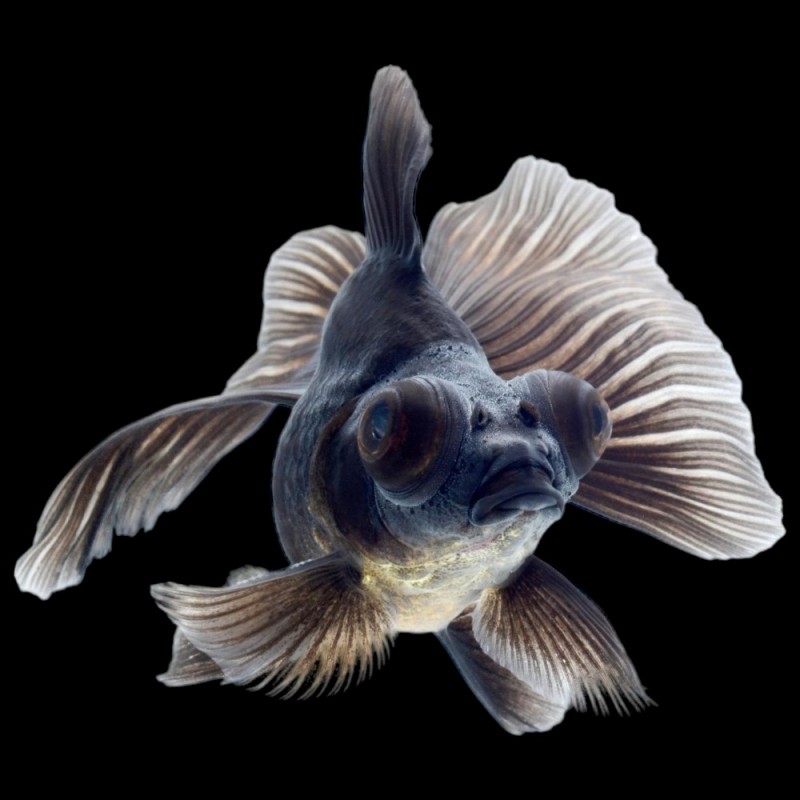
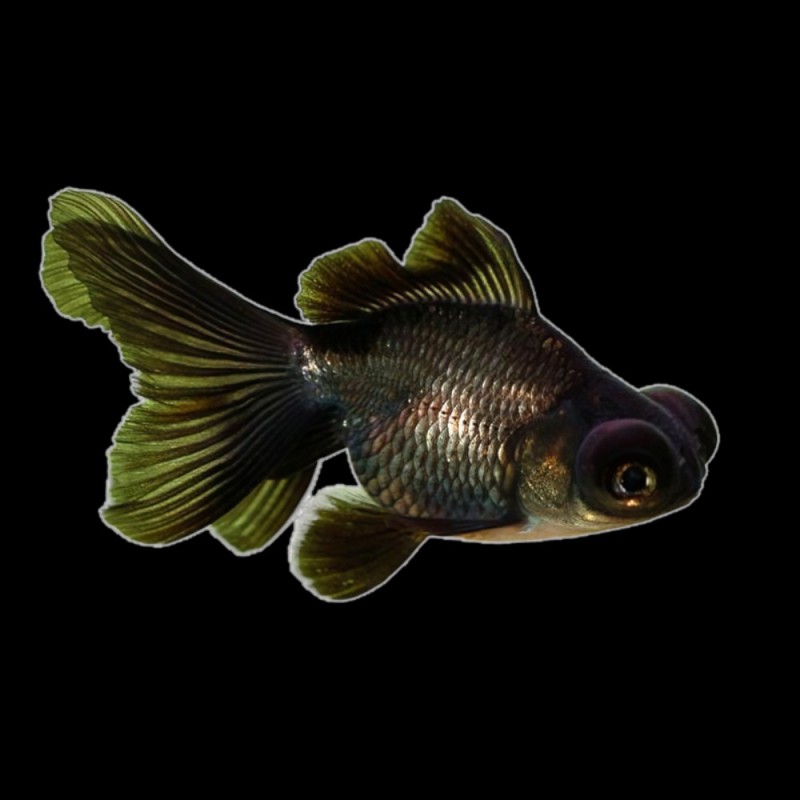
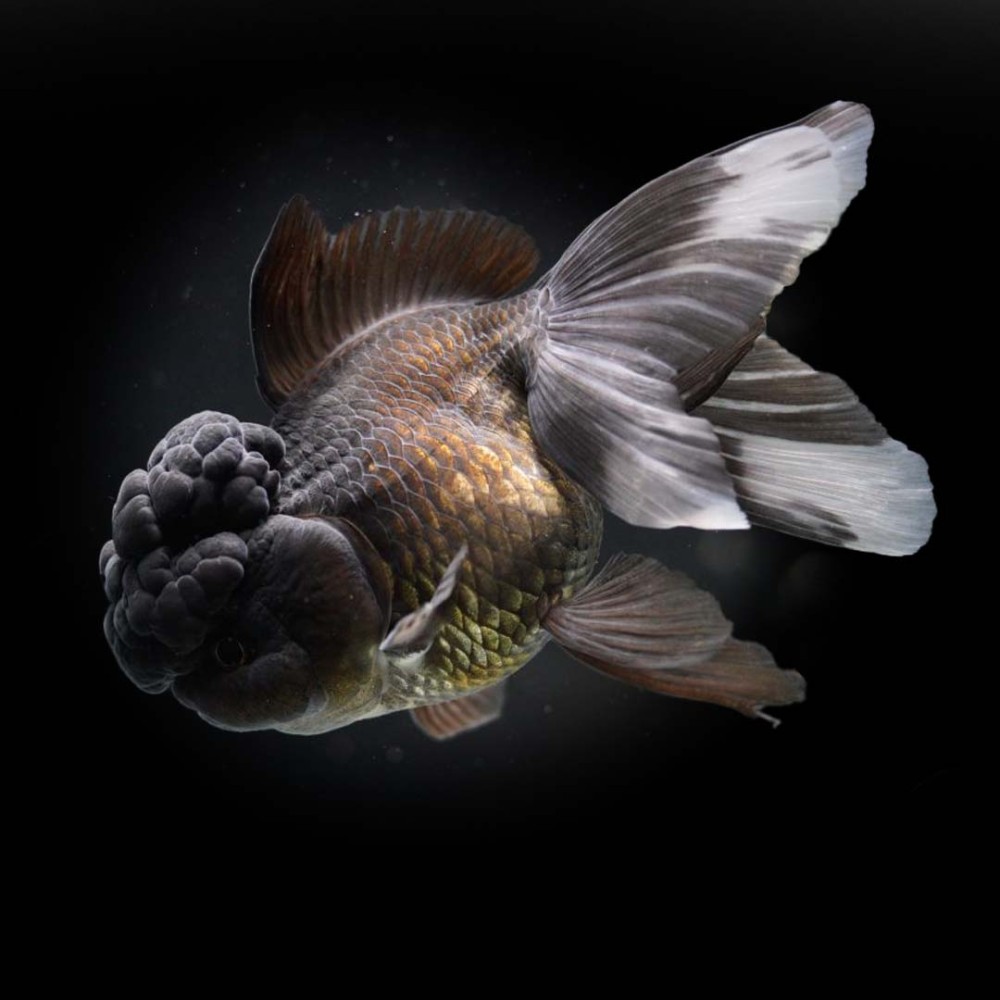
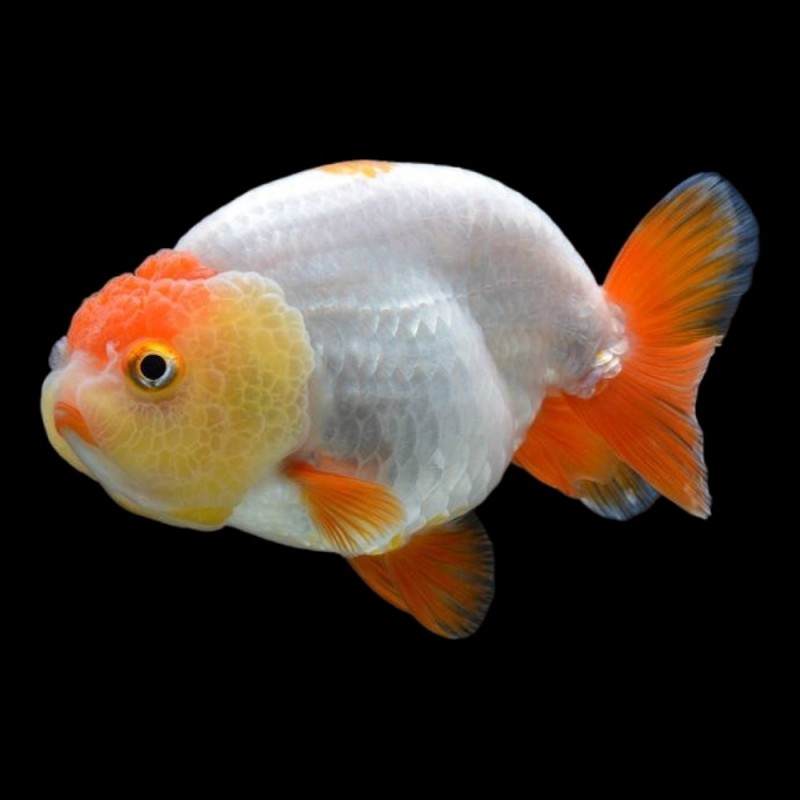
The Black Oranda (*Carassius auratus*) is a striking variety of goldfish known for its distinctive black coloration and characteristic wen, or fleshy growth, on its head. This variety is popular among aquarists due to its unique appearance and gentle temperament, making it a lovely addition to both indoor and outdoor ponds.
Physical Characteristics:
- Size: Black Orandas can grow to about 15-20 cm (6-8 inches) in length, depending on their environment and care.
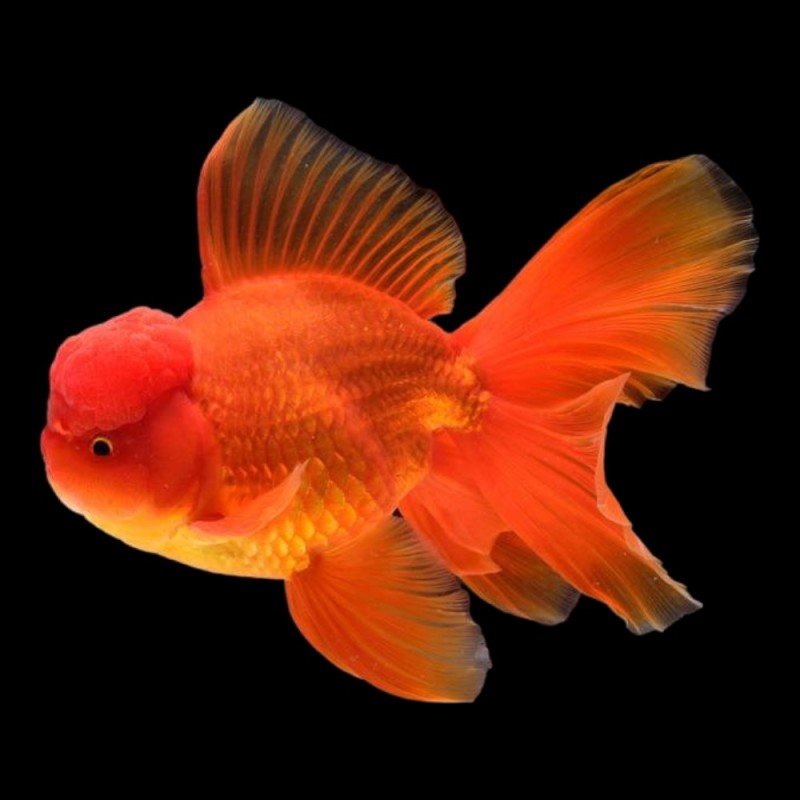
- Coloration: They are primarily black, with some individuals displaying hints of orange or red, particularly during the breeding season or as they mature.
- Fins: Their fins are long and flowing, enhancing their elegant appearance. The tail fin is particularly broad and can have various shapes, contributing to their overall beauty.
- Shape: Black Orandas have a round, compact body shape, characteristic of many fancy goldfish breeds, combined with their prominent wen, which develops as they mature.
Behaviour:
- Temperament: Black Orandas are generally peaceful and can coexist with a variety of other fish, making them suitable for community tanks.
- Activity Level: They are active swimmers and enjoy exploring their environment, often seen foraging for food and interacting with tankmates.
- Community Behaviour: While they are peaceful, it's essential to choose compatible tankmates, avoiding aggressive species that may stress them.
Aquarium Care:
- Tank Size: A minimum tank size of 80 liters (20 gallons) is recommended for a single Black Oranda, with larger tanks preferred to provide ample swimming space.
- Water Parameters:
- Temperature: Black Orandas thrive in cooler water, with an ideal temperature range of 18°C to 24°C (65°F to 75°F).
- pH: They prefer slightly alkaline to neutral water, with a pH range of 7.0 to 7.5.
- Hardness: Soft to moderately hard water, with a general hardness (GH) of 4-12 dGH, is ideal.
- Tank Setup:
- Substrate and Decorations: A soft substrate is recommended to prevent injury to their delicate bodies. Adding plants, smooth rocks, and decorations can create hiding spots and reduce stress.
- Lighting: Moderate lighting is ideal, as it mimics their natural habitat without causing undue stress.
- Filtration: A good filtration system is crucial to maintaining water quality. Goldfish produce a significant amount of waste, so regular water changes (about 20% weekly) are essential.
Diet:
Black Orandas are omnivorous and require a balanced diet to thrive. Their diet should include:
- Pellets: High-quality sinking pellets formulated for goldfish should form the staple of their diet.
- Vegetable Matter: Offer blanched vegetables such as peas, spinach, or zucchini to provide essential nutrients.
- Live or Frozen Foods: Providing live or frozen foods, like brine shrimp or bloodworms, can enhance their diet and promote health.
Breeding:
Breeding Black Orandas can be a rewarding experience, though it requires careful preparation:
- Breeding Setup: A separate breeding tank with ample space and plenty of plants for spawning is recommended. The water should be warm (around 22°C to 26°C or 72°F to 78°F) and well-oxygenated.
- Spawning Behaviour: During breeding, males will chase females and nudge them to encourage spawning. After eggs are laid, it's essential to remove adults, as they may eat the eggs.
- Fry Care: Once the fry hatch, they can be fed infusoria or finely crushed flakes until they grow larger.
Special Considerations:
- Wen Care: The wen on Black Orandas requires monitoring for any signs of rot or disease. Good water quality and diet are crucial for maintaining healthy growth.
- Water Quality: Regular maintenance of water quality is essential to prevent common goldfish ailments, including swim bladder disorders.