

Menu
Menu
Your Cart

Hard Tube Coco Worm

Hard Tube Coco Worm
Hard Tube Coco Worm
Hard Tube Coco Worm
Hard Tube Coco Worm
Hard Tube Coco Worm
From €95.00
Ex Tax: €77.24
  • Stock: Generally In Stock
  • Please Note: Due to variations within species, your fish may not look identical to the image provided. Also note not all sizes or species may be available due to seasonality, Please call beforehand for up-to-date stock availability.

  • Model: HARD TUBE COCO WORM MATRIX
Available Options

Reset options

Hard Tube Coco Worm

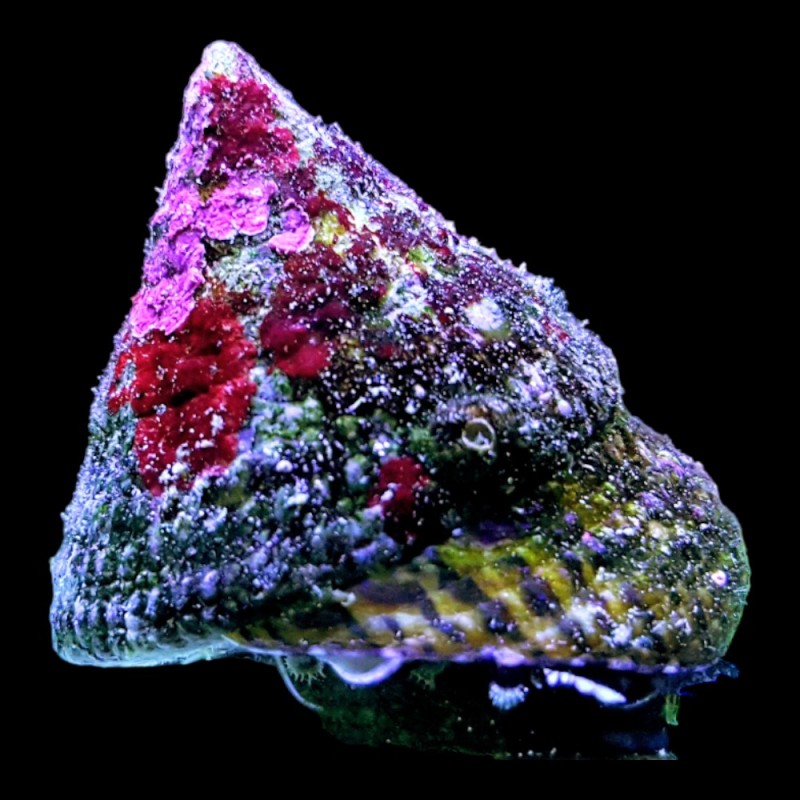
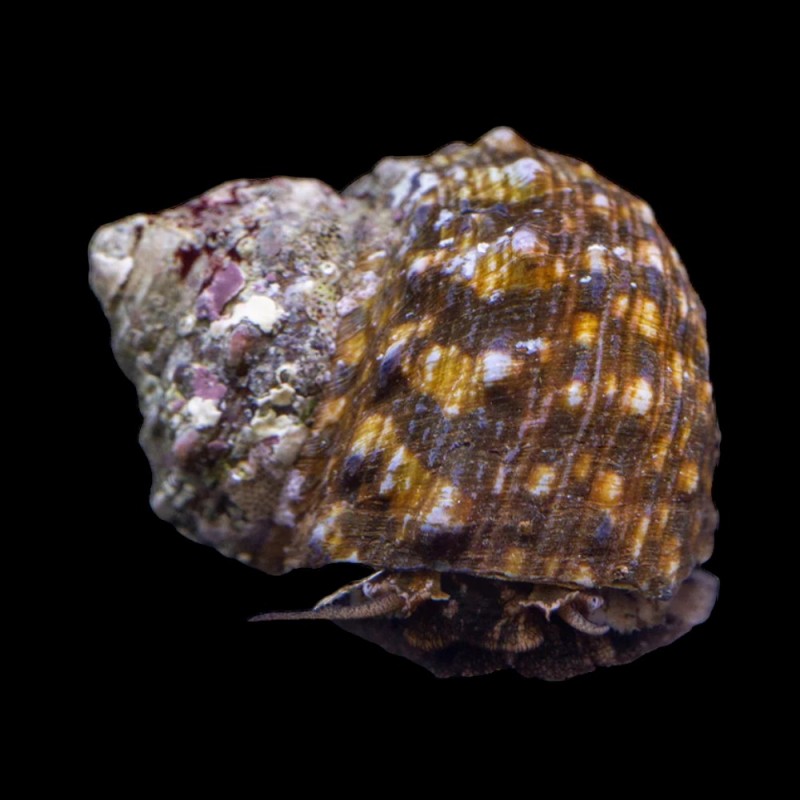
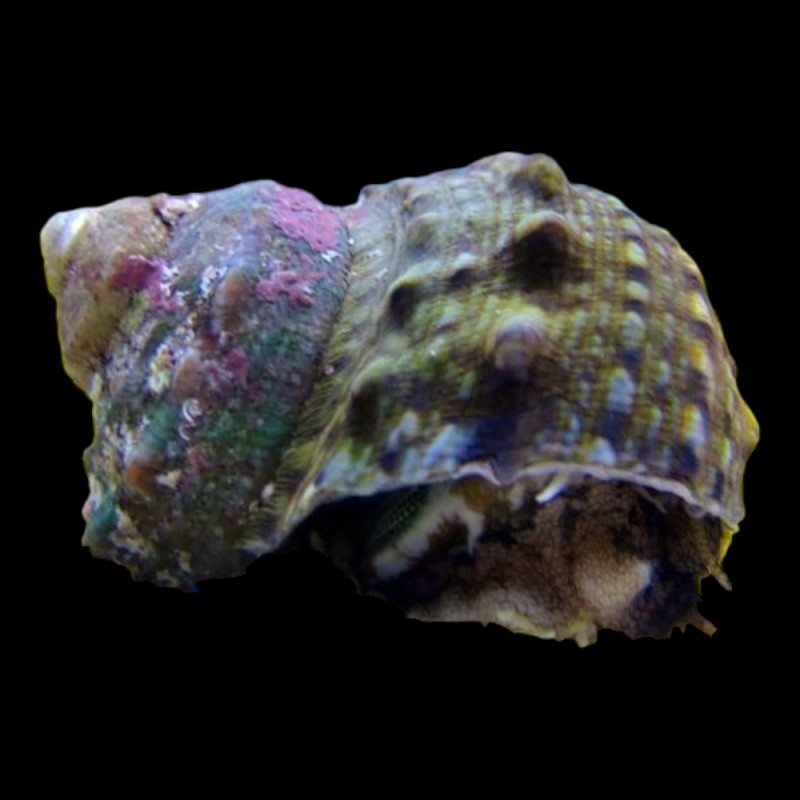
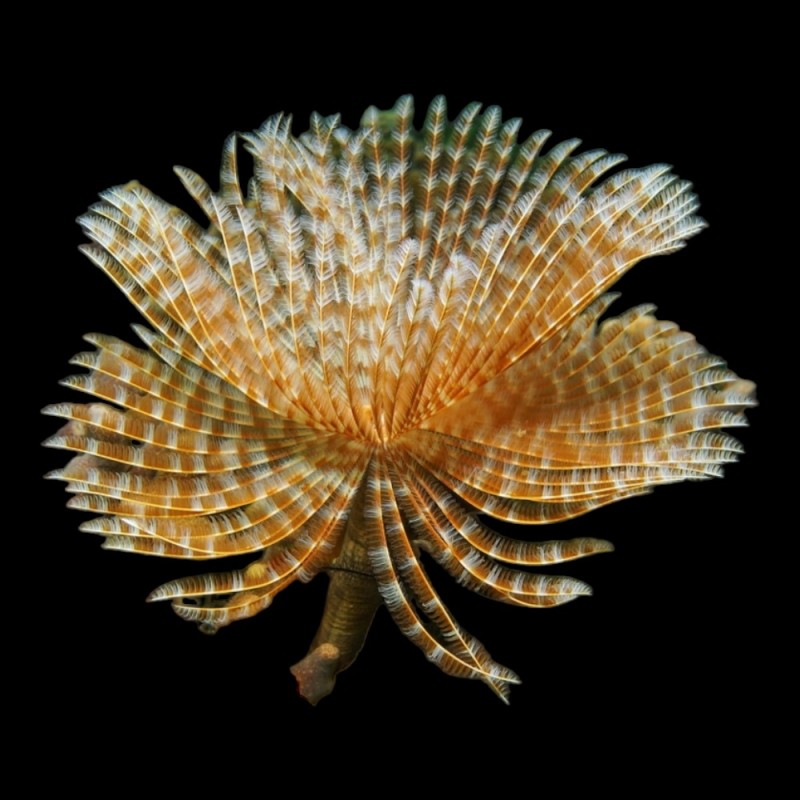
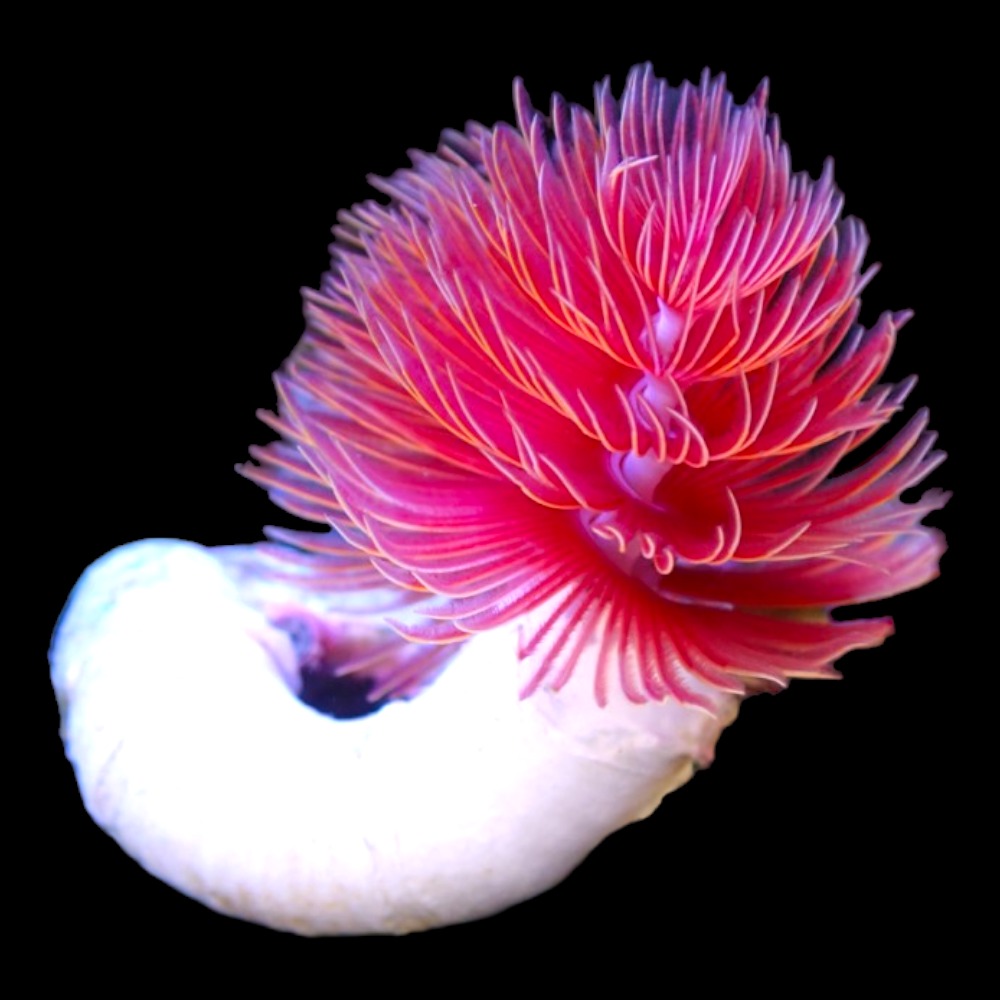
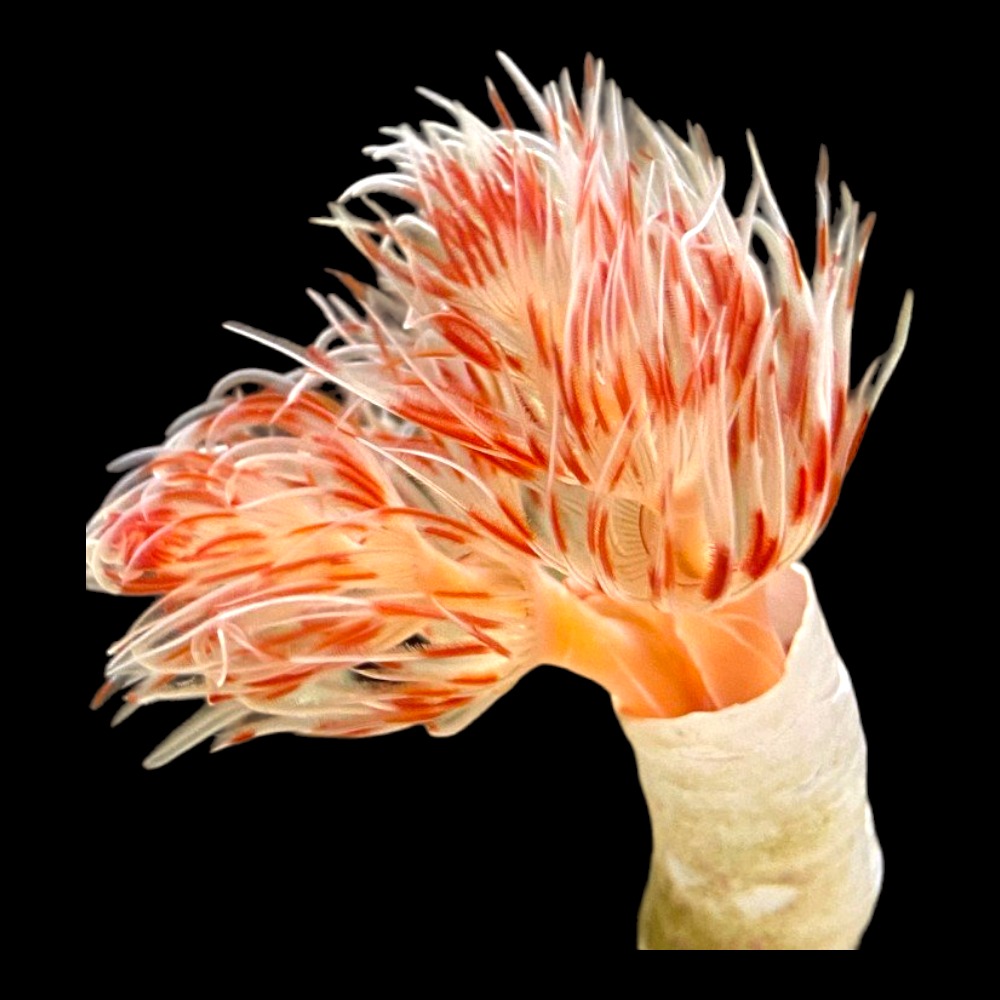
The Hard Tube Coco Worm is a striking marine polychaete known for its beautiful, spiraled, calcareous tube and vibrant crown of feather-like appendages. This worm constructs a sturdy, hard tube from calcium carbonate and detritus, providing protection and a habitat for its delicate body. Its colorful feeding crown extends into the water column to capture plankton and organic particles, making it a fascinating addition to marine aquariums.

Scientific Name:

Protula bispiralis

Size Specifications:

This species typically grows to about 6-12 inches (15-30 cm) in length, depending on environmental conditions.

Habitat:

Native to the warm waters of the Indo-Pacific region, the Hard Tube Coco Worm is commonly found in shallow coastal areas, often attached to rocky substrates or coral reefs. They thrive in environments with strong water flow that helps deliver food to their feeding crown.

Approx Lifespan:

In captivity, Hard Tube Coco Worms can live for several years, typically around 3-5 years, with proper care.

Feeding and Diet:

This filter-feeding species primarily feeds on plankton and organic particles suspended in the water column. They extend their feather-like crown to capture food particles, and maintaining good water quality is essential for their health and feeding efficiency.

Breeding:

Breeding Hard Tube Coco Worms in captivity is not well-documented. They reproduce by releasing eggs and sperm into the water column, where fertilization occurs. Providing a stable environment can help encourage natural breeding behaviors.

Write a review

Please login or register to review