

Menu
Menu
Your Cart

Spiny Boxfish

Spiny Boxfish
Spiny Boxfish
Spiny Boxfish
Spiny Boxfish
Spiny Boxfish
From €95.00
Ex Tax: €77.24
  • Stock: Generally In Stock
  • Please Note: Due to variations within species, your fish may not look identical to the image provided. Also note not all sizes or species may be available due to seasonality, Please call beforehand for up-to-date stock availability.

  • Model: SPINY BOXFISH MATRIX

Available Options

Reset options

Spiny Boxfish

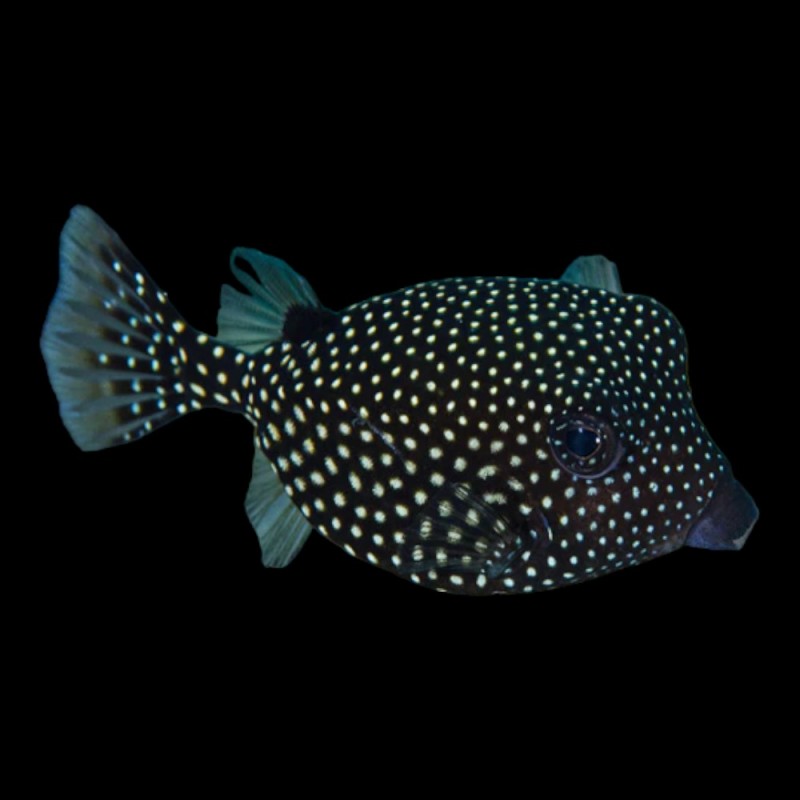
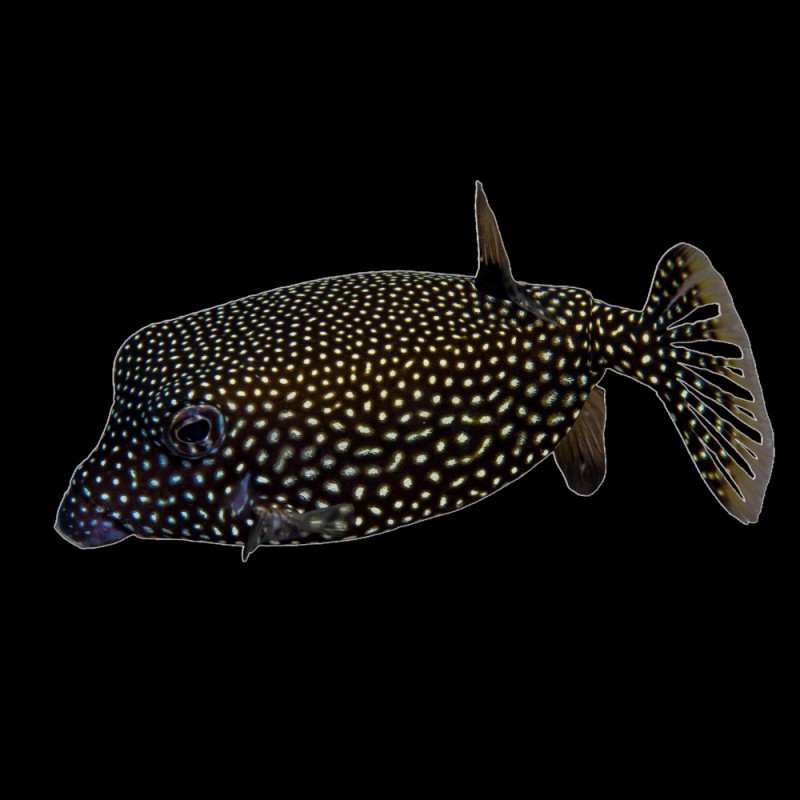
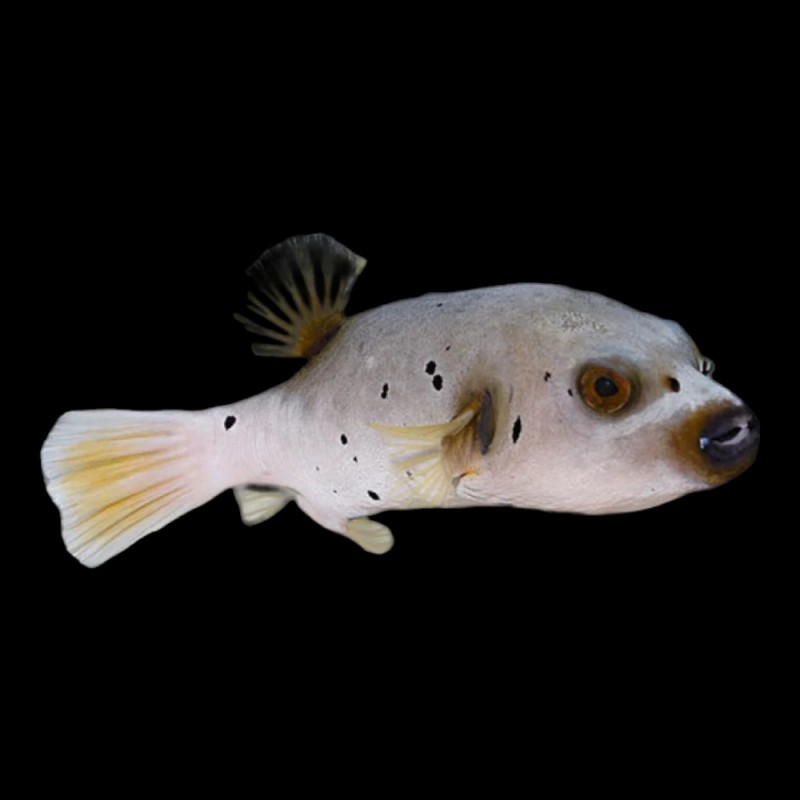
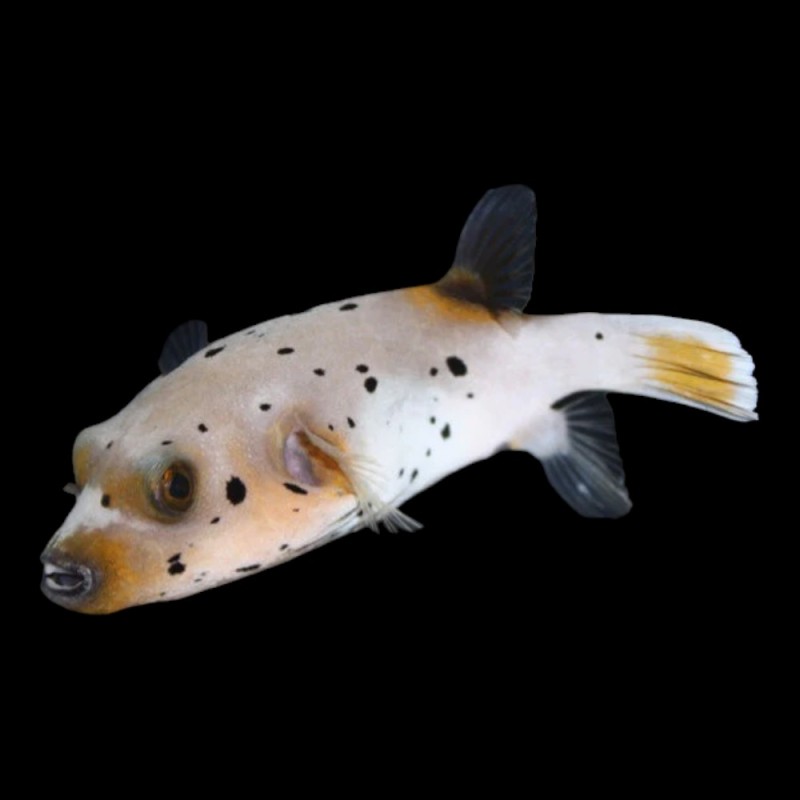
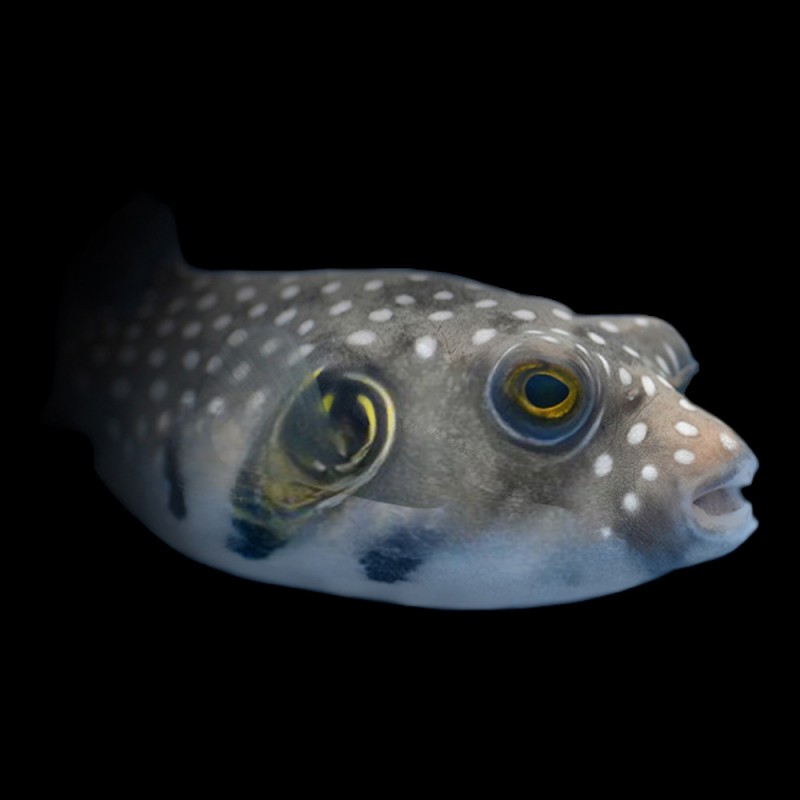
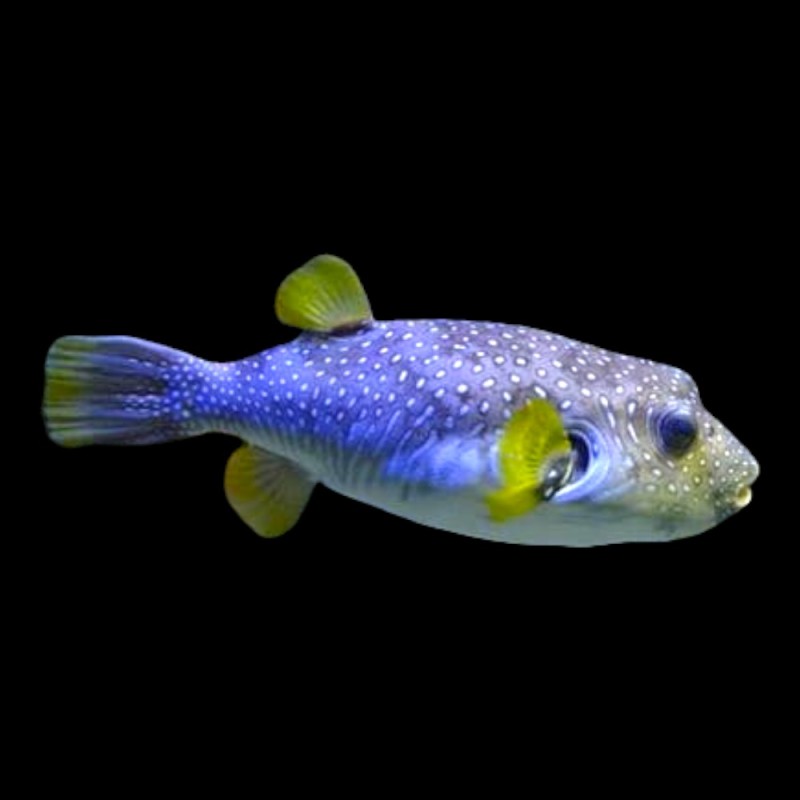
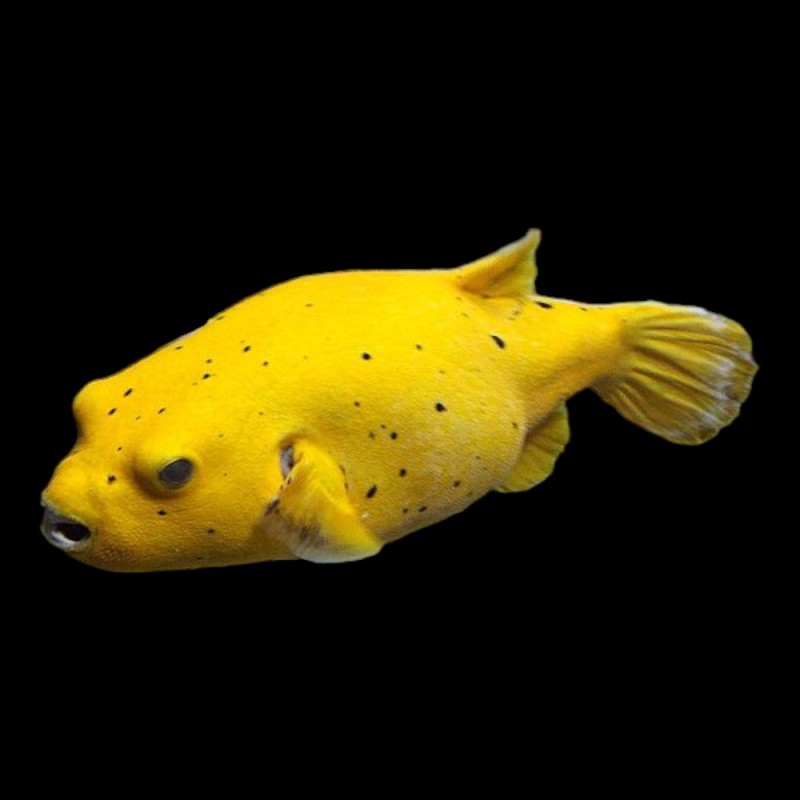
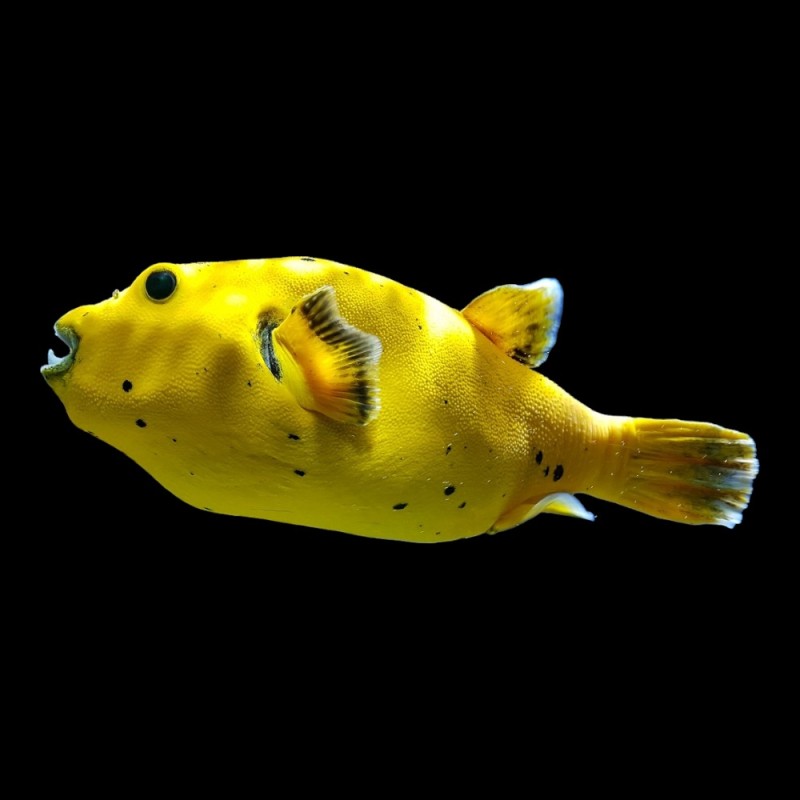
The Spiny Boxfish is a unique and striking species, easily recognized by its box-like shape and covered with small spines. This fish has a smooth, almost geometric appearance, and its distinctive armor makes it a fascinating addition to any aquarium. Despite its unusual appearance, the Spiny Boxfish is peaceful and tends to swim slowly, often staying near the substrate or rocks. It’s a fascinating species to observe, though it requires careful attention to water quality and tank mates.

Scientific Name:

Chilomycterus schoepfii

Reefsafe:

With caution

General Size Specifications:

This species typically grows up to 12 inches (30 cm) in length.

Habitat:

Native to the Indo-Pacific region, the Spiny Boxfish is found in coral reefs and rocky areas. They thrive in environments with plenty of hiding spots, such as crevices and caves, where they can retreat to feel safe. This species enjoys calm waters with good filtration and stable water quality.

Approx Lifespan:

In captivity, Spiny Boxfish can live for 5-10 years with proper care.

Feeding and Diet:

This herbivorous species feeds on algae, small invertebrates, and detritus. In aquariums, they thrive on a varied diet that includes algae-based foods, high-quality pellets, and occasional frozen foods to ensure optimal health and vibrant coloration.

Breeding:

Breeding the Spiny Boxfish in captivity is not well-documented. In the wild, they reproduce by releasing eggs into the water column, where fertilization occurs. A stable, peaceful environment with ample space and hiding spots is essential for maintaining this species' health and well-being.

Write a review

Please login or register to review