

Menu
Menu
Your Cart

Regani Pike Cichlid Tapajos

Regani Pike Cichlid Tapajos
From €79.99
Ex Tax: €65.03
  • Stock: Generally In Stock
  • Please Note: Due to variations within species, your fish may not look identical to the image provided. Also note not all sizes or species may be available due to seasonality, Please call beforehand for up-to-date stock availability.

  • Model: REGANI PIKE CICHLID TAPAJOS MATRIX
Available Options

Reset options

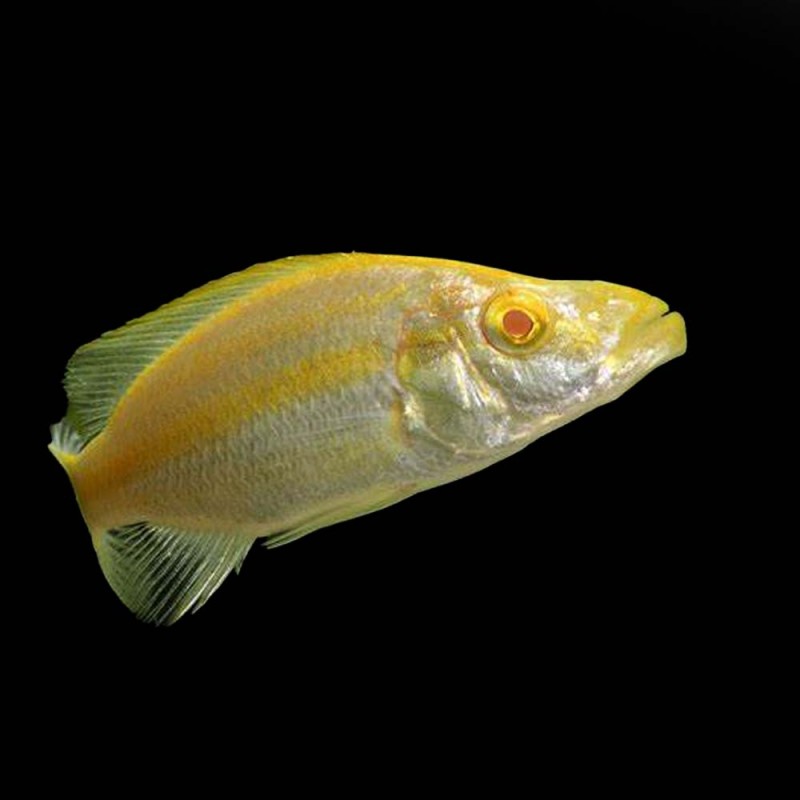
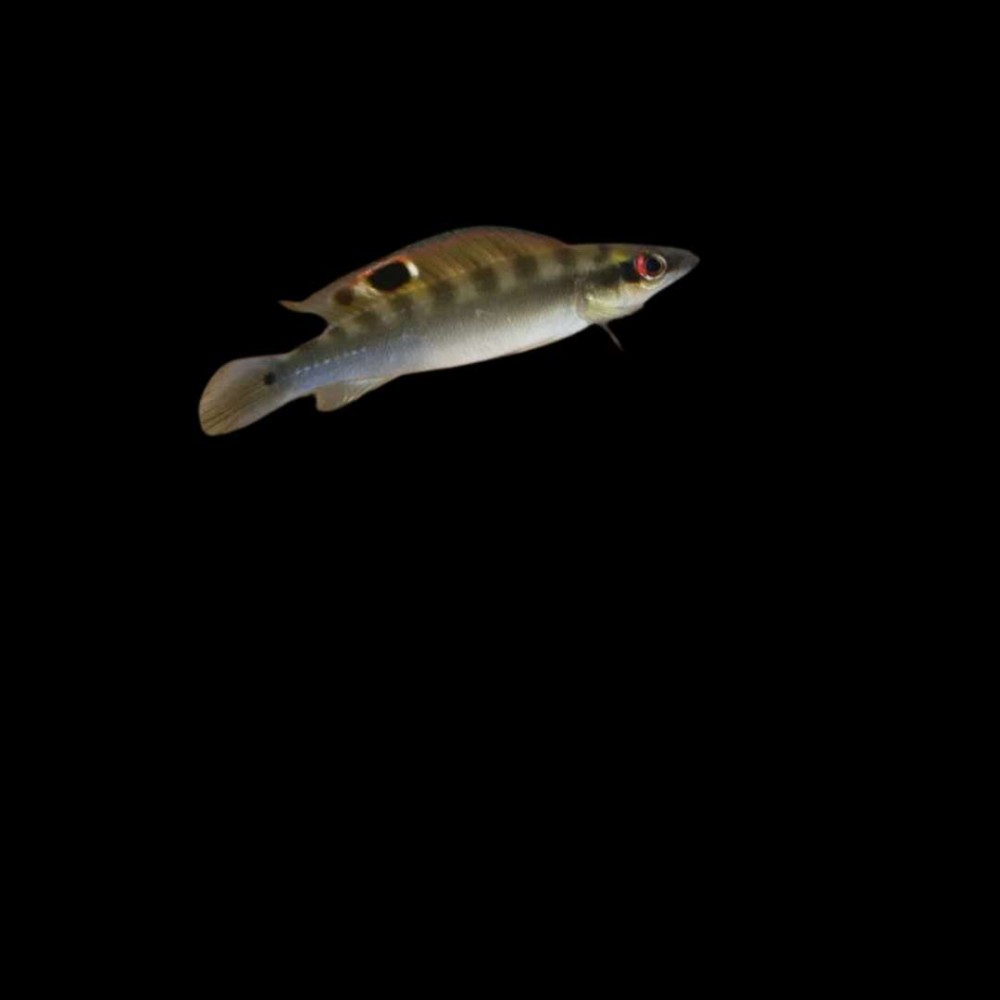
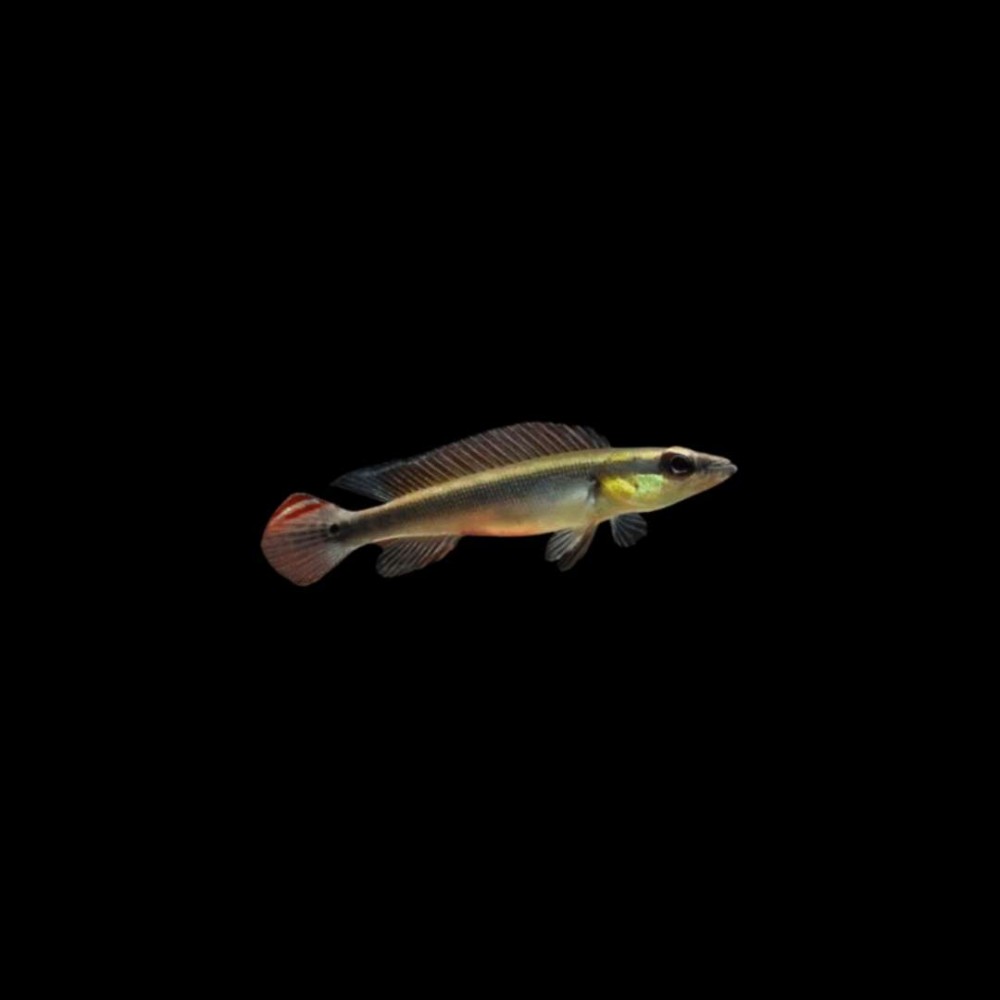
Crenicichla regani "Tapajós" (Dwarf Pike Cichlid) – Care Guide & Description

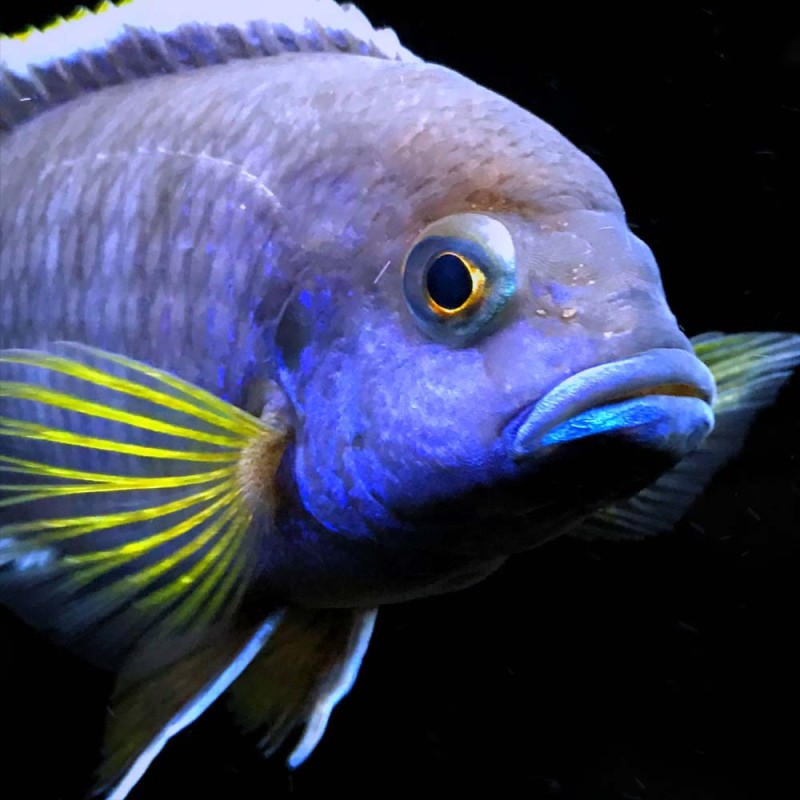
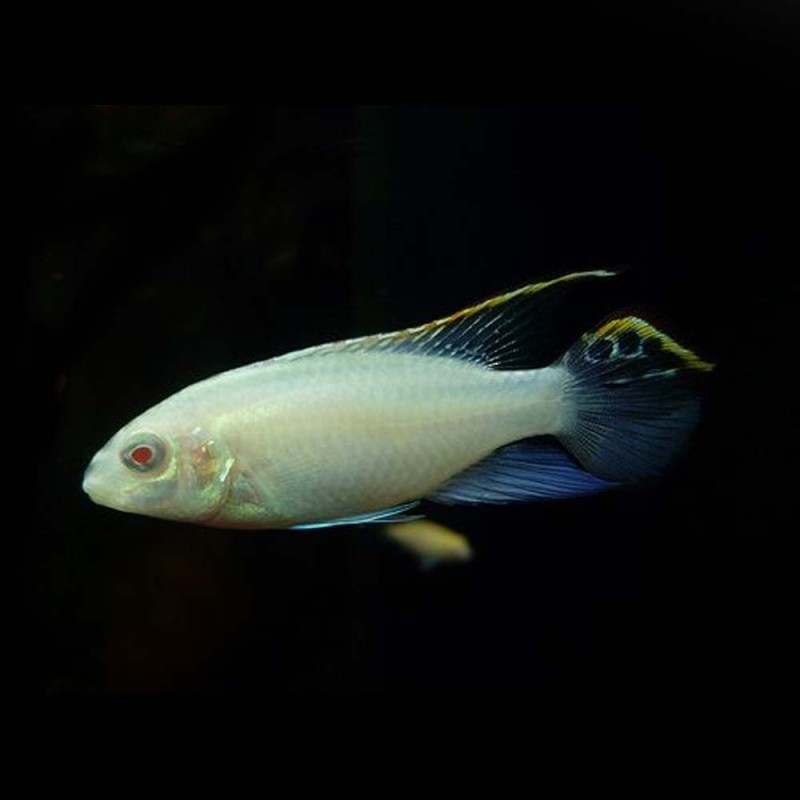
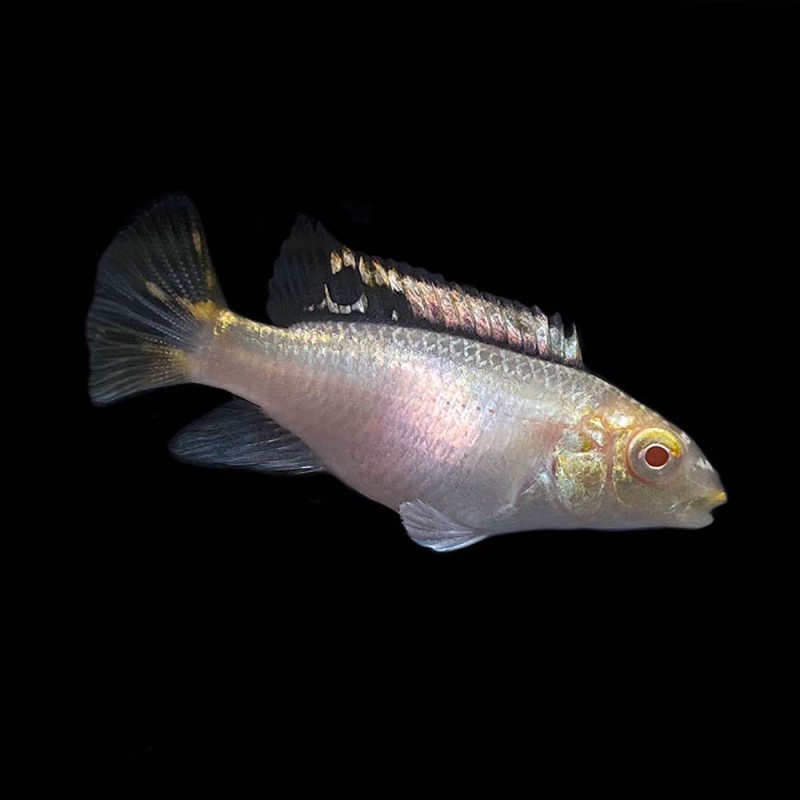
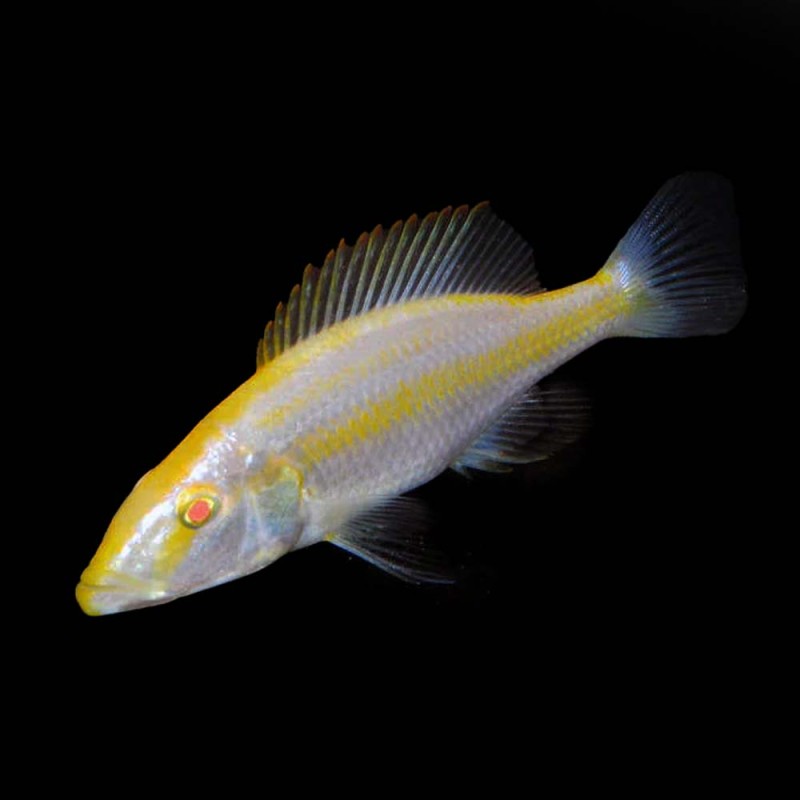
The Crenicichla regani "Tapajós", commonly known as the Dwarf Pike Cichlid, is a small, elongated predatory cichlid native to the Rio Tapajós basin in Brazil.

Unlike larger, more aggressive pike cichlids, C. regani is relatively peaceful, making it a great choice for a semi-aggressive or South American biotope aquarium.

Males are larger and more colorful, while females display a distinctive black spot on the dorsal fin.


Aquarium Care & Requirements

Parameter Recommended Range
Tank Size Minimum 150 liters (40 gallons) for a pair; larger for multiple individuals
Temperature 24–28°C
pH Level 5.5–7.5
Water Hardness (dGH) 2–12 dGH (soft to moderately hard)
Carbonate Hardness (dKH) 1–6 dKH
Substrate Fine sand or smooth gravel
Filtration Strong filtration with moderate flow (canister filter recommended)
Oxygenation Moderate to high (air stones and surface agitation recommended)
Tank Setup Driftwood, caves, and dense plants for hiding spots
Lighting Moderate to low (prefers shaded areas)
Diet Carnivorous: live/frozen foods (bloodworms, small shrimp, earthworms), high-quality pellets
Temperament Semi-aggressive, territorial; best kept in pairs or small groups
Tank Mates Compatible with larger tetras, peaceful cichlids (Severums, Angelfish), Corydoras, and plecos. Avoid small fish that fit in their mouths.

Additional Care Tips

Provide multiple hiding spots (caves, driftwood) to reduce territorial disputes.
Best kept as a pair or in a well-structured group to minimize aggression.
Avoid keeping with very small fish, as they may be seen as prey.
Weekly water changes (30–50%) to maintain water quality.
Feed a varied diet with high-protein foods to enhance color and health.


Write a review

Please login or register to review