

If you’ve ever set up a new aquarium or heard someone talk about "cycling a tank," they were talking about the nitrogen cycle, the natural process that makes aquariums safe for fish.
It might sound scientific, but don’t worry; the nitrogen cycle is actually quite simple once you break it down. In fact, it’s one of the most important things to understand as a fishkeeper. Whether you’re a beginner or helping your kids set up their first tank, this guide will explain everything in a clear and simple way.
What Is the Nitrogen Cycle?
The nitrogen cycle is nature’s way of breaking down fish waste and keeping water healthy.
Every time your fish eat, they eventually produce waste, just like any animal. That waste releases a chemical called ammonia, which is toxic to fish even in small amounts. If nothing is done about it, ammonia will build up and harm your fish.
Here’s where good bacteria come in.
The 3 Main Stages (Don’t Worry - They're Easy!)
1. Ammonia
Fish waste, uneaten food, and rotting plants all release ammonia into the water. Ammonia is dangerous and must be removed.
2. Nitrite
Beneficial bacteria (called Nitrosomonas) naturally grow in your filter and substrate. They turn ammonia into nitrite, which is still toxic, but it’s a step in the right direction!
3. Nitrate
Another group of good bacteria (Nitrobacter) converts nitrite into nitrate. Nitrate is much less harmful and can be controlled with regular water changes and live plants.
And just like that, waste becomes something manageable, as long as the cycle is running properly.
Why Is It So Important?
If you add fish to a new tank before the nitrogen cycle is established, they can get very sick from ammonia poisoning.
That’s why fishkeepers “cycle” their tank first — they give those helpful bacteria time to grow and balance the system before adding a full stock of fish.
How to Cycle Your Aquarium (The Easy Way)
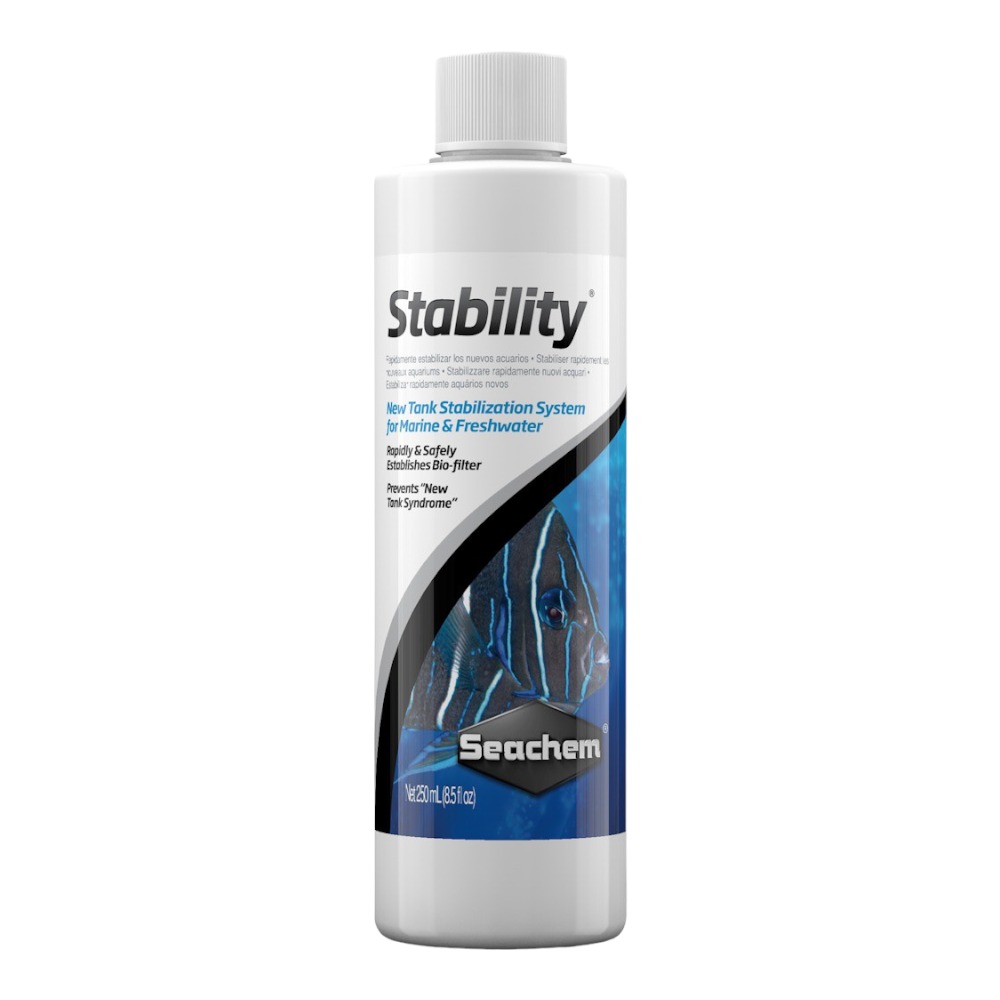
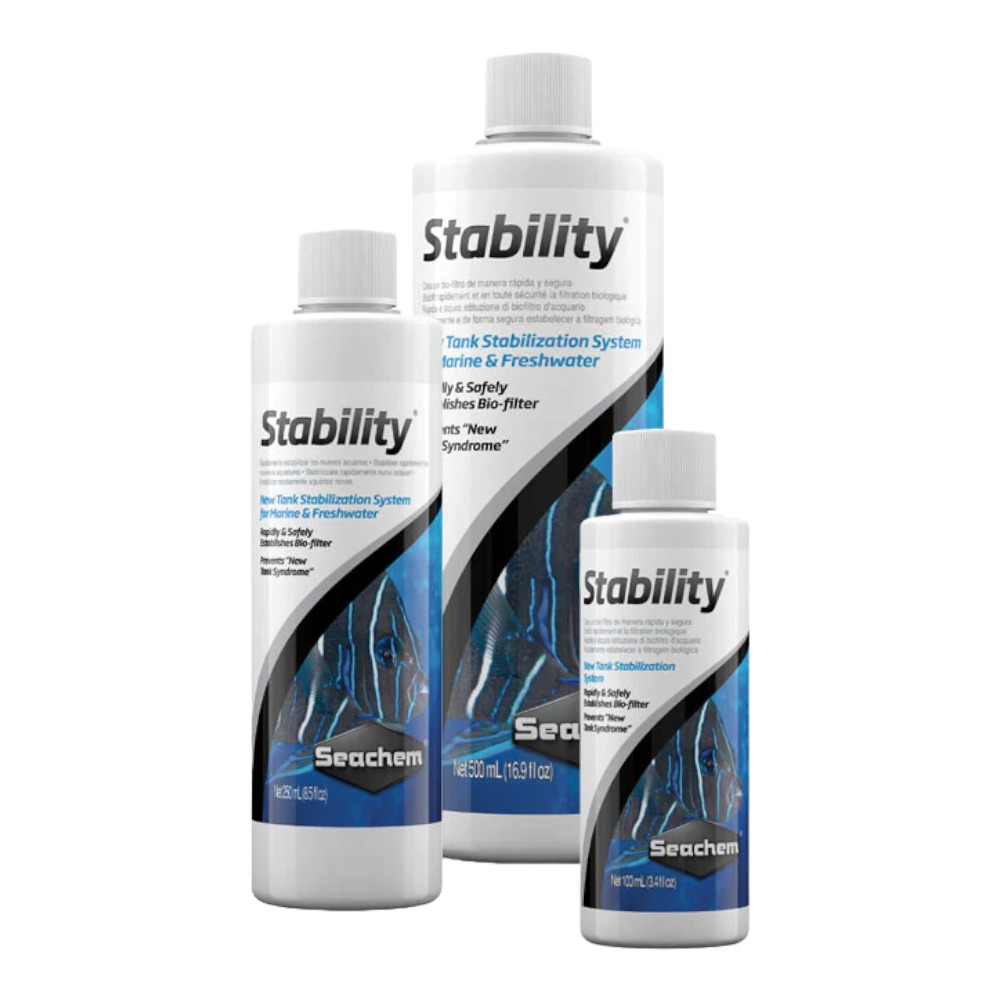
- Set up your tank with filter, substrate, décor, water conditioner and bacteria culture. We recommend Seachem Stability as instructed.
- Test the water a week later using an aquarium test kit.
- Once Ammonia & Nitrite are zero, Nitrate is below 30ppm and pH and KH are suitable (species dependant) you can add a few fish as advised by our team.
If you’ve ever set up a new aquarium or heard someone talk about "cycling a tank," they were talking about the nitrogen cycle, the natural process that makes aquariums safe for fish.
It might sound scientific, but don’t worry; the nitrogen cycle is actually quite simple once you break it down. In fact, it’s one of the most important things to understand as a fishkeeper. Whether you’re a beginner or helping your kids set up their first tank, this guide will explain everything in a clear and simple way.
What Is the Nitrogen Cycle?
The nitrogen cycle is nature’s way of breaking down fish waste and keeping water healthy.
Every time your fish eat, they eventually produce waste, just like any animal. That waste releases a chemical called ammonia, which is toxic to fish even in small amounts. If nothing is done about it, ammonia will build up and harm your fish.
Here’s where good bacteria come in.
The 3 Main Stages (Don’t Worry - They're Easy!)
1. Ammonia
Fish waste, uneaten food, and rotting plants all release ammonia into the water. Ammonia is dangerous and must be removed.
2. Nitrite
Beneficial bacteria (called Nitrosomonas) naturally grow in your filter and substrate. They turn ammonia into nitrite, which is still toxic, but it’s a step in the right direction!
3. Nitrate
Another group of good bacteria (Nitrobacter) converts nitrite into nitrate. Nitrate is much less harmful and can be controlled with regular water changes and live plants.
And just like that, waste becomes something manageable, as long as the cycle is running properly.
Why Is It So Important?
If you add fish to a new tank before the nitrogen cycle is established, they can get very sick from ammonia poisoning.
That’s why fishkeepers “cycle” their tank first — they give those helpful bacteria time to grow and balance the system before adding a full stock of fish.
How to Cycle Your Aquarium (The Easy Way)