

Menu
Menu
Your Cart

Nanochromis Cichlid

Nanochromis Cichlid
Nanochromis Cichlid
From €14.99
Ex Tax: €12.19
  • Stock: Generally In Stock
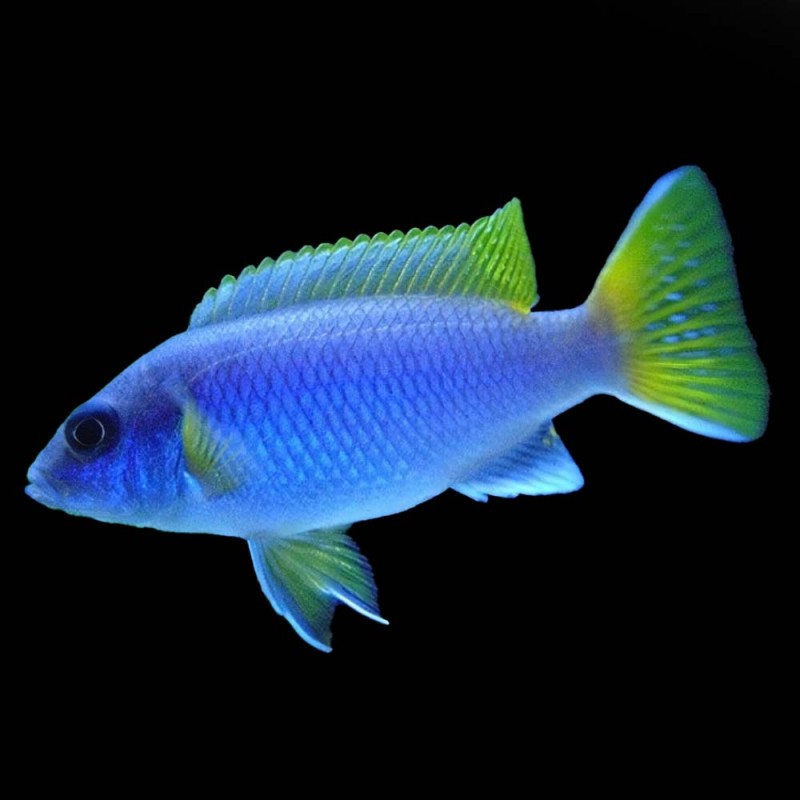
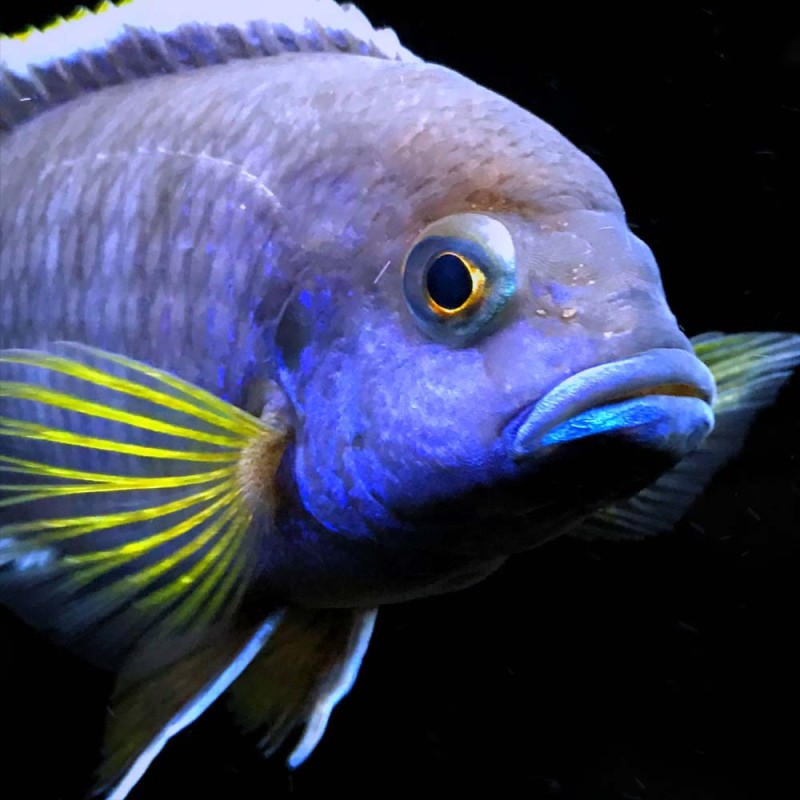
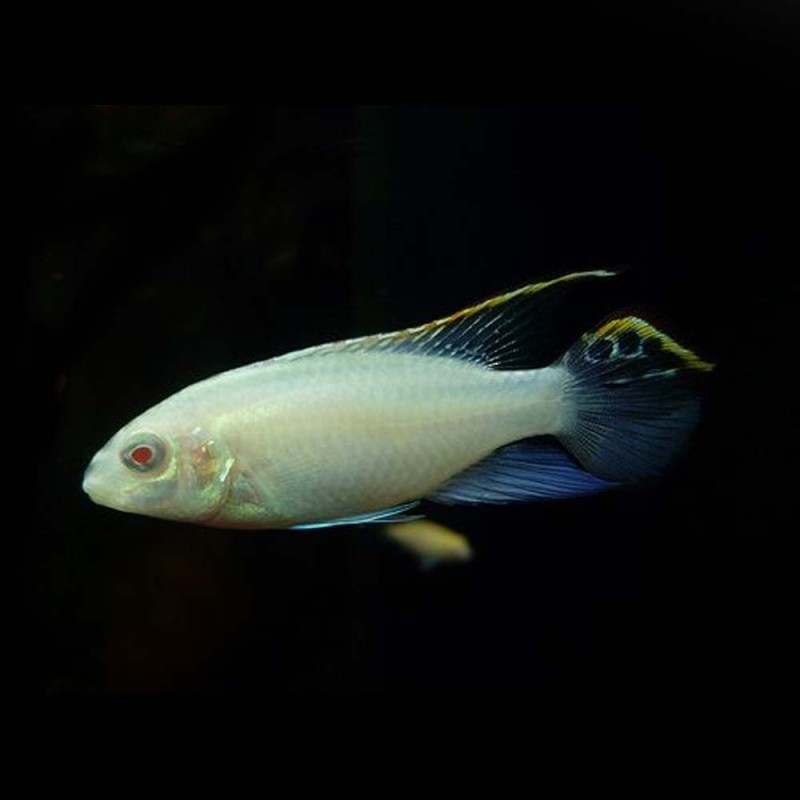
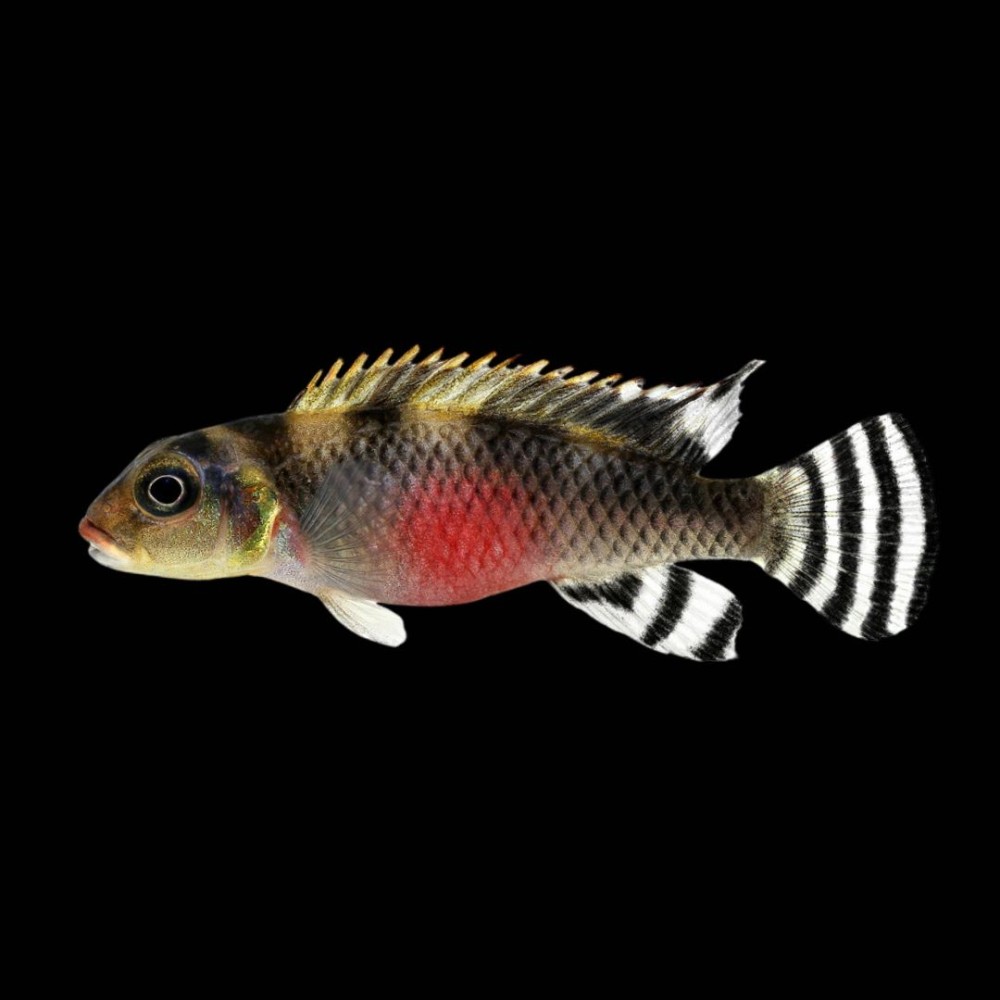
  • Please Note: Due to variations within species, your fish may not look identical to the image provided. Also note not all sizes or species may be available due to seasonality, Please call beforehand for up-to-date stock availability.

  • Model: NANOCHROMIS CICHLID MATRIX

Available Options

Reset options

Nanochromis Cichlid 

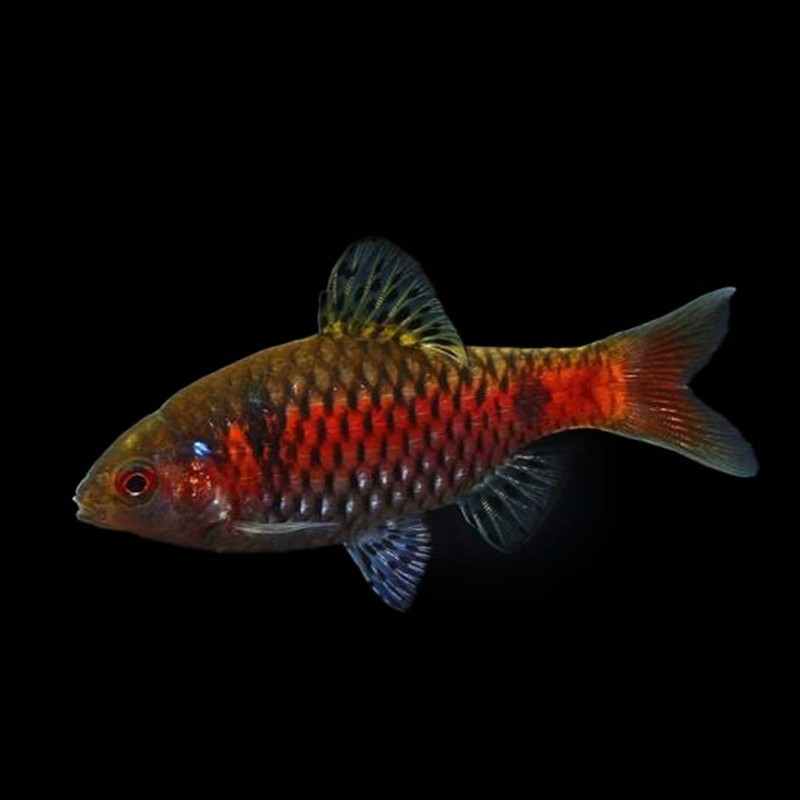
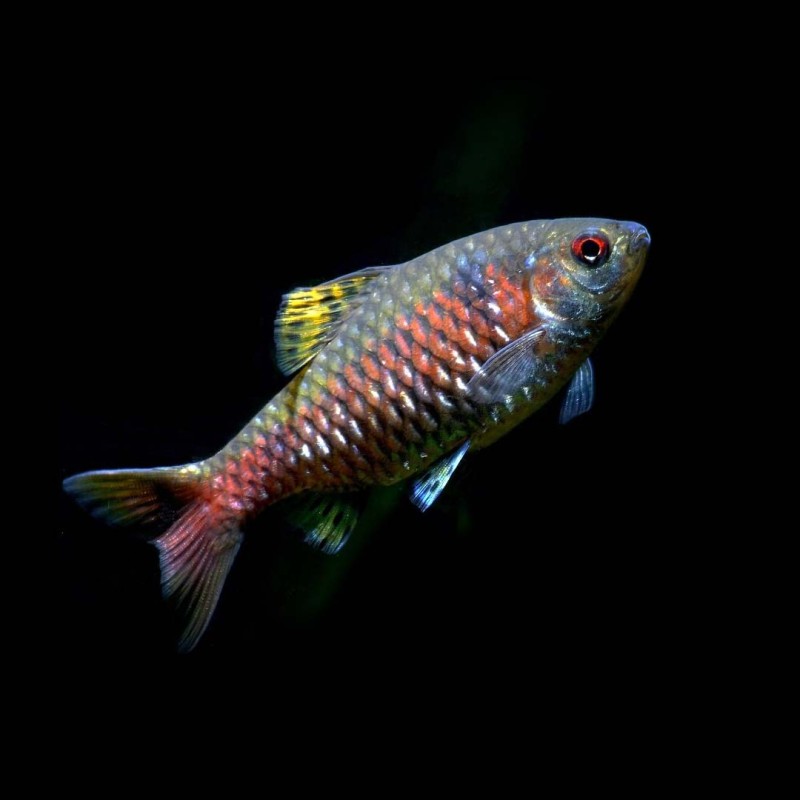
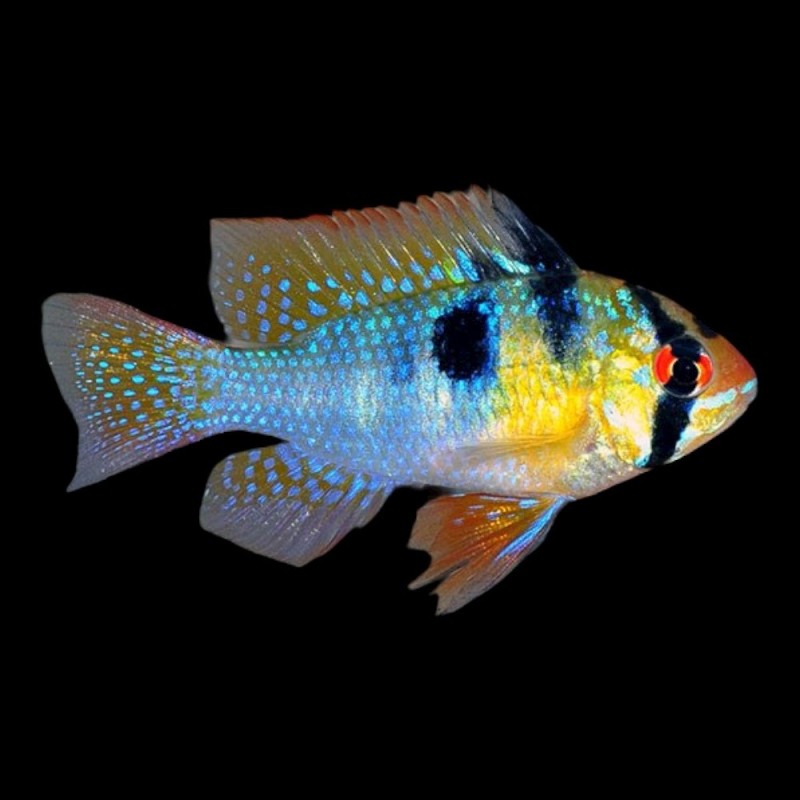
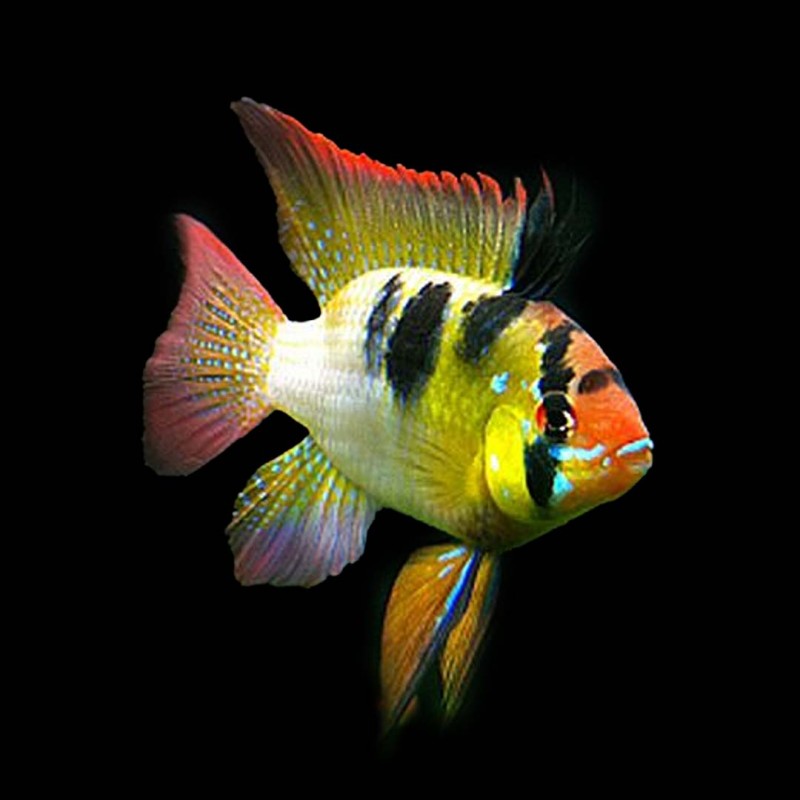
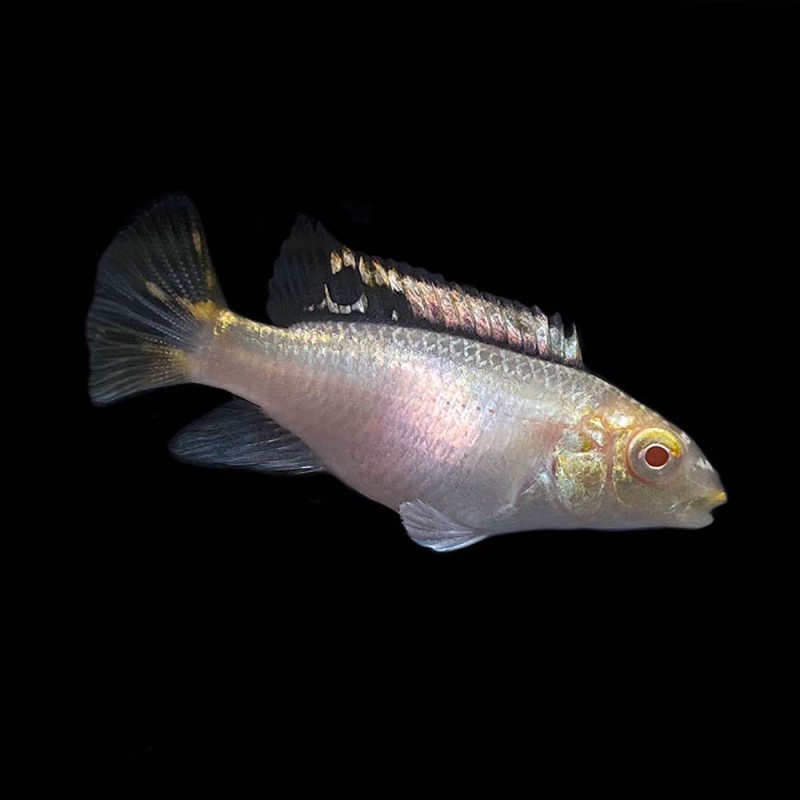
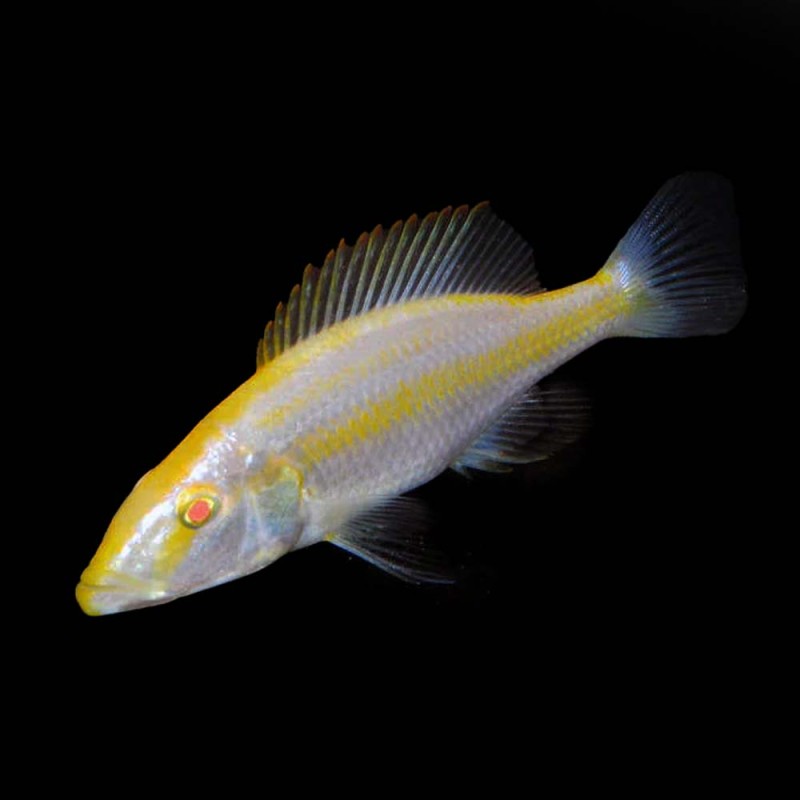
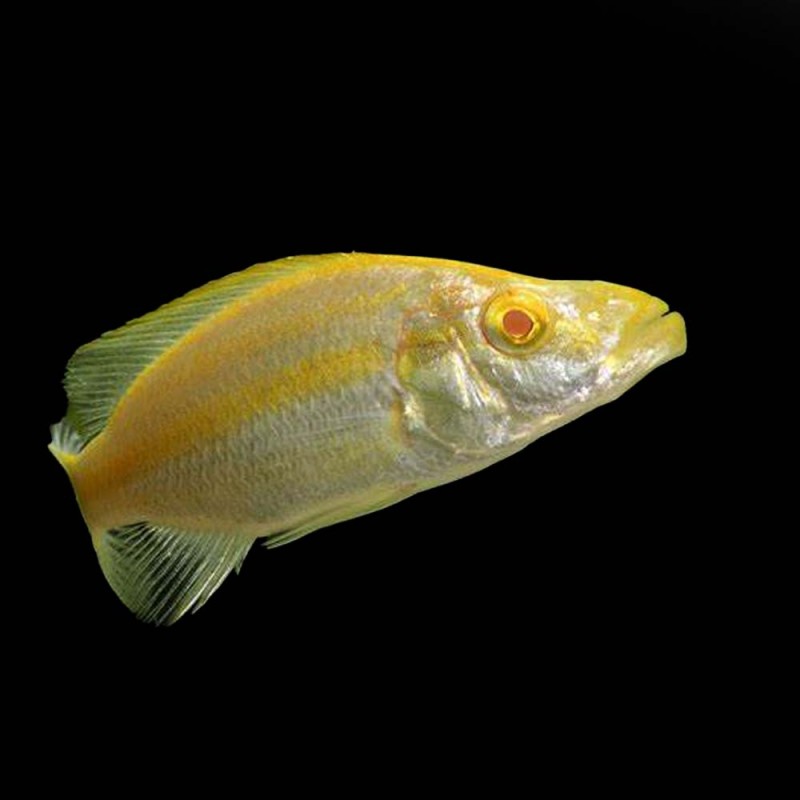
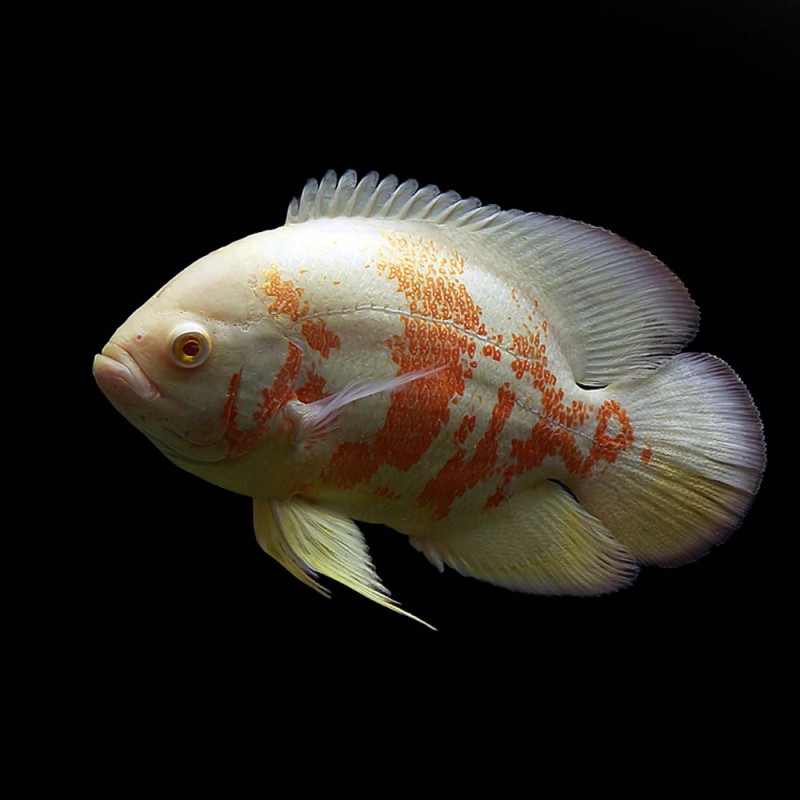
The Nanochromis Cichlid (Nanochromis transvestitus), also known as the Dwarf Cichlid, is a small, vibrant species of cichlid native to the Congo River Basin and other parts of Central Africa. Known for their bright, contrasting colours and peaceful temperament, they make a fantastic addition to smaller community tanks.

Physical Characteristics:

  • Size: Nanochromis Cichlids typically grow to about 5-7 cm (2-3 inches) in length, with males being slightly larger than females.
  • Coloration: These cichlids are characterised by their vibrant colours, including shades of blue, yellow, red, and orange. Depending on the species, they may feature striking patterns and dark markings on the body and fins.
  • Fins: Their fins are generally short but well-defined, with males often having slightly more extended fins and brighter colours compared to females.
  • Shape: The body of the Nanochromis Cichlid is compact and slightly elongated, with a laterally compressed form typical of many African cichlids.

Behavior:

  • Temperament: Nanochromis Cichlids are peaceful and shy but can become territorial, especially during breeding. Males may display aggression toward other males.
  • Activity Level: These cichlids are moderately active, preferring to stay near the bottom or in areas with rocks and plants for shelter.
  • Community Behavior: Nanochromis Cichlids can be kept in community tanks with peaceful fish but should not be housed with aggressive species. Providing hiding spots will reduce stress and territorial behaviour.

Aquarium Care:

  • Tank Size: A minimum tank size of 100 litres (26 gallons) is recommended for a pair, though larger tanks are better for multiple fish.
  • Water Parameters:
    • Temperature: They thrive in warm water, with an ideal temperature range of 24°C to 28°C (75°F to 82°F).
    • pH: They prefer slightly acidic to neutral water, with a pH range of 6.0 to 7.5.
    • Hardness: Soft to moderately hard water, with a general hardness (GH) of 5-12 dGH, is ideal.
  • Tank Setup:
    • Substrate and Decorations: A soft, sandy substrate is ideal. Nanochromis Cichlids prefer tanks with plenty of rocks, caves, and plants for hiding and territorial defence.
    • Lighting: Moderate lighting will help showcase their vibrant colours while reducing stress.
    • Filtration: A gentle filtration system is recommended, as strong currents can stress these cichlids. Regular water changes (about 20% weekly) will help maintain a clean environment.

Diet:

Nanochromis Cichlids are omnivorous and require a varied diet to stay healthy and maintain their bright colours. Their diet should include:

  • Pellets: High-quality cichlid pellets should form the bulk of their diet.
  • Live or Frozen Foods: Offer live or frozen foods such as brine shrimp, bloodworms, and daphnia to provide protein and variety.
  • Vegetable Matter: Providing blanched vegetables like spinach or zucchini will help balance their diet.

Tankmates:

Nanochromis Cichlids can be housed with a variety of peaceful tankmates:

  • Small Tetras: Such as Neon Tetras or Rummy Nose Tetras.
  • Rasboras: Peaceful species such as Harlequin Rasboras.
  • Bottom-dwellers: Corydoras catfish, kuhli loaches, or other peaceful bottom dwellers.

Breeding:

Breeding Nanochromis Cichlids is rewarding when the right conditions are provided:

  • Breeding Setup: A separate breeding tank with shallow water (about 10-15 cm or 4-6 inches) and lots of hiding spots is ideal. The water should be warm (around 26°C to 28°C or 79°F to 82°F) and slightly acidic (pH 6.5-7.0).
  • Spawning Behaviour: The female lays eggs in a hidden crevice or cave, and the male guards the area. Both parents protect the eggs and fry.
  • Fry Care: Once the fry become free-swimming, the male should be removed to prevent him from eating them. The fry can be fed infusoria or newly hatched brine shrimp.

Special Considerations:

  • Water Quality: Stable water quality is essential for the health of Nanochromis Cichlids. Regular water changes and monitoring are necessary.
  • Shy Nature: These fish can be shy, so providing plenty of hiding spots will help reduce stress and allow them to feel secure.

Write a review

Please login or register to review