

- Stock: Generally In Stock
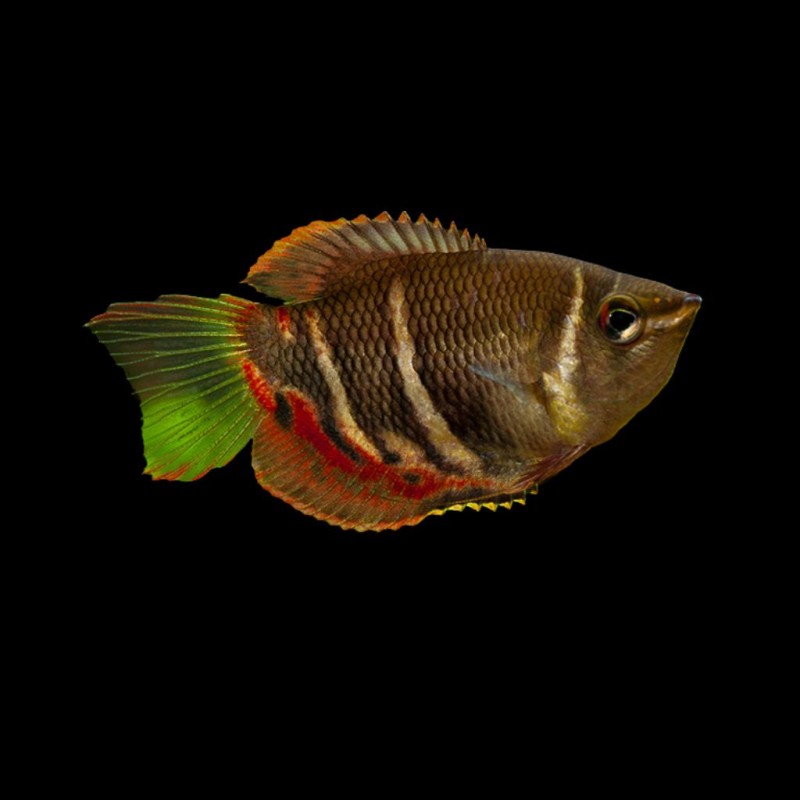
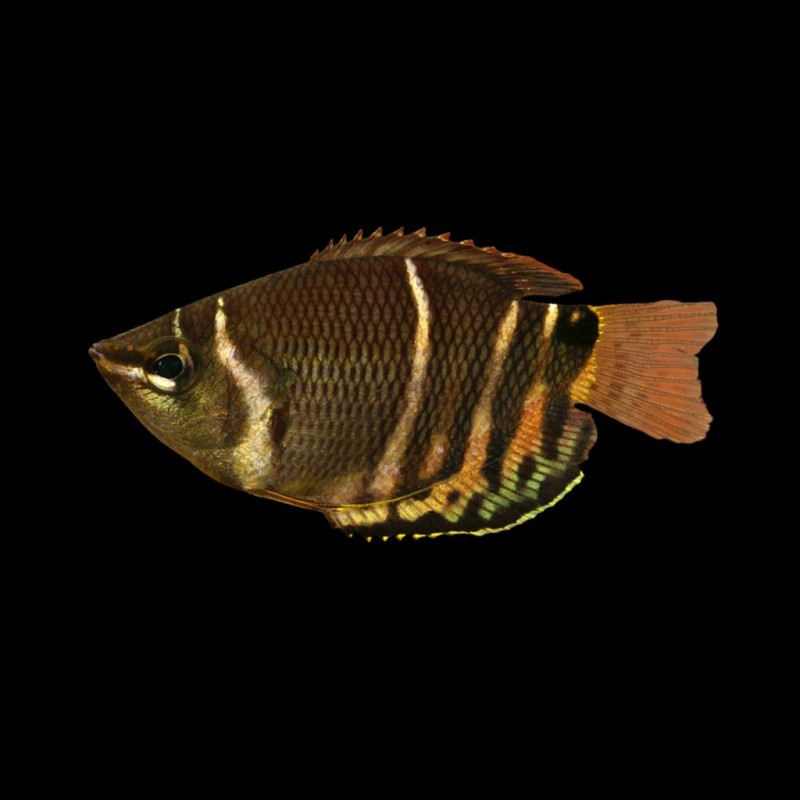
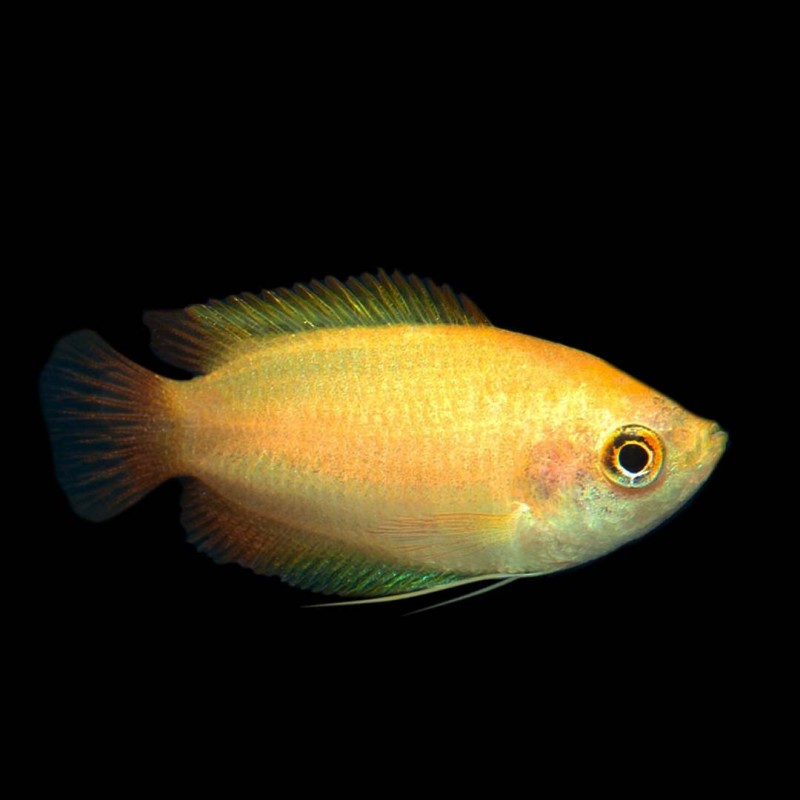
Please Note: Due to variations within species, your fish may not look identical to the image provided. Also note not all sizes or species may be available due to seasonality, Please call beforehand for up-to-date stock availability.
- Model: BLUE GOURAMI MATRIX
Available Options
Blue Gourami
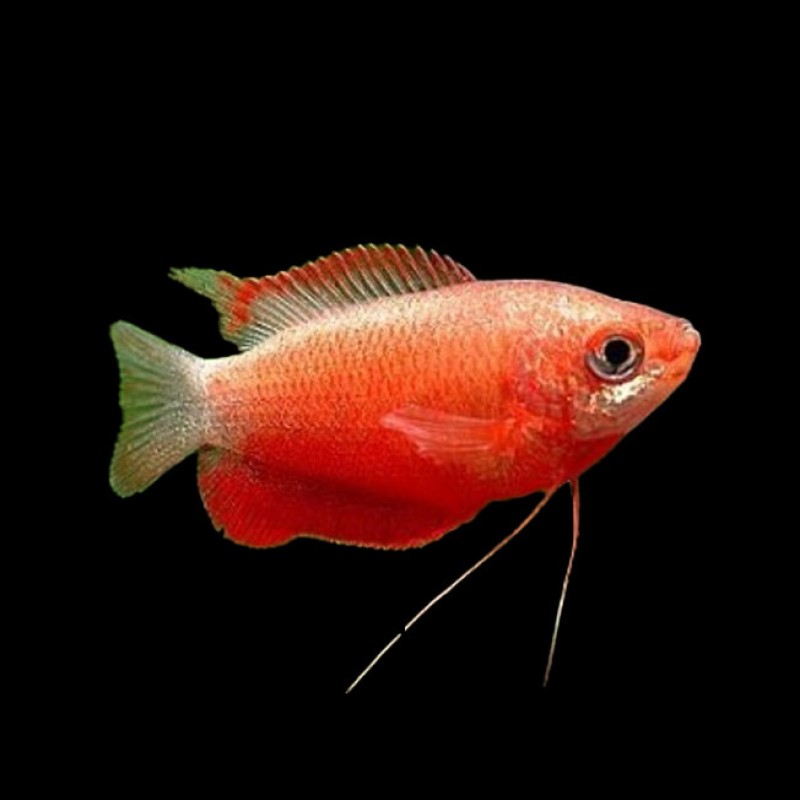
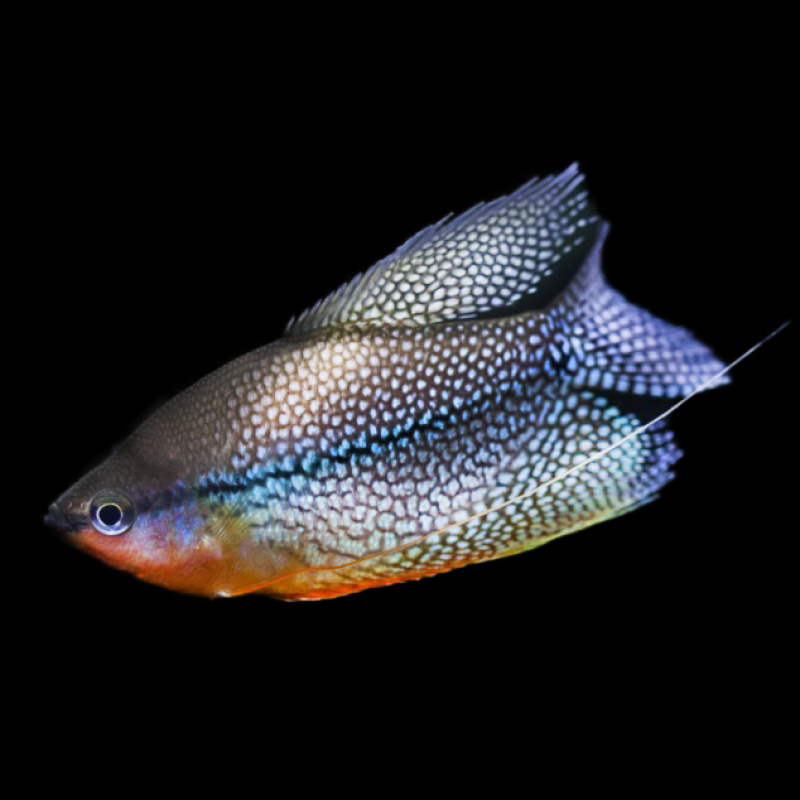
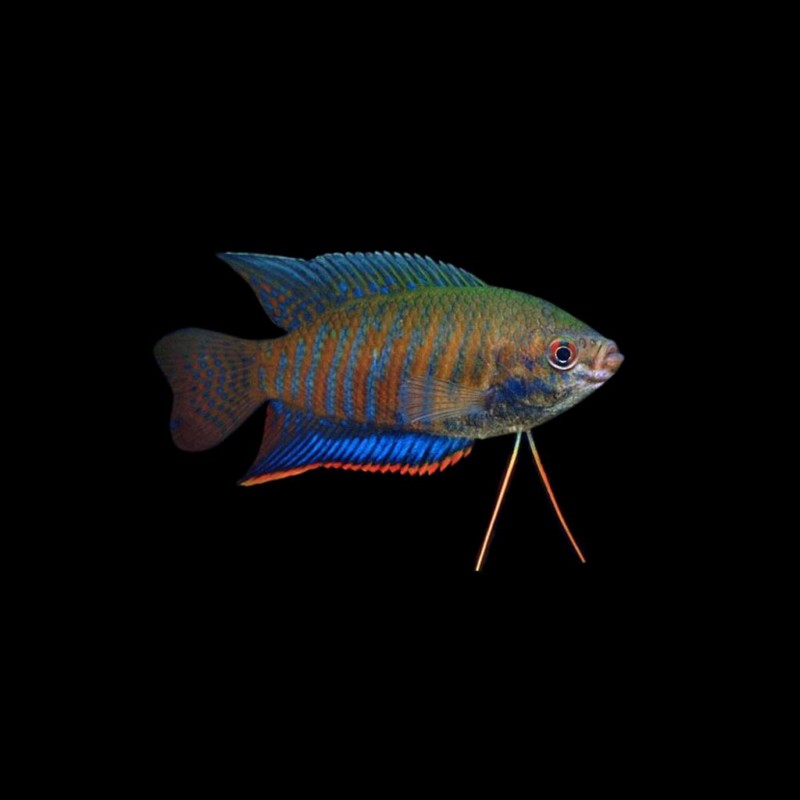
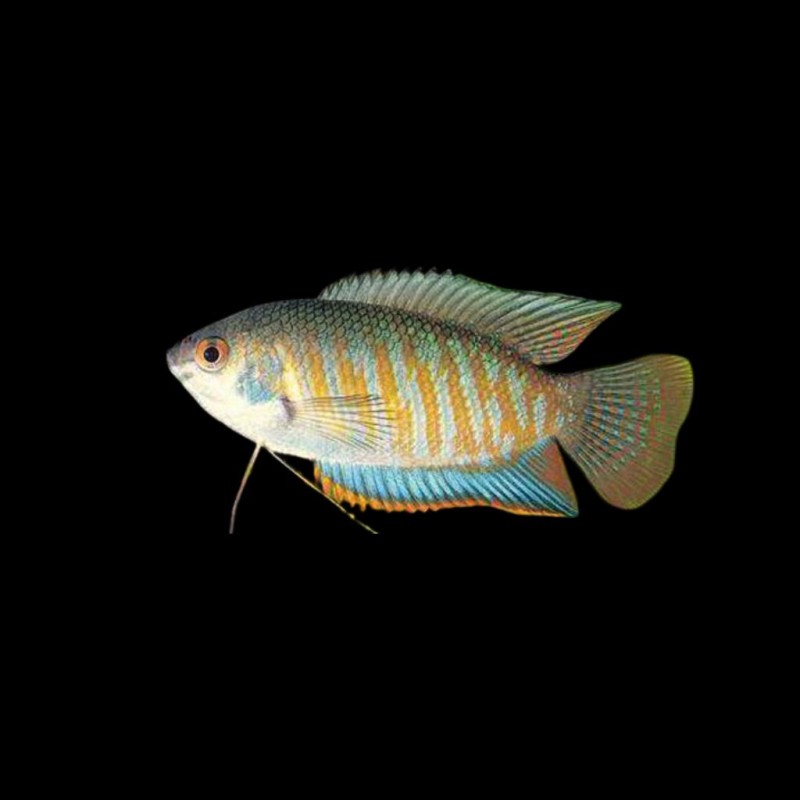
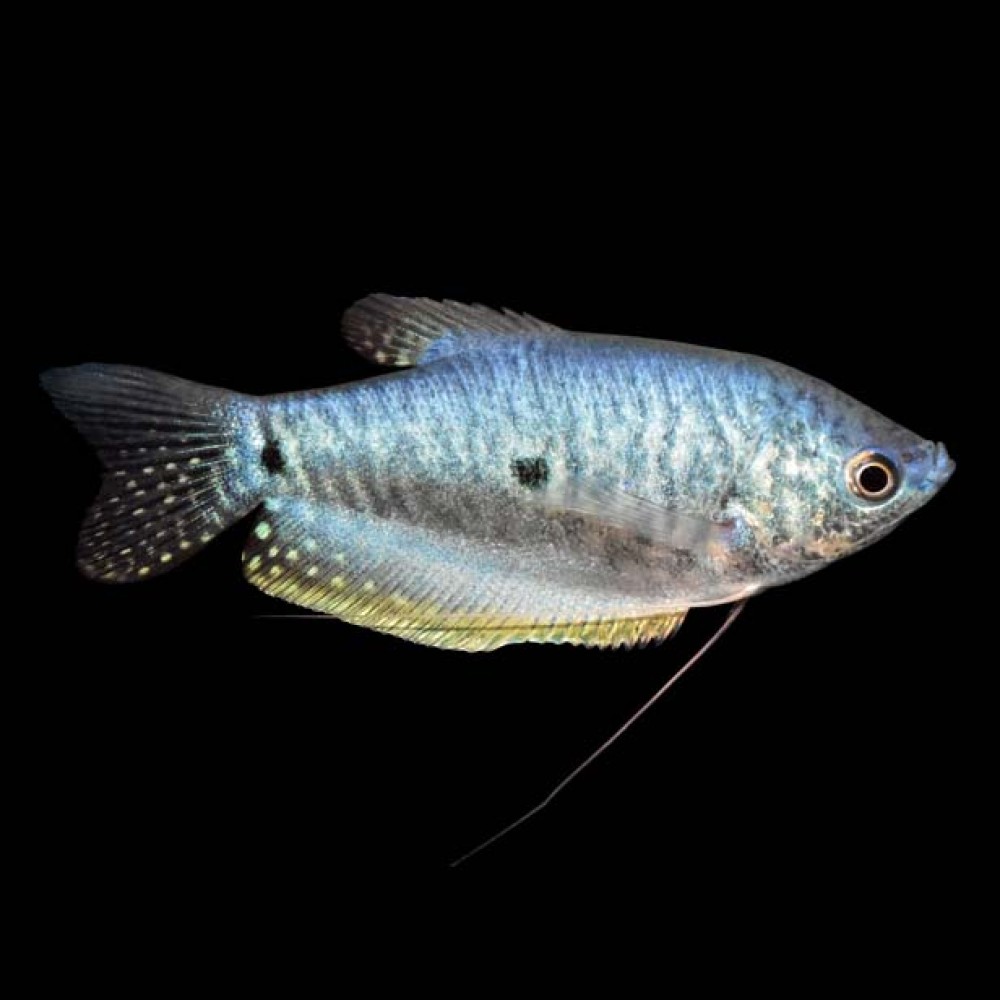
The Blue Gourami (*Trichopodus trichopterus*) is a popular freshwater fish known for its striking blue coloration and peaceful temperament. This species is native to Southeast Asia, where it can be found in various freshwater habitats, including rice paddies, ponds, and slow-moving rivers. Blue Gouramis are often chosen for community tanks due to their calm nature and attractive appearance.
Physical Characteristics:
- Size: Blue Gouramis typically grow to about 7-10 cm (2.8-4 inches) in length.
- Coloration: The body is predominantly a light blue or bluish-grey, often with a shimmering appearance. They may also exhibit horizontal stripes or spots, which can vary in intensity.
- Fins: The fins are generally long and flowing, with the anal fin extending along much of the body. The coloration of the fins can complement the body, often showing hints of blue or transparent hues.
- Shape: Blue Gouramis have a laterally compressed body, which gives them a disc-like appearance. This shape allows them to navigate through their natural habitats easily.
Behavior:
- Temperament: Blue Gouramis are generally peaceful and can coexist with a variety of tankmates. However, they can be territorial, especially during breeding or if kept in smaller tanks.
- Activity Level: They are moderately active swimmers but also enjoy floating plants or areas to hide, making them more secure in their environment.
- Community Behavior: Blue Gouramis can be kept in community tanks with other peaceful species. However, care should be taken to avoid overly aggressive fish that may stress them.
Aquarium Care:
- Tank Size: A minimum tank size of 40 liters (10 gallons) is recommended for a group of Blue Gouramis to provide ample swimming space and reduce territorial disputes.
- Water Parameters:
- Temperature: They thrive in warm water, with an ideal temperature range of 24°C to 28°C (75°F to 82°F).
- pH: Blue Gouramis prefer slightly acidic to neutral water, with a pH range of 6.0 to 7.5.
- Hardness: Soft to moderately hard water, with a general hardness (GH) of 4-12 dGH, is ideal.
- Tank Setup:
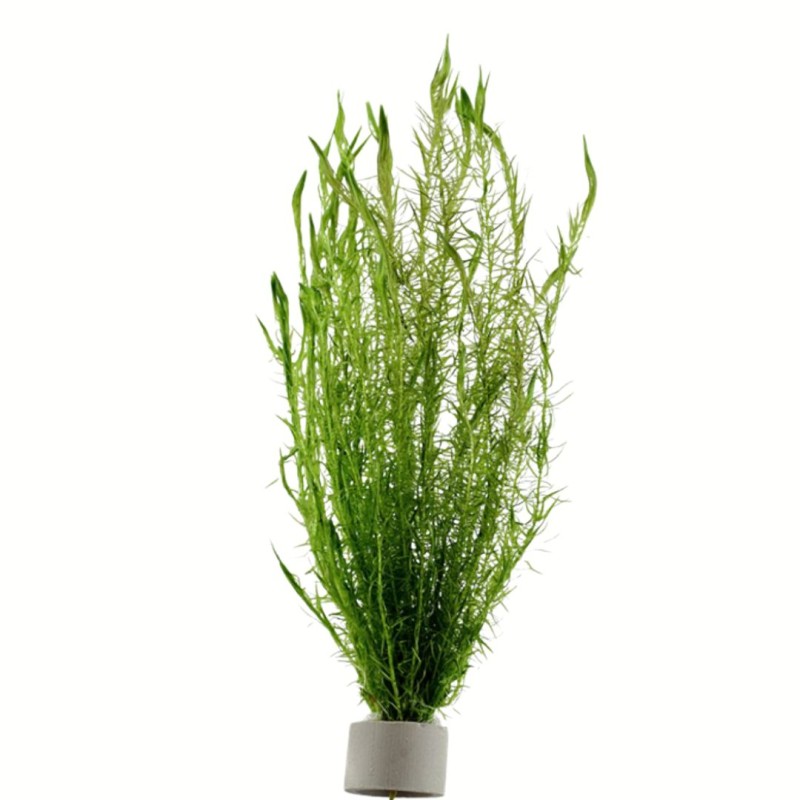
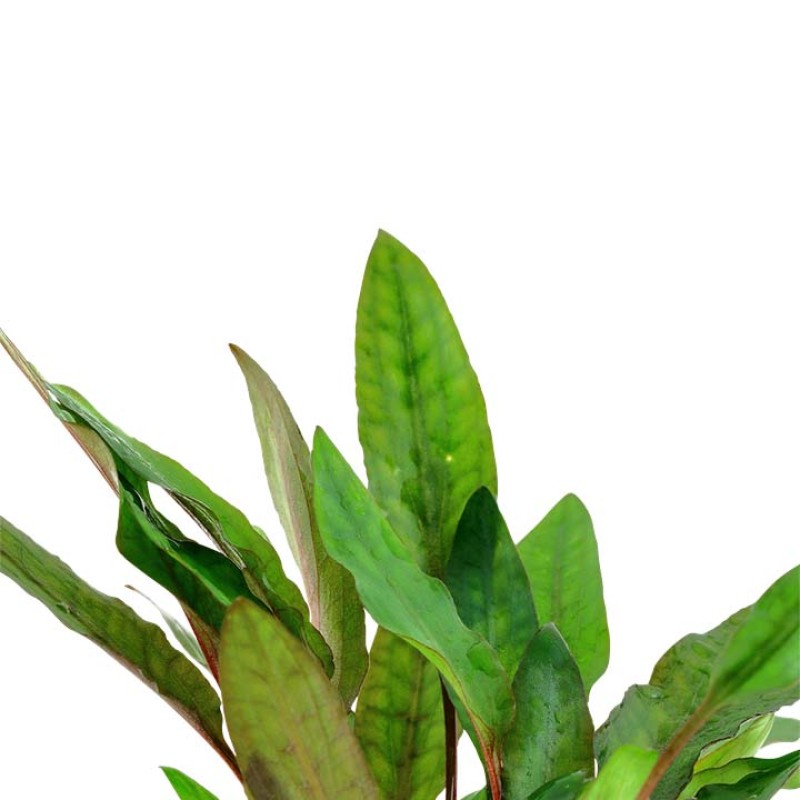
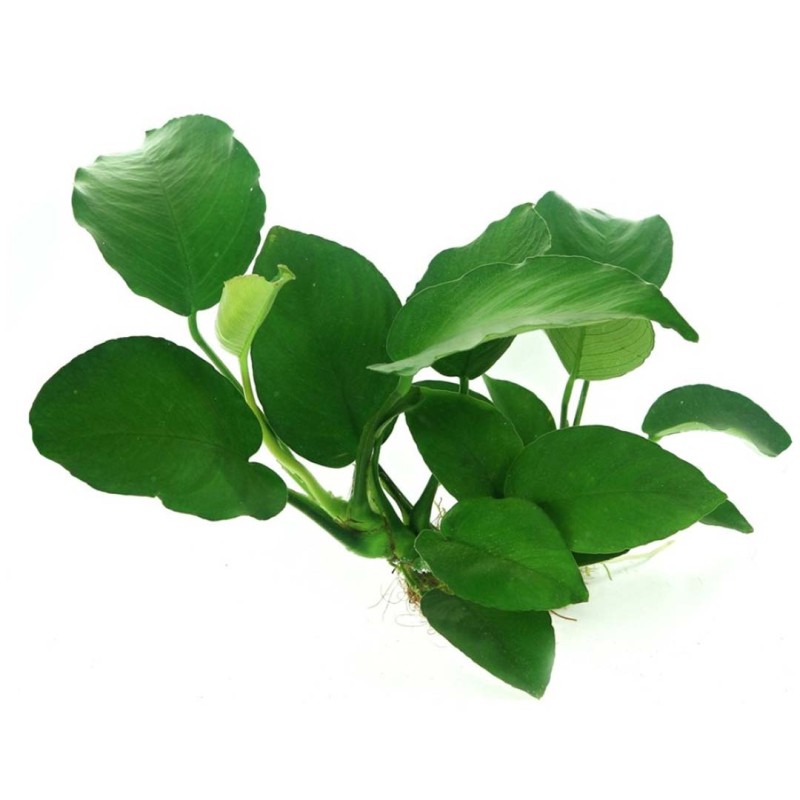
- Substrate and Decorations: A soft substrate with plenty of plants and hiding spots is recommended. Floating plants like duckweed or water lettuce can provide cover and create a shaded area.
- Lighting: Moderate lighting is best to mimic their natural habitat and encourage plant growth.
- Filtration: A gentle filtration system is preferred, as strong currents can stress Blue Gouramis. Regular water changes (around 20% weekly) are essential for maintaining water quality.
Diet:
Blue Gouramis are omnivorous and require a balanced diet to thrive. Their diet should include:
- Pellets: High-quality pellets formulated for community fish should form the staple of their diet.
- Live or Frozen Foods: Offer live or frozen foods such as brine shrimp, bloodworms, and daphnia to provide essential protein and variety.
- Vegetable Matter: Occasionally provide blanched vegetables or spirulina-based foods to ensure a balanced diet.
Tankmates:
Blue Gouramis can be housed with various peaceful tankmates, including:
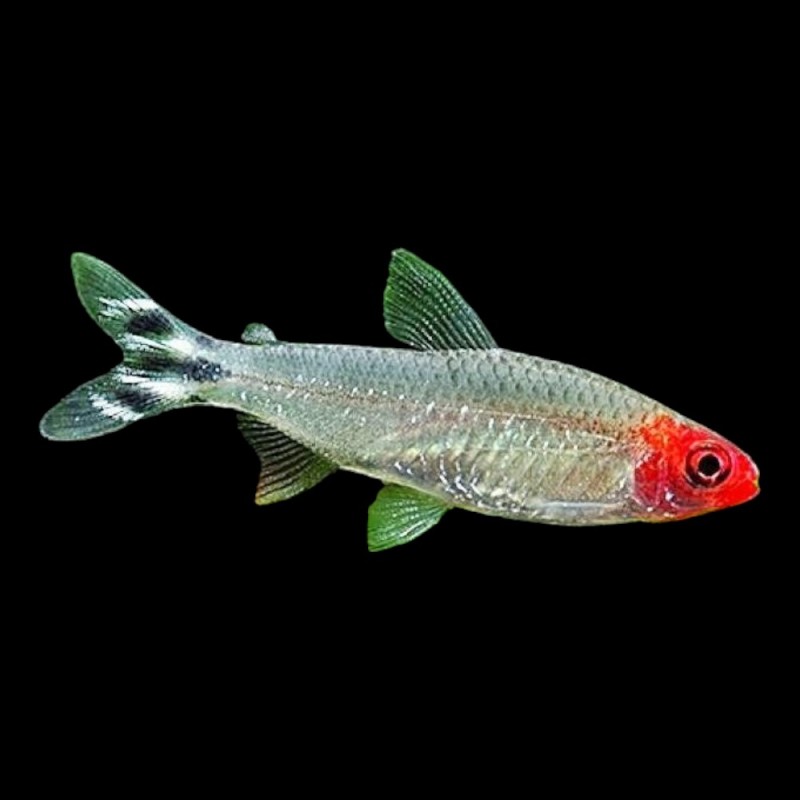
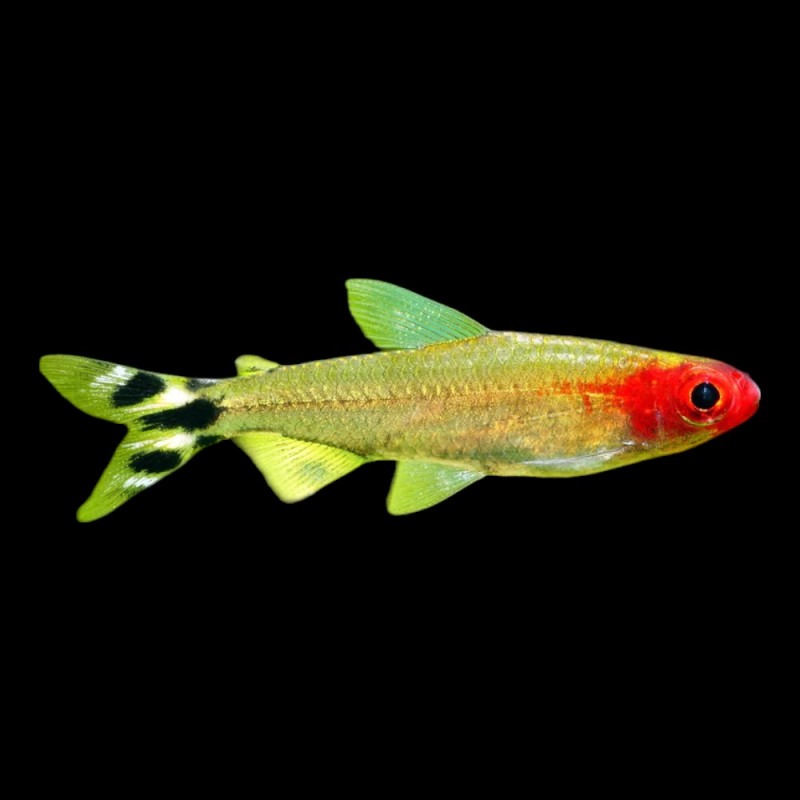
- Small Tetras: Such as Neon Tetras or Rummy Nose Tetras.
- Peaceful Rasboras: Like Harlequin Rasboras.
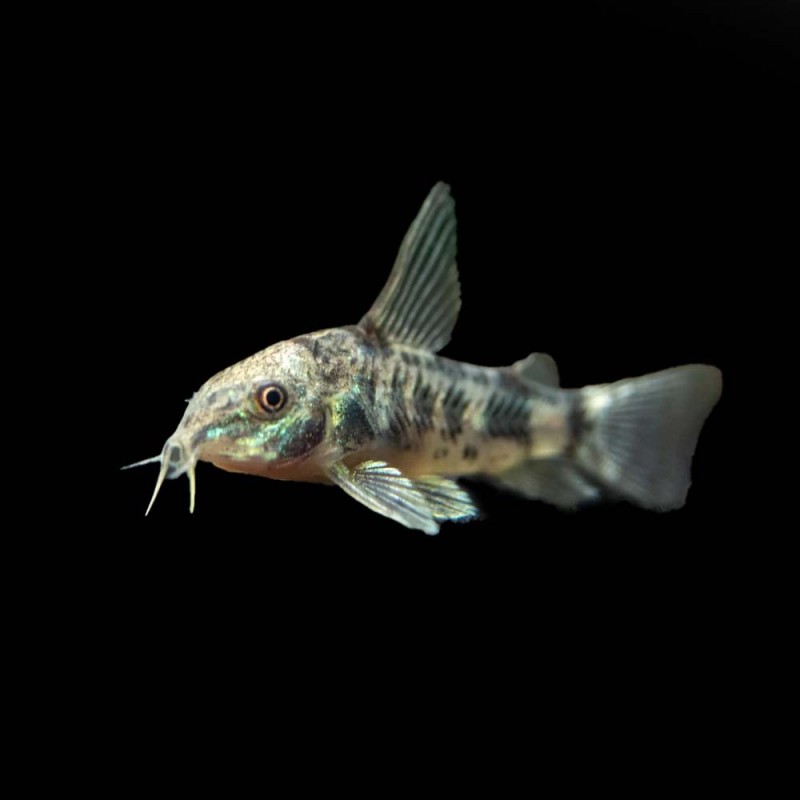
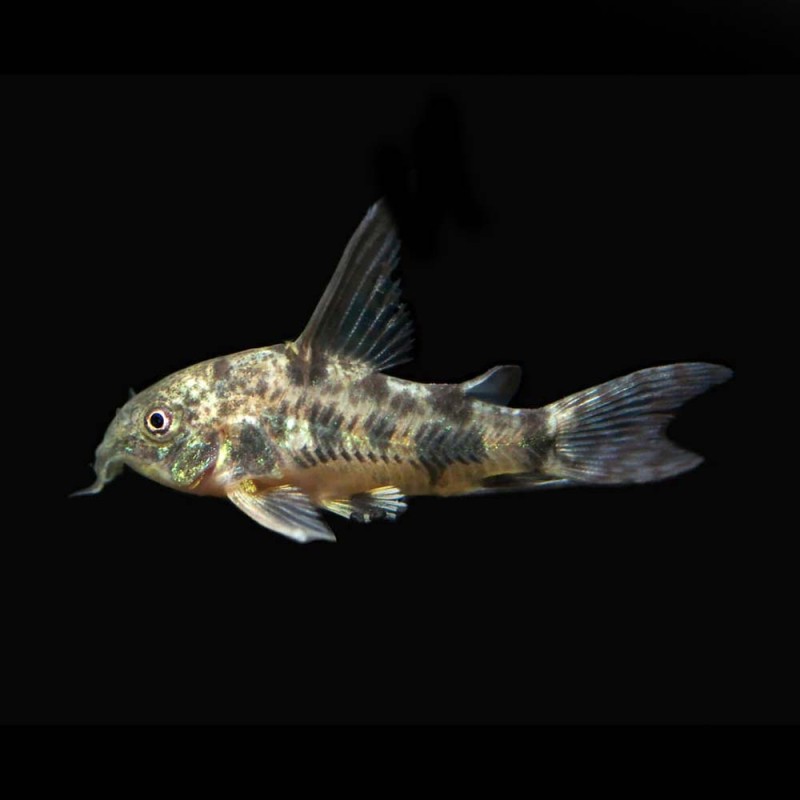
- Bottom-Dwellers: Corydoras catfish or other peaceful bottom-dwellers.
Avoid housing them with aggressive species or fin-nippers, as this can lead to stress or injury.
Breeding:
Breeding Blue Gouramis can be relatively straightforward if the right conditions are provided:
- Breeding Setup: A separate breeding tank with plenty of floating plants or a bubble nest-friendly surface is ideal. The water should be warm (around 26°C to 28°C or 79°F to 82°F) and slightly acidic (pH 6.0-6.5).
- Spawning Behavior: The male will build a bubble nest and court the female. After spawning, the male will guard the nest and care for the eggs.
- Fry Care: Once the fry become free-swimming, the male should be removed to prevent him from eating them. The fry can be fed infusoria or newly hatched brine shrimp.
Special Considerations:
- Water Quality: Maintaining excellent water quality is crucial for Blue Gouramis, as they can be sensitive to poor conditions.
- Temperament Monitoring: Regularly observe their behavior in community tanks to ensure compatibility with tankmates.