

- Stock: Generally In Stock
Please Note: Due to variations within species, your fish may not look identical to the image provided. Also note not all sizes or species may be available due to seasonality, Please call beforehand for up-to-date stock availability.
- Model: BLEEDING HEART WRASSE MATRIX
Available Options
Bleeding Heart Wrasse
Description
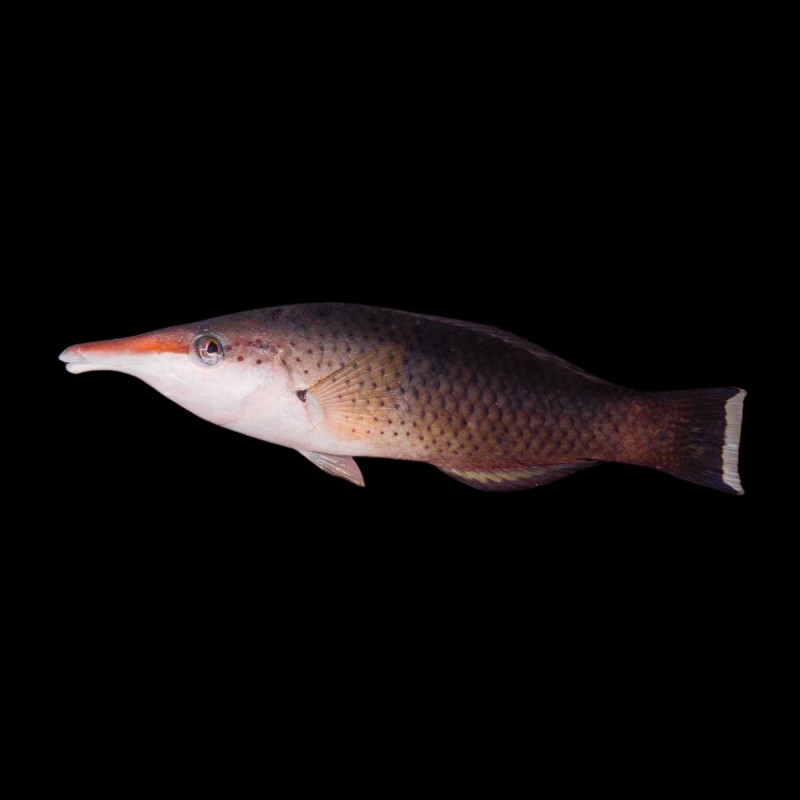
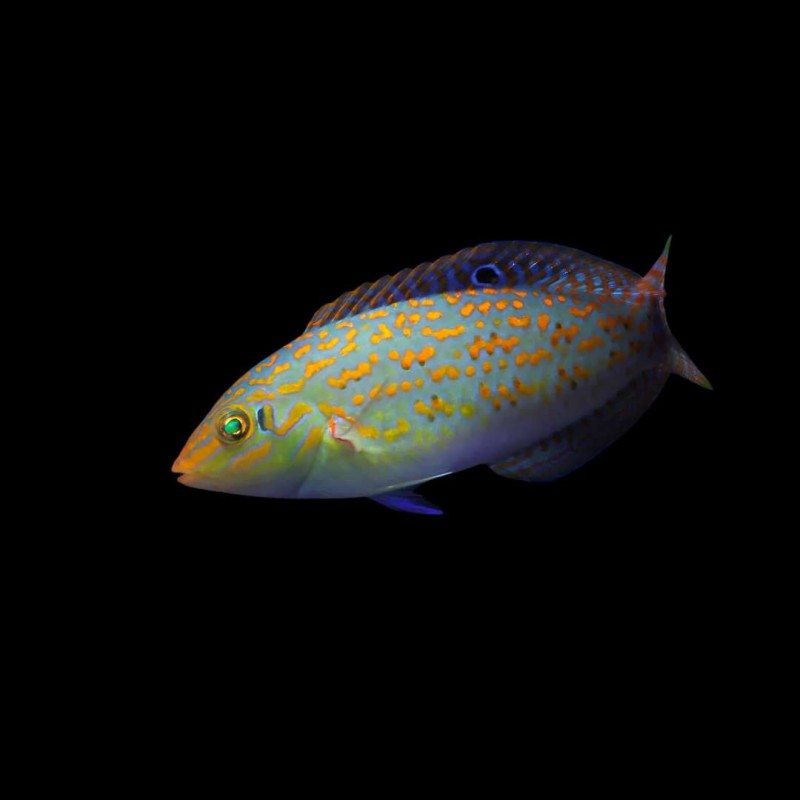
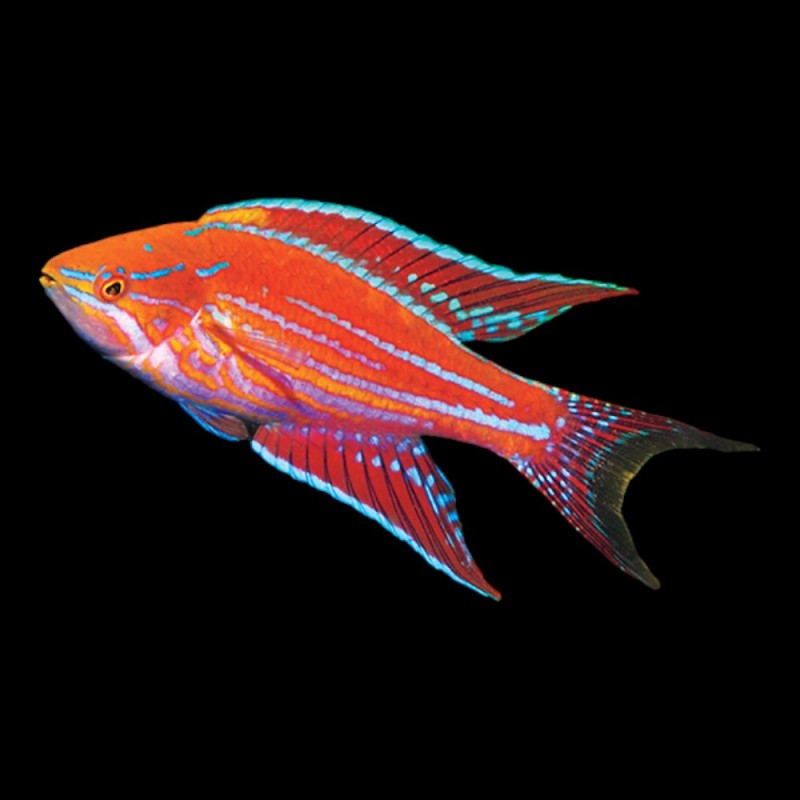
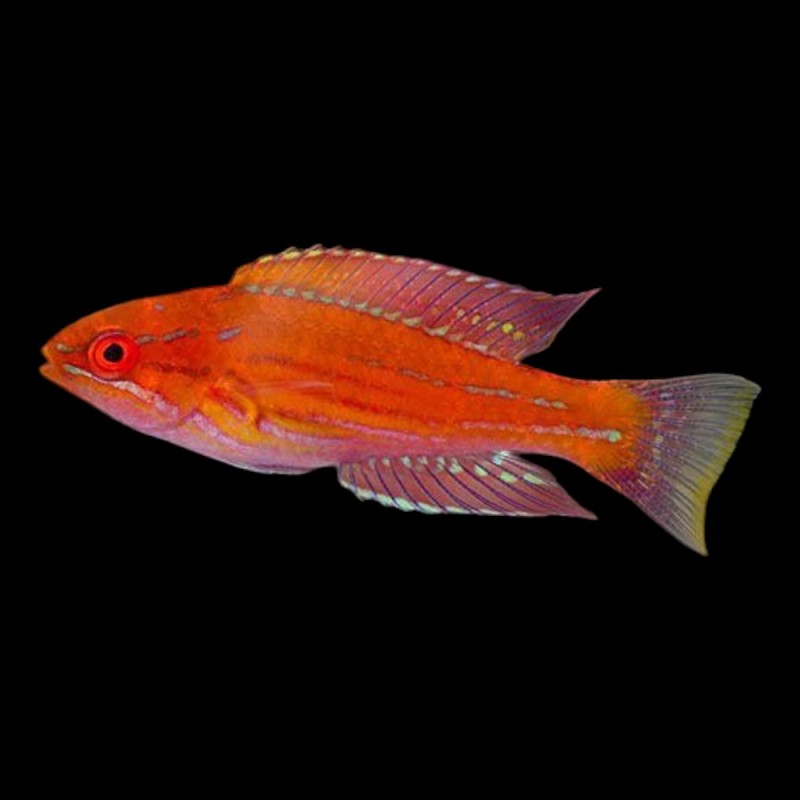
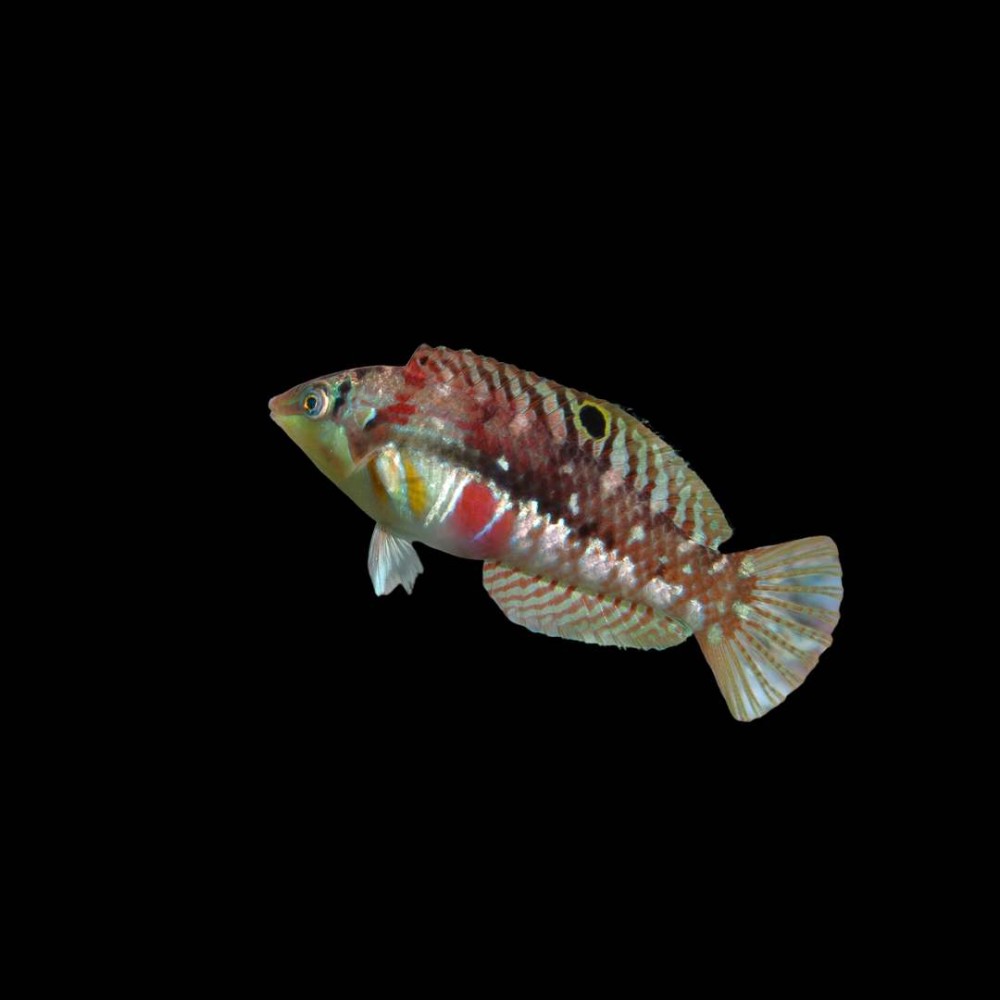
The Bleeeding Heart Wrasse (Halichoeres margaritaceus), also known as the Whipfin Wrasse, is a beautiful, reef-safe species that displays a stunning iridescent coloration.
Its elongated body is adorned with pink, green, yellow, and blue hues, often featuring a pearly shimmer that changes under different lighting.
Native to the Indo-Pacific, this species is active, hardy, and a great addition to peaceful and semi-aggressive reef tanks.
With its constant movement and natural foraging behavior, the Bleeding Heart Wrasse helps control pests like small invertebrates while adding a splash of color to your aquarium.
Aquarium Care Guide
???? Tank Setup & Water Conditions
Pearly Wrasses require a spacious tank with ample swimming room and a soft sand bed to burrow in at night.
- Tank Size: 50+ gallons (larger preferred for multiple wrasses)
- Temperature: 24–28°C (75–82°F)
- pH: 8.1–8.4
- Salinity: 1.022 –1.026
- Water Flow: Moderate to strong (to mimic reef currents)
- Substrate: Fine sand (essential for burrowing and sleeping)
- Hiding Spots: Live rock caves and crevices for security
- Lid Requirement: TIGHT-FITTING LID IS A MUST! Like most wrasses, Pearly Wrasses are expert jumpers and can escape from open tanks.
???? Lighting & Environment:
Bright reef lighting enhances their natural shimmer. A well-established reef with live rock provides hiding spots and natural hunting grounds for small invertebrates.
???? Diet & Feeding – A Natural Pest Controller
Bleeding Heart Wrasse are carnivorous and thrive on a protein-rich diet. They are active foragers, often picking at live rock in search of small invertebrates.
- Best Foods:
✅ Live & frozen meaty foods (Mysis shrimp, brine shrimp, copepods)
✅ High-quality marine pellets & flakes (small-sized, protein-rich)
✅ Natural foraging on amphipods and small crustaceans in live rock
???? Feeding Tip: These fish are active eaters, so feeding small portions 2–3 times a day helps maintain their health and vibrant colors.
???? Behavior & Tank Mates
Bleeding Heart Wrasse are peaceful to semi-aggressive, making them great for community reef tanks. They are curious, always on the move, and will interact with their surroundings.
-
Best Tank Mates:
✔ Other peaceful to semi-aggressive reef fish (clownfish, gobies, blennies, tangs)
✔ Other wrasses (if introduced together and in a large tank)
✔ Reef-safe invertebrates (shrimp, snails, hermit crabs) -
Avoid:
❌ Very small, delicate fish that might get outcompeted for food
❌ Aggressive fish (large dottybacks, triggers, groupers)
❌ Slow-moving invertebrates like feather dusters (wrasses may nip at them)
???? Wrasse Compatibility:
If keeping multiple wrasses, introduce them at the same time to minimize aggression. A well-established pecking order will develop, with the most dominant wrasse leading the group.
Why Choose the Bleeding Heart
Wrasse?
✅ Brilliant pearlescent colors that shimmer under lighting
✅ Active and constantly moving, bringing life to the tank
✅ Hardy and beginner-friendly
✅ Helps control pests like small invertebrates and bristle worms
With their stunning appearance, lively personality, and reef-friendly behavior, Pearly Wrasses are an excellent choice for reef aquariums.
Whether you want a natural pest controller or a dynamic, colorful fish, this species is sure to impress!